Review: ‘The Jungle Book’ Is More Than Just a Pretty Face


jungle book review

It’s no secret that Disney has had tremendous success with its live action cartoon remakes, even if they usually come at the expense of better storytelling than what’s appropriated for new takes on Alice in Wonderland, Sleeping Beauty, and Cinderella.

But The Jungle Book, a remake of the 1967 animated classic (well, classic soundtrack at least), is the first of these live-action films to rise above what came before it. It solves many of the issues fans have had with the original for years, even if it does stumble from time to time due to its own limitations.

Directed by Iron Man and Chef‘s Jon Favreau, The Jungle Book is among the most gorgeous movies in recent years, discounting computer and hand drawn animation. But it’s strength really is in how immersive its jungle is without having to computer animate the characters. Granted, the majority of The Jungle Book was made on a computer, and it was filmed thousands of miles away from any real jungle.

Based on Rudyard Kipling’s series of tales set in India (mostly Mowgli’s Brothers like the rest of these adaptations), The Jungle Book is a coming of age story about a boy named Mowgli (Neel Sethi), who was raised in the jungle by wolves and overseen by a stern, but loving, panther named Bagheera (Ben Kingsley).

jungle book review

Unlike past iterations, The Jungle Book fully explores the role of a “man cub” living amongst animals, as he has to familiarize himself with the politics of said society and decide once and for all where he truly belongs. At times, Mowgli is given opportunities to set himself apart for the good of the animals around him, while at other times, his mere presence causes disaster, brought on in large part by this film’s excellent new rendition of Shere Khan (Idris Elba), who will do whatever it takes to kill Mowgli before he becomes a true threat.

Like the “red flower” that defines human dominion, Mowgli has the potential for both life and destruction in this world. It’s a simplistic story, but not a thin one, in that Mowgli’s agency as a character provides ample motivation and purpose for the various creatures he meets throughout the film. Making their believability as characters (both visually and narratively) all the more impressive.

The vast majority of audiences will be enamored by the surprising depth of The Jungle Book, but it’s not a perfect film that will convert everyone. There are several scenes that feel aped (no pun intended) from other Disney stories like The Lion King. This film crosses the line from homage to ripoff by the third act.

There is also an inconsistency with how this film deals with the popular song numbers from the animated classic, which were critical to its lasting memory. Only two of them make it into the film, and only one comes off as a harmless tribute. The other is quite out of place and nearly ruins a fantastic scene featuring the well-realized King Louie as an extinct giant ape (Christopher Walken).

jungle book review

Thankfully, nearly everything else in The Jungle Book is extremely solid and even brilliant at times. You’ve probably never seen talking animals appear so convincing and true to life on the big screen, yet so mystical at the same time. And they’re balanced nicely by a set of valid themes that raise great questions for children, such as man’s place in nature and what it means to respect the environment, without putting them to sleep with a preachy message.

Grade: B+

Extra Credits:

  • OK, let’s nitpick. Neel Sethi did a fine job, but at times, his performance was bizarrely over the top, far removed from what you would expect from a boy raised by wolves.
  • I’m not sure where I stand on the film’s intense action scenes. Mowgli is in a constant state of peril at times, and it all seemed rather frightening for a PG kids film. It’s about as violent as something like Star Wars: The Force Awakens, for example.
  • I didn’t get to mention Baloo, who was voiced by Bill Murray in what I believe is his best role in years. He doesn’t show up until about 40 minutes into the movie, but his impact on the darker tone of the script is felt almost immediately.
  • I wish I could lend the same praise to this film’s handling of Kaa, voiced by Scarlett Johansson. She has a lot of fun with the character, but it’s far too brief to get excited about.
  • Disney has a new opening logo treatment that I hope lasts into future films. It has a unique transition that looks great in 3D, and it’s hopefully not the last we’ll see of this technique.
  • The end credits are also fun to watch, as we see a literal book unfolding one of the dance numbers. I’ve always thought it was weird that these movies are called The Jungle Book rather than The Jungle Movie.

I’m Jon and thanks for reading this. You can subscribe to my posts by clicking “Follow” in the right sidebar. Or just say hey on Twitter! @JonNegroni


Review: For Some, ‘Demolition’ Will Be a Revelation

demolition review

Demolition, directed by Jean-Marc Vallèe, is a movie about brokenness, and if you think that’s a little obvious from the title, then you’re already one step ahead of this review.

“Everything’s a metaphor,” cites Davis Mitchell, an upper class Wall Street broker played by Jake Gyllenhaal, who finds himself in an existential crisis after his wife is tragically killed in a car accident that he witnessed firsthand.

Yet his crisis of identity has little to do with his wife or grief over her death. Demolition is an unconventional dramedy that explores the callous nature of a man who feels nothing when his wife dies, revealing to him and the audience that we’re seeing someone on the screen with almost no likable qualities.

But Demolition gets to the heart of why we find it so alarming when characters in movies don’t align with our expectations of what’s normal and acceptable. This trope works well in shows like The Office, when Michael Scott is only as horrifying as he is affectionate with the people around him. In Demolition, audiences are forced to pay attention to a character they have no reason to feel sympathy for, despite the film asking them to feel sympathy for that character. And for some people, this works well thanks to Gyllenhaal’s performance.

demolition review

The script is very quirky for the subject material presented, as Davis finds himself in a surprising correspondence with a vending machine customer service rep named Karen, played by Naomi Watts. Davis becomes immediately obsessed with Karen and her rebellious son, Chris, but the script is much too afraid of crossing into “Manic Pixie Dream Girl” territory to let their relationship play out as you’d expect. And this is probably for the best.

Their connection will likely divide audiences, but it feels far more authentic than similar personal journey movies like Cameron Crowe’s Elizabethtown. More importantly, Davis himself reads a lot like the type of people you’ve come across in your life who seem to have everything, despite living on autopilot. Whether you are that person or you’re used to dealing with that person, Demolition could be a revelation for understanding what makes apathetic people of privilege tick when they break down mentally.

If you can grapple with some of Demolition’s more brazen themes (he literally hits the nail on the head at one point), such as an ongoing reliance on taking things apart to put them back together again, you’ll find yourself charmed by Davis’s antics, which range from nihilism on par with his character in Nightcrawler, all the way to his more upbeat performances in films like Love and Other Drugs and even October Sky to an extent. His range here is very satisfying, if not a little sappy by the final act.

demolition review

Demolition also has several moments of near brilliance, when the soundtrack and moving narration come together and stick the landing. It’s even quite funny from time to time. But many of the moving parts between Davis, Karen, Chris, and the father-in-law (Chris Cooper, who balances a logical character mixed with tyrannical aggression), ultimately fail to amount to much when held together. Demolition operates on a very specific level that asks a lot of its audience, but if you’re willing, it can be a very affecting experience.

Grade: B


I’m Jon and thanks for reading this. You can subscribe to my posts by clicking “Follow” in the right sidebar. Or just say hey on Twitter! @JonNegroni

Review: ‘Everybody Wants Some’ Has Something For Everybody

everybody wants some review

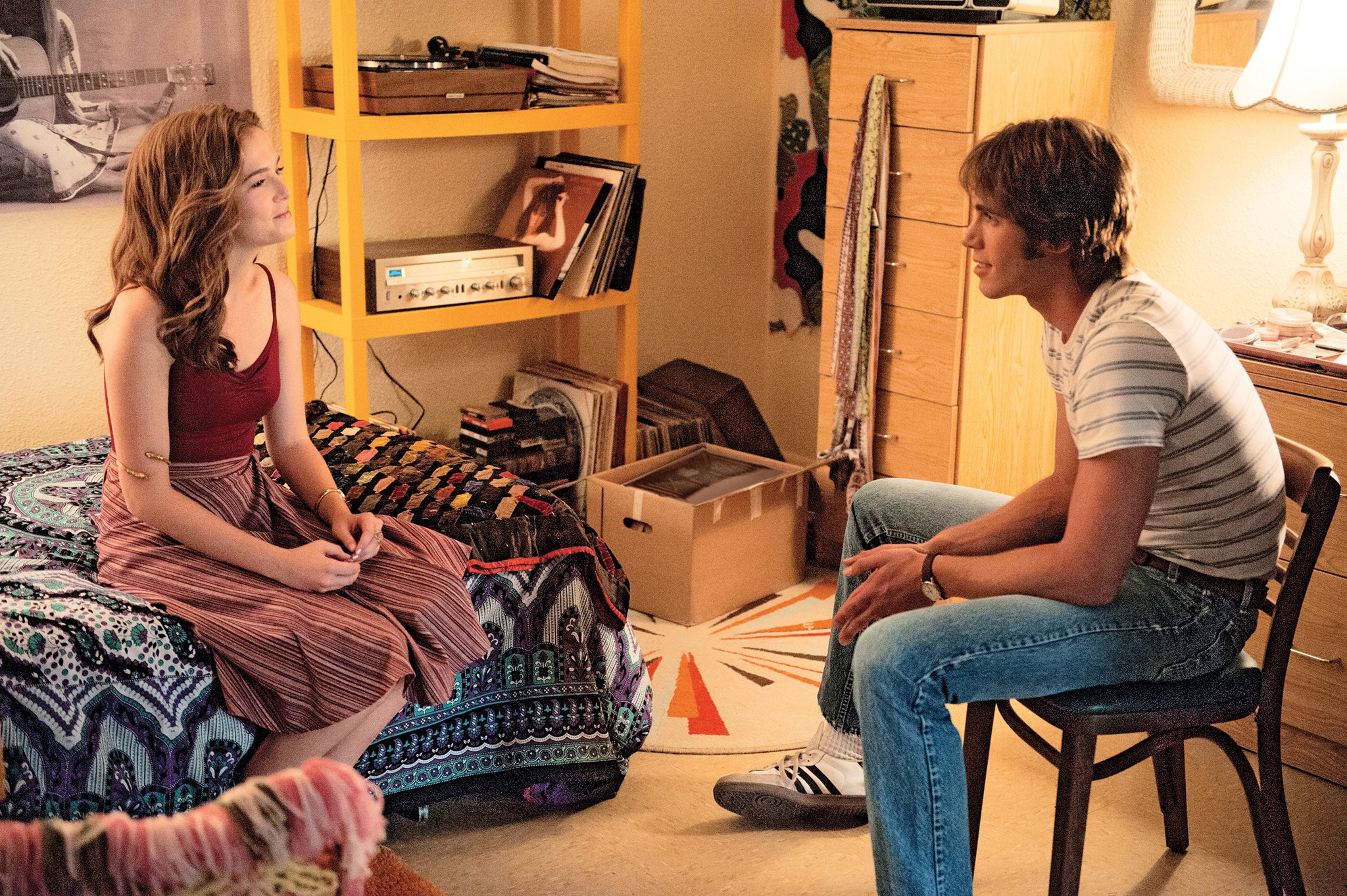
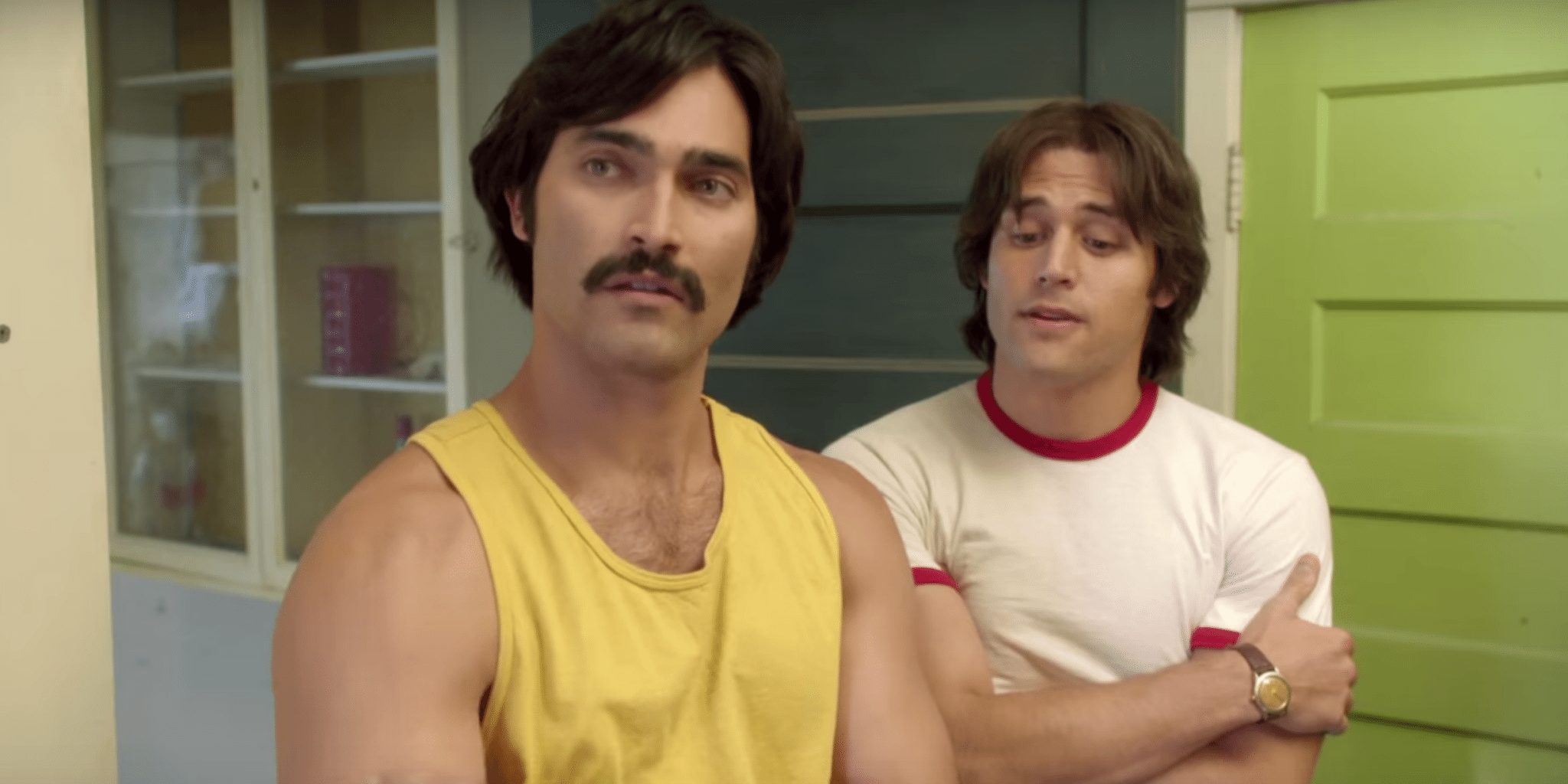
There’s a lot going on in Richard Linklater’s spiritual successor to his 90s cult classic, Dazed and Confused. Taking place at just past the beginning mark of 1980 yet right at the beginning of the first semester of college, Everybody Wants Some is a crammed ensemble movie about a group of college baseball players hazing the new freshmen and slowly unwinding before the new term begins.

Relationships are formed, rivalries come to a head, and airless competition takes place in just about every scene, even surrounding a bong. Each character in Everybody has something they’re deliberately yearning for, in the same vein as Dazed but perhaps in a less serious sense. Only the film’s true protagonist, a freshman pitcher named Jake, is trying to babble something meaningful about his first experiences at his new school.

But his teammates, a joy full mix of frequently shirtless bros who come into their own as characters throughout, are there to remind Jake that he has more to learn from them than he does himself. The film spends a lot of its 117 minute running time making it clear that Jake fits in easily, but he’s also very much expendable in the eyes of everyone around him — including his new friends, a one night stand, and perhaps the girl he really likes.

everybody wants some review

What works so well in Everybody is how careful it is to present its cast as lived-in characters living in an overly lived-in frat house (well, a donated dorm house, technically). It’s easy to find these abrasive, bombastic young men as a bunch of “dumb jocks,” but Everybody clues you in early on how layered even the most uncomplicated people are.

One character in particular presents himself as the most honest, straightforward stoner you could picture from the early 80s, only to be revealed later on as the character with the most secrets. And that’s Everybody Wants Some in a nutshell: mostly contrasts and contradictions existing in a pleasing realization of 1980, complete with the soundtrack you deserve from that description.

Growing up, a lot of us have preconceptions about jocks, nerds, and drama geeks based on our high school experiences. So it’s more than refreshing to see an honest college tale exploring how relaxing it is to find definition outside of the social circles people are used to. When the jocks “go punk” for a night, Linklater doesn’t present any pointless drama to shake things up. He lets the characters just be themselves.

everybody wants some review

But while Linklater mostly excels at providing breezy and easy to love characters, some of his faults from past films are still present here. Many of the film’s most important messages, including themes surrounding identity and how transition is a big mess for 18 year olds, are explicitly rambled by the actors who don’t even seem to believe what they’re saying. Perhaps it’s because so much of the film is quite well-realized as a Texas college romp that it’s easy to see the cracks in writing that hold the viewer’s hand.

Thankfully, the best thing about Everybody Wants Some has nothing to do with overthinking it. At its core, the film is hilarious, energetic, and sure to put a grin on your face. Who doesn’t want some of that?

Grade: A-


I’m Jon and thanks for reading this. You can subscribe to my posts by clicking “Follow” in the right sidebar. Or just say hey on Twitter! @JonNegroni
Review: ‘Midnight Special’ Delivers Superb Sci-Fi For all Ages

midnight special review

The modern blockbuster is beholden to many rules that put a greater emphasis on writing, dialogue, and pure spectacle. While Midnight Special doesn’t eschew these typical cornerstones, it’s also not a slave to it. The movie feels intentionally transported from the late 70s and early 80s (specifically Spielberg’s Close Encounters of the Third Kind and E.T.), when character moments were given more care than exposition, and spectacle was usually just a means to an end.

The film’s initial conceit is to prove how little it needs expository dialogue to win viewers over, handily laying out the motivations of almost every key player with subtle, digestible sequences. This includes a riveting midnight car chase down back roads without any headlights, carefully balancing the film’s sheer momentum with an air of mystery.

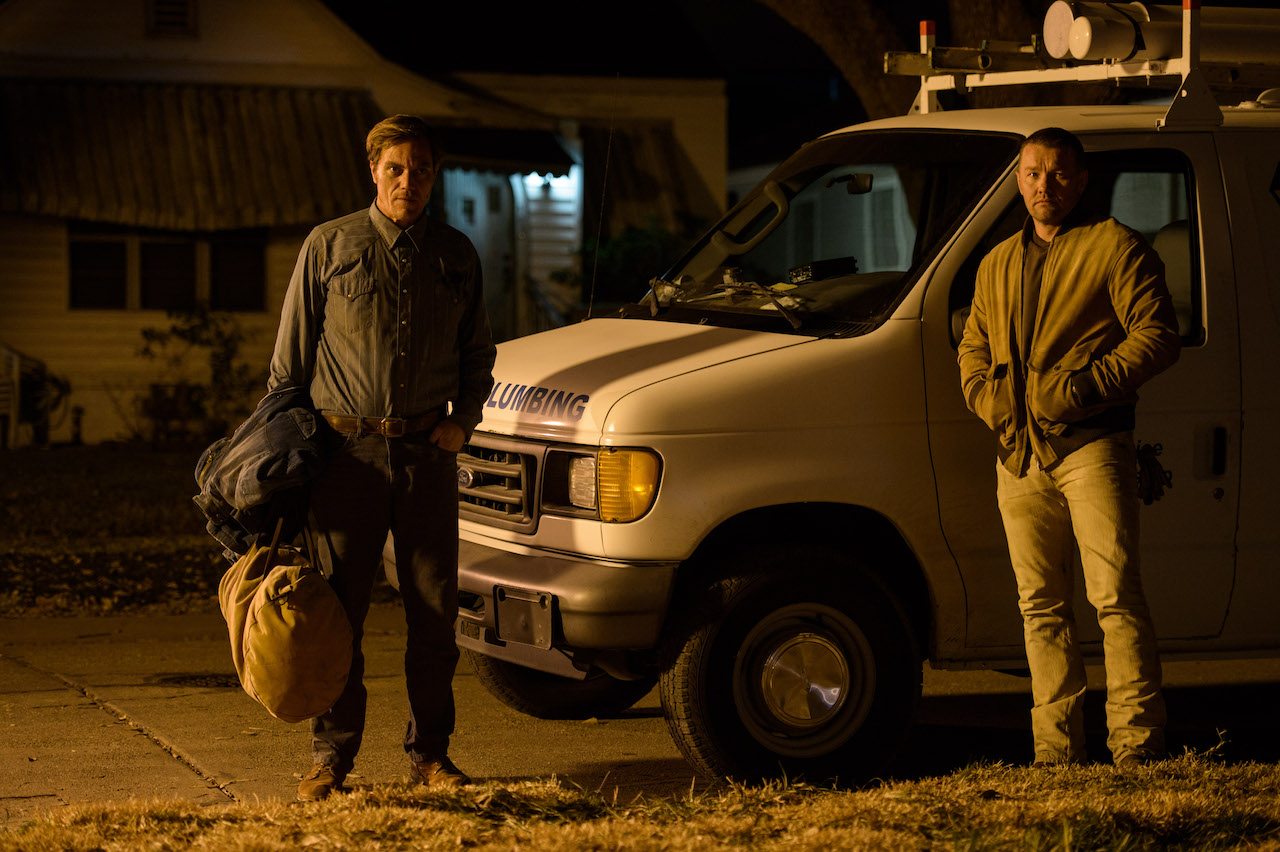
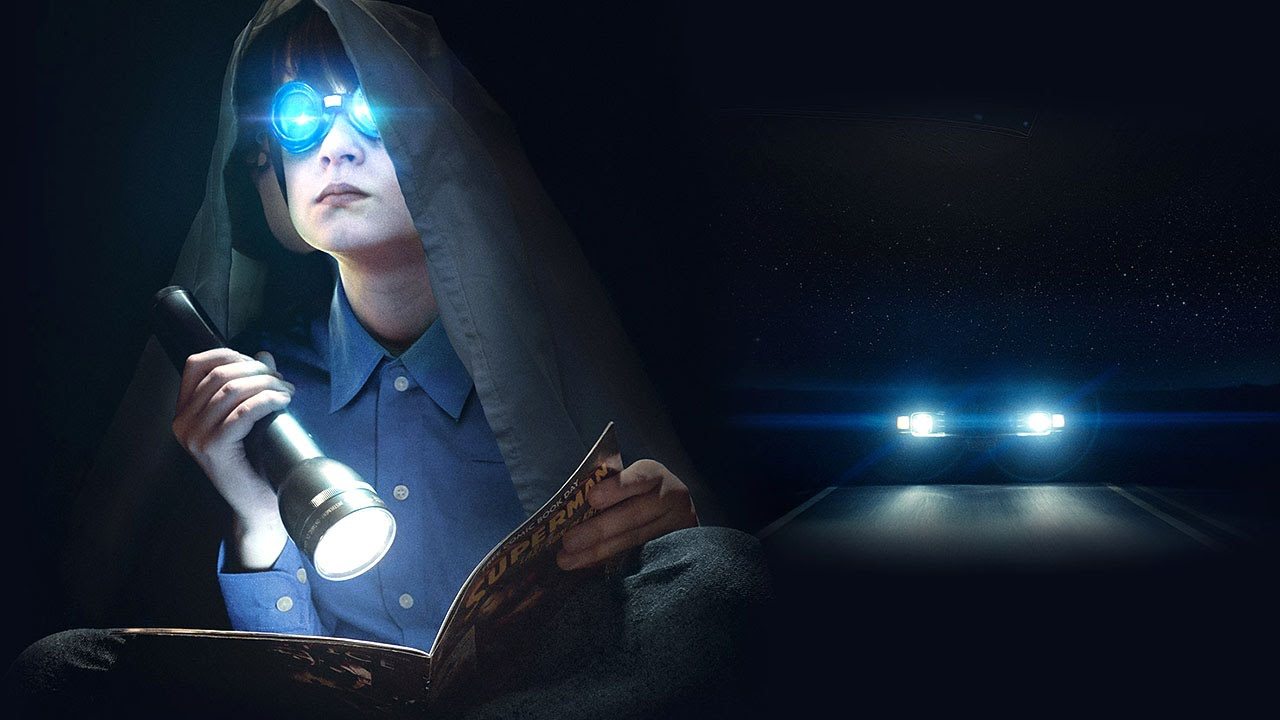
Beginning in Texas, two adult men (played by Joel Edgerton and Michael Shannon) secretly transport a missing child by night in a beat up Chevelle. The child, Alton (played Jaeden Lieberher), brandishes goggles and peruses comic books the whole way, and it’s quickly revealed that one of these men (Shannon) is his biological father.

midnight special review

To describe the reasons for why these characters are on the run would spoil many of the engrossing twists that keep the audience guessing, but it’s obvious to say that the boy himself is someone special. A messiah to cult leaders, he wields strange, otherworldly powers that manifest in unexpected ways throughout the film, and his relationship with Shannon and another character played by Kristen Dunst later on, is probably even more intriguing than his mysterious origins.

Midnight Special raises a lot of questions that don’t get answered, somewhat to the film’s detriment. Though the NSA agent, played by Adam Driver, is one of the film’s stronger key players, most of his deductions and motivations are bewildering, to say the least. If only because director Jeff Nichols cares so much about preserving the film’s theme of in media res, in that it doesn’t take much time to explain what happened before the opening scenes unless it’s truly warranted.

This is a unique stamp of the filmmaker, as we’ve also seen in his last movie with Shannon (Take Shelter), and it’s entertaining to see a side character starting to explain his own backstory, only to be interrupted by more interesting matters. For some curious viewers, this will probably be utterly frustrating, but Nichols is begging for the audience to ignore their own questions and dwell on these character performances.

midnight special review

And that’s easy to do considering the more obvious heart underneath the film’s glossy exterior. Shannon consistently moves on this journey sacrificing everything for his son, despite the inevitability that their time together will be brief. It’s not a subtle allegory for parenting, but that’s why it will be more effective for mothers and fathers over everyone else.

Though Midnight Special sports a modest budget, most of its special effects are serviceable at best. Its best visual moments truly come with the sophisticated art direction of one particular scene taking place in a government bunker, where Adam Driver’s character comes face to face with one of the film’s central mysteries. It’s not a scene that relies on CGI or surreal or imagery to make its case, unlike another great sci-fi movie of recent years, Ex Machina. Which is why it’s unfortunate that some of the final scenes in the film fall somewhat short of the promise the film sets up.

But for most viewers, they’ll be too enthralled to take notice.

Grade: A-

Extra Credits:

  • Like the headline implies, I’m fascinated by how kid-friendly this movie is. It’s serious subject matter, for sure, but it’s absolutely a movie I would let my own children (if I had any) watch.
  • Seriously, it seems like Jeff Nichols and Michael Shannon can do no wrong when working together.
  • You may recognize young Jaeden Lieberher from the underrated comedy, St. Vincent back in 2014, as well as Masters of Sex.
  • My companion for this movie, Kayla Savage, was sobbing at the very end. In a good way.
  • I forgot to mention how reminiscent Midnight Special is of John Carpenter’s work as well, at least in the Americana imagery. It’s not a horror film, but it can be just as tense as satisfying.
  • There’s no post-credits scene, but pay very close attention to the last frame. It might redeem the movie for any of the naysayers if you catch it.

I’m Jon and thanks for reading this. You can subscribe to my posts by clicking “Follow” in the right sidebar. Or just say hey on Twitter! @JonNegroni
Review: ‘Hardcore Henry’ Lives Up to Its Name, But Not to Its Promise

hardcore henry review

Hardcore Henry is a film shot entirely in first-person view, from the perspective of a silent protagonist. If this sounds a lot like a video game, then you’re on the right track to understanding the appeal — and limitations — of this thoroughly brazen action film.

The plot is especially ripped out of a fun hybrid between Call of Duty and Dead Rising (if only for the amount of gore), as it follows a day in the life of a newborn cyborg in search of his captive wife, who happens to be the one who put him together.

Throughout the film, you never hear or see Henry himself, save for shots of his tattooed arm and clothed body, which both work to hide the stunt actor portraying him and preserve a semblance of identity that the viewer can shift themselves into. To mix up the narrative, Henry frequently comes across eccentric characters meant to counteract his stoic bravado.

hardcore henry review

Sharlto Copley plays Jimmy, a rogue spy who helps Henry get up to speed on his capabilities and drives most of the early plot points. But his memorable performance is rivaled by Akan, the film’s telekinetic Russian bad guy with red-stained eyes and pale-white hair. Because Henry is such an intentional blank slate, the other key players in this film are far more interesting to watch, making every scene they’re not in noticeably lacking.

Hardcore Henry has a lot of excellent features that help it stand out. The premise is a valid, even admirable attempt at innovating the action genre with massively entertaining pyrotechnics and stunt work. The soundtrack carries a lot of the film’s biggest moments, including Henry himself. Though it makes no sense when you think about it hard enough, the music in Henry’s head is our only real glimpse into what his character is thinking, and that’s probably as novel as shooting this entire film facing forward.

Unfortunately, Hardcore Henry also stumbles as much as it runs. The film borrows a little too much from the video games that inspire it, but also not enough. Unlike a video game, this film lacks any sort of interactivity or sense of discovery that makes the first-person perspective so immersive. Worse, it follows a repetitive narrative that doesn’t deviate much from running to checkpoints and hearing exposition while incapacitated.

hardcore henry review

The same story beats happen so often — yet in such diverse locations — that Hardcore Henry feels more like an extended tutorial to a better movie, rather than a thrilling adventure. This could be easier to forgive if these sequences were at least a little more watchable, but more than half of what you see in Hardcore Henry is either a blur or riddled with insufferable, jerky, shaky cam that would make the Bourne movies shake their head in disapproval.

While the movie has plenty of strong moments, too many of them are crammed in between practically unwatchable action scenes that make you want to turn away from the good content that is sitting right in front of you. All this and a pretty mundane story are just a few reasons why only the most hardcore action fans will enjoy viewing Hardcore Henry, at least on the big screen.

Grade: C+


I’m Jon and thanks for reading this. You can subscribe to my posts by clicking “Follow” in the right sidebar. Or just say hey on Twitter! @JonNegroni

Unopinionated: ‘The Dark Knight Rises’ Is Better Than What You May Remember

dark knight rises unpopular opinion

Every week, readers send me their unpopular opinions, and on Unopinionated, I explain why they’re unpopular in the first place.

From my inbox: “Sad to see you hating Batman v Superman, when The Dark Knight Rises has to be one of the worst Batman films of all time. That’s not an unpopular opinion, it’s just fact.” – Cheyenne

It’s interesting how quickly some have turned on The Dark Knight Rises (TDKR), a powerfully ambitious film that is quite easy to unpack for various flaws and plot holes that we’ve all come to expect from Christopher Nolan’s brand of filmmaking.

Not that this is an excuse. TDKR is absolutely a flawed movie. Part of that might have to do with how it is justifiably compared to its predecessor, The Dark Knight, which has cemented itself as a lasting future classic within the pantheon of superhero movies (despite the fact that it is far removed from what constitutes a typical superhero film).

dark knight rises unpopular opinion

Expectations were always going to be lopsided with TDKR, so it was surprising to see mostly positive reviews surface as the movie was released. As the years have gone on, however, there’s been a quiet movement to shift the consensus of that film to something much less grandiose than the two Batman films it wrapped up.

And I’m among the fans of this movie who wished for a more cohesive film, structurally. TDKR has not one, but two “rebirth” narratives it forces its Bruce Wayne to endure. Multiple time skips, an overabundance of key players, and some familiar beats from TDR are just a few complaints that weaken the overall product of this film, but they don’t even come close to undercutting how potent this conclusion truly was.

You don’t owe these people any more. You’ve given them everything. – Selina Kyle

What the film does spectacularly is stay on target with what Batman Begins set out to do in the first place (and what TDK carried on so superbly). That is, these movies have always been about holding a mirror up to the deepest fears we have about the post-9/11 millennium — the deconstruction of American capitalism through outside forces, terrorist attacks based in nihilism, and highly invasive government tactics — only to show us how ludicrous it is for us to think that one man can save us all.

Of course, we root for him anyway.

dark knight rises unpopular opinion

TDK played with this direct parallel by pitting the “clean” politician, Harvey Dent, against the vigilante secretly known as Bruce Wayne in a love triangle, of all constructs. By TDKR, audiences are convinced that no one man can save Gotham, but perhaps everyone can unite in righteous fear against a force they don’t understand. This, of course, speaks more relevantly to current events of 2016 even more than 2012, when Barack Obama was poised to win his re-election and the Occupy movement was in full swing.

TDKR makes it clear that violence always has a purpose, whether it’s for the sake of violence as illustrated in TDK, or to be a forced resurrection through the events of Batman Begins. There’s a reason Nolan chose to end this trilogy on the shoulders of the League of Assassins, whose seemingly anarchistic goals are based in some eerily sound logic carried over from the first film.

The film actually begins during a time of peace, eight years after the events of TDK. This peace, of course, is based on the lie that Harvey Dent (and his morals) survived his own death. The white knight was chosen over the dark knight, except the dark knight is the one who made this choice possible.

Speak of the devil and he shall appear. – Bane

Forced into exile, Bruce Wayne has spent this time letting others run the city, and even his company, believing once and for all that the city no longer needs a “Batman.” Meanwhile, a new threat named Bane has set a plan into motion that couldn’t be more ambitious: an actual takeover of Gotham City, effectively making it the hostage of a rogue network of fascist mercenaries.

dark knight rises unpopular opinion

Three new faces enter Wayne’s life as this plan takes off, and they couldn’t be more dissimilar. A young cop named John Blake represents the faith Wayne once had in the Batman role. Miranda Tate, a board member of Wayne Enterprises, helps Wayne enact a new plan to create sustainable and clean energy for Gotham. And the wildcard is Selina Kyle, a thief who shifts between wanting to save the world or giving up to profit off of the chaos.

A good part of the film is used exploring what these new characters mean to Bruce Wayne as he embarks on a war against Bane, but also against his own uncertainty and entanglement with the darkness that he hasn’t been able to shake since the Joker came around.

I don’t know why you took the fall for Dent’s murder, but I’m still a believer in the Batman. – John Blake

But it’s truly the more established cast that helps make the spectacle of TDKR worth caring about. Gary Oldman, Michael Caine, and Morgan Freeman all return to reprise their roles as a shade of Bruce Wayne’s standalone mentor. And Christian Bale himself delivers a more compelling, pain-stricken Wayne than even the TDK, but mostly because that movie did the work to set him up.

Dark Knight Rises unpopular opinion

And that’s the biggest advantage TDKR has, and it’s what helps it overcome its various shortcomings. The film is improved by what came before it, and it also improves them, as well. While franchise blockbusters like The Avengers are to be commended for their commitment to world-building, TDKR is to be celebrated for how complete its story is across its three offerings.

Nolan does a splendid job balancing energetic set pieces (the opening hijack scene is a highlight) with what would descend into mindless fantasy, otherwise. And they save TDKR from being devoid of any fun or awe considering how lacking this film actually is of Batman himself.

A hero can be anyone. Even a man doing something as simple and reassuring as putting a coat around a young boy’s shoulders to let him know that the world hadn’t ended. – Batman

But when viewed as a continuation, not a standalone film, these flaws suddenly become less entrenched with the film itself. From start to finish, TDKR works more as an honorable resolution, rather than a climactic high achieved by TDK. Perhaps we wanted something more groundbreaking, or even faithful to the comics that founded this character and how his story ends in our own imaginations. Our expectations aside, TDKR still delivers something that makes sense within itself.

Grade: B+


Do you have an unpopular opinion you want challenged? Let me know in the comments and I’ll take it on in a future Unopinionated article. Or you can email nowconspiring@gmail.com

I’m Jon and thanks for reading this. You can subscribe to my posts by clicking “Follow” in the right sidebar. Or just say hey on Twitter! @JonNegroni
Review: ‘Justice League vs. Teen Titans’ Is An Exciting Step Forward For Titan Fans

justice league teen titans review

In 2014, WB Animation kicked off a more cohesive series of DVD/On-Demand DC Comics movies, starting with Justice League: War and Son of Batman. Most of the follow up movies since have been quite solid, sporting new takes on the characters that derive from a mix of New 52 and more classic comic book stories.

The Batman features have probably been the best out of all of them, which is why it’s so interesting to watch Justice League vs. Teen Titans, which almost acts as a referendum on how much more compelling these younger, less established characters are compared to the “major leagues” as Cyborg puts it.

It’s not exactly a problem with the movie, but the title itself is actually quite misleading. This is a Teen Titans movie where the Justice League is more of an afterthought and in the background. True, there is some brief action between the two factions, but it’s of little consequence and certainly not the focus of the plot.

The story is really about two characters, starting with Damian Wayne (the new Robin and son of Batman) joining the Teen Titans in order to curb his rebellious ways. As he meets his new teammates, the story shifts to the viewpoint of Raven, the daughter of Trigon (Satan, basically, according to Raven herself). From there, it becomes her movie, with Robin’s story thankfully becoming a side plot.

justice league teen titans review

What makes Teen Titans bold here is how freely it celebrates all corners of the lore that inspired it. This will certainly be a nostalgic adventure for fans of the early 2000s Teen Titans cartoon, but it also works for fans of the New Teen Titans comics, Young Justice, and Teen Titans Go (unfortunately, as clearly shown by the inclusion of an overlong dance sequence and a costume montage reminiscent of Sailor Moon).

This eclectic mix of characters, themes, and visual elements helps make Teen Titans feel almost new again, thanks to its willingness to embrace the edgier tones and storytelling consistent with the Justice League and Batman movies from recent years. The Titans curse, talk about sex, and frankly, act like teenagers. It’s somewhat surprising, at first, but it makes perfect sense when the Justice League does show up to remind everyone that in this universe, characters actually bleed.

The story itself is a big improvement over the more clumsy Throne of Atlantis last year, which tried to juggle Aquaman’s origins with a world-saving plot. Teen Titans goes for the same origin story with Raven, but it’s more effective here because the somewhat less exciting aspect of her origin is out of the way. The movie starts with characters who have a history together, giving viewers a chance to meet them for the first time alongside Damian.

Speaking of the son of Batman, he’s a little less insufferable this time around, though if you already find him annoying, this movie won’t change your mind much. But there is a satisfying story arc here that finally grows his character in a meaningful way, which we haven’t seen done well since Batman vs. Robin. And most importantly, I’m more excited than ever to see what comes next for his character.

justice league teen titans review

The classic characters are all here — Starfire is older and serves as the leader (as well as Dick Grayson’s implied sweetheart), Beast Boy fits the same role as the cartoon, Raven is an interesting foil to Damian’s self-loathing, Blue Beetle carries straight over from Young Justice as the Cyborg surrogate, and even Cyborg himself gets a chance to split time between the Titans and the league.

You can perhaps extract more meaning, then, from the title Justice League vs. Teen Titans, in that it’s less about the actual battle between the two factions and more about Damian’s struggle to find identity with either group. Should he follow his mentor or find teamwork with people his age? It’s not  the movie’s main theme, but it’s a useful way to unpack what is mostly a harmless story that feels updated for both old and new fans of these characters.

Grade: B+ 

Extra Credits:

  • There’s a mid-credits scene that you don’t want to miss, especially if you’re a fan of the early 2000s cartoon.
  • The “Hall of Justice” makes an early appearance, cementing WB Animation commitment to sneaking in as many “Superfriends” references as they can.
  • The weird romance continues between Superman and Wonder Woman, and while I’m not against the idea in theory, the movies are being far too shy letting this story go anywhere.
  • But there is one thing the movie does cleverly, involving Wonder Woman’s criticism of a movie showing the female lead as a damsel. I won’t give away what happens, but there are two subversions of this comment that is shared between Wonder Woman and Raven.
  • WB Animation announced plans for a Teen Titans movie way back in 2006 called Judas Contract, but the movie was cancelled due to waning interest in the characters. This is a stepping stone to that story finally coming to light, especially with that mid-credits scene making an appearance.