Over a Decade Later, Samurai Jack is Back (on Toonami)

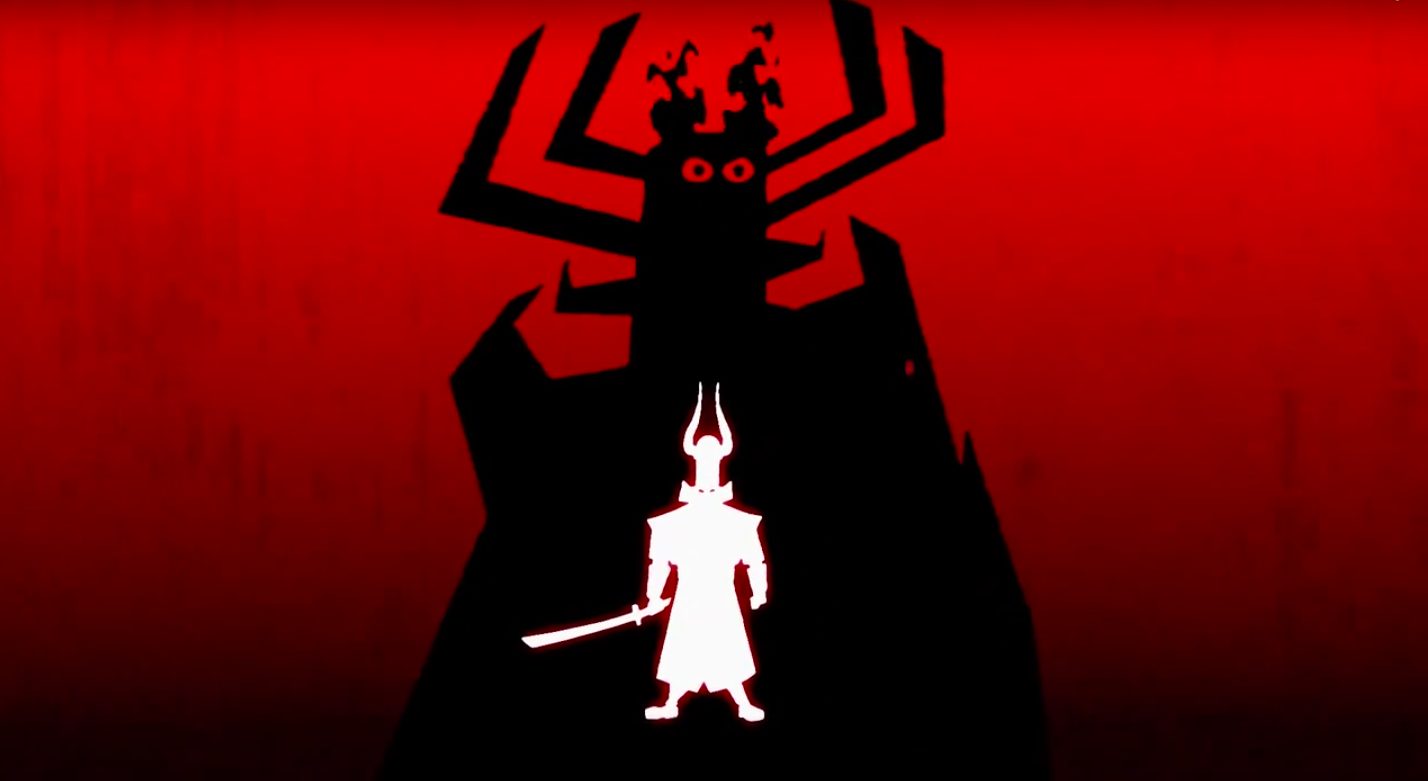
Screen Shot 2015-12-02 at 10.36.58 AM

Cartoon Network teased us with a short video today announcing the soon return of an animated series we thought had been forgotten: Samurai Jack.

Genndy Tartakovsky, creator of the series, is attached to what’s being called “a new season for the epic story,” which will premiere on the mostly anime-filled Toonami block.

As for the video itself, we only get a glimpse of what’s to come. The figure in the video is presumably Jack himself, outfitted with new armor along with his signature sword. Aku, his demon rival, is also seen in the background sporting his flaming eyebrows and deadly stare. It’s enough to bring me right back to the original style and flourish I loved from the original run.

Samurai Jack ran on Cartoon Network from 2001 to 2004 before being unceremoniously cancelled, despite any resolution to the show’s singular narrative. Growing up in feudal Japan, the newly-minted samurai (later known as Jack) took on the shape-shifting demon, Aku, in a battle for the entire world. Nearly defeated, Aku threw Jack through a time portal, transporting him thousands of years into the future.

Jack had to use his legendary sword and grit to survive this war-torn wasteland filled with dangerous machines, aliens, and mythological foes on his way to finally confronting Aku again in this new world. Unfortunately, that battle never happened.

In 2016, we may finally get the ending we’ve been waiting over a decade for. And would it be asking too much for some sort of theatrical release? Yeah? OK, just pretend I didn’t ask for that.

Which Is Better? Arrow vs. The Flash

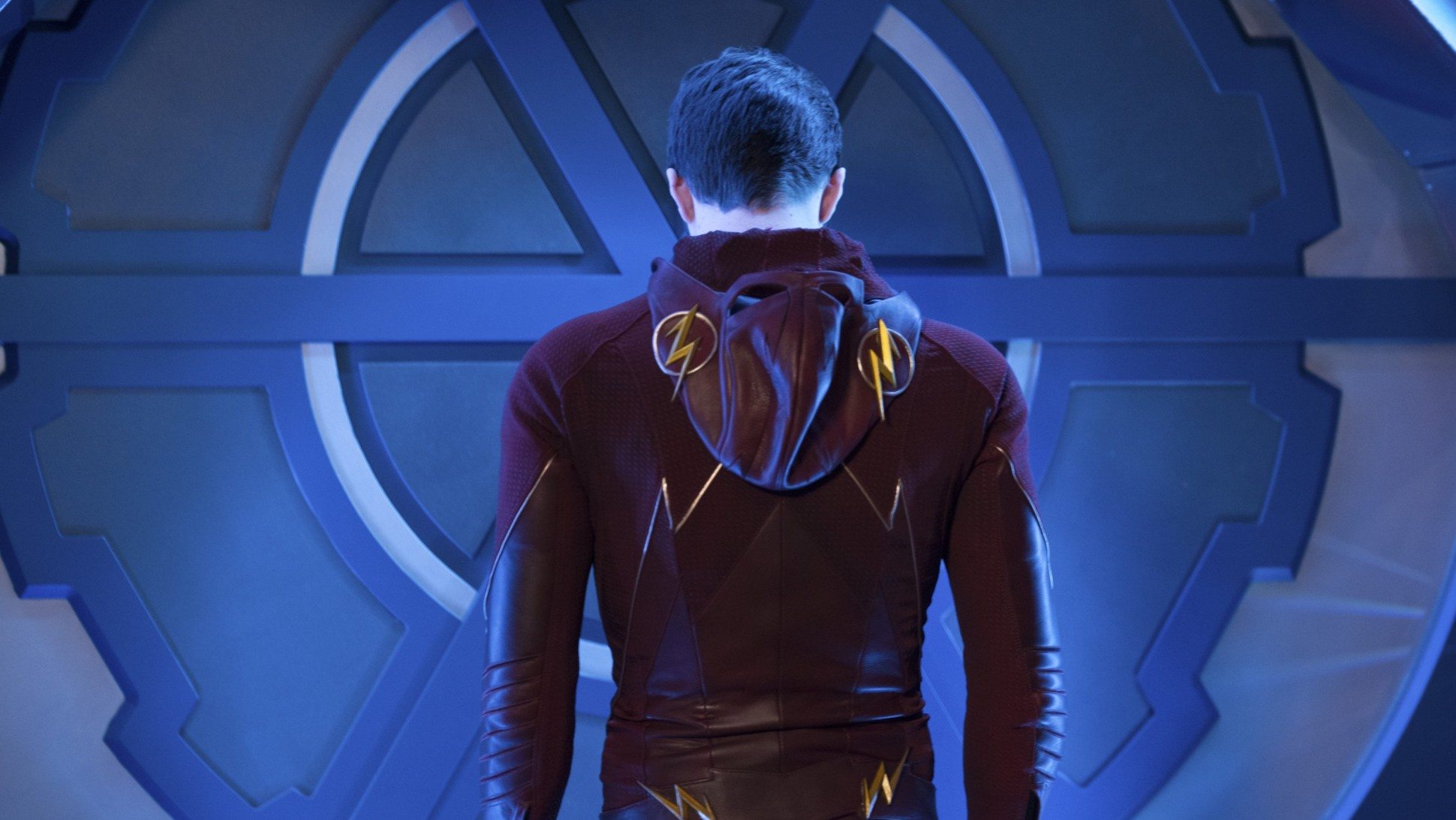
the flash arrow better

“Which is Better?” is a new editorial series that dares to compare the best of pretty much everything. In this rundown, I’ll break down everything from story to characters in an attempt to declare which of these superhero shows is truly better. 

Back when it was still The WB Television Network, The CW aired a superhero origin series for Superman, which you probably remember as Smallville. It was a great show in its early seasons (its prime), but it faltered over the years due to its own popularity and unwillingness to end. Essentially, things got too complicated, important characters became throwaways…it was a forgettable mess by the time it finished.

But Smallville did set the standard for modern live-action DC Comics shows. It introduced an entire generation of non-comic readers to Green Arrow, prompting the CW to move forward with a new show/remake dedicated to just that character.

You can thank a lot of the creative vision and ambition behind Arrow and other DC shows to Greg Berlanti, who got his start working on Dawson’s Creek (the similarities between these two shows are unmistakable). Though Berlanti has helped produced some major duds, including the Green Lantern movie in 2011, the director/writer/producer has found great success crafting a DC Comics television universe that has branched off into The Flash and the upcoming Legends of Tomorrow. He’s even the executive producer of CBS’s own DC Comics show, Supergirl.

which is better arrow flash

But the main shows we’re talking about today are truer rivals. They’ve crossed over many times, and The Flash was even introduced within an episode of Arrow. And although Arrow has been around since 2012, The Flash is already in its second season, giving us enough time to properly compare what stands out for each series.

So…which is better? (shoutout to user Tonio0064 for suggesting this entry).

It’s a hard question, and from what I’ve observed, The Flash has been considered by critics and audiences to be superior, despite how young it is. Another thing to consider is that a lot of what’s great about The Flash was pioneered by the teams who worked on Arrow, which suffered a bit from some clunky seasons trying to figure out what kind of show it had to be.

I’ve had a great time watching both shows, so I’ll be breaking down their merits in order to figure out which one really is better. But let’s be clear. Neither have failed this city.

BEST LEAD

which is better arrow flash

Both shows have titular main characters, so having a good lead has been critical to their success. Fortunately for Arrow and The Flash, Stephen Amell and Grant Gustin have done a fantastic job as Oliver Queen and Barry Allen, respectively.

They both walk a fine line between doing the comics justice, but also bringing something new to the character that non-comic fans can relate to. Oliver Queen is traditionally a hero known for being more of a left-wing robin hood type looking out for the little guy, but Amell’s take is more of a tortured warrior who fights for the greater good (at least for now).

Grant Gustin pulls off a Barry Allen with fewer wisecracks but more charm as a confident speedster with a heart of gold. And both of these characters work with larger teams instead of on their own, which is a more suitable format for television.

This is a close call, and I really like both characters. But if I had to choose one who goes just a little further with the character, then I have to pick Flash. Amell is a great actor, but he’s a bit more one-note and sullen compared to Gustin, who just seems to be having a lot more fun with his show.

Point goes to The Flash.

BEST SUPPORTING CAST

which is better arrow flash

In other words, Cisco or Felicity?

One of the most fun aspects of Arrow is how well the show has evolved its side characters. Diggle, Felicity, Thea, and even Laurel have grown into interesting characters who add more to the show than they distract from.

At the same time, though, the show often struggles with what their roles are. Specifically, Thea, Laurel, Roy, Quentin, and Sarah of all people have been hit-or-miss over the years, with Roy even leaving the show Teen Wolf-style.

The Flash, on the other hand, does more with less. Even if you compare second seasons to second seasons, Team Flash just seems to have a better sense of identity. Caitlin looks out for Barry’s health, Cisco makes the cool gadgets and decides on bad guy names, Wells comes up with the plans, Joe keeps everyone in check, and Iris is the unattainable love interest (though her character is slowly getting better than that).

This is a result of The Flash learning and avoiding the mistakes of Arrow, which gives them almost an unfair advantage. But the show still manages to learn and apply what’s worked in the past, and that’s no easy feat in the world of network television.

Point goes to The Flash.

BEST VILLAINS

which is better arrow flash

Arrow was lacking a compelling list of villains early in its first season. The enemies ranged from Nolan-verse archetypes to greedy businessmen, not the intriguing assassins and warlords that would populate future episodes. Even Merlyn was a bit underwhelming, despite his arch-villain clout.

The Flash found easy ways to introduce villains with one major event causing their arrival. The particle accelerator gave Barry and many of the villains their powers, making it Barry’s job to round them up (with the exception of foes like Captain Cold).

You’d think that would give The Flash an advantage, but this is something I don’t love about the series. For one thing, it’s a little too reminiscent of Static Shock, the animated series from the early 2000s that used very similar story elements to explain the sudden arrival of foes Static could contend with.

The major villains of The Flash have certainly been interesting in their own right, but not very unique or diverse. Sure, it’s still early, but Reverse Flash and Zoom are really just rival speedsters. Arrow did the same with Merlyn, a rival archer, but at least in its second season, it introduced two new villains who felt drastically more imposing. What made Deathstroke so great, for example, was how his story had been teased from the first season, and the “why” behind his villainy was more satisfying than Eobard Thawne’s mostly uncomplicated treachery.

I like the villains from The Flash, but I’m much more invested in the villains of Arrow, especially Floyd Lawton. Point goes to Arrow.

BEST STORY

which is better arrow flash

Included in this analysis is storytelling. Which show delivers the best experience in terms of drama and character development?

Arrow had a very promising premise in its first season that gave it the steam it needed to survive. Oliver Queen returned from presumed death after five years. While trying to readjust to his life and friends (including the ex-girlfriend he cheated on with her sister who died under his watch), Oliver took up a crusade as a vigilante, trying to redeem his city with the skills he learned while on a mysterious island.

This initial story worked well because we also saw flashbacks to the island that explained how Oliver survived and became “the vigilante.” By the time we reached the third season, however, the flashbacks quickly became pointless, feeling more like fodder for lackluster B plots. There’s a good one every now and again, but for me, these have been pretty skippable.

In contrast, The Flash utilizes “secret endings” at the end of each episode that shed light on a bigger mystery. Who is Harrison Wells, really? Who is the Reverse Flash? Who is Zoom? Strange I’m mentioning it again, but this is something Teen Wolf has excelled at in a grander sense, using mysteries you actually care about to keep you tuning in.

But does that really make the story better? No, and that’s a good thing. These mysteries are accessories to what make The Flash a fun watch, not the entire hook. I’m fine with waiting to find out which character is who because I enjoy Barry Allen’s journey as a superhero. It’s simpler than Arrow, for sure, and I like that because Flash is a less serious character, so when there’s drama, it feels more genuine when mixed with the comic relief.

This is another close call, but I have to give it to The Flash. While it may lack a narrative that hooks you in immediately, it provides a fleshed out universe that feels more fun to sink your teeth into.

VERDICT

which is better arrow flash

Well, I guess the critics are right. The Flash is better than Arrow, but it’s a closer match than I think some people realize. In everything we discussed, Arrow had many bright spots that elevate it above The Flash in some respects, especially when it comes to villains.

But overall, The Flash has benefitted from being more refined from the get-go, which is a testament to the work put in to make this show the best it could possibly be. We owe plenty of gratitude to Arrow for paving the way, but it’s honest to point out that it’s not the best, at least for now.

Agree? Disagree? Sound off in the comments.


Thanks for reading this. To get updates on my theories, books, and giveaways, join my mailing list.

Or just say hey on Twitter: @JonNegroni

Review: ‘Creed’ is the First Sequel in Years that Actually Feels Like One

creed review

It might be too easy to say that Creed’s winning strength is how it will bring in new fans of the Rocky lore in the same way the original movie did in 1976. After all, that was clearly the intent.

The typical beats of the franchise make it to this “requel” – our hero is a longshot boxer who trains to go the distance against someone objectively better than him at the sport. But this time it’s with the illegitimate son of Apollo Creed, the champion responsible for Rocky Balboa’s rise to fame and eventual rebirth in Rocky III.

Go on…Review: ‘Creed’ is the First Sequel in Years that Actually Feels Like One

‘The Good Dinosaur’ Review: Finding Dino

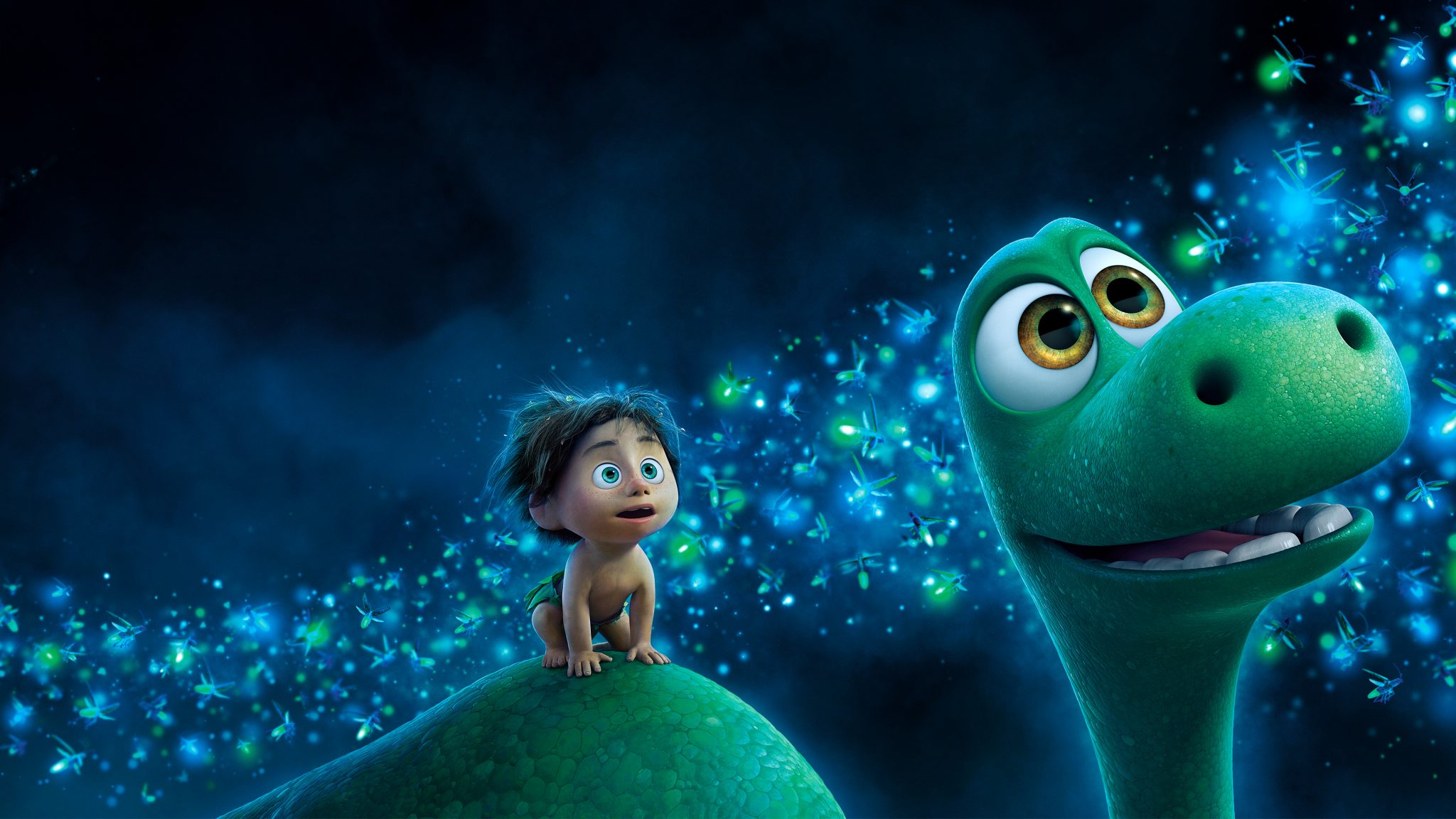
the good dinosaur review

(You can read my full review here. Below is the shortened version).

The Good Dinosaur was directed by Peter Sohn and stars (the voices of) Jeffrey Wright, Frances McDormand, Sam Elliot, Raymond Ochoa, and Jack Bright.

What if the dinosaurs had never been wiped out by an asteroid? According to Pixar, this would have led to dinosaurs eventually becoming the dominant species on Earth. The movie opens in what appears to be Wyoming or Montana, millions of years after the asteroid failed to wipe out all dinosaurs and supposedly before the Ice Age, perhaps.

There’s no exposition beyond this. We meet an Apatosaurus family that operates a farm almost like humans would, and the film gets rolling from there. Throughout this movie, you’ll come across these little moments that remind you how new this world is. Things operate differently, and there’s some clever imagination woven into the rules of this alternate universe.

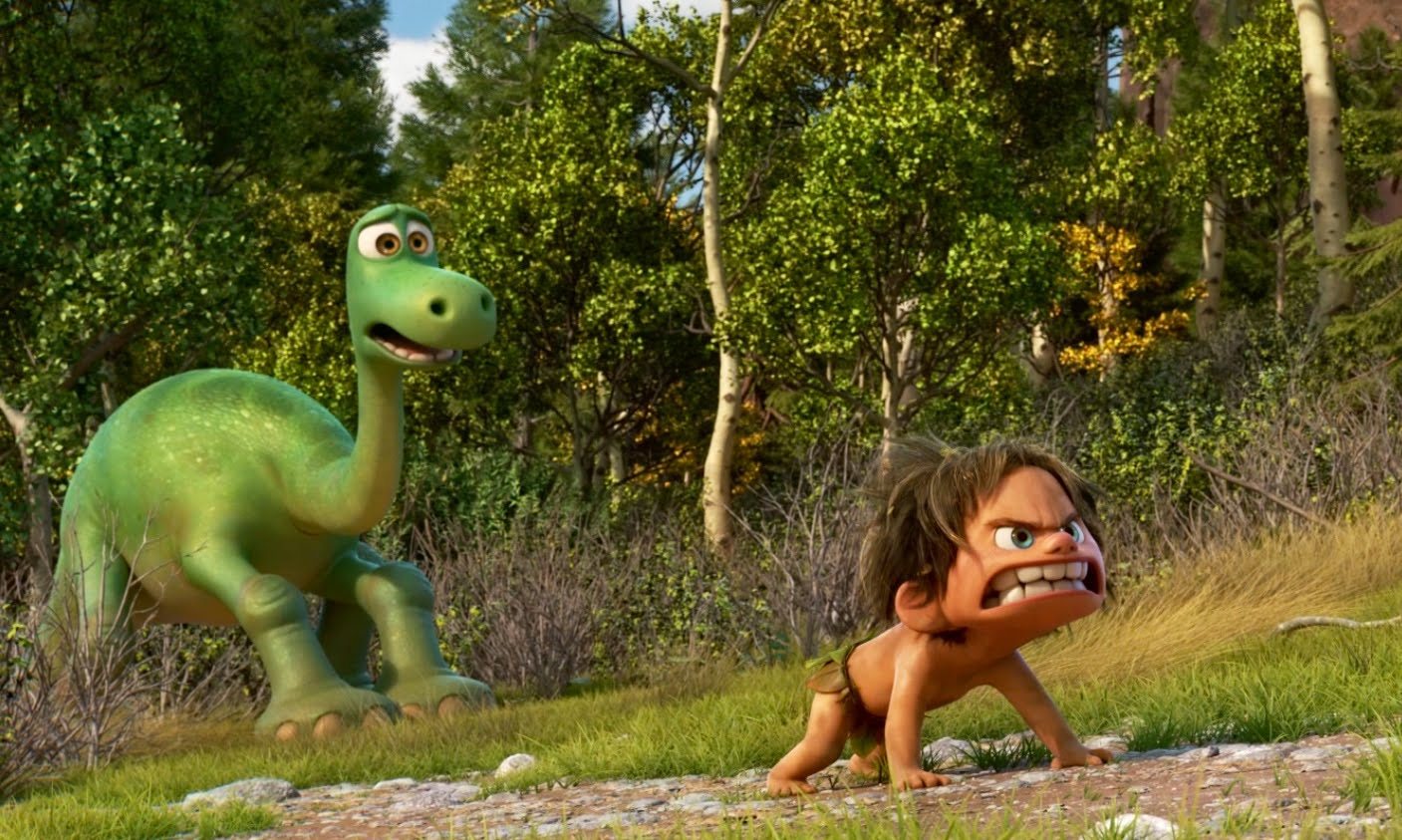
the good dinosaur review

The main plot of the movie involves a young Apatosaurus named Arlo, who gets separated from his farm after getting washed away by a river. He’s incredibly fearful, and it’s led to some awful tragedies in his life, so this adventure is his opportunity to make his mark on the world and prove himself. To do this, he unwittingly befriends and essentially tames a human he names Spot.

Their journey is exciting and wrought with tension and real danger. Creatures die without warning. Arlo gets hurt a lot. And everything feels authentic, which is probably made better by how beautiful the photorealistic environments are. They’re worth the price of admission alone.

This is also a very funny movie, which is a saving grace from some of the more perilous moments that weight it down. And even though not every element about The Good Dinosaur is perfect, it’s the combination of what it does well that impresses. It’s soundtrack elevates the atmosphere. The softness of the voice acting helps the humor feel earned. The gorgeous visuals highlight how authentic the movie feels, which I’ve already stated.

It’s really the harmony of The Good Dinosaur that puts it above every other movie I’ve seen this year. Even Pixar’s other offering this year, Inside Out, just didn’t feel this cohesive and in sync.

Grade A+

the good dinosaur review

As of November, this is my favorite movie of the year, and it happens to be third movie of 2015 that I’ve given an A+. In my opinion, The Good Dinosaur is one of Pixar’s best films period, mostly because it pushes the studio in new directions that excite me for what they have in stored next. If you’re a fan of their work, then this is a film you should not miss.

Extra Credits

  • No cameos or easter eggs from what I can tell. I didn’t even spot A113. Honestly, this was probably for the best. The simplicity of The Good Dinosaur was one of the things I liked the most about it.
  • Shortly after writing my full review, I noticed that most critics disagree with my assessment on this one, and I have a feeling that many people will prefer Inside Out out of the two. That’s fine, of course, but my opinion remains. I walked into this movie not knowing how anyone would perceive it, and it’s stuck with me ever since. Simply put, I hope you enjoy it as much as I did.
  • It gets an A+, but it’s not perfect. One aspect of the movie in particular, the rustlers, was pretty underwhelming and uninspired. I’d also note that the third act trips a little bit, but is ultimately saved by a sequence I won’t spoil.
  • Does it fit in the Pixar Theory? I’ve thought about this plenty, and I’ll certainly have a post coming out soon covering this. But the short answer is: well, yeah.

For a more in-depth look at this movie, come back this Sunday for the Now Conspiring podcast, where we’ll discuss this and other new releases.

I’m Jon and thanks for reading this. You can subscribe to my posts by clicking “Follow” in the right sidebar. Or just say hey on Twitter! @JonNegroni

Now Conspiring: Movies That Get Better The More We Watch Them

hunger games podcast

This week on the podcast, we review The Hunger Games: Mockingjay, Part 2 and discuss all of your latest entertainment news.

Maria hosts this anniversary episode (we’re now a year old!), where we answer your questions from last week and find out the skinny on Adonis’s love life.

QUESTION OF THE WEEK: What’s a movie you didn’t like a lot the first time, but loved the more you watched it?

Go on…Now Conspiring: Movies That Get Better The More We Watch Them

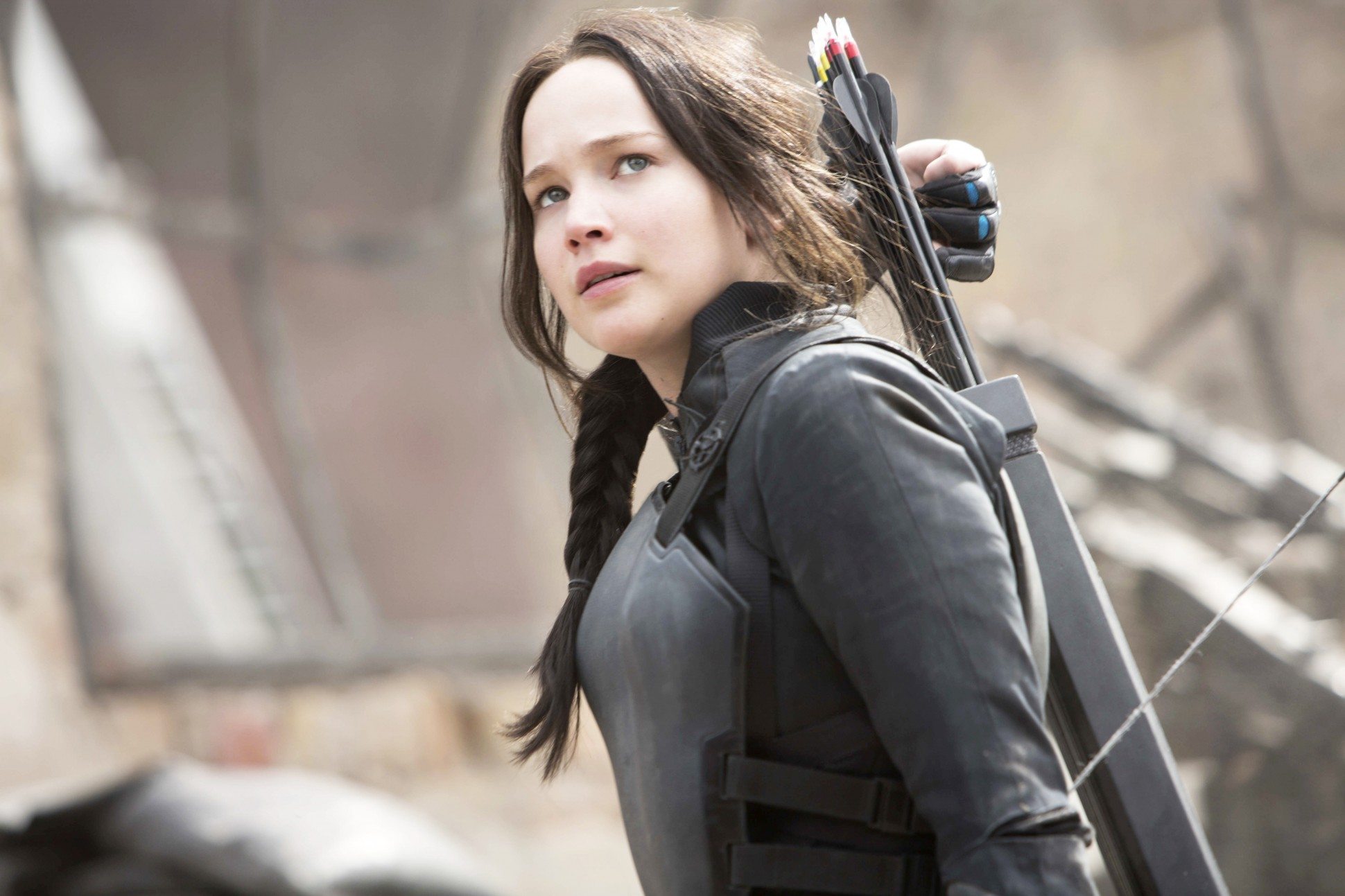
Review: ‘The Hunger Games — Mockingjay, Part 2’

hunger games mockingjay review

Directed by Francis Lawrence, Mockingjay, Part 2 is the fourth and final installment of the The Hunger Games movie franchise, which kicked off in 2012.

I’ve read all three books by Suzanne Collins, but I happen to prefer the film adaptations made by Lionsgate. I think the books were incredibly flawed, both with tone and how certain plot lines lined up. The movies share some of the problems, but they also fix a lot of issues I had with Mockingjay, which was the third and in my opinion, weakest book.

Of course, this is the second half of a two-parter, and certainly the stronger entry compared to last year’s Mockingjay, Part 1. A lot of the complaints I had for that last movie was how painfully slow it was trying to stretch half of a short book into two hours. But if you stuck with MP1, then you’re going to feel satisfaction after MP2, which is pretty much all action and climax.

A lot of things work in MP2 that have worked throughout all of these movies. The locations are beautiful, the camerawork is nearly flawless, and there are brushes of wow-moments and creativity that set this story apart from other dystopia offerings. At this point, Panem feels like a real place with believable characters, and this movie excels with its incredible supporting cast, including the late Philip Seymour Hoffman.

hunger games mockingjay review

But a major weakness in MP2 happens to be the under-utilization of these side characters, who are quite literally brushed to the side in favor of Katniss and her friends. And while I love what Jennifer Lawerence has done with this character overall throughout the series, I can’t help but feel a little underwhelmed with her character’s arc, which is really a criticism toward the books.

In MP2, the story is that Katniss is more of a mythical symbol, rather than a dynamic force who can create real change. And the entire movie is her struggle against the leaders of the rebellion that she can do more than just rally the troops with some propaganda videos. But her singular drive to assassinate Snow eventually becomes tiring, especially as her allies drop like flies, perhaps needlessly.

That’s the point, I suppose. And the highest praise I can give MP2 is how brazen it is with its themes, presenting the rebellion as evil and asking real questions about how war can undermine the good intentions behind a movement. You forget quickly that only two movies ago, the Capitol was perceived as an unstoppable force, mercilessly killing any opposition. By the end of MP2, you’ll wonder what it was all for, and that’s an achievement for a movie aimed at the young adult audience.

hunger games mockingly review

Grade: B+

Paired with Part 1, this is a satisfying conclusion in more ways than one, because it manages to elevate was a disappointing book for many fans like myself. The performances are solid, if not a little underused, and not a moment of it is boring.

For a more in-depth look at this movie, come back this Sunday for the Now Conspiring podcast, where we’ll discuss this and other new releases.

I’m Jon and thanks for reading this. You can subscribe to my posts by clicking “Follow” in the right sidebar. Or just say hey on Twitter! @JonNegroni

Snarcasm: The ‘Star Wars’ Prequels Were The Best Movies All Along

Star Wars prequels

Snarcasm is a weekly series where I encounter and try to understand the worst articles on the Internet. This week, I take on my fellow millennials who’ll say anything for a click. 

OK, we already talked about Star Wars a few weeks ago, but that was more about Piers Morgan and how irrelevant his film commentary is. That said, a similarly contentious article about the revered Star Wars saga was recently dropped on my doorstep with “It’s a trap!” scribbled across the label.

Writing for Toronto Star, Ian Gormely presents his case for why we may have been a little too harsh with the Star Wars prequels. Of course, that means his headline is…

Why the Star Wars prequels are better than the originals

And they say clickbait doesn’t write itself.

Now to be fair, the subhead is a little less sensational:

A generation of fans who grew up with the more recent trilogy make a compelling case that those are the superior films.

*shrugs*

Alright, you have an element of an interesting think piece here because younger viewers like me gave the prequels a pass, which is arguably similar to how older fans forgave the original trilogy for its ample flaws. I don’t agree, but it’s a worthwhile argument.

Then the article starts.

The prequels never stood a chance.

Right. One of the most anticipated films of the last 20 years never stood a chance. And yet the hype surrounding The Phantom Menace was astronomical, more so than this year’s The Force Awakens (because hey, we’ve learned the hard way not to get our hopes up).

The prequels very much stood a chance. People over the age of 15 just didn’t like them.

Hampered by two decades’ worth of expectations and hype, George Lucas’s deep dive back into the Star Wars universe was destined to disappoint.

I’m sure Ian would have said the same thing about The Empire Strikes Back if it had been terrible.

Star Wars (awkwardly retitled Star Wars Episode IV: A New Hope when Lucas rereleased it in 1997) and its sequels were generation-defining movies.

Awkwardly? I grew up in this time period, too, and I don’t remember having an issue with the naming conventions. And if they had kept the name “Star Warsfor just the fourth movie, that would have been way more awkward.

Also, why even bring that up?

When Star Wars Episode I: The Phantom Menace arrived in May 1999 fans were met with a film that was visually (computer-generated effects) and tonally (it was aimed at kids) miles away from their beloved originals.

When he says aimed at kids, he’s implying that the movie was mostly aimed at kids. Which isn’t true at all if you remember any scene from The Phantom Menace about trade negotiations, political squabbling, and multiple Jedi blathering instead of fighting until the last ten minutes.

And just to be clear, I enjoyed The Phantom Menace as much as I did Revenge of the Sith. I think they’re decent, even average movies. Their mediocrity is all the more depressing, of course, when you compare them with the original trilogy. Attack of the Clones is the only Star Wars film (in my opinion) that gets a failing grade.

 Subsequent prequels, Episode II: Attack of the Clones and Episode III: Revenge of the Sith, moved closer to Lucas’s originals, but many fans felt betrayed. This wasn’t their Star Wars.

He’s framing this argument as if Lucas was some sort of visionary trying to create something different, but those pesky fanboys were just too afraid of change. The problem, obviously, was that this change we got in the prequels was filled with annoying issues that even kids pretty much shrugged at.

Granted, we loved the prequels as kids. At the time, they were beautiful spectacles that forced us to wade through hackneyed plots to get to the stylized action. But not once did I ever consider them better than the original trilogy, solely because they were designed to be depressing departures, while the rest of the saga was filled with…well, hope.

J.J. Abrams’ upcoming seventh film, Episode VII: the Force Awakens, will reportedly hew closer in style to the original trilogy. 

Reportedly? Why did this blog spam suddenly remember it’s on a news publication?

But here’s the rub: a lot of people went to see The Phantom Menace — it made a billion dollars at the box office. Now in their 20s, this generation of Star Wars fan grew up not knowing a world without digital effects or Jar Jar Binks.

You know, unless we watched Quentin Tarantino movies instead.

To get a better sense of how they view the Star Wars universe we asked three deeply passionate fans to share their thoughts on the prequels.

Nice prank, Ian! For a second, I thought you were going to crowdsource your opinionated article with anecdotes instead of arguments—

Stuart (do you really want to know his last name? Isn’t privacy a thing in cases like this?)

Current Age: 26, which means he was 10 when Phantom Menace was released in 1999.

Why is this happening?

I’m going to leave out the heaps of personal data Ian dishes out for this guy, including his inclusion of (and I’m not joking) working for Virgin Radio.

I loved Darth Maul. The final lightsaber battle, that was the best lightsaber fight I’d ever seen.

Really? Because even my 8-year-old self still preferred Luke’s freakout in Return of the Jedi. Different strokes, but perhaps you loved that lightsaber battle more because the rest of the movie was so forgettable? Maybe?

Fans of the old series were looking for that nostalgia that they could relive. When the Phantom Menace came out, that’s when I think I was getting the experience that my dad and his generation had when the originals came out.

The problem is you think you had the same experience, but you’ll never know. And that’s fine. It’s great that you enjoyed these movies, but how can you compare that with someone’s else’s experience with a different movie during a different era? It would be like me telling my grandmother that seeing Get Hard was the equivalent of her going to see Gone With The Wind on opening night.

Ian’s next conveniently positive anecdote comes from someone who was 6 when The Phantom Menace came out (I wonder why we aren’t talking about Attack of the Clones at all?)

If you look at Star Wars as an epic Grecian tragedy, (the prequels) contextualize the original trilogy so well. It actually lends the original trilogy a lot more power when you know the history behind it

At times, this happens, sure. Notably in Revenge of the Sith when we get some solid scenes of Anakin getting seduced by the dark side. But come on, that’s a fraction of the whole film, which was mostly nonsense dialogue, deadpan characters, needless explanations of things that were better left to our imaginations, and sand, everywhere.

The worlds, the designs and the sci-fi concepts they introduce (in Attack of the Clones) are the best in all of Star Wars.

No.

No, they are not.

No reasonable fan with a straight face can say that the worlds of Attack of the Clones — Coruscant (which we’d already seen before), Tattooine (which we’d already seen before), Naboo (which we’d already seen before), and an asteroid field (which we’d already seen before) — were superior to anything in the other films, including the prequels.

Scrap those rehashed locations and you’re left with the green screen that is Kamino and Geonosis, which was basically Tattooine with mountains and a CGI factory.

Simply put, saying Attack of The Clones has the best worlds and designs is like claiming Chappie is a better Neill Blomkamp movie than District 9.

They made the political parts of The Phantom Menace that people hated, the political intrigue, actually interesting.

Oh really? I wonder how many people can tell me (without looking it up) why Jango Fett was trying to assassinate Senator Amidala. Or how Palpatine specifically got his emergency powers. Or why the clones were working for Jango, but ended up in the hands of the Republic by the very end. Or why Dooku betrayed the Jedi. Or what Anakin’s deal is with SAND EVERYWHERE, HE’S FROM A SAND WORLD SO HE SHOULD BE USED TO IT.

Sorry. Unresolved issues.

Star Wars was an adventure story and now they give it scope. It’s more than a ragtag team trying to take on the whole world. It almost becomes a political thriller.

Now we’re just throwing words into sentences and calling them paragraphs, people.

A ragtag team? Of a girl, her stalker, and two droids who offer nothing to the plot but are only there because we remember them from other movies? Or were you referring to Obi-Wan and…um…that fat alien from the diner? Oh, those dang misfits!

Ian provides more anecdotes, and what’s funny about them is that these guys completely admit the elements of the prequels are terrible. One guy notes “the crappy love story,” but justifies it by saying people were invested and had to see what’s next. You know, like clickbait.

And that’s it! Ian ends the article…there. No conclusion…hmmm…comments are closed, that’s interesting…

I guess I missed the part where Ian and his friends actually make a case for why the prequels are better than the original trilogy. Or bring up specific things about the original trilogy. All I read was a laundry list of subjective observations and straw grasping for the sake of getting attention. That’s the Snarcasm guarantee.

Guys, I’m not trying to hate on anyone who loves the prequels. I get it. They can be guilty pleasures because we saw them at an age when all we wanted to see on the big screen was a cacophony of lightsaber fights and epic space battles. And the prequels absolutely delivered on that.

But let’s not kid ourselves, pun intended. The prequels were fan service, but for the lowest common denominator. They were the Fast and Furious movies in space, except they were intended to be more compelling, which makes them all the more cringeworthy. I don’t mind re-watching them and appreciating decent moments throughout, but you’re never going to convince true fans of any age that they’re better than what we got with the original trilogy.

And please don’t watch Chappie

Hey! If you’ve come across a silly article that deserves the snarcasm treatment, send it my way via Twitter or the comments below!

I’m Jon and thanks for reading this. You can subscribe to my posts by clicking “Follow” in the right sidebar. Or just say hey on Twitter! @JonNegroni