Review: Star Wars: The Force Awakens Will Please Everyone, But That’s About It

star wars force awakens review

This is a spoiler-free review. 

When Disney acquired the rights to make a new Star Wars film, there was a unified cheer that this new take on the beloved franchise would be reinvigorated, creatively. Finally, there was a new hope for Star Wars, one of the most groundbreaking and revolutionary trilogies of its time.

So it puzzles me to see The Force Awakens be the most derivative Star Wars movie yet.

George Lucas has always infused his films with what he calls “rhyme.” That is, he echoes moments from previous movies in order to manufacture a compelling moment. Limb-cutting, catchphrases, and even cinematic shots are repeated endlessly throughout the original trilogy and its prequels.

The Force Awakens restrains itself from “rhyme,” but settles instead for replication. Elements throughout the film are carbonite copies of plot structures in both A New Hope and Empire Strikes Back, remixed and polished for a new audience.

star wars force awakens review

The doe-eyed Rey serves as the new Luke Skywalker, there’s a mysterious Sith villain tied to the past, a resistance versus an unstoppable military, and of course, there’s a destructive space station that must be stopped. There are few sparks of novelty in The Force Awakens when it comes to the ideas and struggles we’ve seen already.

This is likely intentional. Like the balance and cyclical nature of the Force, The Force Awakens almost advertises that its story must firmly echo the adventures of Luke Skywalker and his friends. And that caveat serves as an excuse for J.J. Abrams, the director, to evolve the lore for a brand new audience unwilling to sit through 30-year-old movies.

That said, Star Wars looks better than ever. The creatures, settings, and practical effects are a marvel. So much so, that any use of CGI is actually distracting. You’ll probably feel underwhelmed by one or two of these computer-generated characters who don’t hold their own against Abrams’ other creations. They’re inventive, to be sure, but stand out in the worst way possible.

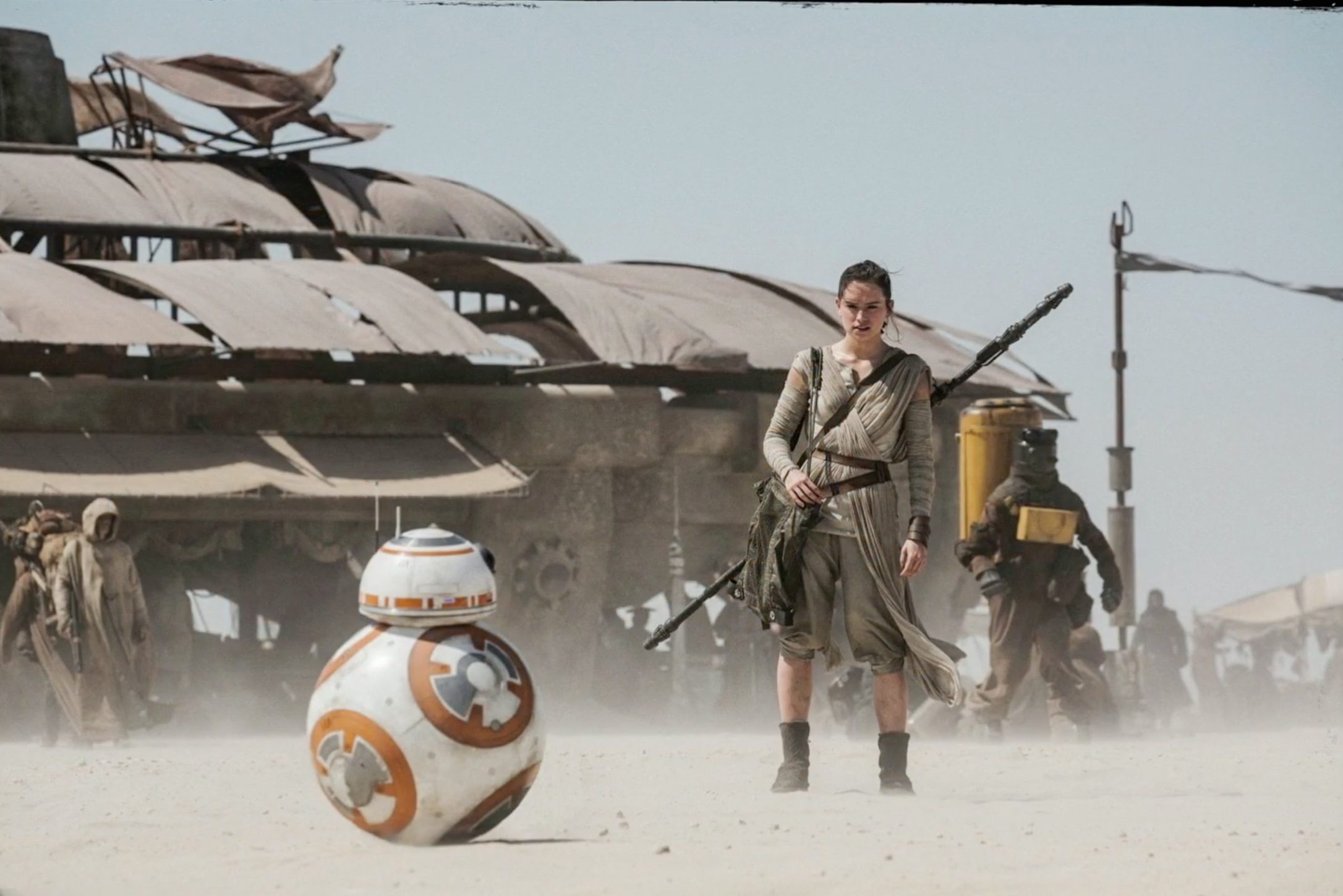
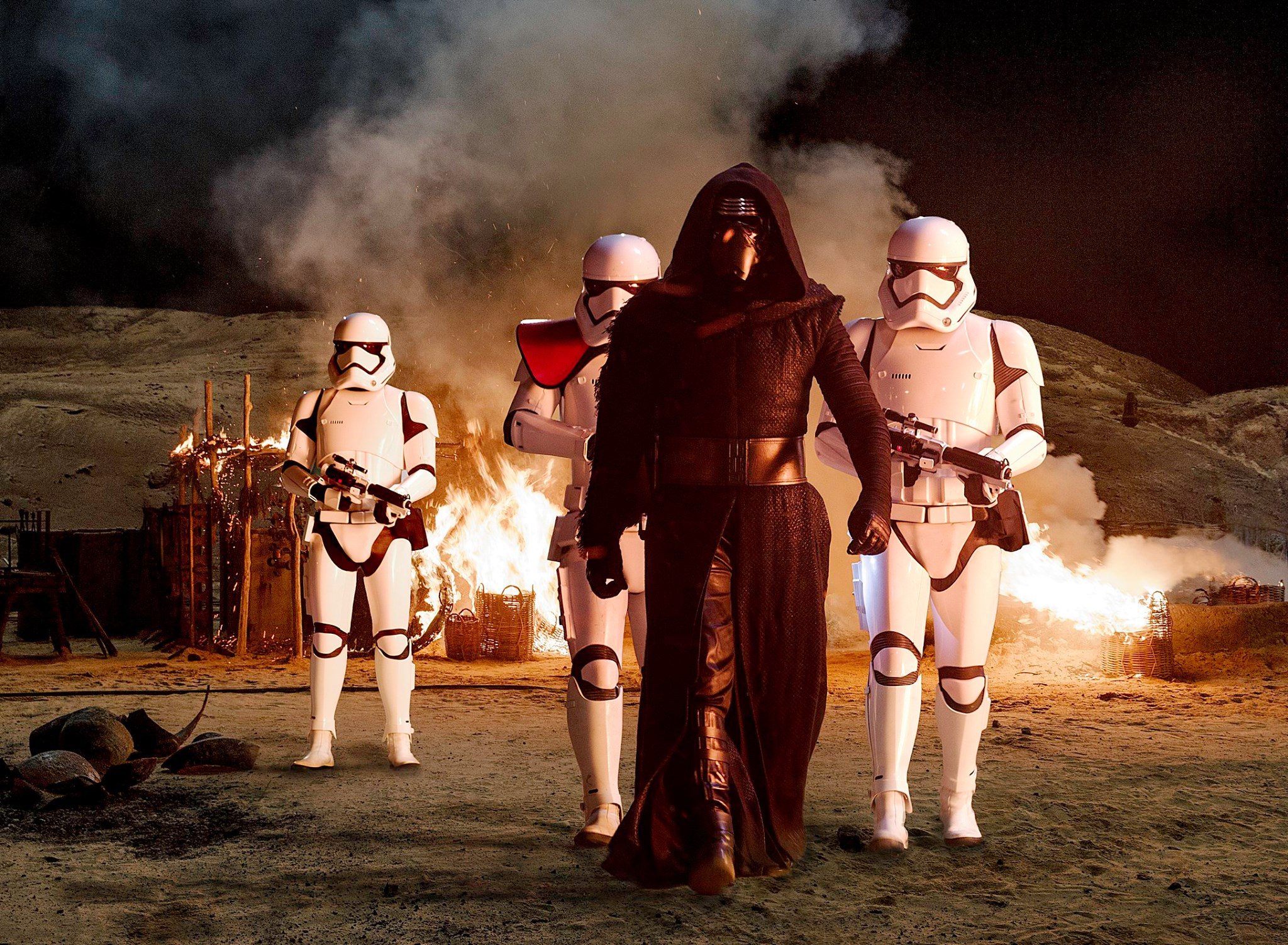
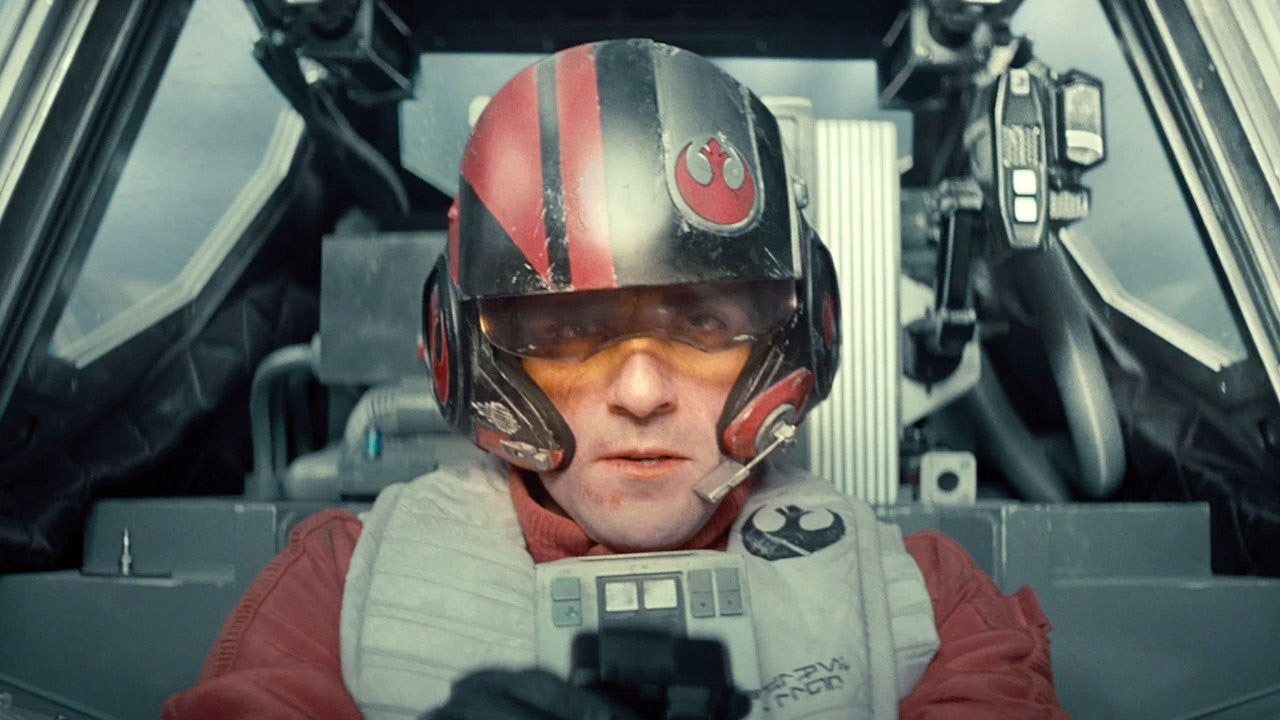
The best thing that The Force Awakens has going for it is its new cast, with Rey (Daisy Ridley) at its center as one of the saga’s best characters yet. Kylo Ren (Adam Driver) also delivers an excellent performance as the villain you’ll love to hate, and I gushed over the antics of the “daring pilot,” Poe Dameron (Oscar Isaac).

star wars force awakens review

BB-8 is also a welcome addition to the new family of characters, truly deserving of the role left behind by R2-D2. And while I’m not yet won over by John Boyega’s character, Finn, the actor provided an energy to this role that his peers should certainly take note of. And like the other characters, I’m waiting intently to see what Finn can offer as the trilogy progresses.

The characters interact well with each other and the original cast. Taking a note from its Marvel Cinematic Universe, Disney allowed the screenplay to have plenty of humor and levity, which balances well against the dramatic stakes and galaxy-crushing battles taking place in the background. Its one of the film’s strongest, most unique offerings.

Because the characters are a delight to watch onscreen, the battles (both with lightsabers and blasters) are more electric than ever, and easily among the best of the saga. The ample space battles are among the most entertaining dog fights you can see at the movies, and a one-take shot in particular featuring Dameron will likely be replayed dozens of times when this gets to DVD.

There are only two noticeable things that hold The Force Awakens back from surpassing the best of Star Wars. As discussed, it fails to fully develop any of its newer ideas, in favor of plot retreads that somewhat break the line of being an homage. You can argue that they’re kicking the can down the road for the next two movies to gain their own identity, but for now, it comes off as manufactured. Disney knows the recipe for pleasing a crowd full of fans, and this is both a good and bad thing.

star wars force awakens review

You’ll get most of what you want out of The Force Awakens, but you’ll also know that you’re getting it. If The Empire Strikes Back had let itself be crammed with this much fan service, it wouldn’t have become one of the greatest films of all time, by comparison.

The second thing that holds The Force Awakens back is some of its writing. Granted, it’s a tradition with these movies to have gaping plot holes. But that’s no excuse at this point, especially when you have a movie that is excelling at doing the same things as its predecessor. You’ll notice many odd and confusing plot inconsistencies that will take you out of the movie, and even if they can be explained in the next movie or two, they’ll still distract you until we get answers.

The script’s job is to make us feel like we can keep up with the film’s mythology, letting us peek into the development of the characters based on the moments we’re allowed to witness in the story. The previous trilogy did a poor job at this as well, and I’m disappointed that Abrams and company were unable to produce a tighter narrative. One or two more drafts would have served this film extremely well.

Grade: B+

It’s one of the better B+ movies I’ve seen this year, to be sure, and a standout among 2015 sci-fi movies. But as a first offering by Disney, I’m not yet impressed by what they can do with Star Wars in terms of pushing the series forward and delivering something new and exciting to audiences. It’s a crowd-pleaser, by design, and that’s about all you’ll get out of it.

Extra Credits:

  • This movie could have used double the amount of Poe Dameron that we got. Oscar Isaac was superb in Ex Machina, his best movie of 2015, in my opinion. Be sure to check that film out, if you haven’t already.
  • I’ll be providing a spoiler-filled discussion review at some point, so for now, keep your spoilers to yourself, please.
  • I want to watch this movie again (it really is a lot of fun), but I’m actually more excited for Rogue One at this point, since it seems to be the Star Wars movie that will take more risks. It’s coming out next December.
  • I firmly believe that many of the unsolved mysteries in The Force Awakens will be tied somehow to events in the anthology movies. That’s all I’ll say, for now.
  • All of the old characters fit snugly back into their roles. Especially a certain droid.

Retronalysis: Rewatching A New Hope

star wars new hope

Later this week, a new Star Wars trilogy will be kicked off by The Force Awakens. In preparation for this event, I’ll be rewatching the original trilogy (from A New Hope to Return of the Jedi) each day this week. My goal is to reevaluate these films’ merits, decades after their release.

This is also a discussion post, so if you have any lingering thoughts about the original trilogy after reanalyzing them yourself, be sure to sound off in the comments.

Let’s begin.

George Lucas, the creator of Star Wars, claims to have always intended A New Hope to be the fourth entry in a series of “episodes.” When Star Wars (1977) premiered, the studio allegedly forced him to omit this chapter heading from the opening credits, because they believed it would confuse audiences.

Since then, A New Hope has become the de facto title, and for good reason. Much like the first act of a movie, A New Hope serves more as an introduction of characters, rather than a full story. And the creators of this film did a fantastic job of making it feel like it could be more than just one movie without delivering something that felt incomplete (a mistake studios have been making pretty frequently these days with their non-starter franchises).

The story is simple, yet set against a vast and complicated setting. The characters are easy to understand and relate to, but their circumstances and backstories feel rich and unexplored. Part of the fun that comes with Star Wars is letting your imagination fill in the blanks when new story elements are brought in, including the reveal of the Force, the Clone Wars, and the history between Darth Vader and Obi Wan.

Simply put, the characters exist in a world that feels different, but familiar. The sounds aren’t synthesized and foreign. The materials are imperfect and rusty. This is a fantasy that is more down to earth (so to speak), making it feel more “lived in” than many other epics we’re used to seeing.

star wars new hope

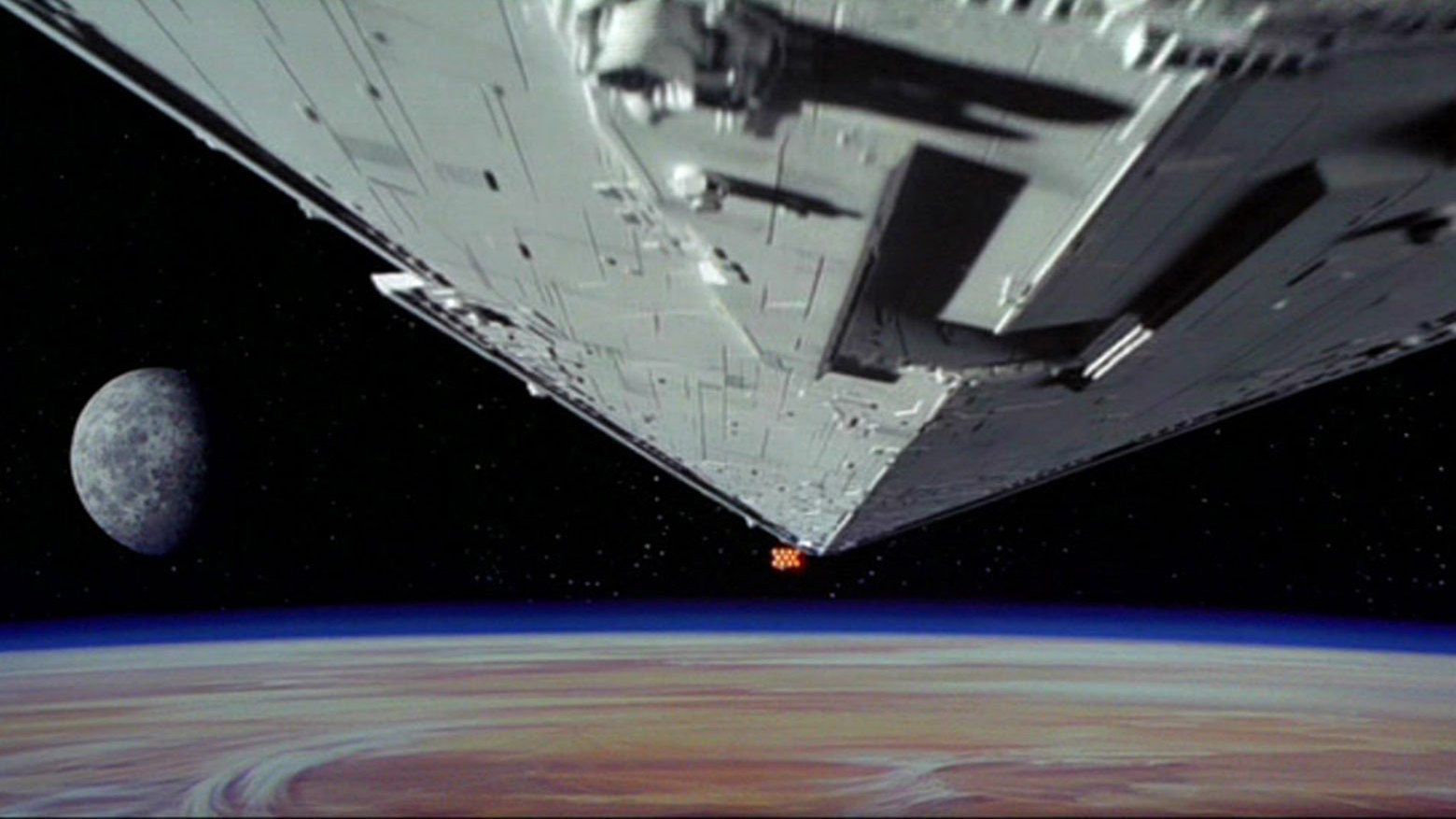
A New Hope begins with a swift explanation of who the Empire is and what they’re capable of accomplishing. Their massive ship descends upon a remarkably smaller one on the run. The stormtroopers easily break through the rebel soldiers on the ship and quickly take over.

This entire sequence is well-done because it manages to convince you of how powerful the threat of the Empire is without having to really say it. And your understanding of this conflict between the rebellion and an all-powerful military keeps building from there.

A lot of people tend to dislike what happens next, when the movie shifts perspective to the two droids who escape this ship and wander the desert planet of Tatooine. True, this entire sequence drags a bit, but consider how peculiar it was for the movie to spend so much time on the story of these two droids, who are arguably the crux of this entire movie. The plot moves forward because of them, and they’re essentially the glue that brings all of our main characters together. I don’t think A New Hope would have worked quite as well if the movie hadn’t given them this chance to establish their legitimacy in the story.

Because the movie builds from each of these moments, the ending will feel huge when you consider that it all started with these two droids. It was a novel idea that truly paid off.

star wars new hope

I’ve always appreciated the handling of Luke Skywalker’s introduction. It’s very modest and believable, so it takes you a few minutes to grasp that this is the story’s main protagonist (and John Williams is there to help you figure it out in one of the movie’s best scenes).

Granted, he’s a bit whiny, and his worst lines of the franchise occur in the first half hour. But it’s clear that making him a little unlikable at first was Lucas’s intention. It made his story arc much more interesting and expansive, making it a treat to rewatch his journey in later viewings.

The movie’s only major bout of exposition comes during Luke’s first extended conversation with Obi Wan. Here, Obi Wan tells Luke about his father, the Force, the Clone Wars, and all sorts of other plot points that we’re hearing about for the first time.

But because Alec Guinness delivers this long scene with such grace and gravitas, it actually works. Most sci-fi movies that are this high-concept typically fall flat on their face by the time the characters erupt with exposition, but they casted the perfect actor to help us get invested.

Mos Eisley serves as an excellent set of scenes that help establish more of our characters, along with some new ones. Interestingly, Luke gets very little development here, which is for the best. Instead, Obi Wan gets a chance to prove to the audience that he really is a powerful Jedi Knight. The mind trick — which is gracefully explained in just a short sentence — and Obi Wan’s quick lightsaber demonstration get the point across that the Force is a dynamic, mysterious tool our hero can one day use.

At this point in the movie, we just want to learn more about the Force and see all of this Jedi lore in action. But the movie instead branches off into the story of our next main protagonist, Han Solo. We’re quickly introduced to the more grounded aspect of this universe, which is another saving grace for this franchise. And like Luke, Han doesn’t arrive with fanfare. We don’t truly understand his importance to the story until his fateful confrontation with Greedo, which tells us more about his character in less than a minute than some movies can do in two hours.

star wars new hope

The next act of the movie is arguably its best, as we watch these characters go on their first real adventure. And it’s right in the heart of the Death Star, a massive space station that’s been shown to have destructive powers beyond even our heroes’ imaginations. At this point, I was still reeling from the quick elimination of Luke’s entire family, an event that truly sets the stakes as we see just how hopeless it is to resist the Empire. Now, once we have a few allies and (dare I say it) hope, our heroes are plunged into a pretty hopeless situation.

To be fair, we know that this has to happen in order for Luke to meet Leia. But the fate of Obi Wan and other somewhat extraneous allies seems murky. Throughout the entire sequence on the Death Star, our heroes are faced with increasingly dangerous threats that keep us entertained and wanting more.

But the true grab of the Death Star scenes is watching these characters interact and play off of each other. It’s great because this is the result of all the character development achieved in the first act, so watching them together onscreen is both fun and engaging.

To be fair, some of what happens on the Death Star is pretty silly and oddly convenient. Han rushes into a hallway full of stormtroopers, and they run away from him for no reason. Our heroes don’t get shot once by these apparently “precise” soldiers. Luke makes a weird lasso to get away from stormtroopers who have the high ground on him, and it actually works without him or Leia getting injured, despite having no cover. And there’s very little Obi Wan action, to the point where I actually forgot about him.

star wars new hope

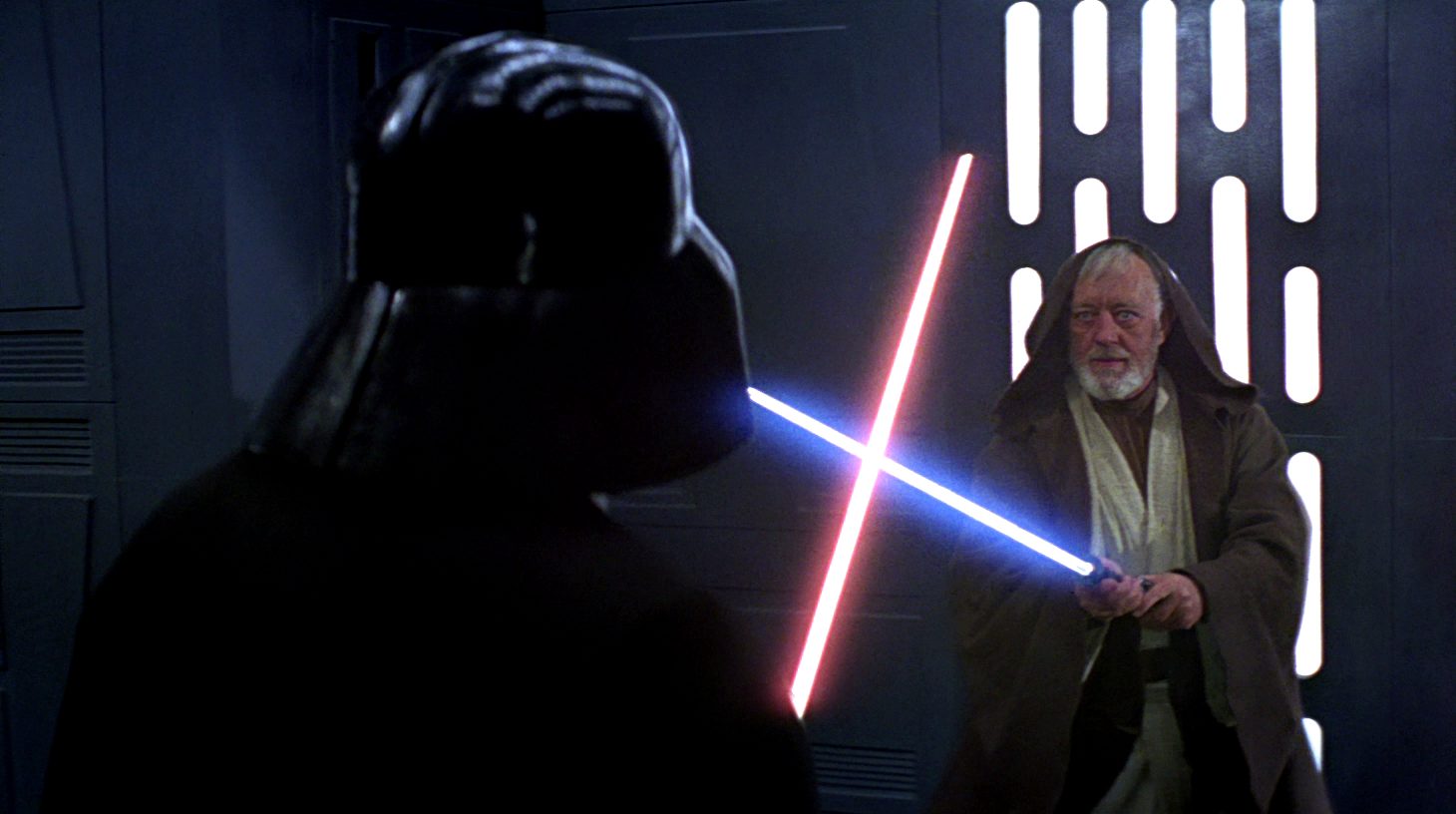
Of course, Obi Wan and Darth Vader battle, which is a pivotal scene. It establishes Vader’s lightsaber skills, and it validates their history only alluded to earlier. Honestly, I found this scene pretty underwhelming the very first time I ever watched it, but it’s grown on me over the years. Yes, they’re tapping their lightsabers slowly, but the thing to remember is that Lucas originally intended the lightsabers to be extremely heavy, which was changed for later movies.

Once you forego the belief that the lightsaber fights should be quick and pretty, this scene becomes a lot more interesting. You focus more on what’s going on between the characters, which is really what the point of this scene is. It’s not the best lightsaber fight, to be sure, but it’s definitely not the worst.

The final stretch of the movie is also its most critical. By the time our heroes escape the Death Star, there’s little chance for rest and mourning as Luke is summoned to fight off more of the Empire with Han. This is the part of the movie I like the least, not because it’s a bad scene, but because at this point, I’m exhausted. Danger upon danger has been thrusted upon these characters, and though the reality of the story demands it (they can’t just get away that easily), I was ready for Luke and the gang to take a breath.

Thankfully, we do get respite in the third act, though only for a moment. Lesser movies would have extended the Death Star scenes in order to borrow its weight for a climax, but A New Hope opts to show us the heart of the rebellion. On Yavin, we see what the alliance is truly like, and we get a chance to see Han Solo weigh his choices that have been building up since Tatooine. Will he stay and help, or will he take off with the reward? Both choices are believable, which makes his confrontation with Luke all the more heartbreaking when his “May the Force be with you” is met with silence.

star wars new hope

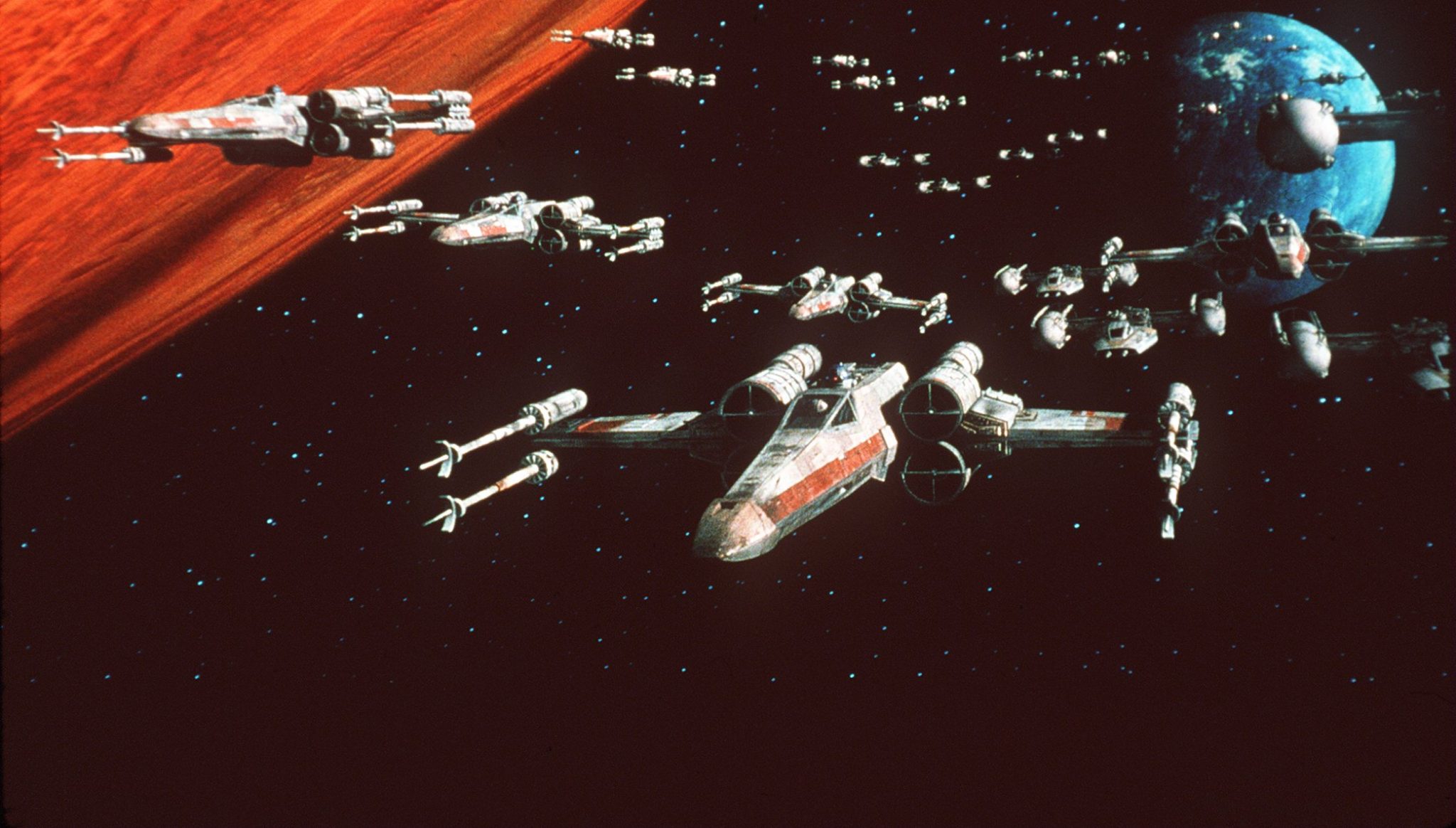
The symbolism in the movie’s climax isn’t subtle, which is probably why it’s so effective. Almost all of Rogue Squadron is eliminated, including Luke’s childhood friend. Up to this point, Luke has relied on wit and creativity to make it out of each predicament he’s been in, but for the first time, he has to rely on the Force to save the lives of his friends. All while dealing with the fact that Darth Vader’s ship has picked off all of his allies, with the exception of Wedge.

Two things save the day: Han’s rescue and Luke’s reliance on the Force. These are two somewhat disparate elements, as one displays the loyalty of a friend, while the other is otherworldly and focused on the promise of someone departed. In fact, it’s these two strengths that Luke will have to weigh as the next two movies progress, making for a brilliant first entry in the trilogy.

We do see that Darth Vader survives this battle, opening up the film for sequels. But aside from that, this is a massive blow to the Empire that symbolically shows that the rebels do have a fighting chance. In that way, the film could have easily stood alone, hinting that Luke’s transformation into a Jedi Knight was well underway. And with Han, Leia, Chewie, and the droids at his side, who could stop him, right?

A New Hope is definitely one of my favorite films of the franchise, by far. I only touched on some of what I love about the film here, but I don’t doubt that many of you reading this can relate. Let me know what you think about A New Hope below, and I’ll see you back here tomorrow to talk about The Empire Strikes Back.

I’m Jon and thanks for reading this. You can subscribe to my posts by clicking “Follow” in the right sidebar. Or just say hey on Twitter! @JonNegroni

Review: ‘In the Heart of the Sea’

in the heart of the sea review

What is the true story that inspired the myth? This is the question In the Heart of the Sea tries its hardest to answer, at the expense of something perhaps deeper that could have been explored within the true men who sailed the ill-fated Essex.

Strangely, the film expects you to have some previous knowledge about this tale of survival, as it eliminates its own suspense by starting with the premise that at least one person made it out of this story alive. There’s a better story in here about whether or not the cabin boy is the one telling the truth by the end of it all, but the movie trades this intrigue for something as emotive and tragic as Titanic.

The problem is that actually being familiar with the Essex story makes In the Heart of the Sea difficult to swallow, considering how far off this retelling of the book of the same name is from what truly happened during this 19th Century disaster.

To make up for this, the movie presents much of its biggest moments as art, with matte painting backgrounds and an attention to sprawling ocean vistas that spell doom for the sailors. But hardly anything pictured onscreen is believable, especially compared to most modern CGI in 2015. You’ll quickly lose interest in which backgrounds are somewhat inspired and which are purely green screen.

Some of the best scenes involve the actual whaling, a practice that is hard to watch, which makes it that much more entertaining. I shuddered (but couldn’t stop watching) when the cabin boy had to slide down the stomach of a rotting whale in order to gather the valuable blubber that felt worthless, which serves as some excellent foreshadowing.

In the Heart of the Sea is certainly passable when demonstrating the mighty themes of man versus nature. Much of this is compelling and will cause pause for anyone reflecting on the fact that these events weren’t all that long ago, and the lengths men went to for the sake of short term wealth certainly didn’t pay off the way they expected. When honor trumps the grotesque bond formed in cannibalism, that’s how you know you’ve watched a movie that is missing a few crucial scenes that tell a more interesting story.

Grade: C

Extra Credits:

  • My bias might come through here, but I’ve found the work of Ron Howard pretty unambitious, discounting any of his work from the early 90s. He’s certainly good at what he does, but I can’t shake the feeling that he was destined to be better.
  • Between this and the underwhelming Blackhat, 2015 hasn’t been a banner year for Chris Hemsworth, even if you loved Age of Ultron as much as I did.
  • I hate when other people do this, but…read the book. It’s better.
  • I forgot to mention that the cabin boy is played by Tom Holland, AKA our future Spider-Man. Along with Cillian Murphy, this movie is a superhero fan fiction waiting to happen.

This week on the podcast, Kayla and I talk about In the Heart of the Sea at length. Spoilerish alert: she’s not a big fan either.

Since the release of Star Wars: The Force Awakens is less than a week away, we discussed and ranked all six movies. Plus, we made pizza bets over whether or not The Force Awakens will become the highest-grossing movie of all time.

Later on, we read your comments from last week’s show and get lost in a wilderness of tangents.

QUESTION OF THE WEEK: (Two this week!) Do you think The Force Awakens will topple Avatar as the biggest movie of all time? Also, what are some classic movies you’ve never seen before? Now’s the time to get this off your chest.

Go on…Review: ‘In the Heart of the Sea’

Snarcasm: Syndrome is Mr. Incredible’s Secret Lovechild

incredibles theory

For every Snarcasm piece, I usually feature what I brazenly call “the worst articles on the Internet.”

But this week, I’m doing something a little different.

Samuel James of ScreenPrism wrote his own “Pixar Theory,”  and asked (sort of) to get my opinion on it. I asked him if he wouldn’t mind letting me give his hard work the Snarcasm treatment, and his answer was ambiguous enough for me to just do it anyway.

Sorry, Sam. You let me ask for it.

Writing for the “Insights” column, Samuel asks the question,

Is Syndrome the Illegitimate Son of Mr. Incredible? 

Now, I know what you’re thinking. If a headline on the modern Internet poses a question, then we automatically know the answer is “NO.”

But let’s give Sam a chance to explain what he means by the words, illegitimateson, and Mr.

Since their beginning with Toy Story (1995), Pixar Animation Studios have opened an entire universe of magical films for both adults and children to enjoy.

I’m seriously nitpicking here, but Toy Story does not mark the beginning of Pixar. They started working on animated shorts and commercials nearly a decade before finishing their first feature film.

Jon Negroni has argued convincingly [link] that all 15 Pixar films, from Toy Story in 1995 to the latest Inside Out in 2015, are all connected in the same world, based on interactions on Earth between humans, animals and machines.

Aw, shucks.

The idea changed my perception of the Pixar universe, and I would love to believe Negroni is right.

Sam gets the spirit of The Pixar Theory, which I love. It’s not about this theory being right or wrong. It’s about wanting to believe it’s possible. I’m still going to be mean, though, because this. Is. Snarcasm.

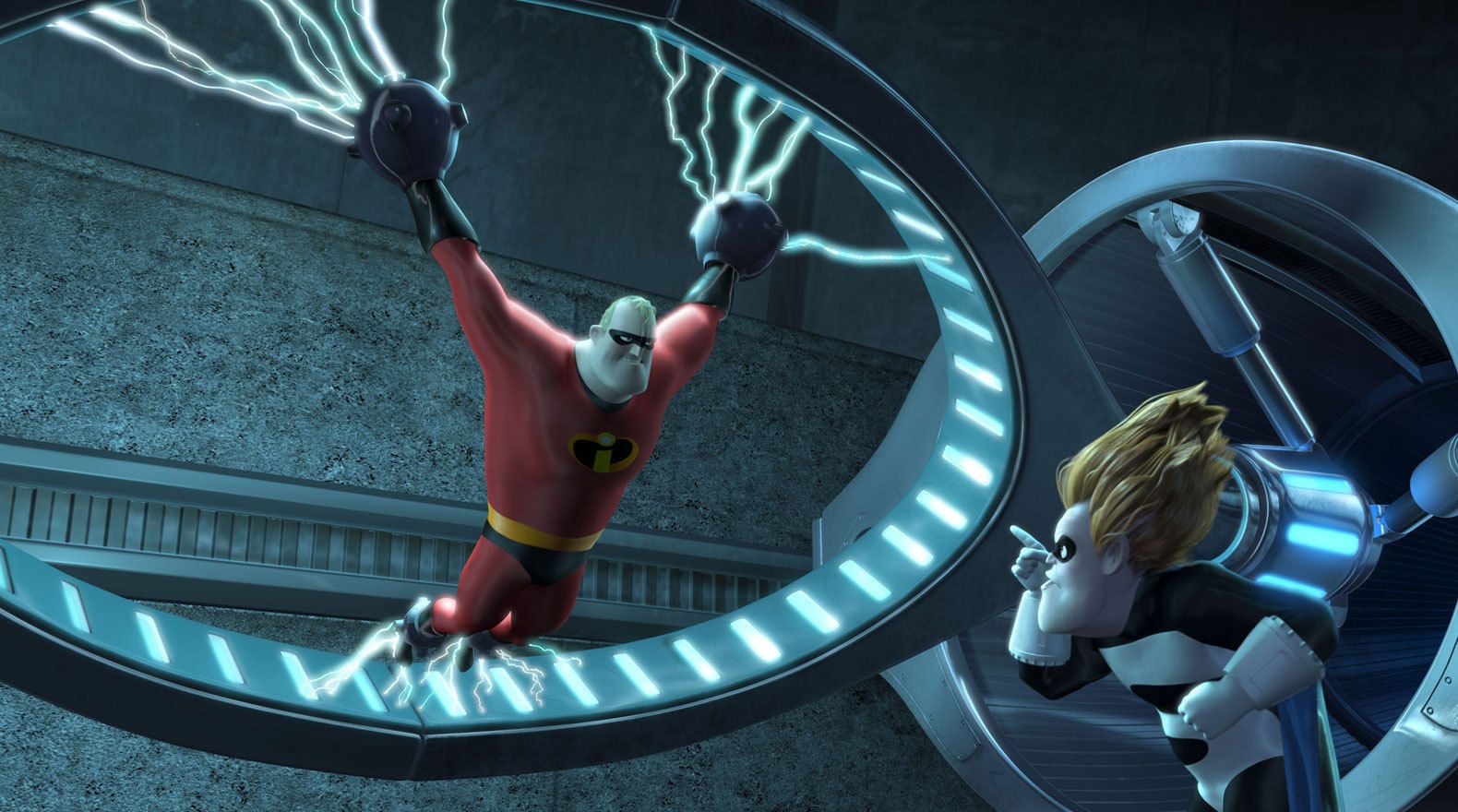
 Now, I have a Pixar theory of my own to share on The Incredibles (2004): what if Syndrome, the film’s eventual antagonist, is actually Bob Parr (Mr. Incredible)’s illegitimate son from a relationship that preceded his marriage to Helen Parr (Elastigirl)?

I guess stranger theories have been made? But I can’t help but notice already that The Incredibles gives us zero insight into what Bob Parr was up to before he fell in love with Helen, so this claim is already making me think this is a stretch…

incredibles theory

Too easy?

I have considered this possibility over ten years and multiple viewings of the film, and, regardless of whether it matches Brad Bird’s intentions, this reading makes sense and the whole film more interesting.

In other words, I’m right, even if it’s obvious I’m wrong.

He has followed my work!

Obviously, Buddy is older than Mr. Incredible’s other children, as the prologue is set 15 years prior to their birth and just before Mr. Incredible’s marrying Elastigirl.

Um…the prologue isn’t set 15 years prior to their birth. That would mean they’re zero years old after the time skip. I mean, I know Dash is short, but…

One more nitpick and I’m done-ish: the prologue isn’t “just before” their wedding, it’s during their wedding. OK, I’m done…ish.

When Mr. Incredible and Buddy (Syndrome’s name as a child)

You mean, his real name?

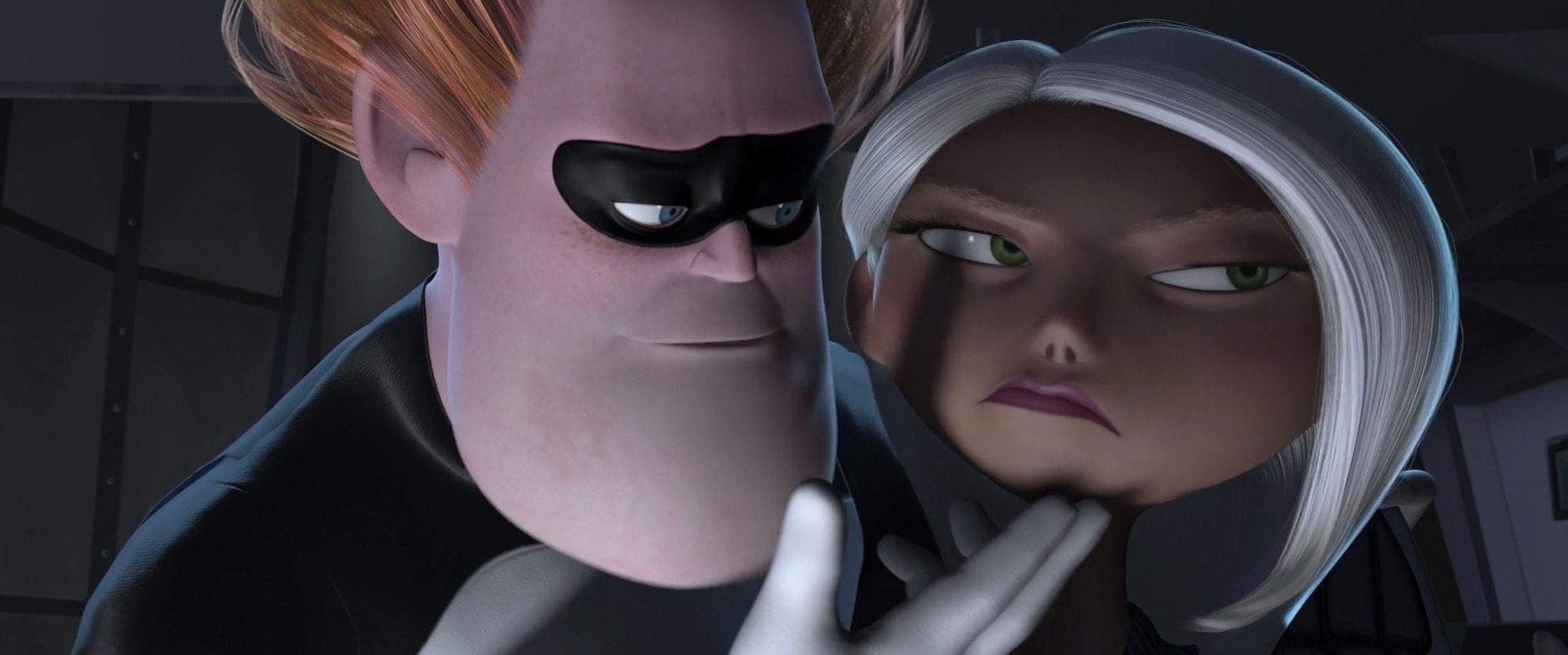
first meet inside the former’s superhero car, there seems to be a striking resemblance.

Wait, you’re saying they look the same? How?

incredibles theory

Buddy’s ears, nose, mouth, jaw, and eyes don’t resemble Bob’s at all. Their hair isn’t even that similar, just blonde. And they’re white. Is this racist? Er-superist?

Also, Bob is probably between the ages of 25 and 30, since he goes through his mid-life crisis 15 years later. If Buddy was his son, then that means he had the kid between the ages of 10 and 15.

This is all happening too fast.

Buddy naming his unofficial alterego “IncrediBoy” already suggests a role-model connection between the two,

Suggests? Buddy straight up tells Mr. Incredible that he’s his biggest fan. It’s obvious he calls himself “Incrediboy” because he’s longing to be Mr. Incredible’s sidekick. It’s about as subtle as a Donald Trump supporter’s Facebook profile.

but the fact that they look like each other may argue there is a hidden father-son relationship that the narrative has kept as subtext.

The fact?!

It’s not a fact that they look like each other. They barely even look similar. Please don’t tell me this is the crux of your argument, because I need these Snarcasms to be more than 800 words…

As a child, Buddy seems to look up to Mr. Incredible with more intensity than he would if merely a fan.

Well, yeah, this is no secret. Again, he tells Bob that he’s his biggest fan. The intensity is even explained more later on, when Buddy feels left out and wants to rid the world of all supers, not just his alleged “father.”

incredibles theory

Wearing similar attire is just fandom, but Buddy’s angry and devastated reaction to being rejected by Mr. Incredible implies he has higher expectations of the man, and the pair could be father and son.

Sam is essentially saying that you can only have high expectations when it comes to your father.

Forget about teachers, college professors, your personal trainer, and Drake’s future choreographer. If you’re obsessed with being someone else, then that obviously means you’re related to them. That explains why Brad Pitt has so many children…

Wait. Brad Pitt…Brad Bird…It’s all connected.

Brad Bird already wrote and directed a Pixar film in which a young man finds out his true paternity –the Linguini and Gusteau relationship in Ratatouille (2007)—but in The Incredibles, this could be a hidden narrative implication.

Oh! I can do this, too! “WALL-E falls in love with a machine in his movie, so that means the hidden meaning behind Toy Story is that Andy secretly wants Woody to be his boyfriend.”

I feel gross all of a sudden.

incredibles theory

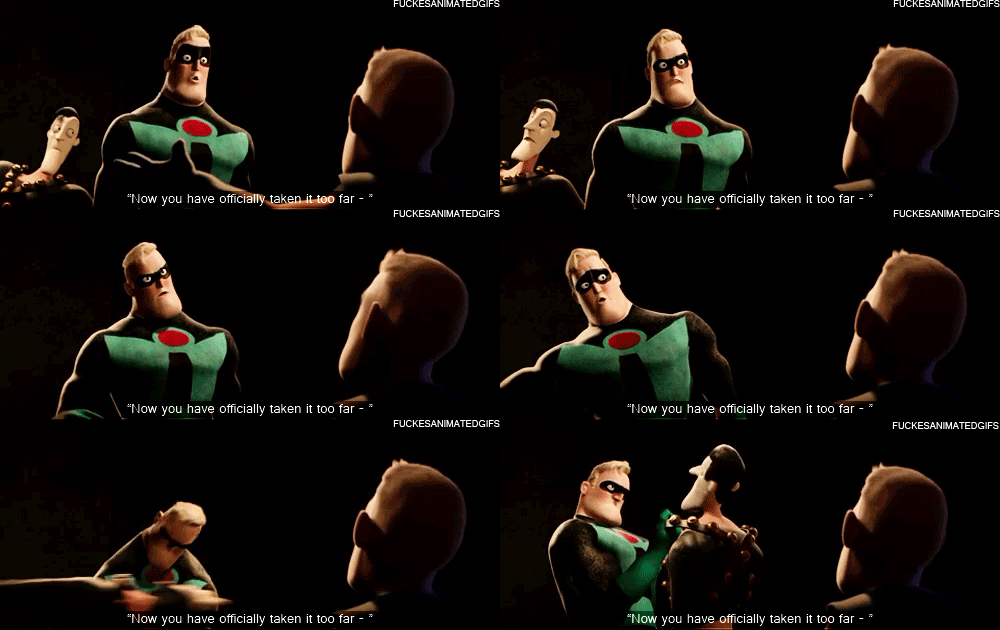
After trying to help him, Mr. Incredible rejects Buddy completely and tells the police officers, “Take this one home and make sure his mom knows what he’s been doing.” It may just be vague language assuming that kids are monitored primarily by their mothers,

Let’s just say you got it right the first time—

 but the fact he just says “mom” instead of “parents” or simply “mom and dad” could imply that Mr. Incredible either knows Buddy is from a single-parent family or knows his mother.

Or it could mean that he wants Buddy’s mom to know what he’s been doing.

This awareness could raise the idea that he once had a relationship with Buddy’s mother

I love it when just knowing who someone is means you had a complicated romance with them that resulted in a lovechild. I get that all the time.

“Hey, I know that girl!”

“Yeah? Well, how many kids do you two have, Brad?”

and perhaps even left her and Buddy behind to be with Elastigirl (which could also be Syndrome’s motive to want to kill her too).

Clearly, because it had nothing to do with Buddy’s determination to kill all supers, which is what he was already doing long before he knew Mr. Incredible and Elastigirl were married (he admits he didn’t know they were together, remember?)

In case you’re wondering what I look like right now:

incredibles theory

Buddy becomes Syndrome and extracts a plot, through Mirage, to gain revenge on Bob. Upon meeting again, Syndrome explains his traumatic childhood (after the rejection) through a brief flashback and attempts to kill him. When the attempt fails, the only adequate way to make Bob suffer, in Syndrome’s mind, is to kill his new family.

Buddy didn’t even know that his family was on that plane, Samuel. He just says, “So you do know these people?” And then he sends the missiles.

He doesn’t find out they’re Bob’s family until way later, and even then, he doesn’t kill them immediately. He just holds them in captivity like any other super villain. How many times did you watch this over the course of ten years?

This could be because Syndrome never got the childhood attention from Bob, as a father and hero, which Dash, Violent and Jack-Jack were getting.

This isn’t apparent at all. There’s no moment when Syndrome looked at the kids and seemed jealous, or wished for what they had. He just wants to see Mr. Incredible lose everything that’s dear to him.

In the climax scene at the Parr home, Syndrome doesn’t really attack or attempt to kill the family. Instead, his intention is to kidnap Jack-Jack, the youngest child. Syndrome’s motive is to rid Bob of his infant child and recreate the paternal loss that he himself experienced from childhood, even at one year old.

You just said that he apparently wants to kill Bob’s family. Which is it, then?

And Bob wouldn’t suffer “paternal loss.” He’d suffer infant loss. That’s not the same thing at all.

And Buddy says he wants to kidnap Jack-Jack to “steal” their future, just like they stole his. They didn’t steal Buddy’s “past,” which is what your theory implies.

Buddy even says mentor when he’s talking about taking Jack-Jack under his wing in a way that Bob never did. If Bob was his father, and Buddy knew this, then wouldn’t he have said father?

And, and, and, ANDDDDDD…

incredibles theory

Bob shows no remorse or sadness when Syndrome dies. This could indicate Syndrome in fact wasn’t his son, but the narrative doesn’t address Bob’s response to Syndrome’s death in depth in a particular shot or any dialogue. 

Of course it doesn’t. The guy tried to kill him and steal his kid. Would you show remorse if the guy got what he clearly deserved?

Bob shows relief. The nightmare’s over. His family is finally safe, and the villain has been defeated. No depth necessary.

This whole theory may sound crazy, but it potentially adds more depth to Syndrome/Buddy’s character,

Does it? Being related to someone adds about as much depth as you would see in a soap opera.

When Luke finds out that Darth Vader is his father, the impact is huge for more reasons than a blood test. This is the guy Luke believed killed his father. This is the guy who killed his mentor and blew up the planet of one of his friends. This is the biggest, baddest, guy in the galaxy, and Luke now has to deal with the fact that he’s the son of this man, which means he’s capable of darkness, too.

But in The Incredibles, the friction between Buddy and Bob is readily explained. It already has depth and doesn’t need an arbitrary link to explain itself or become “more sophisticated” as Sam later says. It’s not like anyone left the theater wondering why Buddy was a villain. His backstory, in this case, is quite sufficient.

incredibles theory

Maybe I’m being harsh (OK, I’m being incredibly harsh and terrible), but my point is that if you’re going to suggest that two characters in a movie (or movie universe) are related without much evidence, then at least explain why it would make the movie better. 

In this case, I can see that Sam is really trying to do that, though he definitely comes up short with the argument that true drama is just a matter of who people are sleeping with (what has The CW done to us?)

Now, if Sam can elaborate on that Brad Pitt=Brad Bird theory we stumbled onto earlier, then he certainly has my attention yet again…

Hey! If you’ve come across a silly article that deserves the Snarcasm treatment, send it my way via Twitter or the comments below!

I’m Jon and thanks for reading this. You can subscribe to my posts by clicking “Follow” in the right sidebar. Or just say hey on Twitter! @JonNegroni

Which is Better? The Witcher 3 vs. Fallout 4

fallout 4 witcher 3

“Which is Better?” is a new editorial series that dares to compare the best of pretty much everything. This week is a battle of the wastelands, as we compare two of the biggest games of 2015.

There were a lot of games I considered for this week’s entry. At one point, I thought it would be fun to do Fallout 3 vs. Fallout 4 or even Skyrim vs. either of those games.

Eventually, I decided it would be more useful to compare two games that have come out recently. And not just any games. Though they may not be the highest-rated video games of the year, there’s little doubt that The Witcher 3 (TW3) and Fallout 4 (F4) are among the most popular and well-received installments of 2015.

F4 in particular has reached a near-Skyrim level of social consciousness outside of niche gaming circles, moreso than TW3. The difference is that TW3 has skyrocketed in both quality and audience this year, thanks to the game being that good. I think you can safely argue that F4 has been more underwhelming in comparison, if only because the games before it have already set mighty expectations that few games in history could probably meet.

These are two very different games, but they’re certainly in the conversation for being the best of 2015. To find out which is better, we’ll have to go beneath the surface and uncover what sets each game apart in terms of story, characters, the overall gaming experience, and more.

Let’s begin with…

BEST ART DESIGN

fallout 4 witcher 3

How a game looks will always be a selling point for gamers. But outside of frame rates and the amount of pixels depicted onscreen, which of these games has the more inspired look?

This includes landscapes, character models, and even costume design. As you read this, you’re probably thinking about every subtle visual you remember from both of these games, and I think I can guess which one you’re thinking of the most.

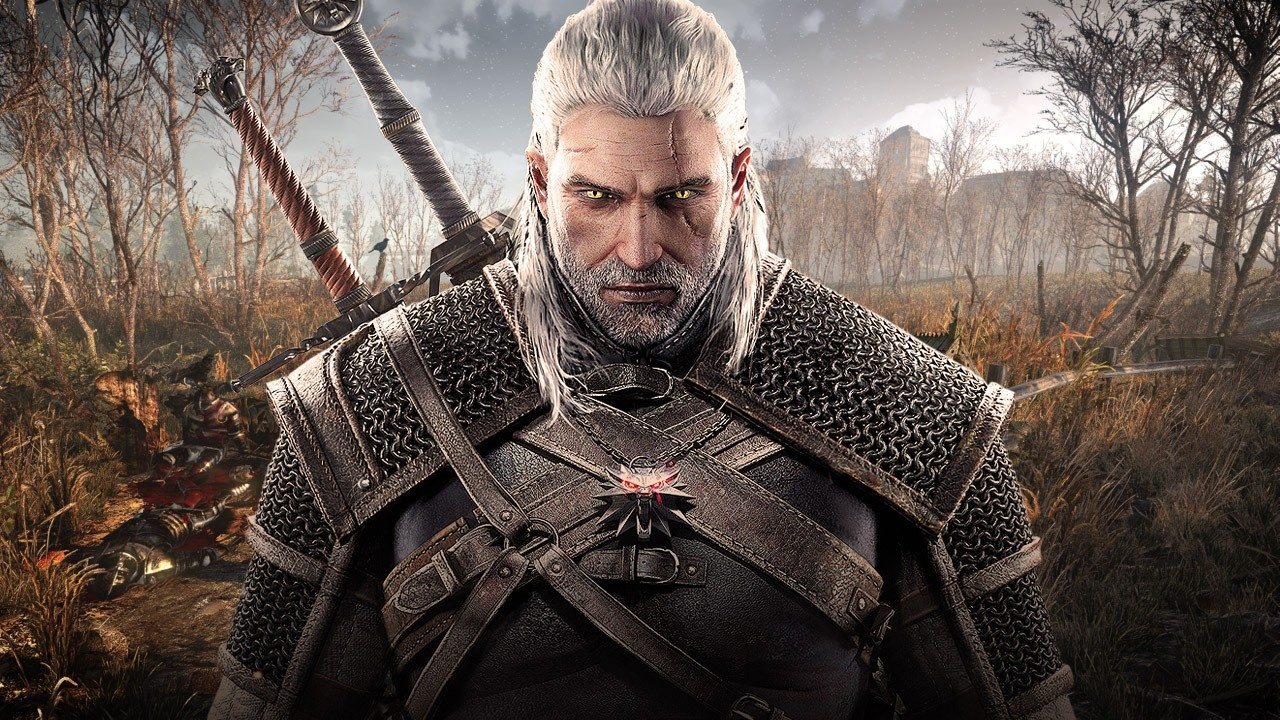
For me, it’s TW3. Even though I played it months ago (and F4 is more fresh in my mind), I can readily picture the rocky hillsides of Skellige and what the shady individuals are wearing in Novigrad. I remember the sense of awe I got from discovering these locations and exploring every inch of them (and I mean every inch).

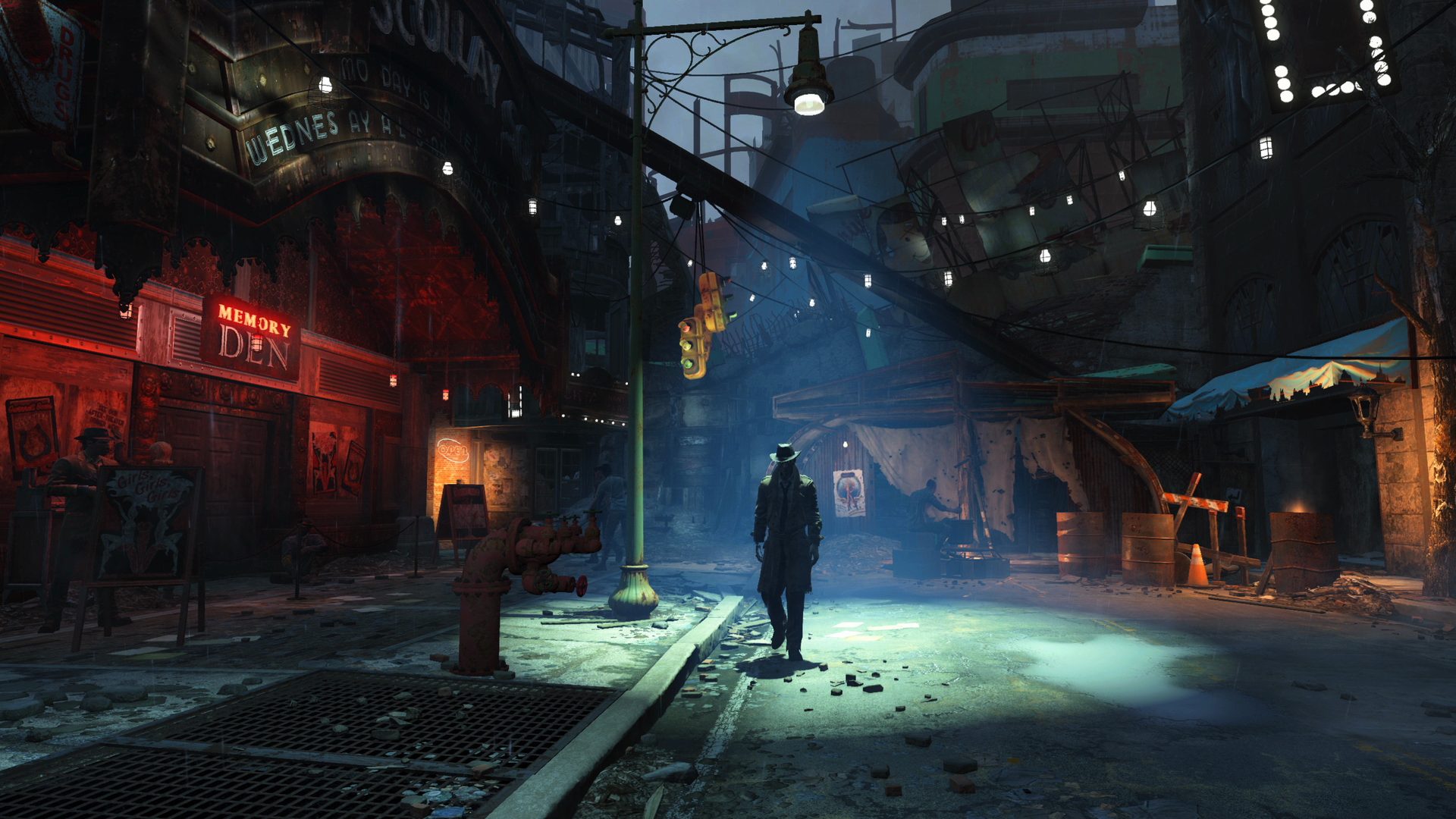
When I think of F4, I really just go back to what my character looks like with a Vault 111 suit  underneath a set of combat armor. This isn’t a bad thing, but it certainly sheds light on how different the focus of these two games are.

It’s interesting because these two games are somewhat inverse. I can only play as Geralt in TW3, and how I customize his look is pretty limited compared to everything I can do with the Sole Survivor of F4 (down to picking a name). But on the other hand, I influence the plot of TW3 in a huge variety of ways, while F4 really only has a cluster of similar endings that range from me being pure evil to complete righteousness.

I love the Commonwealth of F4, but it’s honestly just a refined version of a wasteland we’ve seen several times already. Though TW3 is also a sequel, it brings The Northern Kingdoms to life in a way that’s a huge step forward for the franchise.

Both games have inspiring art design, but if we’re talking about which one is more novel and memorable, then TW3 is the clear winner.

BEST CHARACTERS

fallout 4 witcher 3

At first, you might think TW3 wins this pretty easily, if only because it’s a game that focuses more on a central narrative with pretty rich characters. But F4, while different, also has an eclectic roundup of unique personalities, some far more interesting than what we have in TW3.

This is probably because F4 has more side characters. And every single one has a decent backstory you can uncover the more you get to know them. TW3 really only has a small cast of characters you care about, but they’re absolutely more interesting as a whole. So it’s a bit of a tossup.

Now, when it comes to voice acting and the lead character, TW3 wins by a landslide with Geralt. Even for a character who can’t display emotion, there’s a universe of depth to him that the Sole Survivor’s voice can’t even come close to. In fact, I sometimes wish you could opt out of hearing what your character in F4 has to say.

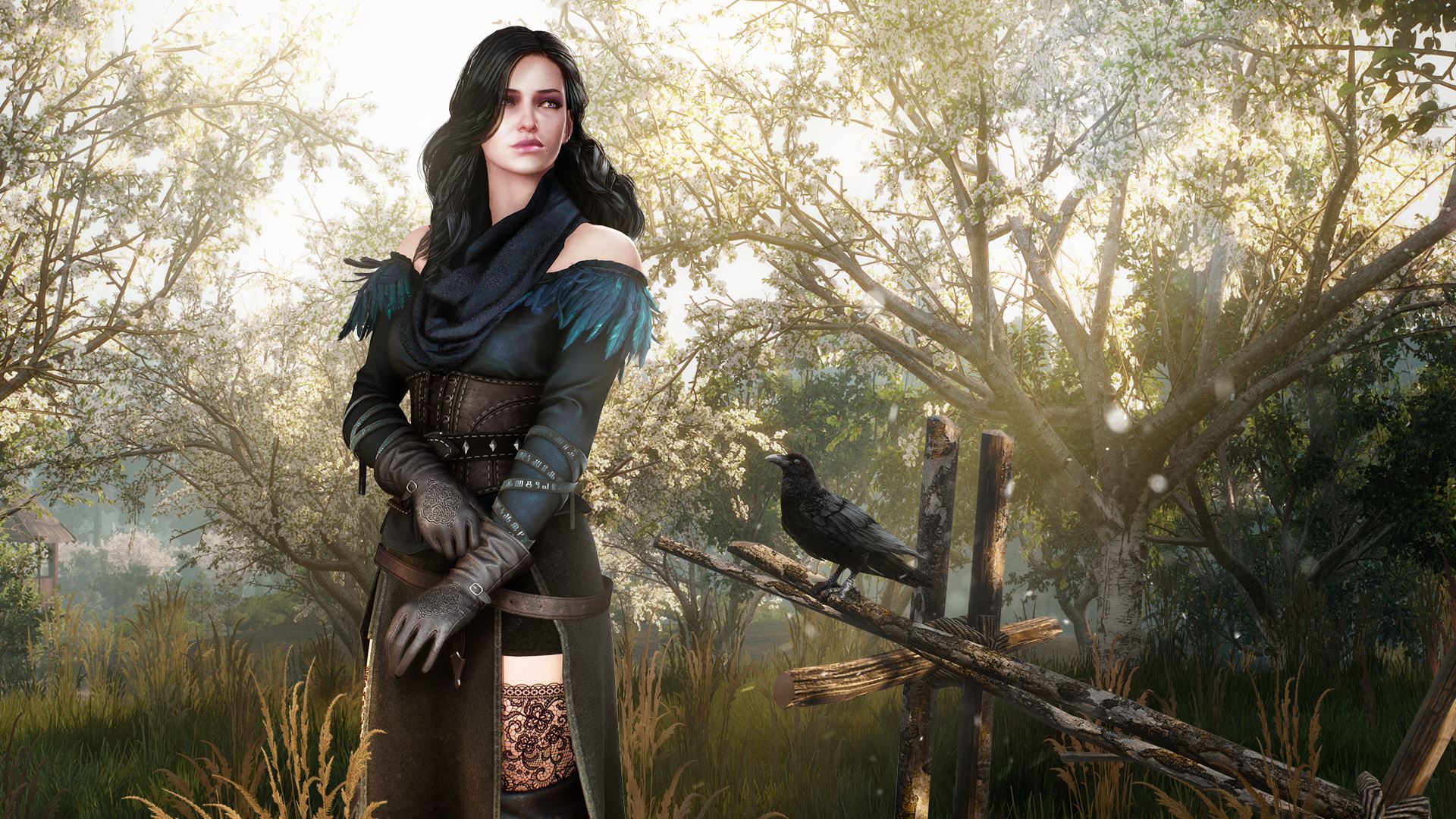
Yennifer, Triss, Ciri, and the other main characters of TW3 are also out of F4’s league in terms of likability and substance. I do think Valentine, MacCready, and even Piper are fun characters to hang out with in the Commonwealth, but at no point did I really care about what would happen to them next, which is a far cry from how much emotion I invested in my friends and allies from TW3.

It’s not a landslide victory, but TW3 wins this round.

BEST ACTION

fallout 4 witcher 3

Both of these games have a huge focus on defeating multitudes of faceless enemies. But which one does it better?

This is an interesting comparison, as well, because both games are action RPGs (well, F4 is technically an RPS). They both feature a ton of other side activities you can do with your character in-between the action, and they both let you fight in real-time.

With Geralt, you can fight with your handy swords (one for monsters and one for humans/animals) or use a small set of spells with varying effects. You can even make your own bombs. With the Sole Survivor, you can use many different types of guns and melee weapons, or you can fight unarmed . And you also have V.A.T.S., which lets you slow down time in order to focus your shots on the weak points of your enemy.

So, both games have great, thrilling action. TW3, in particular, features a major upgrade from its predecessor in this respect thanks to its fluid sword fighting and monster-hunting strategies that make you feel like a true witcher.

fallout 4 witcher 3

F4 is more of an action game than any other entry in the series, which is good news if that’s your favorite element of F3 or New Vegas. The gunplay is incredibly smooth and responsive. And the introduction of artillery strikes and other ways to call in aid from friendly factions is a fun strategy.

There are many different types of enemies you can face in TW3 and F4, so they tie when it comes to variety. And both games are pretty challenging depending on how you want to play.

But when I consider how often I can switch up my tactics, I have to credit F4 for having great experiences for each of its many weapons. I can pick up new weapons on the fly and feel good using them, while doing the same in TW3 will usually lead to a quick death. The problem with TW3 in this regard is that it’s easier to get stuck in your ways, so there’s not as much room for exploration in how you want to take down your enemies.

F4 is also more fun when it comes to crafting your armor and mixing/matching. Most of what I used in TW3 was pretty ugly and ineffective unless I went to the trouble of doing armor quests. Overall, the armor sets are cooler, as I mentioned above, but it’s harder to get the right look or change things up if you get sick of what you’re wearing. With F4, it’s a blast to mod your weapons and armor, instead of a drag.

This was a close one, but F4 gets the point.

BEST STORY

fallout 4 witcher 3

Look, I love the main quest in F4. It’s much more engaging and unique than any other I’ve played in a Bethesda game, let alone the Fallout series. But that might be more indicative of how low the standard is, as well as how underwhelming much of the side quests are in F4.

100 hours in, I’ve gotten to the point where almost all of my missions in F4 are recycled retreads. Characters I’ve stuck with in order to see where their stories go have all but stalled. And I’m rapidly losing interest in coming across any more of these side quests that will put me on yet another fetch/kill errand that will somehow boost me through the ranks of an established faction.

Throughout F4, there are moments that take you out of the game completely, because they’re designed for an open world, not an open world story. TW3, by comparison, blows F4 out of the irradiated water with its spiderweb plot and remarkably complex side missions that can be just as interesting as the main story.

It’s strange because usually Bethesda does a great job with smaller story moments found in their open world, like with surprise characters and random events that happen by accident. Just stumbling across an encounter in their games is pretty thrilling. This is certainly present in F4, but not to the same extent. You mostly just come across endless battles going on in the distance, which are fun to track down, but pretty one-note.

In TW3, I had a grand time starting seemingly mundane side quests that spiraled into massive conflicts I couldn’t have predicted, and almost all of them had satisfactory endings I didn’t see coming.

TW3 wins this round and then some.

BEST GAMING EXPERIENCE

fallout 4 witcher 3

This category is about how a game looks and feels overall. And it’s also about how it makes you feel.

In terms of graphics, TW3 is simply a more beautiful game. But F4 excels at having a more dense location that feels more alive. As we’ve discussed already, both games have great gameplay with myriad options for how you play it. And both games are wildly addicting.

That said, if you ask me which game I’m glad I played, then I immediately think about TW3.

I’ve enjoyed F4 thoroughly, and it’s been fun spending hours of my time creating massive, sustainable settlements. But after building all of the walls, setting up the turrets, hunting for elements in the wasteland, and coming back every once in a while to fix the problems of the settlers, I don’t feel fulfilled.

Overall, F4 really isn’t a rewarding experience. Not much of what you do amounts to anything within the confines of the game.

But TW3 left me with a smile, despite my ending not being “the best one.” The work and effort I put into that game directly affected the outcome of the characters, and after I finished, I didn’t feel like it was time wasted.

This is obviously subjective, but everyone I’ve talked to about this game has more-or-less said the same. F4 is a blast for a while, but it does little to impact the gamer. Maybe it didn’t need to do that in order to be successful, but I already know which sequel of which series I’m more excited about, assuming either of these franchises continue.

TW3 made me fall in love with a series I’ve only sort of liked for years. The graphics blew me away. The stories and characters were unlike anything I’ve come across in an open world game. And it’s a game I want to play again.

I want to keep playing F4, but only because the game taps into a side of me that’s compulsive. TW3 exploits what makes me love the art of gaming, and that’s no small feat.

THE VERDICT

fallout 4 witcher 3

This was tough, but I feel pretty good when I say that The Witcher 3 is better than Fallout 4. As I’ve said, both games are marvelous and deserve praise. But the former is certainly superior in a variety of ways, notably in how the gamer feels when it’s completed. And it’s even got better characters, an amazing story, and some decent action that make it the convincing choice.

Agree? Disagree? Sound off in the comments.

Thanks for reading this! You can subscribe to my posts by clicking “Follow” in the right sidebar. Or just say hey on Twitter: @JonNegroni

Review: ‘Krampus’

krampus review

The most interesting thing about Krampus is probably how refreshing it is to see a horror Christmas movie that sidesteps the usual suspects (such as a directly murderous Santa Claus). But while Krampus isn’t actually very scary or even funny, it captures something just as welcome as horror comedies go: it’s fun mayhem.

In European folklore, Krampus is the evil shadow of Santa Claus. Rather than fulfill the happy wishes of children, he comes to satisfy their darkest desires with his band of merry murderers. A child who has become disenfranchised with how Christmas shapes his dysfunctional family tragically discards his Christmas list, which earnestly asks Santa to make everyone in his life happier. As a result, Krampus (and a magically frenetic blizzard) is called upon instead.

That said, little of Krampus is seen until the end of the movie, as we spend more time focusing on his “little helpers.” Thankfully, they almost steal the show with their remarkable practical effects and a willingness for the movie to inflict violence on just about anything in its way, creating a tension that mashes well with the chaos captured in an early scene that satires the greed of holiday shopping.

It can be easy to discount Krampus as a whole for a few rotten eggs, namely some of the performances and its odd “PG-13” rating. But it finds its groove with an inspiring throwback animation that cleverly tells the story of Krampus within a new context, coupled with a dreadful (in a good way) performance from the grandmother, played by Krista Stadler.

While Krampus may not ignite the sort of pre-Christian folklore that deserves more cinematic attention, it may prove that holiday horror is a genre worth larger budgets that keep it off the discount bin.

Grade: B+

Extra Credits:

  • Michael Dougherty directed and co-wrote Krampus, and the comparisons between this and Trick r’ Treat are obvious. The superior film is pretty obvious.
  • This is a much better cast than I think the movie deserved. Adam Scott and David Koechner play quite well together, and the relationship between Scott and Toni Collete’s character is actually quite touching.
  • It’s subtle, but the sibling relationship between “Max” and “Beth” was written so well, I was quite sad they didn’t spend much time together outside of the first act.
  • No spoilers, but I adore the ending. I wish more movies would be brave enough to let their final act match the rest of the film.

This week on the podcast, we review Krampus in more detail, get our feet wet with some movie news, read your comments from last week’s show, and get down to business on our favorite animated movies.

I’m joined by YouTube sensation, Maria “Cineclub” Garcia; Film writer, Adonis Gonzalez; and digital illustrator, Kayla Savage.

QUESTION OF THE WEEK: What is your favorite animated movie that wasn’t made by Disney, Pixar, or DreamWorks?

Go on…Review: ‘Krampus’

The Pixar Theory: How The Good Dinosaur Fits In Pixar’s Universe

the good dinosaur pixar theory

The Storm provides.

In 2013, I wrote the first draft of The Pixar Theory, an essay that makes the case for how and why every Pixar movie takes place within a shared universe.

Just this past year, I published a book that finalized this draft into a more convincing and fleshed out read that you can check out here, but you can get a decent idea of what we’re talking about by reading the original article. Just keep in mind that much of what I wrote in that first blog post has been changed and improved on over the years.

Also this year, I posted how Inside Out (Pixar’s other 2015 movie) fits into the Pixar Theory, which you can check out here for even more context.

Yeah, I know it’s a lot of reading. As we talk about The Good Dinosaur below, I’ll do my best to add refreshers from past articles, so you don’t have to keep clicking around.

Needless to say, this post contains a lot of spoilers for The Good Dinosaur, so if you haven’t watched it yet and don’t want it spoiled for you, then check back later after you’ve had a chance to see the movie. You’ve been warned. 

That said, it’s time to address a question I’ve been getting for over two years now…

THE BIG QUESTION

Does The Good Dinosaur take place in the same universe as ever other Pixar movie? Including Toy StoryFinding Nemo, and even Cars?

the good dinosaur pixar theory

We’re going to address that question and then some. But first, let’s talk about something possibly more important. Let’s talk about what The Good Dinosaur contributes to the shared Pixar universe, beyond how it potentially “fits in.”

In other words, we’re going to talk about how The Good Dinosaur makes the Pixar Universe Theory better.

For one thing, it actually answers some major questions I’ve been asking since day one of putting this theory together. And I know plenty of people have wondered this too:

WHERE DOES “MAGIC” COME FROM?

If you’re at all familiar with this theory, then you’re plenty aware of how magic plays a mysterious role in the shared universe of Pixar. But one thing I’ve never fully understood is where it’s supposed to come from in a world where animals can cook and toys can talk.

I’ve claimed in the past that the wisps of Brave are where this magic originated, or at least point to magic tying in with nature somehow. I’ve also posited that wood is a source of magic, which is certainly evident given how doors have dimension-defying capabilities in multiple Pixar movies, including Monsters Inc, and Brave.

the good dinosaur pixar theory

Humans can use magic from what we’ve seen, or at least some type of it. In my book, I argue that the supers from The Incredibles received their powers through government experiments in order to be spies (at first), which would explain why they seem to have military experience and backgrounds in espionage.

But it’s unclear how technology could make a person fly. It’s unclear how Boo from Monsters Inc., could harness the magic of a door and travel through time. It’s unclear how humans of the distant future could find a magic tree with fruit that could transform them into animalistic monsters (a tidbit from the Monsters Inc., DVD).

But with The Good Dinosaur, we finally have a suitable theory for where this magic comes from, as well as a proper starting point for the Pixar Universe.

THE SET UP

The film opens 65 millions years in the past, when dinosaurs still roamed the Earth. The opening scene clearly shows us a world like the real one you and I live in, where animals eat from the ground and have primitive senses.

In reality, it’s believed by many that an extinction-level event is what caused the disappearance of the dinosaurs as we know them today. A predominant theory is that an asteroid wiped all of these creatures out, long before mammals like humans ever came to be.

the good dinosaur pixar theory

Pixar accepts this premise and turns it on its head by proposing a world where there is no extinction of the dinosaurs because the asteroid misses Earth entirely. Millions of years later, dinosaurs are still the dominant species on a very different-looking planet, while humans are just now arriving on the scene.

One thing I love about The Good Dinosaur, by the way, is how the film doesn’t rely on any exposition to illustrate what’s taken place since the asteroid missed Earth. We just see an apatosaurus family tending to their farm. Right off the bat, we learn that dinosaurs have become the most intelligent creatures in this world, able to provide shelter, fences, and resources for themselves and other creatures.

They’re smart. They use their appendages in unique ways to ensure their survival. It’s a simple reimagining, but it’s effective. And it parallels nicely with what we’ve come to expect from future animals in the Pixar Universe, notably Remy from Ratatouille, an animal who manages to become a better chef than any other human (in Paris, at least).

So right away, The Good Dinosaur hammers the point that when left to their own devices, animals can become just as intelligent as humans, as we also see in A Bug’s Life with Flik’s inventions and ingenuity ensuring the survival of his entire community.

In the same way, the apatosaurus family of The Good Dinosaur relies on the harvesting of food to get them through a harsh winter. Arlo, the main character, is the youngest of three siblings to the apatosaurus parents who run the farm. To “earn his mark,” Arlo is given the responsibility of catching a feral critter who keeps stealing their food.

the good dinosaur pixar theory

We eventually learn that this critter is what we know as a human. He’s a small, wolf-like boy who doesn’t appear to have his own language beyond grunts, and Arlo adopts him has his pet after the two get washed away by the river, far from home.

From there, the movie shows us their long journey home, and a lot happens over the course of these few weeks. We learn quickly that this part of the world suffers from frequent storms, some of them looking like typhoons. Later, it’s evident that very few dinosaurs are around, despite the fact that they’re the most intelligent species around.

We see a few dinosaurs along the way, but only in small groups, rather than herds. Towns and settlements are apparently scarce, but still alluded to. And every dino is obsessed with survival.

Forrest, the Styracosaurs, chooses to live in the wilderness under the protection of the creatures he carries around with him. This is played off as a joke, mostly, but it shows just how harsh life is in this world for reasons that are left to the imagination.

the good dinosaur pixar theory

It’s also telling that Forrest is just as fearful as Arlo, and with good reason. There’s not much food around, and though these dinosaurs are smart, some are being born with an innate (possibly learned) sense of fear.

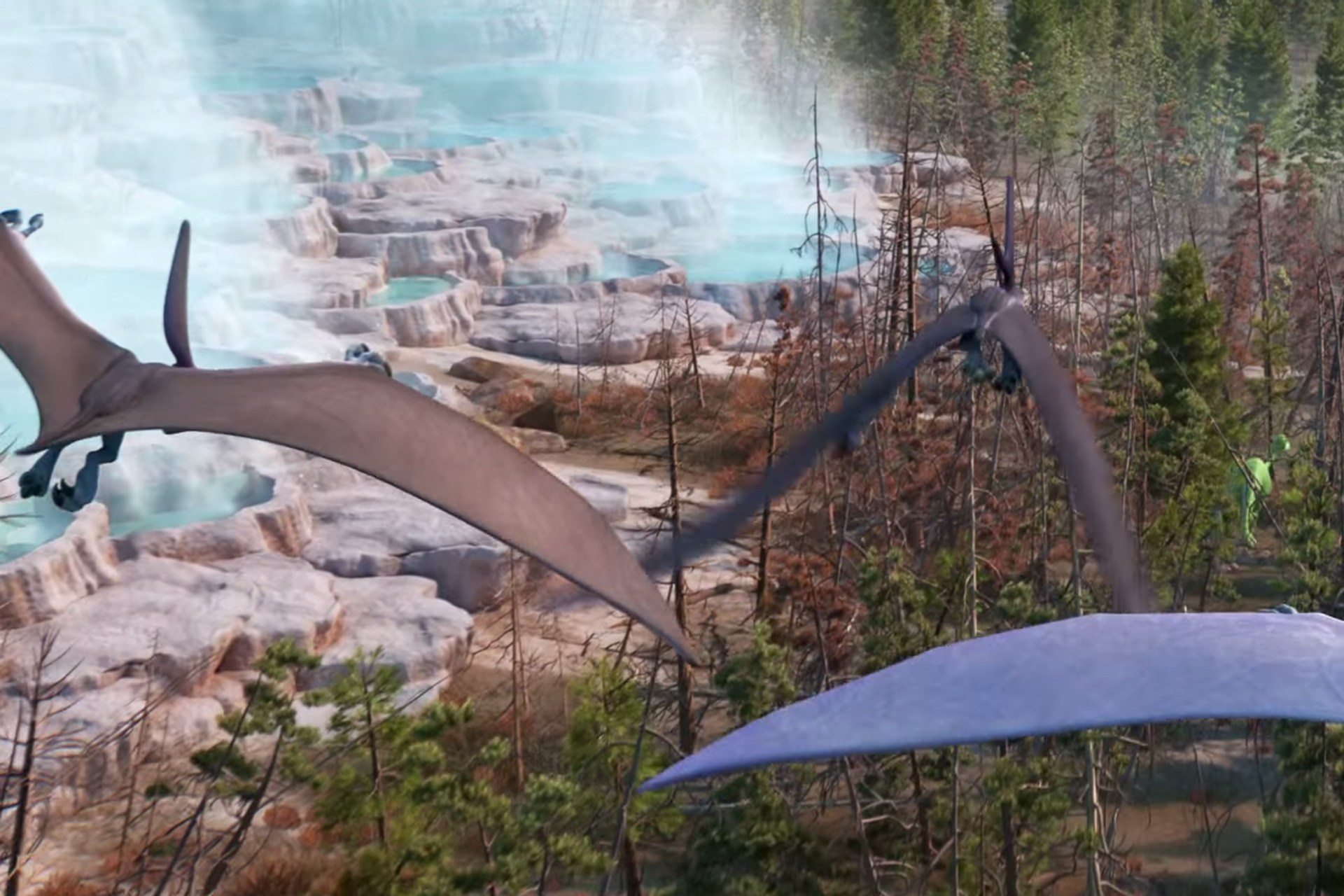
We certainly get a feel for how scarce resources are by the time we meet the hybrid Nyctosaurus gang, led by Thunderclap. I say hybrid because like the other dinosaurs in this film, they have many traits that have evolved from the fossils we have on these creatures. In fact, every creature in Thunderclap’s gang is a different species.

These flying creatures are a “search and rescue” team who scavenge the helpless creatures traumatized by the frequent storms. “The ‘Storm’ provides” is not just a weird catchphrase for these beasts—it’s their religion. They worship the storm for giving them much-needed food.

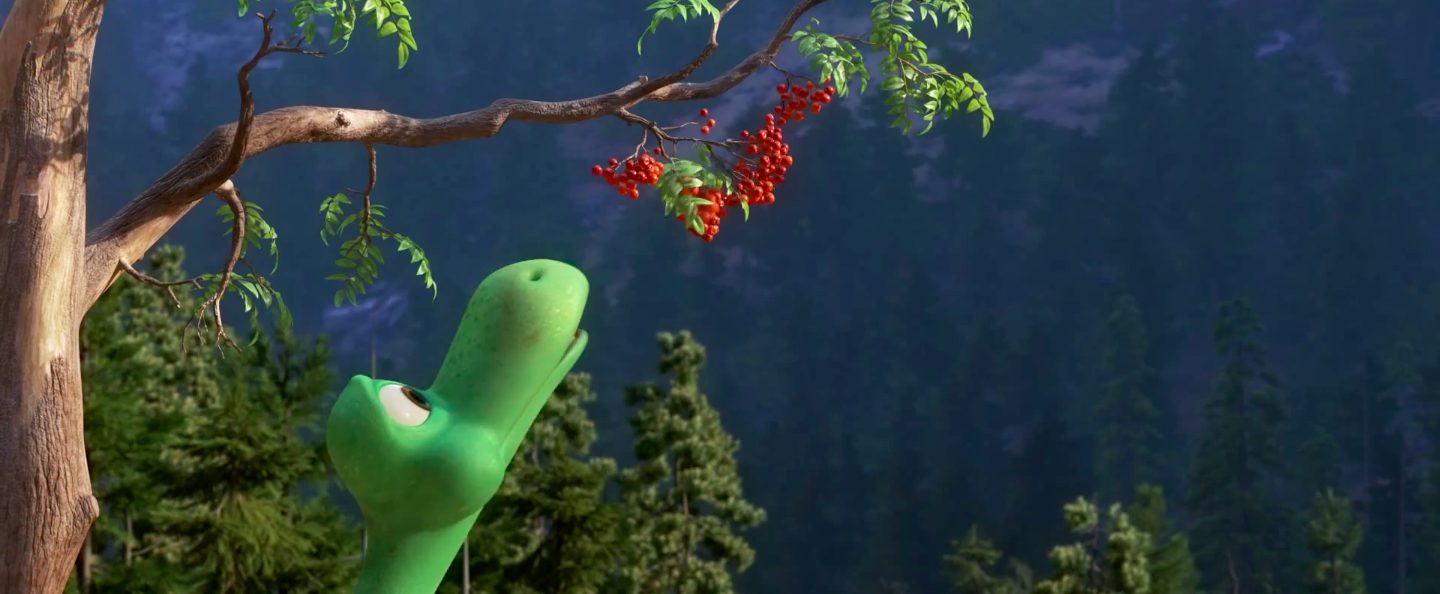
Isn’t it strange that Arlo got sick from eating plants that weren’t fruits like berries and corn? Millions of years earlier, we saw dinosaurs eating grass just fine, so what changed?
the good dinosaur pixar theory

Before we get to that, it’s important to point out how the T-Rex family manages to survive. They have to raise and take care of a bison herd by themselves in order to have enough food, often fighting off vicious raptors desperate for their food. And the T-Rexes are constantly on the move, which probably has something to do with how the environment is too volatile for them to settle down anywhere, as well as the fact that they have to find enough food to feed their food.

WHY?

If dinosaurs have been evolving for millions of years, then why are they having such a hard time, now? In the opening scene, there are many dinosaurs all eating together without a care in the world, so something big had to happen between those good times and the bleak world we’re introduced to countless years later.

Well, I think it’s pretty simple. These dinosaurs are living in a “post-apocalypse” of their own civilization. At one point, they probably had plentiful resources to sustain a massive population, much like you’d expect. But what we see is a shifted environment. The lush jungles filled with edible plants that we know existed millions of years ago have vanished by the time we meet Arlo, just as they would have if the asteroid had hit Earth.
the good dinosaur pixar theory


Simply put, the world slowly became less optimal for the dinosaurs to roam, which the movie goes out of its way to illustrate. Arlo’s family is on the brink of running out of food because rival creatures like the mammals (AKA humans) are stealing their food and thriving in this new environment. These storms are a product of this change, as the world gradually corrects the imbalance of reptiles and mammals caused by the lack of an extinction-level event.

And many years later, the same “correction” will happen between man and another new species: machine.

In other words, Pixar loves cycles. And the Pixar Universe is as cyclical as they come. It’s actually pretty amazing how a simple movie like The Good Dinosaur offers such a close parallel to stories they’ve already told, Pixar Theory or no.

WHAT ABOUT THE OTHER PIXAR MOVIES?

If The Good Dinosaur exists in the same timeline as movies like The Incredibles and Finding Nemo, then where’s the evidence of those movies being a result of this alternate universe where dinosaurs ruled the Earth much longer than planned?

What about fossils? Certainly, the Pixar movies would exist in a world where the fossil record is drastically different. What about these strange creatures in The Good Dinosaur that don’t look like any animals we’re aware of, like the dreaded cluckers?

Well, that’s where Up comes in.

the good dinosaur pixar theory

Early on in Up, we see that the famous explorer Charles Muntz has found a place in South America filled with plants and animals “undiscovered by science.” That place is Paradise Falls (or, “The Lost World” as the narrator puts it).

And what is the prize creature that Muntz discovers? It’s no dinosaur. It’s a bird (Kevin). And this is a bird that bears resemblance to the bizarre makeup of the “prehistoric” birds and raptor-hybrids we see in The Good Dinosaur, who have originated from this alternate universe where evolution was never halted.

And that’s not where the weirdness ends. Cut from Up is the explanation for why Charles Muntz is still spry and healthy, despite being much older than 80-year-old Carl Fredericksen. According to Pixar, Muntz found Kevin’s eggs, which somehow have the ability to slow down the aging process (my book covers this in more detail, but that’s the gist).

So Kevin’s existence, as well as this rare, superhuman ability, finally has an explanation. Somehow, the longer evolution of these strange creatures brought about magic  or at least something that resembles magic — that can eventually be harnessed by humans in various ways. After all, what is it really that makes those dogs in Up talk? And is it any surprise that Muntz comes across Kevin’s existence in the 1930s, not long before the sudden rise of supers with strange abilities?

the good dinosaur pixar theory

Remember: The Incredibles takes place in an alternate version of the 1950s and 60s. Mr. Incredible was very young or even born around the same time Charles Muntz was uncovering what could be “magic” properties. This could even serve as an explanation for why academia suddenly turned on Muntz, shaming him for what we know weren’t fraudulent discoveries. Perhaps this was a ploy to keep his research hidden from the world, explaining why only Americans are shown to have powers in The Incredibles.

Sometimes I get goosebumps when these things fit together a little too nicely.

OK, what about the strange animals mentioned earlier? Well, when we explore the dirigible in Up, Muntz shows off his collection of these strange creatures that are so rare, Muntz doesn’t expect Carl to know what they are.

They range from giant turtles and other aquatic life to hybrid mammal/dinosaurs that are reminiscent of Forrest from The Good Dinosaur. And we can now deduce that in the Pixar Universe, many of these creatures existed closer together in time, explaining why they’re displayed as a group.

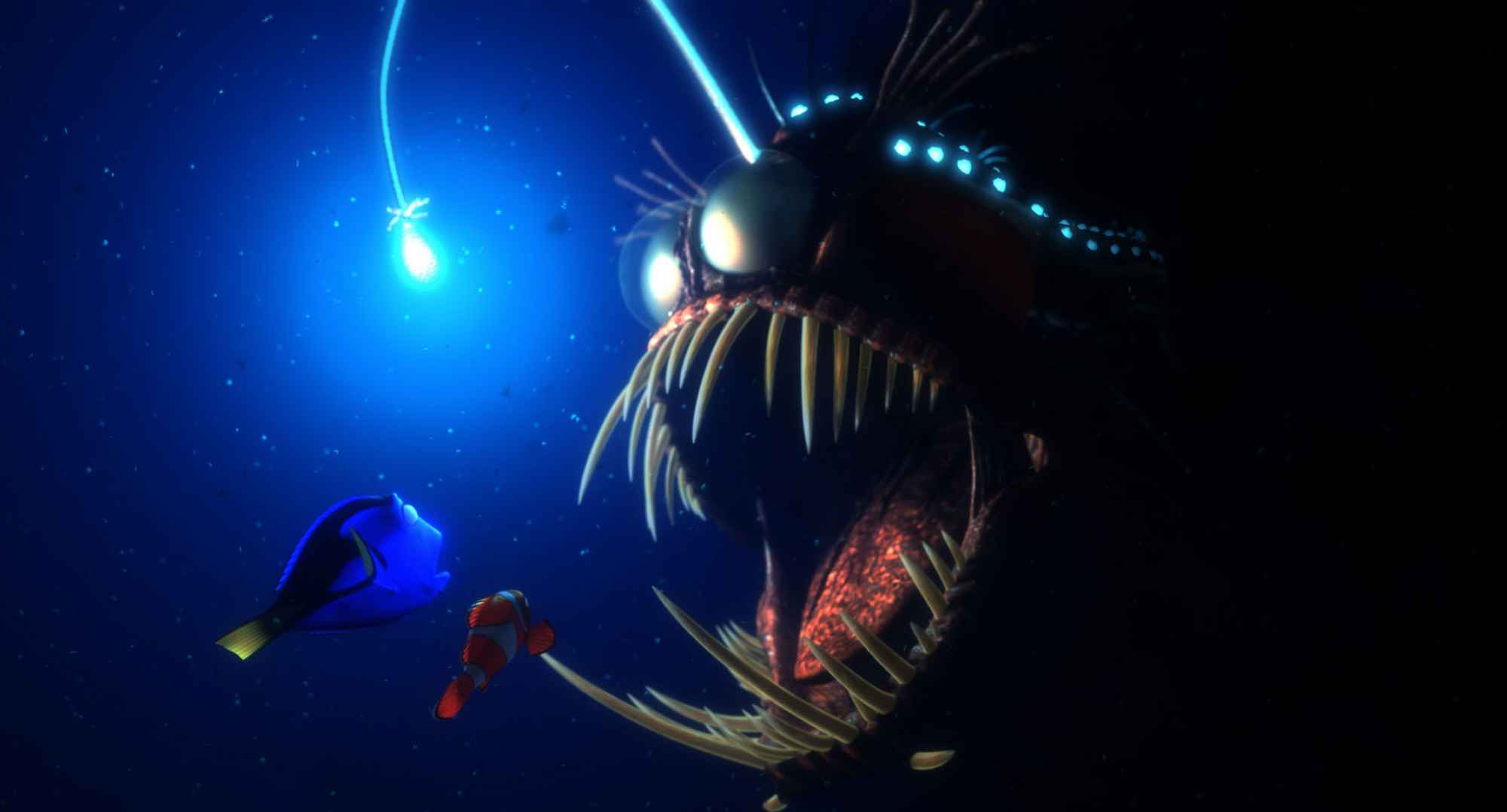
Side note: One of the reasons I’ve waited to add all of this to the Pixar Theory is because I’m still researching how these creatures connect to other movies, including the angler fish that looks just like the one we see in Finding Nemo.
the good dinosaur pixar theory

So the exotic creatures from The Good Dinosaur apparently exist across multiple Pixar movies, and the absence of an extinction-level event seemingly provides an explanation for why animals have become so intelligent by the time we get to movies like Ratatouille.  And the movie even provides some hints as to why magic exists in the Pixar Universe, and we now know why said universe is alternate to our own.

Is that it?

Ha, no.

FOSSILS AND FUELS.

Oil. It’s something that Axelrod from Cars 2 addresses as the very thing we get from fossils, which he specifically defines as “dead dinosaurs.” But for whatever reason, the world runs out of oil in the Pixar Universe much sooner than we would by today’s standards.

Drilling the way we are today, there’s probably 50-100 years of oil left, which obviously excludes methods that dig much deeper. So really, we’re just running low on cheap oil.

In Cars 2, the sentient cars are running out of oil, entirely. And this makes sense for two major reasons:

  1. Mankind has a 200 billion population by 2105 (according to WALL-E)
  2. There’s less oil on Earth because (whoops!) dinosaurs died out more gradually.

Fossil fuels bring life to us from dead organisms, and we get a lot of it from extinction-events that compact them for easier extraction through drilling (for the record, my knowledge on this topic goes about as far as Armageddon).

Without the asteroid, fossil fuels are a bust.

the good dinosaur pixar theory

In The Incredibles, technology has progressed more rapidly by the 1950s, likely because scientists are seeking solutions to this energy crisis. Syndrome finds a way to harness zero-point energy, and “human” energy will be extracted by toys and eventually monsters indefinitely. The absence of other energy options like fossil fuels might provide an explanation for why human energy is so important in the Pixar Universe.

Yet in WALL-E, mankind lives in a loop for hundreds of years aboard starliners like the Axiom. They harness solar energy with advanced technology that allows them to avoid the laws of entropy (and you can argue that the machines are also kept alive by the humans themselves).

All this points to a world that figured out (much faster) that it needs an alternative to fossil fuels, which is why humanity is still around hundreds of years after the cars die out.

THE LEGACY OF DINOCO.
the good dinosaur pixar theory

So in the Pixar Universe, dinosaurs eventually die out because the world changes without them. But they’re remembered, nonetheless, mostly because humans have passed down their memories of the once predominant species.

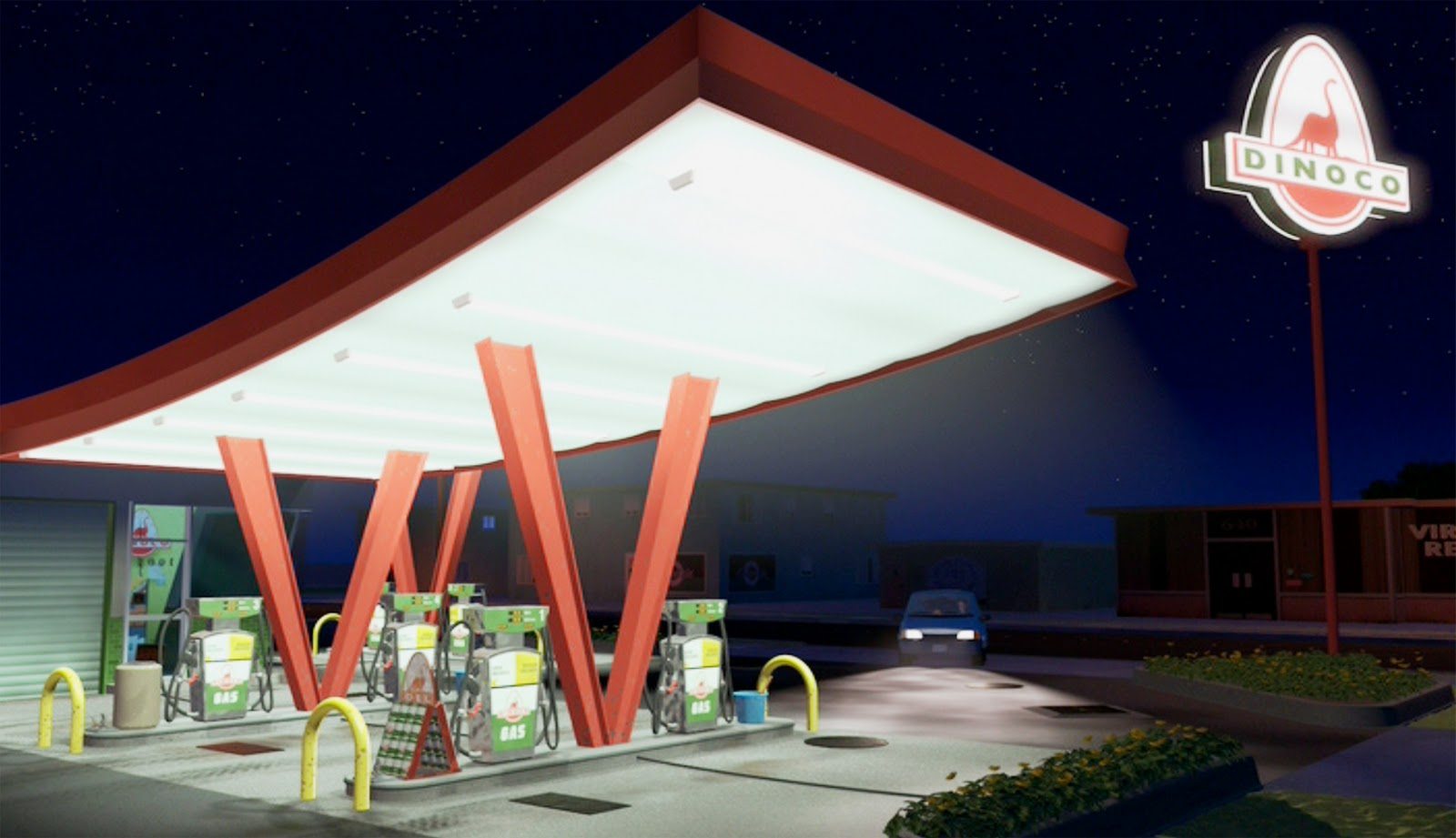
By the time we get to “modern Pixar,” there are companies like Dinoco that use these forerunners as their logo. Toys like Rex and Trixie get played with, just as they would in our world. There are even statues in Inside Out that look like dinosaurs we see in the movie.

the good dinosaur pixar theory

The major difference is that in The Good Dinosaur, there’s a specific “passing of the torch” moment between Arlo and Spot. The symbolism is actually tragic in a way, as we see Arlo giving Spot over to a human family willing to adopt him. Unlike Spot, these humans wear furs instead of leaves and alternate between walking on all fours and standing upright, even teaching Spot how to do it by guiding him. This moment crystalizes the rise of mankind in contrast to the dinosaurs, who are quite literally on their last legs.

After all, Arlo will return to his farm and eke out a pretty humble existence as a herbivore. His family will barely survive, as his mother tells him bluntly early in the movie. Meanwhile, humans are already hunting and living off of the newer resources tailor-made for mammals. Pixar could have easily left these implications out, but instead they shine a light on the important role mankind will take up as the world continues to change.

That said, I suspect there are more mysteries to solve here. We have millions of years of history between The Good Dinosaur and Brave, so you can expect brand new narratives to rise out of those films as the studio continues to deliver excellent movies more than worthy of our time.

WRAPPING UP.

the good dinosaur pixar theory

That’s the long version of how The Good Dinosaur fits within the narrative of The Pixar TheoryBut I hope you’ve also gotten some insight into why it’s so important to the theory, in a way that not even Inside Out was able to accomplish, though it also was quite enlightening.

With The Good Dinosaur, we have firm answers for some of the biggest questions many have come across when digging into this theory. It gives us a reason why everything in Pixar movies is so different and set apart from reality. It alludes to the mysteries of magic with a little help from Up, further providing connections I didn’t think we’d ever get.

And we even got Dreamcrusher.

I hope you enjoyed the movie itself as much as I did. My full review is also available in case you’re not already tired of reading, which you can check out here. You’ve probably noticed by now that I’m absolutely in love with The Good Dinosaur, and the review expands more on all of that.

As for the easter eggs, this movie has proven to be quite the challenge when it comes to finding the elusive Pizza Planet Truck and A113. Peter Sohn (director of the movie) confirmed they’re in there somewhere, albeit in clever ways similar to how Brave managed it. I haven’t caught them yet, but I’ve heard the truck shows up as either a rock formation or an optical illusion from the positioning of several rocks and debris. Be sure to share your findings.

Let me know your thoughts, ideas, and rebuttals in the comments, and I’ll do my best to clear anything up!

Ready for more?

The conspiring doesn’t end here. Check out my other Pixar Theory posts from infinity to beyond:

  • The Pixar Theory – the full book available on paperback and ebook via Kindle, Barnes and Noble, iBooks, or just a PDF. This will cover the entire theory and every movie in the Pixar universe, updated from what you just read.

Thanks for reading this. To get updates on my theories, books, and giveaways, join my mailing list.

Or just say hey on Twitter: @JonNegroni