Review: ‘Sausage Party’ Should Have Been a Lot More Satisfying

sausage party review

Sausage Party is an adult animated movie that’s been in the works for six years, and it’s a concept that’s been swimming inside the head of Seth Rogen and Jonah Hill since as far back as 2007. And their original conceit for the film has lasted through the majority of the marketing, narrowed down to one interesting question: what if our food had feelings?

Lambasting the “secret life” trope that computer animated movies have been breezily reproducing since Toy Story (coincidentally coming full circle with this year’s Secret Life of Pets, the most brazen copy of Pixar’s first film yet), Sausage Party positioned itself as the Deadpool of animated movies. It was a much-needed satire that could let us reflect on the good and bad of modern animated comedy, cleansing our palates for whatever comes next.

Instead, the film is more like God’s Not Dead, but for atheists.

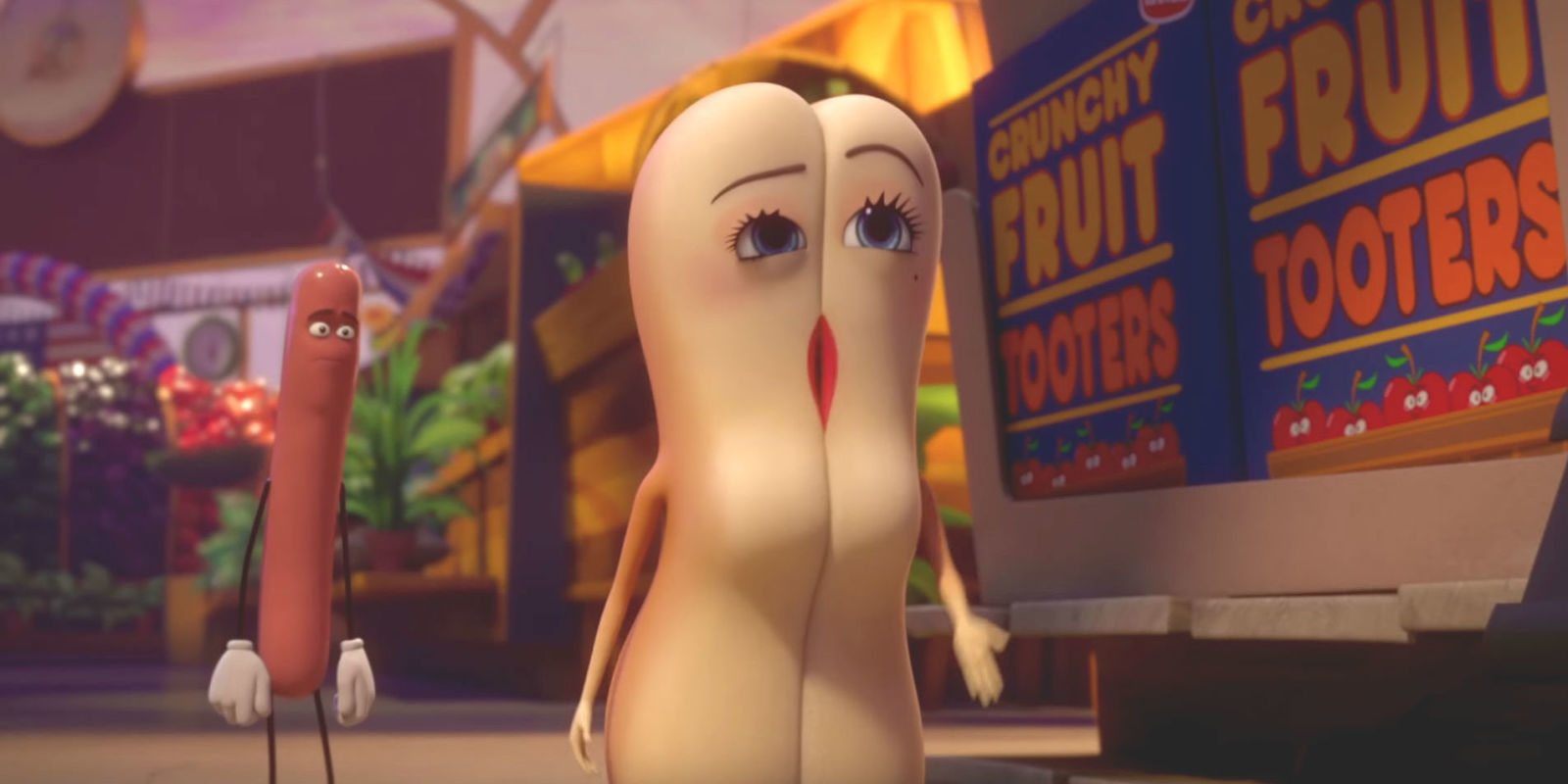
Set in a grocery store to the tune of a musical number straight out of whatever Disney movie you watched last, Sausage Party focuses on the lives of food, jars, containers, bags, and pretty much any inanimate object the plot chooses to put a face on (which is by itself a humorous parody of Toy Story). The food “people” of Shopwell’s are convinced that getting bought by “gods,” i.e. people, sends them to the “Great Beyond,” or Heaven in case you thought that wasn’t overt enough.

sausage party review

After a mishap that separates some of the main characters, we watch a series of disparate subplots unfold. One group of the food learns the truth about how horrific it is to get eaten, while another group wanders around the grocery store engaging with racist stereotypes of other food, segregated into their own “aisles.”

There are three critical flaws in Sausage Party that make the film an overall disappointment. First, the film is a confusing mess when it comes to narrative. The pacing of the trailer (a dramatic unveiling of the food quickly realizing that getting bought is their version of hell) works for comedic effect because it’s a focused story that gets to the good stuff, quick. In the actual film, the humor of watching food get massacred is almost a side note, occurring later into the movie away from most of the characters you care about.

Watching Sausage Party, you’ll notice that there’s a lot of meandering with its plot and characters. Scenes linger a little too long on uninteresting subplots that shift the humor toward food puns, existential hand-holding, and some of the laziest race jokes you’ve seen outside of films like Disaster Movie. In fact, this is probably the closest any of us will ever get inside the mind of Carlos Mencia.

sausage party review

This wouldn’t be as big of a deal if it weren’t for the second critical flaw of this movie, which is the humor. While Sausage Party has its fair share of well-crafted jokes, they’re unfortunately buried under weightless paragraphs of juvenile expletives, inevitably registering as vocal filler by the end of the first act. It’s almost as if the writers inserted f-bombs and s-bombs into a finished script simply to remind the audience that it’s fine for them to be watching what is otherwise a cheeky animated film that looks like it should be for children.

The final fatal flaw of Sausage Party is its message, or plurality of ill-conceived messages. At times, Sausage Party says something genuinely insightful about what it means to believe in something without proof, and whether or not it’s worth living life if you’re convinced there’s no possibility of hope. For many atheists and agnostics, this could have been a meaningful, even thoughtful representation of their frustrations within a world that mostly rejects their naysaying of a literal God or afterlife.

But Sausage Party is far too illogical and inconsistent with its message to be anything but a superficial bullet list of clichéd beliefs, about as substantial as junk food. It’s the animated equivalent of sitting through a conversation with a college stoner who loves to hear himself talk and inspire fear through self-prescribed fatalism, even though none of his metaphors or analogies hold water.
sausage party review

If all this weren’t enough, Sausage Party is also lacking in much entertainment in between the big moments. Sparse dialogue between characters is just barely passable, if not a little off-tone from the rest of the film’s irreverent attitude. And minor visual gags are about as intellectually satirical as a bumper sticker saying “DIXAR” instead of Pixar. Get it?

Ultimately, Sausage Party is a wasted opportunity of a brilliant idea. What would have worked as a dark, thought-provoking short film was stretched into a dumbed down think piece about how awesome and satisfying humanism would be if everyone was on board for one crazy day.

Grade: D

Extra Credits:

  • A few things kept me from marking Sausage Party with a straight “F.” First, it did make me laugh at times, though about as often as this year’s Ghostbusters did. But the main reason is that I felt completely deceived by this purported “satire” of animated films. It hardly is, and we deserve better.
  • Another thing I did like, most of the time, was the film’s willingness to recreate classic film scenes with food. Unfortunately, none of these homages ever amounted to much, save for the Saving Private Ryan scene you can see in the trailer.
  • This is Seth Rogen’s first screenplay for an animated film, and it’s the same team from This is the End (with many actors from that film lending their voices for this film). While that film felt quite original and frequently insightful, Sausage Party is almost its polar opposite in terms of a tight script and unique ideas.

    Thanks for reading this. Seriously. You can subscribe to my posts by clicking “Follow” in the right sidebar. Or just say hello on Twitter: @JonNegroni


How ‘Stranger Things’ Ended up Becoming the Best Movie of the Summer

stranger things best

To be clear, the Netflix original series Stranger Things is not a “movie” in the traditional sense. There was no theatrical release, it runs as eight hour-long episodes, and it’s obviously crafted to fit the specific medium of television. That is, it’s not trying to be anything but a TV show.

But if you can broaden your definition of “movie,” or in this case, a summer movie, to that of a contained experience that is meant to be watched in one sequence, then you’ll find that Stranger Things fits the framework.

That’s why I’m convinced that Stranger Things is the surprise hit that Summer 2016 needed, and I’d even push that it’s definitely the best movie of the summer, without question. An eight-hour movie, but a movie nonetheless.

And that’s not solely because this summer has been a series of painful disappointments with few bright spots, though that is a major reason why Stranger Things has stood out as prominently as it has. If anything, this Netflix series that few people saw coming had more reasons to fail than most tentpole blockbusters this summer had to succeed.

stranger things best

X-Men: Apocalypse, a film I did enjoy for the most part, was widely panned, despite following a succession of good X-Men sequels starring Michael Fassbender and James McAvoy, directed by Bryan Singer, the man behind some of the best X-Men films and Usual Suspects.

The marketing for Independence Day: Resurgence had most of us convinced that this would be 2016’s Jurassic World, but we ended up with something closer in quality to Alice Through the Looking Glass, the unremarkable sequel to a hugely successful Disney live-action film from 2010 that was followed up by critical darlings like CinderellaMaleficent, and this year’s The Jungle Book.

Warner Bros. followed up the most polarizing superhero movie in recent memory, Batman v Superman, with one of the most yawn-inducing films of the entire year, The Legend of Tarzan, despite featuring a fantastic cast and being directed by David Yates.

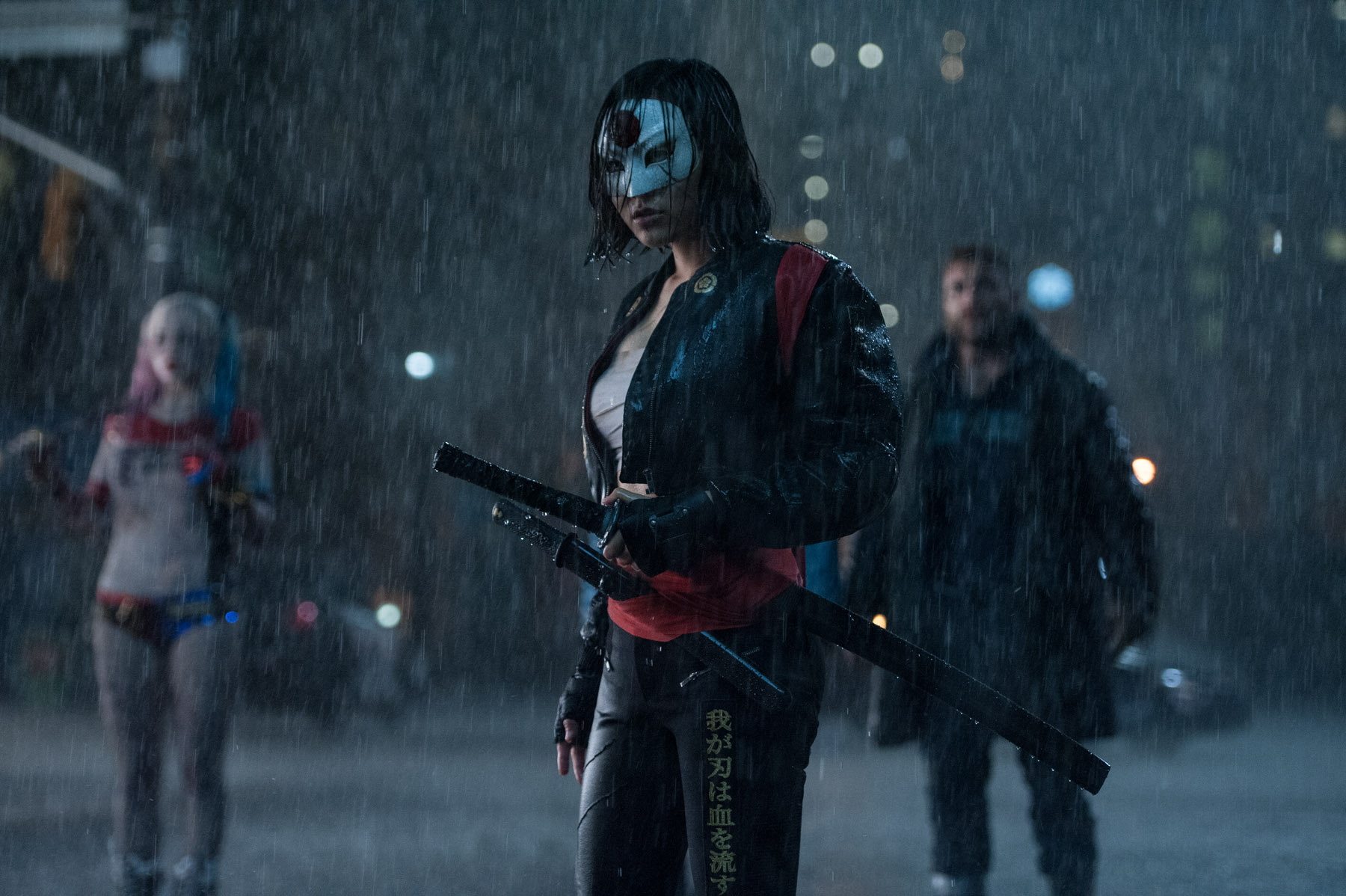
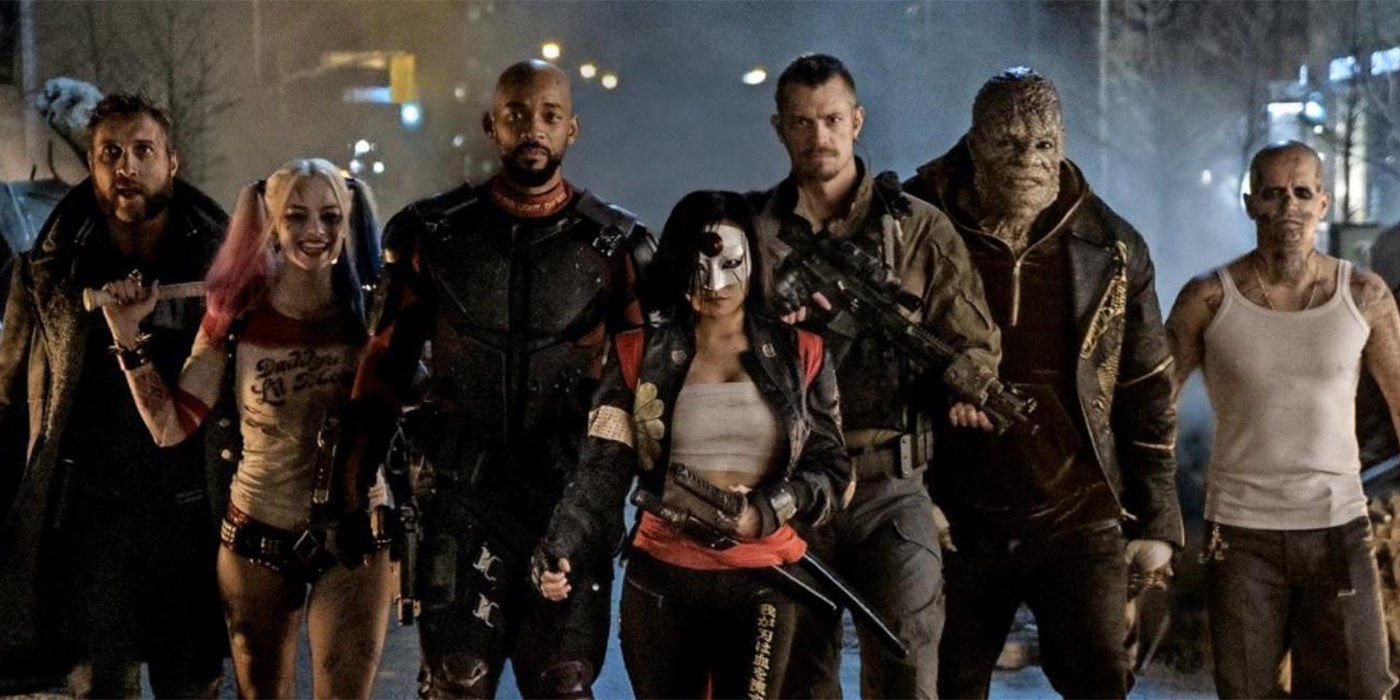
The movie positioned to redeem Warner Bros. in 2016 was Suicide Squad, which ended up being a decent, yet flawed movie that maintained the divisiveness of the DC cinematic universe, spawning far more arguments and “flame wars” than real discussion about how the movie has truly affected people.

Do we even need to mention Ghostbusters?

stranger things best

When you consider what makes a movie the “best” out of all the others, there’s a lot you might miss when settling on your conclusion. Everyone likes bad movies, and the vast majority of people even love bad movies (see Secret Life of Pets), and that’s because it’s quite impossible to enforce a list of rules that determine what makes a film objectively good, bad, or the somewhat ubiquitous okay, which does little to paint a true picture of a film’s quality.

Deciding which movie is the “best” has to speak to a larger list of criteria than your personal judgement, or even a critical consensus. You can turn it into a numbers game, gathering all of the reviews and fan reaction scores to calculate some kind of average that gives you an answer…

…But that’s a lot of effort for very little reward, and for many reasons, it’s still an ineffective way to call out a movie for rising above the rest and deserving to be remembered in 2026. This conclusion should be about more than getting better marks based on a small sample of opinions. True, you can factor in box office and impressions to make your guess, but as we’ve covered earlier, bad movies are quite easy to like, which makes the best movies hard to quantify.

All that said, my conclusion, obviously, is that Stranger Things is the best movie of the summer, despite not even being in the official running. I guess you can say that like the show itself, Stranger Things has a knack for defying expectations.

stranger things best

I reached this conclusion by considering a more nuanced trait of the show that no summer movie of 2016 seemed to achieve. But first and foremost, Stranger Things is fundamentally a well-crafted piece of entertainment. It’s well-written and edited, the characters transcend the tropes they’re based on, and there’s a polished feel to every aspect of this show that immerses you into Hawkins (and it’s “Upside Down”) like no other location we’ve been transported to all summer. Or all year, even.

In other words, Stranger Things gets the details almost perfectly right. The makers of the show, Matt and Ross Duffer, certainly gave it their all with this project. But the more nuanced trait that I mentioned earlier goes beyond the details. It’s all about the complete picture of Stranger Things that makes it the most satisfying experience of the summer, in just about every way you can think of.

You know what’s refreshing? The ability to have a long and meaningful conversation about the show, even if you disliked it, with people who share a different opinion. Yes, even online. Because almost no one is letting this show be about something else

With Ghostbusters, we were forced to start every review or analysis with our take on whatever irrelevant controversy we had the most thoughts on. Suicide Squad has been a purple and green train wreck in terms of how critics and fans think and react to each other, despite that not being a fault of the actual movie. Even movies that most audiences have loved, like Captain America: Civil WarFinding Dory, and Star Trek: Beyond, have been monopolized in conversation as sequels and franchises, not a unique or personal experience that actually changed anything.

stranger things best

Stranger Things, to be fair, did not achieve anything all by itself. At first glance, you might even get a bit cynical of its strengths because of how obviously reminiscent they are of classic 80s movies and novels, especially E.T.Poltergeist, and Firestarter to name a few out of probably dozens of relevant inspirations.

But Stranger Things does something unexpected with these established tropes. It turns them into new ideas. It does for 80s clichés what George R.R. Martin’s A Song of Ice and Fire novels did for Joseph Campbell’s Hero’s Journey and fantasy platitudes repeated ad nauseam since Tolkien’s Lord of the Rings.

More specifically, Stranger Things persistently subverts its own genre, setting up your expectations to think the story is going one way, only to pay off its plot with surprises that still fit within the context of what you’ve already seen.

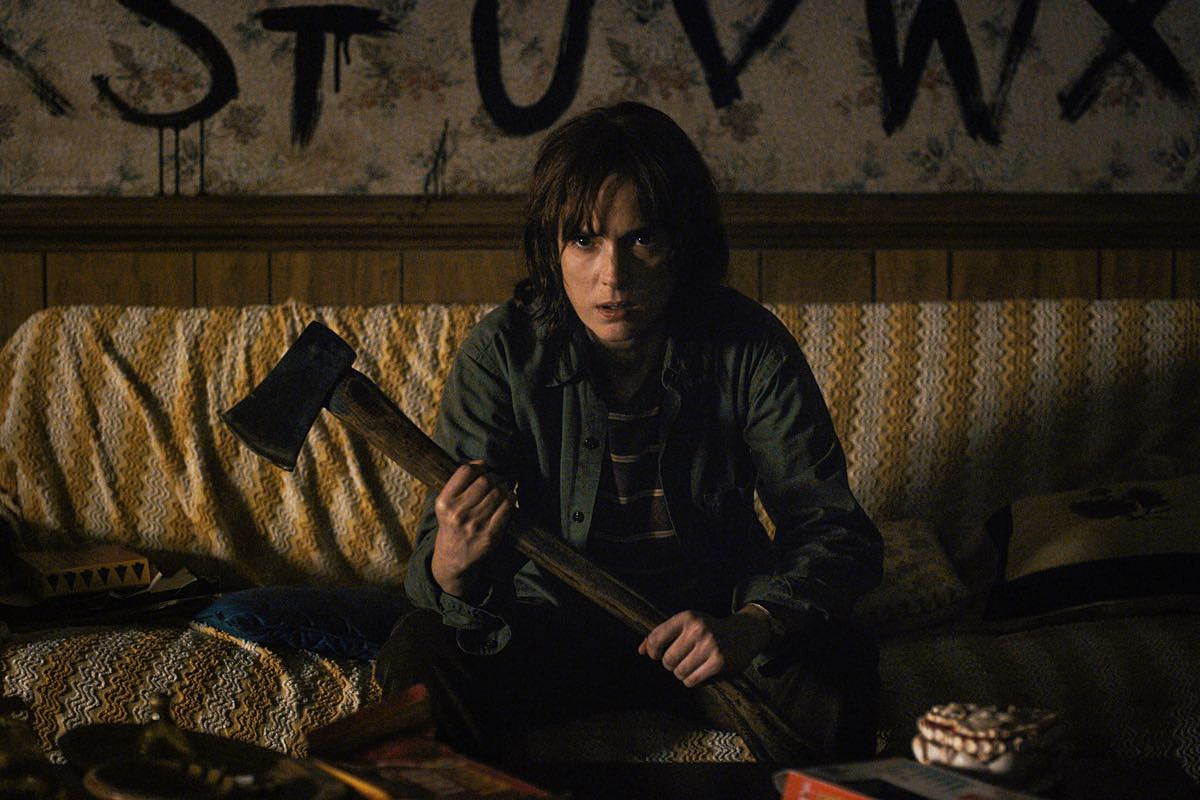
For example, you don’t have any reason to believe the character Nancy Wheeler isn’t someone capable or competent enough to stand up to supernatural threats. But the show wisely lets you think this when we’re first introduced to her as a love-struck teenager who doesn’t have time for her little brother and his friends, which isn’t hard to believe either. Her “jerk” boyfriend, Steve, is also set up a certain way, only to defy your expectations with his own distinct twists and turns as a character, and none of that feels reminiscent of what we’ve already seen in Spielberg and King stories. Far from it.

stranger things best

This allowed the show to grab and hold on to both key demographics of its potential audience: people old enough to remember these 80s tropes and everyone else. You’re hooked either way, because the movies and novels of the 80s influenced prominent filmmakers today, through movies like Super 8and Star Wars: The Force Awakens, both helmed by the quintessential 80s geek, J.J. Abrams.

But while those projects felt more like a celebration of 80s culture, Stranger Things finds impossible ways to both defy and evolve them for new audiences. It’s not a sequel, like Captain America: Civil War or Finding Dory, but it is a successor to something else, and in the most original way possible for what it is.

I haven’t mentioned the most memorable and important character of the entire show: Eleven. Her presence in Stranger Things deserves to permeate the culture, and it’s already starting to with devoted fans who are evangelizing 2016’s breakout role in Millie Bobby Brown. It’s easy to celebrate Eleven because of the child actor’s performance, of course, but there’s no reason to forget that she benefits from a script that effortlessly makes you feel every big moment of its running time. El works because just about everything else in this show works.

For me, the choice is clear. Stranger Things is objectively as good as the best movies to come out all summer. In my opinion, it stands above most films of the year. But what makes it the “best” piece of entertainment to sit down and enjoy this summer is its lasting effect through how it’s talked about, the point in time it was released, and the loving care that was put into just about every aspect of the final product.

stranger things best

And even though it’s over, complete with one of the most satisfying endings I can think of in 2016, it still manages to leave you wanting more, questioning everything you just watched, and speculating what’s possible when we’ll eventually (hopefully) revisit these characters, and Hawkins.

Season Grade: A


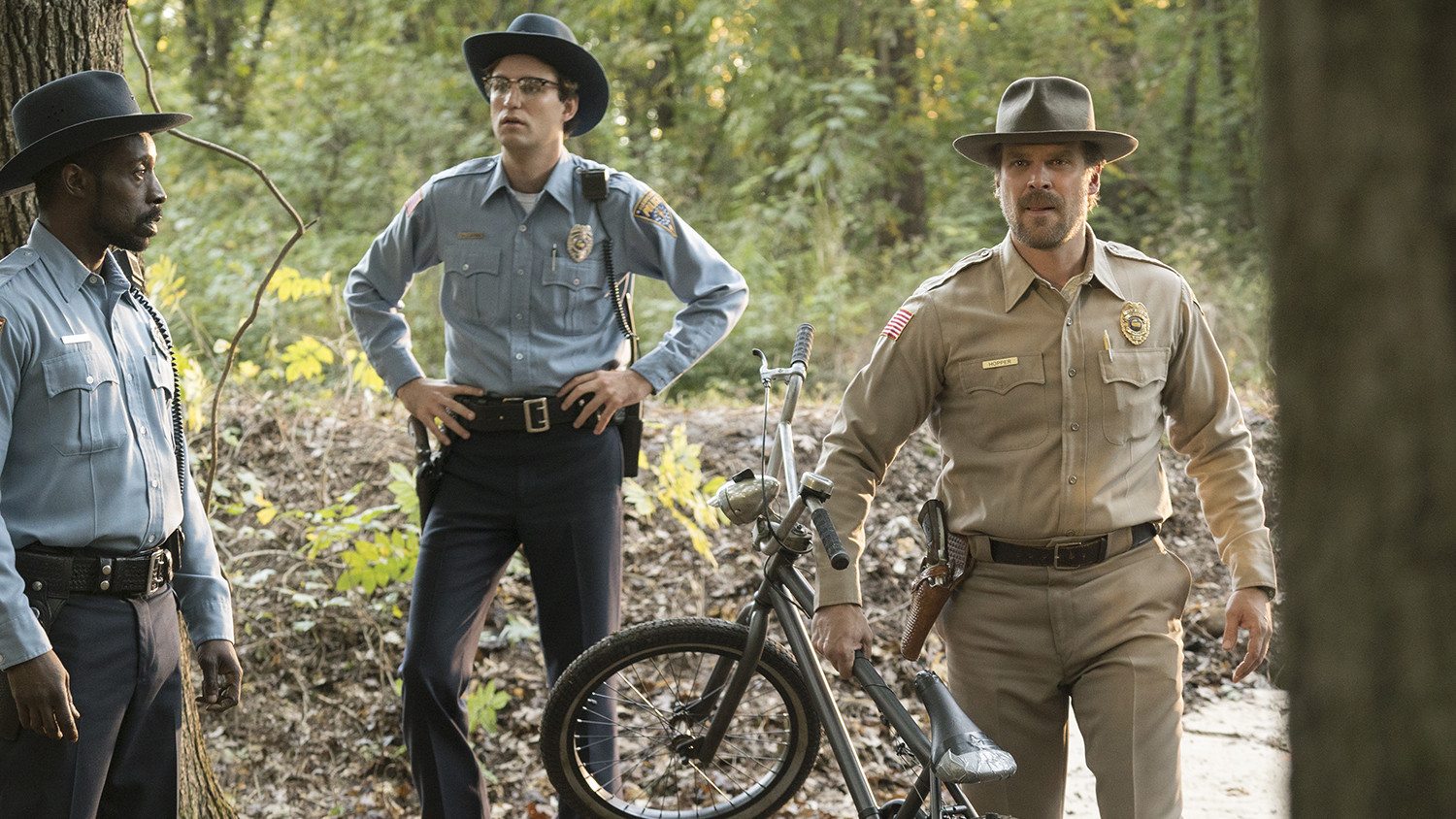
What did you all think of Stranger Things? I left out great highlights from the show (sorry Hopper!), so be sure to share your take in the comments. 

Also, thanks for reading this. You can subscribe to my posts by clicking “Follow” in the right sidebar. Or just say hello on Twitter! @JonNegroni


Review: ‘Suicide Squad’ is a Guilty Pleasure Worth Admiring

suicide squad review

Note: This review is spoiler-free, but it does contain a major spoiler from the ending of Batman v Superman: Dawn of Justice. You have been warned.

When it comes to comics that center around bad guys defeating even worse guys (and gals), Suicide Squad is one of the most lasting and recognizable of the lot.

It wasn’t the first book to be about villains, of course (though this movie is the first comic book film to have a main cast of villains as characters). But it was one of the first that was actually successful. And that’s probably because Suicide Squad essentially defined the idea of reluctant heroism found in the vilest of our society.

That’s tricky territory, because it presents a philosophical debate that modern society is mostly split on: Are people inherently bad, or are they tainted by an inherently bad world? 

suicide squad review

Fortunately, Suicide Squad doesn’t dwell on these questions for easy dramatic fodder (at least, not as much as it could have). Instead, it takes a note from some of Marvel’s recent films by emphasizing character over spectacle, at least with some of its titular bad guys.

In case you’re unfamiliar with the set up of Suicide Squad from the comics — of which the 80s run is still the best — the idea is simple. A shady black ops leader named Amanda Waller (played by Viola Davis) wants to assemble her own team of metahumans, like Superman, and unhinged specialists, like Batman, in the wake of Superman’s death from the end of Batman V Superman: Dawn of Justice.

The team is codenamed “Task Force X,” but as one of their recruits points out early on in the film, they’re really a “suicide squad” in the sense that they’re not expected to live through the mission that takes up the majority of the film. And that’s because most members of Task Force X are dangerous villains, accompanied by a Colonel and “good” metahuman to reign them in.

As noted earlier, the structure of Suicide Squad is brazenly different from typical superhero and comic book films. It’s focused and constrained to one major location, a familiar technique if you’re caught up with director David Ayer’s other work.

suicide squad review

And the decision to limit Suicide Squad to one mission ends up being one of the film’s greatest strengths, because by the end credits, the viewer is left feeling as if they’ve gone through a significant ordeal with these characters, even if the movie doesn’t always stick the landing with some of its big moments.

There’s as much good as there is bad with Suicide Squad, in the sense that Ayer and his team succeeded at getting this movie right where it really counts — notably with  standout characters like Deadshot (played by Will Smith). The problem is that like previous entries in the DC comics cinematic universe, Suicide Squad just doesn’t sweat the details enough.

These details include basic plot mapping (the opening scenes, for example, are a glaring mess), action set pieces (especially toward the end), and the film’s worst offense: its script. Though Suicide Squad has its moments of surprising and smile-inducing dialogue, a great deal of it comes off as hastily tacked on in order to elicit a reaction, usually humor.

For that reason, Suicide Squad practically forces the viewer to accept it in a very specific way. That is, it’s painted and executed as a guilty pleasure movie, and you get the sense that the movie has no aspirations for self-importance or melodrama. Which makes it an easy film to get lost in and just enjoy, without having to “turn your brain off,” for the most part.

suicide squad review

One of the reasons the movie swings more toward guilty pleasure has a lot to do with the care Warner Bros. has put into better fleshing out its world of DC characters, and a good number of them are paraded beautifully. As revealed in the early trailers, Batman (reprised by Ben Affleck) has a small presence in this film, and it plays out about as well as his best moments from Batman v Superman, without any of the confusing quirks added to the character.

And it goes without saying that Suicide Squad is brimming with loving references to other DC stories, reminiscent of how shows like Arrow and The Flash insert subtle asides for eagle-eyed viewers. Put simply, this is the first DC comics movie that does a good job of establishing a coherent personality for this world of heroes and villains, while also integrating it in a more graceful way than we’ve seen in the past.

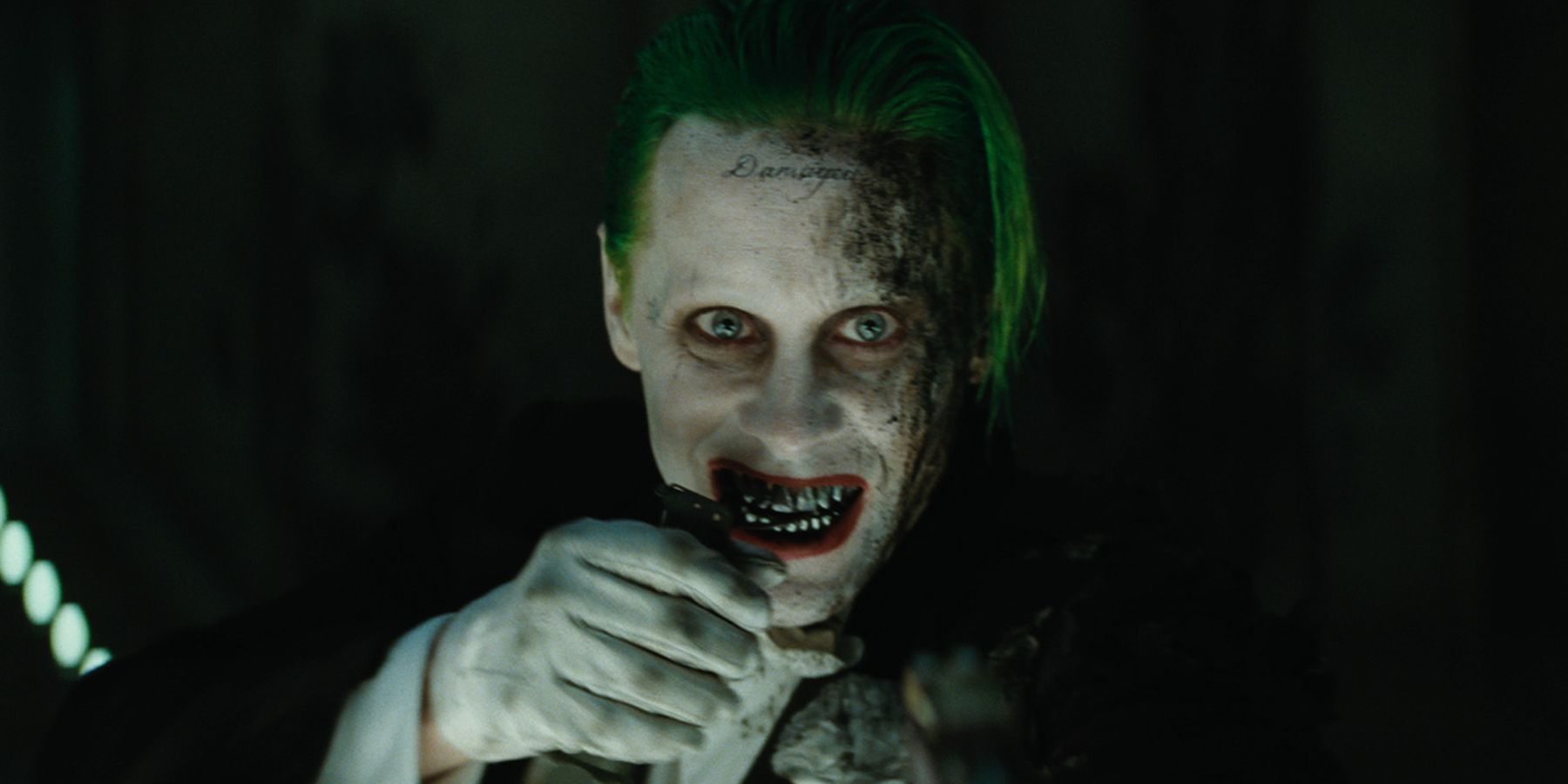
The only weak link worth mentioning is certainly the Joker (played by Jared Leto), who is balanced with the other characters in this film in a gratifying way so as not to steal the spotlight. This ends up being for the best, though, because this is easily one of the most uninteresting depictions of the Joker of all time, not just in the movies.

Granted, the movie works hard to dress Leto up as the Joker, and sparse dialogue certainly sounds like something Joker might say. But upon close inspection, this version of the Joker does virtually nothing reminiscent of what’s fundamental to the character. There’s nothing he truly does that sets him apart from a flamboyant crime boss/pimp who wants to find his girlfriend.

suicide squad review

Yes, he wears funny costumes. Yes, he looks weird and kills people. But there is far more to the Joker than “oh by the way” scenes of him laying on a floor surrounded by knives. And that’s because his only true motivation in this film is to get Harley Quinn back. There’s no chaos, comedic insanity, or diabolical planning to anything he does or wants to do in the film. He simply acts like he is crazy, rather than truly showing it, and it’s one of the film’s biggest disappointments.

Thankfully, Joker is not the crux of Suicide Squad. Far from it. So it’s easy to overlook the shortcomings of his character in lieu of this film as its own standalone story. It’s not easy, though, to overlook the fact that too many characters in Suicide Squad have poorly fleshed out character ideologies that make sense of their own payoffs toward the end. They do it in spades for Deadshot and Diablo, but that’s about it.

Lastly, the soundtrack does little to enhance or even complement the story, instead only reminding viewers that Guardians of the Galaxy did a much better job integrating a playlist with the rhythm of its plot (as proven by the film sharing one of the same songs from Guardians). In Suicide Squad, it really just feels like the music was added out of obligation, not because it was essential to the scene it was put in.

suicide squad review

And better thought (and edits) put into the scenes is all it would have really taken to make Suicide Squad a better movie than what we’ve gotten, which is a guilty pleasure that only looks good by comparison to the in-universe movies its attached to.

Grade: C+

Extra Credits:

  • There’s a mid-credits stinger and…well, it’s not that relevant or surprising, honestly.
  • I’m not a fan of most David Ayer movies, so Suicide Squad sort of defied the odds in my case. According to all the evidence, I should have hated this movie.
  • The chemistry of the cast is one of the film’s biggest strengths, as emblemed by the fact that a lot of them got “SKWAD” tattoos for the movie.
  • It’s not saying much, but this is my favorite live-action depiction of the Suicide Squad. That’s what full Will Smith can do for a film.
  • A standalone Harley Quinn movie featuring other DC femme fatales has been announced by Warner Bros., but it’s likely that the success of Suicide Squad will still determine whether or not that actually happens.
  • For once, Cara Delevingne wasn’t one of the worst characters in a movie.

    I’m Jon and thanks for reading this. You can subscribe to my posts by clicking “Follow” in the right sidebar. Or just say hey on Twitter! @JonNegroni

Review: ‘Jason Bourne’ Is a Return to Formula, And Not in a Good Way

jason bourne review

Note: Before you read, it’s important to know that I’ve never been a big fan of the Bourne films. I respect them as important action movies and understand why they’ve had a profoundly positive effect on a lot of people. I’m just not one of them, and I have my reasons. That said, I’m judging this film based on someone who genuinely wants this to be the Bourne film that changes my mind and satisfies existing fans. 

Almost a decade ago, the Bourne trilogy concluded on a somewhat bittersweet note. Jason got all of his memories back, but at a cost — the realization that he volunteered to become an assassin, and he had no one to blame, really, for what had happened to him, except for him.

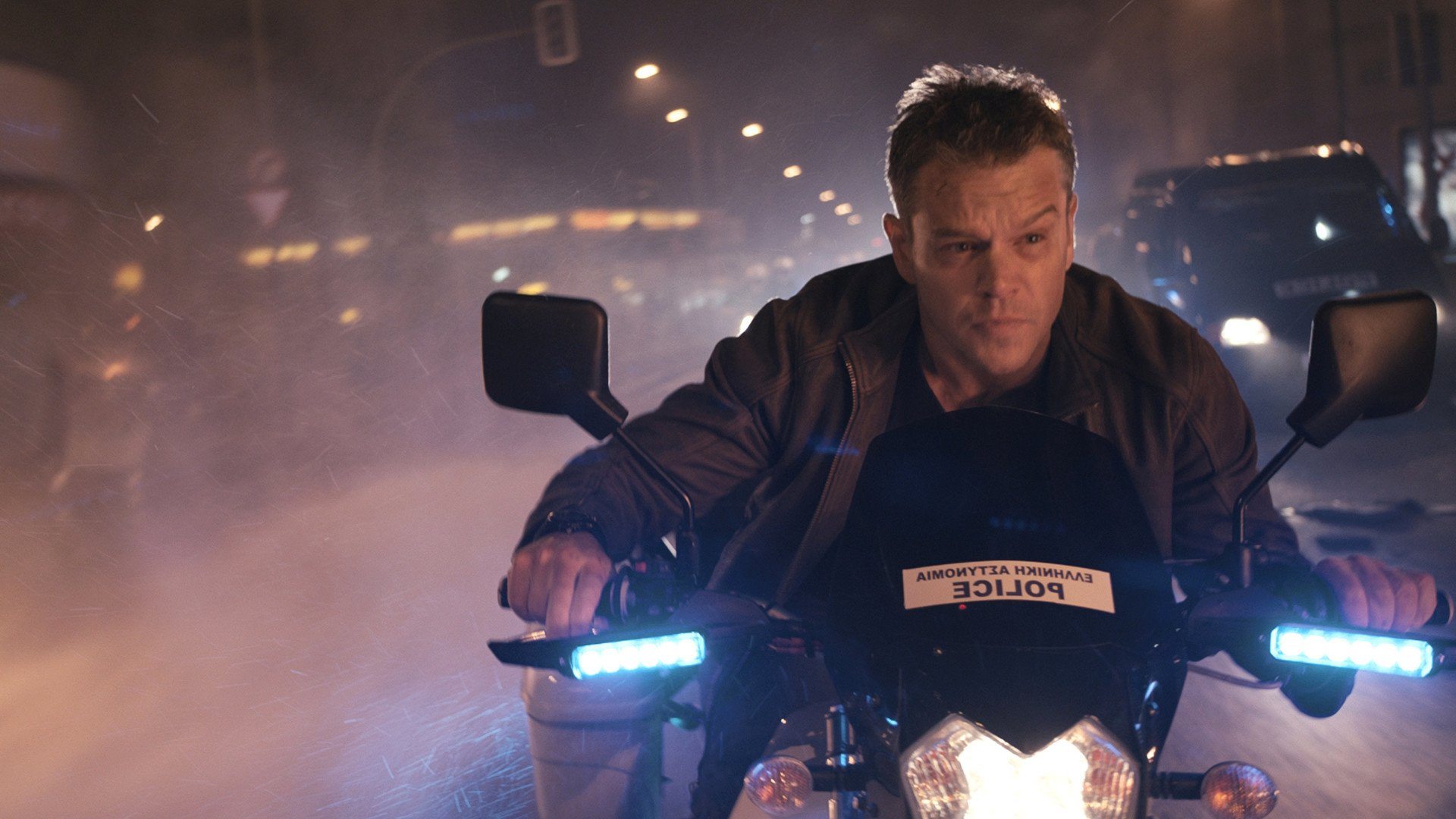
It’s a great way to end a very popular franchise, helmed twice by Paul Greengrass and beloved for its methodical action and set pieces, with a likable lead in Matt Damon as Bourne. Which is why Jason Bourne, the fifth film after Jeremy Renner’s non-starter role in Bourne Legacy, is a movie that doesn’t even make sense on paper, let alone execution.

Years later, Bourne has not really evolved or changed much since his self-imposed exile. In a way, he’s still a blank slate, as if he still doesn’t remember anything, as evidenced by a lack of motivation behind any of his actions early on. While there should be conflict within him, we only see a begrudging unwillingness to avoid trouble at all costs, that is, until a familiar plot takes hold that prompts Bourne into taking action once again.

jason bourne review

There’s a mystery about his past, yet again, and only Bourne can punch and dropkick his way to the truth. This plays out in a generic retread of past Bourne movies, once again directed by Greengrass, proving that new blood is badly needed to rejuvenate this franchise. Say what you want about Tony Gilroy’s Bourne Legacy, but at least that film was a heroic failure.

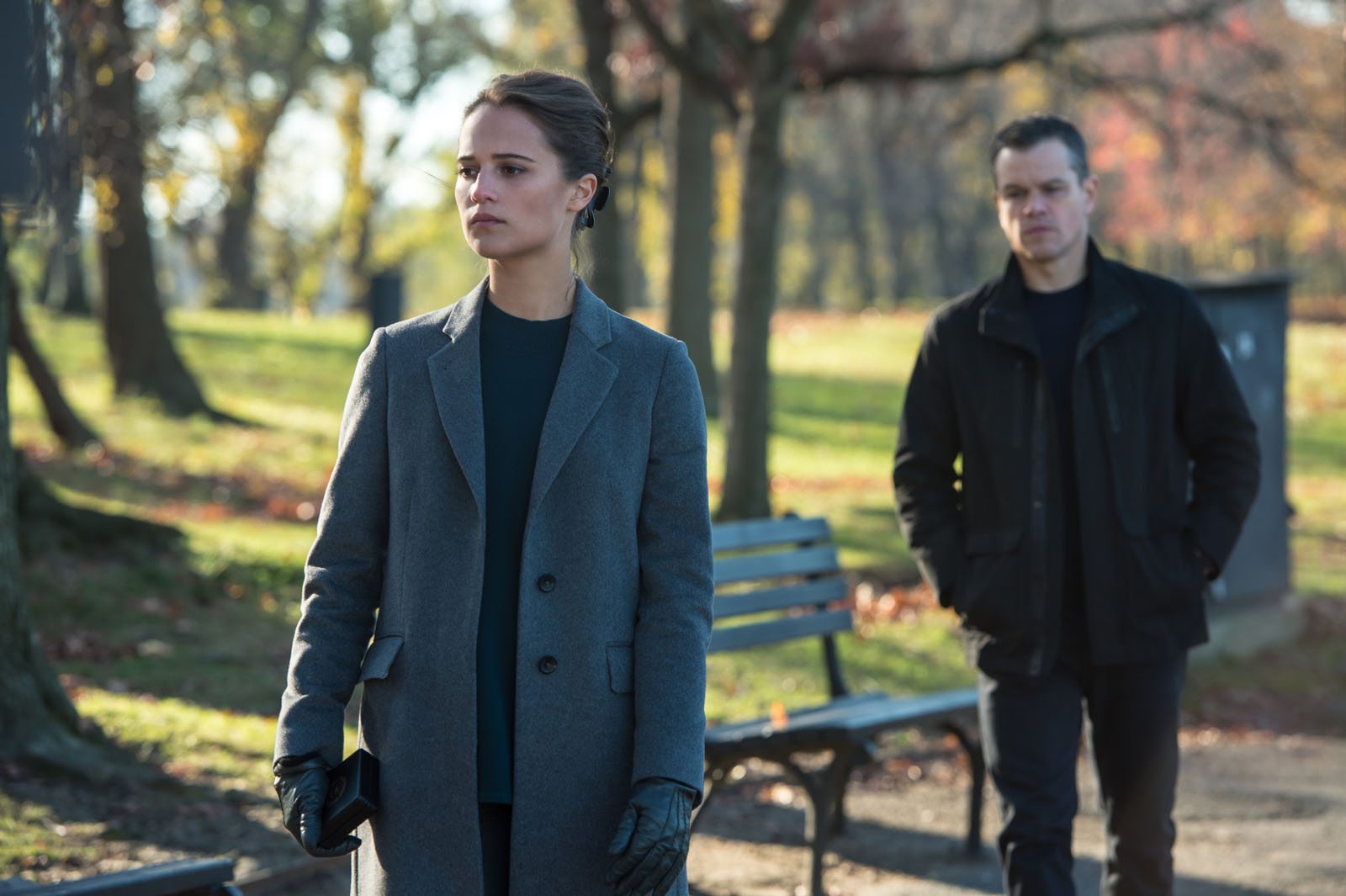
Yes, fans of the Bourne franchise will be happy to see their favorite tropes in this new film: frequent car chases, shaky fistfights in dark corridors, shady government officials, an “anti-Bourne” who’s after the hero, and a confident yet sensitive female who illogically forms a deep connection with Bourne, despite having any good reason to do so.

The only problem with all this is that none of it is handled as elegantly as you remember. There’s a noticeable lack of thought put into these formulaic set pieces. There should be tension in a Bourne car chase, but the five or six that take place in Jason Bourne go on for so long, you forget to care, especially when one chase in particular shows a SWAT truck flying through traffic like it’s papier-mâché.

Jason Bourne gets better as it goes along, finding its groove the more Bourne himself is shown in silence, outsmarting the CIA. But it’s still only a serviceable action movie, bogged down by the forced  and laughable topicality of Snowden, Silicon Valley, and hacker culture, along with wooden performances that consistently sound like the actors are reading from their scripts for the first time. In a way, that at least makes the dialogue somewhat consistent with what’s happening onscreen.

Grade: C

Extra Credits:

  • Remember when Matt Damon said he would only return to the franchise if Paul Greengrass directed it again?
  • I mentioned Tony Gilroy, who directed Legacy and wrote every Bourne film except this one. Yeah, it definitely shows.
  • Speaking of Bourne Legacy, Aaron Cross (Renner’s character) is still getting a sequel in 2018. So…there’s that.
  • I really wish they had gone ahead and called this The Bourne: Betrayal, as planned.
  • Alicia Vikander just can’t seem to catch a break with these spy movies. Last year’s The Man from U.N.C.L.E., and now this.

    I’m Jon and thanks for reading this. You can subscribe to my posts by clicking “Follow” in the right sidebar. Or just say hey on Twitter! @JonNegroni

Review: ‘Star Trek: Beyond’ Is Short on Ideas, Big on Silly Action

star trek beyond review

The appeal of Star Trek as a franchise of movies, TV shows, books and more has always varied depending on the time of release, the exact story in question, and the ensemble of characters.

The early run of Roddenberry’s Trek, for example, was very much a series about perplexing puzzles, intriguing ideas, and the sheer wonder of an unexplored frontier, coming out at a time when mankind was only just beginning to put a man on the moon.

Later iterations of the Star Trek sandbox have rightly experimented with new ways to tell new stories, while always falling back on at least one aspect of what made the original run so compelling in the first place. And when the original TV show became a continuity-bending reboot in Star Trek (2009), we were granted one of the most brazen attempts to make a genuinely fascinating lore and universe more appealing for larger audiences.

It’s strange, then, that the third movie of this “requel” trilogy, Star Trek: Beyond, essentially reverts to the barebones formula of classic Star Trek. The characters trade one-liners every minute, the stakes are muted, everyone’s story arc kicks off only to be barely mentioned again until wrapping up nicely in the end, and the overall adventure is isolated to one main location. So to compare Beyond to an actual episode of Star Trek with a huge budget and a longer running time is extremely fair.

star trek beyond review

And for a lot of Star Trek fans, that’s plenty good reason to enjoy every second of Beyond, despite it losing the rejuvenation of the ’09 version and even the beautiful, yet flawed Into Darkness. Both of these movies pushed the universe of Star Trek in new directions, while still using familiar tropes to keep the concept grounded. The sets and costume design were given more edge, the pacing and energy matched the panic of space, and ultimately, you felt like you were watching a brand new spin on Star Trek.

Beyond does, in fact, rely on those familiar tropes just as much. The villain, Idris Elba in layers of makeup, boils down to yet another revenge-seeking, Starfleet-hating general, about as insidious as Nero and Khan in the last two movies. His arc is delayed until the third act, so it’s difficult to sympathize with his motivations, as unclear as they are, when you’re in the mode to finish an episode of television, not a compact experience.

It also doesn’t help that this is easily the most visually unimpressive Star Trek of the series, with most of the sharp detail of the last two films appearing to have been gutted due to budget cuts. An even likelier explanation is that we’ve simply been spoiled over the last seven years, and Paramount just hasn’t caught up.

That said, there are certainly some intriguing ideas and set ups offered by Beyond, mainly with Captain Kirk (Chris Pine) and Spock (Zachary Quinto) at the forefront. After years of helming the Enterprise, Kirk has become disillusioned about their mission to explore an endless space, trying to help civilizations that don’t seem to need their help much (a conceit that the movie sparsely addresses again until the very end). And Spock struggles with the progeny of his dying race, the Vulcans, and if his time would be better served leading his own people.

star trek beyond review

Unlike Kirk, Spock’s story here seems to affect almost everything he does in Beyond, thanks mostly to the decision to pair him with Bones (Karl Urban) for most of the movie, giving both characters ample opportunities to play off each other in amusing, often heartfelt ways. This is certainly at least one aspect of the original Star Trek that deserved to be maintained.

When Beyond is at its best, the crew of the Enterprise scrambles to solve impossible problems with ingenious solutions, all while bickering with each other in the process. At its worst, Beyond is mind-numbingly mediocre and middling, setting up huge action pieces with silly vehicles, shaky fight choreography, and serviceable side characters, rather than bold ideas and moments of surprise and wonder you’d expect by the third movie.

Grade: C+

Extra Credits:

  • This one’s for Anton and Leonard.
  • Despite the grade, I do expect fans of Star Trek to absolutely love this movie. But will they remember it for years? Will they cherish it for boldly going where no film has gone before? I don’t see how that’s the case.
  • Great credits sequence if you’re watching in 3D.
  • Produced by J.J. Abrams, but co-written by Simon Pegg and directed Justin Lin from the Fast and Furious movies. Despite all that, this seriously feels like Pegg’s movie.
  • Speaking of Simon Pegg, there was just maybe a…little too much Simon Pegg.
  • I didn’t really speak on the mountains of plot clichés and contrivances, which ultimately brought the grade down to “C” territory. This won’t surprise a lot of people after watching the 2009 movie, where Kirk lands on a planet and just magically runs into Leonard Nimoy.
  • I was pretty disappointed with Uhura and Sulu this time around. Their characters were given very little to do, and their personalities felt incredibly one-note.
  • KRAAAAAAAAALLL!

    I’m Jon and thanks for reading this. You can subscribe to my posts by clicking “Follow” in the right sidebar. Or just say hey on Twitter! @JonNegroni


Review: The ‘Ghostbusters’ Reboot Suffers Most From Forced Nostalgia

ghostbusters review

2015 was a banner year for the “requel,” in that it boasted several largely successful sequel/remakes ranging from Mad Max and Jurassic World all the way to a new Star Wars.

Yet this year’s Ghostbusters is more akin to Rise of the Planet of the Apes, in that it reboots the lore of the previous films entirely by placing its hapless group of ghost hunters in NYC at the very beginning of their story. Despite this clean slate, though, the movie really doesn’t want you to forget that there was another Ghostbusters movie over 30 years ago.

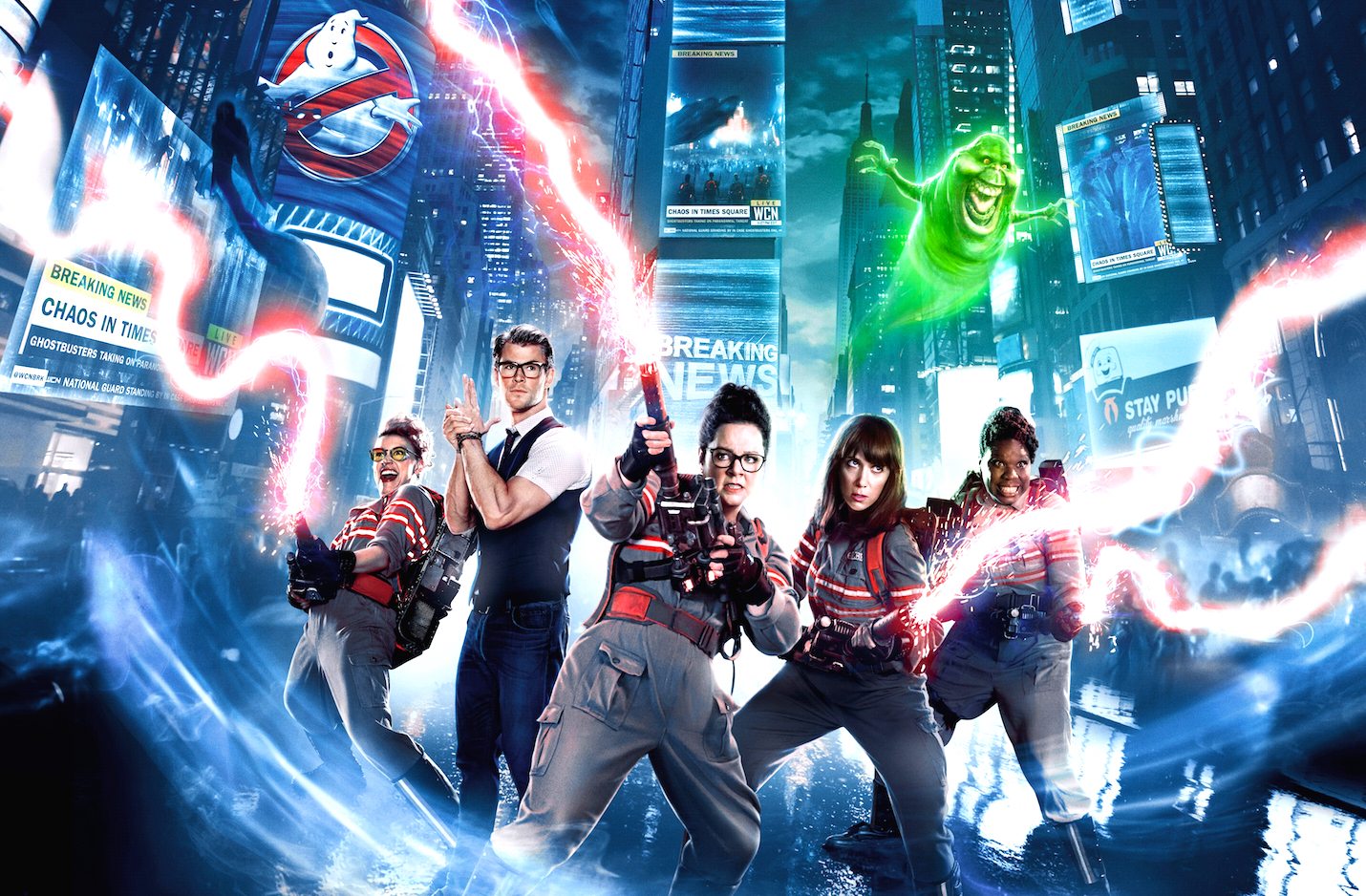
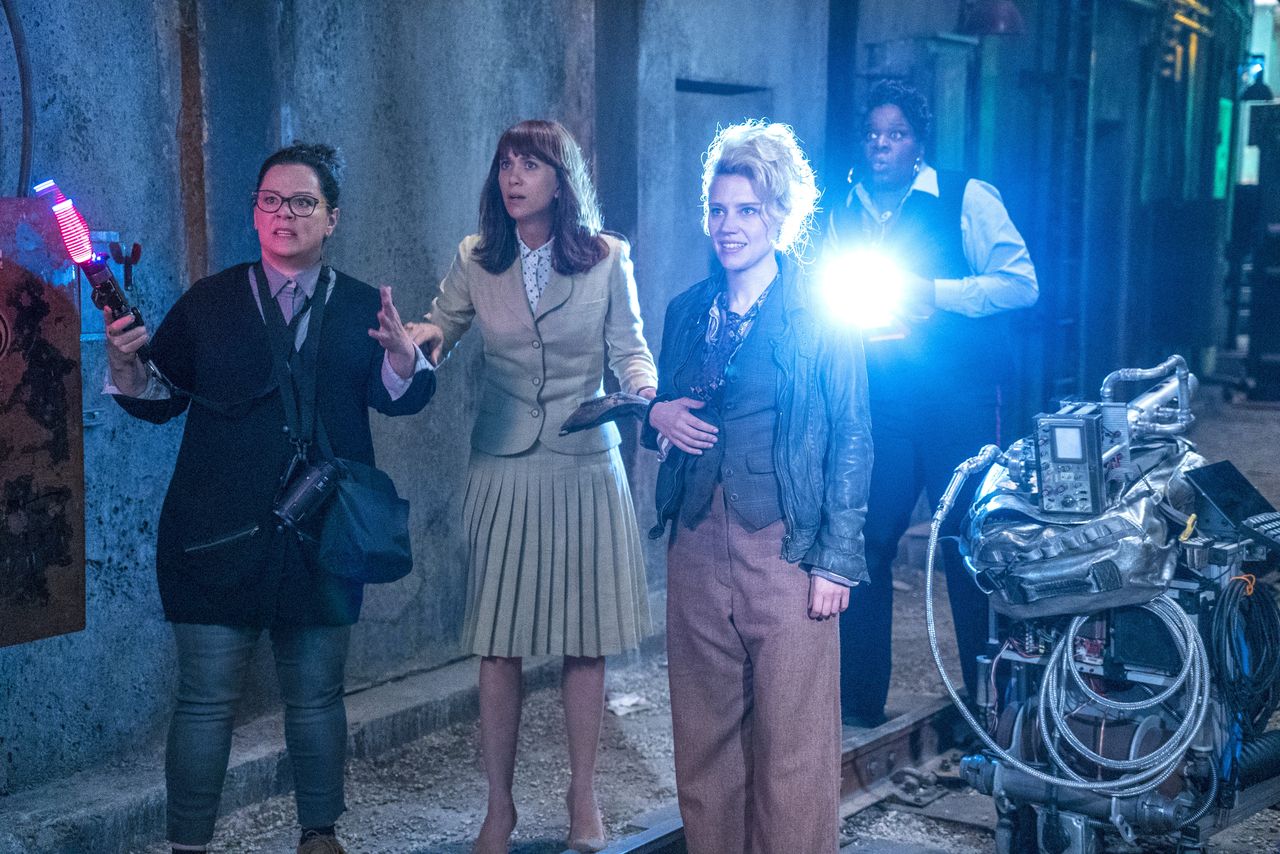
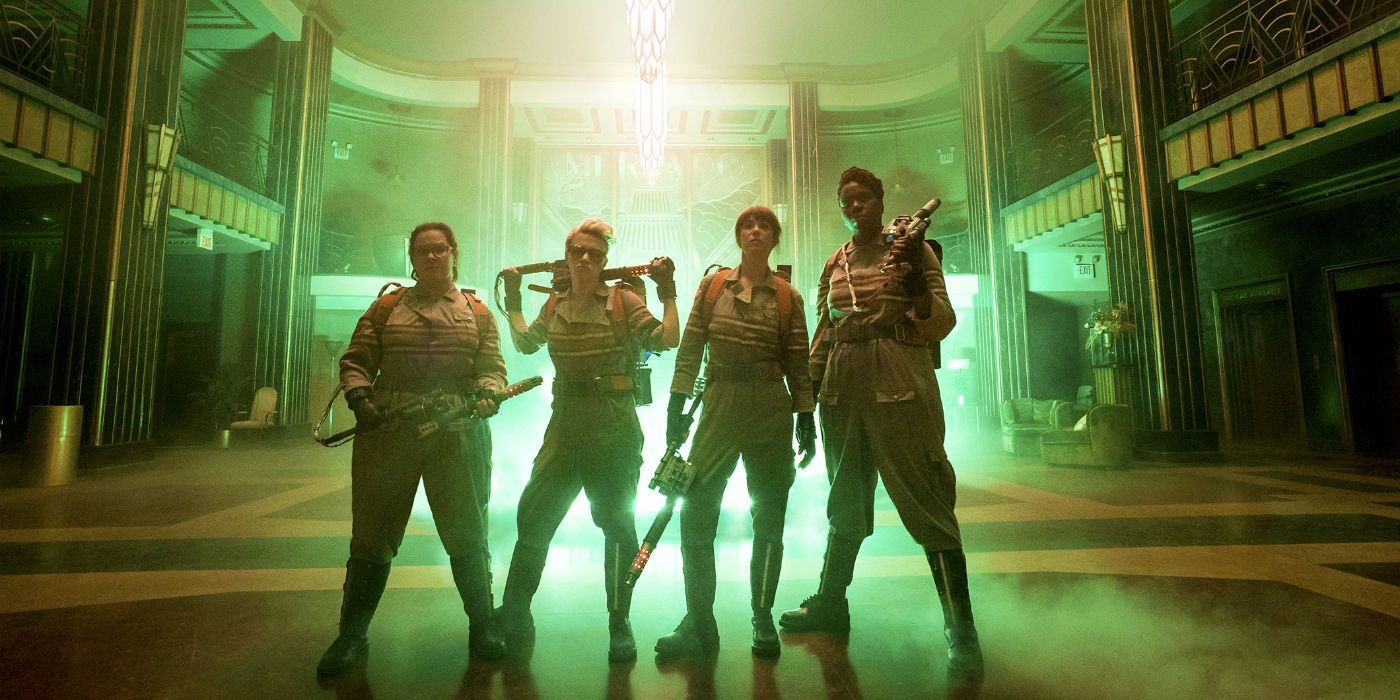
The best gags come in the very early scenes, when it’s established that two former friends and paranormal scientists, Erin and Abby (played by Kristen Wiig and Melissa McCarthy), reunite to help with a ghost problem in a local haunted house. They’re aided by Abby’s new engineer accomplice, Holtzmann (played by Kate McKinnon), who builds all the gear they use to subdue the CGI specters that have been unleashed all over town.

Later on, the “Ghostbusters” also recruit Kevin (played by Chris Hemsworth), a secretary with almost no other character traits aside from him being good looking and a total airhead, as well as Patty (played by Leslie Jones), a former MTA worker who lends the team knowledge over the historical nonfiction of New York, along with a new, sweet ride from her uncle’s funeral home.

ghostbusters review

It’s important to point out that this reboot works a lot harder than Ghostbusters 2 when it comes to rejuvenating what made the original 1984 film so endearing and an instant classic. But it does still contain a lot of the same story beats, because it is a reboot, after all. The idea of a mostly-female cast, however, is never quite used to its full potential, believe it or not, as a way to make this Ghostbusters feel like something all its own in comparison. For whatever reason, it’s nowhere near as smart as it probably should have been.

The main characters are still, for the most part, derivatives of the original cast, but with new actors who happen to be mostly women this time around. Granted, the comedic timing is a lot different as to be expected from a Paul Feig film (though Bridesmaids-level humor, this is not). Unfortunately, the majority of jokes read as some of the worst kinds of ad-libs you’d hear from an amateur improv group, rather than out of the mouths of SNL veterans, and a good number of the gags don’t extend far beyond the realm of generic slapstick and flatulence jokes.

In other words, this film won’t do any favors for harsher critics of last year’s Spy, for example, though that Paul Feig movie somewhat benefited from a more “uninhibited” McCarthy performance. Many of the jokes in Ghostbusters are surprisingly unfunny and ill-timed, many of them sounding like someone used the wrong punchline from another joke or bit.

ghostbusters review

And it’s not just the humor that feels a bit stifled and poorly executed. A good number of scenes were shoddily edited with very obvious cuts in the middle of humorous scenes that apparently didn’t translate well after shooting. There were plenty of moments when a scene would just end, without any sort of dialogue or transition you’d expect to be warranted.

The action, at times, is thrilling enough and benefitted by decent effects that let the movie go all out on its weird premise. To be fair, though, a lot of these action scenes are a lot longer than you’d want them to be, and it’s easy to find yourself getting quite bored as you wait for the ending, in no small part thanks to a weird lack of tension, even for a comedy.

The film is also distracted by its own overload of cameos and references to the original film, in a way that feels far too forced and hamstrung to carry any weight beyond, “Oh look! I know who that is!” Worse, the cast members they brought back for these cameos come off as positively bored and reluctant to even be here, save for Dan Ackroyd.

ghostbusters review

That said, the movie does have its funny, even engaging, moments, at least in the early goings. It’s hard not to be at least somewhat entertained by a Ghostbusters movie, after all, especially when you’re watching one with so many obvious callbacks to the movie you already love, as well as a funny joke once in a while. For a lot of people, though, these references and cameos will be painful reminders that they’d rather be watching the original Ghostbusters, instead.

To sum up, Ghostbusters is flashy, dumb, and shoddily made, which would be fine if it was at least consistently funny. And it lacks a basic fundamental of subtlety you didn’t know you expected from cheesy action comedies, in favor of forced nostalgia desperate to make billions of dollars out of a franchise. And even that’s been done to death already when it comes to Ghostbusters.

Grade: C-

Extra Credits:

  • There’s a lot more I want to say about this movie, both good and bad, which would be impossible without getting into spoilers. So if you’re interested a more substantial review, be sure to check out Monday’s podcast.
  • Dedicated to Harold Ramis. A nice touch, and well-appreciated by the fans in my theater.
  • Yes, there is a post-credits sequence that sets up more movies. And it’s about as cringeworthy as you’d expect.
  • According to Paul Feig, the original cut of this movie was over 4 hours long. And yeah, it shows.
  • Was there chemistry between the leads? Sometimes. But then you would have scenes where characters would start dancing for no reason, say something intended to be funny, and that would be the scene. I’m not sure if that’s chemistry or…anything.


Review: ‘Swiss Army Man’ Will Disturb and Delight You

swiss army man review

What makes a man useful? What makes a corpse worth anything? These are the underlying questions behind the “make what you will of it” indie film, Swiss Army Man, directed and written by Dan Kwan and Daniel Scheinert (or “Daniels,” for short). 

The other “Daniels” of this film, Daniel Radcliffe and Paul Dano (close enough), serve as the leads of Swiss Army Man, which centers around a suicidal man trapped in the wilderness (Hank, played by Dano) who discovers a corpse with magical powers (“Mannie”, played by Radcliffe) to help him get home and maybe even understand himself a bit better.

The film kicks off with just a taste of its weirdness in the first five minutes, so you can’t fault the movie for any kind of escalating silliness that will undoubtedly offend most of you at some point. The journey of these two characters is two-fold: to survive, Hank must unlock the corpse’s mysterious “swiss army knife” tools, of which I won’t spoil because that would rob some of the fun. But to get ahold of these powers, he must teach the corpse the world he has forgotten, which involves everything from basic language to talking to a cute girl on a bus (yes, this film gets quite strange).

swiss army man review

Then the journey becomes three-fold, in that the character of Hank is given a referendum by what must surely be a fantasy in his own head…right?

The dueling logic within Swiss Army Man is probably its least interesting feature, but the second and third act does well to let viewers lose themselves in the uncertainty. With every fart and genital joke that will spur a walkout from someone in the audience, the movie veers back on course with some of the most beautiful storytelling and set pieces you’ll see in 2016. It comes off as an experiment in how far the film can go in making itself as disturbing as possible, only for it to rejuvenate itself with a stunning set piece boosted by Manchester Orchestra’s brilliant soundtrack (aided by Dano and Radcliffe’s own voices).

Many different people will glean many different things from Swiss Army Man, including simplistic commentary on loneliness, repressive behavior, and to be even more on the nose, fear. These are all very basic ideas, but they’re executed in an unforgettable, thrilling, and believable fashion, a feat exemplified by a career-high performance for Radcliffe and a business-as-usual Dano who seldom misfires as an actor.

But one of this film’s more unique messages addresses how the world reacts to the ideas of imagination and creativity in a way that conflicts with the creative person who wields it. It’s a great subversion of the genre in how this all plays out toward the end of the film, and it will likely spark some fascinating discussion around whether or not the final shot is the best one possible for this movie.

swiss army man review

Either way, Swiss Army Man is a must-see for film-lovers and a hit-or-miss experience for casual moviegoers. The easily offended will be offended easily, but those who stick around will be greatly rewarded.

Grade: A-

Extra Credits:

  • This was a very physically demanding movie for Radcliffe, who insisted on being in every single shot of the movie (with a dummy used for some sequences, of course). Sadly, I’m not hopeful for any Oscar attention coming Radcliffe’s way for this movie.
  • My favorite soundtrack of 2016, easily (listened to it while writing this entire review). Courtesy of Andy Hull of Manchester Orchestra and Robert McDowell.
  • Part of the movie was filmed in the Redwoods (so in my backyard). For those of you who’ve seen the film, you know why that is definitely a bit unsettling.
  • If you want more Radcliffe and Dano starring in a film together, check out What If from 2013. It’s not half bad.
  • Finally, someone points out that Shane Carruth just shows up in every movie, even the ones he doesn’t direct.

I’m Jon and thanks for reading this. You can subscribe to my posts by clicking “Follow” in the right sidebar. Or just say hey on Twitter! @JonNegroni