‘The Fate of the Furious’ Is Both Better And Worse Than Its Predecessors

fate of the furious

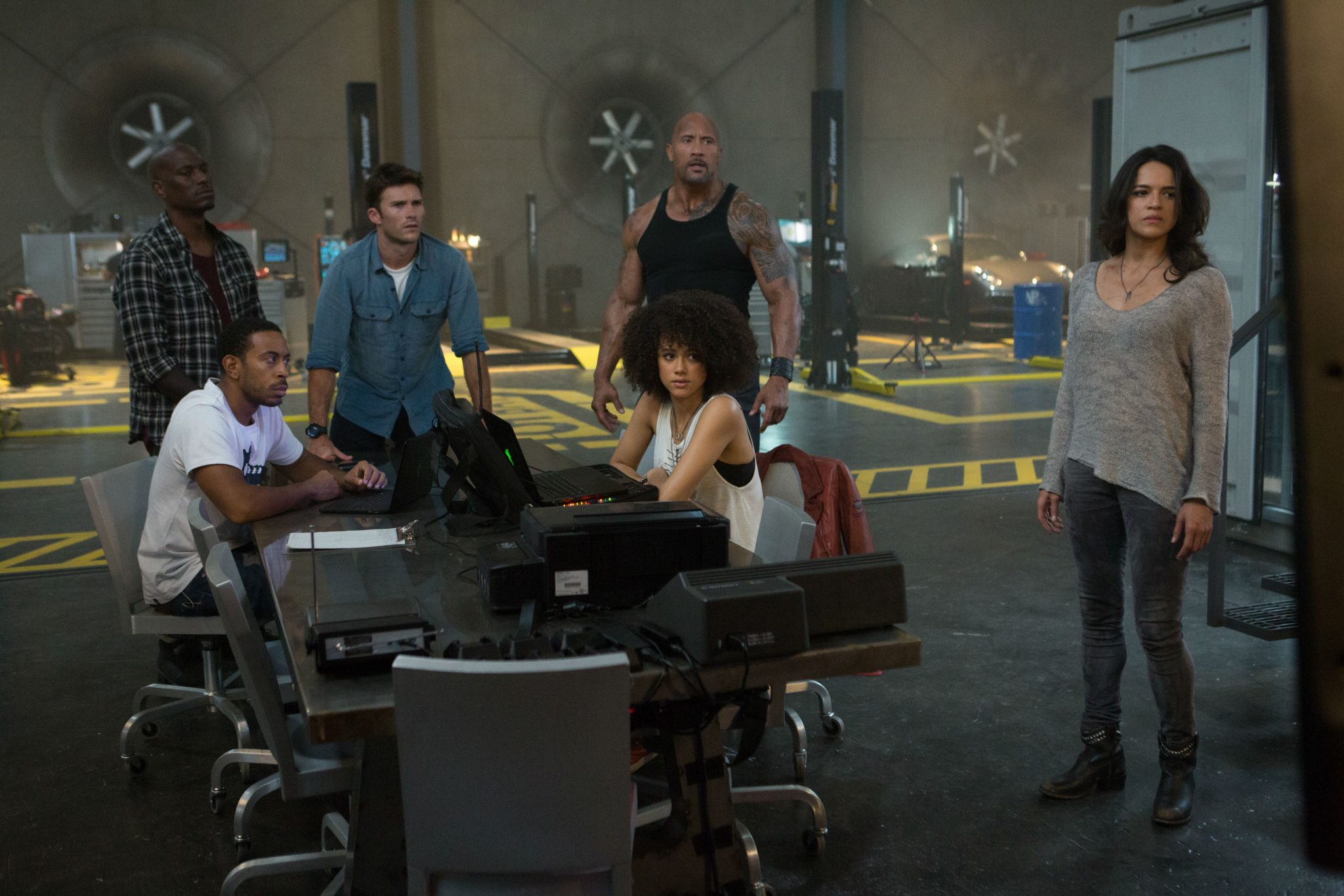
The Fate of the Furious is an easy film to understand just by taking a second look at its title, which feels designed for a hashtag (F8), rather than something new or creatively crafted. This is the eighth installment of a 16-year-long franchise that has more or less stayed alive and successful by finding increasingly silly ways to escalate its rising action to a series climax that has never been hazier.

In F8, we have what many 2017 films seem destined to use as a plot device: a hero of the series (Dominic Toretto, who long slipped into Vin Diesel simply playing himself) “goes rogue” and his former teammates have to team up to try and stop him.

At this point in the franchise, the “family” almost solely consists of former enemies Dom has picked up over the years, including an indefensibly sympathetic Shaw (Jason Statham) who is wrapped up with a retcon for the last two movies, pitting Charlize Theron’s “Cipher” as the real villain all along…somehow. And her isolated master plan is at least one that generates some intense moments, including a deluge of remote controlled cars that devastate New York City.

There seems to be a clear effort from director F. Gary Gray (Straight Outta ComptonItalian Job) to ground this franchise in darker subplots that make the characters feel somewhat less immortal, not just in the sense that they’ll die, but also in how death wrecks the characters. But overall, the movie’s main thrust (being a Saturday Morning Cartoon for adults) never gives way to any of the semi-serious tone that now has to reconcile with Dom’s never-ending sense of family, a theme that has certainly run its course as a passable explanation for what brings these characters together.
fate of the furious

Yet F8 also consists of some of the most exciting and entertaining set pieces in the franchise to date, including some playful development involving Shaw and Hobbs (Dwayne Johnson in a bigger role than Furious 7) charming their way to what is hopefully spinoff territory, or just a retooling of the series that lets these two action heroes take the reigns. Aside from them, none of the familiar characters here are given a shred of character growth, and F8 only advances the plot of their lives in superficial ways that feel tacked on. And that’s not even mentioning the sloppy effort to replace Paul Walker with Scott Eastwood. There’s no question Furious 7 handled Walker’s tragic death with class, so it’s strange to see F8 stumble with this just two years later.

As the various family members deal with having to take down Dom, there’s no learning, application, or self-reflection to get them there. They simply do what they’ve done before; Roman wisecracks, Leti is always there for Dom, everyone drives fast, etc. It’s surprisingly weightless, even for a blockbuster franchise that has won many people over for how accessibly fun it can be, while still having enough style and shiny lights to bring you back for the next one.

If that was the only goal, then F8 does its job fine. And at times, it’s truly a spectacle that deserves to be seen on as big a screen as possible. But there’s no denying the early signs of a series that is running dangerously low on steam for the first time since 2005.

Grade: B-

Extra Credits:

  • Forgot to mention the Cuba prologue, which might actually be the movie’s best scene and one of the best street races they’ve done yet.
  • Seeing the previous movies helps quite a bit, as F8 has a lot of past characters coming back around (even Lucas Black was originally meant to have a cameo, but he had to drift out due to conflicts).
  • Yes, it’s pretty obvious that Dwayne Johnson and Vin Diesel hate each other in real life.
  • Kristofer Hivju (Tormund from Game of Thrones) needs to be in more movies.
Thanks for reading this. Seriously. You can subscribe to my posts by clicking “Follow” in the right sidebar. 

Or just say hello on Twitter: @JonNegroni


‘Beauty And The Beast’ Is A Decent Musical Trapped Inside A Dull Remake

beauty and the beast

There’s no major, heavy-handed flaw that brings down Beauty and the Beast, the latest of Disney’s live-action remakes. Rather, this film falls apart from its own weight of bad decisions, made very carefully to not to mess with one of Disney’s most beloved classics too much for fear of losing the same magic that brought animated films to the prestigious forefront of Hollywood.

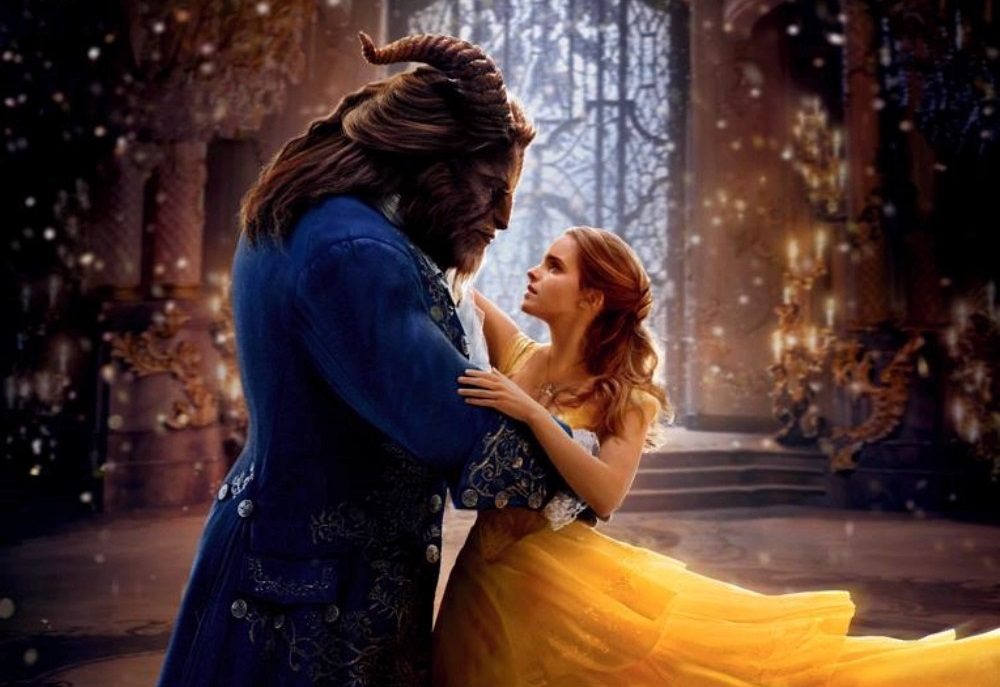
The original conception hasn’t changed at all, really. A young, beautiful girl living in a small French village finds herself the prisoner of a cursed prince who was transformed into a beast for being vain. They have to fall in love in order to break the spell, and his castle’s magical servants — a collection of humans transformed into the prince’s belongings in case that wasn’t subtle enough — orchestrate elaborate ways to bring these two mismatched people together.

This is, of course, a remake that feels far more faithful to the word, in that a vast majority of this film is a recycled mess of frames, songs, characters, and ideas that are mixed together with a few more expanded subplots that try to explain the world of Beauty and the Beast better than previous adaptations. For what it’s worth, this is a longer movie that lets the characters breathe when necessary.

The trouble is that Disney’s answer to defending this remake’s existence is by over-explaining the exposition of this world and its inhabitants, robbing us of any nuance or mystery as full character motivations are described by either voiceover or ham-fisted declarations more suitable for a stage play. There’s a good effort here, though, to fix some of the perceived problems of the 1991 adaptation, like toning down the unlikable nature of the Beast earlier and with less violence on his part, so his budding relationship with Belle can be more believable and fleshed out.

beauty and the beast

In a better movie, that might have been enough to give Beauty and the Beast a real purpose for taking a victory lap, as the film also manages to pull off some impressive musical beats that show off director Bill Condon’s best work from Dreamgirls. Sadly, it seems this movie also inherits his romantic habits from the two Twilight films he directed, in that Dan Stevens and Emma Watson (who play the titular characters) are the weakest points of a movie that absolutely relies on their chemistry to succeed.

That’s not to say either performer does a terrible job here. Dan Stevens (Legion, Downton Abbey) does fine work trying to imitate the emotive Beast from the animated film, and it’s not his fault he can’t possibly measure up to Glen Keane’s legendary character. For what the film is trying to be, Stevens does a serviceable job bringing a CGI beast to life under what must have been a huge budget.

It’s Emma Watson (Harry PotterBling Ring) who seems unprepared to carry this film as the heart of its romance. She’s more passionless film critic than audience surrogate, frequently turning her nose to obviously wondrous set pieces and working off of a very limited range of expressions and vocabulary. It doesn’t help that her singing is a bit on the lump side as well, pushed harder by obvious autotune that doesn’t blend well with the superior voice work happening all around her.

Worse, there’s not much done here with the Belle character. Beast gets a new musical number and some chances for identity beyond being mean and clumsy. In this film, he’s a bit of a reader, so he and Belle have something conceivable to bond over. But Belle is a poorly written presence by comparison, often reminiscent of the kind, but independent Belle from the 1991 version without much else to cling to aside from the introduction of a forced backstory involving her life in Paris. None of these threads come together well, making for a more forgettable character than this tale deserves.

beauty and the beast

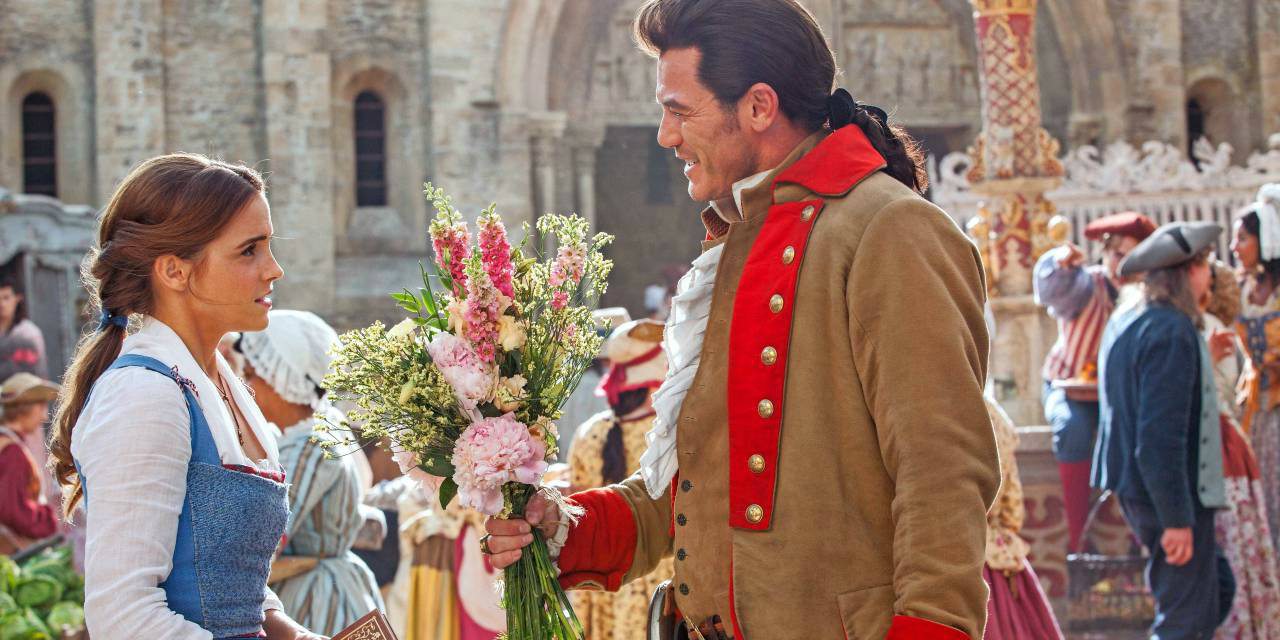
Still, there really isn’t anything atrociously bad about Beauty and the Beast apart from how tragic it is as a missed opportunity for Disney’s live-action retreads. Rather than upgrade the classic with authentic accents and an updated, more modern story (seriously, there was a great opportunity to pivot the villain, here), the film seems more content on going through the motions as best it can without the luxury of animation to make itself more enchanting. Luke Evans (Dracula Untold) as Gaston is about the only actor who tries to bring some worldly relevance to his role, while still hamming it up alongside the somewhat subdued and one-note LeFou, played by Josh Gad (Frozen).

When Beauty and the Beast does manage to pull off genuine moments of wonder, it’s every bit as likable as its predecessor. But the movie never surprises and it certainly never surpasses what it’s borrowing from. Granted, it’s beautifully realized and the production design is a positive step forward for Disney films, but nothing here is satisfying enough to make up for the fact that this is a revisionist tale lacking true vision.

Grade: C

Extra Credits:

  • I have to be honest, that’s a graceful “C.” I had a terrible experience with this film, despite its high points. It violates the don’t make them want to see the original version during the entire movie rule.
  • Another missed opportunity is in how the original Beauty and the Beast had some progressive flourishes, like how Belle was more interesting than previous Disney damsels.  But this new film does very little to innovate, aside from a more diverse cast and an awkwardly executed LGBT inclusion that seems to forget it exists most of the time.
  • I didn’t have time to get to the rest of the cast, and it’s seriously one of the better aspects of the movie. Kevin Kline as Belle’s father, Ewan McGregor as Lumiere (terrible French accent aside), and Emma Thompson as Mrs. Potts just to name a few. The film does well to give everyone their moment to bask.
  • Oh, let’s not forget about Sir Ian McKellan, who played Cogsworth. Funny enough, he turned down the role for the animated version.
  • This film was in postproduction for 18 months. And it shows.
  • The ‘Gaston’ scene is the best one, in my opinion. They added cut lyrics from the original to make it longer and edgier.

    Thanks for reading this. Seriously. You can subscribe to my posts by clicking “Follow” in the right sidebar. 

    Or just say hello on Twitter: @JonNegroni


‘Kong: Skull Island’ Is A Quirky Adventure Just Barely Worth Taking

kong

What if the story of “King Kong” took place not during the 30s, but instead the orange-blazed Vietnam era, just as the war was ended-er-abandoned and complete with a poster that outright mimics Apocalypse Now? What if it also contained a collection of modern character personalities who’d probably feel more at home in a Marvel flick or a better sequel to Independence Day? What if it took itself about 50% less seriously than Peter Jackson’s 2005 remake? And what if, to top it all off, you layered it against a budding monster cinematic universe franchise that is already underway with 2014’s Godzilla?

Kong: Skull Island is the answer to those questions and more — a sort of mashup of interesting ideas and directions blended together by second-time director Jordan Vogt-Roberts, an indie auteur who’d make Gareth Edwards blush. The basic structure is still in place: a team of scientists, civilians, and soldiers travel to Skull Island, the last uncharted territory hiding in the South Pacific. There, they uncover prehistoric threats and a massive, titular primate named Kong. From there, it’s a tale of survival, but a much smaller one in scope than the 2005 remake, at least removed from its ties to bigger monster threats around the world and the mysterious “Monarch” organization.

The idea to paint this as a Vietnam film is definitely inspired. The same, “what are we doing here” mentality is played just right an overwhelming message, though that’s not to say Kong ever tries to be more than a big, blustering blockbuster that succumbs to movie logic willfully and enthusiastically. You can probably respect the fact that Kong knows how bonkers it is throughout, and in a better movie with more surprises, it could even be hailed as an inspired new turn for monster movies (Shin Godzilla or no).

kong

Strangely, though, Kong suffers from 21st Century film editing, a new wave of trailer-inspired cuts and cutaways that make this film feel more like a collection of intriguing short films spliced together to just barely hold together as a two hour feature. The screenplay by Dan Gilroy, Max Borenstein, and in small part, Derek Connolly is certainly in a great place, as this is one of the few flicks in a while I caught myself thinking about the script (in a good way).

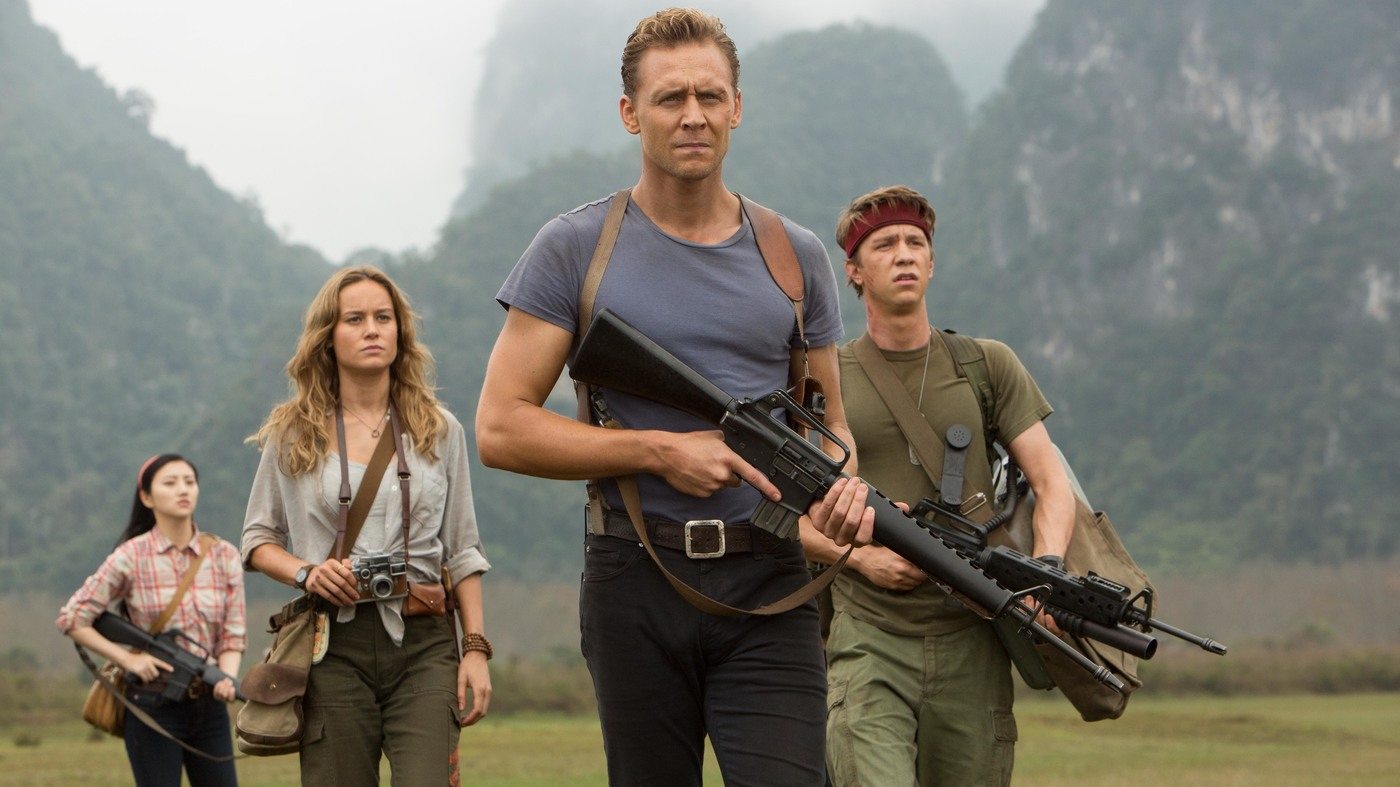
The story, by Need For Speed and Real Steal‘s John Gatins, is less innovative, yet mostly salvaged thanks to a serviceable ensemble of characters featuring Tom Hiddleston, Brie Larson, Samuel L. Jackson, John Goodman, John C. Reilly, and many others.  The best scenes in Kong belong to Jackson and Reilly without any doubt, as Reilly plays the island survivalist from World War II who kindly fills us in on just the right amount of exposition to get a sense of place and relevance in Skull Island.

What truly saves Kong from mediocrity, though, is what monster movie fans are itching to come see. A visually striking action movie with big monsters, big stakes, and big battles. This movie checks off those boxes in force, while mostly eschewing other expectations of its legacy, like the tendency to play up Kong as a “possessor” of a beautiful woman.

Brie Larson takes the role in her own way as a photographer in search of discovering something new, instead moving along the movie in a jog, playing about as crucial a role as the other ensemble characters without much of a special relationship with Kong, which is likely for the better. It’s replaced with a passive respect, rather than an otherworldly affection, and at the very least, it makes more sense for a film set in the 70s, not an escapist tragedy set in the 30s.

kong

Most films would suffer from tonal shifts as drastic as the ones in Kong. But for whatever reason, the scattershot ideas in this monster mash adventure movie manage to lend the film something of a personality, much like they accomplished with the CGI primate himself. There are just as many moments showing what Kong does when no one is around, and it’s one of a few morsels of surprising touches this movie thankfully scrambles to find.

Grade: B

Extra Credits:

  • There is a post-credits scene, and it’s actually awful. Badly edited. Bad in the way it teases. See it if you must, but I left the theater feeling a lot less excited about the future of Warner Bros.’s monsterverse.
  • With so many characters in this movie, I didn’t have much of a chance to get to each one. And that’s not a good thing. They’re mostly forgettable, even Larson and Hiddleston, whose motivations are actually interchangeable. Great screen presence, but this movie’s heart belongs to Reilly and Jackson.
  • This movie might look a tad familiar. It was shot in Hawaii, close to where Jurassic World was filmed. Samuel L. Jackson even utters his famous line, “Hold on to your butts” from the first Jurassic Park.
  • I also forgot to mention one of my favorite things about this movie: Kong’s design. It’s a clear combination of the 30s version and the adapted Japanese version. He stands tall, and it looks great.
  • Corey Hawkins and Jason Mitchell have great, understated roles in this movie. They last acted together as Dre and Eazy E in Straight Outta Compton.
  • Weird Easter egg that might be important: Riley’s character, Hank Marlow, wears a jacket with a reference to Akira, a manga that came out years after this movie takes place.  It’s a pill and the line, “Good for your health. Bad for your education.”

    Thanks for reading this. Seriously. You can subscribe to my posts by clicking “Follow” in the right sidebar. 

    Or just say hello on Twitter: @JonNegroni


‘Get Out’ Is A Great Horror Mystery With A Conscience

Get Out

Get Out opens with a simple (and frightening) tone, then splinters off into competing genres of horror, mystery, and even comedy. And not necessarily in that order. Directed and written by Jordan Peele in his directorial debut, Get Out centers around Chris, a straight-talking young black man (Daniel Kaluuya) who goes to meet his white girlfriend’s liberal, well-to-do family.

Take out some of those adjectives, and you can see how easy it is to set a mood of discomfort there for Chris, who suspects from the first night that not all is what it seems. Is it paranoia, social commentary, or a strange mix of both? Get Out proposes the latter, and that’s probably why most moviegoers will have a great time with it.

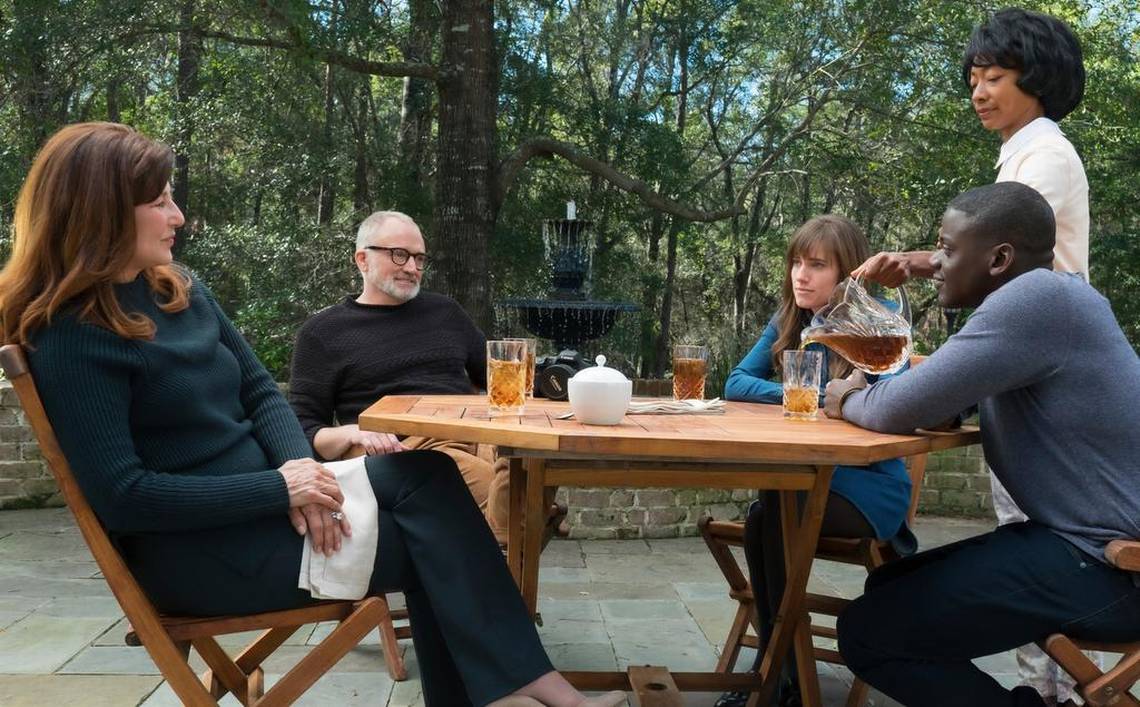
As shown in the trailers, the first red flag for Chris as he visits this film’s version of the White House is the family’s set of bizarrely-behaved housekeepers, each one a black person working for the Armitage family, played by Bradley Whitford and Catherine Keener. Chris’s girlfriend Rose (played by Allison Williams) insists that her family, while a bit tone-deaf, is certainly not racist. She’s the first to rise to Chris’s defense during most of the early encounters that convince the audience they’re watching a relevant piece of film with clear echoes of Black Lives Matter commentary, from a police encounter that singles Chris out for no reason to a dinner party where the guests ogle Chris’s appearance.

It all leads to some unconventional and even wacky horror and intrigue, but one with a refreshingly balanced perspective. Peele, who gained inspiration from Night of the Living Dead and The Stepford Wives, transforms the sensibilities of those genre flicks into something almost original in its craft and definitely in what it has to say about a theme I won’t dare spoil. The film is meant to be uncomfortable for multiple demographics for multiple reasons, and it doesn’t hurt that behind it all is a competently made film with tight pacing and consistent thrills. It’s not quite as scary or unsettling as some of the genre’s fans might want or expect, but it’s certainly ahead of the curve in its psychological horror.

Get Out

And weirdly enough, it’s also funny when it needs to be, though more as comedy relief than as deliberate comedy. That goes back to how the pacing allows steady breathers for a savvy audience, especially the handful who will be far more aware of what’s going to happen before some of the characters do. Of course, everything gets a little more serious toward the very end of the movie, but it’s all noticeably less impressive than some of the more subtle workings that precede it, a common issue with mainstream horror that Get Out gets somewhat of a pass on because it’s so incredibly satisfying in its own way.

Get Out could have easily been an aggressive take on modern prejudice and race relations that goes after easy targets, perhaps because that’s what audiences are so accustomed to. In the other direction, it could have come off as preachy and dismissive. Instead, it’s scary for all the right reasons.

Grade: A-

Extra Credits:

  • Sorry, no Key cameos. But that’s definitely for the best in this case.
  • I appreciate a movie as willfully short as this one, just 103 minutes and filmed entirely in Alabama.
  • Blumhouse Productions is behind this film, no surprise. Between this and enabling Shyamalan to make a horror comeback, Blumhouse has become somewhat of a cinematic universe for misfit directors.
  • Rated R for violence, bloody images, and language including sexual references.
  • Jordan Peele got the idea for this movie during the 2008 election, when it was being discussed whether or not an African American or a woman was more deserving to be president. According to Peele, that was the “seed” from which Get Out was born.

    Thanks for reading this. Seriously. You can subscribe to my posts by clicking “Follow” in the right sidebar. 

    Or just say hello on Twitter: @JonNegroni


‘The Great Wall’ Is A Middling Mashup Of Western And Eastern Tropes

the great wall

It’s not often that a film does so well to fall right in the middle, where the good and bad of its parts come together to represent one, halfway decent blockbuster for a very specific crowd.

That crowd is the group of moviegoers who might crave a Chinese produced movie that’s been written by Western storytellers, an idea that’s a lot better in theory than it is in practice, as evidenced but what was clearly a film designed by the committee to fully utilize a global box office. What if the Great Wall of China, a true wonder of human history, was built as a mythical shield against ancient aliens with a hive mind?

The Great Wall unfolds from there as an elaborate love letter to medieval Chinese ingenuity (indeed, the weapons and tactics of the film’s primary military is the true star, not Matt Damon or Jing Tian). It’s just too bad that they lumped in a passable script featuring a weightless performance from Damon himself.

Go on…‘The Great Wall’ Is A Middling Mashup Of Western And Eastern Tropes

‘The Lego Batman Movie’ Has More Jokes Than It Does Laughs

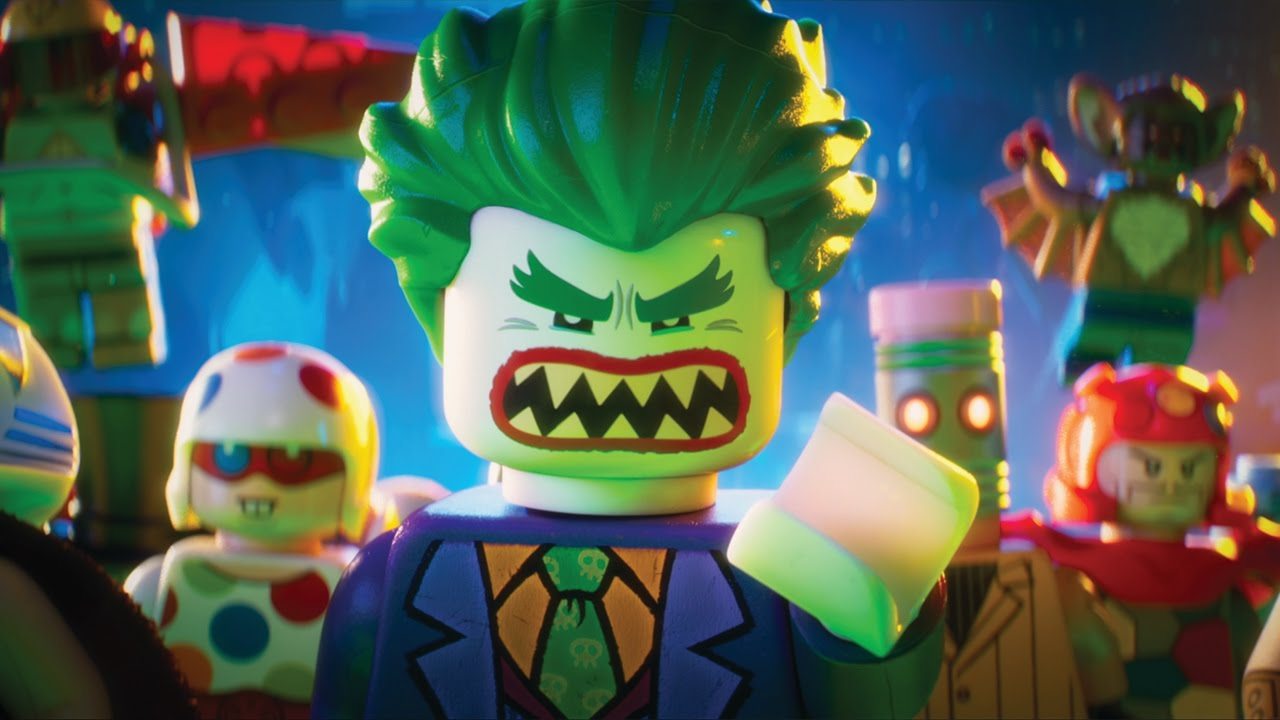
lego batman movie

If Deadpool could parody the entire superhero genre, why not create a Batman movie that parodies the massive, long-running Batman mythology? It’s a smart, timely idea to build a monument to the decades of trivia regarding one of the most iconic superheroes (and characters) of all time, and as a followup to the hilarious and self-aware Lego Movie, which is ultimately a more thoughtful attempt to woo both kids and audiences.

Within the story of Lego Batman Movie, the titular character (voiced by Will Arnett) is as much a pop culture phenomenon as he is in real life, singing songs about how incredible he is and lavishly surrounding himself with gadgets and vehicles that best represent his own ego. But Batman is lonely, too, for reasons that might confound the same viewers who do manage to get all the references being tossed and visually planted.

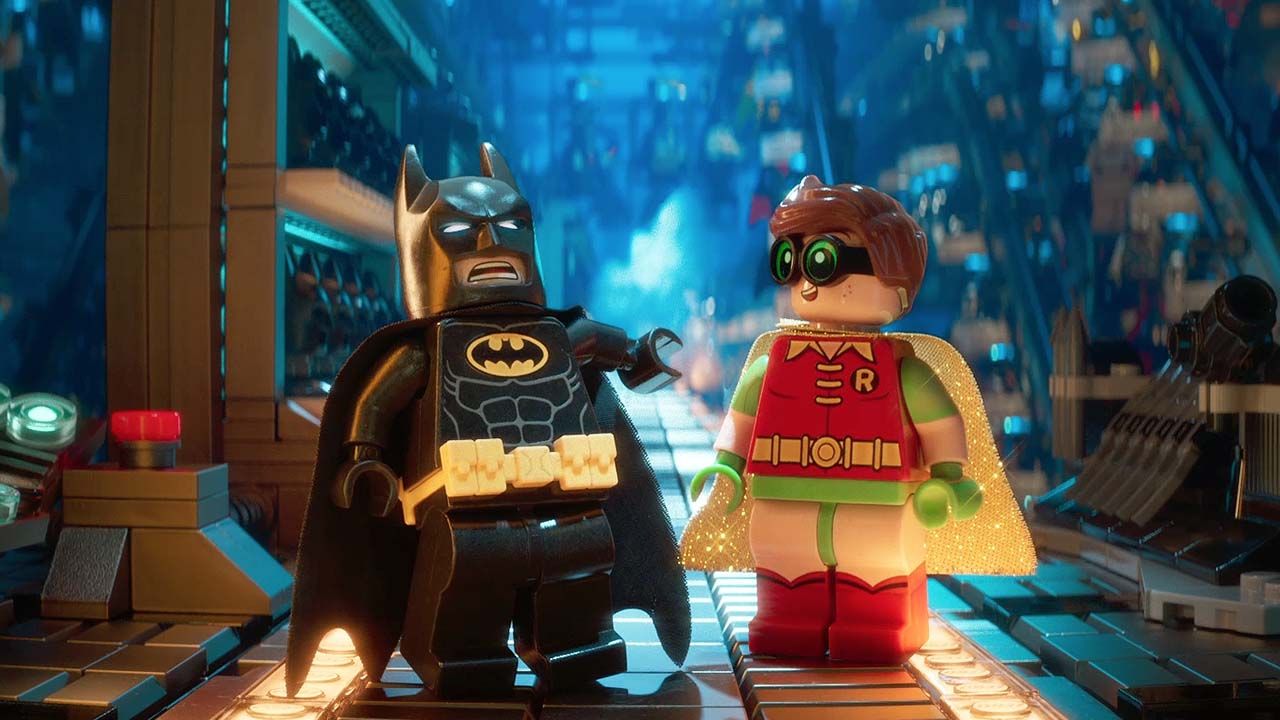
See in this “universe,” Batman has never had a Robin, Batgirl, or otherwise. He’s a member of the Justice League (sort of?), and the movie wants to suggest that his symbiotic relationship with Joker is an interesting parody of romantic comedies (helped by frequent references to actual romcoms Batman enjoys in private).

It’s all written in a sloppy, haphazard way, because the viewers who will get the most out of the mountains of jokes and references will also wonder how all of this can simultaneously coexist with a Robin/Batgirl origin story, especially as there are loads of winks to previous Batman films (with those characters) being in the same mythology as this movie. In other words, it’s confusing, distracting, and hard to ignore, even for a movie that doesn’t ask you to take any of this seriously until it does.

lego batman movie

The film’s primary message is that Batman needs to learn how to work with others as a team, and the path for him to get there is utter chaos. Entire scenes are mismatched in pace and tone, frequently stopping the action completely every few minutes or so to repeat (sometimes verbatim) the themes and messages of the movie, just in case the kids didn’t understand how hard it is for Batman to have…friends?

As a result, Batman ends up learning the same lesson multiple times, sometimes pontificating the same ideas a scene later. It seems the writers (there were many) didn’t have sufficient time or freedom to edit the script because they also wanted to maintain the jokes they came up with to suit those scenes, so Lego Batman Movie comes off as a first draft riddled in mayhem and some interesting ideas, which will make it hard for audiences to feel less than overwhelmed by the frenetic references, action, and set pieces that turn on a dime.

The saving grace, however, is the fact that most of these jokes are humorous, especially if you’re a batfan. The ratio of goofy “kids will get this” jokes with the “inside jokes” that go over their head seems purposefully imbalanced, making Lego Batman Movie more a product of its time rather than a lasting comedic film. Perhaps only the first 10 or 15 minutes represent the best Lego Batman Movie has to offer as both a parody and an accessible comedy, akin to something like Spaceballs or, yes, Lego Movie.

But for the rest of the runtime, the film lobs more jokes than you can keep up with in order to satisfy everyone who won’t get the last joke. Unlike Deadpool, that critical mass of humor isn’t paced quite as well, so the laughs won’t be quite as abundant as the attempts to earn them. And that’s no good when you consider that the rest of the movie’s ideas about Batman’s loneliness and teamwork are too shallow and over-explained for audiences to care when the snarky inside trivia dries up years from now.

Grade: B- 


Thanks for reading this. Seriously. You can subscribe to my posts by clicking “Follow” in the right sidebar. 

Or just say hello on Twitter: @JonNegroni


‘Split’ Is Weirdly Slow And Infuriating Schlock, Even For Shyamalan

split

M. Night Shyamalan is typically a director of methodical, inhumane dialogue and stuttering set pieces, but his best films also center around wild premises that pay off in narratively satisfying fashion. It’s unnerving to watch his last film, The Visit, unravel in its final act, but unlike that startling return to form, Split suffers from pretentious, overbearing writing that wishes it deserved James McAvoy’s brilliant method acting.

Like VisitSplit is mostly a dark comedy, only its central figures are nowhere near as a relational or intriguing when the jokes and twists start flying.  Anya Taylor-Joy (last year’s The Witch) plays Casey, a repressed teenager whose main direction is to stare wide-eyed at the camera as the audience waits for suitable harmonics or dramatic tension to build up (it rarely does).

Like many details in this film, Casey is the anti-10 Cloverfield Lane — that movie was a room horror with an ideal sense of location, characters who exhibit entertaining and thoughtful behavior, and a story that actually treats the audience as careful thinkers. Split has exactly none of this, though both films do have the same type of “Oh, so that’s what this movie is” type of ending, only at least 10 Cloverfield Lane had the decency to end on a set piece instead of a ham-fisted teaser.

Casey and a few other teenagers of little consequence are abducted by a man with Dissociative Identity Disorder (DID), a type of split personality brought on by trauma. The film treats this as some narrative flourish, but Barry/Dennis/Patricia/Hedwig and others played by James McAvoy (his second film where he plays a character with multiple personalities) are quite unsurprising and telegraphed in their actions throughout. Only three “personalities” take up much of the story, and they mostly consist of these characters repeating the same scenes over and over again, but with slightly different context.

Dennis is a neat freak, Patricia is calulcating, and Hedwig is naive. What should have taken a handful of story beats to establish is repeated ad nasuem as the audience predicts every step of this slog, consistently wishing for explanations to character decisions and what this movie even is when they should be appreciating the stylistic horror groove Split musters.

split

At the very least, Shyamalan employs one of his best tricks, a commitment to B-horror that matches every movement of his camera, wielded gracefully by Michael Gioulakis (the cinematographer for the far superior It Follows). He has a real sense of what he wants Split to communicate in its movement, framing, and set design. For that, Split is still basically watchable, and there is at least one well-executed scare that earns its place.

If only the writing and directing of Split would allow this film to be what it truly wants to be: a B-movie  horror that expands on an interesting premise in goofy, yet creepy ways. But it’s the way the film butchers its interpretation of DID and mental health in general that falls so flat it actually becomes offensive in its absurdity, building up Casey as an intersecting example of trauma in her own right, but not in any way that reasonably connects with the film’s core messages or how it culminates in the finale. I’m sure it sounded quite compelling in Shyamalan’s own head, but his pretension is that the substance is at all meaningful or contributory to what people who actually suffer from these mental health problems go through, and the way he punctuates all of this is disastrously played for laughs.

All that said, I can easily see how some fans of Shyamalan’s work might have a bit of fun with this film, overall. It’s nowhere near as a terrible as Happening or After Earth, but it’s likely a notch below The Village and Signs. It has confidence and a full commitment from McAvoy, who acts his heart out in  a performance that manages to be both unsettling and memorable, which is far more than what Split demands from him.

Grade: C

Extra Credits:

  • Shyamalan has admitted that shooting Split was the hardest in his career. Which makes sense considering its also his longest film yet.
  • Joaquin Phoenix nearly landed the main role, but he bowed out due to scheduling problems.
  • You’ll notice from the opening credits that this is another collaboration between Shyamalan and Jason Blum. And it likely won’t be the last.
  • Three words: Shyamalan Cinematic Universe. Three more words: Don’t you dare.

Thanks for reading this. Seriously. You can subscribe to my posts by clicking “Follow” in the right sidebar. 

Or just say hello on Twitter: @JonNegroni