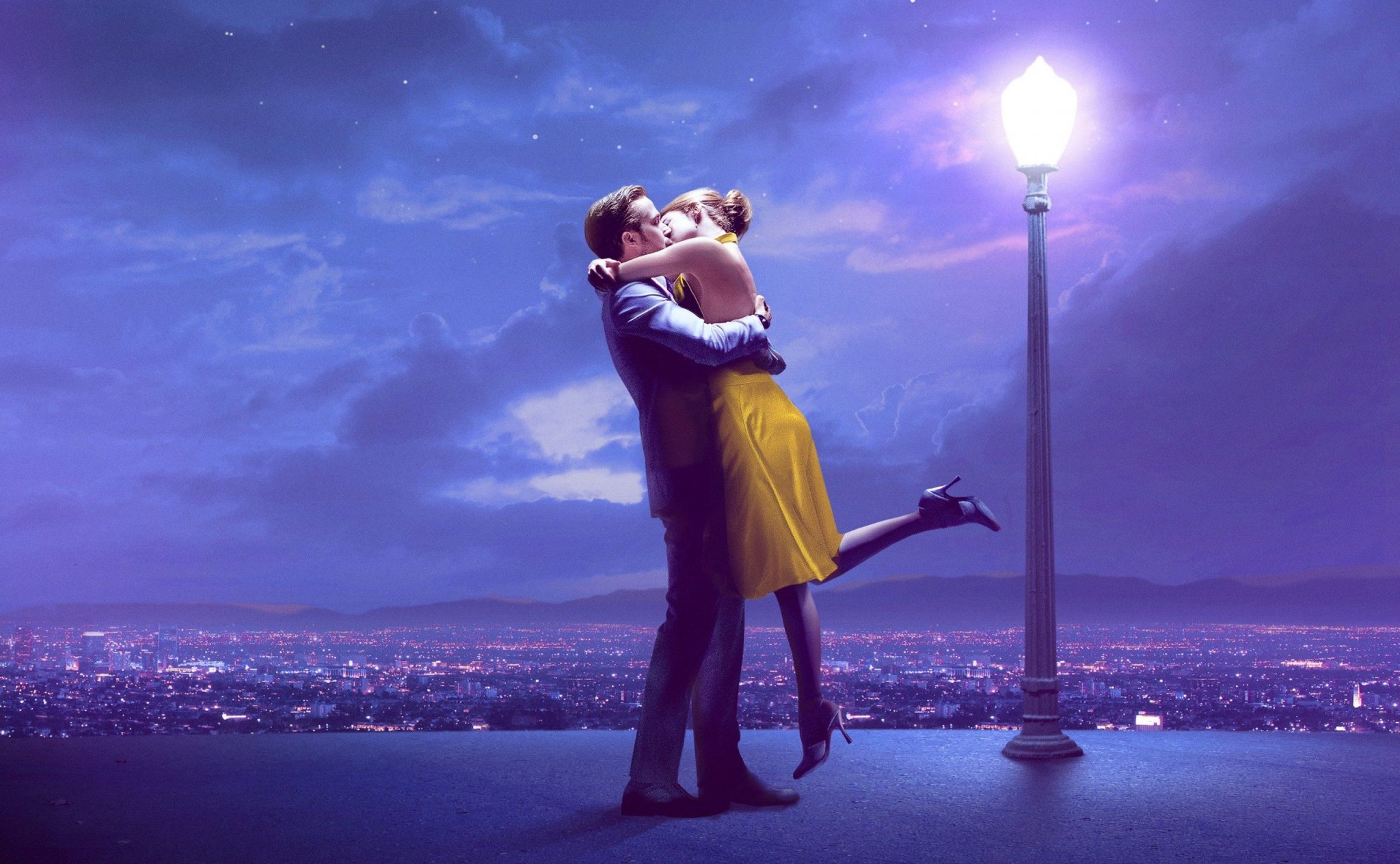
‘La La Land’ Is Not Overrated Because You Hate It

la la land

La La Land, starring Emma Stone and Ryan Gosling and directed by Whiplash director Damien Chazelle, is a clear frontrunner for Best Picture at the Oscars this year, and it will likely win. Weirdly enough, a lot of people across the filmgoing spectrum aren’t very happy about that.

The set up for the movie is deceptively simple: two dreamers living in present-day LA fall in love as they both struggle to accomplish their audacious creative goals. If that sounds a lot like Singin’ in the Rain, then you’re on the same page as the director. But as you watch the actual film, you’ll probably notice more material riffed from The Umbrellas of Cherbourg (1964) than anything else.

It’s a contemporary musical, essentially, with original music and some bold homage cinematography, especially toward the film’s vigorous “What if?” epilogue. And though many critics and audiences have gone head over heels for the film, myself included to an extent, there’s been a decisive backlash against the merits of La La Land and whether or not it deserves all the praise it gets.

Yes, people are calling it overrated, and these complaints will absolutely be exacerbated if the film continues to clean up this awards season, already cinching several key Golden Globes this past week.

Overrating is Overrated

la la land

Now, I’ve always been quite open about my stance on calling films “overrated,” in that I think it’s an empty criticism. For the most part, I’m reacting to the fact that I didn’t resonate with a movie that was demonstrably more effective for a wide group of people at a very specific time. That may not “last,” and the film may fade away despite its momentary fame (see films like Crash and Avatar). But that doesn’t invalidate the positive moviegoing experience genuinely had by many…even if some watchers cling to a popular opinion instead of what they they really think, which doesn’t mean a film is overrated. It’s just been overhyped. Propped up on what it represents rather than what it does.

You can make an argument, then, that La La Land is overhyped, but I would also disagree with that, as well. Though the film can be as negatively deconstructed as any other creative property, it’s still incredibly well-realized and well-made. Even if you disagree with some of its core messages and what the script intentionally tried to communicate.

From here on out, this post contains SPOILERS for La La Land

The Subtlety of Homage

la la land

Some of the criticisms of La La Land are definitely valid and meaningful observations. The idea that it might lift a bit too much material from movies like Umbrellas and Singin’ is a worthwhile concern, especially in how the final moments of the film are directly inspired by the former. Simply put, a film’s use of homage has to be backed up by originality and imagination in many other areas, which is where I think La La Land expertly makes up the difference.

See, the music of La La Land, while good, is not intended to be the film’s main hook. Sure, it’s catchy, but as you’ll notice, it’s not amazing. The singing and dancing portions aren’t perfect, and that’s sort of the point. Chazelle set out to present a fantasy movie with dreamy cinematography, noted by the very first scene/musical number, which is a literal dream sequence to kick things off. But a “dreamy” fantastical movie wouldn’t have worked without grounded, motivated characters.

The world of La La Land would have been a pretentious bore (much in the same way it’s wrongfully criticized) if the main leads were allowed flawless performances. The point isn’t to entertain with flashy perfection, but rather with likable showstoppers who suck us in to a believable world, a musical trick that’s a lot harder to pull off if you’re at all familiar with the legacy of Broadway.  La La Land presents a creative solution that might come off as sloppy work otherwise if you’re not already aware of the real talent from Stone and Gosling.

One example is when the two leads sing the reprise of “City of Stars,” and part of the way through, Mia messes up and laughs it off in the song. This one moment goes pretty far to encompass what La La Land is really prioritizing, and it’s not perfection.

Beginning and Ending

la la land

There’s also something to be said about how the film opens and how it ends: with a “Cinemascope” throwback and then a clear lift from Umbrellas, a timeless classic in the same celebratory vein. But this type of homage works because it fits the context of the movie, with aspiring talents who also compare themselves against the past. It makes perfect sense for someone like Sebastian (a movie buff established through his James Dean fixation) to fantasize his career, romance, and the struggle between the two within the backdrop of a familiar dream sequence.

When I first watched La La Land, I admit I was a bit cold from how the film transported Mia and Sebastian to their lives “five years later.” I found it quite convenient that both characters got exactly what they wanted, though the film presents it as a “Yeah, but at what cost?” By the end, both characters have given up their passionate, seasonal romance for their careers, and they seem bittersweet about it. But at first glance, it can be hard to reckon a message that suggests that giving up your love for others is what will lead to the exact success you want. It’s not very realistic, even for such a dreamy movie.

Thinking on this more, I’ve come to accept that La La Land traded its relatable character work in order to hammer the final message home more effectively, in that we would have missed Chazelle’s point if both or even one of the characters fell short of their goals. And the film’s more subtle explanation is that their amazing romance and support of each other is what pushed them through the impossible obstacles that kept them focused on getting what they each want.

Mia confronts Sebastian, for example, when he’s selling out his real dreams for momentary fame. If she hadn’t have done this, then perhaps the ending would have been more “believable” for us. Likewise, if Sebastian hadn’t traveled all the way to Nevada and demonstrated his love in the simple act of remembering even the obscure details of a girlfriend, Mia’s ending would have been the typical “I tried LA and failed” story.

Perhaps the movie makes you work a bit harder to accept all of that, but it hardly detracts from the film as a whole. If anything, it supports the case for La La Land being one of the more rewatch-able films of the year, despite the fact that it’s not even in my top 5, strangely enough. It’s still a movie I applaud, though, and will fondly revisit for years to come.

One last thing…

la la land

One frequent criticism of this movie that I do take umbrage with is the attempt to trivialize this story through a racial lens. That the movie is stuffed with “white entitlement” and “out of touch” elitism from Hollywood, which is supposedly why the movie is being so widely accepted by people in the industry.

My simple response to that is stop. I’m not white and I don’t live in LA, but I do have basic empathy. I can watch a movie with two leads who have harmless (and well-written) motivations that are shared by living breathing people in that very town, and I don’t have to cut down the purpose of this movie because it’s not something I directly relate with. For the same reason I can connect with Chiron in Moonlight through flawless filmmaking and writing, I can follow and hope for the best with Mia and Sebastian.

Is it so bad that Mia wants to become an actress? Should we stop making movies about people dreaming big and suffering to get it because of the connotations of appearance and privilege? Is it so bad that Sebastian wants to preserve music that’s quickly being forgotten, even if it’s not tied to him ethnically? The idea that he’s purported to be a white savior type suggests that his agenda is to “save jazz,” which is a projection of the critic, not something founded in the movie. Sebastian instead wants to celebrate a legacy in his own way, surrounded by others who do it justice and celebrate with him.

It’s just a shame that with a movie as technically impressive and crowd-pleasing as La La Land, we have to assign it so much baggage from other, lesser properties that actually commit these flaws, simply because we recognize a morsel of it and smell blood.

Wrapping Up

Despite my defense of La La Land, it isn’t among my favorite movies of 2016, though it lands in the top 10. It works the whole way through and has some tremendous moments, and I do want to shine a light on the great ideas here, rather than shout it down for its popularity. For many fans of musicals and movies in general, La La Land really is a must-see film.

Grade: A

Thanks for reading this. Seriously. You can subscribe to my posts by clicking “Follow” in the right sidebar. 

Or just say hello on Twitter: @JonNegroni


Review: ‘Rogue One’ Is About Half Of A Great Star Wars Movie

rogue one

Before Rogue One, which is aptly subtitled “A Star Wars Story,” even begins, it suffers from a remarkable weakness no other movie in this franchise has ever had. A real purpose.

It’s a standalone prequel to the original trilogy, filling the gap (and space) between Episodes III and IV, but it does nothing of note beyond that, except to elaborate on a minor plot point that sets up A New Hope, in the form of a ragtag suicide squad on a mission to retrieve the Death Star plans so Luke Skywalker can find them in a droid days later.

All the while, Rogue One presents side character archetypes as protagonists to a well-realized war movie, one without much of the Force or any stunning lightsaber duels to balance against the space battles. It’s exactly one-half of what we love about Star Wars, but lavishly treated with respect for fans who’ve always yearned for a shift in emphasis toward the “Wars” in “Star Wars.” Cinematographer Greig Fraser (Zero Dark Thirty) managed to make this universe feel big again, and one of the film’s greatest strengths is its sense of location and a visual consistency begging for a better story to match it.

There’s no doubting this is the galaxy far far away, just taking place a bit earlier than what George Lucas and his team established aesthetically 40 years ago. The colors, technology, and overall atmosphere are masterfully recreated, less so however with the CGI-rendered actors we recognize from A New Hope as well, not that they’re the prime focus of what’s essentially an ensemble film. Less recreated, however, are any deep or enriching characters to serve as a compelling thread throughout this surprisingly complex (and fast) war drama.

rogue one

It seems at one point that Disney and Lucasfilm intended to give a weightier role to Jyn Erso, played rather straight here by Felicity Jones, once again one of about three women in a Rebellion consisting of hundreds of men onscreen, which is a noticeable step back from the more balanced Force Awakens.

Much of the material used in the trailers for Erso seem to have been shifted in those pesky reshoots, so that the rest of the “Rogue One” rebels too rebellious for the rebellion could have thematically interesting moments of their own. That was the intention, anyway. Instead, even the most creative characters are quite thin, falling short of what’s done so successfully in Guardians of the Galaxy, which is a more cohesive and ultimately satisfying “misfit ensemble in space” movie.

Rogue One is a classic example of what happens when a beautiful and polished movie filled with colorful characters fails to come together by the third act, which is more bombastic and methodical than anything epic or narratively  fulfilling. The story builds to something far more grand in scope, while also personal in its individual characters’ struggles against the overwhelming Empire, but instead, everything simply fizzles out and fades to the distance to make way for New Hope matters, muting the questionable triumph for these rebels, instead of what the dialogue suggests we ought to feel for them.

rogue one

That said, Rogue One is an easy sell for fans of Star Wars, who will love it anyway for everything that does work—like the complexities rendered for a tougher, less forgiving Rebel Alliance and world-class sci-fi cinematography and sound mixing—and overlook what is sorely missing that would have made this good film actually great, or at least as memorable as something like The Force Awakens, a flawed movie that had a much easier time justifying itself.

Come for the snarky droid, stay for the blind Force monk, and prepare for one scene in particular toward the very end that will make you yearn to see a “real” Star Wars film.

Grade: B

Extra Credits:

  • Now I’m really worried about that Young Han Solo spinoff.
  • Better than the prequels, but that’s about it.
  • First Star Wars movie not scored by John Williams, which is pretty sad. But Michael Giacchino did a tremendous job, and this one has a main score I found much more memorable than in Force Awakens. Edit: I do wish, though, that the music matched the movie’s actual tone. I just don’t blame Giacchino.
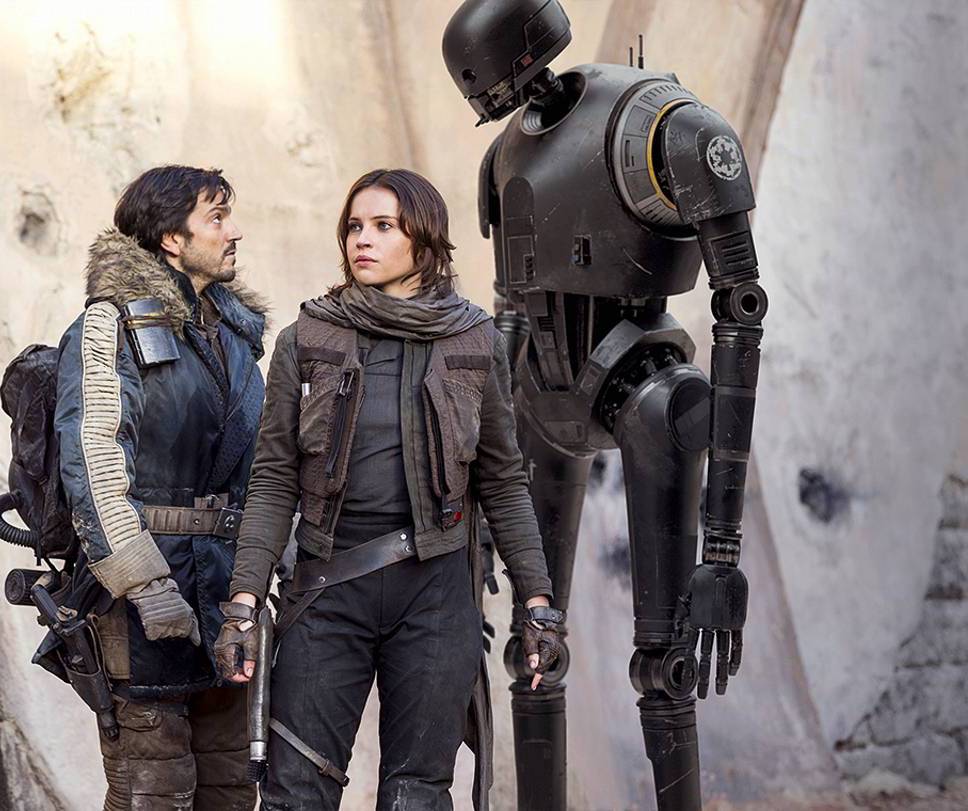
  • Alan Tudyk as the aforementioned snark droid, K-2SO,  was easily the best character. Not just in terms of comic relief, but as the obvious heart of the team, similar to Tudyk’s “Wash” in Firefly.
  • Some of the cameos and Easter eggs are great. A handful are just pointless and completely unnecessary, similar to the prequels. Still, I won’t spoil any so you can view them as surprises. Not enough of this movie is a surprise, anyway.

    Thanks for reading this. Seriously. You can subscribe to my posts by clicking “Follow” in the right sidebar. 

    Or just say hello on Twitter: @JonNegroni


Review: ‘Moana’ Is Disney’s Best Movie In Decades

Moana is a triumphant return to form for Disney that improves upon just about everything the studio has set up through both its recent surge of Pixar-esque entertainment, as well as the musical favorites of recent years. It’s a highlight that owes much of its existence to the success of TangledWreck-It Ralph, and Frozen, though perhaps even more directly to the 90s classics younger critics like myself grew up with. Make no mistake, though, Moana is its own quirky, beautiful masterwork.

You can watch the full review above or read a transcription published here.

Grade: A+

Extra Credits:

  • The movie stars Auli’i Cravalho as Moana and Dwayne Johnson as Maui. It was directed and co-written by Ron Clements, co-directed by Don Hall, John Musker, and Chris Williams, and the screenplay is by Jared Bush.
  • Ron Clements and John Musker sound familiar? They made The Little Mermaid, Aladdin, and Hercules, among some other hand-drawn Disney films. This is their first feature-length computer-animated movie.
  • Original songs by Lin-Manuel Miranda, Opetaia Foa’i, and Mark Mancina.
  • If Moana wins an Oscar for its music, then Miranda will be the third person ever to achieve a PEGOT (Pulitzer, Emmy, Grammy, Oscar, Tony).
  •  Moana is the first Disney princess not based on an existing fairy tale or legend, unless you count Merida from Brave as a Disney princess.
  • I didn’t cover this in the review, but Cravalho (who voices Moana) is an incredible talent for such a young age. At 14, she’s the youngest Disney Princess voice ever.
  • “Moana” means “ocean or sea” in Polynesian culture, and it’s a common word for “blue.”
  • Alan Tudyk voices the animal sidekick in this film, which is notable because this is the fifth consecutive animated Disney movie he’s worked in, starting with Wreck-It Ralph.
  • Easter eggs: The only one I managed to catch is Maui transforming into Sven, from Frozen. Also, Moana is referenced in Zootopia as a DVD called “Meona.”

    Thanks for reading this. Seriously. You can subscribe to my posts by clicking “Follow” in the right sidebar. 

    Or just say hello on Twitter: @JonNegroni


‘Arrival’ Is Something Special, But It’s Not For Everyone

arrival

I’ve yet to be as wowed by French-Canadian director Denis Villenueve as many other film lovers, but there is one thing this filmmaker deserves real credit for: adaptation. His mastery of other people’s ideas is an art unto itself, as he’s able to take what doesn’t work in, say, a Nolan film like Interstellar, and hit the landing on a science fiction emotion-core that makes Matthew McConaughey look like Peter Griffin in comparison.

Prisoners was his David Fincher archetype, then Sicario was his love letter to the Coen Brothers, but Arrival is even more different than these moody eye-candy pieces. It’s everything you liked about Interstellar and Contact without a lot of the bad. It’s the sentiment of The Martian without the hard science, and it’s the vision of Close Encounters without the wonder.

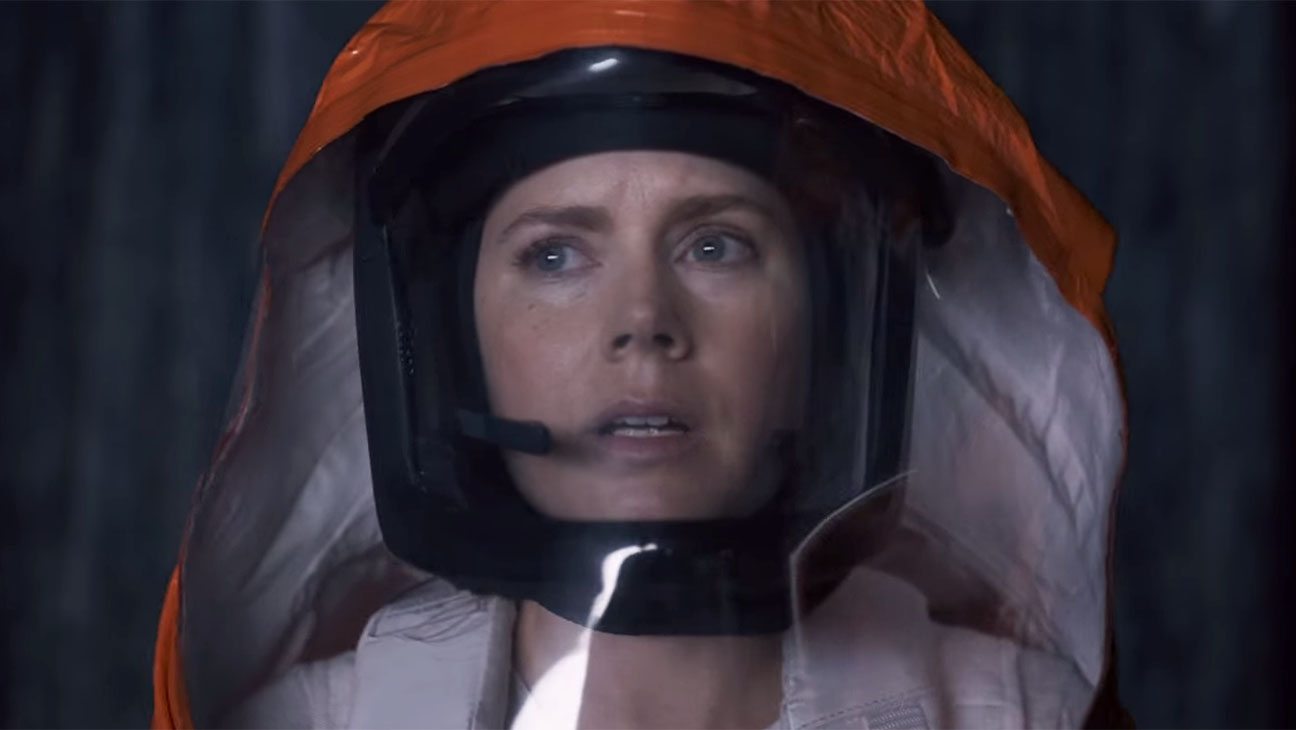
Set in our very near future and based on a short story by Ted Chiang, Arrival is about a linguistics expert, Dr. Louise Banks (Amy Adams) who is drafted to translate the language of unidentified aliens on large, unassuming ships. They show up on Earth unannounced and without much of an impact, except the one made by humanity’s reaction, and Louise has to work with the stalwart military and mathematician Ian Donnelly (Jeremy Renner) in order to understand the aliens’ language and ultimately, their purpose for coming to Earth.

arrival

Much of the movie focuses on this delicate process, forcing us to sit through methodical precautions the scientists have to take before they can step foot on the gravity-defying ship. It’s here that the movie has its best moments, allowing cinematographer Bradford Young (Selma) to establish the wide open spaces and thick fog of Montana that set up how massive this arrival is, and Adams is a consistently believable surrogate for our ongoing observations of these mysteries.

Watching these mysteries unfold, however, is where I suspect some viewers will be turned off, because I certainly was. There’s a grand twist involved that I saw coming far too early to appreciate, disrupting my overall experience because every step after this realization was predictable. It’s here that the puzzle became shown for how drawn out much of Arrival is, and though it’s not unbearable, I couldn’t help but wonder if there was a subgenre the film was presenting that I couldn’t grasp onto.

Arrival is real sci-fi, and its other genres include esoteric themes like discovery, cooperation, and smart people being smart (which I generally love). What usually improves a film like this is something strong like thriller or horror, but Arrival manages to glide by on pure drama (or the illusion of it, at least). Many viewers will be moved by the film, perhaps even to tears and especially if they’re parents, but there’s also a lot of cerebral content here as well, including an existential question that is sure to divide couples who see this film together (and for the right reasons).

arrival

Despite its inherent beauty and the usual trappings that make Villenueve’s work stand out amidst many other fall releases, I walked away from Arrival feeling more uncurious than I was before, and almost a bit slighted by how unfascinating its resolution turned out, even as I allowed myself to get swept up in the score and Adams’ effortless visage of hope and satisfaction. This is the kind of movie just begging to be rewatched, so you can uncover even more details the twist illuminates, but by the end of it, I felt quite done with the story, which felt less inviting for interpretation, and more like a complete thought you may or may not be interested in.

Grade: B+


Thanks for reading this. Seriously. You can subscribe to my posts by clicking “Follow” in the right sidebar. 

Or just say hello on Twitter: @JonNegroni


Review: ‘The Accountant’ Is More Than Just ‘Jason Bourne’ With Autism

accountant

And weirdly enough, The Accountant (starring Ben Affleck) is moderately better than the actual Jason Bourne movie that came out this year.  

From the outset, this somewhat flat-looking action thriller from Gavin O’Connor isn’t done any favors by its own marketing and conception. Because the idea seems to be positioning Affleck as some sort of CIA killing machine who happens to be an accountant for some reason and happens to have mild personality disorders. But in reality, the script is ideally more personal, even transcendent at times compared to previous attempts to recreate autism in an actor who doesn’t have it.

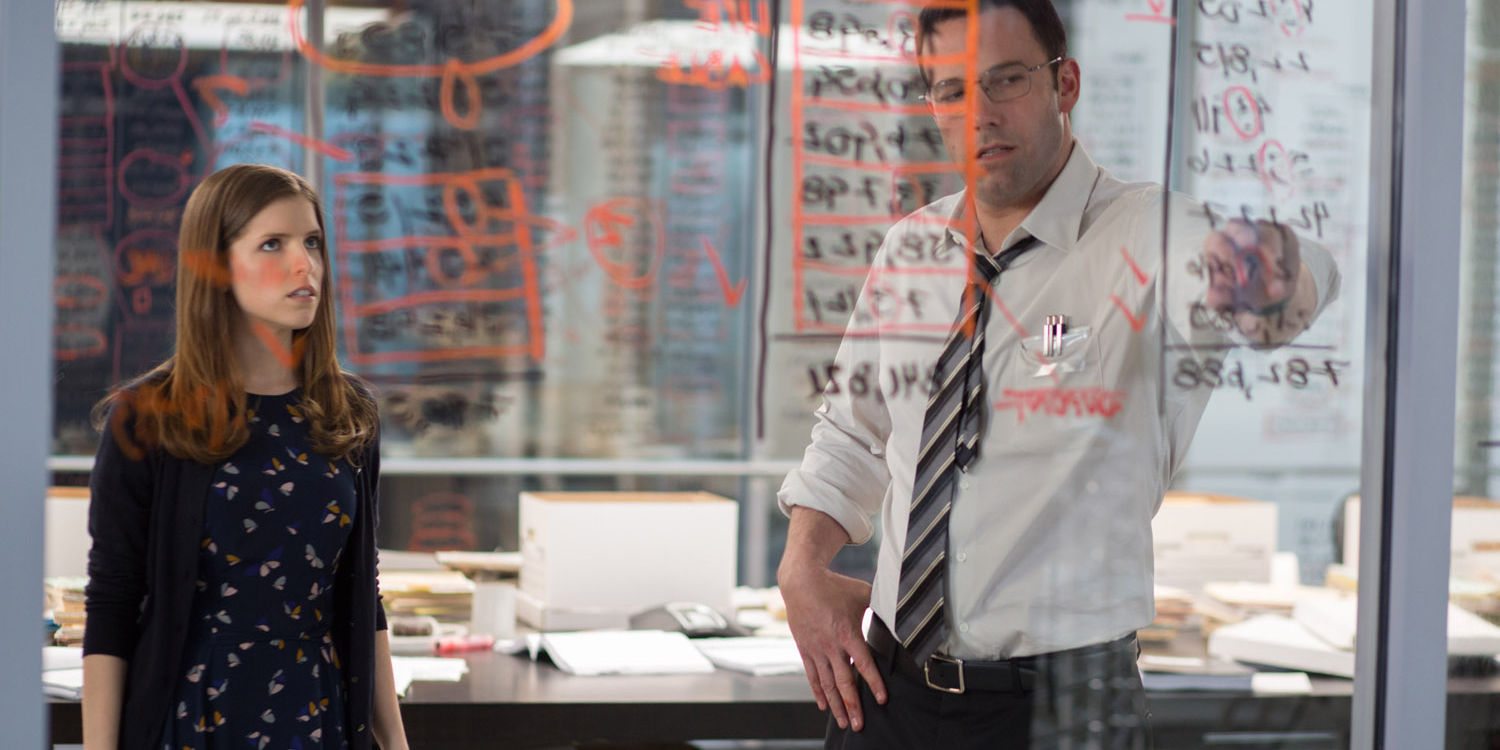
Affleck plays Christian Wolff, a mild-mannered CPA who cooks the books for the most dangerous criminals in the world. Frequent flashbacks show the progress Wolff has made over the years to conquer the negative effects of his high-functioning autism, while still channeling the positives. In this case, he’s driven to finish absolutely everything, no matter the puzzle or challenge, which is why he’s as capable as he is physically and mentally.

If the movie allowed itself to simply focus on just this aspect of the movie, throwing in a new challenge for Wolff as he has to uncover a mysterious accounting error for a large robotics company (and befriending wide-eyed Dana, played by Anna Kendrick, who breathes much-needed life into Affleck’s onscreen presence), then The Accountant could be something great and easy to recommend. But instead, the film opts to throw in various other storylines and pointless mysteries in order to further flesh the world out, possibly for franchising purposes. It’s essentially the wrong version of John Wick, which set up a massive world beneath the text that viewers want more of, which is why that movie is rightfully getting a sequel.

accountant

The odd thing is that The Accountant certainly puts the work in. J.K. Simmons and Cynthia Addai-Robinson play Treasury agents in search of Wolff, but little comes of that development except to put off emotional payments for another time. There’s no fluidity, though, to how they link back to the main plot despite some interesting stakes-raising and the very fact that both actors are incredibly believable in their roles. The same goes for Jon Bernthal as the angsty, sarcastic hit man who regularly appears to add more shock value to the script by Bill Dubuque (The Judge).

To put it more simply, The Accountant is messy and disorganized, despite having a semblance of a compelling plot worth its own movie. Many of the surprises saved for the third act are predictable by the end of the first, and some mysteries end up being far less potent than what audiences will come up with themselves. At the very least, the action is graciously shot by a focused O’Connor, who employs an even style that makes viewers uncomfortable at exactly the right moments, getting them inside Wolff’s head whenever possible to allow some gleaning from his low points.

It’s just too bad the film never allows time for viewers to really understand Wolff’s actions, not just the background for them. Using flashbacks to explain his various character relationships and “powers” is great, but the evolution of Wolff as a person is never fully explored, at the expense of making him harder and harder to care about as the film jumps around to other characters. And if a movie really wants people to buy that Affleck is a math genius and an unstoppable warrior, then it needs to commit to making the case.

Grade: C+

Extra Credits:

  • Jeffrey Tambor is also in this for some reason, so don’t blink.
  • The Batman and DC Comics nods are all over this one. Simmons, of course, is set to play Commissioner Gordon. We see issues of Action Comics here and there. Wolff himself uses money and brawn to fight crime, essentially. He recites the Solomon Grundy rhyme to calm himself, which is a villain from the DC comics. You might recognize Addai-Robinson from Arrow, in which she plays Amanda Waller.
  • My favorite story from production comes from Anna Kendrick, whose mother is a real accountant and had to explain the math to her daughter after reading the script.
  • Oh, and John Lithgow is in this.

    Thanks for reading this. Seriously. You can subscribe to my posts by clicking “Follow” in the right sidebar. 

    Or just say hello on Twitter: @JonNegroni


Review: ‘Miss Peregrine’s Home For Peculiar Children’ Looks Nice, But Feels Hollow

peregrine

Tim Burton’s latest feature film is based on a recent series of novels by Ransom Riggs that center around supernatural children derived from creepy vintage photographs. Strangely, he adapted these interesting peculiarities into a YA novel, just when the idea of magic children attending a magic school was finally being recognized as a tiresome trope (though not in time to prevent this movie from getting the green light).

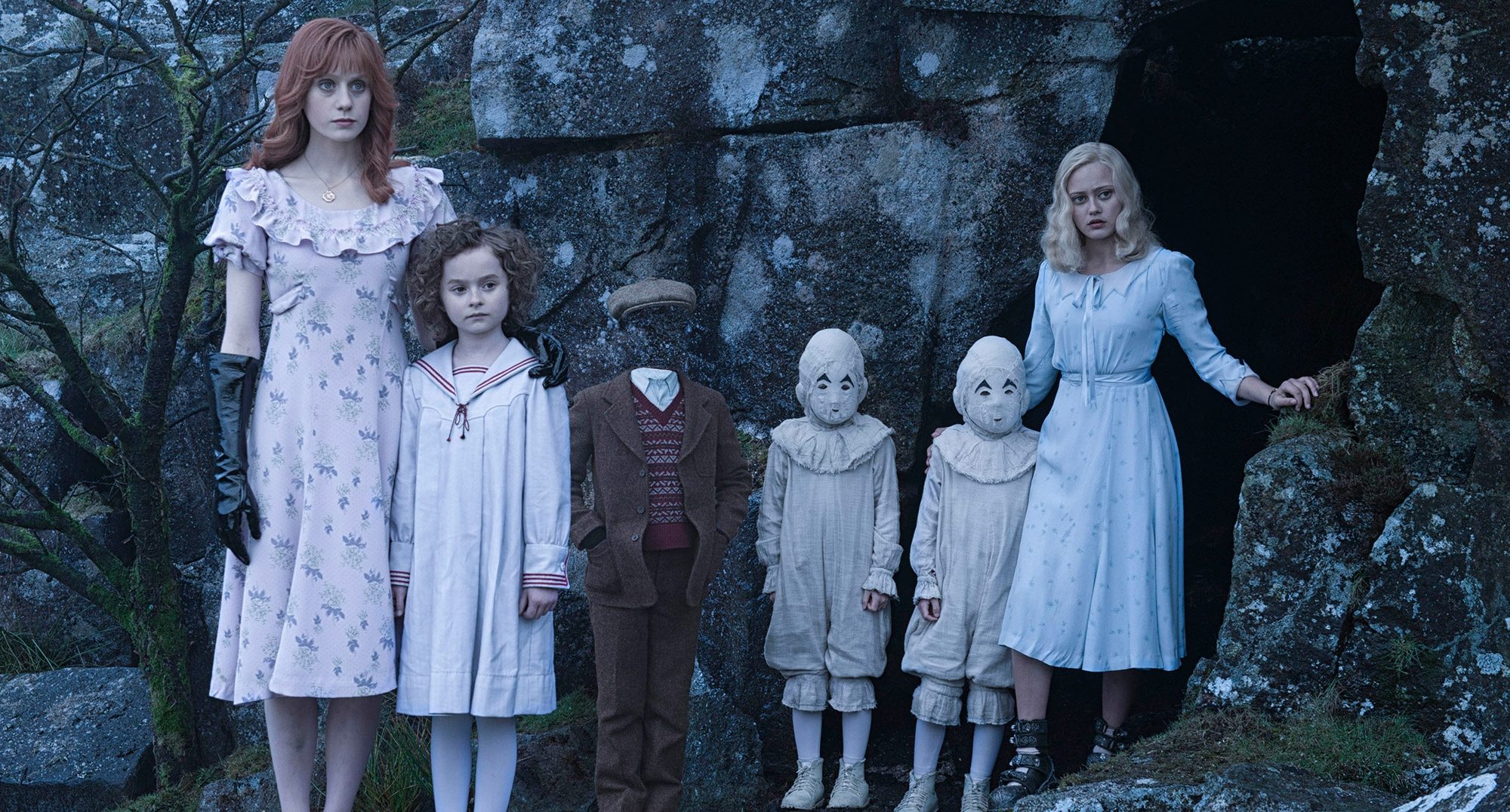
The structure is quite familiar, then. An “ordinary” boy from the Florida suburbs named Jake (played weightlessly by Asa Butterfield) seeks out the wreck of a children’s home in Wales in order to find answers for why he saw paranormal demons connected to his grandfather’s death. What he instead finds is the home quite intact, but trapped in an intentional 1943 time loop, governed by an astute headmistress named Miss Peregrine (Eva Green).

As he gets to know the rest of the children at this home, Jake uncovers a host of mysteries associated with the greater “peculiar” universe (this is a franchise movie ripe for sequels, which is clear early on). And he must eventually aid the children in overcoming the same threat that went after his grandfather, and you about know the rest.

There are only a few nice things to say about Miss Peregrine’s Home for Peculiar Children, so it’s useful to get them out of the way. The most obvious standout is the production design, which emphasizes atmosphere over visual effects to a winning degree akin to last year’s big budget spectacles, Mad Max: Fury Road and Star Wars: The Force Awakens. There are classic Burton tricks pulled off here and there, including some delightful stop motion scenes that ironically feel like the most lively elements of the entire film.

peregrine

Second, Miss Peregrine herself is probably the movie’s most competent character, even if she is criminally underused. Every scene she appears in dramatically realigns into what Burton apparently was gunning for: campy weirdness that shouldn’t be taken too seriously, except for how beautiful it is. Green sells every line with the sort of vampy expression that makes her one of the best in business, and too good for Burton’s drive-thru character direction.

The rest of the film fails on just about every level imaginable. There’s a fantastic looking world for these characters to live in and create moments for, but it’s all undermined by a horrendous script, massive and noticeable gaps in simple logic, and a disastrously wooden performance from a mostly reactive Asa Butterfield, who rivals Anakin Skywalker from Attack of the Clones in terms of sleepwalking through every line, or stuttering into a sudden bout of expression after probably realizing himself that Burton is giving him nothing.

Simply getting through the entire movie is a chore once you stop caring about the abounding exposition and rules Peregrine tries to dump in its first and second acts, a typical YA book movie flaw that is somehow worse here than in Percy Jackson and Divergent. Never mind that the source material itself is too much like X-Men to give this story any sense of originality or surprise—the movie could have still been salvaged by unique visuals and atmosphere. The real issue is that the script is so bland and unimaginative that you’re forced to fixate on the flaws, especially Butterfield’s acting.

Jake is meant to be our audience surrogate—a way in so we can understand this new world as he does. But the character does little more than ask everyone questions and react stone-faced to most of the answers. The children themselves are rough sketches of interesting ideas, but Burton never commits to making them feel like real people who have to live in an endless time loop (a huge missed opportunity for someone who’s so good at happy melancholy). Their personalities are relegated to their powers, which are useful for some of them about once or twice throughout the whole runtime.

peregrine

Worse, Terence Stamp, Chris O’Dowd, and Eva Green are granted with great potential to turn the film around, but as noted for Green earlier, they’re underused to a dismal fault, most of them disappearing entirely for long stretches of the film in order to give more time to whatever Samuel L. Jackson was trying to do as “evil peculiar” Barron, who is about as frighteningly incompetent as Jake, oddly enough. Countless times in the film, both the main villain and hero have obvious chances to defeat the other, but they just don’t. They either do nothing or act completely against reason until the resolution finally presents itself, which comes as a relief for all of the wrong reasons.

Miss Peregrine’s Home for Peculiar Children tries hard in some ways, but overall, it’s a travesty of bad storytelling that should either be avoided, or watched on mute.

Grade: D+

Extra Credits:

  • Why in the world is Judi Dench in this movie?
  • Also, how in the world did Burton direct Allison Janney to be amazingly flat in every line?
  • I could talk more about the great production design, but it’s just depressing to even dwell on the wasted potential.
  • I hope beyond hope that Eva Green doesn’t get squandered yet again by Burton in more movies. Dark Shadows should have been the first red flag.

Review: ‘The Magnificent Seven’ Is Enjoyably Average

magnificent seven

In 1960, The Magnificent Seven came about under the direction of John Sturges to limited acclaim. Critics didn’t love it because Akira Kurosawa’s Seven Samurai (of which Magnificent is adapted from but with a Western spin) was still a near-perfect film fresh on everyone’s minds. In the decades since, critics have grown to appreciate Magnificent Seven more due to the cascading success of the film’s actors, and it’s hard to deny the sheer entertainment value to be had in the first 2/3rds of that film.

As someone removed from that era entirely, I found the 1960 adaptation to be a forgettable shadow of Seven Samurai — but I’ve always been interested in the idea of updating the original concept with heavier themes, better visuals, and other details it could rightfully borrow from Kurosawa’s work.

Yes, Magnificent Seven has had sequels and even a TV show since its mid-century release, but we now have a modern remake in the fashion of 2010’s True Grit. The only difference, though, is that Grit managed to be a remake with a purpose. By comparison, the 2016 Magnificent Seven is more akin to a video game made from the movie. There’s more violence, the characters’ stories are tossed aside for manufactured movie moments, and there’s little reason to watch this one outside of seeing a fast-paced action Western. If that’s what you want out of Magnificent Seven because you have some sort of sketched idea of what the original (and the original before that) had to offer, then you’ll probably walk away satisfied.

Directed by Antoine Fuqua (Training DayThe Equalizer), this new take on Magnificent focuses on Rose Creek, an American frontier town under siege by a robber baron aptly named Bartholomew Bogue (Peter Sarsgaard), who mostly mumbles vain platitudes about how capitalism justifies his boring villainy. This is a strange departure from the small Mexico town victimized by bandits in the 1960 version, made more confusing by the fact that this change to Rose Creek holds little meaning outside of a desire to keep things American, which has all sorts of troubling implications if you think about it too long.

magnificent seven

To ward off Bogue’s militia, newly-widowed Emma Cullen (played by Haley Bennett) seeks out the help of Sam Chisholm (Denzel Washington), a warrant officer from Kansas who in turn recruits six other mercenaries from around the area. They include wise-talking and gunslinging Joshua Faraday (Chris Pratt as Star Lord in the West, essentially),  a confederate sharpshooter (Ethan Hawke), his knife-throwing Chinese “manservant” Billy Rocks (Byung-hun Lee), frontier survivalist Jack Horne (Vincent D’Onofrio), a gruff Mexcian outlaw Chisholm was previously in pursuit of (Manuel Garcia-Rulfo), and a Comanche archer named Red Harvest (Martin Sensmeier). 

A significant amount of time in Magnificent Seven is spent fleshing out character skill-sets more than anything else, like why any of the mercenaries are willing to put their lives on the line for strangers. The film tries to posit this as some sort of “Eff it” mentality that might be mixed in with a soft decency that doesn’t come across in any performance, especially with Faraday, who seems to change his temperament based on the position of the sun. Chisholm is the closest to having any real sense of intention in the script, and there could have been real opportunity to make his growing affection for the rest of the cast convincing. But unfortunately, Washington brings almost zero nuance or heart to the role, and the entire ensemble suffers for it.

There are flaws aplenty in the film’s basic narrative structure and script that prevent Magnificent Seven from ever having an affecting impact. But at the very least, it competently accomplishes what it set out to do. The half hour or so of nonstop gun-toting action is thrilling to watch, and you might care enough about some of the characters involved (if not the one-note villain) to share some of their tension as the odds grow ever against their favor. But once the dust settles, you’ll start to wonder what the point of all this endless violence really was as the film rushes to the finish line with as little effort as possible. There’s no reflection on much of anything important that the film accidentally managed to say.

Grade: C+

Extra Credits:

  • I love Matt Bomer, and there is no reason for him to be in this movie (for about four minutes).
  • The late James Horner composed the film’s score (which is fantastic), and it’s also his last composition.
  • Believe it or not (and I checked), this is the first western Denzel Washington has starred in. What a waste.
  • So…Chris Pratt. Honestly, I think the actor was underserved here, same as Washington. The film would have been saved if the script had gotten their chemistry right, but there’s nothing to see here.
  • Review in four words? “The quintessential RedBox movie.”

    Thanks for reading this. Seriously. You can subscribe to my posts by clicking “Follow” in the right sidebar. 

    Or just say hello on Twitter: @JonNegroni