It’s just us girls this week — Maria and Bridget — talking about personal stuff; and by ”talking” I mean Maria asking questions and Bridget hating Maria for it. And by ”personal stuff” I mean questions about our favorite movies and what they mean to us.
After making Bridget uncomfortable, we move on to talk in depth about the latest Netflix series 13 Reasons Why and how it represents suicide, teenage depression and bullying.
Then, during the Comment on your Comments section, we have a sequel to our previous Science throwdown, although this time it is less intense and more amicable.
Question of the Week: What Netflix shows or movies do you recommend?
Big Hero 6 is being made into an animated series on Disney XD, set for sometime in 2017. For those of us still hoping for a Tadashi comeback, this is a good thing.
You can read a full transcription of the video above here.
Hey friends, hope you enjoy the video this week. My new channel, Jon in Theory, is growing pretty well so far, and the feedback has been awesome since last week’s Doctor Strange video.
Be sure to send me your content suggestions, even if it involves topics I’ve already covered on this site. I’m even planning an updated Pixar Theory episode, which would be quite the undertaking. Again, send me any ideas you think are worth exploring.
One last thing: I want to plug my weekly live show yet again, The Pixar Detectives, which you can check out on Super News. Every Wednesday at 7pm (Pacific), Kayla Savage and I nerd out about Pixar and Disney movies, and we’ve been doing weekly giveaways, like Pixar T-Shirts, paperback copies of ThePixar Theory, and plenty more.
The audience on that show has become huge in recent weeks, and while that’s great, I’m definitely hoping more of you lovely readers check in as well to see what all the noise is about. Last week, for example, we did a live tutorial on how you can draw Doctor Strange as a Pixar character. Next week, we’ll be exploring Moana during an on-location pre-screening, so be sure to check that out, too.
Alright, that’s all from me. Let me know your Big Hero 6 theories in the comments below!
Thanks for reading this. Seriously. You can subscribe to my posts by clicking “Follow” in the right sidebar.
At first glance, Allegiant seems like an attractive step forward for the somewhat stale YA dystopia trope. It eschews the clunky “Part 2” title in favor of a final movie that will receive a new name altogether (Ascendant). And for a book series that has as many structural problems as Divergent, any change to the source material is welcome.
Unfortunately, Allegiant is just a bigger and more chaotic copy of the first two Divergent movies, narrowing in on many of the themes and plot dynamics that have repeated themselves constantly (seriously, how many characters in these movies need to switch sides for no apparent reason just to move the plot forward?)
Now that the factions of Chicago have rid themselves of the malignant Erudite, two sides have risen up to take control: the Allegiant, made up of the people who want to return the city back to five factions; and the factionless, who want to rid the city of this system altogether.
Rather than pay any sort of attention to the obvious war brewing, Tris (played here by a static Shailene Woodley) and Four (Theo James carrying most of this film’s better moments) gather their friends in order to escape the city in search of the people who put them there in the first place. Eventually, they come across an organization they learn is experimenting on Chicago in order to create a perfect human society. As expected, this comes at a cost that not everyone part of “Team Tris” is on board with.
What kept the first Divergent somewhat breezy and passable was its simplistic plot. You could explain in a few sentences who the main character was and what she wanted. With Allegiant, it’s exhausting trying to understand who any of these characters are, what they actually want, and what needs to be done. This is partly because the movie fails on almost every level when it comes to defining these characters’ motivations.
There is no clear motive behind the conflicts that occur between the various factions ranging from the Allegiant all the way to the Bureau. Exposition is provided of course, but the acting is so stiff and wooden, this dialogue sounds like more white noise piled on all of the nonsense spoken before it. The movie talks at the audience endlessly, but you never get a sense that the these characters are believably communicating with each other.
Four and Peter are notable exceptions, as usual. Their characters seem to have at least some coherent story arc that makes for some interesting drama. Shailene Woodley is mostly pushed to this side this time around, being forced to react tirelessly to the rantings of the Bureau’s leader, David (played by Jeff Daniels).
Some interesting sci-fi elements provide at least a little imagination to this dull, uneventful prologue to the final chapter, but even the production value seems to be slipping from the previous movies. Many of the effects look unfinished, and the attention to detail has never been so obviously lacking. Early on, a character is shot in the head at point blank range. A second later, we see his body dragged with the back of his head in plain view. There’s no indication whatsoever that he was shot.
Odd continuity errors plague Allegiant throughout, and they’re emphasized by an apparent desire to stretch the movie’s running time with pointless, lingering shots of characters either gawking at each other or staring at mundane landscapes. Strange, considering the film feels 30 minutes longer at just a minute past 2 hours.
It’s a shame because there are corners of this series that could allude to some interesting discussions. There’s much to be said about how trying to control the very emotions and genetics of human beings could be manipulated in order to build a peaceful society. But Allegiant lends no moral ambiguity to the villains of this film, instead forcing mindless acts of villainy coupled with repetitive betrayals in order to justify the direction of the plot. As expected, even the younger target audience is a bit too intelligent to get fooled by the artificial recipe of this unimpressive sequel.
Grade: D-
Extra Credits:
It’s no secret that I carry a lot of disdain for this franchise, as well as the book trilogy. Still, I can’t believe I expected more from a premise that boils down to someone being too special for a personality test.
Not even the camerawork gets a pass. At one point, the camera zooms in on a characters’ face and then abruptly shifts to a medium shot. It’s amateurish to the point of disbelief.
Shailene Woodley can, and has, done so much better. Here’s hoping she makes enough money from this franchise so she can go back to films that have craft.
Director Robert Schwentke won’t be directing the final Divergent film (he also did Insurgent). I’m glad because after this and R.I.P.D., Schwentke could use another Red.
[UPDATE: Well, it’s happened people. A Hey Arnold movie has officially been greenlit.]
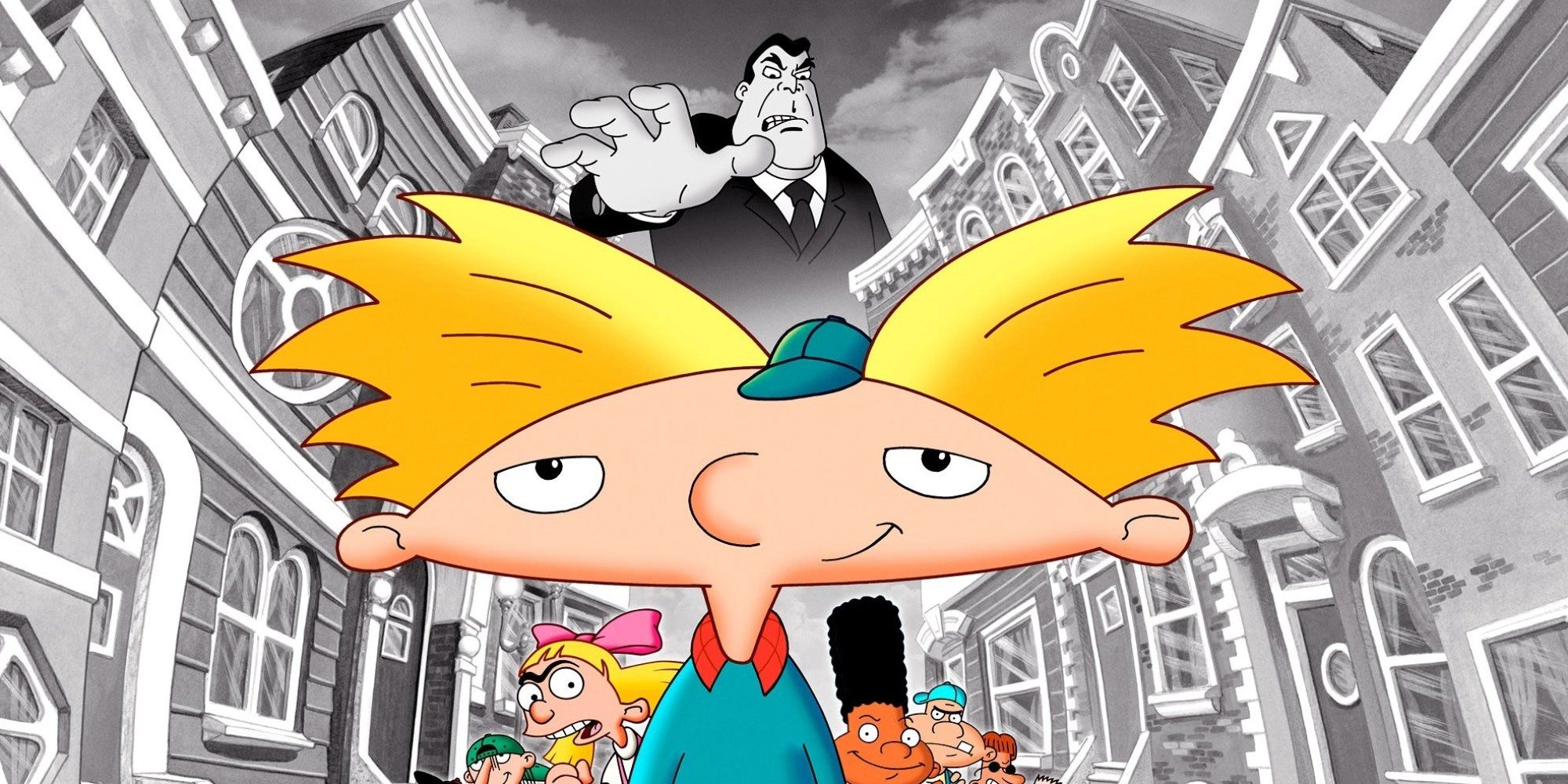
It’s been almost 19 years since the first episode of Hey Arnold premiered on Nickelodeon, and it’s been 11 since the series ended. That’s a lot of time, and yet many people still remember and love this show. There are a lot of reasons for that.
Hey Arnold was created by Craig Bartlett, who wrote Rugrats and married the sister of the guy who created The Simpsons. He even voiced some of the characters. And in many ways, Hey Arnold was and remains unlike any other cartoon on television.
Itwas about a fourth-grader named Arnold growing up in a fictional (and unnamed within the show, though it’s later called Hillwood) with his friends. The city was a mashup of familiar locations like Seattle, Chicago and New York, but it built its own identity as a believable location without ever needing a label (much like how Arnold himself never needed a last name).
Arnold lived with his grandparents in a grungy boarding house with a couple that fought all the time, an international spy, a hotheaded construction worker, a Vietnam refugee (that Christmas episode, though), and many others. The show put effort into exploring all of these relationships, as well as the lives of Arnold’s close friends at school.
These school kids were such well-developed and interesting characters that the show routinely featured them in their own episodes, some without any hint of Arnold himself. Characters like Harold, Eugene, Sid, Gerald, and even Stinky all had well-written episodes devoted to them. It’s hard to think of any other show on any network that his such a big catalogue of characters with rich backstories.
But much of the show’s success and impact is due to how comfortable the show was with exploring the lives of the girls at this school, not just the boys. Rhonda, Phoebe, and of course, Helga, all had many episodes of their own, despite Hey Arnold being originally conceived as a show for young boys.
For this reason, everyone had a reason to like Hey Arnold. If you didn’t really care for Eugene’s accident prone problems, you could always wait for the next episode about Rhonda learning humility and having to wear glasses. Or watch Arnold befriend a man who can fly with pigeons in one of the most surreal, yet metaphysically enthralling, episodes it ever made.
Hey Arnold is, without a doubt, a unique show that deserves all of the nostalgic praise it gets. But how did it end?
The show was famous for raising lots of questions without ever paying off the answers. While some mysteries, like Arnold’s last name, were never revealed, other curious story arcs developed slowly over time, like the origin of Arnold’s parents and whether or not Helga would ever tell Arnold how she feels.
Or if Brainy ever got his head checked out for internal bleeding.
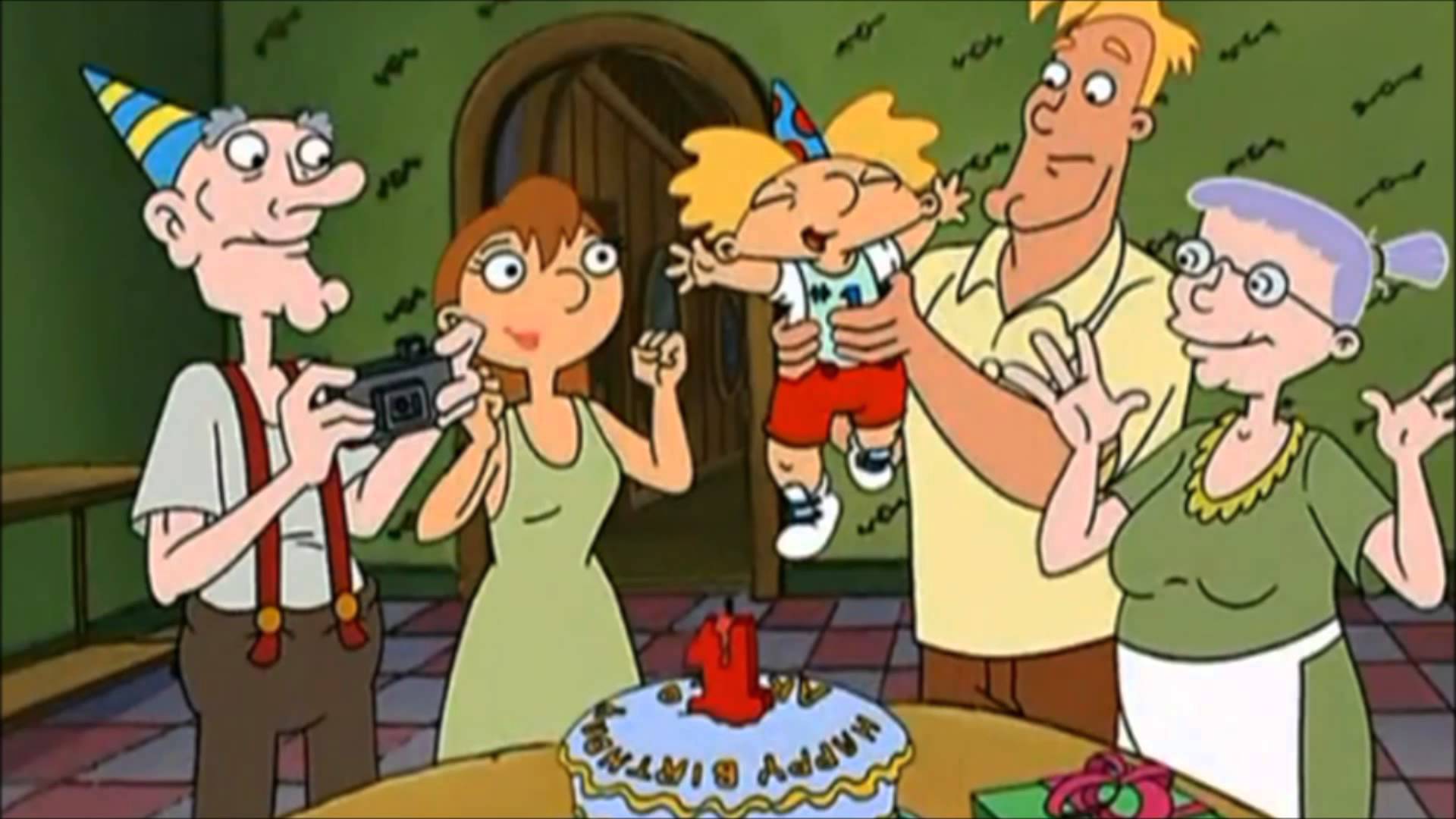
It wasn’t until years into the series that the episode, “Parents Day” finally gave viewers an answer to where Arnold came from and what happened to his parents, Miles and Stella. We found out that they were wilderness explorers who traveled the world like Indiana Jones and Lara Croft (Stella even wore a shirt right out of Tomb Raider).
But some time after Arnold was born, they vanished during an expedition to San Lorenzo, leaving their baby in the hands of his grandparents.
Years later, the series offered even more insight into what specifically happened to Arnold’s parents in the last episode that was ever produced (though more episodes were later released that happen before “The Journal”).
Arnold found his father’s journal, which revealed a lot about his parents’ adventures. He learned that they journeyed back to San Lorenzo (where Arnold was born to help a mysterious tribe known as the “Green Eyed People,” whom they had befriended years earlier. Stella was a doctor, and the Green Eyed People had been stricken by a disease. Since Stella and Miles were the only people they trusted, the parents had to leave Arnold and go save them.
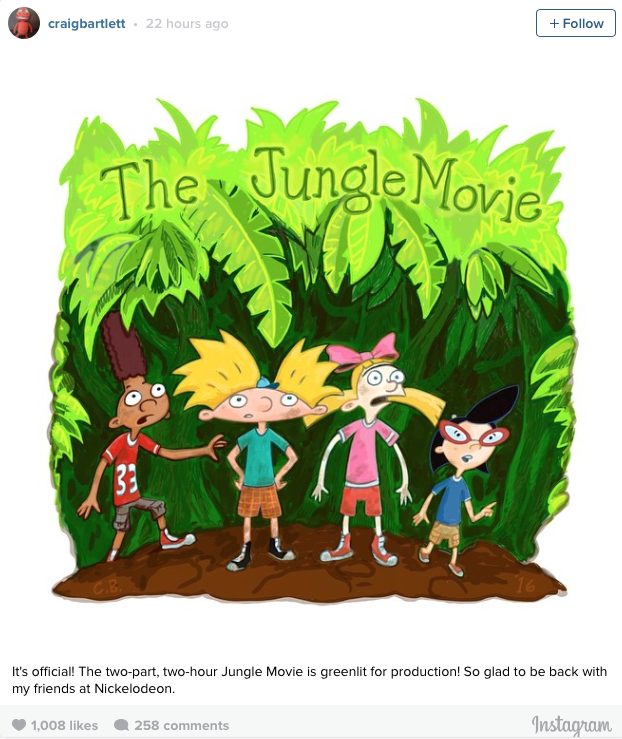
They never returned, of course, but Arnold found a map in the back of the journal. The series actually ended with Arnold telling this to his grandparents, implying that the story was not over. Nickelodeon was going to produce amovie called Hey Arnold!: The Jungle Movie to finish the series, but they ended up making Hey Arnold!: The Movie instead, which was based on the planned TV special, Arnold Saves the Neighborhood.
The movie made a lot of money, but fans weren’t very pleased.
Concept art for “Hey Arnold!: Jungle Movie”
Nickelodeon was planning on making another theatrical release for “Jungle Movie” despite the unsuccessful first attempt, which is why they produced “The Journal” to set it up. But disagreements between Bartlett and Nickelodeon caused the complete end of the series, including the movie.
Basically, Nickelodeon demanded that Bartlett only create shows for their network, but he refused because he was working on a series for Cartoon Network.
As a result, Hey Arnold and its finale movie were cancelled.
OK, fine, here it is.
For the longest time, I thought this was a sign of a theory I had about Arnold and his grandparents. Basically, I just assumed that none of these things about Arnold’s parents were true because they were so fantastical. They reminded me of the dream sequences Arnold would have in the first season, which positioned him as a more imaginative kid.
So when “The Journal” came out, I started to think that Arnold’s grandparents had planted that journal and even the photos. And I believed that they invented the story to make Arnold feel better about his parents abandoning him or passing away tragically.
But this theory is false. Bartlett was clearly working on a movie that debunks that, as we have ample concept art and plot lines that have been leaked over the years. There was no “hidden story” here for us to bother discussing.
Over the years, fans have clamored for Bartlett and Nickelodeon to revive the movie and finish the series strong. Despite rumors since 2012 that this could happen, no one has said anything official, which means it will likely never happen, and that’s not surprising.
In Nickelodeon’s defense, they’d be spending a lot of money to do a movie that most of its current audience wouldn’t have any previous knowledge of. At this point, only millennials like me remember this show, and many of us are too old to spend money on a Hey Arnold movie (besides me and probably anyone reading this).
We’ll probably never know what happened to Arnold’s parents, but there is one other massive plot thread that did get confirmed, and it’s sort of depressing. Unfortunately, Helga and Arnold never end up together.
Remember All Grown Up? The Rugrats spinoff that aged the characters and followed their lives as preteens and basically ruined Nickelodeon’s flagship series after two surprisingly decent seasons?
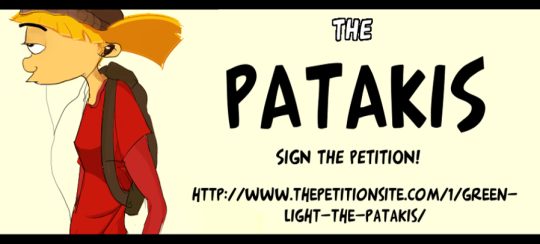
Well, the same thing was planned for Hey Arnold, but without Arnold. It was centered around Helga as a teenager at age 15, and it was simply called The Patakis. A fun surprise is that the show was deemed too dark for Nickelodeon, so it was planned to debut on MTV. Sadly, it never got off the ground.
Fans aren’t ready to give up quite yet.
The kicker is that in this spinoff, Helga has somewhat moved on from Arnold. For unexplained reasons, Arnold moves away from the city (maybe to live with his parents in San Lorenzo), so The Patakis would have focused only on Helga and some of the other characters from P.S. 118.
We don’t know much about the show, but Bartlett and other sources have given us small peeks at what could have been. Helga and Arnold apparently dated for a while, but they broke up. She’s still crazy about him when the show starts, and she writes him letters every night that she’s too scared to actually send. Her new “Arnold shrine” is now a binder with all of these letters.
Seriously, imagine how seriously interesting it would have been to watch an older Helga move on from Arnold and find something else in her life to hold onto, besides the unrequited love of a kid who showed her love at the lowest point in her life. It would have done wonders for this character.
This “updated” Helga wants to write books and still has that grumpy edge to her. She still has the unibrow (thankfully) and even the classic pink bow under her cap. The pilot is about how Olga has become the black sheep of the family in pursuit of an acting career. Her father, Big Bob, is selling cell phones now instead of beepers, and Miriam is in AA (apparently our suspicions were correct in assuming there was another ingredient in those “smoothies”).
Other Hey Arnold characters were planned to be in the show, including Gerald and Phoebe as a stable couple, Sid, Stinky, and even Brainy.
Assuming he survived this long.
Like Legend of Korra, this series could have been a fresh start built from the legacy of a previous series. In fact, I could still see the series happening since it wouldn’t necessarily have to rely on fans of the original show to fuel it. Just look at how other nostalgic favorites like Boy Meets World and Full House are being revived on Disney and Netflix.
So perhaps one day we will get the answers Bartlett has been keeping from us likely for the sake of his own sanity. In a world where Kickstarter and social media campaigns dictate the next craze derived from our unwillingness to let go of our respective childhoods, The Patakis is more than a safe bet.
After all, if Generation X gets to see Transformers turn into four incredibly mediocre movies, then why can’t we get just a season of our favorite football head? Or at least his girlfriend.
I’m Jon and thanks for reading this. You can subscribe to my posts by clicking “Follow” in the right sidebar. Or just say hey on Twitter! @JonNegroni
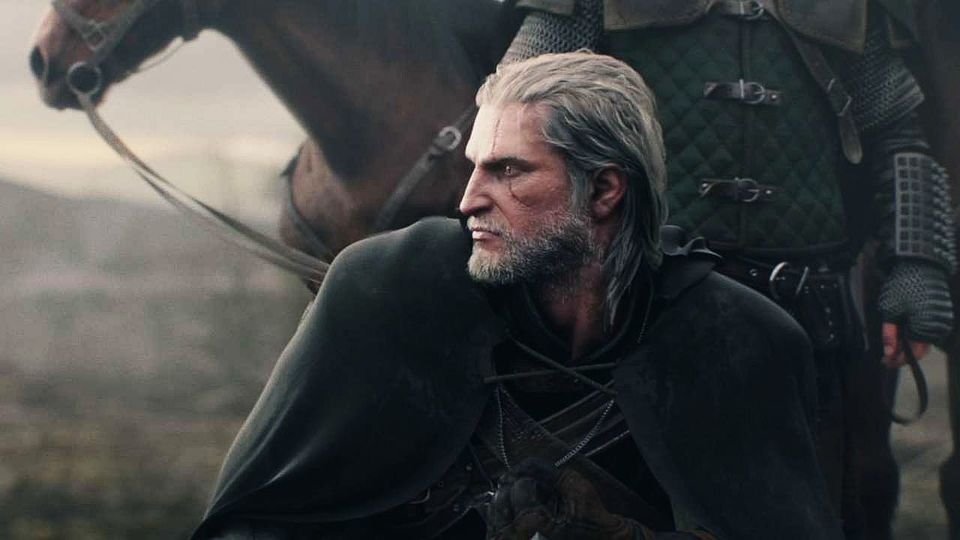
Adapting movies from video games is no easy thing. It sparks fear and discord among burned Hollywood executives who’ve had to throw money in the trash for Super Mario, the Prince of Persia, and Hitman (and possibly again with Agent 47). Why would The Witcher be any different?
This is a recent post I published on Moviepilot concerning the future of The Witcher, a popular series of video games adapted from short stories and novels written by Andrzej Sapkowski. In it, I give a crash course on what The Witcher is, where it came from, and where it’s likely going.
Needless to say, I think this franchise is gearing up for a massive release across mediums. And we should all take notice.
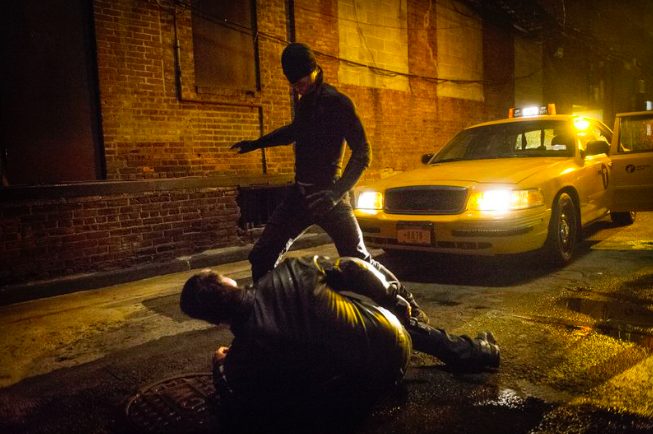
Daredevil is the best (and bloodiest) show Marvel has made yet.
With so many new superhero shows on television, Daredevil successfully raises the bar. As Marvel’s crop of TV projects have evolved from decent (Agents of SHIELD) to excellent (Agent Carter), Daredevil pushes the envelope by going down dark paths the Marvel Cinematic Universe hasn’t gone down before.
This review confirms that Daredevil takes place in a New York City torn apart (metaphorically) by the damage we saw in The Avengers, three years ago. I wasn’t expecting such a direct tie-in, but man if I can’t wait any longer to check this show out.
The premise is what hooks me the most. A world where the Avengers have failed New York, and your only hero is a blind vigilante. Just perfect.
Deadlinealso reviewed the show, saying “Marvel’s Daredevil is the TV offering from the superhero giant that we’ve been waiting for.” TheWashington Post aptly named it a “creative bullseye” for Marvel.
If you have a Netflix account, you can start streaming the series in its entirety on Friday.
Not caught up yet to this chapter? Check out our Table of Contentsto get all caught up.
It’s here! And I don’t think you’re going to be disappointed. Chapter 23 is…well a special chapter. I don’t want to say anything else, but I really doubt any of you are ready for it (I know I wasn’t, and I wrote the thing).
This week’s chapter is titled “And Beyond.” As you’re reading over the point of view sections and following the new story developments, I challenge you to take this title to heart. What does it mean? Why are these events being intertwined for this chapter? Do this, and I think you’ll gain more from the chapter than you would otherwise.
But I’m getting ahead of myself! We’re getting close to the halfway point for the end of the series, but I still have a lot more story to share with you. I do hope you enjoy.
Previously, on The Pixar Detective!
Stevin, Wallaby, Sadie, and Mr. Sumner have joined a mysterious explorer named Kevin Sohn on a dirigible that is traveling to France. Their mission is to discover what Mary was up to in the days leading to her disappearance.
Elsewhere, Robert Best is on his way to unite a group of misfits known as the Unforgivables. As you may recall, Robert is an Alumni with Pixar University, the same organization that Alec Azam worked for. Now that he’s up against supers, he and his partner Rey (also known as Mirage) must now rely on these “Unforgivables” to help them track down and defeat Kevin Sohn, who they refer to as “the poacher.”
Of course, Dark Sadie and Dark Logan, the brainwashed supers controlled by BnL, are still hunting Stevin and his friends. Will they ever catch up in time? Find out!
You can use the prompt on the sidebar to subscribe for updates, or just follow me and Kayla on Twitter to stay connected – @JonNegroni – @KaylaTheSavage
Thanks for reading! What did you think of Chapter 23?