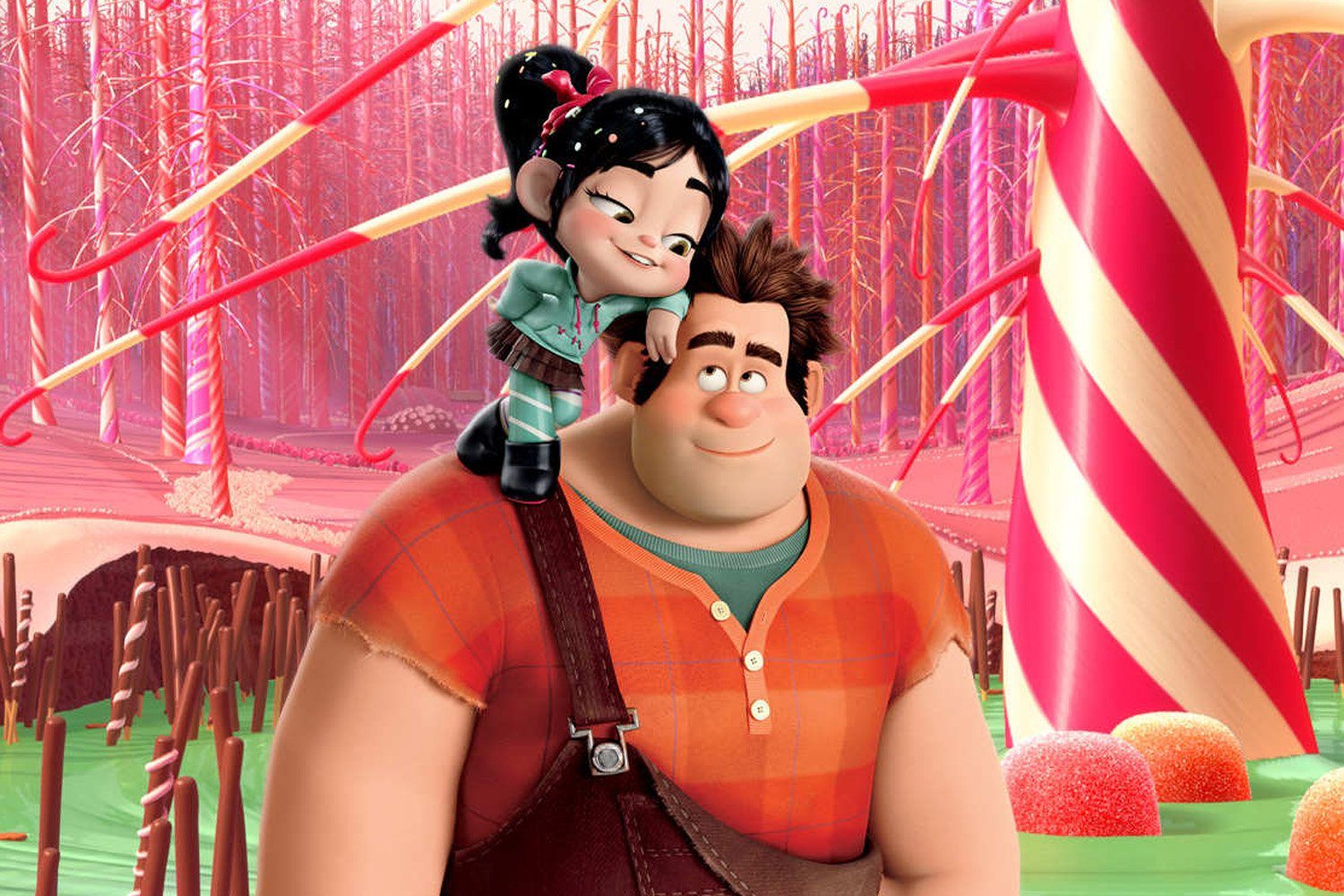
Unopinionated: ‘Wreck-It Ralph’ Is Disney’s Best Computer Animated Film

wreck-it ralph best disney

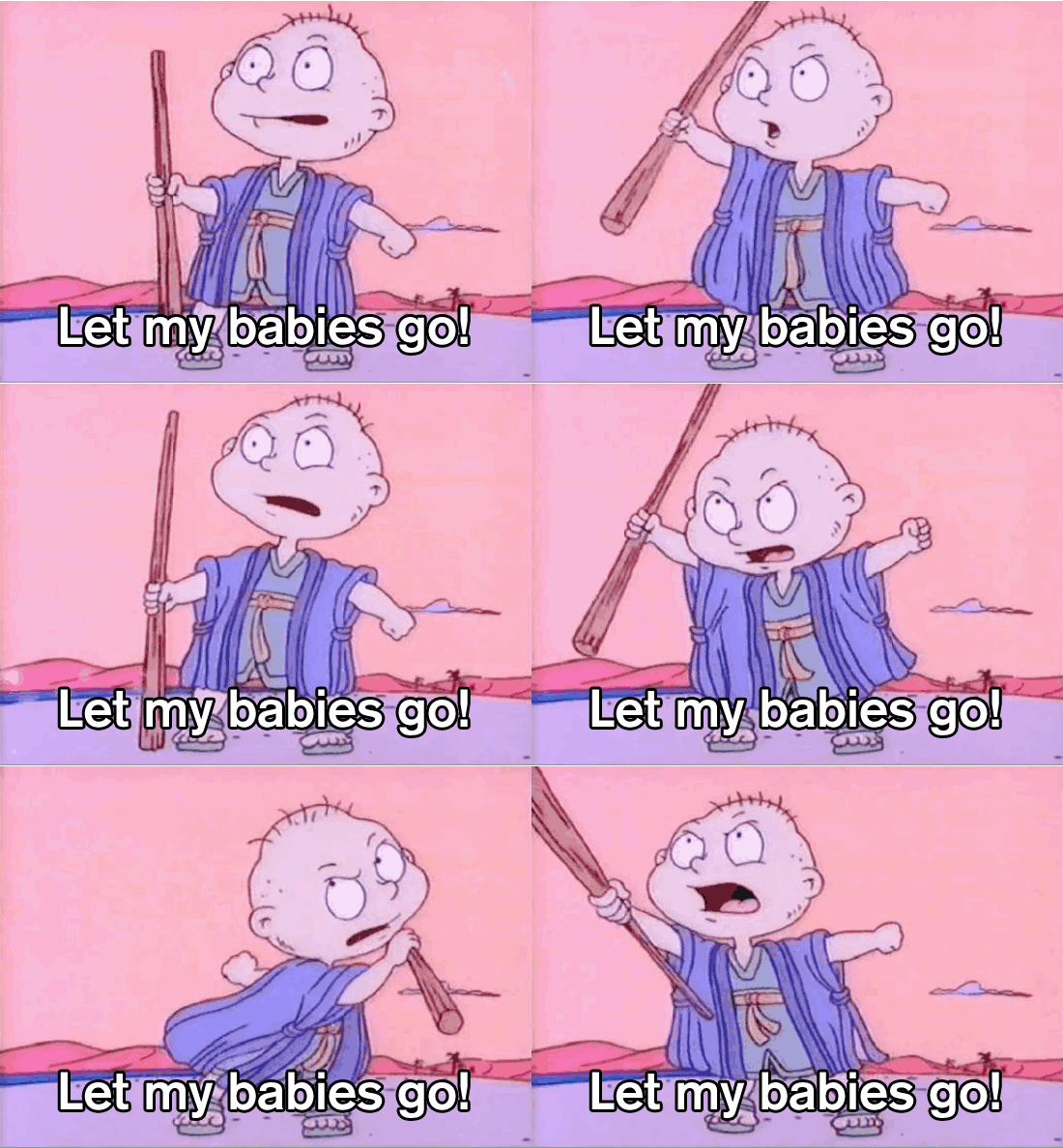
In last week’s podcast, my cohosts and I discussed which recent Disney movie is the best, and I’ve gotten a lot of questions about my decision, Wreck-It Ralph, since. In an effort to make my case, here’s why the movie transcends many of its peers by the same studio.

Legendary animator Glen Keane was the original mind behind the story of Tangled, about 14 years before it was actually released.

At this point, it was still called Rapunzel, and what was about to be Disney’s first computer animated fairy tale was shut down before being rebirthed by Disney’s new hire, John Lasseter, who triumphantly returned as their chief creative officer after being fired decades earlier. The rest, including Tangled‘s massive success despite being the most expensive animated film ever made, is history.

With Tangled, Disney learned that a big gamble could pay off as long as the right creative minds were in charge of the vision. And that’s probably why they went ahead with their next risky release, Wreck-It Ralph, an animated video game movie that Disney had been trying to get off the ground since the late 80s (it was originally called Joe Jump, and then Reboot Ralph).

In fact, if any comparisons are to be made between Wreck-It Ralph and Toy Story, one can reasonably argue that this is because the concept for both films was being formulated at around the same time. It just took Wreck-It Ralph, a film about what video game characters in an arcade are doing when humans aren’t around, well over a decade to be released.

The comparisons between Wreck-It Ralph and Pixar don’t end there, as it is certainly the closest Walt Disney Animation (the studio) has ever come to delivering a computer animated movie that rivals its most prestigious studio. In fact, it’s not outrageous to say that Wreck-It Ralph surpasses some of the best animated movies in all of Disney’s pantheon.

wreck-it ralph best disney

There’s a lot to be said about how enticing the idea is that our video games (much like our toys) have worlds of their own, the way we like to imagine them. What Wreck-It Ralph does with this concept is dense, as it focuses on the inner turmoil and outer exploits of a villain programmed to be a villain, rather than the flawed hero archetype Pixar has done so well exploring with their Toy Story franchise.

Warning: spoilers for Wreck-It Ralph follow.

In a way, Ralph himself is not a villain, really. He’s nothing more than code, and the film goes out of its way to promote the concept of a “Code” that dictates much of what is out of our control. In Ralph’s case, he’s a video game villain who gets no respect (or love for that matter) from the denizens within his very own game. It’s only when he attempts a pilgrimage outside of his narrow limitations that he’s able to find a kindred spirit in a “glitch” character named Vanellope, who is also ostracized for reasons beyond her own actions.

The two of them eventually learn to live with their inherent burdens without having to escape their responsibilities, a very practical lesson for children and especially young adults confused by the collateral damage that comes with wanderlust. Rather than abandon the people who rely on you, Disney propositions that maturity and respect come from a healthy understanding of who you are in the world.

That doesn’t mean you can’t change your circumstances — Ralph certainly does this in the end by fulfilling his duties without being hated by everyone. But it does mean that your preconceived solution to problems like discontentment and loneliness may be terribly incorrect.

wreck-it ralph disney best

For Ralph, the solution to his problem wasn’t to earn someone else’s medal, it was to understand that being a villain doesn’t have to mean that people will hate him for doing his job. Vanellope assumed that winning the race would solve her problems, but it was revealed that she was, in fact, a victim of a much larger threat. Disney’s parallels here illustrate how some people are “losers” (which I don’t mean in a nerdy connotation), while others have more liberty to change their life for the better as winners. There’s no easy solution to fractured environments, but more often than not, it comes down to liking who you are in spite of how others see you

This is a tricky message, and one of Disney’s boldest, simply because it’s easy to misread the message as approval in the idea that people are free to do what they want recklessly, despite how this behavior turns out badly for Ralph. At the same time, everything works out for Ralph and his friends because he initially made mistakes, putting forth another message that bad things with good intentions can sometimes have good consequences (a clever parallel for the movie’s plot).

All of this gets to the heart of why Wreck-It Ralph is one of Disney’s most powerful films yet, but it’s accompanied by the same masterful production value that comes with the brand. It’s visually gorgeous. The action is quick and memorable. But its most impressive feat might be how well every subplot is tied together with the main story without losing the viewer’s attention. When everything comes together in Wreck-It Ralph, not a single character, detail, or even joke seems wasted.

And of course the movie is a treasure trove for video game lovers, years before Pixels would attempt the same nostalgia trick. Wreck-It Ralph graciously keeps the attention off of these jokes and references, however, in order to preserve the strength of the core characters.

wreck-it ralph best disney

Little touches throughout the movie contribute even more to the overall quality of the film. It’s amusing (and welcome) to see a young girl playing the violent Hero’s Duty while two boys aggressively fight over playing Sugar Rush. It’s a subtle reminder that some stereotypes certainly exist, and others exist to be defied. There’s nothing wrong with a young girl wearing pink, and the same goes for that girl also wanting to play a first person shooter. It coincides nicely with Vanellope stating she’d rather be a president than a princess.

Wouldn’t we all?

Grade: A

Wreck-It Ralph is one of my favorite Disney movies, and I enjoy how its spiritual successor, Zootopia, pushes this type of meaningful storytelling forward with similar thoughts on racism and bigotry. Frozen, too, upends a lot of superficial tropes, though that movie’s true strength comes in the trappings, not the actual gift.

For that reason, Wreck-It Ralph is Disney’s best computer animated film yet, and that probably won’t change anytime soon. Unless the upcoming sequel is somehow even better.


Do you have an unpopular opinion you want challenged? Let me know and I’ll take it on in a future Unopinionated article.

I’m Jon and thanks for reading this. You can subscribe to my posts by clicking “Follow” in the right sidebar. Or just say hey on Twitter! @JonNegroni

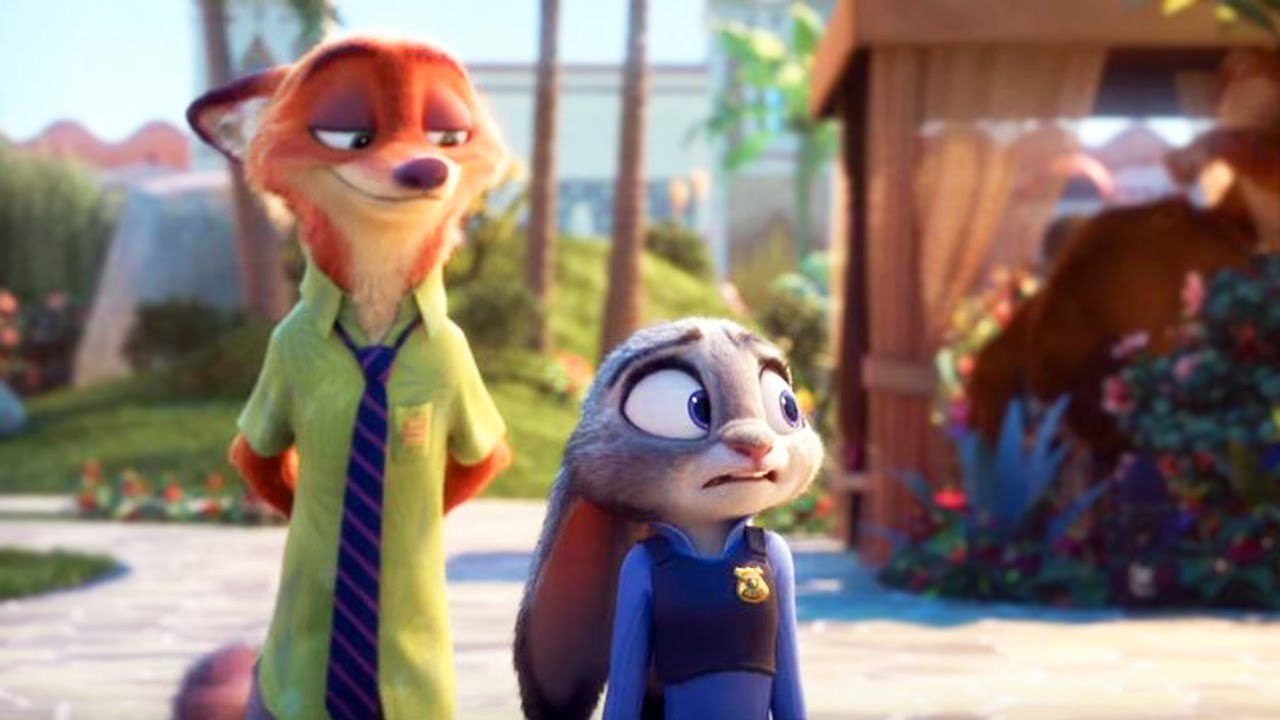
The Zootopia Episode

zootopia review

This week on the Now Conspiring podcast, we review Zootopia and chat about our favorite modern Disney movies. We also dish on the new Ghostbusters trailer, the new Finding Dory trailer, and how film critics get a bad rap.

QUESTION OF THE WEEK: What is the best recent Disney movie (starting with Meet the Robinsons)?

Go on…The Zootopia Episode

Review: ‘Zootopia’ Is a Preachy Comedy, But Not In a Bad Way

zootopia review

Unlike the scores of other animated movies starring talking animals with clothes, Zootopia opens with a lengthy explanation for why the creatures of their world are “evolved” enough to stand upright and build cities. And it’s at this point that the predator vs. prey racial dynamics are introduced, setting the tone for what is mostly a two-note movie about how bigotry and tribalism can manifest when we work to “be anything we want.”

The hero for this adventure is Judy Hopps (voiced perfectly by Ginnifer Goodwin), a small bunny from the boroughs who dares to have a job mostly held by larger mammals and predators (for the sake of keeping things simple, the movie only features mammals).

That job is being a police officer in Zootopia, which is this world’s “big city” filled with hopes and dreams for animals of all shapes and sizes, or so it’s advertised. One of the unique flavors of this animated movie about culture relations is how these animals actually live amongst each other. Each part of the city is geared toward a different environment suited for different species, and we observe the implications of each location throughout the running time.

Often, these shared spaces bring about their own baggage for the creatures of Zootopia, and it’s no different for the first bunny to become a police officer. Judy Hopps passes at the top of her class, yet her family still worries she won’t be able to coexist with predators in such a dangerous environment.

For the first half of Zootopia, subtle details  like Judy’s unwillingness then willingness to carry around fox-repellent to protect herself illuminate some of the subtle prejudice sprinkled throughout. Only to come about in an unexpected twist that says something meaningful about the very tropes Disney has championed for decades.

zootopia review

Much of the movie centers around Judy’s reluctant friendship with a hustling fox (voiced by Jason Bateman) who helps her track down creatures going missing throughout Zootopia. Their teamwork is probably the most genuine chemistry we get in the first half of Zootopia, as their values are mismatched — though not exaggerated — enough to provide some bits for clever comedy. And ultimately, their relationship is what elevates the movie to being a must-see.

That said, the film suffers a few lingering flaws, such as a simplified resolution to the disappearing cases and some worn gags and dialogue that borrow a little too liberally from buddy copy movies, Chinatown, and The Godfather. But for the first time in years, it seems Disney is comfortable creating inside jokes for its movies, poking fun at Frozen on multiple occasions, as well as some of its other movies dressed up as animals.

Further, Zootopia has more of an imagination than any of the other recent Disney computer animated movies, even Big Hero 6. This is one of Disney’s most carefully considered and beautifully detailed worlds ever, as Zootopia itself actually feels like a world designed by animals.

Despite some of its weak points, Zootopia delivers a solid punch in the final act that will resonate with both adults and children. It will undoubtedly start helpful conversations among families concerning the prejudice and bigotry that coincidentally occurs between the police and civilians of America, for instance. But beyond all the messages and preachiness of Zootopia, there’s a sincere cast of characters who make these challenging themes come to life in the best way possible.

Grade: A-


Extra Credits

  • Some of you may be wondering if I now agree with Germain Lussier that Zootopia is the best Disney film in 20 years. I don’t, simply because Mulan is stronger, but I can understand why many people will prefer this to FrozenWreck-It Ralph, and Tangled.
  • And then there are people who say this is the best since Beauty and the Beast. Those people need to calm down.
  • Sitting through the first half of Zootopia is not easy, actually. I thought it dragged quite a bit, and a lot of the jokes didn’t land for me. Things pick up Frozen-style later on, but you’ll still be entertained enough by the amazing visuals to let it slide.
  • What they did with Nick Wilde’s character was genius, restraining from making him yet another “Han Solo” type. Wish they had been kinder to Bogo as a character, though Idris Elba does his best with this annoyingly familiar police chief.
  • I did not care fro the “Shakira Gazelle” thing. It felt more like product placement than a real character existing in an animal city. Weird sentence, I know.
  • I wish I could get into spoilers, because there’s so much to talk about. Needless to say, this is akin to Frozen‘s dismantling of the “strangers falling in love after just meeting” trope, but with some more serious subject material. Disney better not lose John Lasseter. anytime soon.

I’m Jon and thanks for reading this. You can subscribe to my posts by clicking “Follow” in the right sidebar. Or just say hey on Twitter! @JonNegroni

Snarcasm: Critics Ruined ‘Gods of Egypt,’ Not the Movie Itself

gods of egypt critics

Snark + Sarcasm = what you’re about to read.

Remember last year when Josh Trank embarrassed himself via Twitter by dissing his own movie (Fantastic Four)  before it even came out?

Well, Alex Proyas, director of Gods of Egypt, apparently thought that his own airing of grievances over social media was a smart career move. Or he just loves one-upping Josh Trank, which may also be valid.

Gods of Egypt hasn’t been doing all that well at the box office since it opened two weeks ago. Deadpool (which opened on Valentine’s Day) is still outperforming it, which wouldn’t be bad news until you remember that the kid-friendly Zootopia is on the horizon.

At this point, Gods of Egypt has made about $40 million, which is modest until you remember that the film has a reported production budget of $140 million, not including marketing dollars (which tend to double that number). Worse, much of the money it has made is overseas, which the studio gets less of a return on.

gods of egypt critics

So unless the gods of the box office perform an impossible miracle similar to the final act of the movie we’re talking about, Gods of Egypt will be a big flop. And Alex Proyas took to Facebook recently to explain exactly why that is in the most eloquent way possible. Well, depending on who you ask…though that would have to be Alex Proyas.

No headline, but Proyas begins his rant with a killer summation:

NOTHING CONFIRMS RAMPANT STUPIDITY FASTER…Than reading reviews of my own movies.

Off to a great start. People who review Proyas’ movies are consistently stupid, and this is a confirmed thing, according to said director. Seems legit.

As someone who also reviewed Gods of Egypt (I gave it a C), I’m starting to wonder if I fall into the grace of Proyas’ approval, lest I be doomed to a life of moronity.

 I usually try to avoid the experience – but this one takes the cake.

This is coming from a guy who hasn’t made a movie in seven years. Saying “I usually avoid the experience” is like me saying “I usually avoid taking girls to the food court on our first date.”

Often, to my great amusement, a critic will mention my past films in glowing terms,

Well, some of these past films.

OK, like two of them.

when at the time those same films were savaged, as if to highlight the critic’s flawed belief of my descent into mediocrity.

This is a laugh for anyone remotely familiar with Proyas’ filmography. Dark City and The Crow are the movies critics reference most, and both received excellent reviews at the time they were released. His other movies — such as i, Robot — received mostly mixed reviews. They weren’t “savaged.”

And who today looks that fondly on i, Robot? Besides me?

The only movie “savaged” in his filmography is Knowing, which no one except for Roger Ebert thought was very good. Years later, this hasn’t changed in the slightest. And that, ladies and gentlemen, is the magic of selective memory.

You see, my dear fellow FBookers, I have rarely gotten great reviews… on any of my movies, apart from those by reviewers who think for themselves and make up their own opinions.

That’s right. Proyas’ argument is equivocal to that of a temper tantrum.

“Only bad critics give me bad reviews,” he says. Or in other words, “Me good, no matter what bad man say!”

Sadly those type of reviewers are nearly all dead.

WOW. 

Good reviews often come many years after the movie has opened.

Let me fix that for you. Better reviews come out years after people have had time to think about the film, its impact, and how repeated viewings improve or worsen the experience. But that doesn’t invalidate the first inspection of a film. Critics are mostly judging the first experience because that’s what people read their reviews for. 

I don’t care if a movie that’s just come out will be more interesting ten years from now because it says something compelling about a culture point that may not have happened yet. I want to a watch a movie that’s competently made and will deliver a great experience in the theater.

 I guess I have the knack of rubbing reviewers the wrong way – always have.

But hey, that couldn’t possibly mean that there’s something wrong with you. That’s not how narcissism works, right?

This time of course they have bigger axes to grind – they can rip into my movie while trying to make their mainly pale asses look so politically correct by screaming “white-wash!!!” like the deranged idiots they all are. 

Really? It’s idiotic to point out that your movie set within an established mythology is mostly casted by a single, unrelated demographic? To Proyas, we’re idiots for pointing this out, despite the fact that nearly everyone seemed to think this long before the reviews hit the web.

That’s not even mentioning the fact that most reviews didn’t even spend much time on white washing, if at all. In my review, I bring it up because it’s ultimately distracting to be watching a movie set in Egypt without anyone who looks Egyptian. It ruins the immersion of the movie, which hurts the overall experience of watching it.

They fail to understand, or chose to pretend to not understand what this movie is, so as to serve some bizarre consensus of opinion which has nothing to do with the movie at all. 

Oh, we know what this movie is, Proyas. It’s an attempt to make as much money possible for the studio. Problem is, you thought you had to cast only white actors in order to do so, but it didn’t work. That’s not anyone’s fault but yours.

That’s ok, this modern age of texting will probably make them go the way of the dinosaur or the newspaper shortly – don’t movie-goers text their friends with what they thought of a movie? 

This oddly constructed sentence is an appropriate parallel for Gods of Egypt. It tries to look like it’s not out of touch, but everything presented makes it more obvious that it’s out of touch.

People don’t just text for information, Proyas. They use this magical thing called the Internet, which you’re using now. And while movie critics as we know them may not remain the same forever, it’s clear that the Internet isn’t leaving them behind; not when YouTube critics are gaining subscribers in the millions.

Besides, aren’t you undermining your argument that critics ruined your movie’s box office by saying they don’t even influence people anymore? Why write any of this at all if you sincerely believe no one will read reviews in the next few years?

Seems most critics spend their time trying to work out what most people will want to hear.

Finally, something sensible out of this rant. Yes, we can agree that a lot of critics form their reviews around groupthink, not real analysis, that forms before a movie releases. I wouldn’t say most critics do this, but it certainly happens.

How do you do that? Why these days it is so easy… just surf the net to read other reviews or what bloggers are saying – no matter how misguided an opinion of a movie might be before it actually comes out.

I think what this supposedly professional screenwriter is blathering about is how critics may read other reviews and blogs in order to form their own opinion. His evidence? Well, people don’t like his movie, so…

To him, it’s not because a lot of people have the same problem with a movie. Nope, because that would mean there’s a problem with his movie, and that can’t be right. Proyas is mad at the people who hate his movie, who then influence “deranged idiots” into hating his movie. But even if you’re right (and you’re not), that’s still a good chunk of people who still hated your movie before anyone else did.

There is something to be said about critics who go into a movie ready to hate it because the public hates it. Yet what often happens is the opposite, in that critics give a movie great reviews, much to everyone’s surprise. A good example is last year’s Paddington, which no one thought would be a great movie due to its bad marketing.

It’s clear that Proyas was wrongfully convinced this would happen with Gods of Egypt.

Lock a critic in a room with a movie no one has even seen and they will not know what to make of it.

Has Proyas never heard of a press screening? We do this all the time. It’s as if he thinks we write these reviews while conducting exit interviews simultaneously, despite the fact that most reviews are written weeks or days before the embargo lifts, and we spend most of that time editing our grammar.

Because contrary to what a critic should probably be they have no personal taste or opinion, because they are basing their views on the status quo.

Again, you can argue that some critics do this (because human beings are human beings), but Proyas is trying to make the case that all critics lack the ability to criticize, which he has to say in order to justify why Gods of Egypt has an 11% on Rotten Tomatoes.

This is the logic of a narcissist incapable of admitting his own mistakes. After all, the diversity problem in Gods of Egypt is easily the least of its problems. Everything from the shoddy CGI to the middling performances screams of mediocrity, not some sort of hidden gem we’ll all be celebrating in 2026.

None of them are brave enough to say “well I like it” if it goes against consensus.

False, untrue, a lie, etc. Critics enjoy movies all the time that go against consensus. That’s why Gods of Egypt has an 11%, not a 0%, on RT. 

More recently, I gave The Good Dinosaur a perfect grade, despite everyone telling me I was “wrong.” Months later, I haven’t changed my mind, and critics everywhere do the same thing with movies that I don’t like. But in Proyas’ fantasy land, we all give the same reviews about everything somehow.

Therefore they are less than worthless.

No one can be “less than worthless,” but at least that sentence matches the rest of the logic in this Facebook post. Hey, and his movie, too!

Now that anyone can post their opinion about anything from a movie to a pair of shoes to a hamburger, what value do they have – nothing.

Wrong. Now that everyone can have a platform, competition is skyrocketing, pushing all of us to rise about the complacency that plagued film criticism in the past. Some people try to stand out by doing the opposite of Proyas accuses by liking a movie against consensus, even if they didn’t like it all.

In other words, Proyas can’t see beyond the issues that affect him and only him. Because he’s what, class?

“A narcissist,” said the children in Snarcasm Elementary School.

Roger Ebert wasn’t bad. He was a true film lover at least, a failed film-maker, which gave him a great deal of insight. His passion for film was contagious and he shared this with his fans. He loved films and his contribution to cinema as a result was positive.

This is all true, but just keep in mind that Roger Ebert was the about the only critic to give Proyas’ last film, Knowing, four stars. I wonder if that factors into Proyas’ belief that Ebert was the only good critic…

Now we have a pack of diseased vultures pecking at the bones of a dying carcass. Trying to peck to the rhythm of the consensus.

Are you the dying carcass? Because it’s not our fault you don’t make a lot of movies anymore, and when you do, we don’t like them. That’s completely on you.

Or is “the dying carcass” your movie? Because if so, I’m glad we’re pecking apart a movie that was incapable of thinking outside of the pale-white action fantasy movies made in the 80s.

Or is “the dying carcass” the film industry as a whole? Because if so, your barely average movies aren’t doing much to make things better.

Also, we’re not that diseased.

I applaud any film-goer who values their own opinion enough to not base it on what the pack-mentality say is good or bad.

The false premise, of course, is that film-goers can only do this by burying their head in the sand, not reading the varying opinions of others. Oh, I guess they should just text each other reviews sentence by sentence instead.

I feel bad for Proyas because it’s clear he bases the value of his work on the opinions of critics, instead of his own fans who champion Gods of Egypt. For him, that’s not enough because a group of evil film critics are now conspiring against him (roll credits).

gods of egypt critics

Yet Proyas says nothing of the people who like something merely because no one else does, a practice just as dishonest as what he condemns critics for.

That said, critics aren’t perfect, and they’re certainly not my favorite people to mingle with. They can be cynical cockroaches, if you ask me and plenty others. But not all of them. Many critics put as much work into their criticism as anyone else who puts effort into their art.

Heck, it’s clear they work harder on their reviews than this lopsided, no line-broken block of Facebook post text that makes it clear that you must have at written Gods of Egypt in at least some capacity.


Hey! If you’ve come across a silly article that deserves the Snarcasm treatment, send it my way via Twitter or the comments below!

I’m Jon and thanks for reading this. You can subscribe to my posts by clicking “Follow” in the right sidebar. Or just say hey on Twitter! @JonNegroni

The Ultimate Pixar Movie

ultimate pixar movie

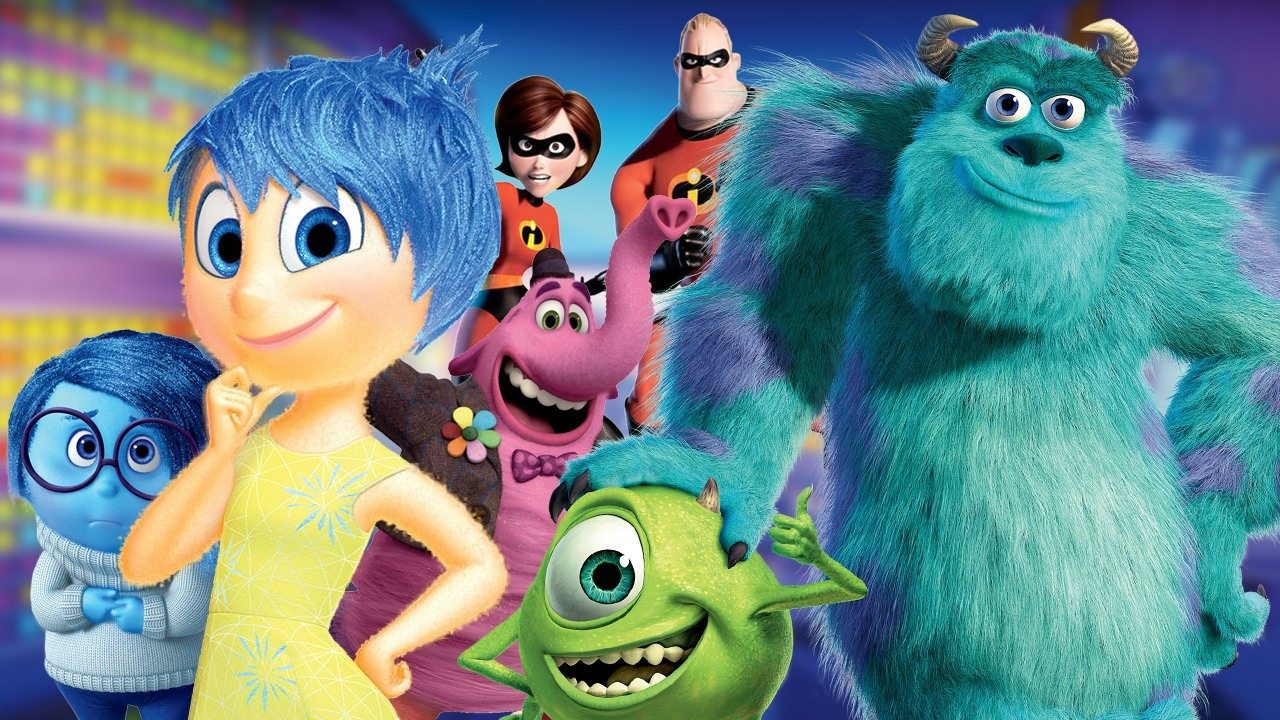
This week on the podcast, we each pitch what we think would be the ultimate Pixar movie. Creativity somewhat included.

We also review Gods of EgyptEddie the Eagle, and Fuller House (sort of). I’m joined by illustrator Kayla Savage, film writer Adonis Gonzalez, YouTube personality Maria Garcia, and a surprise guest…

QUESTION OF THE WEEK: Do you think the Oscars matter? Also, what should we name our Pixar movie?

Go on…The Ultimate Pixar Movie

Review: ‘Gods of Egypt’ Is a Lot Better Than It Should Be

gods of egypt review

Directed by Alex Proyas, Gods of Egypt is a summer blockbuster conspicuously vying for your attention at the tail end of winter. Had this film been released in July, its long running time and frenetic fantasy set pieces may have been found a larger audience, and deservedly so.

Gods of Egypt is a reimagining of the Egyptian mythology as if it was reality (though the true mythology is hardly represented here), where the aforementioned state is the center of a flat earth guarded by Ra, the God of light, who must fight off an otherworldly demon “night after night.” One of the charms of Egypt is watching some of these outlandish concepts come to life in bold, albeit cheaply looking, ways.

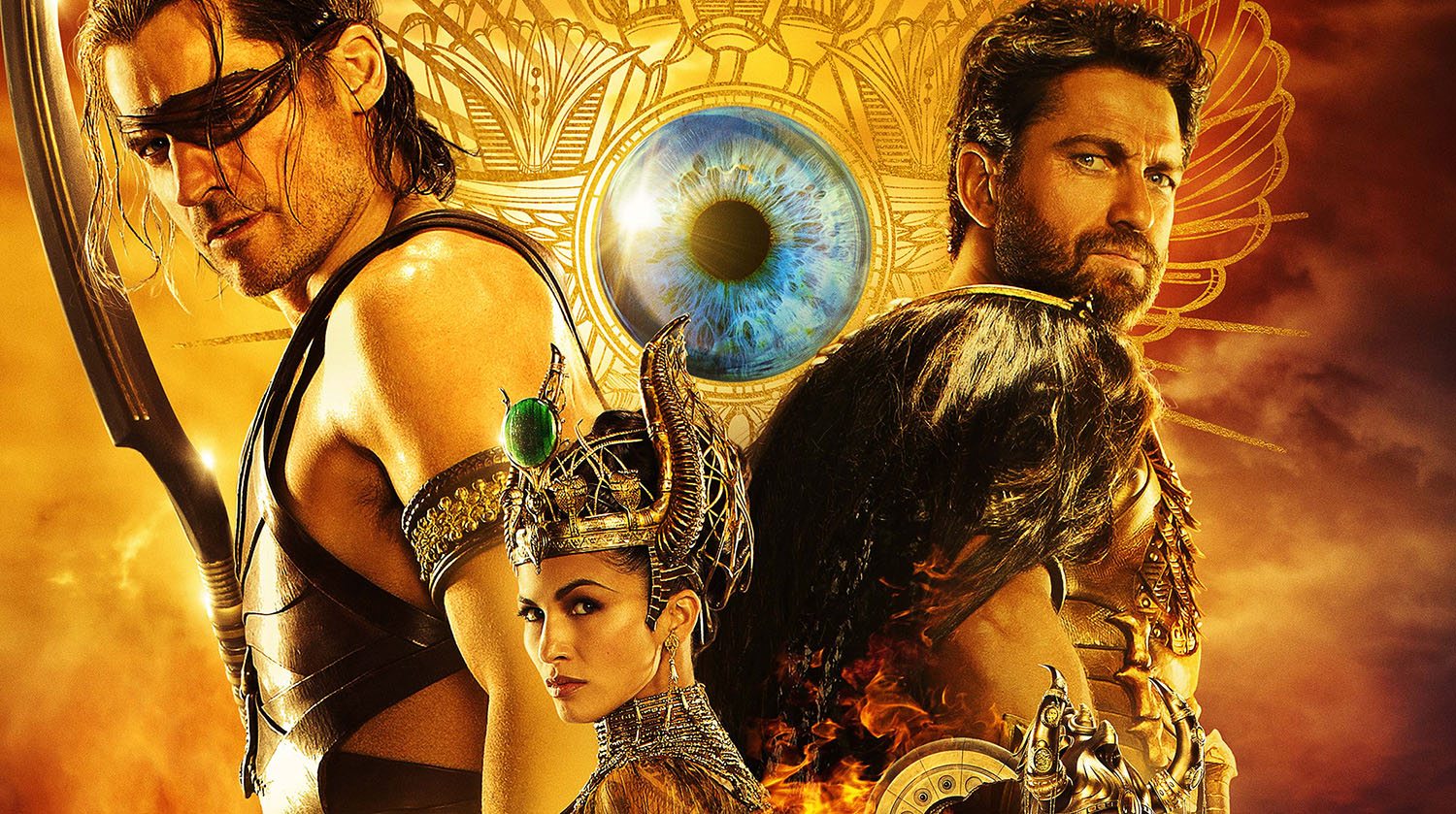
The gods of this mythology live alongside the humans, and a hostile takeover by the king’s jealous brother (Set, played by Gerard Butler) throws the entire land into chaos. With the help of a plucky mortal thief, the king’s son (Horus, played by Nicolaj Coster-Waldau) must regain his godly powers stolen by Set and take his rightful throne.

Strangely, the plot is a clumsy patchwork of familiar 90s Disney movies, including The Lion King’s plot surrounding a banished prince losing the throne to his uncle, Aladdin as an Egyptian street rat, and some shades of Hercules, with one of the love interests being tied to the underworld.

In fact, the only character who feels unique and somewhat authentic for the African setting is played by Chadwick Boseman, a superb actor who delivers a sadly atrocious performance here.

Much of Gods of Egypt feels like a video game ripped out of a PlayStation 2, with frequent puzzles, fetch quests, and high-concept battles interspersing a world that feels massive and mysterious. But also like a video game, Gods of Egypt is filled with shoddy and even jittery cut scenes that are inexplicable for a movie that cost $140 million to make.

Alex Proyas is probably best known for Dark City, and though he wasn’t one of the writers for Gods of Egypt, his unique vision is still apparent in the script. The movie itself is rarely plain, and when it swings wide, it sometimes hits big. But many other times, the film misses greatly, and your odds of finding charm in its brazenness is about 50/50.

Perhaps if the Gods of Egypt embraced its clunky nature and dated visual style, it would be easier to recommend as a low-budget fantasy inspired by Immortals or Clash of the Titans. Though while it’s certainly more watchable than Wrath of the Titans, this is a fantasy epic you’re probably better off streaming at home.

Grade: C

Extra Credits:

  • Gerard Butler is great when he embraces true villainy, but his work in Egypt is weirdly restrained, as if the director cared more about us sympathizing with Set than fearing him.
  • Nicolaj Coster-Waldau is one of the weak points of the film. He gives it his all physically, but he’s not even trying to act beyond Jamie Lannister territory.
  • One of the film’s major failures is lack of immersion early on. It takes a while for you to shut out the fact that no one in the film appears or speaks like an Egyptian. The cacophony of varying European accents don’t help either.
  • Certain aspects of this film are really quite good, thanks to some of the visual imagery and absurd mythological concepts being brought to life. And I was massively entertained enough to overlook some of the movie’s silliness. This “B” movie is frankly only downgraded because of its rushed third act and bad effects.
  • Why am I a sucker for the Hero’s Journey? For whatever reason, I’m never fatigued by this, but if you are, then Gods of Egypt will do you no favors.
  • The film’s biggest flaw? Easy: if you’re going to go all out with Egyptian mythology, why not use it? Barely anything in this film flows from what is actually a fascinating universe of gods, instead sticking to Greek mythology cliches for whatever reason.


Unopinionated: There’s a Reason You Think ‘Avatar’ Is Generic

avatar opinion

Unopinionated is a brand new editorial series where I explore “unpopular opinions” and why they’re unpopular in the first place. This week: loving Avatar is a hard thing to do now more than ever. 

In October, I made a friendly bet with a fellow movie buff who was convinced Star Wars: The Force Awakens would dethrone Avatar as the highest grossing movie of all time. It’s now February and my friend has conceded, seeing as how Star Wars is still roughly $800 million short of the 2009 3D epic and hasn’t even surpassed the #2 spot, Titanic.

Not even adjusting for inflation.

How did I know The Force Awakens would fall short? It wasn’t with all the confidence in the world, just a simple memory of how Avatar took the entire world (namely China) by storm with the introduction of 3D to the mainstream. It was the movie that spurred the release of worldwide theaters just to house the IMAX technology necessary to watch it. For that reason, this was a global movie in which people saw 3D and IMAX for the very first time, hence all of the rereleases that would drive Avatar to an impressive box office take of well over $2.7 billion.

It was obvious to many people like myself that The Force Awakens wouldn’t draw in those same numbers worldwide, but I find it hard to blame anyone for believing a movie as hyped up as the new Star Wars film deserves to perform better than one of the most generic science fiction films in recent memory. Who wouldn’t want such a fun movie starring Han Solo again to do better than a dated rehash of Dances with Wolves?

avatar opinion

That said, an “unpopular opinion” held by many is that Avatar isn’t just an average movie. It’s a terrible film that doesn’t deserve its box office throne. This unpopular opinion was brought to me by fans of The Force Awakens who are simply frustrated with how the numbers turned out, but for my first Unopinionated, I’ve decided to address the fact that Avatar is an average movie, not a bad one.

And to do that, I’ll be addressing three key aspects of the film: the Good, the Bad, and the Meh.

The Good

On a visual level, Avatar truly was a remarkable film when most of us saw it in late 2009/early 2010. What the movie does with color depth and digital effects is something 3D movies are still imitating today (and poorly most of the time). While you can’t judge a movie solely on how it looks, you can certainly credit effort where it’s due, and Director James Cameron offered something truly beautiful that pushed the needle forward for how CGI can transcend the “uncanny valley.”

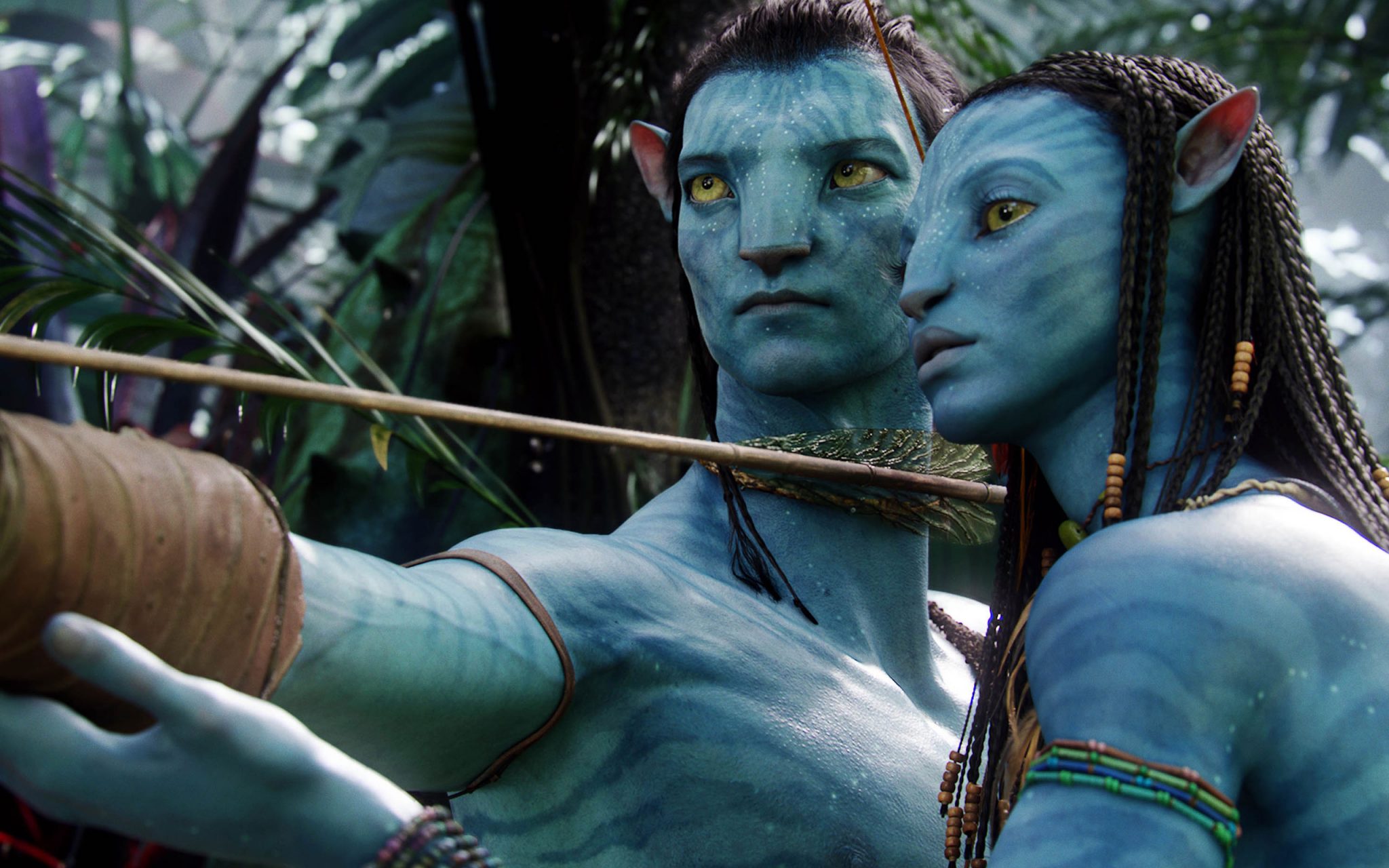
The movie also boasts a wacky creativity for its  fantasy sci-fi setting. The character designs are inspired, the environments are as vibrant as they are subtle, and every application of CGI fits naturally, from the action scenes to the computer animated characters.

This fusion of live-action with computer animation is nothing to scoff at, and for many moviegoers, a by-the-numbers plot is all the film really needed to impress. What Avatar excels at is scope, in that it uses its effects for an impressive feat of world-building that makes its plot far more accessible than it deserves to be.

The Meh

It’s telling that Sam Worthington (the lead actor) has less animation than the characters made by a computer. He’s meant to be a straight man to the wonders of Pandora, but he’s severely lacking of any charisma that compels our interest.

avatar opinion

He’s not terrible, but he’s also not very good. And the same can be said for most of the characters meandering Pandora with their simplistic motivations that don’t boil down to much more than anti-war propaganda even our college professors would fine overbearing.

Which brings us to the main complaint lobbied at Avatar: its plot is too familiar and undemanding when you hold it against the beauty of the movie itself. Like one of the early IMAX offerings that felt more like a test run of what the technology could do, Avatar comes across as if it was purposefully written by amateurs, which is a startling contrast to the detail put into pretty much everything else this movie has to offer.

Cameron remixes many techniques from his previous films in Avatar, such as the forbidden love dynamic of Titanic, the droll narration from Terminator, the space marine aesthetic from Alien, and so on. Any other director would get a pass for this, but because Cameron’s work is so iconic, this mixing and matching is too obvious to be appreciated.

And of course there’s no avoiding how reminiscent Avatar is to Dances with WolvesPocahontas, and pretty much any other film featuring the story of a white man learning the ways of an indigenous tribe.

When it comes to plot and interesting ideas, Avatar doesn’t try anything new, but to the film’s credit, it doesn’t fail outright. We just hated it more at the time because we were disappointed at how close Avatar stuck to a formula, rather than provide the sort of genre twist worthy of such an ambitious film.

The Bad

Honestly, there isn’t much. You can complain that the dialogue and cartoonishly evil villain are draining, but they aren’t atrocious qualities. Avatar mostly plays it safe as a predictable romp on an alien planet, which makes it regrettably average, not bad.

avatar opinion

Yes, the film has its share of haters, and their criticisms are usually valid. But analyzing Avatar as a piece of film requires an honest look at everything it offers, not just the parts that distracted you. Pandora is a well-made paradise of science fiction. The 3D is expertly used to create a sense of immersion that no other movie had yet accomplished in the same way. The entirety of the film’s experience created a sense of awe for its many viewers…dragged down by some unfortunate compromises.

When this movie came out, many people likened it to the first Star Wars, convinced it would capture the imagination of the next generation. I think it’s safe to say that never fully came to pass, mostly because Avatar‘s story was too formulaic to grab viewers at every level. While Star Wars was also a bit cheesy, its rich and interesting characters managed to make up for it. Avatar, on the other hand, only has what will soon be dated visuals and an accompanying footnote to hold itself up as an accomplishment.

Grade: C 

Is there an unpopular opinion you think deserves the Unopinionated treatment? Shoot me your suggestion in the comments.

I’m Jon and thanks for reading this. You can subscribe to my posts by clicking “Follow” in the right sidebar. Or just say hey on Twitter! @JonNegroni