Ep100: Kubo and the Silly String

kubo podcast

You can also download this podcast episode on iTunes and Stitcher.

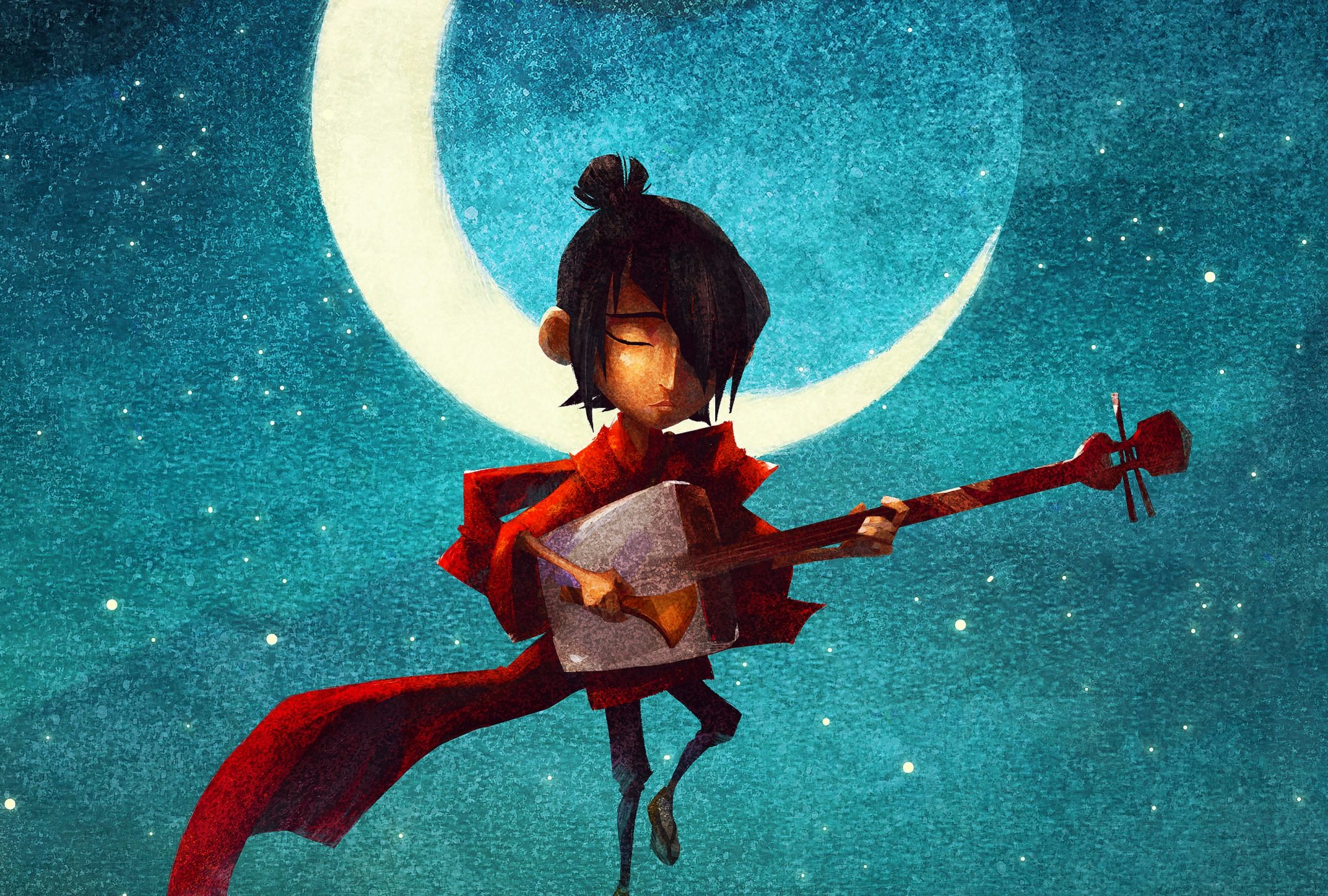
For our 100th episode of the Now Conspiring podcast, we decided to…review Kubo and the Two Strings!

OK, that’s not all we did. To celebrate this arbitrary milestone, we started a new tradition: a variation of the Now Conspiring Game Show — introducing the Now Conspiring Movie Quote Trivia Challenge!

Also, we make lame jokes, talk about how much we like each other (and movies, I guess), read your comments from last week’s show, play the Now Conspiring theme song on ukulele for some reason, and talk about what’s coming soon to theaters this coming week.

QUESTION OF THE WEEK: At what point did you start listening to Now Conspiring, and WHY?

Go on…Ep100: Kubo and the Silly String

Review: ‘Pete’s Dragon’ Both Reinvents And Recaptures Classic Disney

pete's dragon review

I wrote a full review of Pete’s Dragon is on Movie Pilot, which you can read here. Overall, I loved the movie and had a blast watching it, thinking about it, and of most of all, writing about it. I’ll be chatting about the film more in length for Monday’s podcast, along with even more thoughts on Sausage Party, which I also reviewed this week.

Here’s a quick excerpt from my review of Pete’s Dragon:

There are a lot of intelligent, aspirational elements at play within Pete’s Dragon, as it sets up the forest as an idyllic setting that needs to be cherished, but not ignored. Like the dragon himself, there’s something beautiful about man and nature coming together, but the obvious message about environmentalist values you might read into here is one thing the movie smartly downplays, instead accepting that man’s role in the world doesn’t have to be a passive one.

Pete’s Dragon revels in its simplicity and digestible themes, which is why it’s such an easy film to immerse yourself in, at just about any age (and not just because Robert Redford steals all of his scenes). For that reason, it’s the best family movie of the year and among the best films in 2016, overall.


Thanks for reading this. Seriously. You can subscribe to my posts by clicking “Follow” in the right sidebar. Or just say hello on Twitter: @JonNegroni


Review: ‘Sausage Party’ Should Have Been a Lot More Satisfying

sausage party review

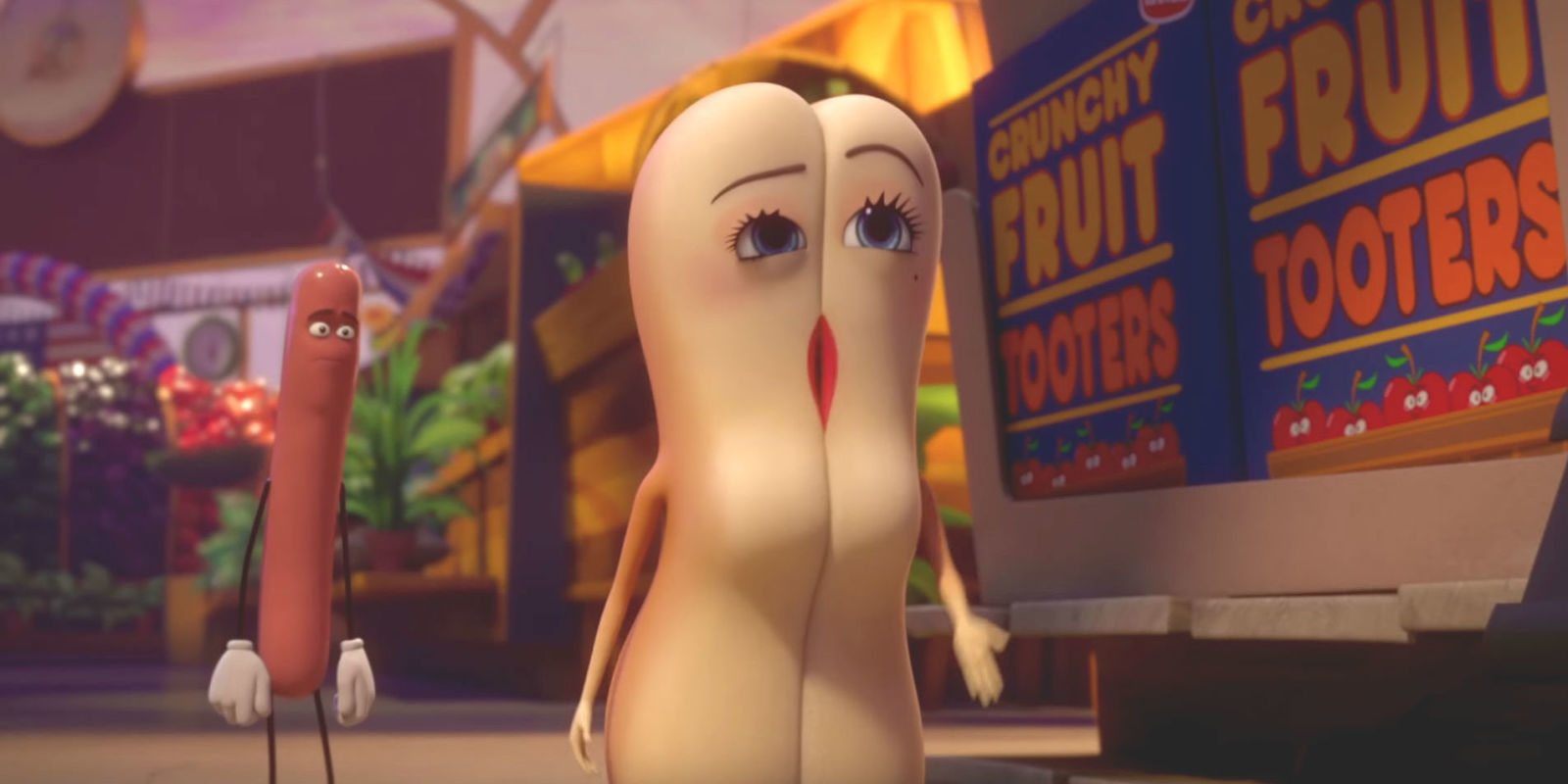
Sausage Party is an adult animated movie that’s been in the works for six years, and it’s a concept that’s been swimming inside the head of Seth Rogen and Jonah Hill since as far back as 2007. And their original conceit for the film has lasted through the majority of the marketing, narrowed down to one interesting question: what if our food had feelings?

Lambasting the “secret life” trope that computer animated movies have been breezily reproducing since Toy Story (coincidentally coming full circle with this year’s Secret Life of Pets, the most brazen copy of Pixar’s first film yet), Sausage Party positioned itself as the Deadpool of animated movies. It was a much-needed satire that could let us reflect on the good and bad of modern animated comedy, cleansing our palates for whatever comes next.

Instead, the film is more like God’s Not Dead, but for atheists.

Set in a grocery store to the tune of a musical number straight out of whatever Disney movie you watched last, Sausage Party focuses on the lives of food, jars, containers, bags, and pretty much any inanimate object the plot chooses to put a face on (which is by itself a humorous parody of Toy Story). The food “people” of Shopwell’s are convinced that getting bought by “gods,” i.e. people, sends them to the “Great Beyond,” or Heaven in case you thought that wasn’t overt enough.

sausage party review

After a mishap that separates some of the main characters, we watch a series of disparate subplots unfold. One group of the food learns the truth about how horrific it is to get eaten, while another group wanders around the grocery store engaging with racist stereotypes of other food, segregated into their own “aisles.”

There are three critical flaws in Sausage Party that make the film an overall disappointment. First, the film is a confusing mess when it comes to narrative. The pacing of the trailer (a dramatic unveiling of the food quickly realizing that getting bought is their version of hell) works for comedic effect because it’s a focused story that gets to the good stuff, quick. In the actual film, the humor of watching food get massacred is almost a side note, occurring later into the movie away from most of the characters you care about.

Watching Sausage Party, you’ll notice that there’s a lot of meandering with its plot and characters. Scenes linger a little too long on uninteresting subplots that shift the humor toward food puns, existential hand-holding, and some of the laziest race jokes you’ve seen outside of films like Disaster Movie. In fact, this is probably the closest any of us will ever get inside the mind of Carlos Mencia.

sausage party review

This wouldn’t be as big of a deal if it weren’t for the second critical flaw of this movie, which is the humor. While Sausage Party has its fair share of well-crafted jokes, they’re unfortunately buried under weightless paragraphs of juvenile expletives, inevitably registering as vocal filler by the end of the first act. It’s almost as if the writers inserted f-bombs and s-bombs into a finished script simply to remind the audience that it’s fine for them to be watching what is otherwise a cheeky animated film that looks like it should be for children.

The final fatal flaw of Sausage Party is its message, or plurality of ill-conceived messages. At times, Sausage Party says something genuinely insightful about what it means to believe in something without proof, and whether or not it’s worth living life if you’re convinced there’s no possibility of hope. For many atheists and agnostics, this could have been a meaningful, even thoughtful representation of their frustrations within a world that mostly rejects their naysaying of a literal God or afterlife.

But Sausage Party is far too illogical and inconsistent with its message to be anything but a superficial bullet list of clichéd beliefs, about as substantial as junk food. It’s the animated equivalent of sitting through a conversation with a college stoner who loves to hear himself talk and inspire fear through self-prescribed fatalism, even though none of his metaphors or analogies hold water.

sausage party review

If all this weren’t enough, Sausage Party is also lacking in much entertainment in between the big moments. Sparse dialogue between characters is just barely passable, if not a little off-tone from the rest of the film’s irreverent attitude. And minor visual gags are about as intellectually satirical as a bumper sticker saying “DIXAR” instead of Pixar. Get it?

Ultimately, Sausage Party is a wasted opportunity of a brilliant idea. What would have worked as a dark, thought-provoking short film was stretched into a dumbed down think piece about how awesome and satisfying humanism would be if everyone was on board for one crazy day.

Grade: D

Extra Credits:

  • A few things kept me from marking Sausage Party with a straight “F.” First, it did make me laugh at times, though about as often as this year’s Ghostbusters did. But the main reason is that I felt completely deceived by this purported “satire” of animated films. It hardly is, and we deserve better.
  • Another thing I did like, most of the time, was the film’s willingness to recreate classic film scenes with food. Unfortunately, none of these homages ever amounted to much, save for the Saving Private Ryan scene you can see in the trailer.
  • This is Seth Rogen’s first screenplay for an animated film, and it’s the same team from This is the End (with many actors from that film lending their voices for this film). While that film felt quite original and frequently insightful, Sausage Party is almost its polar opposite in terms of a tight script and unique ideas.

    Thanks for reading this. Seriously. You can subscribe to my posts by clicking “Follow” in the right sidebar. Or just say hello on Twitter: @JonNegroni


Snarcasm: Ezra Miller from ‘Fantastic Beasts’ Is Obviously Voldemort’s Dad

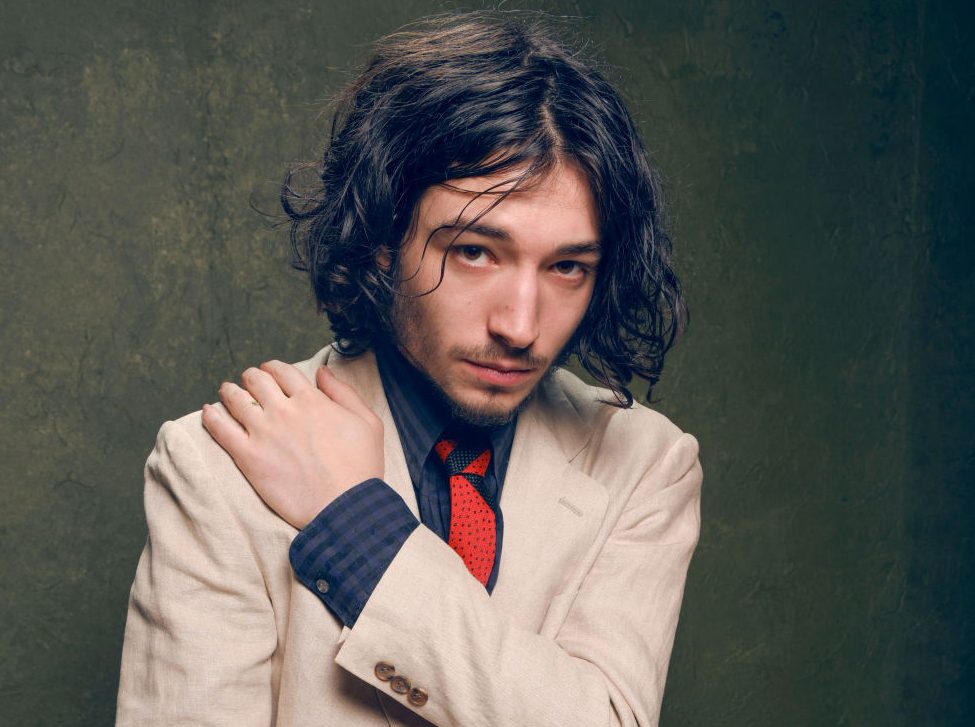
ezra miller fantastic beasts

Snark + Sarcasm = what you’re about to read.

It’s been a while since I revisited this column, so why not kick it off by Snarcasming one of my good friends?

Most of you probably know Adonis Gonzalez, recurring cohost of our Now Conspiring movie podcast since early 2015. He’s also a writer, though, and despite him writing plenty of silly things over the years, this one deserves a Snarcastic response.

Fresh off the news that Ezra Miller will portray a character named Credence Barebone in the upcoming Harry Potter spinoff movie, Fantastic Beasts and Where to Find Them, Adonis ignores the obvious question — does Ezra Miller have to be in every Warner Bros. film? — and instead asks a question too obvious to even think up:

Is Credence Barebone Actually An Important Harry Potter Character?

Well wow, Adonis, way to cut Miller down before the movie even comes out. Even if your fan theory ends up being true (because the universe demands that even .00000000001% chance odds are still, by definition, possible), how does that mean he wouldn’t have been “important” otherwise?

So for those of us who think Ezra Miller still gets roles where he’s an important character, this just comes off as a bit hostile. Now, let’s see if Adonis can lend credence to his fan theory about Credence.

Miller’s character, Credence Barebone, is shrouded in mystery.

Untrue. We actually know a lot about Credence already thanks to a comprehensive preview of the character offered by EW and even Slashfilm, which Adonis credits for the story.

Tell me if this is “shrouded in mystery:”

(From EW) Credence is the adopted middle child of Mary Lou Barebone (Samantha Morton). We’re told that he “appears withdrawn, extremely shy and far more vulnerable than his two sisters. Credence is defenseless against the abuse that comes in response to the slightest infraction of Mary Lou’s strict rules. But his loneliness also makes him susceptible to the manipulation of Percival Graves (Colin Farrell), who has taken a personal interest in Credence.” Graves is a powerful guy, an auror and the Director of Magical Security in the American wizarding government.

Myyyyysssstteeeerrrryyyyyyy

I mean, sure, we know that he’s an adopted middle child, and we even know his “mother”‘s name, but do we know if he’s secretly another character entirely without any real evidence to back it up? The internet will see to that!

And believe it or not, Adonis actually points out that what he just said isn’t true.

But there’s nothing mysterious about that description, right?

Right!

No, what’s really mysterious is that reports are saying Credence will be a “notable” character in the Harry Potter universe. This seems to hint that we might have seen Credence somewhere before.

First of all, Adonis doesn’t cite a single source for these “reports.” What reports? Who reported this? The word “notable” doesn’t show up in the EW article, which broke the story, or the Slashfilm one, which reported it.

Show us your report certificate, Adonis!

Second of all, a character being “notable” does not mean the character is familiar to us viewers. A notable person within the Harry Potter universe simply has to be famous among the characters. It could also mean (because the word has disparate meanings) that Credence is simply an important character we should pay attention to.

Either way, there’s nothing here to plainly imply that Credence Barebone is somehow a character we’re directly aware of already.

For all we know, Credence could be anybody.

He could be in this VERY room!

Also, don’t forget that he could be…Credence Barebone.

Ezra Miller has been sworn to secrecy about his character, making the true identity and purpose of his character even more intriguing.

Wait, wait, wait. A movie studio doesn’t want an actor sharing too much information about the movie? How could this have happened under our watch?

Credence Barebone Is Tom Riddle!

And so it begins.

Specifically, Adonis is talking about the father of Lord Voldemort, not Voldemort himself. That would be Tom Riddle Sr. He goes on to remind tons of readers who Tom Riddle is, even though the only people who would deeply question this theory are book readers who are starting to get a crick in their neck from shaking their head so frequently.

Anyway, on to why I think that Tom Riddle, Sr. and Credence Barebone are one and the same. First off, it helps that we virtually know nothing about Credence Barebone. 

Yeah, that’s awfully convenient for your theory, isn’t it? “I can’t be wrong if you don’t know anything about what I’m talking about!”

We don’t know where he comes from, or what his purpose is in the film.

Right! We only know that he comes from America and is affiliated with Colin Farrell’s character! What are we supposed to even do with that information?

Fantastic Beasts is set in 1926 and, given the appearance of Barebone and the age of the actor portraying him, it’s safe to assume he’s in his early 20s at the start of the film. Tom Riddle, Sr. was born in 1905, meaning he’d be 21 years old in 1926, so the ages match up pretty accurately.

True, so now we’re just left wondering whether or not Ezra Miller can pull off a British accent.

Once again, Adonis goes on to disprove his own theory with a single sentence.

…age doesn’t explain how or why Tom Riddle, Sr. would be in North America with an entirely different name.

Are…are you reading my mind?

Poor Voldy could never catch a break, even in his younger years. His mother died giving birth to him, and his deadbeat father abandoned him before he was even born. But why did Tom Riddle, Sr. walk out on his family?

Because Merope wrote terrible fan theories?

Well, the only reason he married Merope Gaunt in the first place was because of the love potions she used on him. Tom Riddle, Sr. immediately ran off after seeing that he not only had a wife he didn’t love, but a son he didn’t want on the way.

To be fair, what would you do if a witch tricked you into impregnating her?

Tom retreated to his parents’ house in Little Hangleton, England. But what if that’s not exactly the case?

Then all logic and reasoning have ceased to exist.

In 1943, he and his parents were murdered by Tom Riddle, Jr., his son, in their Little Hangleton home. So we know that he definitely returned to Little Hangleton at some point.

Or…you know…he never left.

But if you think about it, between 1926 and 1943, that’s a whole 17 years of Tom Riddle, Sr.’s life unaccounted for.

Yeah! Let’s fill it with fan fiction!

Who’s to say he went straight to Little Hangleton and stayed there?

No one! Not even his family, legacy, property, money, friends, and power!

Let’s look at why Tom ran away from Merope. It wasn’t just because she tricked him into loving her, he was also disgusted and frightened at the fact that she was a witch.

Which he never told anyone, because he was too much of a muggle to let others think he was insane. According to the book, he told his family Merope “tricked” him. Also, it’s never implied that he was actually scared of her. In fact, he’s probably too aware of her devotion to him to believe that she’d want to cause him any harm.

Remember, Tom Riddle, Sr. was a Muggle, so the practice of witchcraft was likely taboo to him.

Likely…certainly…definitely…without a shred of doubt…obviously…I can’t believe this is even being questioned…

What if Tom traveled to America in an attempt to hide from Merope, afraid that she might one day use her powers to track him down.

Why? It’s never hinted that he feared her. The Gaunts were in Azkaban by the time this was happening, and they’d been tormenting the town for years and no one ever took them seriously. If anything, he’d probably welcome the chance to deal with her outright if she dared return to Little Hangleton. He has no idea that Merope is dangerous, and the pride of his name is likely too important for him to abandon it by leaving his home. This idea just doesn’t fit the character.

Also, if she can use her powers to track him down, like you say, then how does escaping to America fix that?

Going back to the town he met her in would be the easiest way to get caught, but a trip overseas and a quick name change would keep him hidden for a while!

Which would be the biggest tease of all, considering Merope’s untimely death months after this supposedly happened.

And as you probably didn’t want to expect, Adonis yet again asks a question that debunks his own theory, only so he can answer it in a way that doesn’t really fix the problems he’s pointing out himself.

If Credence has an adoptive mother, how could he possibly hail from the same pureblood family as Voldemort himself?

Gee, it’s almost like it isn’t possible.

Simple, Mary Lou isn’t his adoptive mother, she’s his REAL mother.

Oh, now we can just say things and they become true? OK! The sky isn’t made of gases…it’s made of STARBURSTS. See, I wrote it in all caps so you’d know how serious I am about wanting it to be true.

That’s right, Mary Lou Barebone is actually Mary Riddle!

What annoys me (the most) about this is that you don’t even position in an honest way. Mary Lou Barebone could actually be Mary Riddle (you know, if JK Rowling actually approved such a pointless and cheap plot twist). Just saying she is Mary Riddle and putting actually before the conclusion doesn’t make it so.

If you’ve already made up your mind, then this isn’t even a fan theory, really. It’s just a loud accusation.

Maybe he didn’t venture to America to escape Merope’s possible wrath alone. Maybe he was joined by his mother, Mary. Mary, whose son had apparently been enslaved by a witch and forced to love her, probably doesn’t have much love of her own for magic users.

See, the problem is that none of this makes sense. What indication from the text do we get that Mary Riddle isn’t keen on staying in Little Hangleton? What informs your guess that she’d want to follow her son to America and pretend to be his adopted mother? This just creates more questions upon questions, and I seriously doubt a movie that’s not even about Voldemort and his family would have the means to tackle such a left field twist.

Seriously, imagine if this “twist” actually happened in Fantastic Beasts. The movie would have to spend so much time positioning it in a way that makes sense that it would utterly distract from the plot we’re supposed to be involved in. It would have to explain all of these problems and inconsistencies, hoping that you don’t remember enough about Tom Riddle’s backstory to question it.

So what does she do when she and her son reach America? She becomes the leader of the New Salem Philanthropic Society, the organization that hates witches and wizards.

So let me get this straight. Within months (at best) of arriving in America, a female immigrant is going to show up in 1926 America with an adopted son and a bunch of random daughters, then become the leader of a secret society she shouldn’t even know about?

After all, it was a witch who took her son away from her, so now she’s got a bone to pick with the magical community.

In America?? If she was that bloodthirsty toward witches, she’d seek out Merope and the Gaunts herself, not run away to America and invoke witch trials unrelated to her own history. She had wealth and power in England, but she gave it all up to hang out with her 20-something kid who she now has to apparently say is adopted because whatever? Also, he has sisters with him for some reason and is now shy, even though that’s not his character?

She and her son live in the USA for years, until they believe it’s safe to go back home.

“Let’s wage war on witches, then go back home when it’s safe!”

So there you have it, my theory for who Credence Barebone really is! He could just be a normal guy, or he could be poor Muggle Tom Riddle, Sr., desperately trying to escape his unwanted family! What do you think?

I think you need a nap and a coloring book, Adonis.


Thanks for reading this. Seriously. You can subscribe to my posts by clicking “Follow” in the right sidebar. Or just follow me on Twitter: @JonNegroni


Ep98: Suicide Squad’s Goals

suicide squad podcast

This week on Now Conspiring, we have a clash of opinions here to review and sort of politely discuss the latest DC comics/Warner Bros. film, Suicide Squad. Our conversation is spoiler-free at first, but we jump into a full-spoiler conversation at the time marked in the show notes.

QUESTION OF THE WEEK (and you’re required to answer this): What would you do to fix Suicide Squad?

Go on…Ep98: Suicide Squad’s Goals

How ‘Stranger Things’ Ended up Becoming the Best Movie of the Summer

stranger things best

To be clear, the Netflix original series Stranger Things is not a “movie” in the traditional sense. There was no theatrical release, it runs as eight hour-long episodes, and it’s obviously crafted to fit the specific medium of television. That is, it’s not trying to be anything but a TV show.

But if you can broaden your definition of “movie,” or in this case, a summer movie, to that of a contained experience that is meant to be watched in one sequence, then you’ll find that Stranger Things fits the framework.

That’s why I’m convinced that Stranger Things is the surprise hit that Summer 2016 needed, and I’d even push that it’s definitely the best movie of the summer, without question. An eight-hour movie, but a movie nonetheless.

And that’s not solely because this summer has been a series of painful disappointments with few bright spots, though that is a major reason why Stranger Things has stood out as prominently as it has. If anything, this Netflix series that few people saw coming had more reasons to fail than most tentpole blockbusters this summer had to succeed.

stranger things best

X-Men: Apocalypse, a film I did enjoy for the most part, was widely panned, despite following a succession of good X-Men sequels starring Michael Fassbender and James McAvoy, directed by Bryan Singer, the man behind some of the best X-Men films and Usual Suspects.

The marketing for Independence Day: Resurgence had most of us convinced that this would be 2016’s Jurassic World, but we ended up with something closer in quality to Alice Through the Looking Glass, the unremarkable sequel to a hugely successful Disney live-action film from 2010 that was followed up by critical darlings like CinderellaMaleficent, and this year’s The Jungle Book.

Warner Bros. followed up the most polarizing superhero movie in recent memory, Batman v Superman, with one of the most yawn-inducing films of the entire year, The Legend of Tarzan, despite featuring a fantastic cast and being directed by David Yates.

The movie positioned to redeem Warner Bros. in 2016 was Suicide Squad, which ended up being a decent, yet flawed movie that maintained the divisiveness of the DC cinematic universe, spawning far more arguments and “flame wars” than real discussion about how the movie has truly affected people.

Do we even need to mention Ghostbusters?

stranger things best

When you consider what makes a movie the “best” out of all the others, there’s a lot you might miss when settling on your conclusion. Everyone likes bad movies, and the vast majority of people even love bad movies (see Secret Life of Pets), and that’s because it’s quite impossible to enforce a list of rules that determine what makes a film objectively good, bad, or the somewhat ubiquitous okay, which does little to paint a true picture of a film’s quality.

Deciding which movie is the “best” has to speak to a larger list of criteria than your personal judgement, or even a critical consensus. You can turn it into a numbers game, gathering all of the reviews and fan reaction scores to calculate some kind of average that gives you an answer…

…But that’s a lot of effort for very little reward, and for many reasons, it’s still an ineffective way to call out a movie for rising above the rest and deserving to be remembered in 2026. This conclusion should be about more than getting better marks based on a small sample of opinions. True, you can factor in box office and impressions to make your guess, but as we’ve covered earlier, bad movies are quite easy to like, which makes the best movies hard to quantify.

All that said, my conclusion, obviously, is that Stranger Things is the best movie of the summer, despite not even being in the official running. I guess you can say that like the show itself, Stranger Things has a knack for defying expectations.

stranger things best

I reached this conclusion by considering a more nuanced trait of the show that no summer movie of 2016 seemed to achieve. But first and foremost, Stranger Things is fundamentally a well-crafted piece of entertainment. It’s well-written and edited, the characters transcend the tropes they’re based on, and there’s a polished feel to every aspect of this show that immerses you into Hawkins (and it’s “Upside Down”) like no other location we’ve been transported to all summer. Or all year, even.

In other words, Stranger Things gets the details almost perfectly right. The makers of the show, Matt and Ross Duffer, certainly gave it their all with this project. But the more nuanced trait that I mentioned earlier goes beyond the details. It’s all about the complete picture of Stranger Things that makes it the most satisfying experience of the summer, in just about every way you can think of.

You know what’s refreshing? The ability to have a long and meaningful conversation about the show, even if you disliked it, with people who share a different opinion. Yes, even online. Because almost no one is letting this show be about something else

With Ghostbusters, we were forced to start every review or analysis with our take on whatever irrelevant controversy we had the most thoughts on. Suicide Squad has been a purple and green train wreck in terms of how critics and fans think and react to each other, despite that not being a fault of the actual movie. Even movies that most audiences have loved, like Captain America: Civil WarFinding Dory, and Star Trek: Beyond, have been monopolized in conversation as sequels and franchises, not a unique or personal experience that actually changed anything.

stranger things best

Stranger Things, to be fair, did not achieve anything all by itself. At first glance, you might even get a bit cynical of its strengths because of how obviously reminiscent they are of classic 80s movies and novels, especially E.T.Poltergeist, and Firestarter to name a few out of probably dozens of relevant inspirations.

But Stranger Things does something unexpected with these established tropes. It turns them into new ideas. It does for 80s clichés what George R.R. Martin’s A Song of Ice and Fire novels did for Joseph Campbell’s Hero’s Journey and fantasy platitudes repeated ad nauseam since Tolkien’s Lord of the Rings.

More specifically, Stranger Things persistently subverts its own genre, setting up your expectations to think the story is going one way, only to pay off its plot with surprises that still fit within the context of what you’ve already seen.

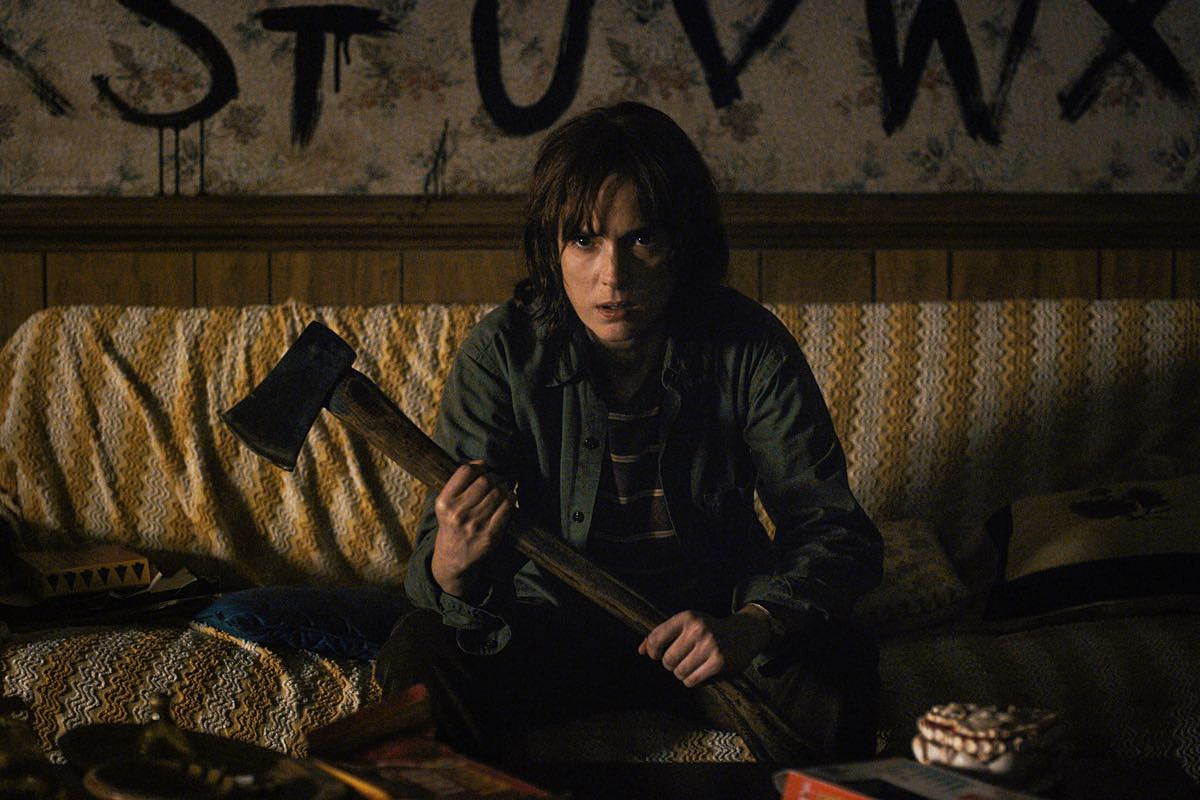
For example, you don’t have any reason to believe the character Nancy Wheeler isn’t someone capable or competent enough to stand up to supernatural threats. But the show wisely lets you think this when we’re first introduced to her as a love-struck teenager who doesn’t have time for her little brother and his friends, which isn’t hard to believe either. Her “jerk” boyfriend, Steve, is also set up a certain way, only to defy your expectations with his own distinct twists and turns as a character, and none of that feels reminiscent of what we’ve already seen in Spielberg and King stories. Far from it.

stranger things best

This allowed the show to grab and hold on to both key demographics of its potential audience: people old enough to remember these 80s tropes and everyone else. You’re hooked either way, because the movies and novels of the 80s influenced prominent filmmakers today, through movies like Super 8and Star Wars: The Force Awakens, both helmed by the quintessential 80s geek, J.J. Abrams.

But while those projects felt more like a celebration of 80s culture, Stranger Things finds impossible ways to both defy and evolve them for new audiences. It’s not a sequel, like Captain America: Civil War or Finding Dory, but it is a successor to something else, and in the most original way possible for what it is.

I haven’t mentioned the most memorable and important character of the entire show: Eleven. Her presence in Stranger Things deserves to permeate the culture, and it’s already starting to with devoted fans who are evangelizing 2016’s breakout role in Millie Bobby Brown. It’s easy to celebrate Eleven because of the child actor’s performance, of course, but there’s no reason to forget that she benefits from a script that effortlessly makes you feel every big moment of its running time. El works because just about everything else in this show works.

For me, the choice is clear. Stranger Things is objectively as good as the best movies to come out all summer. In my opinion, it stands above most films of the year. But what makes it the “best” piece of entertainment to sit down and enjoy this summer is its lasting effect through how it’s talked about, the point in time it was released, and the loving care that was put into just about every aspect of the final product.

stranger things best

And even though it’s over, complete with one of the most satisfying endings I can think of in 2016, it still manages to leave you wanting more, questioning everything you just watched, and speculating what’s possible when we’ll eventually (hopefully) revisit these characters, and Hawkins.

Season Grade: A


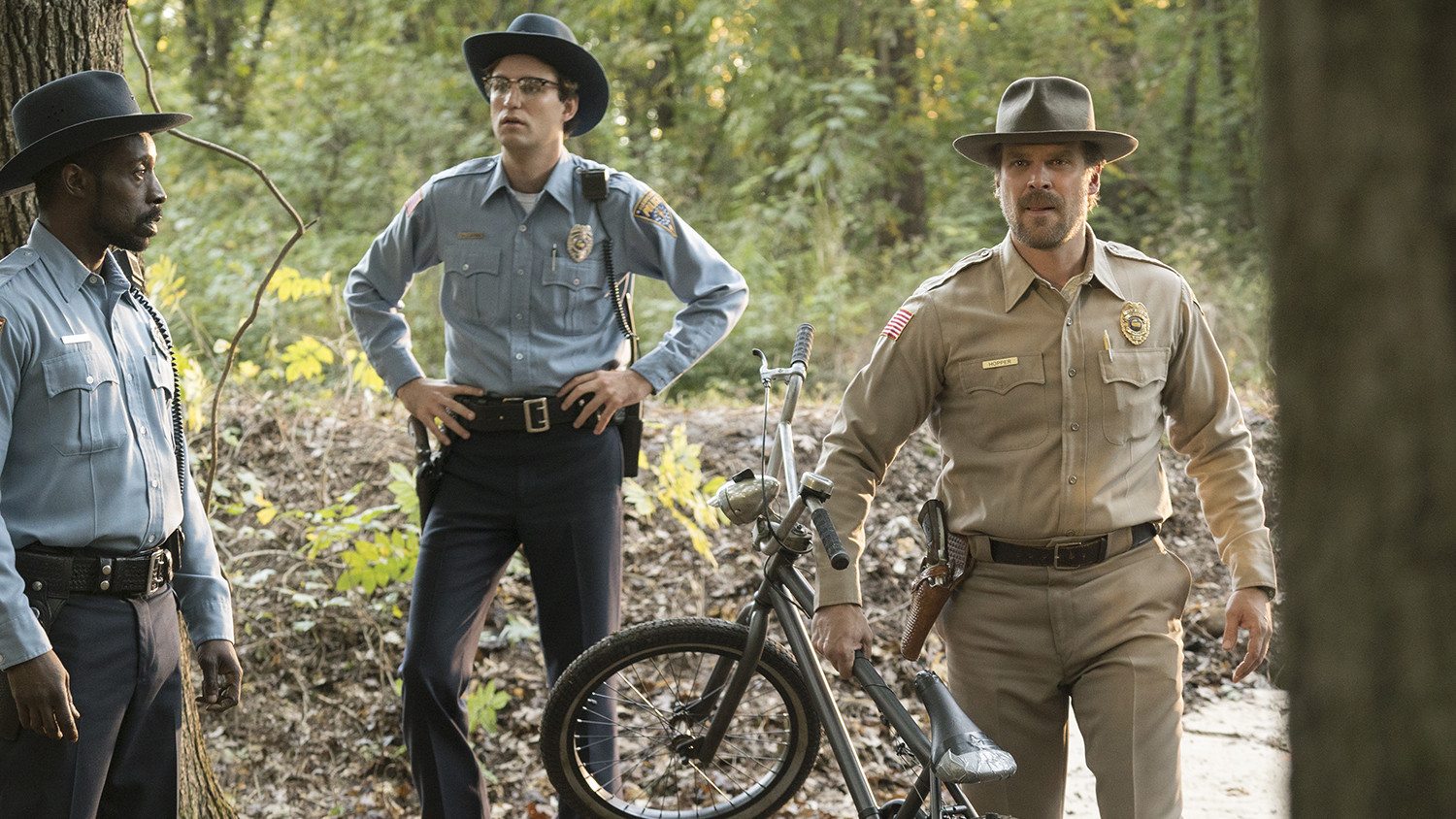
What did you all think of Stranger Things? I left out great highlights from the show (sorry Hopper!), so be sure to share your take in the comments. 

Also, thanks for reading this. You can subscribe to my posts by clicking “Follow” in the right sidebar. Or just say hello on Twitter! @JonNegroni


The Secret Life of Pokémon GO

secret life of pets

Everyone has pets, and now pretty much everyone also has Pokémon. In this week’s episode of Now Conspiring, we review The Secret Life of Pets and have a lengthy discussion about the Nintendo smartphone game that has resulted in some real life Team Rocket incidents.

QUESTION OF THE WEEK: What (or who) is the coolest Pokémon you’ve captured so far, and how did you catch him/her/it?

Go on…The Secret Life of Pokémon GO