Review: ‘Independence Day: Resurgence’ Is Loud and Dumb, Just Like You Expected

review independence day resurgence

Despite what you may be led to believe from its title and the marketing for it, Independence Day: Resurgence is more “requel” than sequel, in the sense that while it does continue the storyline from the 1996 blockbuster, it’s still in the business of kicking off a new series of movies, rather than tying up any loose ends.

During parts of Resurgence, this works well and is paid off with some impressive world building that ties in logically with the events of the first film. Since the alien invaders of that movie were defeated 20 years ago, a more unified mankind has adapted their technology to prepare for their inevitable return.

Many players from the first film make a return for continuity’s sake, though Will Smith’s character was killed offscreen in between movies. If you aren’t caught up or haven’t seen Independence Day in a while, you might get a bit confused when some of these secondary characters show up without much explanation. But for the most part, Resurgence balances its focus with the next generation of heroes, most of them eerily being offsprings of the first film who all happen to know each other.

review independence day resurgence

Sadly, the new kids are probably the worst characters in Resurgence, and that’s amidst some trying competition.

Resurgence is the epitome of a film that tries so hard, yet fails so miserably at what it sets out to do in terms of plot, narrative, and even the basics of humor (rivaling some of the most painfully unfunny movies of 2016 so far). There’s some good spectacle to be had here, which is all most moviegoers are getting in the seats to see in the first place, but Resurgence makes a lot of the same mistakes as its predecessor during an era where they’re not quite as forgivable.

Independence Day was a silly, dumb disaster movie, but it resonated with audiences because its tone was of the moment. It spoke to the children of the Reagan era, who witnessed America bringing an end to the Cold War through their president’s own mouth.

Resurgence, by default, has to carry on this dated approach because it’s in an alternate timeline where “no armed conflict has taken place in 20 years,” as the audience is told early on. This sequel/requel would have been far more interesting if it displayed any sort of progression from the themes before it, especially throughout the entirety of the third act, which undoes almost everything worthwhile presented before it, finished with an ending that might as well have put dollar signs in each of the characters’ eyes to translate Fox’s plans for a franchise.

review independence day resurgence

And again, these problems are coupled with some incredibly weak storytelling, editing, and dialogue. Massive coincidences involving characters running into each other or happening to be connected occur on top of each other so much, it’s jarring when something unpredictable happens or the pacing feels right.

As expected, there’s a lot of death and devastation, but the camera moves so quickly to other characters, that none of the loss resonates, thanks in no small part to the seemingly dozens of key players all trying to contribute something valuable to this film. It worked somewhat in Independence Day because Smith and Goldblum had enough gravitas to lead attention to their stories above most of the rest, but Resurgence lacks that point of view that grounds the viewer and gets them invested. It tries, perhaps, with Liam Hemsworth, who essentially reprises Smith’s role for him, even though his son is right there.

That said, Independence Day: Resurgence isn’t as offensive or catastrophic as it could have been. At least a third of the movie has real potential in how it sets up a world that feels more evolved and interesting than it deserves to be. But by the end, you’re still waiting for someone to say, Welcome to Earf’, or I’m BACK.

Grade: C-

Extra Credits:

  • The writers of Honest Trailers are going to have a field day with this one.
  • I was excited to see Maika Monroe — who was in one of my favorite films of 2015, It Follows — playing one of the better characters. She deserves a better franchise than this.
  • Seriously, what was even going on with some of the “humor” in this film? I was in a packed screening with tons of people who seemed primed for some lighthearted jokes and quips. Yet there were maybe two or three soft chuckles over the course of two hours, even though someone made a joke every two minutes.
  • Some of the good things in this movie: the Warlord. The scientist bromance, I guess. The ship with the arms. Jeff Goldblum not sucking.
  • Some of the worst things in this movie: Characters and world governments behaving like the most insanely moronic minds ever put to film.

    I’m Jon and thanks for reading this. You can subscribe to my posts by clicking “Follow” in the right sidebar. Or just say hey on Twitter! @JonNegroni


Find Yourself, Not Dory

finding dory podcast review

This week on the podcast, I’m joined by a full cast to review Finding Dory, the latest Pixar movie and sequel to 2003’s Finding Nemo. We also discuss the latest news coming out of E3, the new Moana trailer, and a lot more.

QUESTION OF THE WEEK: For those of you who’ve already seen the movie, which of the new characters in Finding Dory did you like best?

Go on…Find Yourself, Not Dory

The Pixar Theory: How ‘Finding Dory’ Fits In The Pixar Universe

finding dory pixar theory

Don’t cry mommy…don’t cry.

Here’s the deal. A few years ago, I proposed a theory that makes the case for how and why every Pixar movie from Toy Story to WALL-E exists in a shared universe with a single, overarching narrative. The case I make is fueled by easter eggs, cameos, story themes, and other clues that make up what I call The Pixar Theory (link above).

Since I wrote the original theory and turned it into a book, I’ve also added “chapters” that talk about Inside Out and The Good Dinosaur, just last year. And now we’ve come to the 2016 release, Finding Dory.

I’ll give you the normal rundown below, but first a tease. Would you believe me if I told you that the Toy Story movies have an incredibly strong connection with this movie? Well, we’ll get to that.

THE SET UP
finding dory pixar theory

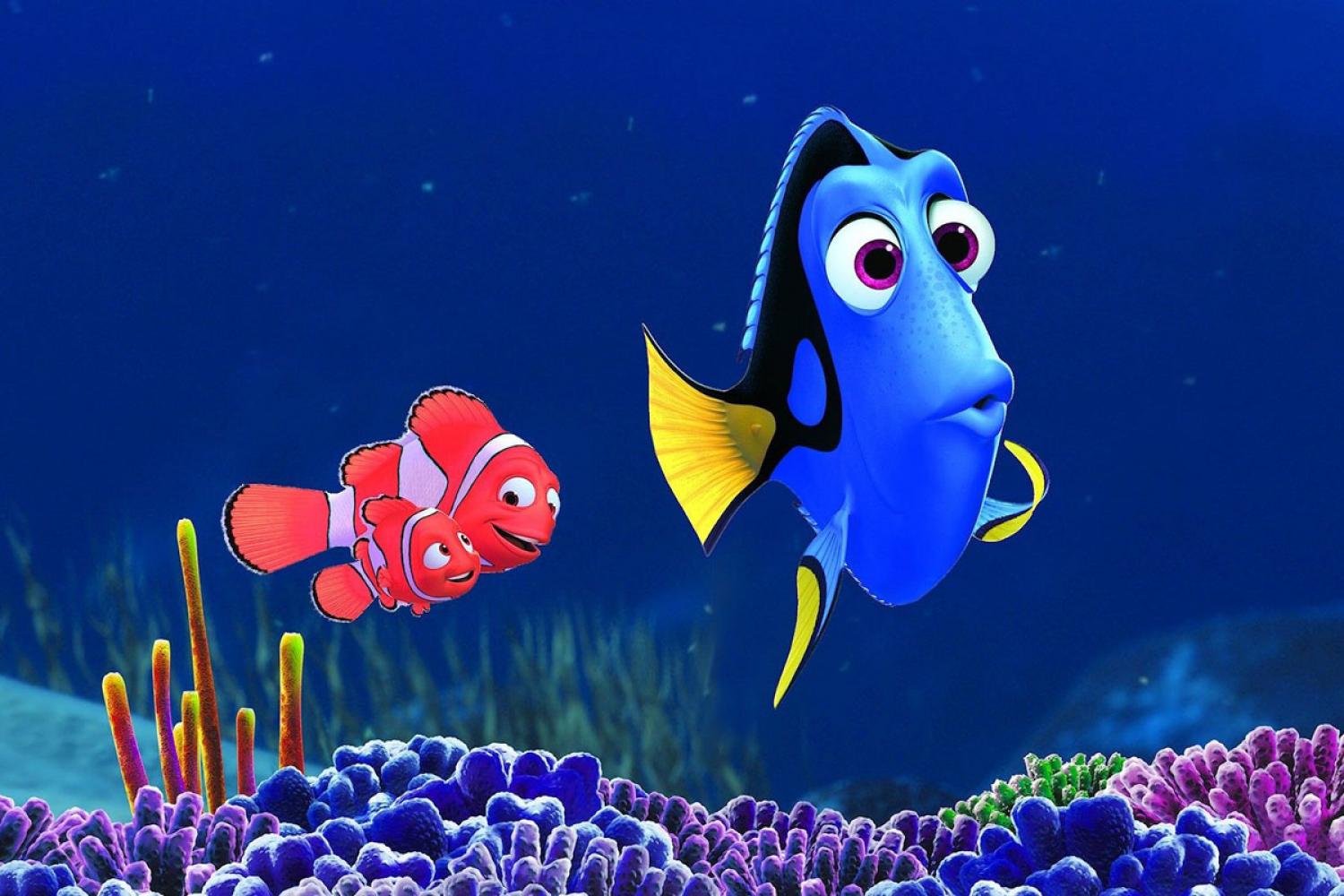
It took Pixar 13 years, but they finally made a sequel to one of their most beloved films, Finding Nemo. In that movie, a clown fish named Marlin crosses the ocean in search of his son, and he’s aided by the quirky and forgetful blue tang, Dory.

The sequel kicks off a year later, when Dory suddenly remembers a clue related to her family, whom she lost as a very young child—er—fish. So Marlin and Nemo help Dory cross the ocean once again to find them, only this time, they have to brave the horrors outside of the ocean, in a marine institute that rehabilitates fish and has its own aquarium exhibits.

First, let’s talk briefly about how Finding Nemo fits into the theory, because for obvious reasons, that will inform a lot of what we can uncover with the sequel.

FINDING FINDING NEMO

This was actually one of the shortest chapters of the book, mostly because the connections in Finding Nemo are very speculative and work to enhance other animal-centric films like Ratatouille. Interestingly, I do speak in length about Dory in that chapter, because she is a character who represents the mysterious intelligence animals in Pixar movies seem to possess, leading all the way to movies like Monsters Inc., which imagines a world where animals run the world as monsters.

Dory has very unique abilities that other fish like her simply don’t possess. She can read, for one thing, and “speak whale.” We’ll get to why that really is, later, because Finding Dory sheds plenty of light on where this all comes from.

finding dory pixar theory

I also speak on how Finding Nemo goes out of its way to create animosity between the fish of the ocean and the humans, paving the way for an increasingly connected community of animals who will do whatever it takes to get away from wherever the humans are. Humans steal Nemo and threaten his life, keep the Tank Gang imprisoned in the dentist’s office, and then capture Dory in a fishing net. It’s proven in the movie that humans are actually the biggest threat to creatures of the ocean.

But in the end, the fish rally against humans once and for all, thanks in no small part to Nemo’s leadership when he convinces a horde of them to break the human’s fishing net so they can escape.

WHAT ABOUT FINDING DORY?

Warning: spoilers for Finding Dory from here on out. Be sure to watch the movie before going any further unless you want to be spoiled.

Humans are still terrible in the story of Finding Dory, but not always directly. True, they capture Dory almost as soon as she reaches the kelp forest next to the marine institute. But Dory herself doesn’t seem to fear or hate them. She, just like most other characters, is pretty indifferent to the humans.

finding dory pixar theory

Hank the octopus, on the other hand, is very antagonistic toward the marine institute workers, always escaping and finding ways to avoid them at all costs. This is made even clearer when his worst nightmare is realized at the “touch pool,” where children descend their fingers upon the fish to the tune of a horror movie.

Imagine the scene from Toy Story 3 when the toys first encounter the caterpillar room. All of the savvy toys are hiding because they know children are coming to make their lives a living riptide. Well, that’s basically what happens here, and this fear of humans isn’t just comic relief. It’s kind of terrifying, and it’s even a little entertaining considering a Toy Story connection coming later…

It’s no wonder that by the end of the movie, all of the fish from the institute hark to the words of Sigourney Weaver and “release” themselves into the ocean. To them, freeing themselves of humans is their version of a happy ending.

THE DEAL WITH DORY…AGAIN

So what makes Dory so “special,” and just what in the ocean does that have to do with the Pixar Theory? Well, don’t forget that the growing intelligence of animals in movies like RatatouilleUpA Bug’s Life, and even The Good Dinosaur all lead up to the inevitable reality where oversized animals who look like monsters solely inhabit the future world devoid of humans (only for them to go back in time to harvest the energy-filled screams of children in order to sustain their world further because, and you guessed it, humans are batteries).
finding dory pixar theory

Like in Inside Out, Pixar hits us over the head with the idea that humans give off an energy that sparks life into everyday objects like toys, cars, and even our own emotions. So how did Dory become the way she is?

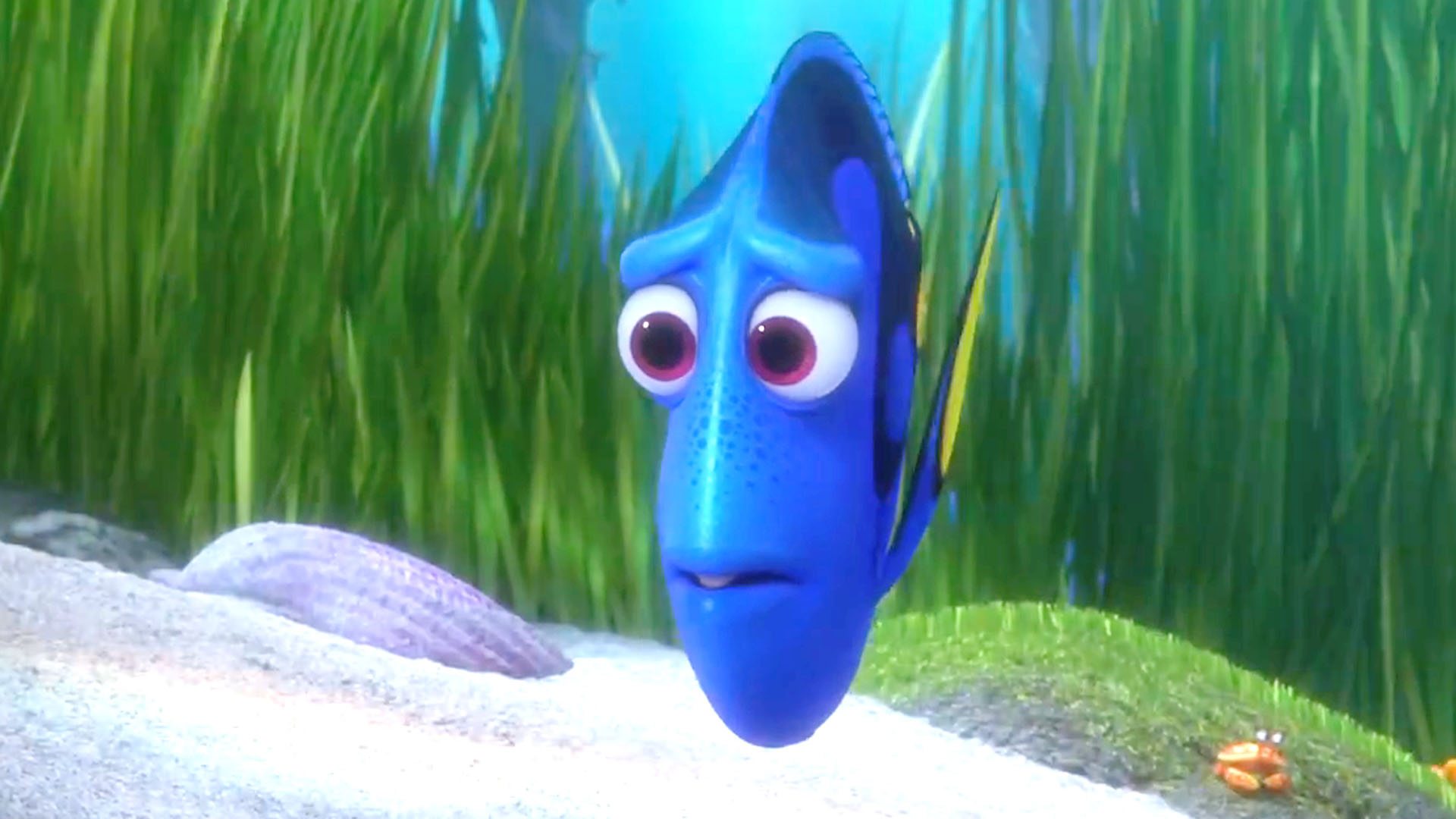
It’s revealed in Finding Dory that she was born in captivity. So she grew up constantly surrounded by humans and signs from the exhibits that she’s able to remember throughout the film, explaining how she was able to learn to read. Peach the starfish from Finding Nemo is another fish who has the rare ability to read, and even she explains that she was brought to the tank from eBay.

The idea is that when animals become entrenched in human fixtures and attention, they are able to expand their personalities and capabilities. Though Dory suffers from a very serious disability with short-term memory loss, she’s able to cope by forming connections in a very human way. This explains why fish are so quick to help her with whatever problem she’s facing, no questions asked.

We see the same sort of thing with Remy from Ratatouille, who becomes the greatest chef in France only after his experiences in the human world. Simply put, humans and animals have a lot to gain and learn from each other.

IS THAT IT?

finding dory pixar theory

Nope. There’s also a subtle but unforgettable moment in the movie that hints a connection with Toy Story. Here it goes.

About halfway through the movie, Marlin and Nemo find themselves in a fish tank outside of a gift shop, and there’s a single, plastic fish toy moving around them. It prods Marlin over and over again, and then eventually when they’re trying to figure a way out, they notice that the fish is tapping the glass all of a sudden pointing directly at the exact path they need to take in order to escape (a stream of geysers that will carry them over to the tide pool).

The idea is that the toy fish is, you guessed it, alive, and it’s trying to help Nemo and Marlin without revealing itself because it has to play dead with so many people around watching them. This is a great connection to the relationship we see in Toy Story 2 between Woody and Buster, who form a bond and friendship together. Here, the toy just seems anxious to show Marlin and Nemo exactly what they need to do so they can find their friend.

In other words, Pixar is amazing.

ANYTHING ELSE?

finding dory pixar theory

As always, there are ample easter eggs and references to other movies to find throughout, including the A113 callout that shows up toward the end of the movie on a license plate (again, just like Toy Story).

Also, Sigourney Weaver’s voice is heard throughout the marine park announcing the exhibits. This will be familiar to fans of Andrew Stanton’s other Pixar movie, WALL-E, which also features Weaver’s voice as the sound of a computer on the Axiom. Makes sense that in the Pixar universe, Sigourney Weaver’s voice is the most trusted when it comes to soothing, computer-controlled announcements.

Remember Darla from Finding Nemo? You can see the same photo of her holding the dead fish in the marine institute that her uncle has all the way in Australia. This means the marine institute has a clear connection to the P. Sherman, who also loves to work by the sea. It could even mean that in the one year since losing all of his fish in the tank, he decided to devote his life to studying aquatic life in California, a dream somewhat preluded in the fact that he scuba dived far into the ocean just to take photos, eventually leading to him taking Nemo.

finding dory pixar theory

And here’s a spookier reference that hints the rise of BnL, the corporation that will eventually burn all the trash into toxic air. In the picture below (bottom right), you can spot a WALL-E calendar, referencing the robots that will one day (try) to clean the Earth.

It’s telling that in a movie where there is a ton of garbage piling up in the water just outside the marine institute, robots as advanced as WALL-E are already being prototyped.

finding dory pixar theory

The Luxo Ball and Pizza Planet truck make their scheduled appearances, as well. You can see the Luxo Ball in the clutter of toys in the Kid Zone, and the Pizza Planet truck is one of the underwater vehicles found during the squid scene.

Be sure to add what you find in your own viewings via the comments.

Another quick thing, though, is that for whatever reason, Pixar seems to really hate birds unless they’re in a short like with Piper, or they’re named Nigel. Like the seagulls from Finding Nemo and the instinctual predator bird from A Bug’s Life, there are half-brained birds all over the place in Finding Dory, including one named Becky who will still find a way to capture your heart, I guess.

WHAT’S NEXT?

pixar theory

Sadly, it will be a year before we get any new Pixar movies, with Cars 3 set to release June 16, 2017. Though a lot of people may not be very excited about yet another Cars sequel, they can still take solace in knowing that the studio is releasing Coco, an original non-sequel coming out that same year in November, based on the Mexican holiday Día de Muertos.

The film has already begun animation as of April, and the premise follows a 12-year-old boy named Miguel who tries to uncover a “generations-old” mystery. The current synopsis is:

“Coco is the celebration of a lifetime, where the discovery of a generations-old mystery leads to a most extraordinary and surprising family reunion.”

Also, we have Toy Story 4 and Incredibles 2 to look forward to in the next few years, including a rumored slate of about four non-sequels Pixar is working on that are due to come out over the next decade.

All of these movies are months and years away, so until they release, I’ll be here conspiring.

Want even more?

  • First, be sure to check out the book, The Pixar Theory, available on paperback and ebook via Kindle, Barnes and Noble, iBooks, or just a PDF. This will cover the entire theory and every movie in the Pixar universe, updated from the 2013 blog post.
  • Parts 2 and 3 of the The Pixar Theory cover the latest movies that have come out since the book was published. So you can check out Part 2, Inside Out, as well as Part 3, The Good Dinosaur via the links.
  • Want to talk about all of this stuff with tons of other Pixar Detectives? You can start all of the conversations you want in the comments for this post, or join the ongoing discussions in the original blog post, here.
  • Last but hopefully not least, you can read my free Pixar Theory serial novel, The Pixar Detective, which was completed last spring. It tells a new story that shows off the grand narrative of all the Pixar movies with original characters, familiar faces, and a mystery that ties them all together.

Thanks for reading this. To get updates on my theories, books, and giveaways, join my mailing list.

Or just say hey on Twitter: @JonNegroni


Second Opinion: ‘Days of Future Past’ Is a Good, But Not Great X-Men Film

days of future past opinion

Days of Future Past was quite the success story when it finished its run in 2014, amid competition from Captain America: Winter Soldier and Amazing Spider-Man 2 in what was quite the crowded spring for comic-book movies, only to be upended by Guardians of the Galaxy that August.

Fans were divided on whether or not the film would actually work with time traveling in the mix, yet that very plot device is what enabled some of the film’s best moments, like seeing the previous generation of X-Men stars exist in the same universe as the fresher, more upbeat cast introduced in First Class. Because of this and a certain character named Quicksilver, DOFP was a huge hit with both audiences and critics, gaining almost double the average worldwide box office for X-Men films and getting the highest overall ratings.

And yet it’s probably not the best X-Men film, perhaps tying for second with First Class and submitting to the superior X2, if only because that film had the luxury of being a continuation of a solid pilot movie, as well as a more complete feature.

Like X2, DOFP’s biggest strength is its lack of having to tell another origin story. It’s a seamless continuation of two movies: X-Men: First Class and The Wolverine (or Last Stand, perhaps), making this the first X-Men sequel to feel like a comic-book movie, rather than a movie based on comic-book characters. It worked for Marvel’s slate of films, and it worked well here for X-Men, as well.

days of future past opinion

But also like Marvel, DOFP suffers from having a severe barrier to entry, preventing most newcomers from being able to jump in and start watching. Because of the complexity set forth by multiple soft reboots thanks to non-starters such as Last Stand and Origins: Wolverine, DOFP requires a full viewing of almost all of its films dating back to 2000 in order for viewers to have a complete picture of the “what” and “who” that makes up this film.

You can arguably get away with skipping the first X-Men, but then you wouldn’t understand the implication of Rogue’s actions in the subsequent two films. Skipping The Wolverine robs of you a crucial end-credits sequence that explains what goes completely unexplained in DOFP concerning the reappearance of two major characters presumed either dead or powerless. And even Origins: Wolverine lends some context to…well, never mind about that one.

Take a look at the complexity of the set up alone: In the future, Sentinels have all but rid the world of mutants, creating an apocalyptic wasteland in the process. So Shadowcat, reprised by Ellen Paige, uses a new power to send Wolverine’s consciousness back in time to 1973 to prevent a series of events that leads to the creation of the murderous sentinels, starting with Mystique’s mission to assassinate their creator, Bolivar Trask.

For invested fans, DOFP works on every level because there’s enough familiarity to fuel the drama that parallels between the past, with characters from First Class, and the dystopian future battled out with the cast of the first trilogy of movies. But most of the fun truly lies in the main plot occurring in 1973, as the movie feels most at home combining stunning special effects sequences with historical fiction, and doing it even better than First Class for that matter.

days of future past opinion

The main problem is that you spend more time trying to understand where everything exists in this movie than you do trying to analyze and think about the story. Little of the drama between characters is appreciated or slowed down to be appreciated, traded instead for a series of “big” moments compounding on each other in order to get to the finish line, which involves a sweeping retcon of previous X-Men flops.

Like First ClassDays of Future Past is certainly a good movie. It’s just not very great because it has to pave the way for something better, later. When it first came out, many fans were worried about getting their hopes up to high because director Bryan Singer had an almost impossible task set before him. But it’s clear that the task was to make a good film out of a complicated premise, rather than something amazing that manages to stand out and convert new fans into the X-Men universe.

Second Opinion Grade: B


I’m Jon and thanks for reading this. You can subscribe to my posts by clicking “Follow” in the right sidebar. Or just say hey on Twitter! @JonNegroni

Mo’ Money Monster, Mo’ Problems

money monster

This week on the podcast, the Now Conspiring team runs through the big entertainment news of the week, reviews Money Monster, as well as Uncharted 4 and Overwatch.

QUESTION OF THE WEEK: Which recently canceled show do you wish could be un-canceled? Also, don’t forget to pick an impression for Sam to stick with! There’s a special segment of the podcast to help you decide…

Go on…Mo’ Money Monster, Mo’ Problems

Review: ‘Money Monster’ Is Almost, But Not Quite, a Buy

money monster review

Films about Wall Street, greed, and the likely combination of the two have always been reserved for a certain type of moviegoer. Mostly the ones who care enough to understand the differences between the DOW and the NASDAQ, for example.

Last year’s The Big Short might have started a new trend, though, when it comes to films about how “big money” affects everyone, not just rich stockbrokers. And if that film was a prototype for how a complicated financial crisis could be better explained to outsiders or newcomers, then Money Monster feels like its made-for-TV spinoff.

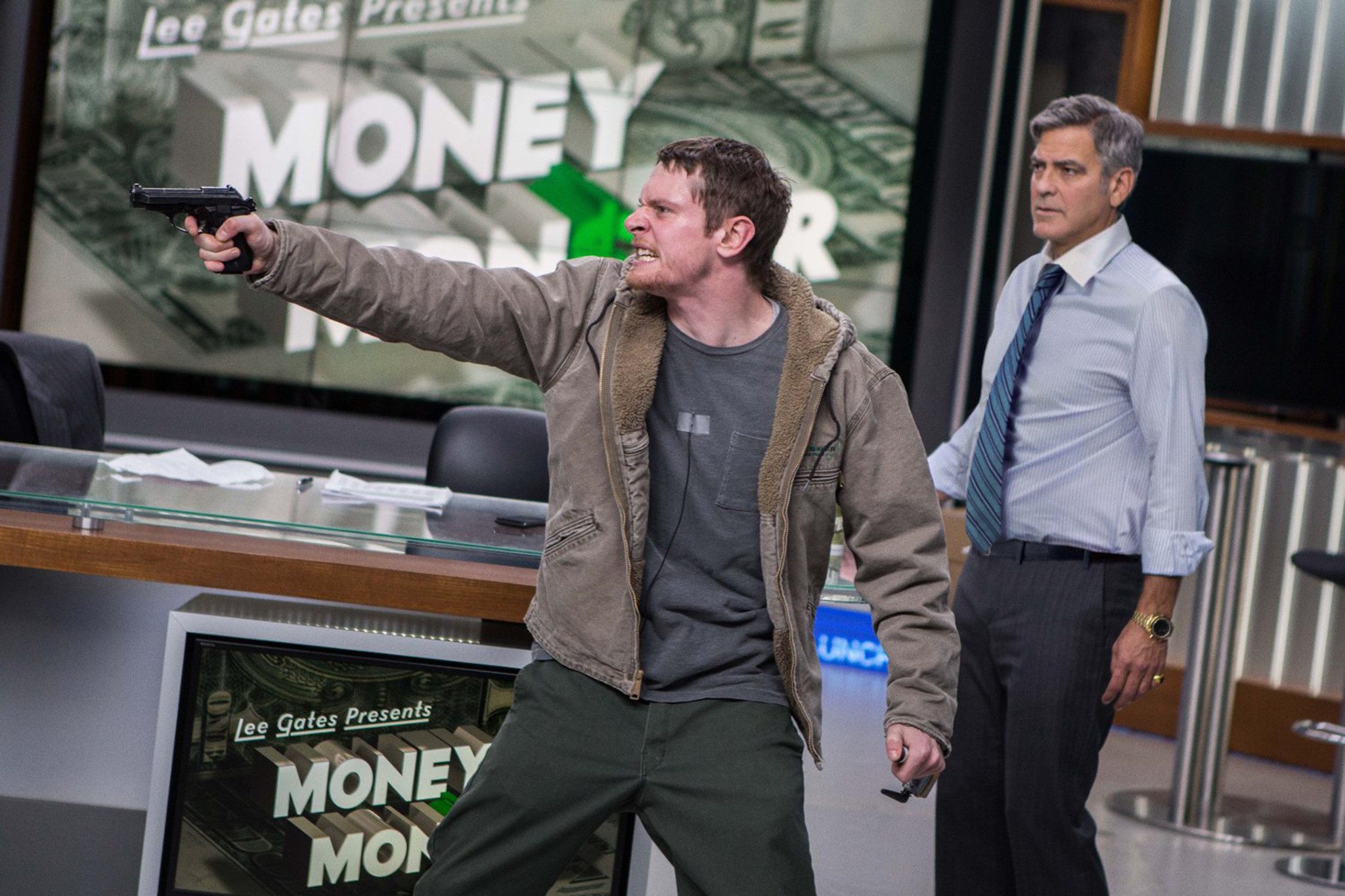
That’s not to disparage the movie, outright, but simply illustrate the downsizing in scale and entertainment value. To hook viewers, Money Monster begins as a hostage thriller, when a disgruntled victim of a bad call (played by Unbroken star, Jack O’Connell) hijacks a live Mad Money TV show clone hosted by George Clooney playing George Clooney if he had Jim Cramer’s job.

But as a whole, Money Monster wants to be about more than a singular man in search of answers while his finger is on a trigger, ready to set the studio to explode on live TV. It tries hard to place universal attention on the millions of people we didn’t really see on The Big Short. The ones who lost big when they bet big.

money monster review

The movie even transitions its multi-camera editing to ample shots of normal people reacting normally and nonchalant to what is frankly a terrifying situation occurring down the street. The intention is to drive home the point that people care little about the details of where their digitized money goes, but it falls flat about the seventh time the viewer (who has so far been hooked into a competent psychological showdown) is shown seemingly random scenes of hackers across the world playing video games while all of this goes down.

It’s these dramatic and abundant tonal shifts that weaken what could have otherwise been an effective, even moving film carried well by Julia Roberts, who plays the director in charge of keeping the cameras running per the gunman’s demands. The three-way-tug between her, O’Connell, and Clooney is easily Money Monster at its most interesting and somewhat unique. It’s just a shame that director Jodie Foster felt the need to cram quasi-relevant pop culture and news junkie references all over this film to drive home a point that could have been made with much less.

Grade: C+

Extra Credits:

  • Despite the low grade, I still think this movie is worth seeing for a lot of people. They just have to put up with a lot of eye-rolling fake news clips and Vine references while waiting for the good stuff the movie does provide (eventually).
  • I have a soft spot for Jack O’Connell, mostly due to his lightning-in-a-bottle performance as Cook in Skins. It’s almost a problem for me because I can’t unhear his British accent.
  • I didn’t say much about George Clooney for the same reason I didn’t in Tomorrowland or most of his other movies. The guy knows that at this point, he’s best at his most familiar. Though I’m craving an artistic renaissance from him, because we all know his talent didn’t stop at Up in the Air.
  • The above goes double for Giancarlo Esposito, who plays the one-note police captain.
  • I forgot to mention that this movie’s attempts at humor land about half the time. And when it doesn’t work, it really doesn’t work.
  • I’m going to rate Money Monster a SELL. Or however a C+ translates.

I’m Jon and thanks for reading this. You can subscribe to my posts by clicking “Follow” in the right sidebar. Or just say hey on Twitter! @JonNegroni

Snarcasm: I Review Movies Because I Hate Them

review movies hate

Snark + Sarcasm = what you’re about to read. 

Being a film critic is a tough job, mostly because you have to watch an endless amount of mediocre movies on top of all the ones you actually want to see. But we keep doing it for our own reasons; some critics enjoy the pure art of filmmaking and find greatness in even terrible stories.

Other critics, like me, care mostly about narrative, characterization, and cohesion. So you can read my reviews and get a sense for how I’m critiquing a film, and I even like bad movies from time to time when the story grabs me.

But then some critics seem to find zero value in anything that doesn’t align perfectly with a standard that’s alien to almost everyone reading the review. Hence, they write terrible reviews that leave us scratching our heads and missing the musings of Roger Ebert.

review movies hate

One such review is a write-up about Captain America: Civil War by Matthew Lickona on San Diego Reader. In it, he proves that less is not always more, like an entree salad without dressing or a review on Entertainment Weekly.

Lickona starts with a dependent clause (obviously):

A comic-book movie in the pejorative sense of the term

So right off the bat, he’s criticizing the genre itself. If he’s not a fan of comic-book movies, why be paid to review them, or want to be paid to review them? So people who were already uninterested have something to thumb through while NPR is reporting something interesting?

starting with the bizarre moral acrobatics required to set up the internal strife mentioned in the title.

Except the strife between Captain America and Iron Man has been building since they first met, and even before they met. It’s not “bizarre” or out of place because we’ve watched each of these character form the worldviews they espouse in this film in their previous movies.

review movies hate

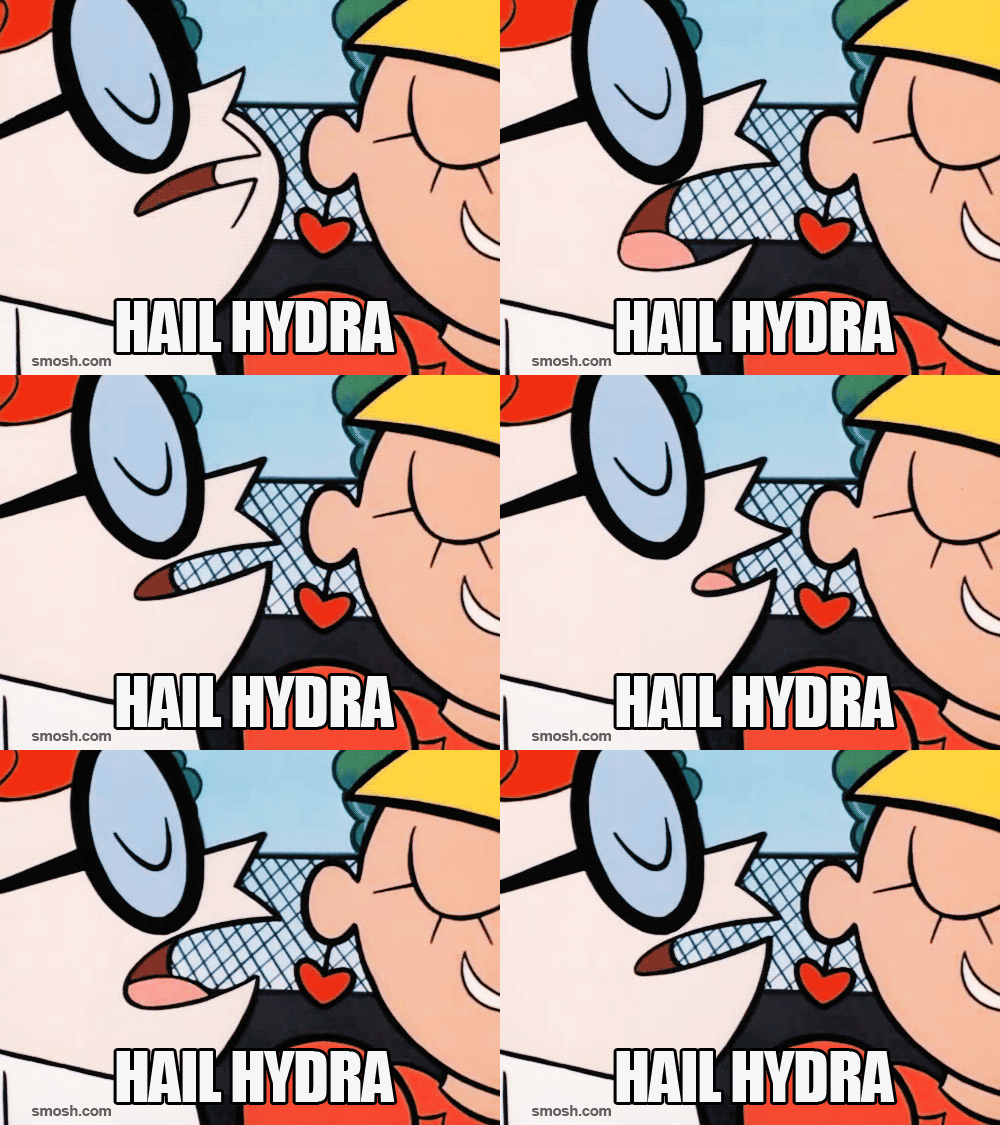
Captain America is a skeptic of government intervention because of what happened with Hydra in Winter Soldier. Tony Stark is feeling guilty for causing the catastrophe that was Ultron in Age of You Know What. The only acrobatics that went on here were in the fight scenes, so can we talk about those?

Sure, members of the Avengers saved the world a few times over, but innocents died in the process, and so someone’s got to take the blame. Or at least accept a government collar.

Indeed.

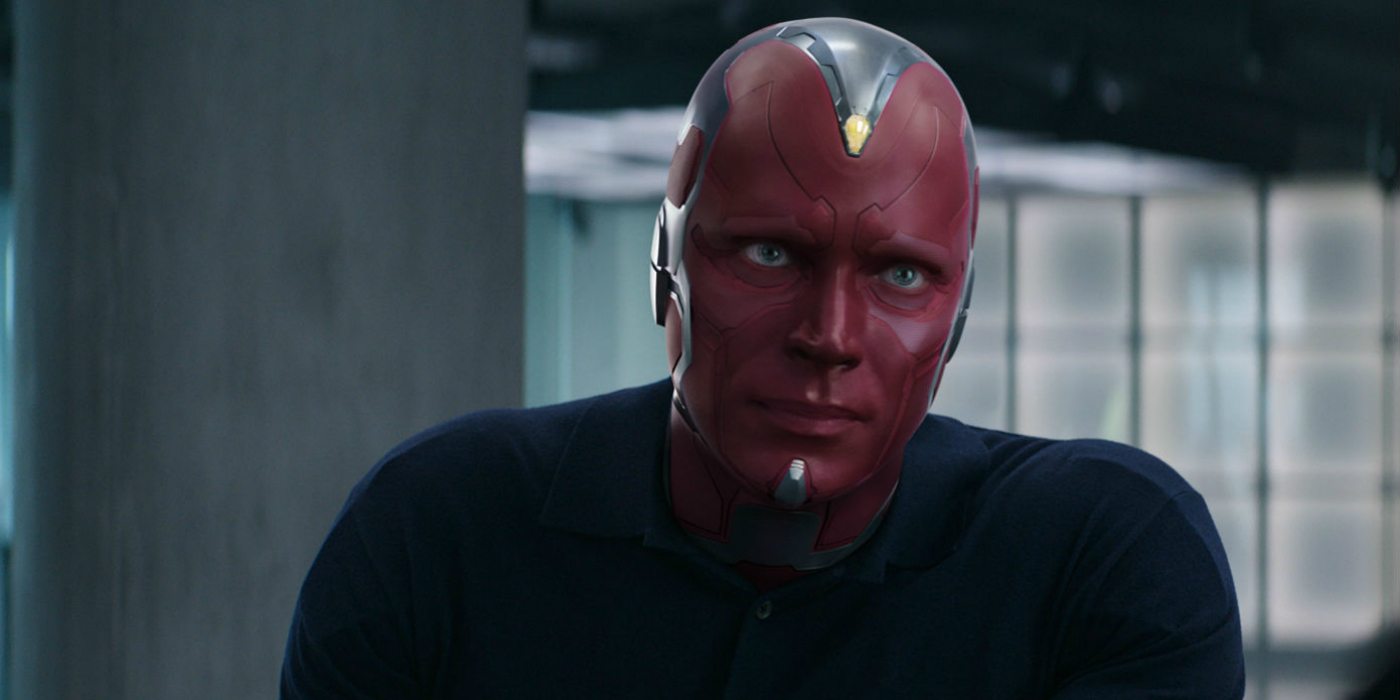
Human computer The Vision must have fried a circuit explaining it thus: “strength invites challenge; challenge creates conflict; conflict breeds catastrophe.”

The Vision is neither a human or a computer. And he seemed pretty calm while explaining this, “circuits” and all.

Never mind that the Avengers were gathered in response to a threat, not vise versa.

In almost every cases, these threats were direct results of the Avengers’ actions, hence the whole point of this conversation in Civil War. Tony Stark becoming Iron Man kicked it all off, inviting the strength of Loki and his alien overlords who invaded New York. Then the creation of Ultron brought on another crisis, proving Vision’s point that catastrophic events have exploded (no pun intended) since the Avengers first assembled.

Oh sorry, was I supposed to never mind?

review movies hate

The red-blooded patriot Captain America holds to principle, but former arms dealer Iron Man’s bad conscience gets the better of him, and the conflict is, as they say, created.

So the plot being artificial is his point (I guess, because lord knows he won’t be going into depth about this). Except, like I said, this conflict was born out of previous threads in other movies, making it feel like an expected debate after the tension that began between Rogers and Stark back in Ultron.

(Just try not to giggle at the notion of the US Government gravely fretting over collateral damage.)

Whoa there, Huffington Post, no need to get political on us.

First of all, no. You don’t think that the death of innocent people at the hands of reckless metahumans in our own country (and New York City no less) wouldn’t sound the alarm for the government, let alone the UN? They wouldn’t “fret” as you say? That’s too much of a suspension of disbelief for you, what with their dropping a city from the sky a few years later?

review movies hate

If anything, it’s harder to believe that the world governments didn’t do anything sooner.

Anyway, let’s get back to this sunburn-inducing hot take.

Moving on to the tension-free spectacle of heroes punching heroes — lots of flying bodies, minimal damage done

It’s legitimate to point out that the hero vs. hero scenes have less tension early on because you can even tell that they don’t really want to hurt each other, which makes sense within the context of the story. But that’s discounting a wide swath of action in this movie that isn’t hero vs. hero or done with lighthearted intention.

(Spoilers for Civil War from here on out)

Black Panther really wants to kill Bucky. Those FBI agents really want to kill Bucky, and Cap has to work harder to make sure Bucky doesn’t hurt them too much. And at one point late in the movie, even Tony Stark and Steve Rogers look ready to kill each other. You really think there was no tension when Cap was about to bash the shield into Tony’s face after disabling his arc reactor? You got nothing from that?

And finishing with the final reveal of the evil mastermind’s absurdly convoluted plot.

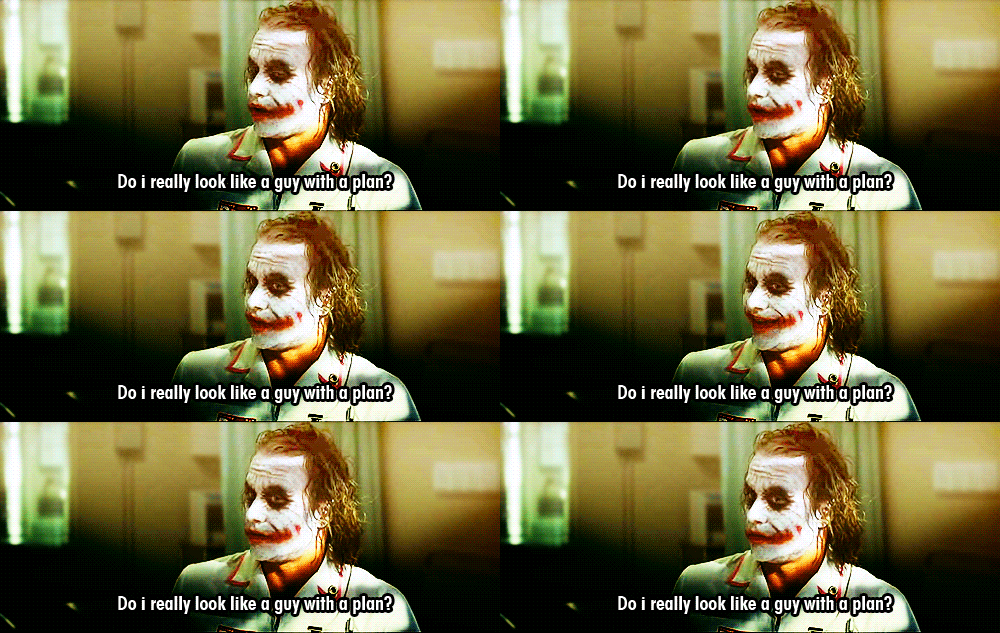
We can definitely complain about how strangely detailed it is, but it’s still on par with other convoluted master plans like the Joker’s in The Dark Knight. Though Lickona probably hated that too.

review movies hate

While it’s a peculiar plan to wrap your head around, it’s at least worth mentioning that the ending subverts your expectations of the villain, his motivations, and how the movie plays out. You think it’s going to end with the heroes uniting to stop a bigger threat, but instead, the villain wins and divides them.

But no, the plot is somewhat convoluted, so the whole thing is worthless.

The jokey super-banter remains to provide comic relief, and there are one or two moments that really stick (Cap vs. a helicopter, Iron Man vs. his own rage, and hey look, Spider-Man!).

“I like some stuff in this movie. 1/5 stars.”

No seriously, that’s his rating.

But mostly, this one registers as sound and fury, signifying sequels.

Just like Empire Strikes Back, which ended on a cliffhanger. Obviously, a movie that spends too much time setting up for future installments, rather than providing a great story, deserves the criticism. But Civil War was far more payoff than buildup to something else, and the fact that it does at times lay seeds for future films doesn’t suddenly poison the entire picture, unless you let it.

review movies hate

Look, I get that Civil War is a flawed movie and it certainly isn’t for everyone. And I totally buy that Lickona thought it was a bore of a movie, and that’s fine. My issue is that his review completely ignores his readership, or an understanding of why people love movies. He’s actively misleading people by dishing out crude marks based on glorified nitpicks.

By all means, break the movie down and explain what the instruments are that delude you. Don’t just slap a 1/5 stars on your paragraph of copy and then make sarcastic comments on repeat.

So I’m left wondering why Lickona even reviews movies at all, based on the clear evidence that he seems to hate the vast majority of them.

What, don’t believe me? Here are some other films Matthew Lickona has rated 2/5 stars or lower:


  • Zootopia
  • Inside Out
  • Star Wars: The Force Awakens
  • Dead pool
  • Whiplash
  • Birdman
  • Skyfall
  • The Martian
  • Sicario
  • Big Hero 6
  • The Good Dinosaur
  • Gone Girl
  • Guardians of the Galaxy
  • How to Train Your Dragon 2
  • X-Men: Days of Future Past
  • Captain America: The First Avenger
  • Bridge of Spies
  • The Fault in Our Stars
  • The Imitation Game 
  • Wild 
  • Avengers: Age of Ultron
  • Edge of Tomorrow
  • Neighbors
  • Kingsman: The Secret Service
  • The Dark Knight Rises

And many, many more.

Guess how many movies he’s rated 5/5.

Right! The answer is 0. And this guy expects you to believe him when he says that Captain America: Civil War is a bad movie because something something pejorative.


Hey! If you’ve come across a silly article that deserves the Snarcasm treatment, send it my way via Twitter or the comments below!

I’m Jon and thanks for reading this. You can subscribe to my posts by clicking “Follow” in the right sidebar. Or just say hey on Twitter! @JonNegroni