Retronalysis: ‘Meet the Parents’ Features De Niro at His Most Humorous

meet the parents retronalysis

The success and talent of Robert De Niro will never be understated, thanks to his legendary performances in Raging BullThe Godfather: Part 2, and many more (notice these are curiously dramatic roles).

But we’ve seen a curious trend arising in De Niro’s latest movie choices (aside from his David O. Russell projects), such as Grudge MatchLast Vegas, and now, Dirty Grandpa. In some of these movies, De Niro is paired with a younger, but talented actor, such as Anne Hathaway in Nancy Meyers’ The Intern.

And now, for better or (probably) worse, Dirty Grandpa sees him acting alongside Zac Efron.

This shouldn’t be too surprising. After all, Efron can be compared just as easily to Ben Stiller, who starred with De Niro in one of his best comedies, Meet the Parents, which is actually a remake of a 1992 film of the same name. Like Stiller, Efron has proven his comedic chops with films like Neighbors and…oh.

Unlike the dark comedies of De Niro’s early career (BrazilThe King of Comedy, etc.), Meet the Parents gave us a more lighthearted and absurd performance from the actor, in no small part thanks to his co-star credit, Ben Stiller.

When the film came out in 2000, it was an instant hit with both critics and audiences. But does it stand the test of time and two atrocious sequels?

meet the parents retronalysis

Directed by Jay Roach (Austin Powers and recently Sisters and Trumbo), Meet the Parents is about an unlucky guy named Greg (Stiller) who meets his girlfriend’s extended family during her sister’s wedding. He gets caught up in a web of small, social lies that put him in the crosshairs of his girlfriend’s disquieting father, Jack (De Niro), who puts the pressure on him as an increasing amount of unfortunate events get blamed on Greg’s hapless antics.

Aside from De Niro, Stiller is one of the best things about Meet the Parents, as it should be. For whatever reason, Stiller is able to make slapstick comedy seem genuine and earned, which is a trait he also pulled off in the equally funny movie, There’s Something About Mary.

Stiller’s character straddles the line of “everyman” and “deviant,” which is no easy task. His subtle, occasional slip into deviancy is mostly relatable, as you can understand why he’s so prone to telling Pam’s family a bunch of nonsense to make himself seem better in their eyes. He’s a nurse, but with no real prospects, especially compared to De Niro’s sordid, later-revealed past in the CIA (which serves as another great intimidation tactic that elevates the comedy).

As you can expect, De Niro also nails his performance, a trick not many other actors could match. He’s obviously the antagonist, but he has to be somewhat likable for us to root for Greg getting his approval. We end up loving Jack for all of his tender moments with Jinx and the family, the clear sign that retirement has made him feel less relevant in his kids’ lives, and all matter of other characterization that makes Jack sympathetic and believable.

meet the parents retronalysis

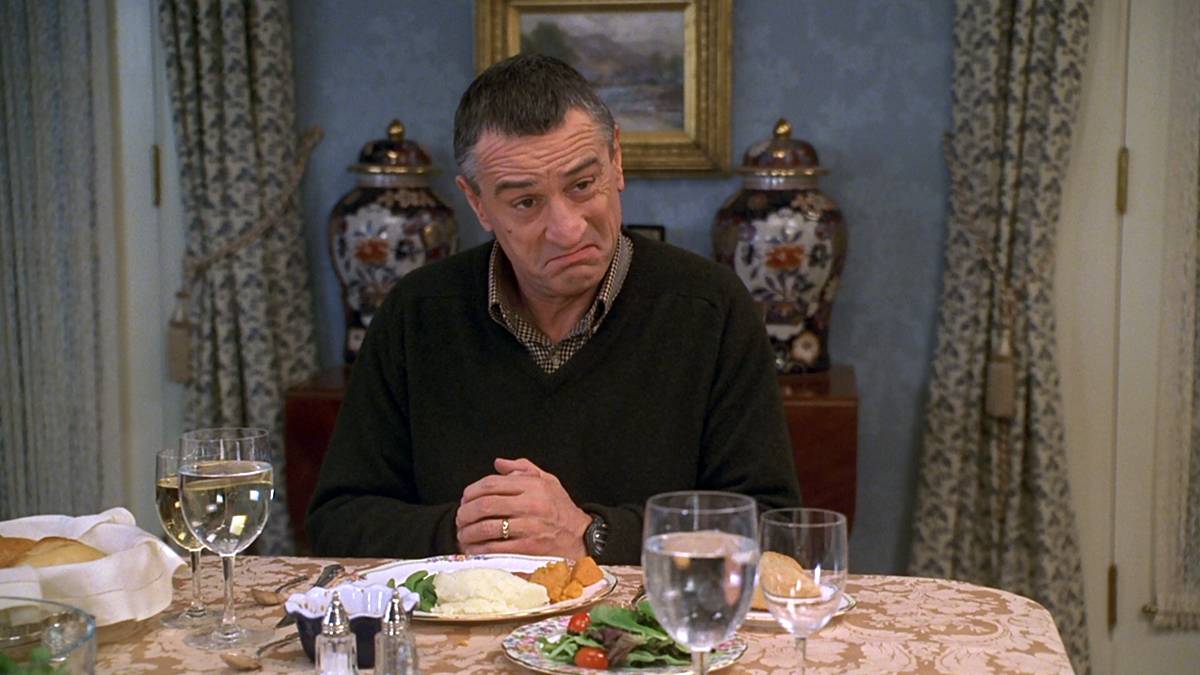
And the strangest thing about Meet the Parents is how much scope it lends to some extremely uncomfortable subject material, notably with the mixing of religions and class during the iconic dinner scene. Sitting at their table, Greg (a non-devout Jew) is socially compelled into praying for the food, a moment that adds unspeakable tension to an already unsettling scene. Of course, this only escalates further with some cat-milking anecdotes and the destruction of Jack’s mother, but the laughs don’t diminish the harsh realities gleaned from moments like that prayer.

This could have easily been a terrible movie, trying too hard to channel what made the Farrelly Brothers’ There’s Something About Mary work so well. But Meet the Parents never lets up with its unique brand of social and familial humor, even if it somewhat loses its creative stride by the ending.

Speaking of which, the only notable flaws in Meet the Parents are mostly forgettable. After a while, it’s easy to grow tired of the constant structure of Greg and Jack’s back and forth, which loses its variation by the third act. Audiences did get to the point where they just wanted Greg to dump Pam and just cut his losses.

Some of the jokes don’t work as well as the others, and some of the gags are too obvious for people not to see coming well in advance, including the vase scene mentioned earlier. But what does work in Meet the Parents works tremendously, and it has a fair share of memorable quotes and lines that people still love to quote 16 years later.

meet the parents retronalysis

For that reason, Meet the Parents will be remembered as one of De Niro’s best comedies, and I consider it his best modern comedy by far.

I’m going to give Meet the Parents a B+

Next week, I’ll be exploring the Kung Fu Panda movies as they lead up to the new installment, Kung Fu Panda 3. Until then, be sure to subscribe for other editorial content, podcast episodes, and more.

Thanks for reading this! You can subscribe to my posts by clicking “Follow” in the right sidebar. Or just say hey on Twitter: @JonNegroni

Review: ’13 Hours’ Is a Punishing Tribute

Michael Bay has a pretty extensive portfolio under his directorial belt, with 13 Hours: The Secret Soldiers of Benghazi being his third project based on real-life events.

Like last year’s American Sniper (which was helmed by Clint Eastwood), 13 Hours is a long action drama that puts recent military heroes at the forefront, documenting (sometimes literally) the events of combat in the Middle East.

While Eastwood positioned Sniper to be something closer to Bigelow’s Hurt Locker, Bay channels Michael Mann for 13 Hours, albeit with all-digital video, his signature action stylization, and some graphic content worthy of the R rating.

Unlike a typical action film by Mann, 13 Hours is a bit of a mess, both in writing and in editing.

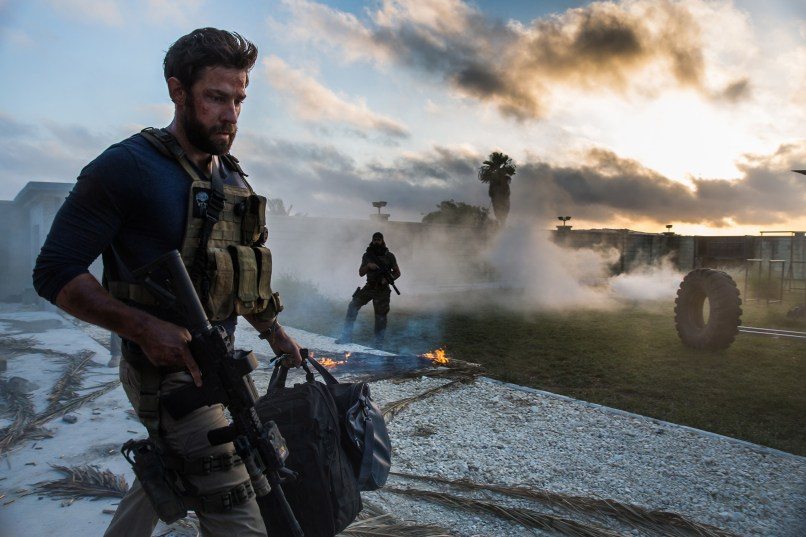
The film centers around the GRS, a covert security team dispatched against Lybian rebels during the Benghazi attacks. This is the conflict that ensnared American Ambassador Chris Stevens, and 13 Hours goes to great lengths when it comes to capturing the pure chaos of this true event.

That’s probably the film’s biggest issue. Much of the filmmaking is inventive, and it has some of Bay’s creative set pieces. But it’s jumpier than some of the political conflicts consistently appearing onscreen, with its quick-editing feeling too cumbersome throughout the movie.

13 hours review

Despite the film’s high production value and sometimes startling cinematography, the camera hates to linger on any given moment, always cutting you to the next sequence or possible encounter. While this makes for a good study of what true warfare is like, techniques like this and the dreaded shaky cam make it hard for moviegoers to keep up with 13 Hours during its painfully long running time.

The performances in 13 Hours are about as generic as you’d expect, with Krasinski trying his darnedest to work with Bay’s direction. There are a handful of unique surprises, but the character arcs fail to evolve from the high pedestal these soldiers are put on from the beginning, a common side effect when filmmakers create a tribute of recent events.

You don’t second guess the skill or bravery of the GRS, forcing you to rely on some unbalanced comedic timing (yes, 13 Hours is crammed with quips) and some tell-don’t-show exposition to make you care about each of them. That said, the film will likely succeed overall at making you root for them, since you do want to see these super soldiers unleashing hell.

I’m going to give 13 Hours: The Secret Soldiers of Benghazi a C+

Too many technical issues hold 13 Hours back from being thoroughly entertaining, despite how hard it tries to deliver a touching tribute with some challenging politics and performances. If you’re not a fan of Michael Bay’s style of filmmaking, it’s best to skip this one.

I’m Jon and thanks for reading this. You can subscribe to my posts by clicking “Follow” in the right sidebar. Or just say hey on Twitter! @JonNegroni

Star Wars: The Force Awakens — Spoiler Review

force awakens spoiler

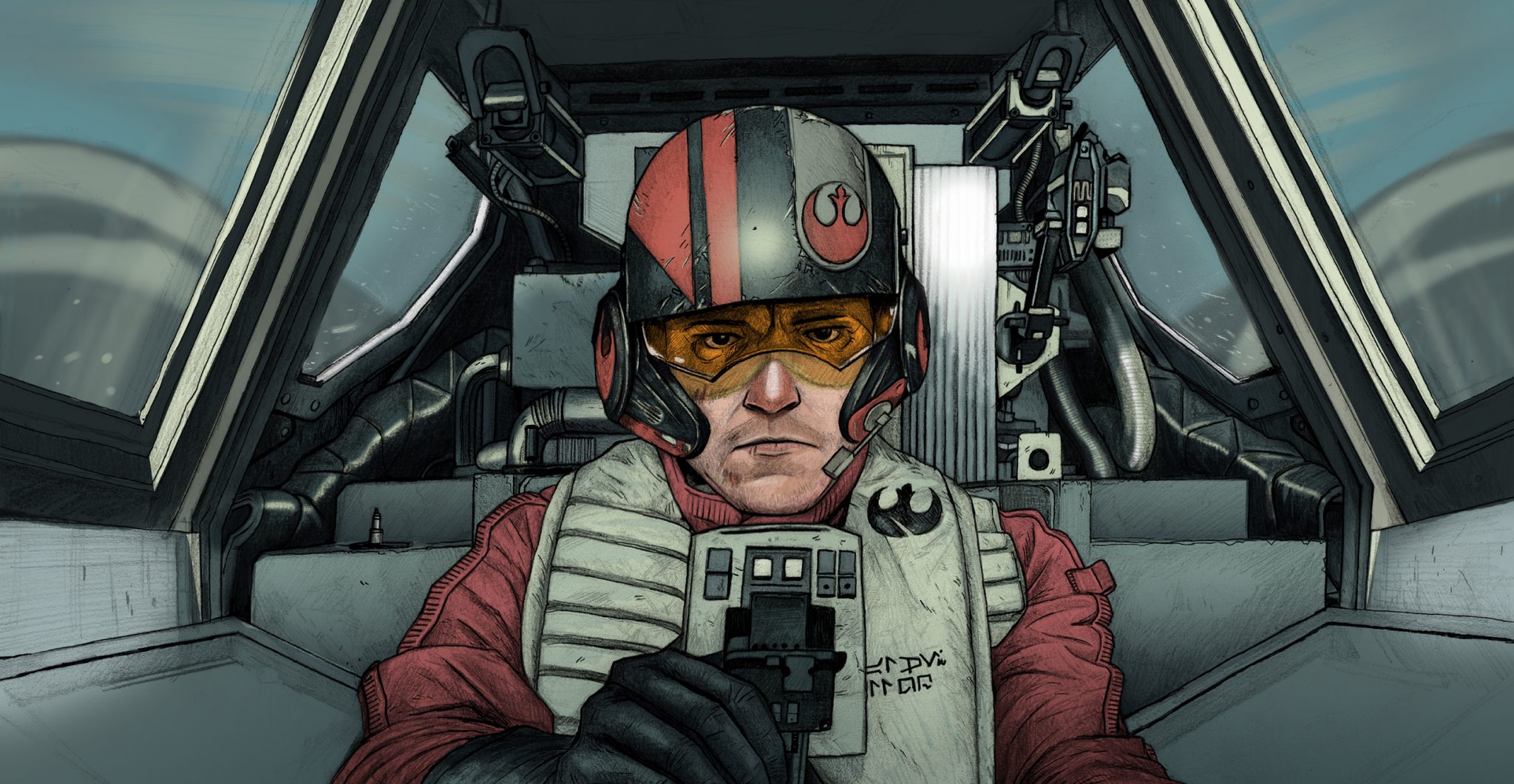
Artwork by ThomLSharp

This week, we dedicate the entire show to some spoiler talk for Star Wars: The Force Awakens. If you’ve already seen the movie and don’t care about spoilers, then this is the podcast for you.

We discuss the movie at length, and not everyone is quite enamored with the film. We’re opening up the comments below for full spoiler talk, so feel free to get it all off your chest.

As always, we read your feedback from last week, roast Adonis behind his back, and welcome Mike Overkill back to the show to get his perspective on Maria’s recent dating life.

QUESTION OF THE WEEK: We have two this week. First, who is your favorite new character in Star Wars: The Force Awakens? Second, what is your advice for Mike on getting his girlfriend to watch any of the Star Wars movies with him?

Go on…Star Wars: The Force Awakens — Spoiler Review

Review: ‘Krampus’

krampus review

The most interesting thing about Krampus is probably how refreshing it is to see a horror Christmas movie that sidesteps the usual suspects (such as a directly murderous Santa Claus). But while Krampus isn’t actually very scary or even funny, it captures something just as welcome as horror comedies go: it’s fun mayhem.

In European folklore, Krampus is the evil shadow of Santa Claus. Rather than fulfill the happy wishes of children, he comes to satisfy their darkest desires with his band of merry murderers. A child who has become disenfranchised with how Christmas shapes his dysfunctional family tragically discards his Christmas list, which earnestly asks Santa to make everyone in his life happier. As a result, Krampus (and a magically frenetic blizzard) is called upon instead.

That said, little of Krampus is seen until the end of the movie, as we spend more time focusing on his “little helpers.” Thankfully, they almost steal the show with their remarkable practical effects and a willingness for the movie to inflict violence on just about anything in its way, creating a tension that mashes well with the chaos captured in an early scene that satires the greed of holiday shopping.

It can be easy to discount Krampus as a whole for a few rotten eggs, namely some of the performances and its odd “PG-13” rating. But it finds its groove with an inspiring throwback animation that cleverly tells the story of Krampus within a new context, coupled with a dreadful (in a good way) performance from the grandmother, played by Krista Stadler.

While Krampus may not ignite the sort of pre-Christian folklore that deserves more cinematic attention, it may prove that holiday horror is a genre worth larger budgets that keep it off the discount bin.

Grade: B+

Extra Credits:

  • Michael Dougherty directed and co-wrote Krampus, and the comparisons between this and Trick r’ Treat are obvious. The superior film is pretty obvious.
  • This is a much better cast than I think the movie deserved. Adam Scott and David Koechner play quite well together, and the relationship between Scott and Toni Collete’s character is actually quite touching.
  • It’s subtle, but the sibling relationship between “Max” and “Beth” was written so well, I was quite sad they didn’t spend much time together outside of the first act.
  • No spoilers, but I adore the ending. I wish more movies would be brave enough to let their final act match the rest of the film.

This week on the podcast, we review Krampus in more detail, get our feet wet with some movie news, read your comments from last week’s show, and get down to business on our favorite animated movies.

I’m joined by YouTube sensation, Maria “Cineclub” Garcia; Film writer, Adonis Gonzalez; and digital illustrator, Kayla Savage.

QUESTION OF THE WEEK: What is your favorite animated movie that wasn’t made by Disney, Pixar, or DreamWorks?

Go on…Review: ‘Krampus’

Now Conspiring: Movies That Get Better The More We Watch Them

hunger games podcast

This week on the podcast, we review The Hunger Games: Mockingjay, Part 2 and discuss all of your latest entertainment news.

Maria hosts this anniversary episode (we’re now a year old!), where we answer your questions from last week and find out the skinny on Adonis’s love life.

QUESTION OF THE WEEK: What’s a movie you didn’t like a lot the first time, but loved the more you watched it?

Go on…Now Conspiring: Movies That Get Better The More We Watch Them

Snarcasm: The ‘Star Wars’ Prequels Were The Best Movies All Along

Star Wars prequels

Snarcasm is a weekly series where I encounter and try to understand the worst articles on the Internet. This week, I take on my fellow millennials who’ll say anything for a click. 

OK, we already talked about Star Wars a few weeks ago, but that was more about Piers Morgan and how irrelevant his film commentary is. That said, a similarly contentious article about the revered Star Wars saga was recently dropped on my doorstep with “It’s a trap!” scribbled across the label.

Writing for Toronto Star, Ian Gormely presents his case for why we may have been a little too harsh with the Star Wars prequels. Of course, that means his headline is…

Why the Star Wars prequels are better than the originals

And they say clickbait doesn’t write itself.

Now to be fair, the subhead is a little less sensational:

A generation of fans who grew up with the more recent trilogy make a compelling case that those are the superior films.

*shrugs*

Alright, you have an element of an interesting think piece here because younger viewers like me gave the prequels a pass, which is arguably similar to how older fans forgave the original trilogy for its ample flaws. I don’t agree, but it’s a worthwhile argument.

Then the article starts.

The prequels never stood a chance.

Right. One of the most anticipated films of the last 20 years never stood a chance. And yet the hype surrounding The Phantom Menace was astronomical, more so than this year’s The Force Awakens (because hey, we’ve learned the hard way not to get our hopes up).

The prequels very much stood a chance. People over the age of 15 just didn’t like them.

Hampered by two decades’ worth of expectations and hype, George Lucas’s deep dive back into the Star Wars universe was destined to disappoint.

I’m sure Ian would have said the same thing about The Empire Strikes Back if it had been terrible.

Star Wars (awkwardly retitled Star Wars Episode IV: A New Hope when Lucas rereleased it in 1997) and its sequels were generation-defining movies.

Awkwardly? I grew up in this time period, too, and I don’t remember having an issue with the naming conventions. And if they had kept the name “Star Warsfor just the fourth movie, that would have been way more awkward.

Also, why even bring that up?

When Star Wars Episode I: The Phantom Menace arrived in May 1999 fans were met with a film that was visually (computer-generated effects) and tonally (it was aimed at kids) miles away from their beloved originals.

When he says aimed at kids, he’s implying that the movie was mostly aimed at kids. Which isn’t true at all if you remember any scene from The Phantom Menace about trade negotiations, political squabbling, and multiple Jedi blathering instead of fighting until the last ten minutes.

And just to be clear, I enjoyed The Phantom Menace as much as I did Revenge of the Sith. I think they’re decent, even average movies. Their mediocrity is all the more depressing, of course, when you compare them with the original trilogy. Attack of the Clones is the only Star Wars film (in my opinion) that gets a failing grade.

 Subsequent prequels, Episode II: Attack of the Clones and Episode III: Revenge of the Sith, moved closer to Lucas’s originals, but many fans felt betrayed. This wasn’t their Star Wars.

He’s framing this argument as if Lucas was some sort of visionary trying to create something different, but those pesky fanboys were just too afraid of change. The problem, obviously, was that this change we got in the prequels was filled with annoying issues that even kids pretty much shrugged at.

Granted, we loved the prequels as kids. At the time, they were beautiful spectacles that forced us to wade through hackneyed plots to get to the stylized action. But not once did I ever consider them better than the original trilogy, solely because they were designed to be depressing departures, while the rest of the saga was filled with…well, hope.

J.J. Abrams’ upcoming seventh film, Episode VII: the Force Awakens, will reportedly hew closer in style to the original trilogy. 

Reportedly? Why did this blog spam suddenly remember it’s on a news publication?

But here’s the rub: a lot of people went to see The Phantom Menace — it made a billion dollars at the box office. Now in their 20s, this generation of Star Wars fan grew up not knowing a world without digital effects or Jar Jar Binks.

You know, unless we watched Quentin Tarantino movies instead.

To get a better sense of how they view the Star Wars universe we asked three deeply passionate fans to share their thoughts on the prequels.

Nice prank, Ian! For a second, I thought you were going to crowdsource your opinionated article with anecdotes instead of arguments—

Stuart (do you really want to know his last name? Isn’t privacy a thing in cases like this?)

Current Age: 26, which means he was 10 when Phantom Menace was released in 1999.

Why is this happening?

I’m going to leave out the heaps of personal data Ian dishes out for this guy, including his inclusion of (and I’m not joking) working for Virgin Radio.

I loved Darth Maul. The final lightsaber battle, that was the best lightsaber fight I’d ever seen.

Really? Because even my 8-year-old self still preferred Luke’s freakout in Return of the Jedi. Different strokes, but perhaps you loved that lightsaber battle more because the rest of the movie was so forgettable? Maybe?

Fans of the old series were looking for that nostalgia that they could relive. When the Phantom Menace came out, that’s when I think I was getting the experience that my dad and his generation had when the originals came out.

The problem is you think you had the same experience, but you’ll never know. And that’s fine. It’s great that you enjoyed these movies, but how can you compare that with someone’s else’s experience with a different movie during a different era? It would be like me telling my grandmother that seeing Get Hard was the equivalent of her going to see Gone With The Wind on opening night.

Ian’s next conveniently positive anecdote comes from someone who was 6 when The Phantom Menace came out (I wonder why we aren’t talking about Attack of the Clones at all?)

If you look at Star Wars as an epic Grecian tragedy, (the prequels) contextualize the original trilogy so well. It actually lends the original trilogy a lot more power when you know the history behind it

At times, this happens, sure. Notably in Revenge of the Sith when we get some solid scenes of Anakin getting seduced by the dark side. But come on, that’s a fraction of the whole film, which was mostly nonsense dialogue, deadpan characters, needless explanations of things that were better left to our imaginations, and sand, everywhere.

The worlds, the designs and the sci-fi concepts they introduce (in Attack of the Clones) are the best in all of Star Wars.

No.

No, they are not.

No reasonable fan with a straight face can say that the worlds of Attack of the Clones — Coruscant (which we’d already seen before), Tattooine (which we’d already seen before), Naboo (which we’d already seen before), and an asteroid field (which we’d already seen before) — were superior to anything in the other films, including the prequels.

Scrap those rehashed locations and you’re left with the green screen that is Kamino and Geonosis, which was basically Tattooine with mountains and a CGI factory.

Simply put, saying Attack of The Clones has the best worlds and designs is like claiming Chappie is a better Neill Blomkamp movie than District 9.

They made the political parts of The Phantom Menace that people hated, the political intrigue, actually interesting.

Oh really? I wonder how many people can tell me (without looking it up) why Jango Fett was trying to assassinate Senator Amidala. Or how Palpatine specifically got his emergency powers. Or why the clones were working for Jango, but ended up in the hands of the Republic by the very end. Or why Dooku betrayed the Jedi. Or what Anakin’s deal is with SAND EVERYWHERE, HE’S FROM A SAND WORLD SO HE SHOULD BE USED TO IT.

Sorry. Unresolved issues.

Star Wars was an adventure story and now they give it scope. It’s more than a ragtag team trying to take on the whole world. It almost becomes a political thriller.

Now we’re just throwing words into sentences and calling them paragraphs, people.

A ragtag team? Of a girl, her stalker, and two droids who offer nothing to the plot but are only there because we remember them from other movies? Or were you referring to Obi-Wan and…um…that fat alien from the diner? Oh, those dang misfits!

Ian provides more anecdotes, and what’s funny about them is that these guys completely admit the elements of the prequels are terrible. One guy notes “the crappy love story,” but justifies it by saying people were invested and had to see what’s next. You know, like clickbait.

And that’s it! Ian ends the article…there. No conclusion…hmmm…comments are closed, that’s interesting…

I guess I missed the part where Ian and his friends actually make a case for why the prequels are better than the original trilogy. Or bring up specific things about the original trilogy. All I read was a laundry list of subjective observations and straw grasping for the sake of getting attention. That’s the Snarcasm guarantee.

Guys, I’m not trying to hate on anyone who loves the prequels. I get it. They can be guilty pleasures because we saw them at an age when all we wanted to see on the big screen was a cacophony of lightsaber fights and epic space battles. And the prequels absolutely delivered on that.

But let’s not kid ourselves, pun intended. The prequels were fan service, but for the lowest common denominator. They were the Fast and Furious movies in space, except they were intended to be more compelling, which makes them all the more cringeworthy. I don’t mind re-watching them and appreciating decent moments throughout, but you’re never going to convince true fans of any age that they’re better than what we got with the original trilogy.

And please don’t watch Chappie

Hey! If you’ve come across a silly article that deserves the snarcasm treatment, send it my way via Twitter or the comments below!

I’m Jon and thanks for reading this. You can subscribe to my posts by clicking “Follow” in the right sidebar. Or just say hey on Twitter! @JonNegroni


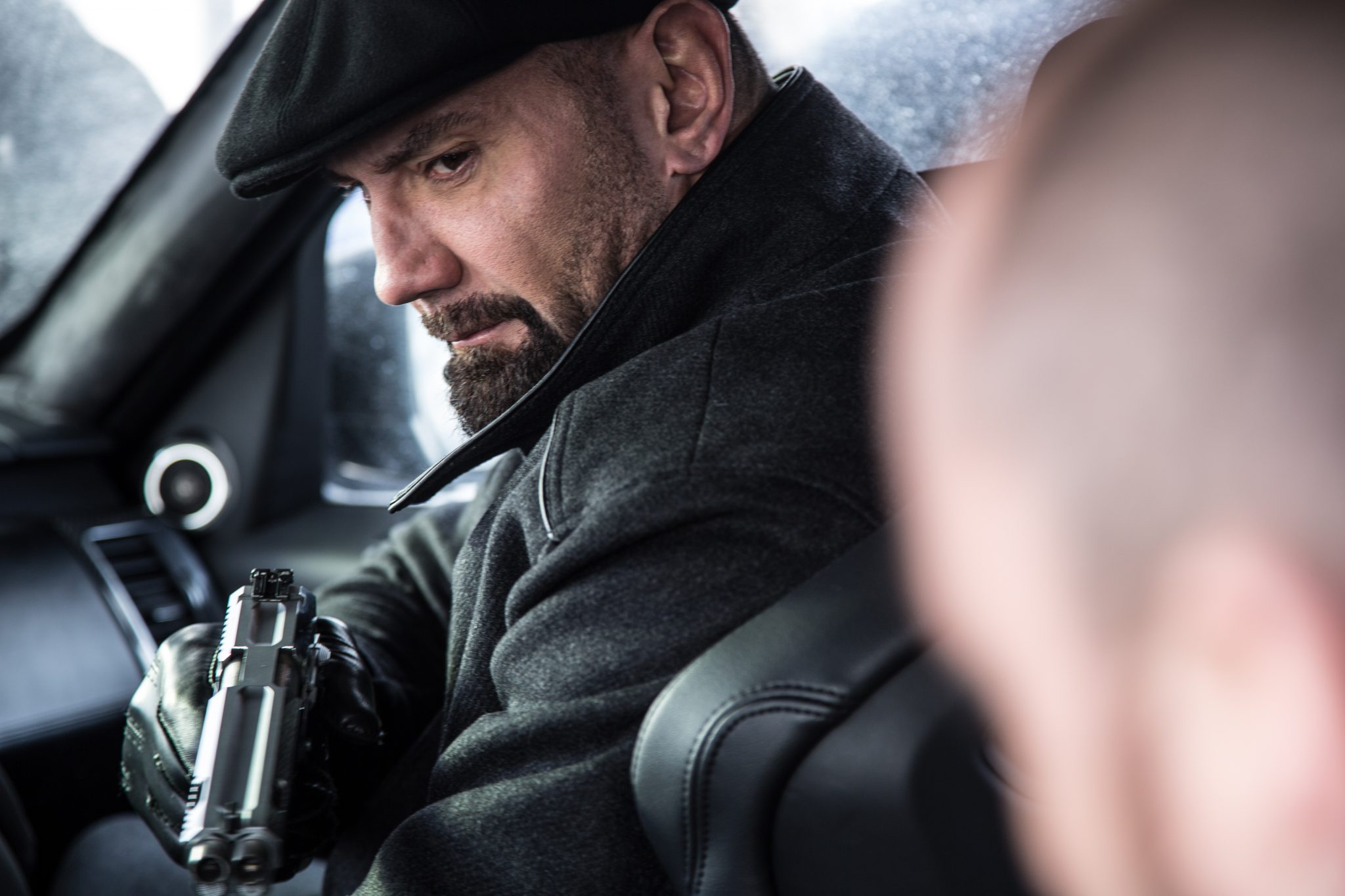
‘Spectre’ Review: It Might Be Time For Another Reboot

SPECTRE review

Spectre is the latest addition to the decade-spanning James Bond franchise. It was directed by Sam Mendes and written by John Logan, Neal Purvis, and Robert Wade.

For the fourth time, Daniel Craig reprises his role as the globe-trotting spy (well, assassin at this point) in yet another mission where he takes on a shadowy organization tied to the last three films and picks up a loosely related Bond girl in the process.

In Skyfall, we finally watched Bond’s full transformation into the suave 007 being built up since Casino Royale (still the best James Bond movie in decades). That’s why I find it strange that Mendes was chosen to direct the followup, considering the fact that Spectre should (by its franchise’s standards) be an evolution.

But Spectre is really just a very small step sideways. Granted, it’s beautiful and well-acted thanks to Mendes’s distinct, signature vision for these “origin” movies. And to the film’s credit, it merges much of what we know and love from the Connery films with this new iteration, effectively closing the loop on Craig’s story. The only problem is that this is executed to feel more like a needless homage, instead of a revival.

SPECTRE review

Perhaps Martin Campbell should have returned to direct, but he’s probably on retainer for the next actor’s take on the franchise. Though Mendes delivers much of what we want from Skyfall, his writers give us what amounts to a boring, overwritten script that could have used another rewrite.

Still, there are memorable set pieces throughout, including a long take early in the film that deserves to be seen on the big screen. The action scenes and editing are just as good as they were in Skyfall, and we have the best Bond girl since Vesper with Madeleine (Léa Seydoux), though her character somewhat falters throughout the last act.

So elements of Spectre work well, including the quips, choice of locations, and Craig’s performance. Like Mission: Impossible Rogue Nation, our side characters, including Ben Wishaw’s Q, have more to do than ever, and it helps the film tremendously.

If you’re already invested in the James Bond universe, you’ll probably have a good time with Spectre. But the film doesn’t come together as well you’d expect, especially with Christoph Waltz’s Franz Oberhauser ultimately being relegated to a minor role for most of the film (similar to how Dr. No was structured).

SPECTRE review

Grade: B

Overall, Spectre is a good James Bond movie (and much better than Quantum of Solace). But its script and uneven story hold it back from being a good movie on its own.

For a more in-depth look at Spectre, come back this Sunday for the Now Conspiring podcast, where we’ll discuss this and other new releases.

I’m Jon and thanks for reading this. You can subscribe to my posts by clicking “Follow” in the right sidebar. Or just say hey on Twitter! @JonNegroni