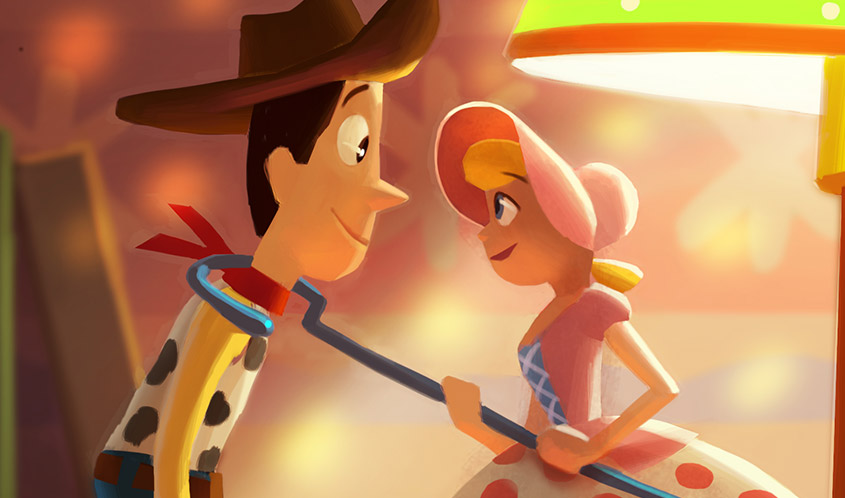
How Did ‘Toy Story 4’ Do At The Box Office Compared To Other Pixar Films?

toy story 4 box office

The results are mixed.

It’s been nearly 16 weeks since Toy Story 4 opened in theaters, and though the Pixar fourquel is still playing in a handful of second run theaters nationwide, its box office destiny is more or less set in stone, especially with the film now available to rent on demand.

How did Woody and the gang do? As I noted in the weeks following the film’s releaseToy Story 4 fell a bit under expectations for a Pixar sequel when compared to the opening weekends for Finding Dory and Incredibles 2. Nevertheless, it had a strong summer in light of few other animated family films coming out to play.

The results speak for themselves. Toy Story 4 made $1.068 billion worldwide, which is just $2 million higher than Toy Story 3 earned in 2010 (unadjusted for inflation). It’s now the second highest grossing Pixar film of all time behind Incredibles 2.

When you do adjust for inflation, however, the results are murkier. It’s not an exact science but films like Finding Nemo and Toy Story 3 easily breeze past Toy Story 4 despite having smaller releases worldwide.

Domestically, these numbers are similarly salt-graining. Adjusted for inflation, Toy Story 4 (which has made $433.3 million) is only the fifth highest grossing Pixar film in North America behind Toy Story 3Finding DoryFinding Nemo, and Incredibles 2 at #1. It’s also worth pointing out that Toy Story 4 wasn’t even the highest grossing animated film of the summer, because The Lion King ended up grossing $1.6 billion (which makes it the highest grossing animated film of all time).

Now this may all seem like silly numbers to parse out. Who cares if Toy Story 4 wasn’t the best box office success of all time? Beyond general curiosity, I find these numbers incredibly important, because they signal a limitation for these Pixar sequels. They’re still successful, don’t get me wrong, but Disney and Pixar have to see what is clear and obvious.

They can’t keep banking on films like Incredibles 2 and Finding Dory to be massive, billion dollar films with more sequels churning out, and the studio has to reaffirm their commitment to original films in the coming years. We already know the studio has seen this coming as an inevitability, because their next four films are, in fact, originals. That fresh intellectual property will prevent Pixar’s roster from growing stale with what feel like cash grabs, even though Toy Story 4 was a well-received film by and large.

But Toy Story 4 feels like the minor dip pointing to a larger trend. Because it didn’t outgross the last major Pixar franchise sequel (with a decade or longer wait in between), Disney and Pixar have no choice but to double down on bolder, richer films based on new stories. The kind that made this studio a trusted, household name in the first place.


The Box Office Limitations Of ‘Toy Story 4’ Spell Mixed News For Pixar Fans

toy story 4

Toy Story 4 is doing well at the box office. Three weeks into its release, the sequel has earned over $650 million worldwide, with a good chunk of that being made domestically (which means higher profits for Disney and Pixar).

Soon, Toy Story 4 will surpass Finding Nemo and Inside Out at the domestic box office, but it might only just barely catch up to Toy Story 3. It stands no chance of making the same amount as Finding Dory and Incredibles 2, which are two of the highest grossing animated films of all time.

This is a bit…unexpected. Box office prognosticators like myself predicted a much stronger showing for Toy Story 4, one that would at least keep pace with Finding Dory. Why? It’s a summer release, Toy Story is a beloved franchise, reviews have been stellar, and it’s been almost a decade since the last film. These were all factors that contributed to the massive box office success of Incredibles 2 in 2018 and Finding Dory in 2016.

The same just isn’t happening for Toy Story 4.

To reiterate, the film is doing extremely well by Pixar standards. Just not Pixar sequel standards (disregarding Cars 3, of course). The film should be outperforming Toy Story 3, taking into account inflation. What was $1 billion in 2010 amounts to a far greater sum in 2019. Pixar made Toy Story 4 with the hopes that it would make more profit, not about the same or slightly less.

It’s hard to pin down what’s precisely contributing to this underperformance. It’s been a weak year for animated movies overall at the box office, especially sequels. How to Train Your Dragon 3, The Lego Movie 2, and The Secret Life of Pets 2 have all done far worse business than their predecessors, even with good reviews on their side.

No matter the exact reason, at least one thing is clear. Pixar and Disney now have to reckon with the reality that the sequel gravy train isn’t as long-lasting as they might have hoped. New Pixar sequels won’t necessarily be huge moneymakers, for reasons that are admittedly nebulous and unpredictable. There’s a ceiling to how many movies Pixar can deliver within a single franchise before moviegoers get bored. Audiences just don’t seem to be as invested in a fourth Toy Story as they would be a fourth Avengers film, apparently.

But this is good news for Pixar fans. By and large, we want more original films from the studio, and the underperformance of Toy Story 4 lends credence to artists who want to challenge resourcing decisions. They can now argue that a slew of original Pixar films is badly needed in order to refresh their existing IP in the years before we get an Incredibles 3 or Inside Out 2, which are probably the only sequels most audiences would be curious to see anytime soon.

That said, there’s also a downside to Pixar rethinking their lineup of films in the latter half of the next decade (keep in mind, their next four films are already originals). Yes, they have new incentive to focus on original films because sequels to existing sequels simply aren’t guaranteed hits, but this unearths a new problem. What if Pixar stops making as many original films that don’t have to be franchise starters?

Put more simply, Pixar might stop making films like Coco and WALL-E because stories like that are too standalone in a cinematic landscape where franchises practically rule the box office. Why green light the next Ratatouille or Up when more resources and effort can be put into the next Incredibles, which is a film with so much spectacle, you can’t help but want it to continue.

My worry is that the next truly great original idea for a Pixar film might be tossed aside in favor of something more financially feasible. Or worse, an original idea might be tampered with in order to fit a sequel paradigm outside its intended draw. This is all speculation, and we simply don’t know what Disney and Pixar are truly considering for their next creative output. But we know they’re paying careful attention to what is making money at the box office right now. And they’re not films with satisfying conclusions. They’re films that never really end.


Cinemaholics Review: Jurassic World: Fallen Kingdom

fallen kingdom

This week on Cinemaholics, I’m joined by special guest Jake Holland and my co-host Will Ashton to review Jurassic World: Fallen Kingdom. Is the “fallen kingdom” in question the state of the Jurassic Park franchise at this point? Well, according to the box office, definitely not. We had a great conversation about the series as a whole and leading up to this new film from J.A. Bayona, and we’ve even included a brief section for spoilers (with fair warning of course).

We opened this week’s show with some Off-Topics, including a rundown of Incredibles 2 breaking all kinds of box office records, plus how Solo: A Star Wars Story‘s utter failure at the box office has reportedly led to Disney and Lucasfilm putting future standalone Star Wars movies on hold. We also get into a fascinating segment about Gotti, which includes everything from a marketing campaign targeted at film critics to some seriously shady number crunching going on at Rotten Tomatoes. You’ll have to hear this one to believe it.

Last, we get into Mini Reviews as usual, but only a few this week. I give my thoughts on Luke Cage Season 2, which just dropped on Netflix, as well as the new romantic comedy Set It Up. And Will finally saw Thoroughbreds, one of my favorites of 2018.

Question for you: Aside from the original, which is your favorite Jurassic Park movie?

Go on…Cinemaholics Review: Jurassic World: Fallen Kingdom

‘Incredibles 2’ Is Beating ‘Finding Dory’ at Ticket Pre-Sales

incredibles 2

From Entertainment Weekly, which has a more dramatic headline – Incredibles 2 on track to be biggest animated movie of all time:

According to Fandango, Disney’s highly anticipated superhero family sequel is tracking to be the biggest animated movie ever in pre-sales.

The film is out-pacing the previous record holder, 2016’s Finding Dory, which went onto become the highest-grossing animated movie ever with $486 million in domestic sales (followed by Shrek 2 with $441 million, The Lion King with $422 million and Toy Story 3 with $415 million).

We don’t know for sure if this will translate to an equally strong opening weekend (Solo also had good pre-ticket sales), but this falls in line with my prediction that Incredibles 2 will be one of the biggest movies of the summer, probably just below Avengers: Infinity War in terms of worldwide box office, or perhaps Jurassic World: Fallen Kingdom. It also helps that this new Incredibles sequel is about as good as everyone is hoping (I saw it yesterday, and I expect most of you will be more than pleased).

Go on…‘Incredibles 2’ Is Beating ‘Finding Dory’ at Ticket Pre-Sales

Incredibles 2 Will Be Way More Successful Than (Some) Think

I don’t usually dive into the prediction game, but this year I’m feeling uniquely compelled to weigh in on the box office future of Incredibles 2, a Pixar film some are strangely underestimating as we close in on Summer 2018.

Will it be #1 for the whole summer? Not necessarily, thanks to Avengers: Infinity War. But here’s my breakdown on how I envision the summer playing out in general, from Deadpool 2 to Solo. Spoiler alert: it involves Disney making way more money than everyone else. In part thanks to Pixar’s latest sequel based off of one of their most beloved movies.

Go on…Incredibles 2 Will Be Way More Successful Than (Some) Think

Every Pixar Film Ranked By Their Box Office Success

pixar movies

From Toy Story to Finding Dory, which Pixar movies found the most financial success with audiences? 

A few years ago, I did a ranking just like this in the year leading up to Inside Out. It was simple: I took the worldwide box office returns for each Pixar movie and adjusted for inflation, though I measured the numbers according current rates of inflation (2014 at the time). A faulty metric, now that I take a second look.

Honestly, it’s hard to rank these movies on the same playing field, because so many circumstances determined their profits. 3D ticket sales and a widening international market make it harder to define which Pixar movies were more “successful” than others based on their own terms and fair context.

So this time, I’m only looking at two factors: domestic box office and a rate of inflation with 1995, the year that Toy Story came out. So all of the numbers you’re about to see bolded are NOT the actual numbers you’ll find online, but rather they’ve been modified to match what they were worth 22 years ago. UPDATE: I’ve since added Cars 3 and Coco to this list. 

Let’s start at the bottom of the list this time with…

Go on…Every Pixar Film Ranked By Their Box Office Success

Marvel Has Been Successful Because It’s Better at Being Different

marvel better different

Until the end of the “superhero golden era” finally comes, we won’t be able to analyze the full impact that Marvel Studios has had with its cinematic universe of movies. But even though we don’t have the full picture at our disposal, everyone has their own reasonable guess for how and why Marvel been the dominant superhero movie franchise for nearly a decade, in terms of both critical and fan reception.

Some of the effects of the Marvel Cinematic Universe (MCU) are quite obvious, and I think that’s why vague observations about Marvel Studios are tossed around by its naysayers. When you think of shared universe movies — that is, movies that share the same characters and other sandbox elements without being direct sequels — you might feel the urge to groan a bit, especially if you watch and keep up with a lot of different movie franchises that all strive to replicate what Marvel did so well with Iron Man in 2008.

Sony tried to kickstart a Spider-Man shared universe of villains and ultimately failed. Universal has long been planning a shared universe of monster movies, citing they could have the “Avengers” of Dracula, the Frankenstein monster, the Wolfman, and more. Even a Hanna-Barbera cinematic universe is reportedly in the works, planned to kick off with a new Scooby Doo movie. And this year’s Ghostbusters ends with a universe-setting teaser straight out of the ambiguously defined Marvel formula.

Marvel’s most direct rival, and for several obvious, yet key reasons, is DC Comics, which Warner Bros. owns the exclusive rights to. After a hugely successful trilogy of Batman movies, all helmed by Christopher Nolan and universally praised by fans and critics, Warner Bros. took the next logical step toward establishing a shared universe of their own that could do for Wonder Woman and the Flash what Marvel managed for Iron Man and Captain America, just to name a few.

marvel better different

Remember, just one year after Nolan’s Batman trilogy ended with The Dark Knight Rises, Warner Bros. released Man of Steel, the perfunctory beginning of what was meant to be something completely different compared to anything put out by Marvel Studios.

Except, well, Marvel has already  been “different” by its own standards for years, and it’s found great success doing so, while DC Comics hasn’t. At least not on the same scale.

To be fair, Man of Steel and Batman v Superman: Dawn of Justice were not financial failures, but they did fail to live up to their profitable potential, making less money domestically than Deadpool, which is based on a character far less popular and recognizable than Batman, Superman, and Wonder Woman. And even more recently, Suicide Squad has been panned by critics for sharing a lot of the same flaws of these movies, though it will still open to huge box office numbers, regardless.

What’s odd, then, is that the films have been criticized by many for being too different, using phrases like joyless and dark to color a picture of a movie that doesn’t deliver the same experience viewers got with most of the Marvel movies.

marvel better different

Supporters of these DC Comics movies have a right to call out this opinion for being intellectually dishonest. Of course a movie like Batman v Superman: Dawn of Justice is different, they say. If it were the same formula as a movie like The Avengers, then critics would complain just as feverishly.

Both sides of this argument have it wrong, then. Because what they both forget is that while there is a bare-bones formula to the Marvel movies that makes them feel cohesive — that is, it’s easy to believe the movies exist in the same universe at all — none of them are all that similar to any of the others in just about every other way, unless the movie is a sequel, and even then, Marvel movies have a habit of changing entire subgenres in between their sequels.

One of the best and most famous examples of Marvel being “different” involves the entirety of what sets up the first Avengers movie, which serendipitously released the same year as The Dark Knight Rises. The very concept of setting up an ensemble superhero film after several standalone pictures that establish the characters was brand new at the time and, more importantly, untested.

Yet The Avengers is the highest-grossing superhero film of all time and was universally acclaimed by moviegoers, which holds up even today.

marvel better different

It’s fair to judge Marvel for being good at being different based on the fact that people loved The Avengers, despite how risky the structure of it was, and because it provided a sizable return on investment both financially and even culturally, hence we’re even having this debate about superhero movies being different.

What’s even more interesting, though, is the fact that Marvel movies have continued to be different and surprising, even though they have a proven formula they could repeat on end to minimize the risk of failure.

For example, the Marvel films that have truly defied expectations include Guardians of the Galaxy and Ant-Man, arnhich were both proven hits for the studio, despite being completely different from any other Marvel film in tone, structure, and many other crucial elements.

Guardians of the Galaxy is an action comedy set in space, and most of its characters aren’t even human. That’s a far cry from any other comic book film, period, let alone Marvel movies like Iron Man and even Thor. The premise of Ant-Man is absurd enough, despite the movie actually taking place on Earth. Yet it feels so different as a superhero movie because first and foremost, it’s really a heist film with bits of Edgar Wright’s unique editing style thrown in.
marvel better different

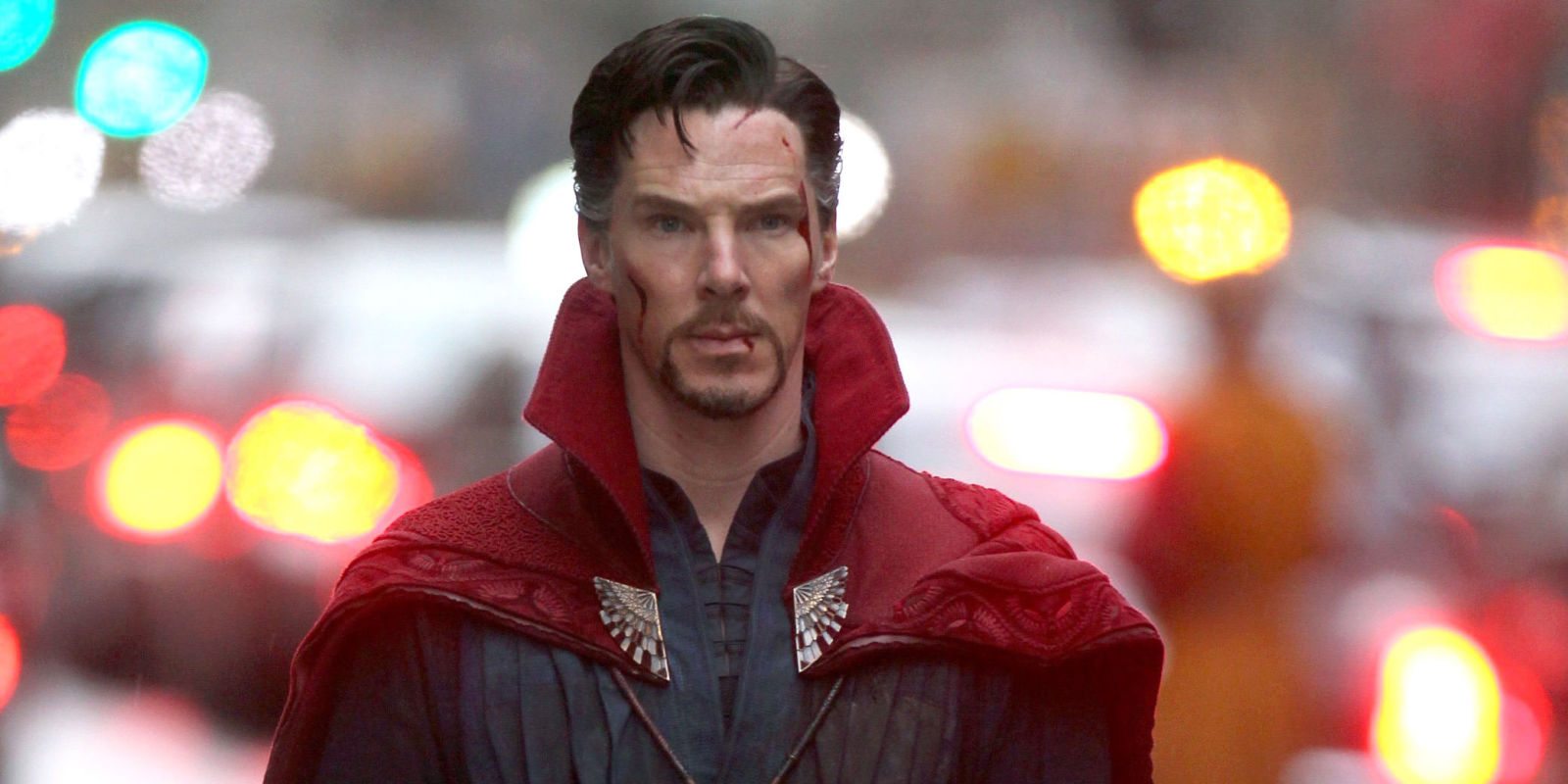
The upcoming Doctor Strange, set to release this November, is also a movie that — judging by the marketing and previous knowledge of the character — looks and feels different from previous Marvel offerings, because it seems to be tackling unchartered territory in terms of fantasy elements and dimensional science for the hero of that movie to experience.

These movies, excluding the as of yet unseen Doctor Strange, have been hits with both critics and casual audiences because yes, they’re different. So it’s strange, then, when both critics and naysayers of Marvel movies speak as if this cinematic universe has a firm license on vague storytelling elements, like humor and quipping. There’s a desire for DC to be the other side of the coin, different and more progressive than what might be called a mainstream superhero franchise with Marvel.

The problem with that desire, though, is that Marvel has already been the other side of that coin, and the other side of many coins that they, themselves, have inserted into the zeitgeist of superhero films. They don’t always get it right, of course, and some of their risks have been paid off better than others, but if DC should take notes on being “different” for the sake of surprising and delighting its fans, it should really be paying more attention to Marvel. Not less.

Because being different, while a good start, is not a merit on its own. Fantastic Four was different, which we can all agree on. But that definitely didn’t improve what was inherently flawed with that film. A non-Marvel movie that’s great at being different is Deadpool, made by Fox, proving that a superhero film doesn’t have to be made by Disney in order for it to be beloved by just about everyone old enough to see it.
marvel better different

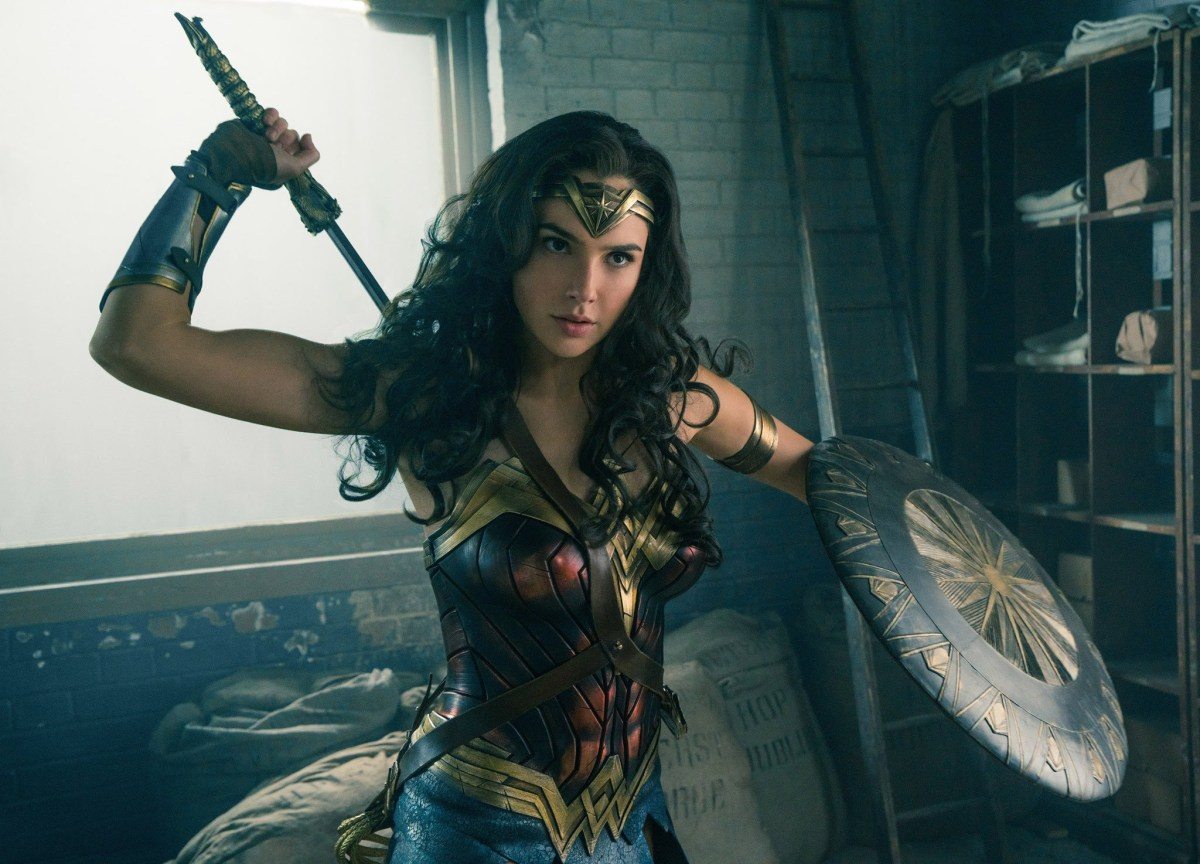
I still have high hopes for DC Comics moving forward, though not nearly as high as I used to three years ago. But if you’re reading this and feeling a bit alienated because you want DC Comics and Warner Bros. to keep taking risks and producing films with these iconic characters that demand to be different from what we’ve seen before, then you can definitely take solace in one, major thing: The DC Comics movie universe under Geoff Johns — their new Chief Creative Officer and co-developer of The Flash on CW — kicks off next year with Wonder Woman.

And from what we’ve seen so far of that movie, the future could still be quite bright (not dark) for DC Comics.


I’m Jon and thanks for reading this. You can subscribe to my posts by clicking “Follow” in the right sidebar. Or just say hey on Twitter! @JonNegroni