‘The Circle’ Is Broken In More Ways Than One

The Circle

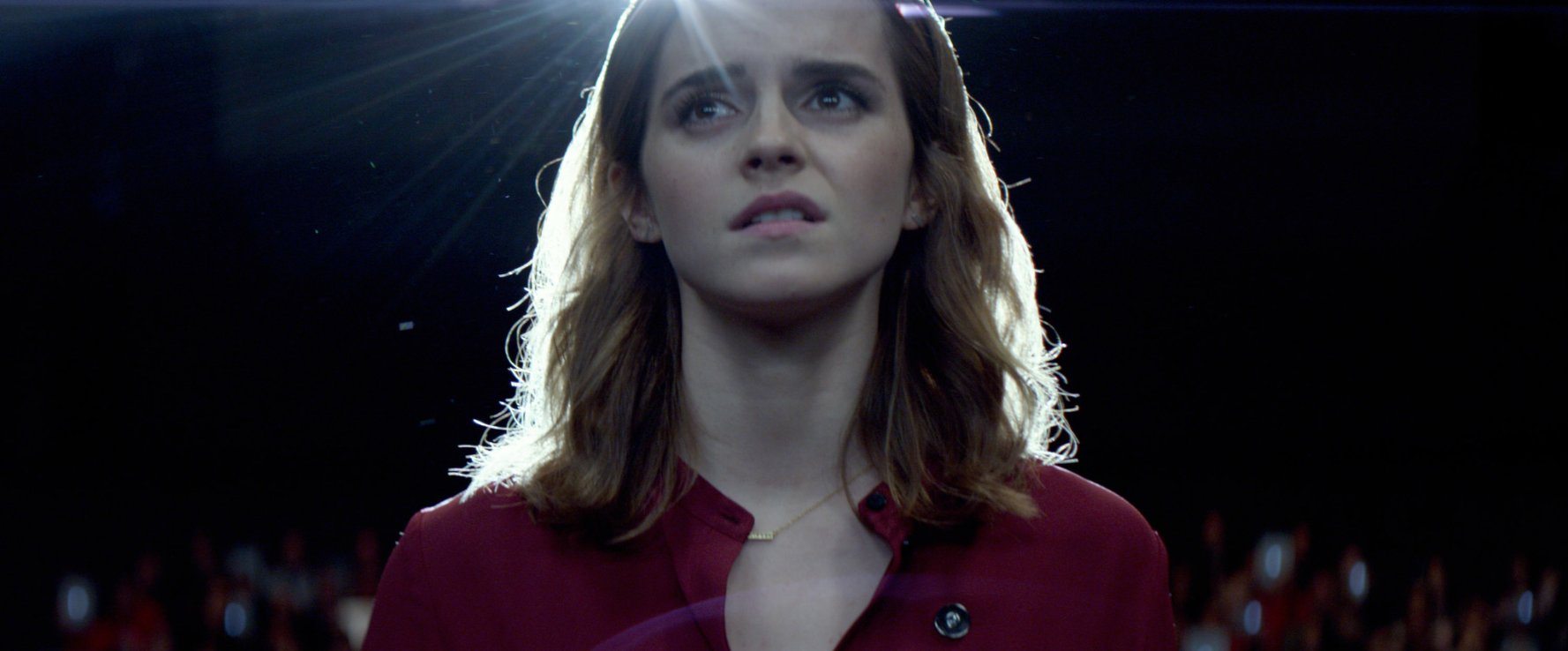
In The Circle, our world of disruptive technology from social media to search engines has been conveniently consolidated into one uber-corporation called, you guessed it, The Circle, a simple name for what is strangely a shallow, unimaginative invention representative of what our near-future might be ruled by. Sharing through technology. Although…isn’t that already a reality?

Rather than take us through the implications of our world’s current affair with technology, the fictitious Circle and its inner leaders want to remove all privacy from the world in an effort to create true transparency. If you’re wondering “why” they want to do that, well, this movie clearly wasn’t made for your curious mind. “Sharing is caring” the employees echo to their leader, Eamonn Bailey (Tom Hanks), who advocates a master plan that has all of the absurdity of a 70s paranoia thriller without any of the logic or intelligence.

Go on…‘The Circle’ Is Broken In More Ways Than One

‘The Fate of the Furious’ Is Both Better And Worse Than Its Predecessors

fate of the furious

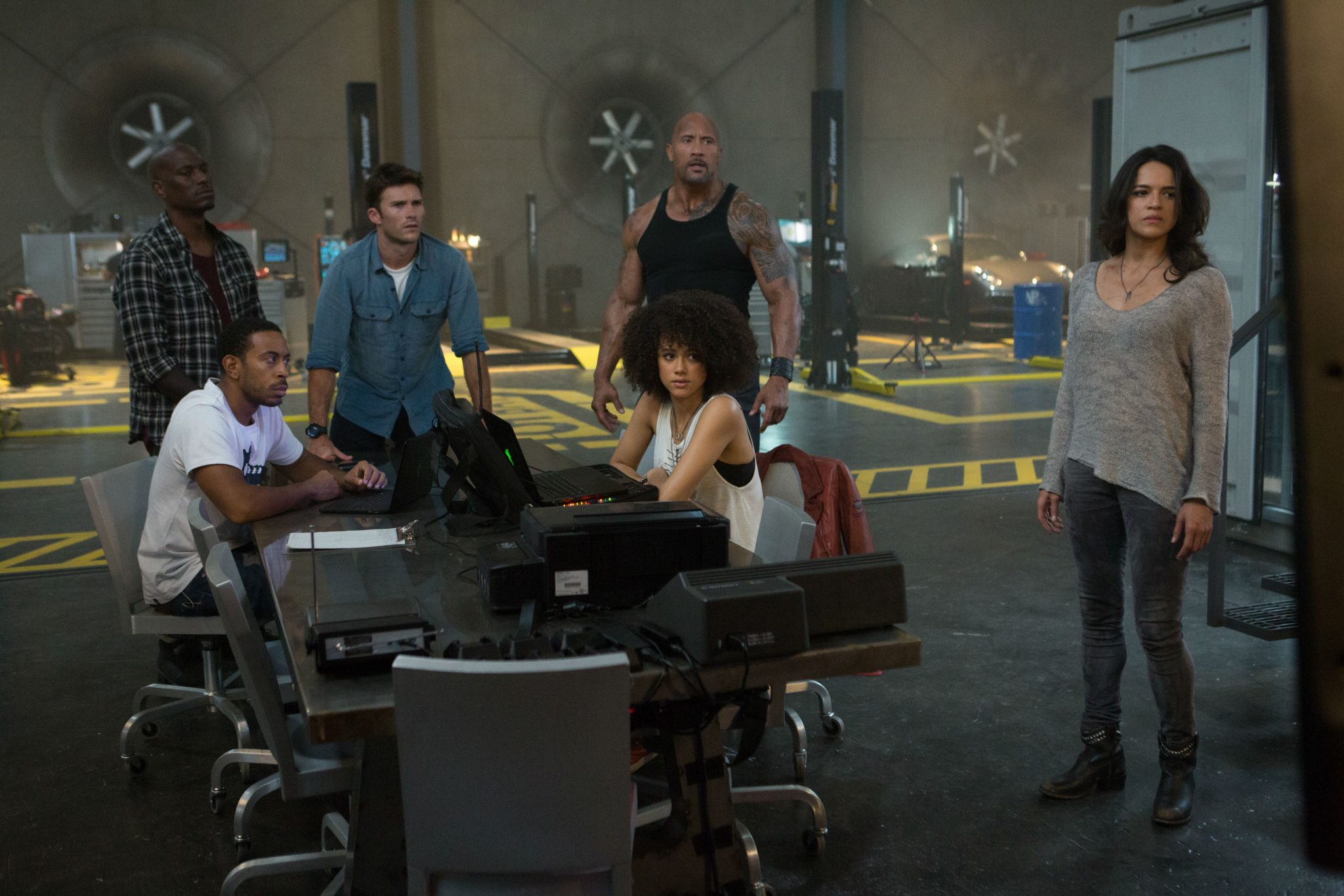
The Fate of the Furious is an easy film to understand just by taking a second look at its title, which feels designed for a hashtag (F8), rather than something new or creatively crafted. This is the eighth installment of a 16-year-long franchise that has more or less stayed alive and successful by finding increasingly silly ways to escalate its rising action to a series climax that has never been hazier.

In F8, we have what many 2017 films seem destined to use as a plot device: a hero of the series (Dominic Toretto, who long slipped into Vin Diesel simply playing himself) “goes rogue” and his former teammates have to team up to try and stop him.

At this point in the franchise, the “family” almost solely consists of former enemies Dom has picked up over the years, including an indefensibly sympathetic Shaw (Jason Statham) who is wrapped up with a retcon for the last two movies, pitting Charlize Theron’s “Cipher” as the real villain all along…somehow. And her isolated master plan is at least one that generates some intense moments, including a deluge of remote controlled cars that devastate New York City.

There seems to be a clear effort from director F. Gary Gray (Straight Outta ComptonItalian Job) to ground this franchise in darker subplots that make the characters feel somewhat less immortal, not just in the sense that they’ll die, but also in how death wrecks the characters. But overall, the movie’s main thrust (being a Saturday Morning Cartoon for adults) never gives way to any of the semi-serious tone that now has to reconcile with Dom’s never-ending sense of family, a theme that has certainly run its course as a passable explanation for what brings these characters together.

fate of the furious

Yet F8 also consists of some of the most exciting and entertaining set pieces in the franchise to date, including some playful development involving Shaw and Hobbs (Dwayne Johnson in a bigger role than Furious 7) charming their way to what is hopefully spinoff territory, or just a retooling of the series that lets these two action heroes take the reigns. Aside from them, none of the familiar characters here are given a shred of character growth, and F8 only advances the plot of their lives in superficial ways that feel tacked on. And that’s not even mentioning the sloppy effort to replace Paul Walker with Scott Eastwood. There’s no question Furious 7 handled Walker’s tragic death with class, so it’s strange to see F8 stumble with this just two years later.

As the various family members deal with having to take down Dom, there’s no learning, application, or self-reflection to get them there. They simply do what they’ve done before; Roman wisecracks, Leti is always there for Dom, everyone drives fast, etc. It’s surprisingly weightless, even for a blockbuster franchise that has won many people over for how accessibly fun it can be, while still having enough style and shiny lights to bring you back for the next one.

If that was the only goal, then F8 does its job fine. And at times, it’s truly a spectacle that deserves to be seen on as big a screen as possible. But there’s no denying the early signs of a series that is running dangerously low on steam for the first time since 2005.

Grade: B-

Extra Credits:

  • Forgot to mention the Cuba prologue, which might actually be the movie’s best scene and one of the best street races they’ve done yet.
  • Seeing the previous movies helps quite a bit, as F8 has a lot of past characters coming back around (even Lucas Black was originally meant to have a cameo, but he had to drift out due to conflicts).
  • Yes, it’s pretty obvious that Dwayne Johnson and Vin Diesel hate each other in real life.
  • Kristofer Hivju (Tormund from Game of Thrones) needs to be in more movies.

Thanks for reading this. Seriously. You can subscribe to my posts by clicking “Follow” in the right sidebar. 

Or just say hello on Twitter: @JonNegroni


Star Wars: The Force Awakens Isn’t Really A Remake Of A New Hope

force awakens

Every so often, a fan theory comes along to remind us how good fan theories can actually be when the work and time is put into them. Less than a year ago, EC Henry composed what I believe to be a masterful breakdown of The Force Awakens that (dare I say it) makes the movie just a little bit better.

Is Star Wars: The Force Awakens a remake of the original Star Wars (A New Hope)? I’ve always considered the movie to borrow voraciously from that original film, while also lifting plenty from the other two parts of the trilogy. But many reviewers like myself have talked ourselves breathless about how TFA features yet another “droid on the run” story with Death Stars, cantinas, and a modest chosen one.

But in EC Henry’s video essay below, the case is made that TFA is really a “creative remix” of the original trilogy, and there’s a strikingly good reason for this that might shed light on the future of the entire franchise. I’ll unpack the theory below (with some of my own observations), but here’s the quick 3-minute breakdown.

As EC Henry points out, nearly all of the similarities between TFA and A New Hope occur in the first act of both movies. BB-8’s story is parallel to R2D2’s, and we’re on a barren planet that slowly reveals our hero, Rey, who is reminiscent of Luke in some ways.

The Millennium Falcon departing Jakku, followed by meeting Han Solo and Chewbacca, is where the first act in TFA ends (roughly), which mirrors the end of the first act in A New Hope, when Luke meets Han and departs Tatooine aboard the same ship. Henry also implies that Greedo and Han’s antagonism is mirrored with Han’s confrontation with the mercenaries aboard the freighter.

At this point, TFA’s second act starts to mirror the second half of The Empire Strikes Back. There’s a monster-in-space encounter (Rathtars in place of the asteroid worm) followed by Han deciding to visit an old friend (Maz Kanata as a fill-in for Lando Calrissian). We also see Kylo contacting Snoke in the same way Vader contacts Palpatine.

To save for time, TFA converges the Luke/Dagobah subplot with the Cloud City subplot. Rey goes to a mysterious planet and learns more about her origins and destiny with Maz pulling double duty as a fill-in for Yoda. And just like in Empire, the villains show up to wreck things. Rey is defeated by Kylo Ren (a la Luke and Vader’s first fight) and is captured, similar to how Han is taken away by Boba Fett.

force awakens

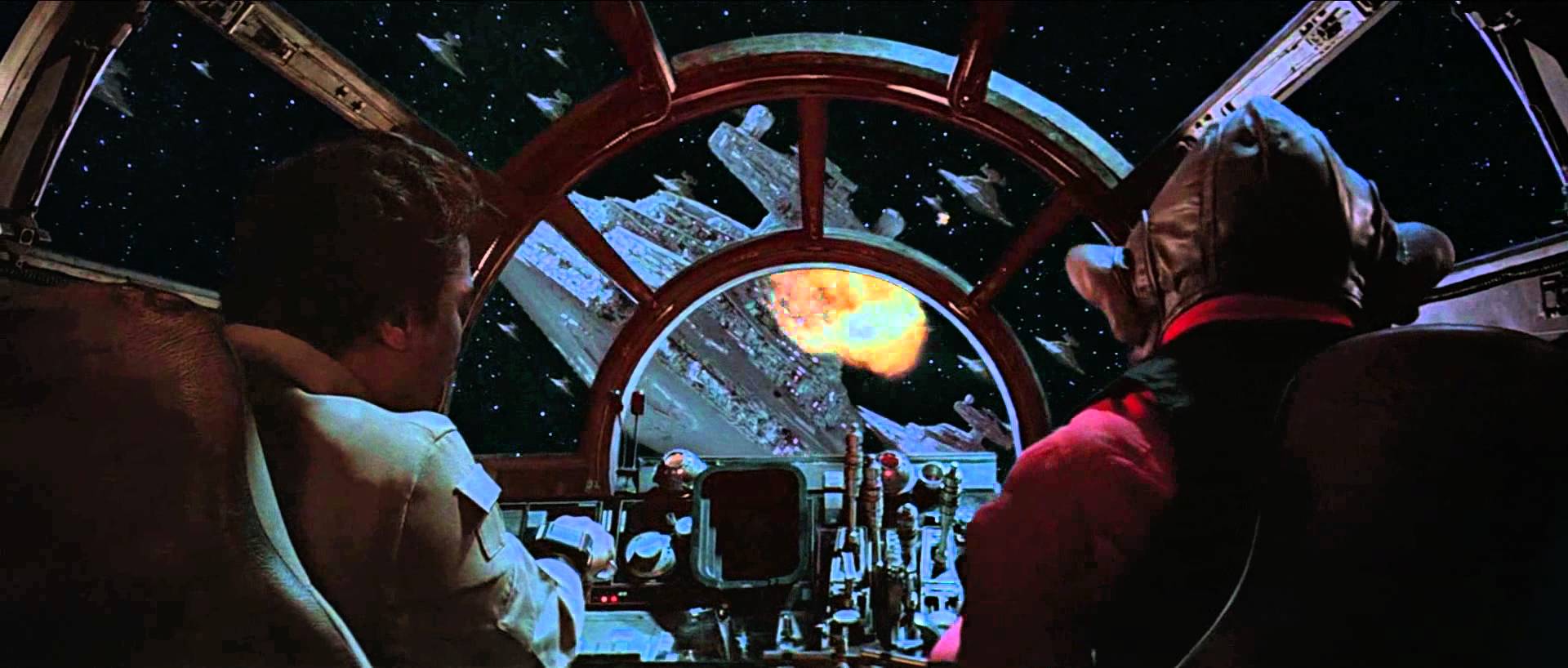
From here, TFA mirrors the third act of Return of the Jedi. The Rebels/Resistance meet to discuss their rescue plan and discover “another Deathstar.” The story breaks in two with ground forces on Starkiller Base trying to break down the shields and Rogue Squadron attacking from space, just as the Battle of Endor had two fronts. There’s an epic lightsaber battle happening as the space assault reaches its climax, with the Jedi using fury to overwhelm the Sith (Rey slicing Kylo is quite similar to Luke taking down Vader).

As Henry also points out, there are exceptions to this where small elements of the original trilogy are mirrored throughout (the catwalk scene, for example), but there certainly seems to be a primary structure in place that combines all of the movies in a coherent way. But what’s the point? Why would Lucasfilm do a creative remix like this at all?

The expectations for TFA were always going to be astronomically high, so the strategy here makes some sense. Add all of the nostalgic fan service to TFA as a tribute in order to gain credibility for this new trilogy, so the next two movies can unfold in more creatively bold ways that aren’t enslaved to the source material. Put more simply: they started with a look at the past and ended with a strong look toward the future.

And in one strange way, TFA is basically the movie George Lucas intended to make in the 1970s. Rather than a trilogy, he envisioned the entire arc of Star Wars to be told in a single movie. TFA essentially fulfills that vision and authorial intent, so as someone who had a lot of problems with the film, I’m finding myself appreciating it more for what it manages to accomplish in light of what couldn’t have been done 40 years ago.

Did I miss anything? Add some of your own observations below. And if you like this essay, be sure to subscribe to EC Henry’s channel, and consider supporting him on Patreon for more great videos.


Thanks for reading this. Seriously. You can subscribe to my posts by clicking “Follow” in the right sidebar. 

Or just say hello on Twitter: @@jonnegroni

Snarcasm: The Cars in ‘Cars’ Aren’t Really Cars. Obviously.

cars

Snark + Sarcasm = what you’re about to read

I’ve always liked MatPat’s “The Film Theorists” videos, because they’re entertaining, fun, and have a great energy. For that reason, I don’t usually criticize their theories, but that’s all about to change.

One of MatPat’s latest videos involves Cars, and it directly calls out my timeline for Pixar movies, assuming they all share the same universe. This was embarrassing on my end because Mat worked off of old Pixar Theory material without fully researching how it’s changed over the years, so his new theory about Cars is…well…let’s just say it could use some Snarcasm.

Oh, and here’s an important note. If you want to check out the better version of this “cars are alive” theory, check out the video SuperCarlinBros already did for it seven months ago…which MatPat doesn’t reference at all or give credit to in his video. And…well, he should have.

The Cars in the Cars Movie AREN’T CARS!

I don’t know if I’m ready for this.

Are the Cars in Cars really cars?

{Raises hand}

I mean sure, it’s the title of the movie.

[Raises hand more}

and they look and behave like cars

{hand floats away}

I mean they have eyes and tongues

Right. So there’s no way they’re cars with eyes and tongues. Eh, yeah that’s weird, but we’ll get to that.

How does a society of cars come to be in the first place?

Well, the Pixar Theory states that—

What are these creatures? I am 100% confident I figured it out.

Like I was saying. I outlined all of this in my book about how—

what started as a simple, stupid question led me down the rabbit hole of this bizarre car-themed universe, and the answers I found will upend everything you thought you knew about Mater and the gang.

Mat then cuts to an image of my Pixar Theory Timeline. Well, the old one at least. See when this video first came out, a lot of people asked me what I thought, and I felt guilty for not updating the timeline since I did the book, which is a small reason why Mat ends up working off of old information (we’ll get to that).

See, the theory itself was certainly at its most plot-holey when I did the first draft of the timeline in 2013. I haven’t even updated it with the newer movies. To rectify this, there’s a new timeline in place of the old one, but as you can tell, the damage is done.

and the details I find here pose some interesting questions about that infamous Pixar Theory

Infamous?

a theory that you all have wanted me to cover for quite a long time

Spoiler alert: MatPat is working on his own “mega” Pixar Theory. Well…bring it on?

it probably merits taking a second to acquaint you with that Pixar Theory. A theory that started with, as far as I can tell, online movie blogger Jon Negroni.

Hey.

which aims to unite all the Pixar movies to not just the same universe, but also come up with a cohesive timeline of events where one movie leads to the next, leads to the next.

Mat shows an image of the actual blog post for the theory itself, which begins by telling you that the theory has been updated. So why didn’t Mat “start up his search engines” then?

He does go on to talk about how he won’t be getting into the “nitty gritty” of the theory, but offers an example of how Buy n Large plays into multiple movies.

now the reason I wanted to start talking about this today is because I have a few problems with the Pixar Theory timeline. 

So Mat then goes on to recite some big elements of the theory that, again, are ancient history. And he gets some basic stuff wrong, like this:

that’s why you don’t see humans or animals in either car movie

Except we do, actually. We see the birds from For the Birds (a Pixar short) in the first Cars.

this whole Pixar Theory is an interesting explanation, but there are a lot of assumptions

So why didn’t you research the updated one? And spoiler alert: his entire theory is nothing but assumptions, starting with Mat’s assertion that they aren’t sentient machines brought to life like the toys from Toy Story.

The cars are actually organic creatures. Living creatures with the car body of the top exoskeleton, but containing some sort of internal organs. A soft and squishy inside like the center of a Tootsie Roll pop.

I get it. So Mat took all of the clever revelations SuperCarlinBros already figured out months ago…then made it worse. Neat.

First, they breathe oxygen. 

And they also drink oil. And we see they have engines multiple times in the movie. How does that make them organic?

See, Mat goes on to point out how the cars must be organic because they basically act like humans. They eat “food” and one car wears an underwater “breather” like in spy movies. I contend that they do this because they think they’re the humans who owned them. Multiple Pixar movies point out that human emotion (a la Monsters Inc.) is the source of energy that can bring inanimate objects to life (like in Brave and Toy Story). And in movies like WALL-E, we see that the life of these machines is sustained by interactions with human belongings, like the movie Hello Dolly that WALL-E watches all the time.

I’m sorry I have to keep saying this, but Mat is completely missing this stuff because he didn’t even seem to look for it. And now we have to suffer through what is at best an amusing sideshow full of weird body horror jokes.

Mat then goes on to say that because of a “studio stories” video by Pixar, this is all confirmed in addition to McQueen having the hiccups in a “Tales from Radiator Springs” short. He quickly cuts in and out of a quote that McQueen can’t open his doors because “that’s where his brains are.”

they have a brain! A giant, pink, pulsating brain hidden behind those car windows!

Nope.

This is terribly misleading because Mat leaves out the fact that this same animator was trying to think of ways to make Lightning capable of producing a map to Sally. He mentions that using the doors wouldn’t make sense conceptually because that’s where his “brains” would be. He also proposed that maybe a monkey drove the car and showed the map, and many more examples that are nonsensical.

So none of this comes close to confirming anything about cars having organs. Rather, it’s just an animator discussing the challenges of making the Cars world a believable one that isn’t gross or creepy. That includes avoiding this kind of “brain” implication in the first place.

so it would appear that the cars are actual living creatures and not just some highly advanced driverless cars.

“Appear” is a strong word. If anything, there’s far more evidence that the cars are, in fact highly advanced driverless cars compared to this idea that they’re animals. But Mat ignores all of that inconvenient evidence so he can champion his own theory.

Like I said before. Bring it on.

there’s an actual evolutionary chain present throughout these films. 

Go on.

[In Cars 2] we see birds. Except they’re not actually birds. They’re actually mini planes. 

Oh boy.

In another of the Tales from Radiator Springs animated shorts, you get VW beetle beetles. Tiny cars with insect wings.

Which is why the theory states that the cars work off of an unreliable narrator. Which means that to them, organic creatures on Earth look like cars to them, but elsewhere we see real birds, and we know from WALL-E and A Bug’s Life that birds and insects are still around in this post-apocalyptic wasteland.

Have you noticed that for a Pixar theory about Pixar movies, Mat doesn’t seem to include a lot of the other Pixar movies?

Mat goes on to talk about how the alien stuff from “Mater’s Tall Tales” is totally real rather than…a tall tale. And their tires being independent from their bodies must “prove” his theory rather than support the idea that they are, in fact, machines with tires. Good stuff.

these are living creatures with internal organs that are protected by a car-like exoskeleton.

Did they grow this exoskeleton themselves? And where do their engines (which we see) come from?

and with multiple differentiated animal-like species that have evolved over time from literal boats, planes, and cranes to bug-like and bird-like animals

But The Pixar Theory has too many assumptions? And my main problem with this is that Mat goes into zero detail over how and why machines would suddenly turn into bugs and insects. Or why the personified cars don’t. He just drops that evolution part in and moves on. You know, like in the original Pixar Theory!

In short, when you look at all of this evidence, there is only one possible conclusion:

Mat put as little effort as possible into tackling the Pixar Theory? Because this is just sloppy, and a bit uninspired.

the cars in Cars aren’t really cars at all, but are much more likely a highly evolved form of insect.

Remember kids: “this whole Pixar Theory is an interesting explanation, but there are a lot of assumptions.”

Mat’s entire argument here is that because cars have a metal “skin”, that must mean they’re evolved from insects, which (whoa!) also have an exoskeleton. Ignoring literally everything about science that has ever been known about how insects, you know, have evolved and are composed biologically.

Remember when Mat said, “Oh they have brains! Confirmed!” Well, he even shows diagrams of insects that don’t have brains (or eyes or tongues or teeth) like what he describes, yet that doesn’t matter because this is my life now.

I get it. The Pixar Theory is about having fun, not being scientifically accurate. But this is just weird for the sake of it and not at all informative of what the theory’s really about: telling a grander story behind all of the movies and characters.

the cars aren’t cars! They’re insects!

I mean come on, does anyone else think Mat is just spoofing at this point? He literally has to say “The cars aren’t cars.”

that does some really interesting things for the Pixar Theory

At best, it ruins the Pixar Theory and undermines everything we actually know about the Cars movies.

First and foremost, it removes Cars from the era of humans

Thus making it completely implausible. The point of Cars is that the machines are brought to life through memories of humans. Taking that out to make room for some random insect nonsense adds literally nothing to the theory. It only takes away evidence that brings everything about the machines together for what happens in Monsters Inc.

that sort of evolution is going to take a really long time, so get it away from the WALL-Es, Nemos, and Incredibles of the world.

So then what’s the point? And how would human civilization be what it is in the Cars universe if this was so far in the future? Where are the monsters? Why are the cars remembering events from the 20th Century, like the Piston Cup? If they’re so far removed from the Pixar timeline, why even suggest that the timeline is even purposeful?

but surprisingly enough, we do happen to have one film in Pixar’s lineup that does follow super intelligent bugs in their quest for survival

What about the birds? If we’re bringing A Bug’s Life into this, then you also have to point out that the birds are primal and “dumb” compared to the insects.

in a world where there are remnants of human society but you see no humans present

But we do know they’re still around because one insect had his wings clipped by a kid.

what I propose to you is that Cars isn’t so much its own entity, but rather A Bug’s Life 2, 3, and coming up on 4. The natural progression of insects evolving and taking over the planet Earth. 

So insects naturally evolve…into cars? That explains the millions of years established by the Pixar timeline (starting with Good Dinosaur) where they, you know, didn’t evolve into cars. But don’t worry, because all of these theory holes will be solved (maybe!) next time.

and with that we have the first puzzle pieces in place as we all start to build our own Film Theorists approved mega Pixar Theory!

Go for it. Seriously. These are your movies too. Just don’t be surprised when the Snarcasm rolls around, because if you’re going to build off of my initial ideas and timeline without fully looking into them for your own purposes, plus rip off another YouTuber’s theories without giving them any credit for it, then this is a Pixar Theory war. 


Thanks for reading this. Seriously. You can subscribe to my posts by clicking “Follow” in the right sidebar. 

Or just say hello on Twitter: @JonNegroni


‘Beauty And The Beast’ Is A Decent Musical Trapped Inside A Dull Remake

beauty and the beast

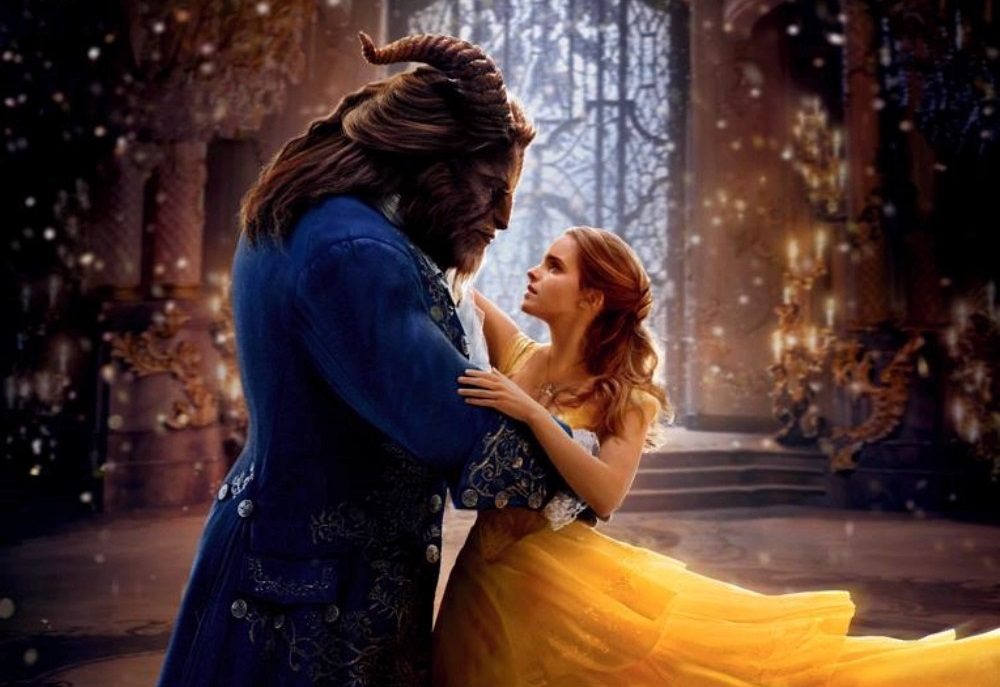
There’s no major, heavy-handed flaw that brings down Beauty and the Beast, the latest of Disney’s live-action remakes. Rather, this film falls apart from its own weight of bad decisions, made very carefully to not to mess with one of Disney’s most beloved classics too much for fear of losing the same magic that brought animated films to the prestigious forefront of Hollywood.

The original conception hasn’t changed at all, really. A young, beautiful girl living in a small French village finds herself the prisoner of a cursed prince who was transformed into a beast for being vain. They have to fall in love in order to break the spell, and his castle’s magical servants — a collection of humans transformed into the prince’s belongings in case that wasn’t subtle enough — orchestrate elaborate ways to bring these two mismatched people together.

This is, of course, a remake that feels far more faithful to the word, in that a vast majority of this film is a recycled mess of frames, songs, characters, and ideas that are mixed together with a few more expanded subplots that try to explain the world of Beauty and the Beast better than previous adaptations. For what it’s worth, this is a longer movie that lets the characters breathe when necessary.

The trouble is that Disney’s answer to defending this remake’s existence is by over-explaining the exposition of this world and its inhabitants, robbing us of any nuance or mystery as full character motivations are described by either voiceover or ham-fisted declarations more suitable for a stage play. There’s a good effort here, though, to fix some of the perceived problems of the 1991 adaptation, like toning down the unlikable nature of the Beast earlier and with less violence on his part, so his budding relationship with Belle can be more believable and fleshed out.

beauty and the beast

In a better movie, that might have been enough to give Beauty and the Beast a real purpose for taking a victory lap, as the film also manages to pull off some impressive musical beats that show off director Bill Condon’s best work from Dreamgirls. Sadly, it seems this movie also inherits his romantic habits from the two Twilight films he directed, in that Dan Stevens and Emma Watson (who play the titular characters) are the weakest points of a movie that absolutely relies on their chemistry to succeed.

That’s not to say either performer does a terrible job here. Dan Stevens (Legion, Downton Abbey) does fine work trying to imitate the emotive Beast from the animated film, and it’s not his fault he can’t possibly measure up to Glen Keane’s legendary character. For what the film is trying to be, Stevens does a serviceable job bringing a CGI beast to life under what must have been a huge budget.

It’s Emma Watson (Harry PotterBling Ring) who seems unprepared to carry this film as the heart of its romance. She’s more passionless film critic than audience surrogate, frequently turning her nose to obviously wondrous set pieces and working off of a very limited range of expressions and vocabulary. It doesn’t help that her singing is a bit on the lump side as well, pushed harder by obvious autotune that doesn’t blend well with the superior voice work happening all around her.

Worse, there’s not much done here with the Belle character. Beast gets a new musical number and some chances for identity beyond being mean and clumsy. In this film, he’s a bit of a reader, so he and Belle have something conceivable to bond over. But Belle is a poorly written presence by comparison, often reminiscent of the kind, but independent Belle from the 1991 version without much else to cling to aside from the introduction of a forced backstory involving her life in Paris. None of these threads come together well, making for a more forgettable character than this tale deserves.

beauty and the beast

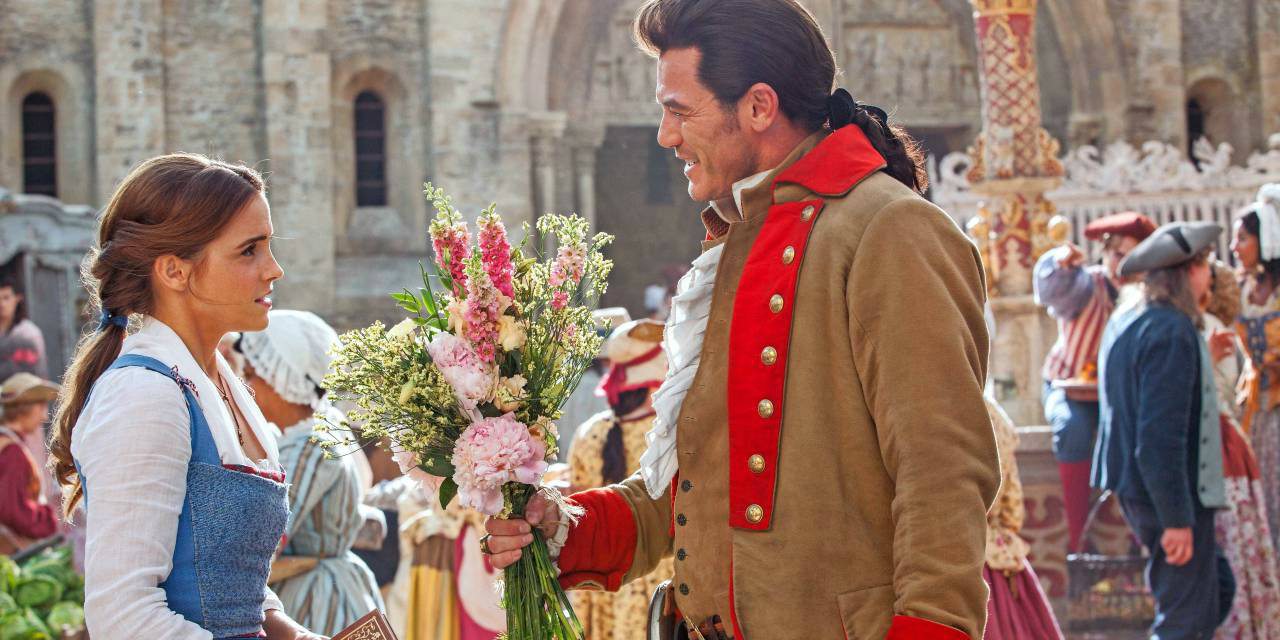
Still, there really isn’t anything atrociously bad about Beauty and the Beast apart from how tragic it is as a missed opportunity for Disney’s live-action retreads. Rather than upgrade the classic with authentic accents and an updated, more modern story (seriously, there was a great opportunity to pivot the villain, here), the film seems more content on going through the motions as best it can without the luxury of animation to make itself more enchanting. Luke Evans (Dracula Untold) as Gaston is about the only actor who tries to bring some worldly relevance to his role, while still hamming it up alongside the somewhat subdued and one-note LeFou, played by Josh Gad (Frozen).

When Beauty and the Beast does manage to pull off genuine moments of wonder, it’s every bit as likable as its predecessor. But the movie never surprises and it certainly never surpasses what it’s borrowing from. Granted, it’s beautifully realized and the production design is a positive step forward for Disney films, but nothing here is satisfying enough to make up for the fact that this is a revisionist tale lacking true vision.

Grade: C

Extra Credits:

  • I have to be honest, that’s a graceful “C.” I had a terrible experience with this film, despite its high points. It violates the don’t make them want to see the original version during the entire movie rule.
  • Another missed opportunity is in how the original Beauty and the Beast had some progressive flourishes, like how Belle was more interesting than previous Disney damsels.  But this new film does very little to innovate, aside from a more diverse cast and an awkwardly executed LGBT inclusion that seems to forget it exists most of the time.
  • I didn’t have time to get to the rest of the cast, and it’s seriously one of the better aspects of the movie. Kevin Kline as Belle’s father, Ewan McGregor as Lumiere (terrible French accent aside), and Emma Thompson as Mrs. Potts just to name a few. The film does well to give everyone their moment to bask.
  • Oh, let’s not forget about Sir Ian McKellan, who played Cogsworth. Funny enough, he turned down the role for the animated version.
  • This film was in postproduction for 18 months. And it shows.
  • The ‘Gaston’ scene is the best one, in my opinion. They added cut lyrics from the original to make it longer and edgier.

    Thanks for reading this. Seriously. You can subscribe to my posts by clicking “Follow” in the right sidebar. 

    Or just say hello on Twitter: @JonNegroni


Snarcasm: Carl From ‘Up’ Is Insane And So Are You

up

Snark + Sarcasm = what you’re about to read

Word of warning: if you tag me in a tweet promoting a fan theory you “wrote,” then expect the Snarcasm treatment in the most lighthearted way possible .

So here’s the background. Two years ago, SuperCarlinBros did a fan theory video about Pixar’s Up that proposed Carl Fredricksen is “insane” for reasons that sound anything but. It’s an amusing video from a couple of good friends of mine, which is why it’s strange to see the theory popping up again…from someone else.

Jonathan Sim, a different writer, tagged me in his own write-up for a theory he didn’t write, but instead rewrote with credit to the SuperCarlinBros. Now that this is in written form and it’s coming out while this column is a thing, we get to dive into why the “Insane Carl Theory” is…well, to say it’s insane is giving it at least a little credit.

What if I told you that Carl Fredericksen was actually insane and this movie was a figment of his imagination?

I’d tell you that it’s spelled “Fredricksen.” Then I’d tell you that at least 20 million “fan theorists” have been speculating that any given piece of fiction is “in someone’s head” since Descarte.

So, we start off this theory with that scene in Up where Carl assaults a man with his cane.

It’s a walker with tennis balls, but alright.

This is assault and battery as the man is later seen with blood on his forehead. And we later see Carl in a courtroom. And they sentence him to…a nursing home?

We’re not about to have a discussion about legal precedent are we—

Doesn’t it seem strange that this old man has committed what can be considered third degree assault and battery and his sentence is a nursing home?

Well, no, if we use our thinking caps. As you state, this is third degree battery, which is a misdemeanor. As in, not a felony. Most states will either put you in jail for 30 days and/or make you pay a $500 fine. Depends on the judge, though.

Now, let’s look at the situation Carl is in. This is, by all reasonable accounts, his first offense ever. In addition, a huge corporation has a clear stake in getting him out of his house. So we can surmise from the wordless court scene that BnL’s lawyers have arranged to make a deal that forces Carl to stay at a retirement home so that they can bulldoze his house. We even hear from the police officer in the next scene say that Carl doesn’t seem like a “public menace,” likely referencing the arguments made to kick him out.

You could also consider that Carl doesn’t have the money to pay the fine (he’s a balloon salesman, after all), but the state would rather put him in a retirement home than jail because of his age and the fact that he lives alone. This seems like a pretty logical ruling from a judge who has to sentence an old man without a criminal record.

I mean, he should honestly just receive a jail sentence or something like that. But a nursing home is not legitimate.

Let’s not pretend nursing homes don’t exist as punishments.

So, Carl actually was sentenced to a prison.

Wait, what? No he wasn’t?

And when this happened, he had lost everything. He lost his wife, his freedom, and now, he loses his mental health.

Um…no? The police officer told him that the retirement folks would pick him up in the morning. Where exactly does his mental health collapse for you? And why are you convinced he’s gone insane in the first place, just because he’s sad? Is that your only criteria?

What Carl then does next is absolutely impossible: he lifts up his house with balloons.

At this point, that seems way more plausible than what you’re suggesting.

Well, first off, that would mean he was a really bad balloon salesman.

Oh, I get it. Jonathan is just joking with us. Right?

Right?

Second, according to production notes from the film,

No, no, no, hold up and don’t you dare switch the topic. Carl is a bad balloon salesman? How does that…what? Because…he has a bunch of balloons? That means he’s bad…at selling them..but he’s retired…

WHO ARE YOU?

So, in one night, we’re expected to believe Carl had the stamina and physical ability to fill that many balloons with helium?

No, we’re expected to believe he already had those balloons ready to inflate and finish tying up, secretly. Remember, he and Ellie were planning on taking the house to Paradise Falls, hence the drawing of the house…on Paradise Falls. But they never did because she got sick, and the point of this next scene is to show that Carl’s willing to embark on the adventure they always dreamed of, but he’s not really alone because Ellie is the house and—

Oh sorry, you were saying?

He can’t even walk down the stairs without his machine.

Right. That means all the other times he’s running around and attacking construction workers were all a hoax. Which part of the movie is “in his head” again?

And not only that, but lifting a house with 10,297 balloons is not possible.

Neither is having a head shaped like a perfect rectangle, but you don’t question that for some reason.

Up co-director Pete Docter recently told Ballooning magazine

Recently? You mean in 2009?

that technician Pixar estimated

Who is technician Pixar?

it would take 23.5 million party balloons to lift a 1,800-square-foot house like Carl’s.

The funny thing is that in this same article, they point out that if the house did have enough balloons to lift the house, it would shoot off like a rocket rather than leisurely float away. So Pete Docter’s idea here never would have worked in the real world, but they went with it anyway because they like to dream big. Which doesn’t mean Carl’s dreaming big, an argument that Jonathan (both of them) haven’t even gotten to defending yet.

And then, when he is on his way there, he finds a child on his doorstep.

Thank goodness for babiesovernight.com.

He and Ellie never got to have children in their lives, and this crazy dream sequence (or you can call it heaven if you want) is giving him everything that he didn’t have before.

Let’s break this down. First, Jonathan just sneaks in yet another fan theory about Up that suggests Carl is dead the whole time. Which has been debunked by almost everybody because it’s such an overused fan theory that no one cares anymore.

Second, why would Carl be dreaming of a kid he’s already met? And that he hates? And if the kid represents what he wants in life, why does he try to get rid of the kid throughout the entire movie?

Carl and Ellie grew up loving adventurers and exploring and this kid shows up at the door, who loves adventuring and exploring and would be an ideal, perfect child for Carl and Ellie. 

Thanks, IMDB.

But that’s not the main reason why I don’t buy this.

Don’t buy what? You don’t believe what you just said?

See, Russell said that he saw a snipe (a type of bird) and chased it under his porch. However, that was when Carl lifted up his house and he remained on the house.

You don’t see Russell either, but you know he’s still there. Also, you know, birds fly.

I don’t see how it would be possible to get under that porch, and when he noticed the house lifting up, why would his immediate response be to grab on? It doesn’t make sense, and therefore, Carl’s mind is simply creating this vision for him.

Russell didn’t “grab on,” he clearly was hiding in fright. We don’t see him because the filmmakers wanted to keep his presence a surprise. We would have been distracted if Russell had been shown. This is a plot hole in the movie, not a definitive piece of evidence that Carl is imagining the whole movie.

The only kid that gets into Carl’s house is the kid that somehow knows how to get from the United States to South America, navigating with a house he’s not familiar with steering.

He uses his GPS to navigate. And he’s steering a floating house, not a B52. Movie logic aside, the nonsensical premise of Up is deliberate. To suggest that it’s all a fabrication is pointless,  because the movie is already a fabrication.

There is a scene in which Carl tries to drop Russell into the street by suspending him with a rope while about six stories off the ground. Carl then drops Russell into the street by accident, but in the next scene, he shows up in Carl’s house again, completely unharmed without a single scratch.

Jonathan…did you watch the movie? Because…Jonathan, if you watched the movie you’d know that this happened IN AN ACTUAL DREAM SEQUENCE CARL WAS HAVING.

See, Carl was considering dropping off Russell, but he DREAMED the scenario and realized it would harm Russell.

And we also have the character of Kevin.

Oh, don’t you even dare bring Kevin into this.

when we first meet Ellie as a child, we can’t really tell whether or not she is a male or female.

Yes you can? True, she’s a tomboy and it might not be immediately clear to everyone, but it doesn’t take long.

Russell names the bird Kevin (a male name), but we find out at the end of the movie that she is a female, as she gives birth.

You’re not about to say Ellie is the bird, are you? She’s already the house, mate.

To add on, Kevin can have kids, but Ellie had a miscarriage.

(Voice of Buzz Lightyear) Themes! Themes everywhere!

And right when Carl lands in Paradise Falls, he meets his childhood hero: Charles Muntz.

…who is the inspiration for why Carl wants to go to Paradise Falls in the first place.

Muntz is 92 years old during the main events of the film and though there are people who live up to 92 years old, he cannot be this impressive.

Why not? We see him struggle in his fight with Carl later on, so it’s not like he’s the pinnacle of health. Wouldn’t a life of living off the land make him hardier?

Anyway, it doesn’t matter because a dropped plot point of the movie is that Muntz’s age was slowed down by Kevin’s eggs, explaining how he’s still alive at such an old age.

He is living in the jungle with no healthcare, no way to treat any possible diseases, and not a lot of food.

OK, this is actually offensive. You do realize that people in other countries who have no modern medicine are still able to live a long time, right? And he lives on a zeppelin with tons of food shown onscreen, because his dogs take care of him.

And there is also the fact that when Carl points out a skeleton of a giant Somalian leopard tortoise, Muntz says, “I found it on safari with Roosevelt.

Here we go.

There are two likely Roosevelts that he was talking about: Franklin D. Roosevelt and Theodore Roosevelt.

To even suggest it was FDR is laughable, but go on.

Now, Theodore Roosevelt wouldn’t really make sense because Muntz was born in 1911 and Roosevelt died in 1919. That would mean that the oldest he could have been while hanging out with Roosevelt is eight years old and apparently, Roosevelt was going on safari and cheating at gin rummy games with eight year old kids.

Technically, Charles could have been a child on safari exaggerating his role. And kids are certainly capable of playing card games. But the more likely explanation is that Charles went on safari with Roosevelt’s son, Kermit Roosevelt, who was also an adventurer who actually went on African safaris.

OK, now hopefully Jonathan will reveal all of the evidence pertaining to Carl’s mental health by—

This means Carl was either insane, or, as other theories have said, he could have died and this may simply be his ascend to heaven. Russell, Kevin, and Dug are all just in his imagination.

That’s it? That’s the whole thing? This entire fan theory is just one argument over and over again: the movie is a bit silly, so that means it’s a dream.

This isn’t a fan theory, it’s a fan guess. And not a good one at that. There’s nothing about how Carl does actually have some clear psychological problems with thinking his wife is a house and how his attachments clearly blind him to reality over the course of the film. But rather than address anything like that, Jonathan just tells us it’s all a dream because movies aren’t real. Or something.

So in a way, doesn’t this mean we’re all insane for believing them?


Thanks for reading this. Seriously. You can subscribe to my posts by clicking “Follow” in the right sidebar. 

Or just say hello on Twitter: @JonNegroni


‘Kong: Skull Island’ Is A Quirky Adventure Just Barely Worth Taking

kong

What if the story of “King Kong” took place not during the 30s, but instead the orange-blazed Vietnam era, just as the war was ended-er-abandoned and complete with a poster that outright mimics Apocalypse Now? What if it also contained a collection of modern character personalities who’d probably feel more at home in a Marvel flick or a better sequel to Independence Day? What if it took itself about 50% less seriously than Peter Jackson’s 2005 remake? And what if, to top it all off, you layered it against a budding monster cinematic universe franchise that is already underway with 2014’s Godzilla?

Kong: Skull Island is the answer to those questions and more — a sort of mashup of interesting ideas and directions blended together by second-time director Jordan Vogt-Roberts, an indie auteur who’d make Gareth Edwards blush. The basic structure is still in place: a team of scientists, civilians, and soldiers travel to Skull Island, the last uncharted territory hiding in the South Pacific. There, they uncover prehistoric threats and a massive, titular primate named Kong. From there, it’s a tale of survival, but a much smaller one in scope than the 2005 remake, at least removed from its ties to bigger monster threats around the world and the mysterious “Monarch” organization.

The idea to paint this as a Vietnam film is definitely inspired. The same, “what are we doing here” mentality is played just right an overwhelming message, though that’s not to say Kong ever tries to be more than a big, blustering blockbuster that succumbs to movie logic willfully and enthusiastically. You can probably respect the fact that Kong knows how bonkers it is throughout, and in a better movie with more surprises, it could even be hailed as an inspired new turn for monster movies (Shin Godzilla or no).

kong

Strangely, though, Kong suffers from 21st Century film editing, a new wave of trailer-inspired cuts and cutaways that make this film feel more like a collection of intriguing short films spliced together to just barely hold together as a two hour feature. The screenplay by Dan Gilroy, Max Borenstein, and in small part, Derek Connolly is certainly in a great place, as this is one of the few flicks in a while I caught myself thinking about the script (in a good way).

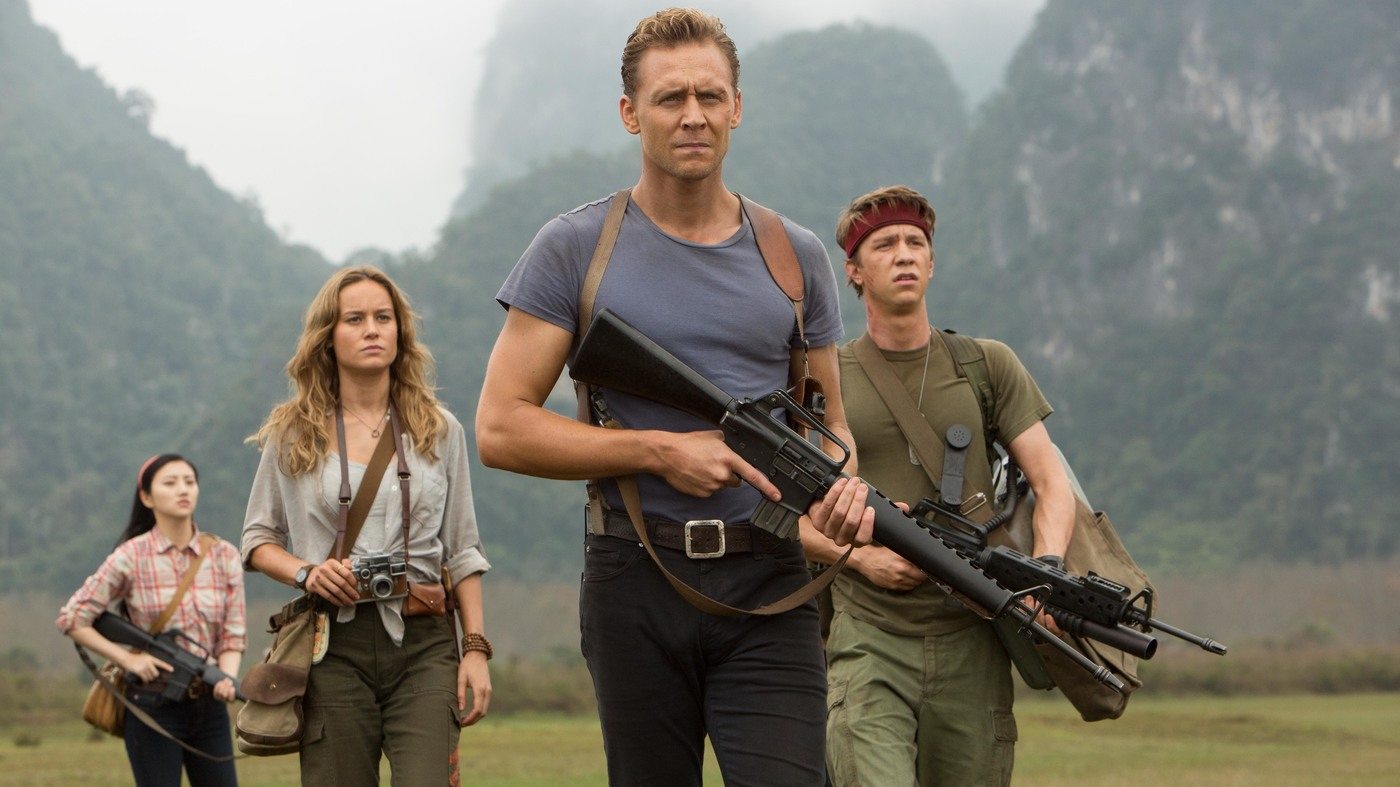
The story, by Need For Speed and Real Steal‘s John Gatins, is less innovative, yet mostly salvaged thanks to a serviceable ensemble of characters featuring Tom Hiddleston, Brie Larson, Samuel L. Jackson, John Goodman, John C. Reilly, and many others.  The best scenes in Kong belong to Jackson and Reilly without any doubt, as Reilly plays the island survivalist from World War II who kindly fills us in on just the right amount of exposition to get a sense of place and relevance in Skull Island.

What truly saves Kong from mediocrity, though, is what monster movie fans are itching to come see. A visually striking action movie with big monsters, big stakes, and big battles. This movie checks off those boxes in force, while mostly eschewing other expectations of its legacy, like the tendency to play up Kong as a “possessor” of a beautiful woman.

Brie Larson takes the role in her own way as a photographer in search of discovering something new, instead moving along the movie in a jog, playing about as crucial a role as the other ensemble characters without much of a special relationship with Kong, which is likely for the better. It’s replaced with a passive respect, rather than an otherworldly affection, and at the very least, it makes more sense for a film set in the 70s, not an escapist tragedy set in the 30s.

kong

Most films would suffer from tonal shifts as drastic as the ones in Kong. But for whatever reason, the scattershot ideas in this monster mash adventure movie manage to lend the film something of a personality, much like they accomplished with the CGI primate himself. There are just as many moments showing what Kong does when no one is around, and it’s one of a few morsels of surprising touches this movie thankfully scrambles to find.

Grade: B

Extra Credits:

  • There is a post-credits scene, and it’s actually awful. Badly edited. Bad in the way it teases. See it if you must, but I left the theater feeling a lot less excited about the future of Warner Bros.’s monsterverse.
  • With so many characters in this movie, I didn’t have much of a chance to get to each one. And that’s not a good thing. They’re mostly forgettable, even Larson and Hiddleston, whose motivations are actually interchangeable. Great screen presence, but this movie’s heart belongs to Reilly and Jackson.
  • This movie might look a tad familiar. It was shot in Hawaii, close to where Jurassic World was filmed. Samuel L. Jackson even utters his famous line, “Hold on to your butts” from the first Jurassic Park.
  • I also forgot to mention one of my favorite things about this movie: Kong’s design. It’s a clear combination of the 30s version and the adapted Japanese version. He stands tall, and it looks great.
  • Corey Hawkins and Jason Mitchell have great, understated roles in this movie. They last acted together as Dre and Eazy E in Straight Outta Compton.
  • Weird Easter egg that might be important: Riley’s character, Hank Marlow, wears a jacket with a reference to Akira, a manga that came out years after this movie takes place.  It’s a pill and the line, “Good for your health. Bad for your education.”

    Thanks for reading this. Seriously. You can subscribe to my posts by clicking “Follow” in the right sidebar. 

    Or just say hello on Twitter: @JonNegroni