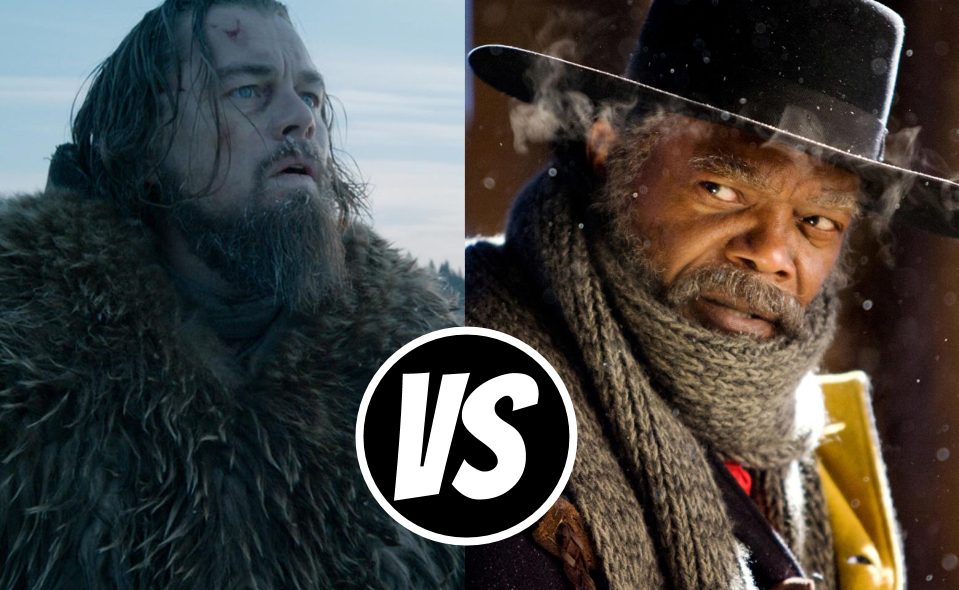
Which is Better? ‘The Revenant’ Vs. ‘The Hateful Eight’

hateful eight better revenant

The Revenant is a two-and-a-half hour western that pushes the limits of cinematography and brutality in modern film.

The Hateful Eight is a three-hour western that pushes the limits of characterization and brutality in modern film.

On the surface, these movies seem very similar in terms of setting and tone, which is why many people have been comparing them in recent weeks. The truth is that these films have just as many differences as they do similarities. For example, The Revenant is a film mostly devoid of dialogue in favor of grander set piece moments. In contrast, most of The Hateful Eight is composed  dialogue, and its story rarely steps out of the confines of a small inn.

Another difference is even clearer. The Revenant is one of the most celebrated films of 2015, earning a sweep of coveted Oscar nominations, including Best Picture, Best Actor, and Best Cinematography (among others). The Hateful Eight was almost entirely snubbed.

But does that mean The Revenant is the better film?

My gut answer is no, without pause. The Hateful Eight is my favorite movie of 2015, with The Revenant coming nowhere near the top of my list. I thought it was above average, but nothing truly special as a whole.

Am I right about this? Or has the Academy done a better job analyzing these two films? That’s what we’re about to find out in this week’s Which is Better. I’ll break these movies down by category, evaluating which one edges out the other.

Starting with:

BEST CINEMATOGRAPHY

hateful eight better revenant

I decided to keep this category as broad as possible, allowing for both films to be merited based on how artistic they are. And this is no easy decision.

Emmanuel Lubezki was the cinematographer, again working with Alejandro Gonzalez Iñárritu after their collaboration on Birdman. And the results are pretty much the same, as film, every shot of The Revenant is downright gorgeous and even revolutionary, with the entirety of the film being shot in natural light.

Quentin Tarantino (director of The Hateful Eight) also got help from an old friend of his, Robert Richardson, who is the cinematographer behind Kill Bill, Inglorious Basterds, and Django Unchained.

And in some ways, the cinematography of The Hateful Eight is just as revolutionary, as it was shot in Ultra Panavision 70 and Kodak VISION 3. Its limited release 70mm format is an experience that’s been missing from cinema since 1966’s Khartoum.

But what makes The Hateful Eight even more unique is how this 70mm format and wide aspect ratio is utilized. In the past, this type of filmmaking was popular when massive epics like Ben Hur needed that extra wide angle to show off large scale and spectacular settings. The Hateful Eight only has a handful of scenes that devote the sweeping 70mm shot to scenery, and it’s merely used to demonstrate the isolation of the characters.

Surprisingly, the majority of The Hateful Eight actually takes place indoors, which might seem like a waste of this compelling format. Yet it works incredibly well because the wide aspect ratio gives you the novel experience of a murder mystery dinner theater.

For that reason, The Hateful Eight pulls off what could have been a cheap gimmick in one of the most creative ways possible. Still, that doesn’t make it the more beautiful film.

After all, very few people actually saw The Hateful Eight in this 70mm format, unlike the widespread distribution of The Revenant. It just doesn’t stand on its own in the same way, and from a technical standpoint, The Revenant is a more stunning movie, with entire set pieces devoted to showing off Lubezki’s incredibly unique vision.

It’s a tough one, but I have to credit Lubezki for crafting a masterwork from such a grim premise and location. The Hateful Eight is also superb, but it’s just not on the same level.

The Revenant gets the first point.

BEST ACTING 
hateful eight better revenant

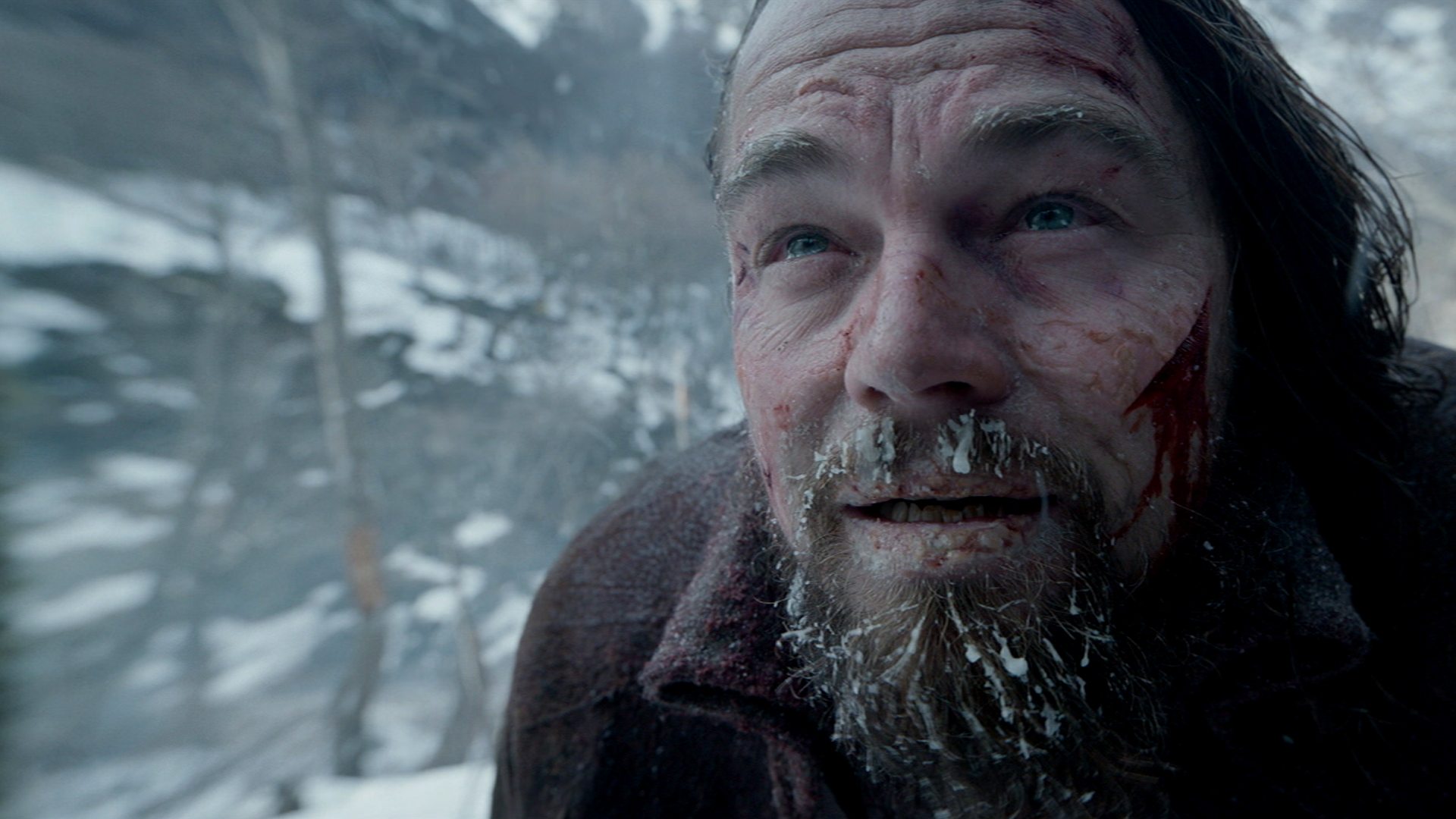
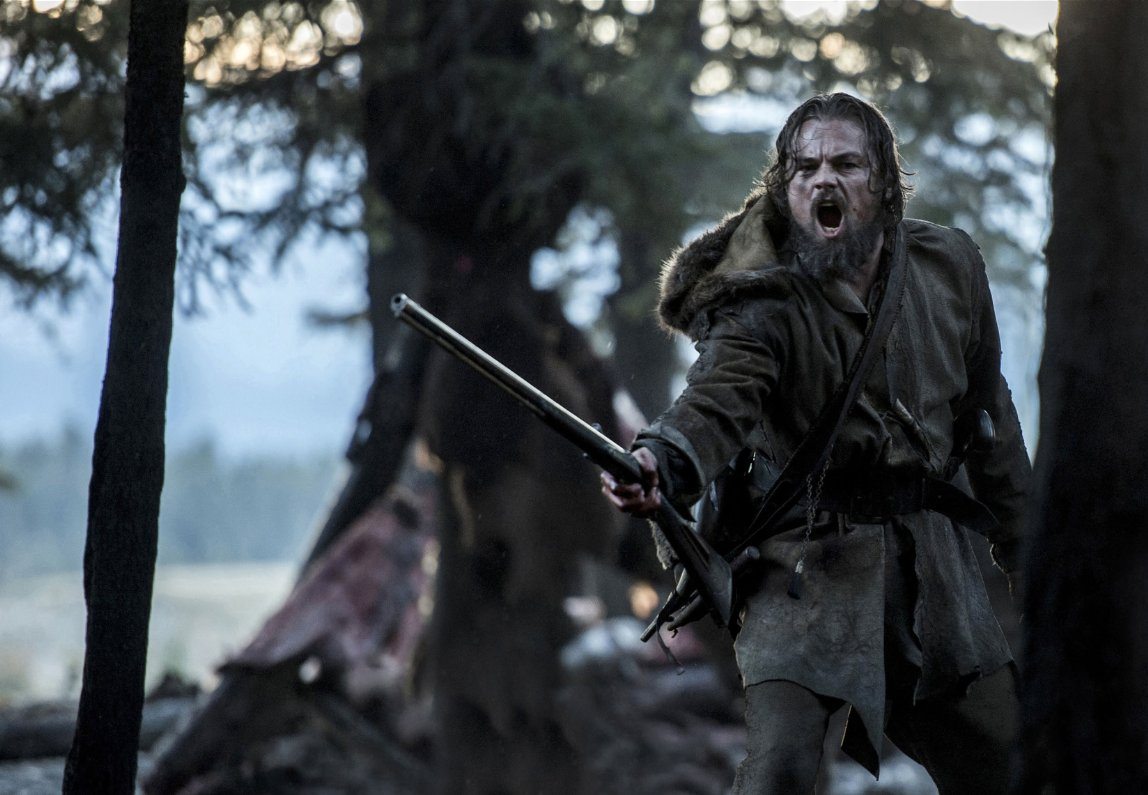
Leonardo DiCaprio’s hunt for an Oscar has truly become a legendary joke among movie buffs and mainstream audiences alike. In fact, much of the popularity surrounding The Revenant can arguably be explained by the widespread desire for people to see if this is his year.

And in a lot of ways, I agree with them. The Revenant absolutely showcases DiCaprio at his best, proving he’s one of the most talented actors alive. But it’s strange to root for him when you consider how little dialogue and (in some ways) character he ultimately adds to his role as Hugh Glass.

Granted, dialogue isn’t everything, and its lacking certainly doesn’t diminish the obvious commitment on DiCaprio’s part. It’s just hard to praise an actor who stares at the camera at one point, as if to Jedi Mind Trick the Academy into giving him his due.

Of course, there’s one other highlight from The Revenant, and that’s Tom Hardy’s performance as Fitzgerald. In my opinion, Hardy was vastly more memorable and entertaining, and he easily had the best quotes of the movie (not that it was much of a competition).

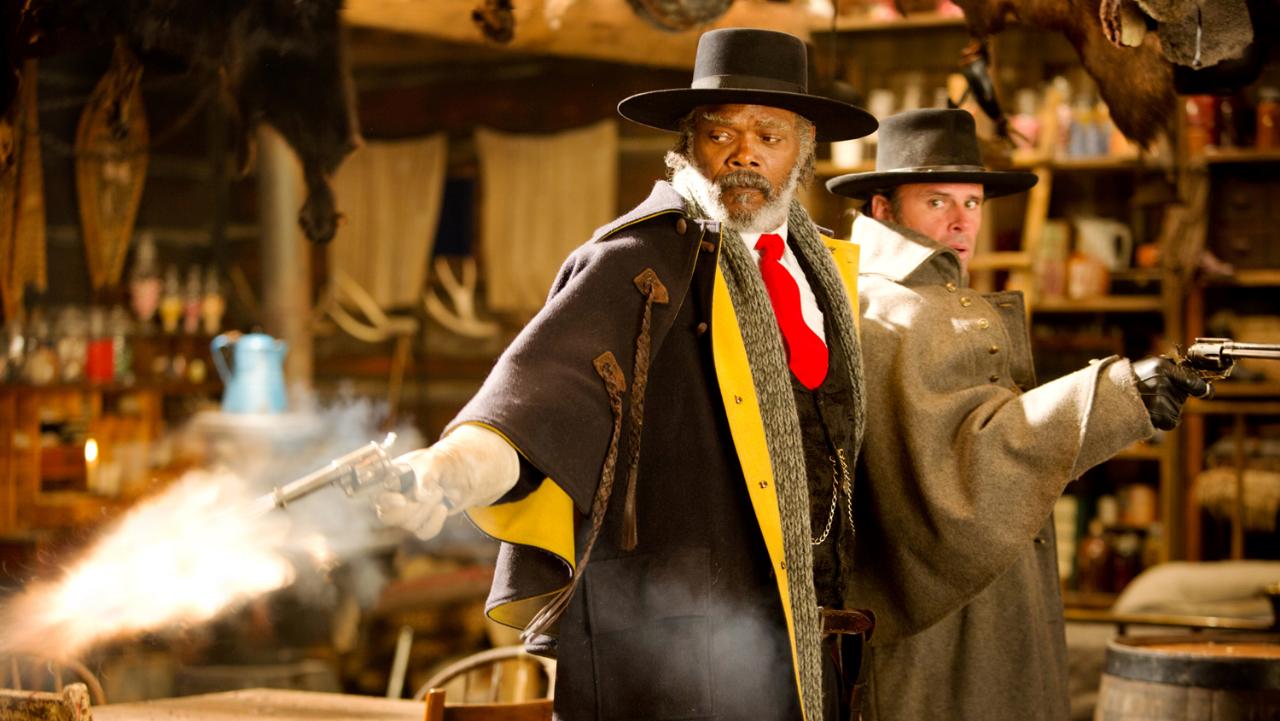
The Hateful Eight is almost all character, on the other hand. And that’s saying something about a movie that doesn’t really have a lead actor or actress. You’d think this would hurt its chances, but it’s actually quite admirable how well the ensemble performs with limited screen time devoted to each character.

To be fair, a few of these characters are overshadowed by the true heavyweights: Samuel L. Jackson, Walton Goggins, Kurt Russell, and Jennifer Jason Leigh all deliver extraordinary performances. If we were judging this category solely by classic one-liners, this would be an easy choice.

It’s a tough because The Revenant only has the performances of DiCaprio and Hardy to make its case, while The Hateful Eight benefits from several incredible performances offered by a much better cast, overall.

Unfortunately, you can’t weigh this choice on the sum of good performances, so I have to give this one to The Revenant. Both DiCaprio and Hardy drove their movie, while the real star of The Hateful Eight actually felt like Tarantino himself most of the time.

Second point goes to The Revenant.  

BEST CHARACTERS
hateful eight better revenant

Ah, but which movie has the best characters?

This is much easier, thanks to the horrid miscasting of Domnhall Gleeson as Captain Henry in The Revenant. Aside from Fitzgerald, none of the side stories in this movie had me wanting more (except more of Fitzgerald, perhaps).

But The Hateful Eight excels in a big way when it comes to its ensemble, as I mentioned in length earlier. You can make the argument that Michael Madsen should have been swapped out, or that Tim Roth was trying too hard to channel Christoph Waltz (an argument I wouldn’t make, personally).  But virtually everyone else in the cast was indispensable.

Aside from casting, the characters in The Hateful Eight were simply more entertaining to watch. They had multiple dimensions (usually hidden) compared to the gruff and simple survivalists in The Revenant. They actually had character arcs and grew as the film went, notably Walton Goggins’ as the Sheriff.

While the performances in The Revenant were more proficient overall, the characters in The Hateful Eight were vastly more interesting, compelling, and memorable.

The Hateful Eight wins this point handily.

BEST SCORE
hateful eight better revenant

I’ll make this quick, since many of you probably haven’t had a chance to study the score yet.

First, you’ll notice that The Revenant didn’t get an Academy Award nomination for Best Score, simply because the composer violated one of the rules for qualifying.

That said, The Hateful Eight also didn’t get nominated, despite Ennio Moriicone crafting one of his best scores in years. What to do?

I actually had to listen to the score for The Revenant after seeing the movie, because I simply forgot all of it. In contrast, I was hooked by the overture of The Hateful Eight (so, before the movie even started).

Aside from that, the song choices littered throughout were masterfully chosen by Tarantino, giving us even more reasons to rewatch the film for new meanings.

The score for The Revenant is fine and all, but it pales in comparison to The Hateful Eight, which gets the point.

BEST STORY 

hateful eight better revenant

The score is tied, and only one category remains. Between The Revenant and The Hateful Eight, which movie has the better story?

It goes without saying that both movies have simplistic set ups. The Revenant is about a hardy (no pun intended) frontiersman looking for revenge against the men who left him for dead. The Hateful Eight boils down to a group of outcasts being forced to spend time together during a blizzard.

The settings, characters, and action are what truly drive the story for both of these movies, though in their own unique ways. And what’s even more interesting is how both movies virtually eschew the typical three-act structure, to varying success.

Let’s just get this out of the way. My biggest complaint with The Revenant was, in fact, its story. Though the first act is incredibly strong with its one-two punch, the movie descends into an overlong and under-edited mess.

The story takes no significant turns, instead pitting more and more obstacles against the main character until none remain. So by the time the final climax came to a head, I had already lost all interest in the plight of Hugh Glass. In a way, I was sort of rooting for Fitzgerald. And nature. And everyone else, really.
hateful eight better revenant

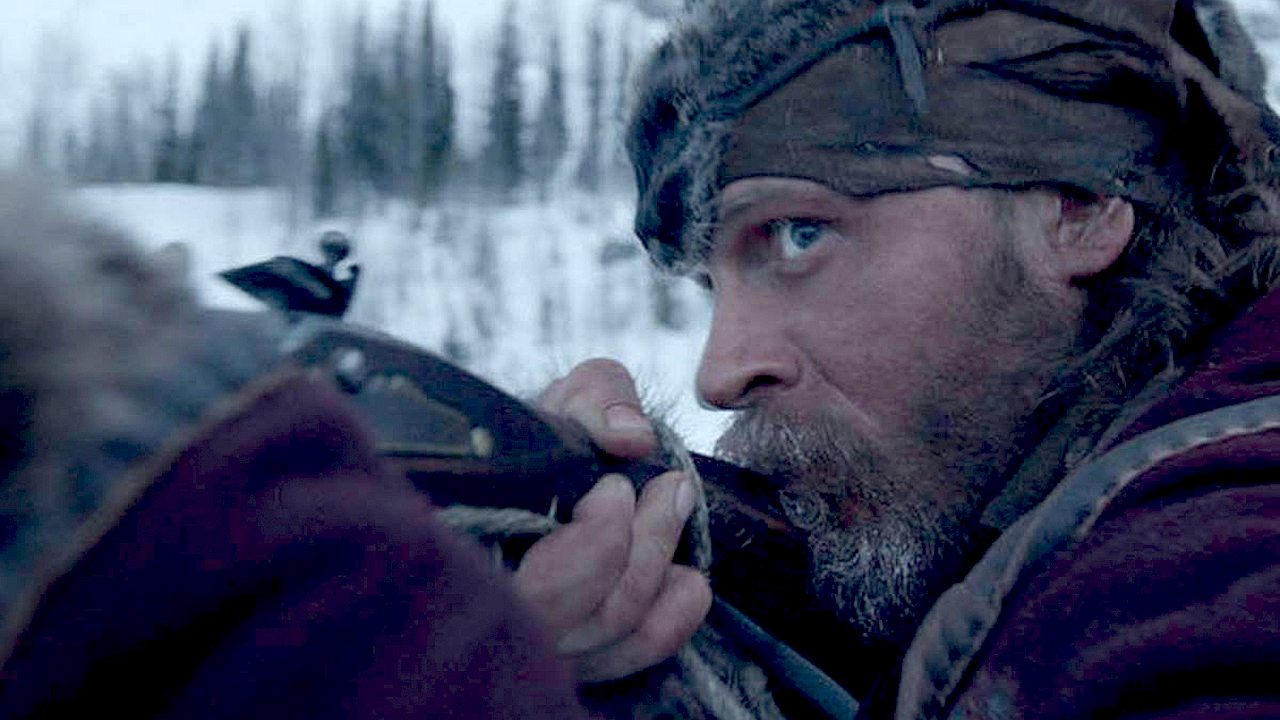
Part of my issue with The Revenant was how Iñárritu handled a lot of the characterization of Hugh Glass himself. To break up the action, the writers used flashbacks and daydreams to further explain why we should care about Glass. These moments were probably meant to give us a chance to catch our breath, but they were ultimately too confusing and surreal for most people to grasp.

It’s not that these sequences were hard to understand, by the way. The issue is that using conceptual and abstract storytelling to explain a character who himself is incredibly abstract (thanks to his lack of dialogue and seemingly mythic constitution) is utterly ineffective.

The Hateful Eight couldn’t be more different. Tarantino’s screenplay for this film is a work of art, on the same level as Lubezki’s cinematography for The Revenant.

Every chapter of The Hateful Eight has a clear purpose, with each interaction between each character building toward a shocking finale that few will see coming. It’s a story that’s so engrossing, I found myself amazed that it had been three hours, not thirty minutes.

More importantly, this was a story I had never experienced. The Revenant had one-of-a-kind visuals, but its revenge story was based on a very loose adaptation of a true story. Not much of The Revenant is very surprising or jaw-dropping, save for a few spectacular “pretty” moments that aren’t well-connected.

The Hateful Eight, on the other hand, was far more original and difficult to interpret. It took a lot of analysis and critical thinking for me to find the deeper meanings masquerading as nihilism. The result, which I won’t spoil for the sake of those who haven’t seen the movie, is the simple fact that The Hateful Eight is the product of a master storyteller.

THE VERDICT

hateful eight better revenant

My final decision is that The Hateful Eight is better than The Revenant. Obviously not in every respect, as the latter has superior cinematography and more remarkable performances.

But the characters, score, and story push The Hateful Eight forward by a wide margin in their own right. So much about so much of this movie just works to near perfection, even on the note of cinematic experience. I like to bring this up a lot with these Which is Better articles, but I tend to judge a lot about a movie based on how I left the theater after watching it.

Though its easy to write off these moments as “gut reactions,” there’s truth in evaluating the experience of watching a film. The goal is for me to leave the theater feeling glad I participated in the movie, and The Hateful Eight does that and then some.

The Revenant left me cold, confused for the wrong reasons, and ultimately disappointed. It’s not a bad film, but only because so many disparate elements of it are too exceptional to write off.

So that’s where I stand. What about you? Sound off in the comments if you have something to contribute. And if you have an idea for a new Which is Better topic, be sure to send me your ideas below.

Thanks for reading this! You can subscribe to my posts by clicking “Follow” in the right sidebar. Or just say hey on Twitter: @JonNegroni


Which Is Better? Arrow vs. The Flash

the flash arrow better

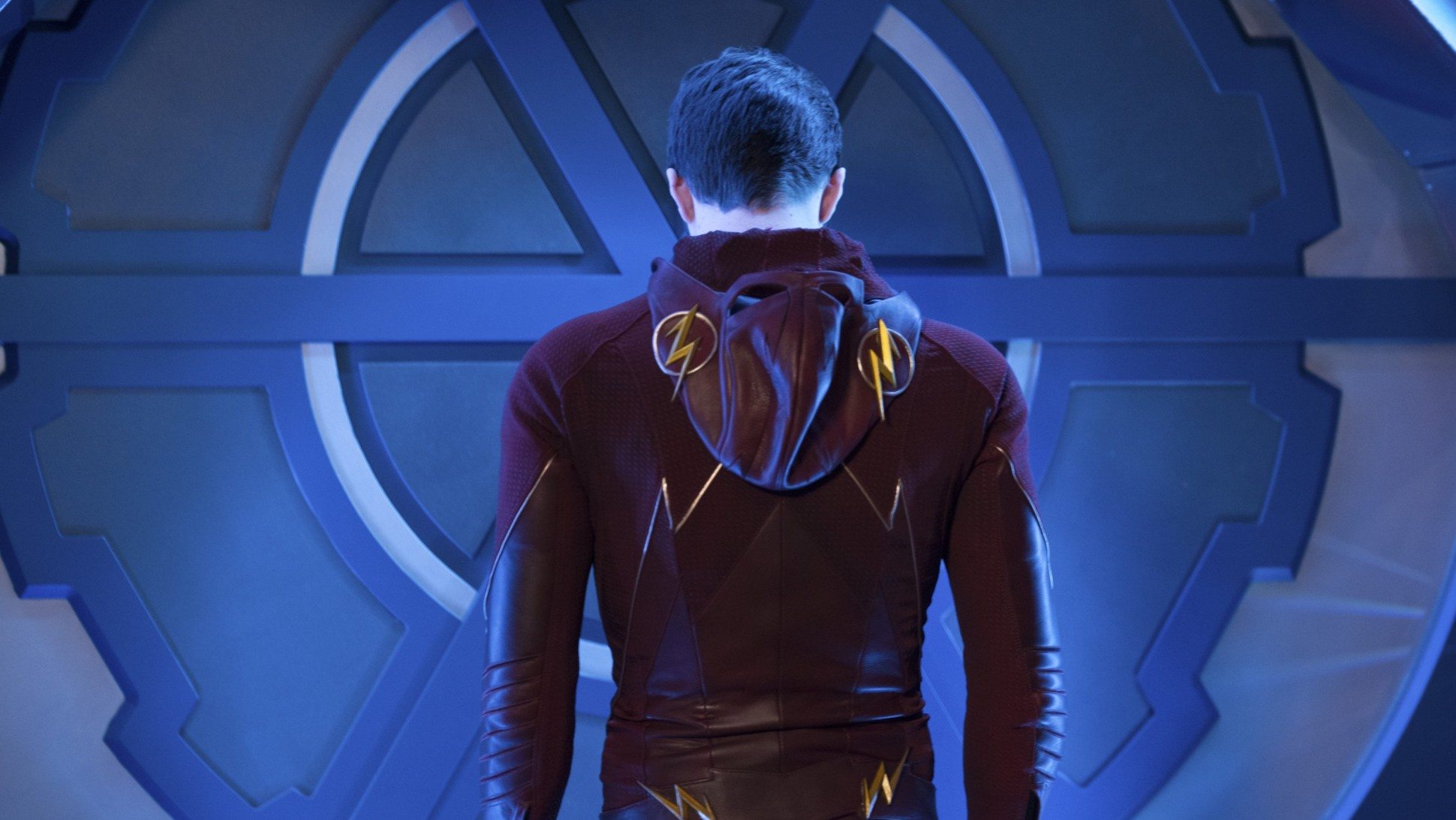
“Which is Better?” is a new editorial series that dares to compare the best of pretty much everything. In this rundown, I’ll break down everything from story to characters in an attempt to declare which of these superhero shows is truly better. 

Back when it was still The WB Television Network, The CW aired a superhero origin series for Superman, which you probably remember as Smallville. It was a great show in its early seasons (its prime), but it faltered over the years due to its own popularity and unwillingness to end. Essentially, things got too complicated, important characters became throwaways…it was a forgettable mess by the time it finished.

But Smallville did set the standard for modern live-action DC Comics shows. It introduced an entire generation of non-comic readers to Green Arrow, prompting the CW to move forward with a new show/remake dedicated to just that character.

You can thank a lot of the creative vision and ambition behind Arrow and other DC shows to Greg Berlanti, who got his start working on Dawson’s Creek (the similarities between these two shows are unmistakable). Though Berlanti has helped produced some major duds, including the Green Lantern movie in 2011, the director/writer/producer has found great success crafting a DC Comics television universe that has branched off into The Flash and the upcoming Legends of Tomorrow. He’s even the executive producer of CBS’s own DC Comics show, Supergirl.

which is better arrow flash

But the main shows we’re talking about today are truer rivals. They’ve crossed over many times, and The Flash was even introduced within an episode of Arrow. And although Arrow has been around since 2012, The Flash is already in its second season, giving us enough time to properly compare what stands out for each series.

So…which is better? (shoutout to user Tonio0064 for suggesting this entry).

It’s a hard question, and from what I’ve observed, The Flash has been considered by critics and audiences to be superior, despite how young it is. Another thing to consider is that a lot of what’s great about The Flash was pioneered by the teams who worked on Arrow, which suffered a bit from some clunky seasons trying to figure out what kind of show it had to be.

I’ve had a great time watching both shows, so I’ll be breaking down their merits in order to figure out which one really is better. But let’s be clear. Neither have failed this city.

BEST LEAD

which is better arrow flash

Both shows have titular main characters, so having a good lead has been critical to their success. Fortunately for Arrow and The Flash, Stephen Amell and Grant Gustin have done a fantastic job as Oliver Queen and Barry Allen, respectively.

They both walk a fine line between doing the comics justice, but also bringing something new to the character that non-comic fans can relate to. Oliver Queen is traditionally a hero known for being more of a left-wing robin hood type looking out for the little guy, but Amell’s take is more of a tortured warrior who fights for the greater good (at least for now).

Grant Gustin pulls off a Barry Allen with fewer wisecracks but more charm as a confident speedster with a heart of gold. And both of these characters work with larger teams instead of on their own, which is a more suitable format for television.

This is a close call, and I really like both characters. But if I had to choose one who goes just a little further with the character, then I have to pick Flash. Amell is a great actor, but he’s a bit more one-note and sullen compared to Gustin, who just seems to be having a lot more fun with his show.

Point goes to The Flash.

BEST SUPPORTING CAST

which is better arrow flash

In other words, Cisco or Felicity?

One of the most fun aspects of Arrow is how well the show has evolved its side characters. Diggle, Felicity, Thea, and even Laurel have grown into interesting characters who add more to the show than they distract from.

At the same time, though, the show often struggles with what their roles are. Specifically, Thea, Laurel, Roy, Quentin, and Sarah of all people have been hit-or-miss over the years, with Roy even leaving the show Teen Wolf-style.

The Flash, on the other hand, does more with less. Even if you compare second seasons to second seasons, Team Flash just seems to have a better sense of identity. Caitlin looks out for Barry’s health, Cisco makes the cool gadgets and decides on bad guy names, Wells comes up with the plans, Joe keeps everyone in check, and Iris is the unattainable love interest (though her character is slowly getting better than that).

This is a result of The Flash learning and avoiding the mistakes of Arrow, which gives them almost an unfair advantage. But the show still manages to learn and apply what’s worked in the past, and that’s no easy feat in the world of network television.

Point goes to The Flash.

BEST VILLAINS

which is better arrow flash

Arrow was lacking a compelling list of villains early in its first season. The enemies ranged from Nolan-verse archetypes to greedy businessmen, not the intriguing assassins and warlords that would populate future episodes. Even Merlyn was a bit underwhelming, despite his arch-villain clout.

The Flash found easy ways to introduce villains with one major event causing their arrival. The particle accelerator gave Barry and many of the villains their powers, making it Barry’s job to round them up (with the exception of foes like Captain Cold).

You’d think that would give The Flash an advantage, but this is something I don’t love about the series. For one thing, it’s a little too reminiscent of Static Shock, the animated series from the early 2000s that used very similar story elements to explain the sudden arrival of foes Static could contend with.

The major villains of The Flash have certainly been interesting in their own right, but not very unique or diverse. Sure, it’s still early, but Reverse Flash and Zoom are really just rival speedsters. Arrow did the same with Merlyn, a rival archer, but at least in its second season, it introduced two new villains who felt drastically more imposing. What made Deathstroke so great, for example, was how his story had been teased from the first season, and the “why” behind his villainy was more satisfying than Eobard Thawne’s mostly uncomplicated treachery.

I like the villains from The Flash, but I’m much more invested in the villains of Arrow, especially Floyd Lawton. Point goes to Arrow.

BEST STORY

which is better arrow flash

Included in this analysis is storytelling. Which show delivers the best experience in terms of drama and character development?

Arrow had a very promising premise in its first season that gave it the steam it needed to survive. Oliver Queen returned from presumed death after five years. While trying to readjust to his life and friends (including the ex-girlfriend he cheated on with her sister who died under his watch), Oliver took up a crusade as a vigilante, trying to redeem his city with the skills he learned while on a mysterious island.

This initial story worked well because we also saw flashbacks to the island that explained how Oliver survived and became “the vigilante.” By the time we reached the third season, however, the flashbacks quickly became pointless, feeling more like fodder for lackluster B plots. There’s a good one every now and again, but for me, these have been pretty skippable.

In contrast, The Flash utilizes “secret endings” at the end of each episode that shed light on a bigger mystery. Who is Harrison Wells, really? Who is the Reverse Flash? Who is Zoom? Strange I’m mentioning it again, but this is something Teen Wolf has excelled at in a grander sense, using mysteries you actually care about to keep you tuning in.

But does that really make the story better? No, and that’s a good thing. These mysteries are accessories to what make The Flash a fun watch, not the entire hook. I’m fine with waiting to find out which character is who because I enjoy Barry Allen’s journey as a superhero. It’s simpler than Arrow, for sure, and I like that because Flash is a less serious character, so when there’s drama, it feels more genuine when mixed with the comic relief.

This is another close call, but I have to give it to The Flash. While it may lack a narrative that hooks you in immediately, it provides a fleshed out universe that feels more fun to sink your teeth into.

VERDICT

which is better arrow flash

Well, I guess the critics are right. The Flash is better than Arrow, but it’s a closer match than I think some people realize. In everything we discussed, Arrow had many bright spots that elevate it above The Flash in some respects, especially when it comes to villains.

But overall, The Flash has benefitted from being more refined from the get-go, which is a testament to the work put in to make this show the best it could possibly be. We owe plenty of gratitude to Arrow for paving the way, but it’s honest to point out that it’s not the best, at least for now.

Agree? Disagree? Sound off in the comments.


Thanks for reading this. To get updates on my theories, books, and giveaways, join my mailing list.

Or just say hey on Twitter: @JonNegroni

Snarcasm: The ‘Star Wars’ Prequels Were The Best Movies All Along

Star Wars prequels

Snarcasm is a weekly series where I encounter and try to understand the worst articles on the Internet. This week, I take on my fellow millennials who’ll say anything for a click. 

OK, we already talked about Star Wars a few weeks ago, but that was more about Piers Morgan and how irrelevant his film commentary is. That said, a similarly contentious article about the revered Star Wars saga was recently dropped on my doorstep with “It’s a trap!” scribbled across the label.

Writing for Toronto Star, Ian Gormely presents his case for why we may have been a little too harsh with the Star Wars prequels. Of course, that means his headline is…

Why the Star Wars prequels are better than the originals

And they say clickbait doesn’t write itself.

Now to be fair, the subhead is a little less sensational:

A generation of fans who grew up with the more recent trilogy make a compelling case that those are the superior films.

*shrugs*

Alright, you have an element of an interesting think piece here because younger viewers like me gave the prequels a pass, which is arguably similar to how older fans forgave the original trilogy for its ample flaws. I don’t agree, but it’s a worthwhile argument.

Then the article starts.

The prequels never stood a chance.

Right. One of the most anticipated films of the last 20 years never stood a chance. And yet the hype surrounding The Phantom Menace was astronomical, more so than this year’s The Force Awakens (because hey, we’ve learned the hard way not to get our hopes up).

The prequels very much stood a chance. People over the age of 15 just didn’t like them.

Hampered by two decades’ worth of expectations and hype, George Lucas’s deep dive back into the Star Wars universe was destined to disappoint.

I’m sure Ian would have said the same thing about The Empire Strikes Back if it had been terrible.

Star Wars (awkwardly retitled Star Wars Episode IV: A New Hope when Lucas rereleased it in 1997) and its sequels were generation-defining movies.

Awkwardly? I grew up in this time period, too, and I don’t remember having an issue with the naming conventions. And if they had kept the name “Star Warsfor just the fourth movie, that would have been way more awkward.

Also, why even bring that up?

When Star Wars Episode I: The Phantom Menace arrived in May 1999 fans were met with a film that was visually (computer-generated effects) and tonally (it was aimed at kids) miles away from their beloved originals.

When he says aimed at kids, he’s implying that the movie was mostly aimed at kids. Which isn’t true at all if you remember any scene from The Phantom Menace about trade negotiations, political squabbling, and multiple Jedi blathering instead of fighting until the last ten minutes.

And just to be clear, I enjoyed The Phantom Menace as much as I did Revenge of the Sith. I think they’re decent, even average movies. Their mediocrity is all the more depressing, of course, when you compare them with the original trilogy. Attack of the Clones is the only Star Wars film (in my opinion) that gets a failing grade.

 Subsequent prequels, Episode II: Attack of the Clones and Episode III: Revenge of the Sith, moved closer to Lucas’s originals, but many fans felt betrayed. This wasn’t their Star Wars.

He’s framing this argument as if Lucas was some sort of visionary trying to create something different, but those pesky fanboys were just too afraid of change. The problem, obviously, was that this change we got in the prequels was filled with annoying issues that even kids pretty much shrugged at.

Granted, we loved the prequels as kids. At the time, they were beautiful spectacles that forced us to wade through hackneyed plots to get to the stylized action. But not once did I ever consider them better than the original trilogy, solely because they were designed to be depressing departures, while the rest of the saga was filled with…well, hope.

J.J. Abrams’ upcoming seventh film, Episode VII: the Force Awakens, will reportedly hew closer in style to the original trilogy. 

Reportedly? Why did this blog spam suddenly remember it’s on a news publication?

But here’s the rub: a lot of people went to see The Phantom Menace — it made a billion dollars at the box office. Now in their 20s, this generation of Star Wars fan grew up not knowing a world without digital effects or Jar Jar Binks.

You know, unless we watched Quentin Tarantino movies instead.

To get a better sense of how they view the Star Wars universe we asked three deeply passionate fans to share their thoughts on the prequels.

Nice prank, Ian! For a second, I thought you were going to crowdsource your opinionated article with anecdotes instead of arguments—

Stuart (do you really want to know his last name? Isn’t privacy a thing in cases like this?)

Current Age: 26, which means he was 10 when Phantom Menace was released in 1999.

Why is this happening?

I’m going to leave out the heaps of personal data Ian dishes out for this guy, including his inclusion of (and I’m not joking) working for Virgin Radio.

I loved Darth Maul. The final lightsaber battle, that was the best lightsaber fight I’d ever seen.

Really? Because even my 8-year-old self still preferred Luke’s freakout in Return of the Jedi. Different strokes, but perhaps you loved that lightsaber battle more because the rest of the movie was so forgettable? Maybe?

Fans of the old series were looking for that nostalgia that they could relive. When the Phantom Menace came out, that’s when I think I was getting the experience that my dad and his generation had when the originals came out.

The problem is you think you had the same experience, but you’ll never know. And that’s fine. It’s great that you enjoyed these movies, but how can you compare that with someone’s else’s experience with a different movie during a different era? It would be like me telling my grandmother that seeing Get Hard was the equivalent of her going to see Gone With The Wind on opening night.

Ian’s next conveniently positive anecdote comes from someone who was 6 when The Phantom Menace came out (I wonder why we aren’t talking about Attack of the Clones at all?)

If you look at Star Wars as an epic Grecian tragedy, (the prequels) contextualize the original trilogy so well. It actually lends the original trilogy a lot more power when you know the history behind it

At times, this happens, sure. Notably in Revenge of the Sith when we get some solid scenes of Anakin getting seduced by the dark side. But come on, that’s a fraction of the whole film, which was mostly nonsense dialogue, deadpan characters, needless explanations of things that were better left to our imaginations, and sand, everywhere.

The worlds, the designs and the sci-fi concepts they introduce (in Attack of the Clones) are the best in all of Star Wars.

No.

No, they are not.

No reasonable fan with a straight face can say that the worlds of Attack of the Clones — Coruscant (which we’d already seen before), Tattooine (which we’d already seen before), Naboo (which we’d already seen before), and an asteroid field (which we’d already seen before) — were superior to anything in the other films, including the prequels.

Scrap those rehashed locations and you’re left with the green screen that is Kamino and Geonosis, which was basically Tattooine with mountains and a CGI factory.

Simply put, saying Attack of The Clones has the best worlds and designs is like claiming Chappie is a better Neill Blomkamp movie than District 9.

They made the political parts of The Phantom Menace that people hated, the political intrigue, actually interesting.

Oh really? I wonder how many people can tell me (without looking it up) why Jango Fett was trying to assassinate Senator Amidala. Or how Palpatine specifically got his emergency powers. Or why the clones were working for Jango, but ended up in the hands of the Republic by the very end. Or why Dooku betrayed the Jedi. Or what Anakin’s deal is with SAND EVERYWHERE, HE’S FROM A SAND WORLD SO HE SHOULD BE USED TO IT.

Sorry. Unresolved issues.

Star Wars was an adventure story and now they give it scope. It’s more than a ragtag team trying to take on the whole world. It almost becomes a political thriller.

Now we’re just throwing words into sentences and calling them paragraphs, people.

A ragtag team? Of a girl, her stalker, and two droids who offer nothing to the plot but are only there because we remember them from other movies? Or were you referring to Obi-Wan and…um…that fat alien from the diner? Oh, those dang misfits!

Ian provides more anecdotes, and what’s funny about them is that these guys completely admit the elements of the prequels are terrible. One guy notes “the crappy love story,” but justifies it by saying people were invested and had to see what’s next. You know, like clickbait.

And that’s it! Ian ends the article…there. No conclusion…hmmm…comments are closed, that’s interesting…

I guess I missed the part where Ian and his friends actually make a case for why the prequels are better than the original trilogy. Or bring up specific things about the original trilogy. All I read was a laundry list of subjective observations and straw grasping for the sake of getting attention. That’s the Snarcasm guarantee.

Guys, I’m not trying to hate on anyone who loves the prequels. I get it. They can be guilty pleasures because we saw them at an age when all we wanted to see on the big screen was a cacophony of lightsaber fights and epic space battles. And the prequels absolutely delivered on that.

But let’s not kid ourselves, pun intended. The prequels were fan service, but for the lowest common denominator. They were the Fast and Furious movies in space, except they were intended to be more compelling, which makes them all the more cringeworthy. I don’t mind re-watching them and appreciating decent moments throughout, but you’re never going to convince true fans of any age that they’re better than what we got with the original trilogy.

And please don’t watch Chappie

Hey! If you’ve come across a silly article that deserves the snarcasm treatment, send it my way via Twitter or the comments below!

I’m Jon and thanks for reading this. You can subscribe to my posts by clicking “Follow” in the right sidebar. Or just say hey on Twitter! @JonNegroni


Snarcasm: ‘Inside Out’ Was Just So Disappointing

inside out disappointing

“Snarcasm” is a new editorial series about a mild-mannered film blogger who goes head-to-head with other silly bloggers. Snark + Sarcasm = what you’re about to read. 

This week, we’re examining Chris Sawin’s Examiner review of Pixar’s latest film, Inside Out.

Spoiler alert: he gave the film a 5/10. I’m guessing he can’t even.

Sawin kicks off his review with the headline, “‘Inside Out’ is an underwhelming yet clever effort from Pixar.” I guess you could say it’s…cleverly underwhelming? Probably not.

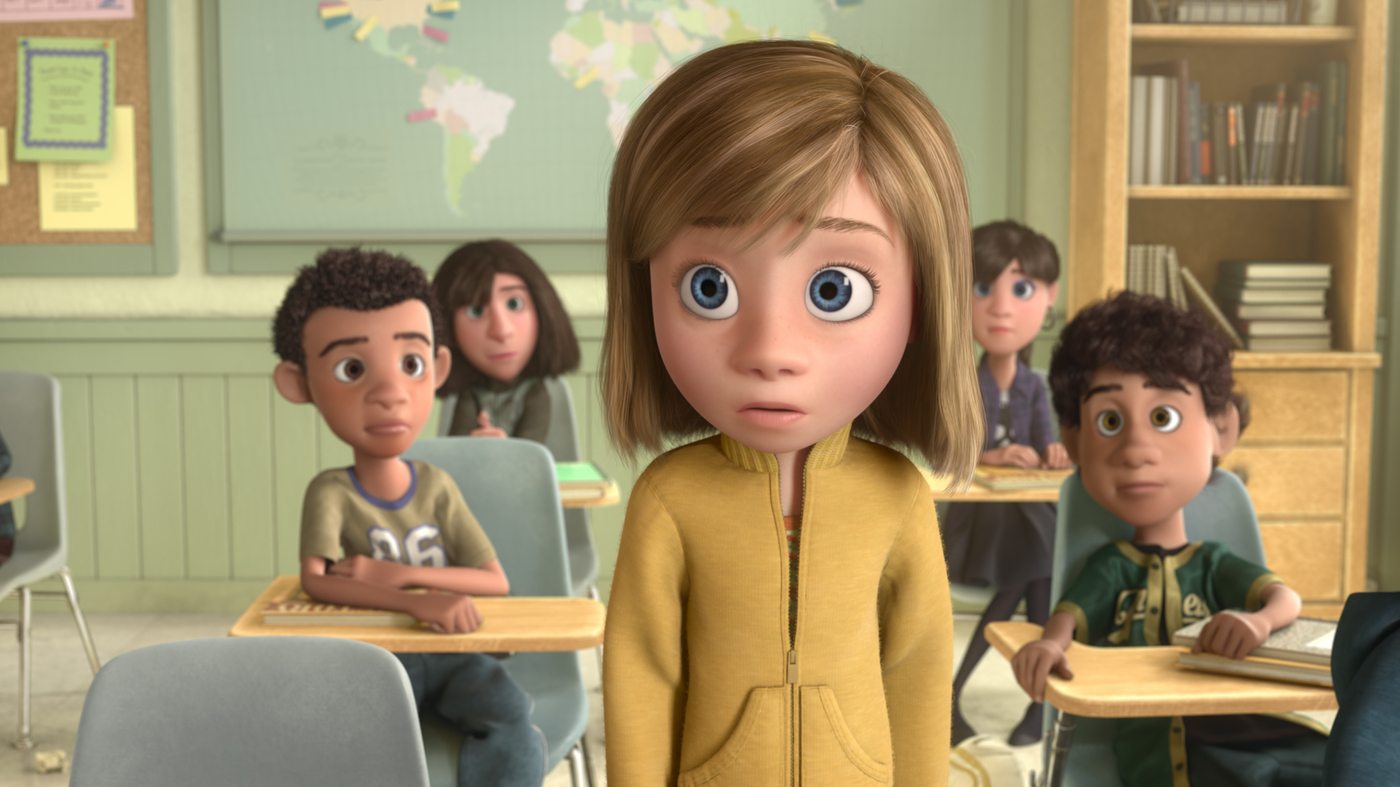
But as Riley’s parents decide to move from Minnesota to San Francisco, Riley is taken from everything she once knew and thrown into a strange place with no friends.

So, Examiner.com?

Sawin gives a pretty exhaustive synopsis of the film at this point, then mentions “Lava” as the short that precedes the movie.

The short is a decent representation of what you should prepare yourself for when it comes to the appreciation and enjoyment factors of “Inside Out;”

Oh, so t’s beautifully animated and filled with rich characters you find easy to love thanks to a well-written script?

inside out disappointing

it’s mildly amusing and cute but nothing great.

Oh.

The theme of Sawin’s review, by the way, is that no matter how good you are at something, it’s not “great” because Sawin says so. Let’s continue.

What the film fails to do is capitalize on the Pixar reputation of affecting a wide range of your emotions throughout its duration.

So, five emotions aren’t enough? I have a feeling that Sawin would have otherwise complained that there were too many emotions and not enough focus.

Also, since when do Pixar movies have to affect a lot of different emotions? They usually go for humor and drama. Am I supposed to be more angry and disgusted while watching Pixar movies?

but the bottom line is “Inside Out” is often lethargic to a frustrating extent.

I’m pretty sure calling Inside Out sluggish is akin to calling There Will Be Blood a romantic comedy. The film immediately cuts to the chase, with the main problem of the movie (Riley’s move) occurring as the title screen pops up. And this is in the first five minutes.

Honestly, I have no idea what Sawin is getting at when he calls the film lethargic. From my perspective, every scene moves at a brisk pace, especially the action, without forgetting it has a new world to build that won’t go over your head. There were very few moments of downtime.

Each Pixar film is usually distinctly different than the last.

I’m guessing that “usually” applies to sequels.

“Inside Out” is the first film where the character designs of the humans in the film remind you of “Toy Story” or certain elements of the story or visuals are reminiscent of “Up.”

Well, yeah. How is that a bad thing? In order to easily distinguish between the human world and the mind world, the visual artists had to conceive of humans who felt familiar. What better way than to use techniques learned from the successful Toy Story franchise?

And to be fair, Monsters Inc., and its prequel also share human characters with similar visual styles. Same with Finding Nemo. I’d even argue that the humans of WALL-E look a lot like humans you’d see in Ratatouille or The Incredibles. There’s even an old lady in Ratatouille who looks just like Geri from Toy Story, but with a shotgun.

inside out disappointing

Maybe it has something to do with how these characters show up in different movies all the time? Nope! Sawin calls it lethargic.

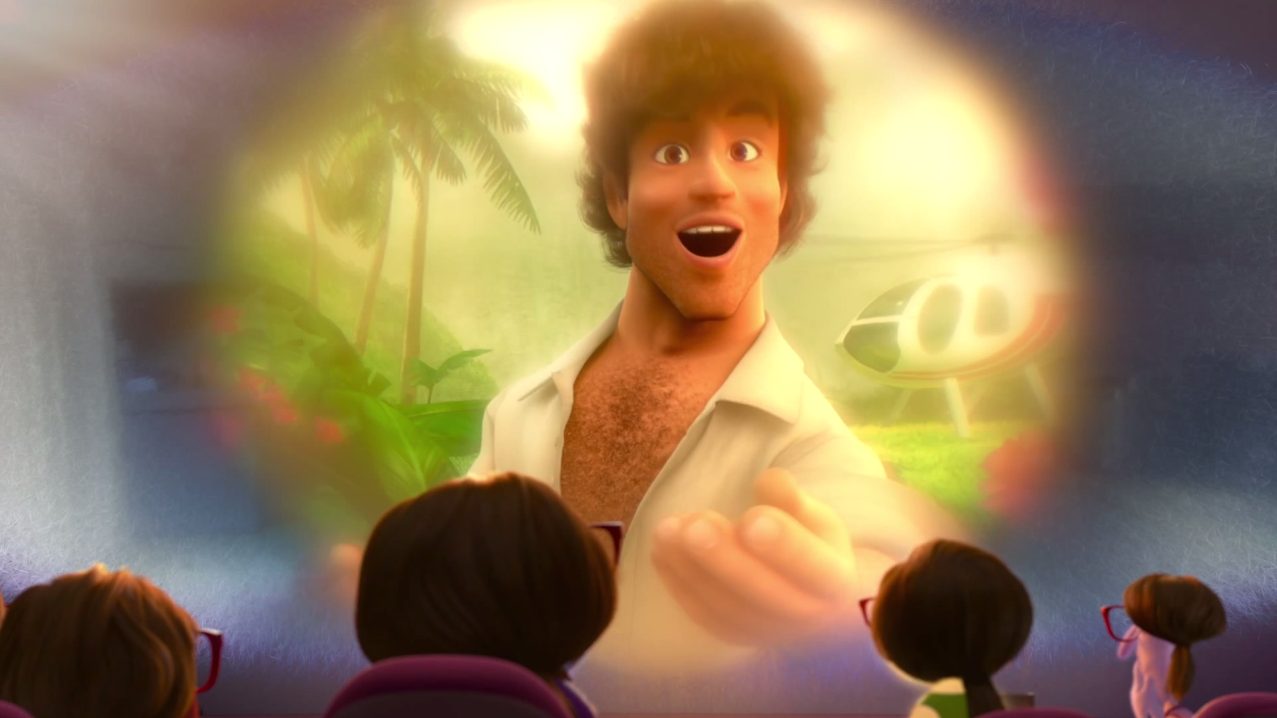
Imagination Land, which is a personal favorite segment from “Inside Out,” has you remembering your favorite moments from “Wreck-It Ralph,” even though it wasn’t a Pixar film.

Right, with all of the video games and the…uh…oh, well I suppose it almost looks like “Sugar Rush Speedway” sometimes…barely…not at all, really.

But unlike Sawin, I’ll actually support my argument. Here’s an image of Sugar Rush Speedway:

sugar rush speedway

Alright, now here’s an image of Imagination Land from Inside Out.

inside out imagination land

Oh, wait. That doesn’t work. OK, try this one:

inside out imagination land

Hm, that doesn’t work either. There’s just a bunch of relevant objects related to things Riley imagines. Well, let’s try this one!

inside out imagination land

Ha! See, there’s a castle just like…oh, that doesn’t look like the Sugar Rush castle. Wait, wait, I’ve found it. Here it is!

inside out imagination land

See! In this image, there are flowers. And in the Wreck-It Ralph image, there’s a lollipop with a flower pattern on it! Case closed!

“Inside Out” is innovative, but it’s not idiosyncratic enough to fully develop its own personality.

So it’s both innovative and more of the same. I’m pretty sure that’s a paradox.

Also, how idiosyncratic does it have to be in order to have its own personality that is fully developed? I’m guessing that by your standards, it has to be completely, 100% original. But how many other movies actually achieve this? Why is Inside Out being held to this impossible standard?

Sawin is clearly ignoring the scope of Inside Out, of course. This film covers a wide range of different sets, characters styles, and unique settings. Finding Nemo is the only other Pixar movie I can think of with this much diversity in its settings. So of course you can cherry pick a couple of locations that remind you of other Pixar films.

The animation seems to shine the brightest during the abstract stages sequence. It’s so much more quirky and eccentric than the rest of the film.

How is one sequence being “good” mean that the others are “bad?” Shouldn’t you be praising Inside Out for how good this scene is?

While the animation is as excellent as ever the character designs seem a step or two below what Pixar is known for.

Examples? Or are you going to support yet another assertion with yet another assertion?

All of the emotions appear to be designed for a film that was forced to go directly to DVD, which then made a B-line for the clearance rack.

Wow. How so?

Most characters in the film appear to be apathetic

In other words, “lethargic.”

OK, so Sawin doesn’t like the appearance of the emotions. He’s not “wrong” since this is an opinion based on his personal tastes. The problem, obviously, is that he has nothing objective to compare them to.

inside out disappointing

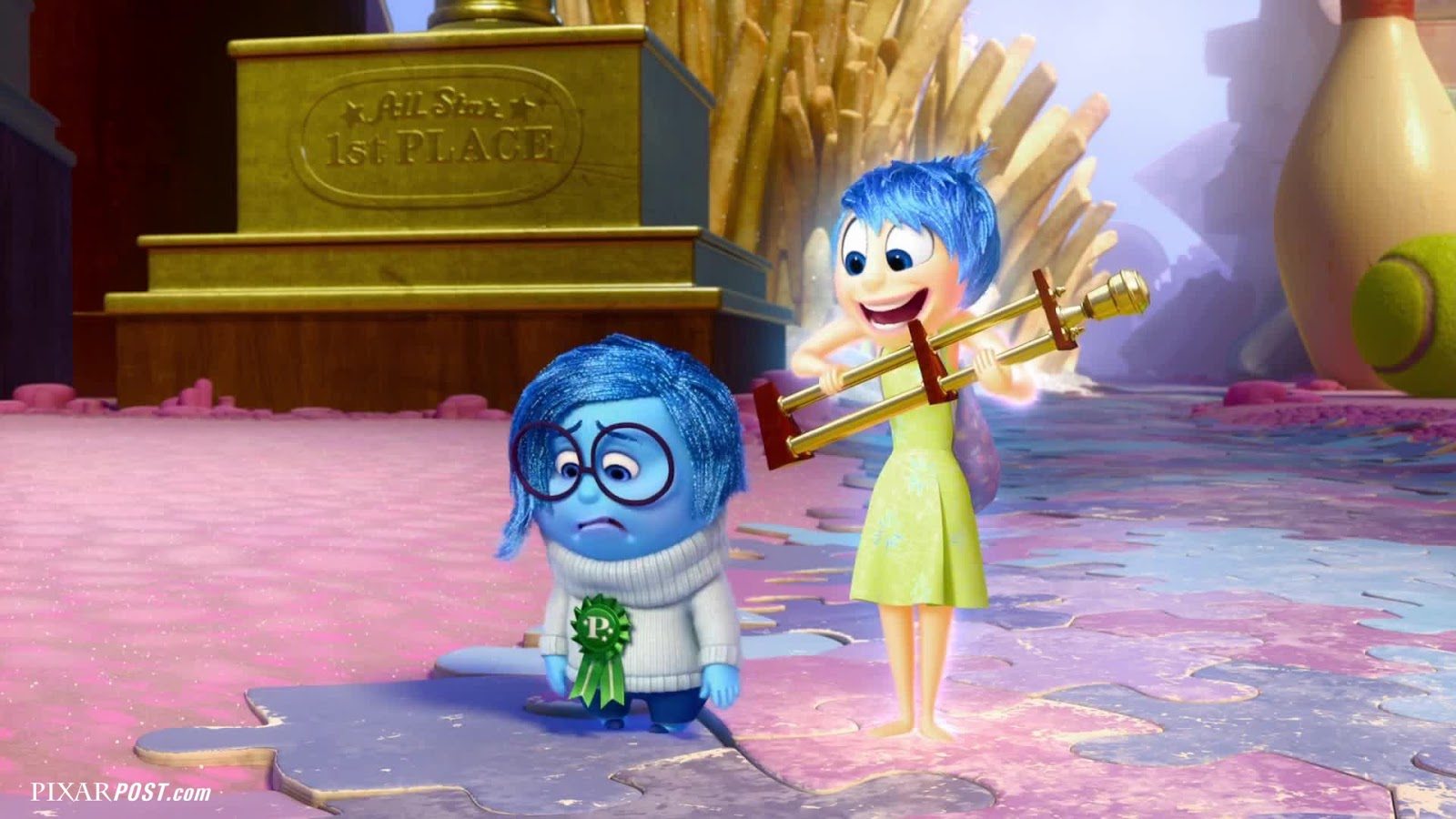
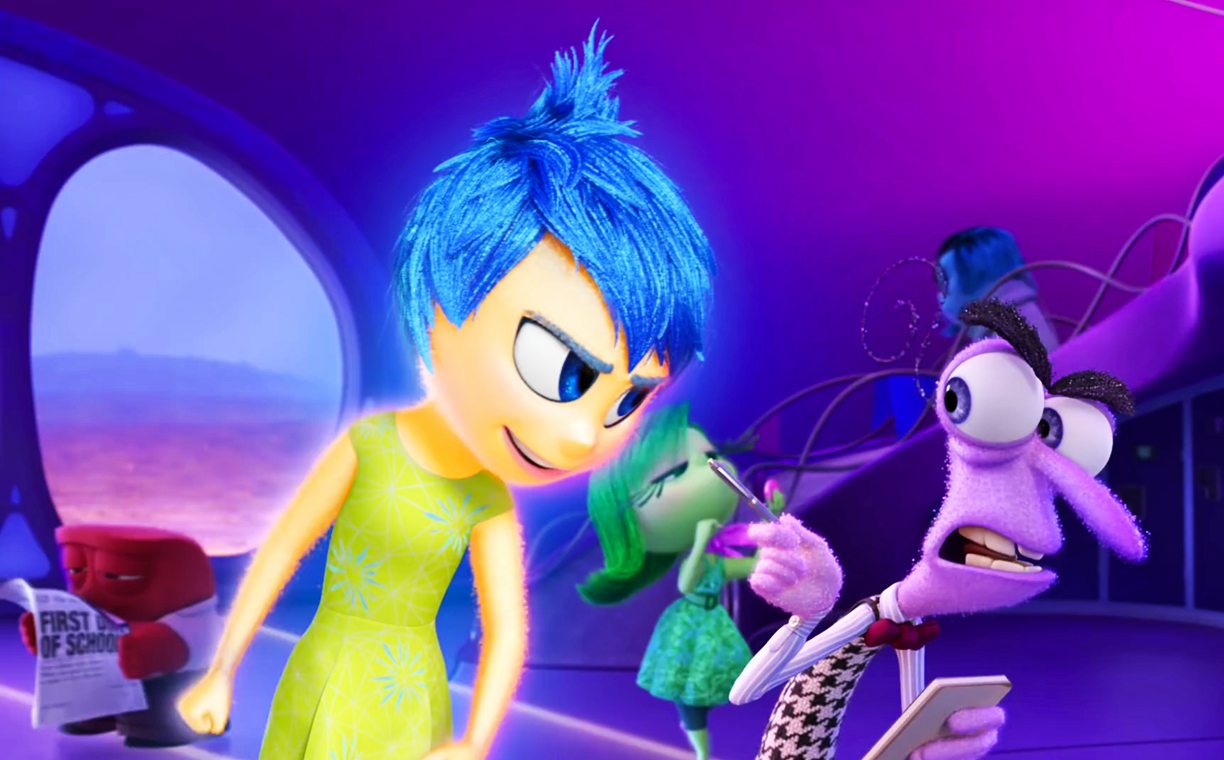
Personally, I find their designs genius. Like Up, they have their own shape language (Joy represents a star, Sadness is a teardrop, etc.) Additionally, they used color language to drive home the impact of the emotions with their prescribed color palette. And they’re designs were deliberately given an abstract shape so that they could move within their world by a set of different rules and physics because they’re inside of the mind. It’s subtle, but effective.

Even if you don’t find their designs very pleasing to the eye, it’s unfair to ignore how aggressively original they are. But in the same review where Sawin complains about the characters not being unique enough, they’re too unique.

and are therefore already not interesting before they even open their mouths.

You heard it here first. A character who embodies anger and is voiced by Lewis Black is “uninteresting.”

Dull character designs aren’t usually something you throw into the same sentence as “Pixar.”

That’s probably because no one else is.

The humor is also below any sort of standard comedies in general should have.

Standard comedies? Can you at least give an example of what you consider to be a—

Most of it will barely force a chuckle out of you

Sigh.

Most gags like the Tripledent Gum jingle are humorous at first, but are run into the ground early on.

OK, so the joke about an annoying, recurring jingle eventually gets annoying because it’s recurring. Got it.

Correct me if I’m wrong, but I’m pretty sure that joke is only referenced two or three times.

Other times it feels like the film is simply trying too hard to cater to the humor of an eight year old or the kid in all of us that it completely overlooks aiming for adult humor.

Can I say that bad word, now?

One might make the argument that Anger’s constant jabs at possibly using curse words is rather adult, but it seems too easy and too juvenile for Pixar.

Right, because we celebrate the humor of Toy Story and Finding Nemo because they had so many adult jokes. Just keep swimming, Sawin.

inside out disappointing

Of course, Inside Out has a good amount of jokes that go over the heads of an eight-year-old. A standout is Bing Bong nonchalantly mixing a box of “facts” with a box of “opinions.” And Riley’s mom fantasizing about an affair…ah, never mind.

While none of us enjoy being sad, “Inside Out” utilizes how important sadness is to our daily lives. You need a steady emotional balance to take on growing up and the rest of your life and “Inside Out” approaches handles those elements extremely well.

Keep in mind that this is one of the many instances throughout the review where Sawin gives the film high praise. Yet it’s still a 5/10.

The animated comedy is imaginative, but it lacks laugh out loud humor and its lazy animation is disheartening.

Lazy animation? Earlier, you wrote that it was excellent.

Pixar films are known to pack an emotional punch and “Inside Out” doesn’t have any of that.

I’m starting to think Sawin didn’t watch this movie.

All it has to offer is a misguided beating heart that is visually displeasing.

But…earlier you said that it was imaginative. And you said the animation was excellent. And you said the film utilizes important themes. And that it handles its story extremely well. But now it’s misguided?

Look, Inside Out isn’t a perfect movie. And plenty of Sawin’s complaints are valid because they’re subjective. If you don’t like it, you don’t like it.

The problem with this review, however, is that he offers no basis or reasoning for his critique. It’s just one opinionated assertion after another, and he doesn’t offer the film any credit for the very things he praises (then eventually derides).

In other words, the only lazy thing about Inside Out that I’ve come across is this review.

I’m Jon and thanks for reading this. You can subscribe to my posts by clicking “Follow” in the right sidebar. Or just say hey on Twitter! @JonNegroni

So, M. Night Shyamalan Still Wants to Make ‘The Last Airbender 2’

the last airbender 2

Before we go any further, let’s get my opinion straight. I’m speaking to M. Night Shyamalan directly when I say, STAY AWAY FROM AVATAR: THE LAST AIRBENDER. FOREVER.

There, that’s all I wanted to say, aside from the rest of this.

Strangely, some people don’t blame the once promising director for the insulting mess that was 2010’s The Last Airbender, including Shyamalan himself. We’ll get to the lunacy of that, but first I should mention that this is still a minority opinion. A terrible opinion, but a minority opinion all the same.

Venture Capitol Post posted an article yesterday with an unforgivably misleading title that shocked and scared the eyes of hopefully only tens of readers:

‘Avatar: The Last Airbender 2’ Confirmed: Director M. Night Shyamalan Defends 1st Film from Longstanding Criticism.

Um…No, this movie is most certainly NOT confirmed. Obvious clickbait headline isn’t just clickbait. It’s actually beyond clickbait, transcending into a full on clicksnare.

the last airbender 2
This will teach readers to skim my lede.

Nowhere in the article does it say that The Last Airbender 2 has been “confirmed.” They don’t even get the name of the movie right in the title, which should be the first red flag.

No, this article only covers a few link shares to other articles published over the last few months that point out Shyamalan’s interest in continuing the franchise. In fact, I can’t find anything new or relevant in this article to explain why it even exists. So let’s keep going!

‘Avatar: The Last Airbender 2’ director M. Night Shyamalan continued to defend his first film from long-standing criticism. He is also reported ready to push through with a sequel.

Source? Nope. There’s no source for this at all. Venture Capital Post just asserts this and moves on like it’s not the biggest bombshell fans of the animated series have seen since the first reviews for The Last Airbender came out. Who edited this?

According to Movie Pilot, the filmmaker was not to blame for the Nickelodeon cartoon adaptation’s failure with critics and audiences alike.

First, it’s Moviepilot, not “Movie Pilot.” Also, they’re shamelessly sourcing an opinionated article not written by Moviepilot staff, but written by someone who’s never seen an episode of the show they’re talking about. I’m not making that up.

Let’s jump over to that “Movie Pilot” article and see what writer Rohan Mohmand has to say (and yes, it’s ironic he shares the name of Tenzin’s son).

M.Night Shyamalan is an original thinker.

Nope, nope, keep going. You can do it, Jon.

I still haven’t seen the respective show,

Wow. Yeah, so Rohan sings Shyamalan’s praises for a few paragraphs, citing that the early success for the filmmaker based on his only two widely accepted movies, The 6th Sense and Unbreakable (a case can be made for Signs, but not a good one) lends to the fact that the failure of The Last Airbender has nothing to do with him.

Because directors don’t make both good and bad movies, according to Rohan. Especially when they’ve made like five abysmal movies in a row. You know what came out before The Last Airbender? Oh, just a little train wreck called The Happening.

In that movie, the “original” Shyamalan presented a world where plants make us kill ourselves. And that’s when we learned that originality doesn’t necessarily make something good.

Today, it has been almost six years since its release, and whenever someone brings the subject of The Last Airbender it is Shyamalan to blame.

Is this a surprise? He’s writing this like it’s not valid to blame the person who spent the most time making the movie happen and overseeing its execution for how bad it is. Granted, not every movie is bad because of the direction, but how can you argue that The Last Airbender doesn’t suffer from its many Shyamalanisms?

the last airbender 2
“Let’s do ANOTHER closeup so we can see how bad the scar is!”

But Rohan’s not finished. He cites an interview Shyamalan had with IGN about this (sorry about the inception-level article sourcing. It’s not my fault, I’m only the director of this article).

This is from Shyamalan, explaining what went wrong with the movie:

“My child was nine-years-old. So you could make it one of two ways: you could make it for that same audience, which is what I did, for nine and 10-year-olds, or you could do the ‘Transformers’ version and have Megan Fox. I didn’t do that.”

First, that last line, “I didn’t do that” wasn’t cited by Rohan for some unexplainable reason, so I added it. Second, what world does Shyamalan live in?

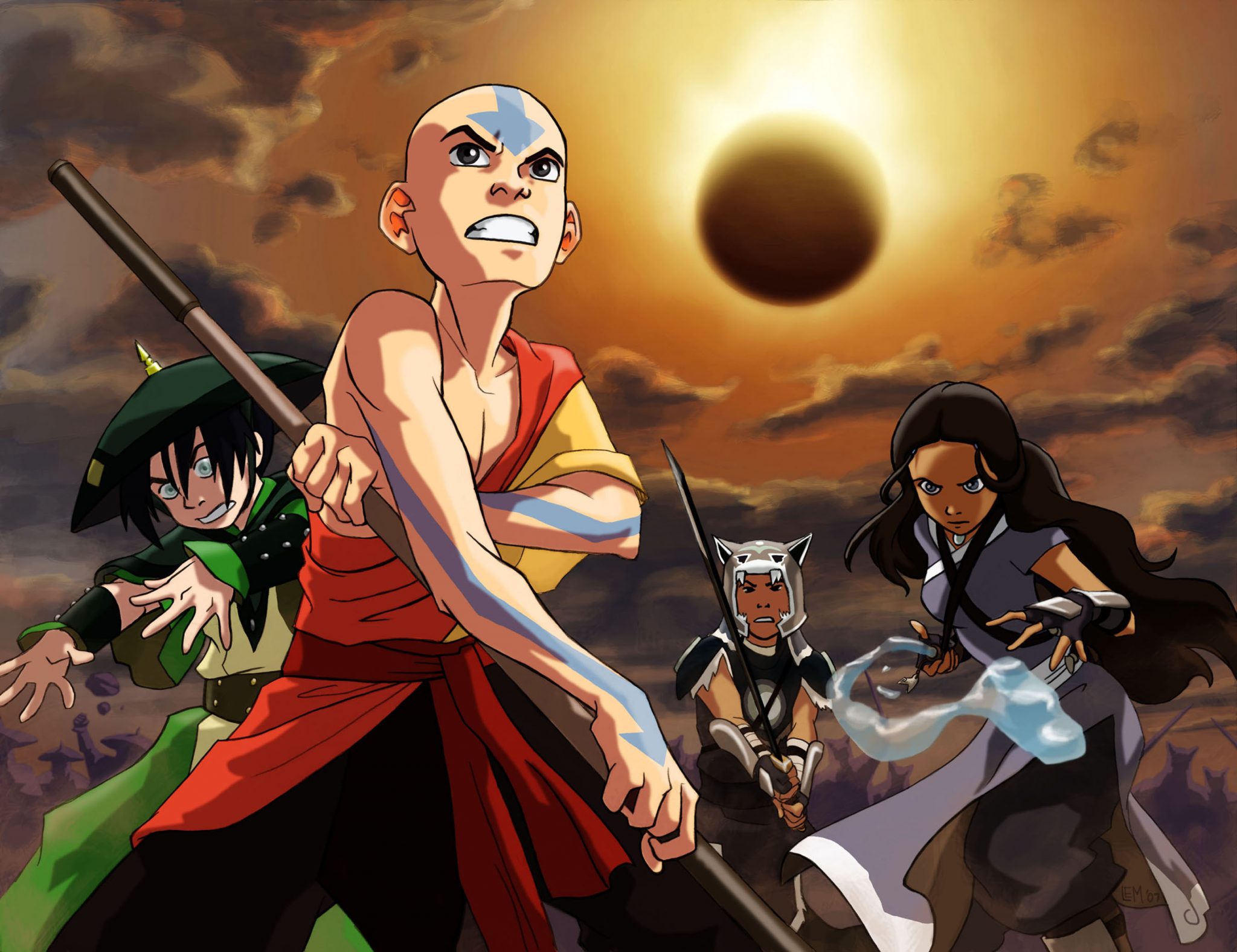
You know what else was made for nine and 10-year-olds? Avatar the Last Airbender, which is considered by many to be one of the greatest animated series of all time. But it’s not geared toward people who like Transformers, so Shyamalan had to “adjust.”

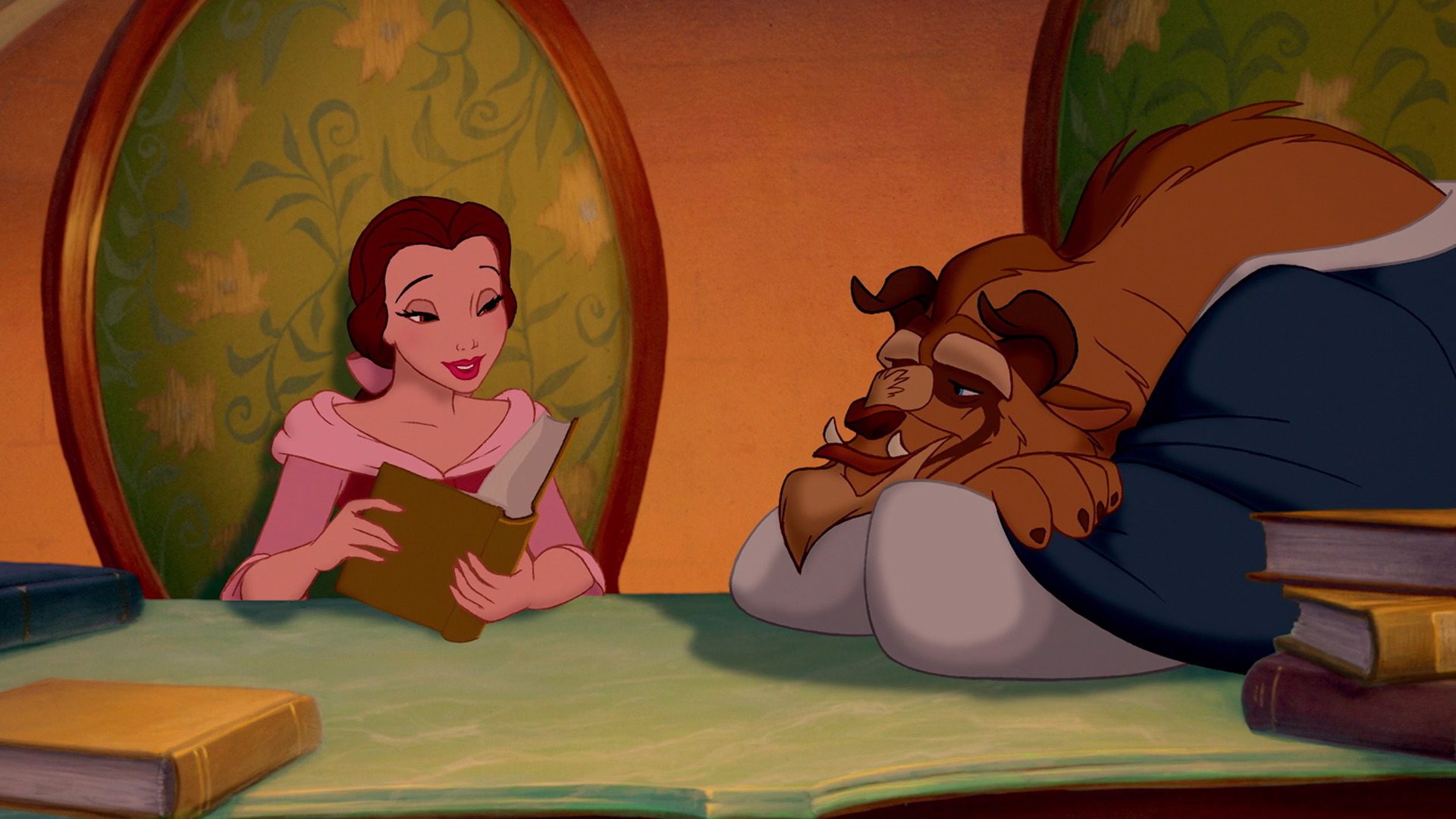
What kind of backwards opinion is this? Your movie sucks because you made it for kids? Have you ever seen a Disney, Pixar, or DreamWorks Animation movie? You think those movies are hits because they appeal to adults ONLY? No, they appeal to a wide demographic. Kids AND adults can watch a movie like Beauty and the Beast.

the last airbender 2
Which was ONLY the first animated movie to be nominated for Best Picture. That’s all! 

In what universe do you have to believe that if you shoot for a wider demographic, you end up creating something akin to Transformers?! You know what, I actually can believe that someone as deluded as M. Night Shyamalan believes he’s making bad movies because he thinks anything else is Transformers. That’s the same delusion that must be related to his obvious and utter failure to understand how to make a kids’ movie, or why a good kids’ movie is good. 

Rohan (hopefully) digresses:

Defending his film, there’s nothing that we can do, for as the director, and also as a fan of the show, Shyamalan has all the rights. But, the question is, is he really the person to blame for the failure of The Last Airbender?

YES. Is this a trick question?

The answer to the question above is a “no.”

I hate everything.

Shyamalan is not to blame for the failure of the film. In fact, he is owed an apology.

Should I punch my computer now?

Last summer, Joblo penned a piece spreading the word, the story behind the making of The Last Airbender, divulged passionately on the AvatarSpirit.net forums.

So now we’re officially sourcing forums.

The story, however, is no longer available on the forum.

I wonder why.

It was published by someone who worked on the production of the film and the increased attention got her concerned as her career was going to be in jeopardy.

How do you know this? And can’t you also argue that she took it down because it was full of false information skewed by her opinion? Nope, let’s just take this at face value and source it as evidence.

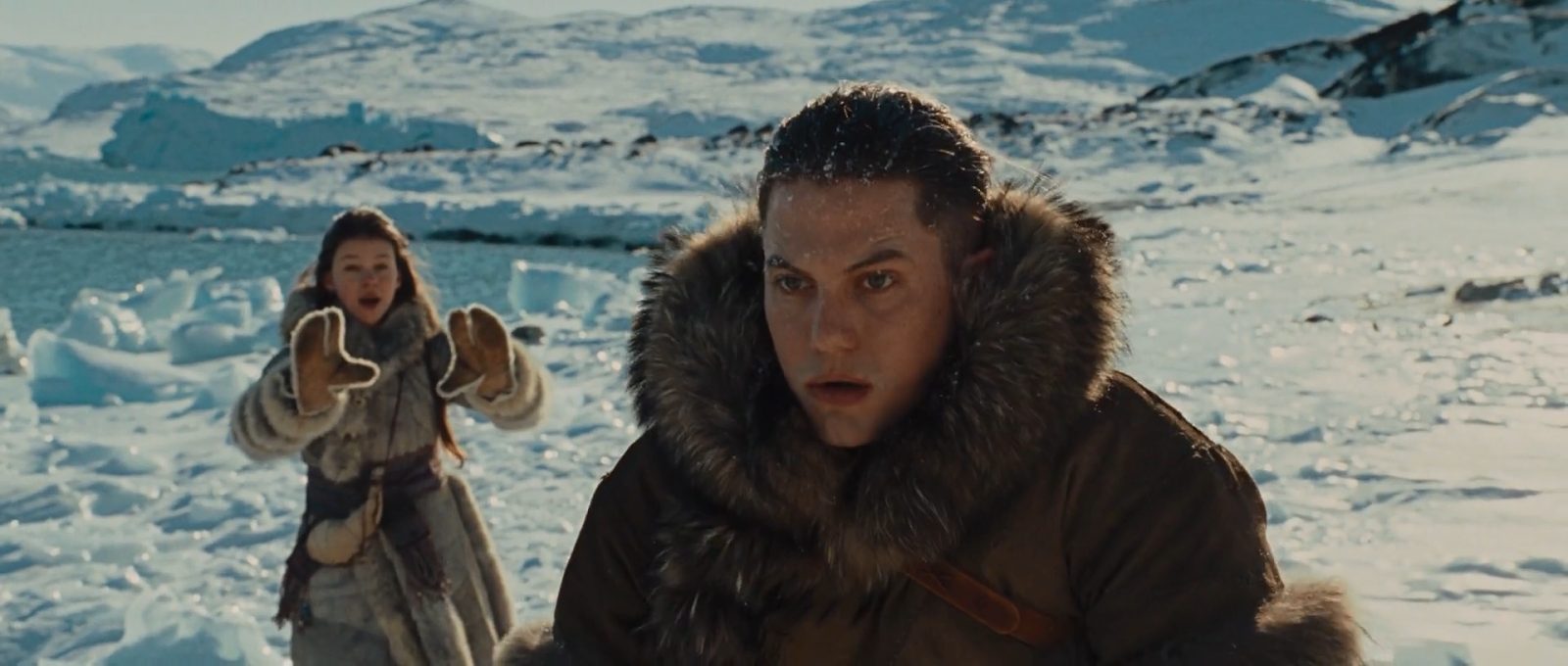
I’ll give you the gist. This person claims that 80% of the decisions for The Last Airbender came from the producers, including the casting of the girl who played Katara.

last airbender 2
Yeah, I don’t remember her name either.

She argues that this casting was nepotism on part of the producers, and it resulted in them having to alter the ethnicities of many other characters, leading to the major backlash this movie suffered from before it even came out. None of the characters looked the part.

Only later would we realize that none of the actors acted the part either. Katara herself lost all of her best moments from the show (holding her own against Zuko, giving the inspiring speech to the earthbenders), and Sokka’s cleverness and wit was replaced with…brooding and being serious all the time.

the last airbender 2
Your meat and sarcasm guy.

Of course, Rohan would know this if he had watched an episode of the show.

The disgruntled forum hacker blames everything on the producers. The lack of budget, the story changes, the effects not looking right. Basically, she props up the basic challenges of any film as something that the director couldn’t control.

Except, we’re not talking about a novice director. We’re talking about M. Night Shyamalan, who at this point in his career DID have clout as a film director. I can understand a newcomer like Colin Trevorrow getting steamrolled while making Jurassic World, but you can’t give someone like Shyamalan the same pass.

And this unknown person claims that Shyamalan just gave up because none of his ideas went through. In other words, he didn’t do his job of upholding good ideas, so he’s the victim.

You know who else “gave up” on their movie? Josh Trank with Fantastic Four. You know why everyone still blames him, even after writing that cringe Tweet? Because he’s the director. It’s his JOB to salvage what the producers pick apart.

the last airbender 2
“I wanted to give you good direction, but the producers said I can’t.”

And blame the producers all you want for getting in the way. You CAN’T, however, blame them for the execution. You can’t blame the producers for the gross mispronunciation of the characters’ names. That was from Shyamalan. You can’t blame the horrendous closeups and terrible camera work. That was from Shyamalan. You certainly can’t blame the bland dialogue and writing that comes from every other Shyamalan movie and is present here (because he wrote it).

What, were these the same producers who made The Happening happen?

So Rohan concludes, claiming that Shyamalan is classy for taking the responsibility and not blaming anyone else. That’s fine. But you’re in a dream within a dream if you really think he’s not to blame for why this movie still causes physical and emotional pain for any fan of the show who’s reminded of it.

Back to Venture Capital Post, who is spinning the wheels of what you can get away with in an article that does no real work:

It is undeniable that Shyamalan is a master writer-director in his own right with successful supernatural films under his belt including ‘Lady in the Water’, ‘The Village’, ‘Signs’, ‘Unbreakable’ and 1999’s cult favorite ‘The Sixth Sense’.

No.

Just…no. It is not “undeniable.” It is, in fact, incredibly deniable that Shyamalan is a “MASTER” because only two and half of those movies were well-received by critics. Lady in the Water? Seriously? The movie that received a 24% on Rotten Tomatoes before it was “cool” to make fun of Shyamalan?

Look, I love The Sixth Sense and Unbreakable as much as anyone. And I didn’t “hate” Signs and The Village. But to call the man a master is hyperbole, and saying it’s “undeniable” is transcending hyperbole. 

the last airbender 2
How do I sleep at night? 

But Venture digresses. The writer points out what Rohan did — that Shyamalan said to IGN once that The Last Airbender is made for nine and 10-year-olds instead of everyone who else who watches Transformers, which is why “you don’t get it.” Virtually ignoring every other kids’ film that has proven the exact opposite.

Then Venture rightfully acknowledges that the creators of Avatar (Bryan Konietzko and Michael Dante Dimartino) don’t even acknowledge that The Last Airbender even exists. Yeah, it’s the Lake Laogai running gag that us fans have been using to cope for five years now, and it’s pretty effective.

According to Den of Geek, Shyamalan planned to push through with a sequel as evidenced by the introduction of Prince Zuko’s sister, Azula, at the end of the first film.

Wait, that’s not according to Den of Geek, that’s painfully obvious from watching the movie. Did you really have to source a website to know that they planned to make this a trilogy? Is this real life?

However, despite previous news that he had already penned a first draft for the follow-up, no updates have come up since then.

This sentence flies in the face of the earlier one in this article, which claimed that the sequel WAS reportedly happening. Oh, and it also clashes with the headline of the entire article. This is real life.

You’re probably wondering why I’m going to so much trouble to rip these articles apart, and it’s for a few reasons. The biggest is that I don’t want someone to stumble across them and take them in as actual reporting. This is a PSA.

the last airbender 2

Second, I love this franchise more than any other on television. I love the characters. I love the animation. I love the world they created. I love the comics. I love the spin off. I love the fan art. I even love the pilot episode. OK, the video games are hit and miss, but I still enjoyed playing them.

So I’m going to dissent with writers like Rohan who let their love of Shyamalan get in the way of honest criticism. And for the most part, he does a good job of explaining why he loves this director and wants him to succeed. I have no problem with that, even though I disagree.

My main issue is with a website like Venture Capital Post for all of the reasons I’ve already gotten into. And if you come across garbage articles like this during your time on the Internet, then I hope you do the same and call them out for it. We deserve better.

On that note, I’d like to welcome you to Lake Laogai.

I’m Jon and thanks for reading this. You can subscribe to my posts by clicking “Follow” in the right sidebar. Or just say hey on Twitter! @JonNegroni