‘La La Land’ Is Not Overrated Because You Hate It

la la land

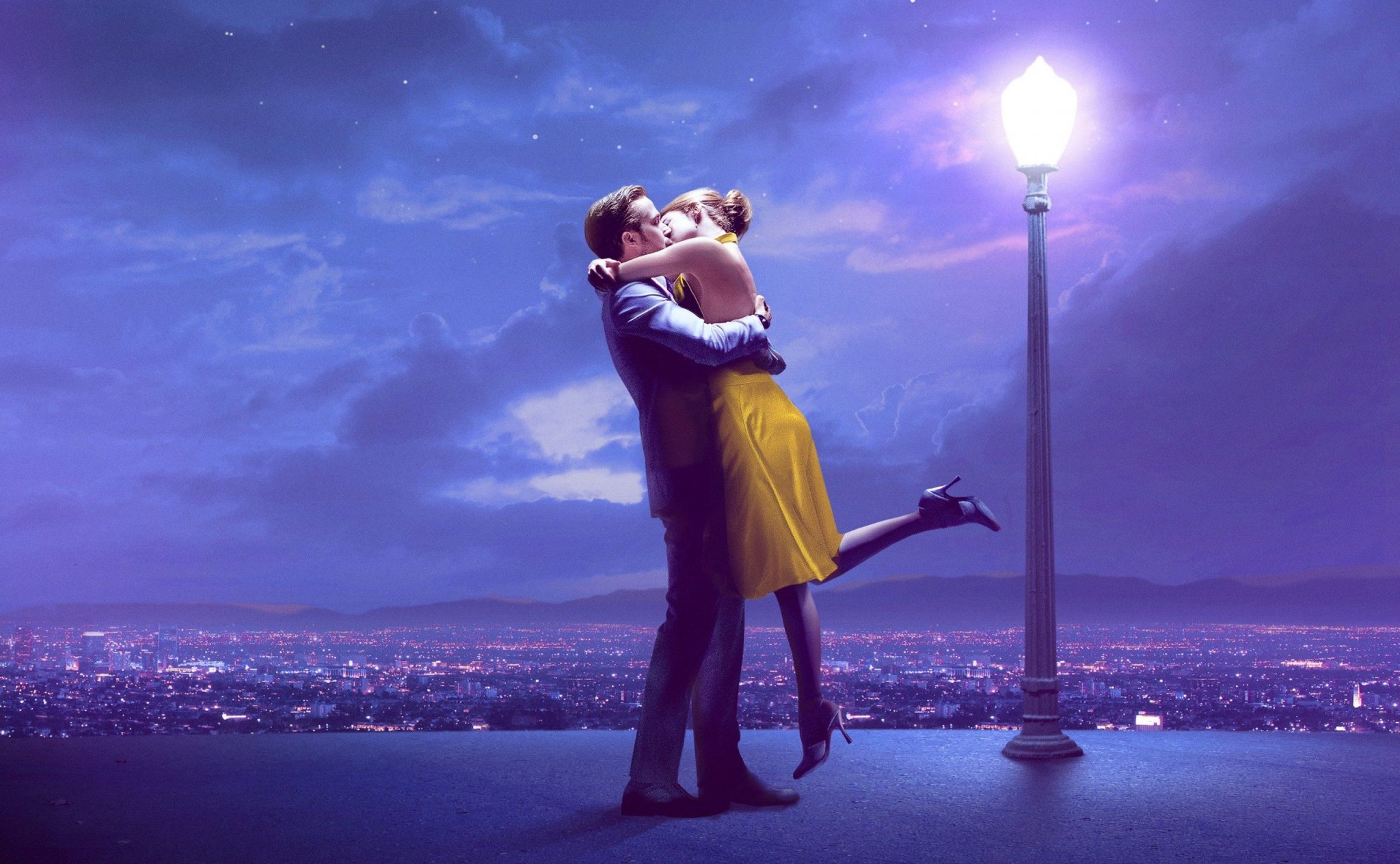
La La Land, starring Emma Stone and Ryan Gosling and directed by Whiplash director Damien Chazelle, is a clear frontrunner for Best Picture at the Oscars this year, and it will likely win. Weirdly enough, a lot of people across the filmgoing spectrum aren’t very happy about that.

The set up for the movie is deceptively simple: two dreamers living in present-day LA fall in love as they both struggle to accomplish their audacious creative goals. If that sounds a lot like Singin’ in the Rain, then you’re on the same page as the director. But as you watch the actual film, you’ll probably notice more material riffed from The Umbrellas of Cherbourg (1964) than anything else.

It’s a contemporary musical, essentially, with original music and some bold homage cinematography, especially toward the film’s vigorous “What if?” epilogue. And though many critics and audiences have gone head over heels for the film, myself included to an extent, there’s been a decisive backlash against the merits of La La Land and whether or not it deserves all the praise it gets.

Yes, people are calling it overrated, and these complaints will absolutely be exacerbated if the film continues to clean up this awards season, already cinching several key Golden Globes this past week.

Overrating is Overrated

la la land

Now, I’ve always been quite open about my stance on calling films “overrated,” in that I think it’s an empty criticism. For the most part, I’m reacting to the fact that I didn’t resonate with a movie that was demonstrably more effective for a wide group of people at a very specific time. That may not “last,” and the film may fade away despite its momentary fame (see films like Crash and Avatar). But that doesn’t invalidate the positive moviegoing experience genuinely had by many…even if some watchers cling to a popular opinion instead of what they they really think, which doesn’t mean a film is overrated. It’s just been overhyped. Propped up on what it represents rather than what it does.

You can make an argument, then, that La La Land is overhyped, but I would also disagree with that, as well. Though the film can be as negatively deconstructed as any other creative property, it’s still incredibly well-realized and well-made. Even if you disagree with some of its core messages and what the script intentionally tried to communicate.

From here on out, this post contains SPOILERS for La La Land

The Subtlety of Homage

la la land

Some of the criticisms of La La Land are definitely valid and meaningful observations. The idea that it might lift a bit too much material from movies like Umbrellas and Singin’ is a worthwhile concern, especially in how the final moments of the film are directly inspired by the former. Simply put, a film’s use of homage has to be backed up by originality and imagination in many other areas, which is where I think La La Land expertly makes up the difference.

See, the music of La La Land, while good, is not intended to be the film’s main hook. Sure, it’s catchy, but as you’ll notice, it’s not amazing. The singing and dancing portions aren’t perfect, and that’s sort of the point. Chazelle set out to present a fantasy movie with dreamy cinematography, noted by the very first scene/musical number, which is a literal dream sequence to kick things off. But a “dreamy” fantastical movie wouldn’t have worked without grounded, motivated characters.

The world of La La Land would have been a pretentious bore (much in the same way it’s wrongfully criticized) if the main leads were allowed flawless performances. The point isn’t to entertain with flashy perfection, but rather with likable showstoppers who suck us in to a believable world, a musical trick that’s a lot harder to pull off if you’re at all familiar with the legacy of Broadway.  La La Land presents a creative solution that might come off as sloppy work otherwise if you’re not already aware of the real talent from Stone and Gosling.

One example is when the two leads sing the reprise of “City of Stars,” and part of the way through, Mia messes up and laughs it off in the song. This one moment goes pretty far to encompass what La La Land is really prioritizing, and it’s not perfection.

Beginning and Ending

la la land

There’s also something to be said about how the film opens and how it ends: with a “Cinemascope” throwback and then a clear lift from Umbrellas, a timeless classic in the same celebratory vein. But this type of homage works because it fits the context of the movie, with aspiring talents who also compare themselves against the past. It makes perfect sense for someone like Sebastian (a movie buff established through his James Dean fixation) to fantasize his career, romance, and the struggle between the two within the backdrop of a familiar dream sequence.

When I first watched La La Land, I admit I was a bit cold from how the film transported Mia and Sebastian to their lives “five years later.” I found it quite convenient that both characters got exactly what they wanted, though the film presents it as a “Yeah, but at what cost?” By the end, both characters have given up their passionate, seasonal romance for their careers, and they seem bittersweet about it. But at first glance, it can be hard to reckon a message that suggests that giving up your love for others is what will lead to the exact success you want. It’s not very realistic, even for such a dreamy movie.

Thinking on this more, I’ve come to accept that La La Land traded its relatable character work in order to hammer the final message home more effectively, in that we would have missed Chazelle’s point if both or even one of the characters fell short of their goals. And the film’s more subtle explanation is that their amazing romance and support of each other is what pushed them through the impossible obstacles that kept them focused on getting what they each want.

Mia confronts Sebastian, for example, when he’s selling out his real dreams for momentary fame. If she hadn’t have done this, then perhaps the ending would have been more “believable” for us. Likewise, if Sebastian hadn’t traveled all the way to Nevada and demonstrated his love in the simple act of remembering even the obscure details of a girlfriend, Mia’s ending would have been the typical “I tried LA and failed” story.

Perhaps the movie makes you work a bit harder to accept all of that, but it hardly detracts from the film as a whole. If anything, it supports the case for La La Land being one of the more rewatch-able films of the year, despite the fact that it’s not even in my top 5, strangely enough. It’s still a movie I applaud, though, and will fondly revisit for years to come.

One last thing…

la la land

One frequent criticism of this movie that I do take umbrage with is the attempt to trivialize this story through a racial lens. That the movie is stuffed with “white entitlement” and “out of touch” elitism from Hollywood, which is supposedly why the movie is being so widely accepted by people in the industry.

My simple response to that is stop. I’m not white and I don’t live in LA, but I do have basic empathy. I can watch a movie with two leads who have harmless (and well-written) motivations that are shared by living breathing people in that very town, and I don’t have to cut down the purpose of this movie because it’s not something I directly relate with. For the same reason I can connect with Chiron in Moonlight through flawless filmmaking and writing, I can follow and hope for the best with Mia and Sebastian.

Is it so bad that Mia wants to become an actress? Should we stop making movies about people dreaming big and suffering to get it because of the connotations of appearance and privilege? Is it so bad that Sebastian wants to preserve music that’s quickly being forgotten, even if it’s not tied to him ethnically? The idea that he’s purported to be a white savior type suggests that his agenda is to “save jazz,” which is a projection of the critic, not something founded in the movie. Sebastian instead wants to celebrate a legacy in his own way, surrounded by others who do it justice and celebrate with him.

It’s just a shame that with a movie as technically impressive and crowd-pleasing as La La Land, we have to assign it so much baggage from other, lesser properties that actually commit these flaws, simply because we recognize a morsel of it and smell blood.

Wrapping Up

Despite my defense of La La Land, it isn’t among my favorite movies of 2016, though it lands in the top 10. It works the whole way through and has some tremendous moments, and I do want to shine a light on the great ideas here, rather than shout it down for its popularity. For many fans of musicals and movies in general, La La Land really is a must-see film.

Grade: A

Thanks for reading this. Seriously. You can subscribe to my posts by clicking “Follow” in the right sidebar. 

Or just say hello on Twitter: @JonNegroni


Every Epic Movie Coming In 2017 (With Trailers!)

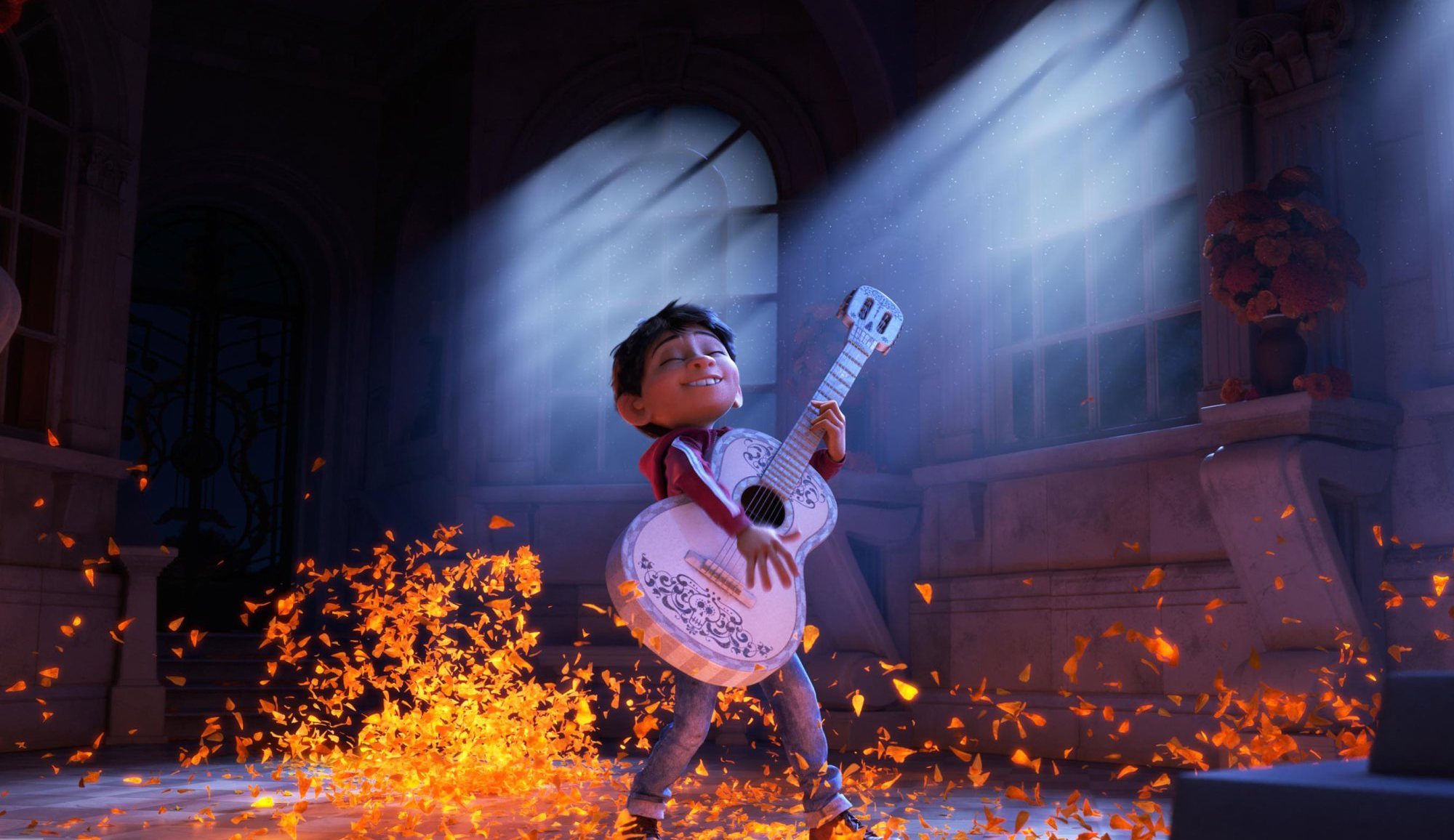
COCO

The best and biggest movies of 2017 are coming sooner than you might think. Here’s a quick guide to all of the ones we’re most excited about…and some we’re not so excited about.

I’ve been off the grid for two weeks on holiday, but I did manage to squeeze in this comprehensive list for Heroic Hollywood this past week. In it, I cover each movie, its trailer status, and whether or not it will be any good. Plus, I provide some insight on whether or not you should catch up on other movies, shows, and reading in order to get the most out of these releases.

You can check out the full guide and more here on Heroic Hollywood.

For 2017, I’ll be continuing more weekly shows, write-ups, and videos here and elsewhere. The Now Conspiring podcast comes out on Mondays, I have a weekly editorial for Heroic Hollywood on Tuesdays, my Facebook Live show “Pixar Detectives” hits Super News every Wednesday at 7pm pacific time, a new video or Snarcasm comes out on Thursdays, and my weekly movie reviews arrive on Fridays.

Here’s to a great year of snark, film analysis, amateur videography, surreal podcast moments, and as always, conspiring!


Review: ‘Rogue One’ Is About Half Of A Great Star Wars Movie

rogue one

Before Rogue One, which is aptly subtitled “A Star Wars Story,” even begins, it suffers from a remarkable weakness no other movie in this franchise has ever had. A real purpose.

It’s a standalone prequel to the original trilogy, filling the gap (and space) between Episodes III and IV, but it does nothing of note beyond that, except to elaborate on a minor plot point that sets up A New Hope, in the form of a ragtag suicide squad on a mission to retrieve the Death Star plans so Luke Skywalker can find them in a droid days later.

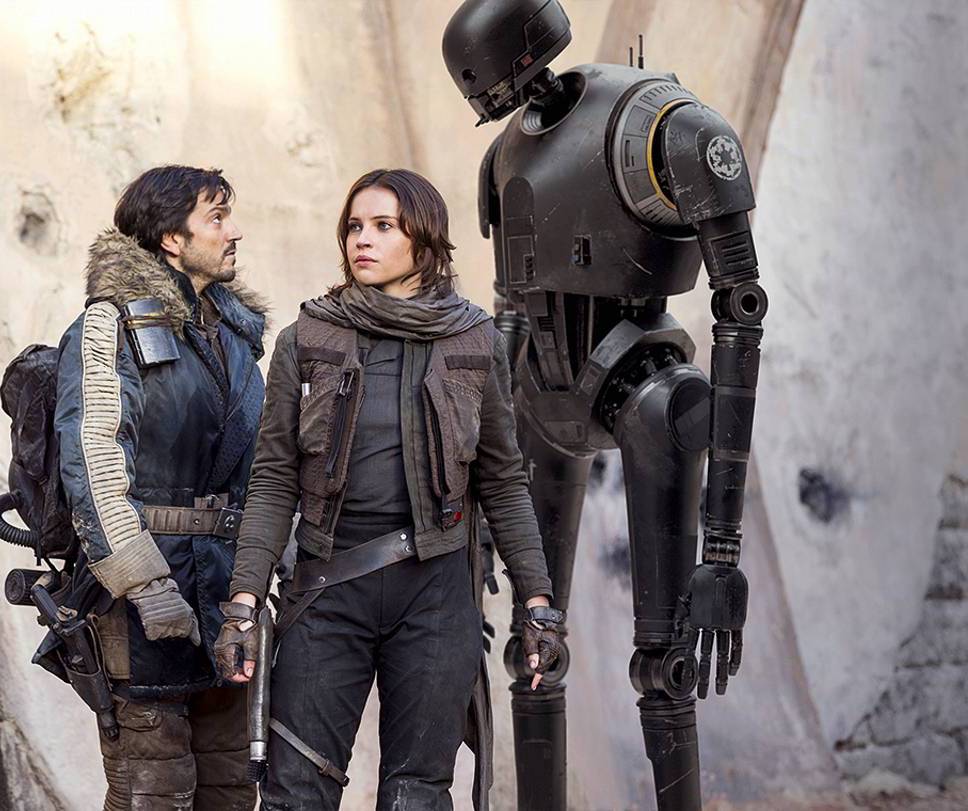
All the while, Rogue One presents side character archetypes as protagonists to a well-realized war movie, one without much of the Force or any stunning lightsaber duels to balance against the space battles. It’s exactly one-half of what we love about Star Wars, but lavishly treated with respect for fans who’ve always yearned for a shift in emphasis toward the “Wars” in “Star Wars.” Cinematographer Greig Fraser (Zero Dark Thirty) managed to make this universe feel big again, and one of the film’s greatest strengths is its sense of location and a visual consistency begging for a better story to match it.

There’s no doubting this is the galaxy far far away, just taking place a bit earlier than what George Lucas and his team established aesthetically 40 years ago. The colors, technology, and overall atmosphere are masterfully recreated, less so however with the CGI-rendered actors we recognize from A New Hope as well, not that they’re the prime focus of what’s essentially an ensemble film. Less recreated, however, are any deep or enriching characters to serve as a compelling thread throughout this surprisingly complex (and fast) war drama.

rogue one

It seems at one point that Disney and Lucasfilm intended to give a weightier role to Jyn Erso, played rather straight here by Felicity Jones, once again one of about three women in a Rebellion consisting of hundreds of men onscreen, which is a noticeable step back from the more balanced Force Awakens.

Much of the material used in the trailers for Erso seem to have been shifted in those pesky reshoots, so that the rest of the “Rogue One” rebels too rebellious for the rebellion could have thematically interesting moments of their own. That was the intention, anyway. Instead, even the most creative characters are quite thin, falling short of what’s done so successfully in Guardians of the Galaxy, which is a more cohesive and ultimately satisfying “misfit ensemble in space” movie.

Rogue One is a classic example of what happens when a beautiful and polished movie filled with colorful characters fails to come together by the third act, which is more bombastic and methodical than anything epic or narratively  fulfilling. The story builds to something far more grand in scope, while also personal in its individual characters’ struggles against the overwhelming Empire, but instead, everything simply fizzles out and fades to the distance to make way for New Hope matters, muting the questionable triumph for these rebels, instead of what the dialogue suggests we ought to feel for them.

rogue one

That said, Rogue One is an easy sell for fans of Star Wars, who will love it anyway for everything that does work—like the complexities rendered for a tougher, less forgiving Rebel Alliance and world-class sci-fi cinematography and sound mixing—and overlook what is sorely missing that would have made this good film actually great, or at least as memorable as something like The Force Awakens, a flawed movie that had a much easier time justifying itself.

Come for the snarky droid, stay for the blind Force monk, and prepare for one scene in particular toward the very end that will make you yearn to see a “real” Star Wars film.

Grade: B

Extra Credits:

  • Now I’m really worried about that Young Han Solo spinoff.
  • Better than the prequels, but that’s about it.
  • First Star Wars movie not scored by John Williams, which is pretty sad. But Michael Giacchino did a tremendous job, and this one has a main score I found much more memorable than in Force Awakens. Edit: I do wish, though, that the music matched the movie’s actual tone. I just don’t blame Giacchino.
  • Alan Tudyk as the aforementioned snark droid, K-2SO,  was easily the best character. Not just in terms of comic relief, but as the obvious heart of the team, similar to Tudyk’s “Wash” in Firefly.
  • Some of the cameos and Easter eggs are great. A handful are just pointless and completely unnecessary, similar to the prequels. Still, I won’t spoil any so you can view them as surprises. Not enough of this movie is a surprise, anyway.

    Thanks for reading this. Seriously. You can subscribe to my posts by clicking “Follow” in the right sidebar. 

    Or just say hello on Twitter: @JonNegroni


How ‘Moana’ Finally Settled The Disney Princess Debate

disney princess

Disney’s Moana was a fantastic animated musical, and one of the main reasons why has to do with its handling of the female protagonist, Moana herself.

The animation studio was essentially founded on the cornerstone of the “princess” being a driving force of fairy tale movies, which eventually evolved into increasingly more diverse types of stories. Specifically, Snow White laid the groundwork as one of the best films of all time (animated or otherwise), as well Disney’s first feature film. And they later built upon this with Cinderella and Sleeping Beauty as smart ways to repeat Snow White‘s massive success.

This ended up being a saving grace for Disney after multiple near-catastrophes with bad box office, animator strikes, and so on, though Walt still believed in experimenting with non-princess movies like Peter PanPinocchioDumbo, and of course, Mary Poppins.

Long after his death in 1966, the Disney Princess transformed from an idea to an actual media franchise worth an insane amount of money and indicative of Disney’s influence over generations of children. In the early 2000s, it became an official thing, combining the classic Disney princesses of the old days with recent heroines of the 90s renaissance. And the criteria, at the time, was confusing to say the least.

disney princess

Obviously, Snow White, Cinderella, and Aurora were “inducted” into the official Disney Princess brand. Joining them was Ariel from The Little Mermaid, another obvious choice though different in the sense that she’s royalty of an underwater culture. Then Belle from Beauty and the Beast, who doesn’t technically become a princess until the very end of the movie.

Jasmine from Aladdin was another obvious choice, though striking because she was the first Disney princess to be nonwhite, and she’s more of a supporting character than a lead protagonist. Jasmine was followed up by two consecutive nonwhite Disney princesses, though: Pocahontas and Mulan. Though Tinker Bell from Peter Pan was technically a Disney Princess for a short time before getting replaced by Tiana and becoming a home video sensation.

They didn’t include Nala or Kiara from Lion King, which seems to be because animals simply don’t qualify. Same goes for Esmerelda from Hunchback of Notre Dame because she’s technically a gypsy, Megara from Hercules, and Jane from Tarzan. The first “modern” princess was Tiana from Princess and the Frog, then Rapunzel from Tangled was added as the first CG character. And the last Disney Princess in the official sense is Merida from Brave, a Pixar movie rather than a Walt Disney Animation one.

disney princess

These are the “official” Disney princesses, but that hasn’t stopped many other fans from considering the wider breadth of characters to fit the bill. Simply because the criteria isn’t always consistent (like with Tinker Bell and Mulan not being royalty). Eventually, Anna from Frozen will be added along with Moana, but no one really believes their status as princesses is held back until Disney slaps their own label on it and has their clique running around Disney World.

A lot of this might sound a bit silly and inconsequential, but there are actually heated debates held by…some…who argue over which Disney female characters are “allowed” to be called Disney princesses. And this is a big deal, in part, because countless kids look to the mainstream Disney princesses as a representation of themselves in these movies. Parents want their kids to have positive role models, and the Disney princesses, like it or not, are a major cultural force in that regard.

The more recent Disney princess from CG animated films definitely fit the more literal interpretation of what’s become such a pervasive line of business for these animated films. But Moana subtly settles this debate, I believe, once and for all. It points out that the semantics don’t matter, really, as Disney seems intent on including future princesses as it sees fit.

moana

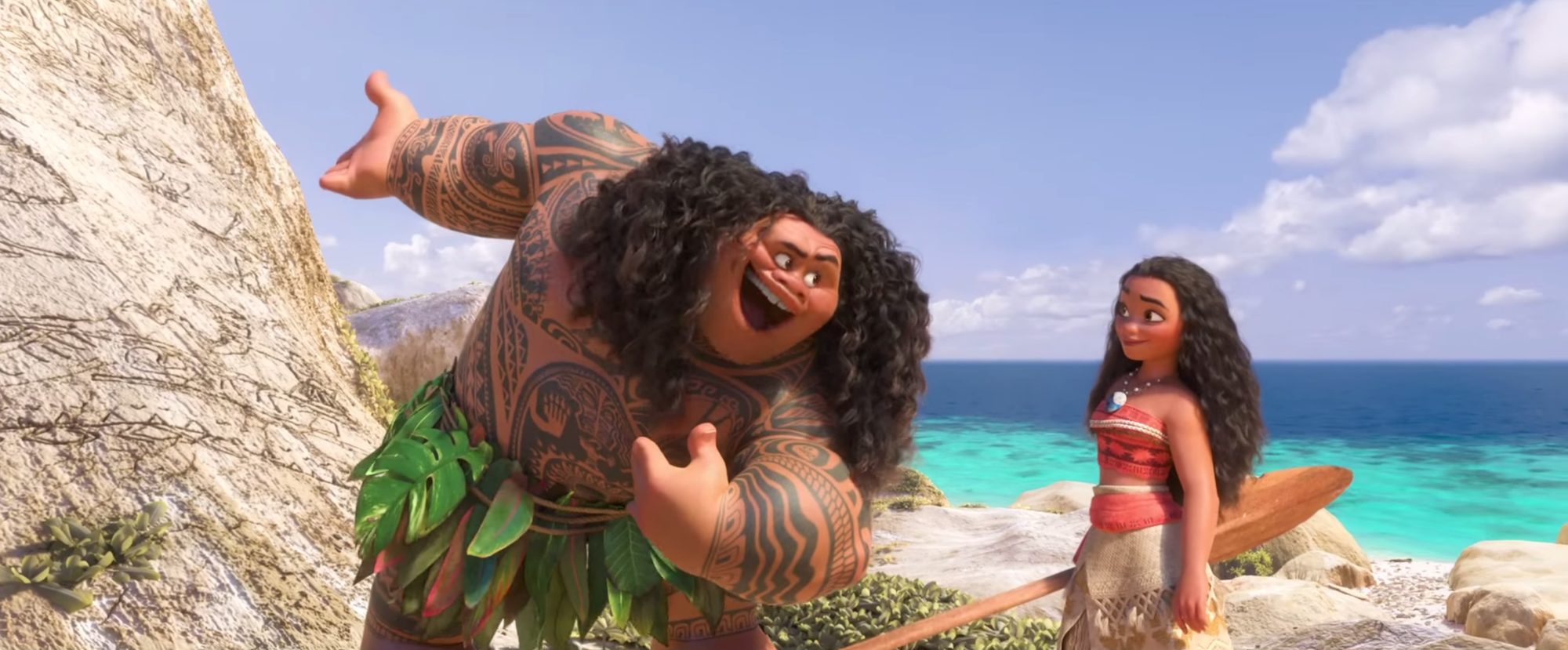
The pivotal line between Maui and Moana is what specifically points this out. Maui tells Moana she is a “princess,” but she denies this because she’s actually the daughter of a Chief (the literal view). But Maui banters back with self-awareness on the writers’ part:

“If you wear a dress and have an animal sidekick, then you’re a princess.” 

What he really seems to be saying here is that it doesn’t really matter. What makes these characters “princesses” has very little to do with royal bloodlines and more with the tropes that Disney infuses in its protagonists and supporting characters. A dress and an animal sidekick are incredibly broad. so Disney can in effect say from here on out that there’s no reason to overthink this merchandising franchise they’re so clearly benefiting from.

And that’s fine because it allows Disney to incorporate as many different cultures, hair colors, and clothing styles as they can with their princess characters, but not at the expense of the story making sense. Or worse, always falling back on traditional princess tales instead of doing something as “culturealistic” as Moana and Mulan.

moana

Moving forward, I like to think that this line by Maui was allowed in the movie because they’re acknowledging how limiting it is to hold back the Disney Princess inclusivity for the sake of being so literal. It’s not relevant how these characters look on a family tree, but rather that they’re interesting characters who follow a consistent aesthetic and type of storytelling that’s proven incredibly successful for Disney since the 30s. Maybe one day, it won’t even be questioned whether or not a Disney princess is one because she wears a dress, especially if you consider the fact that they included Merida, a princess who is usually shown with her bow and arrow rather than a bucket of glitter.

But one thing’s for certain. The best Disney princess is obviously Lilo.


Thanks for reading this. To get updates on my theories, books, and giveaways, join my Mailing List.

Or just say hey on Twitter: @JonNegroni


Ranking The Best Superhero Movies Of 2016

From Deadpool to Doctor Strange, here’s how I rank the top superhero movies of the year. The post below is a transcription of the video above, minus some extra commentary at the very end.

It’s pretty obvious at this point in 2016 that the “superhero genre” is here to stay. These movies seize a huge share of box office profits every year, and their mainstream takeover isn’t slowing down in the slightest. Going back a decade, we’ve gotten at least four or five “big” superhero movies a year, sometimes six, and this year saw eight alone, with all but two of them being huge moneymakers and making the top 10 grossers of the year.

I say “superhero” movie, by the way, because things get messy when you try to categorize these films by “comic book.” For the same reason it would get a little hairy if you tried to lump all book adaptation movies together, because they stretch across so many genres and sub genres. With a superhero movie, you’re at least addressing a few basic similarities between movies that are derived from DC, Marvel, and other studios. You have a hero (or heroes) with strange abilities who goes on some type of emotional, action-packed journey.

superhero movies 2016

So this year, I want to point out which superhero movies in 2016 were “better” than others, not just from a film critic standpoint, but also from how they contribute or don’t contribute to the ever-expanding superhero movie genre. I have to leave out two movies in particular because I haven’t seen them: Teenage Mutant Ninja Turtles: Out of the Shadows and Max Steel. Because I don’t review absolutely everything that comes out, these ended up being on my cutting board of films to review over the summer, and I have no desire to check them out anytime soon.

But the rest of the entries on this list are certainly ones you’ve heard of if you’re a big fan of superhero movies, but in case you haven’t watched them all, I’ll be avoiding any and all spoilers within reason. So let’s begin with the worst of the bunch:

#6 Batman v Superman: Dawn of Justice

superhero movies 2016

The film critic in me can’t stand this movie. It’s an abomination of narrative, pacing, and character development to the point of almost being a parody. But the DC fan in me has plenty of nice things to say in spite of all that, notably from a visual standpoint. The costumes are incredible, the subject matter is at least interesting in theory, and most of the characters are well-cast with the exception of Jesse Eisenberg as Lex Luthor.

The strange thing, though, is that despite being such a weak movie overall, it contains some of my favorite superhero moments of 2016, including Batman’s warehouse fight, the Trinity’s stand against Doomsday, and Wonder Woman’s theme music. Unfortunately, these bright spots just don’t overshadow enough of the problems to redeem the rest of this frustrating embarrassment of a superhero movie.

#5 Suicide Squad

superhero movies 2016

For me, Suicide Squad was just a slim margin better than Dawn of Justice, mostly because the standards were set just a little lower thanks to this being a movie about lesser-known characters I’ve always wanted to see on the big screen.

It does have some of the same issues as Dawn of Justice, though, particularly when it comes to style over substance with its visuals and plot. But the characters are mostly fun to watch and suggestive of a bigger, better DCEU we haven’t gotten to see enough of yet.

#4 X-Men: Apocalypse

superhero movies 2016

I actually liked this one quite a bit more than most, mainly because I’ve been hoping for a better realization of these characters since the third X-Men movie, and for the most part, Apocalypse is immensely entertaining lore for longtime fans.

It’s nowhere near perfect, of course, but there are enough great moments here to overlook some of the bland story structure and checklist of characters for Fox to cross off their list. This is one of those superhero movies I walked away from wanting more, which is both a criticism and a complement in this case.

#3 Doctor Strange

superhero movies 2016

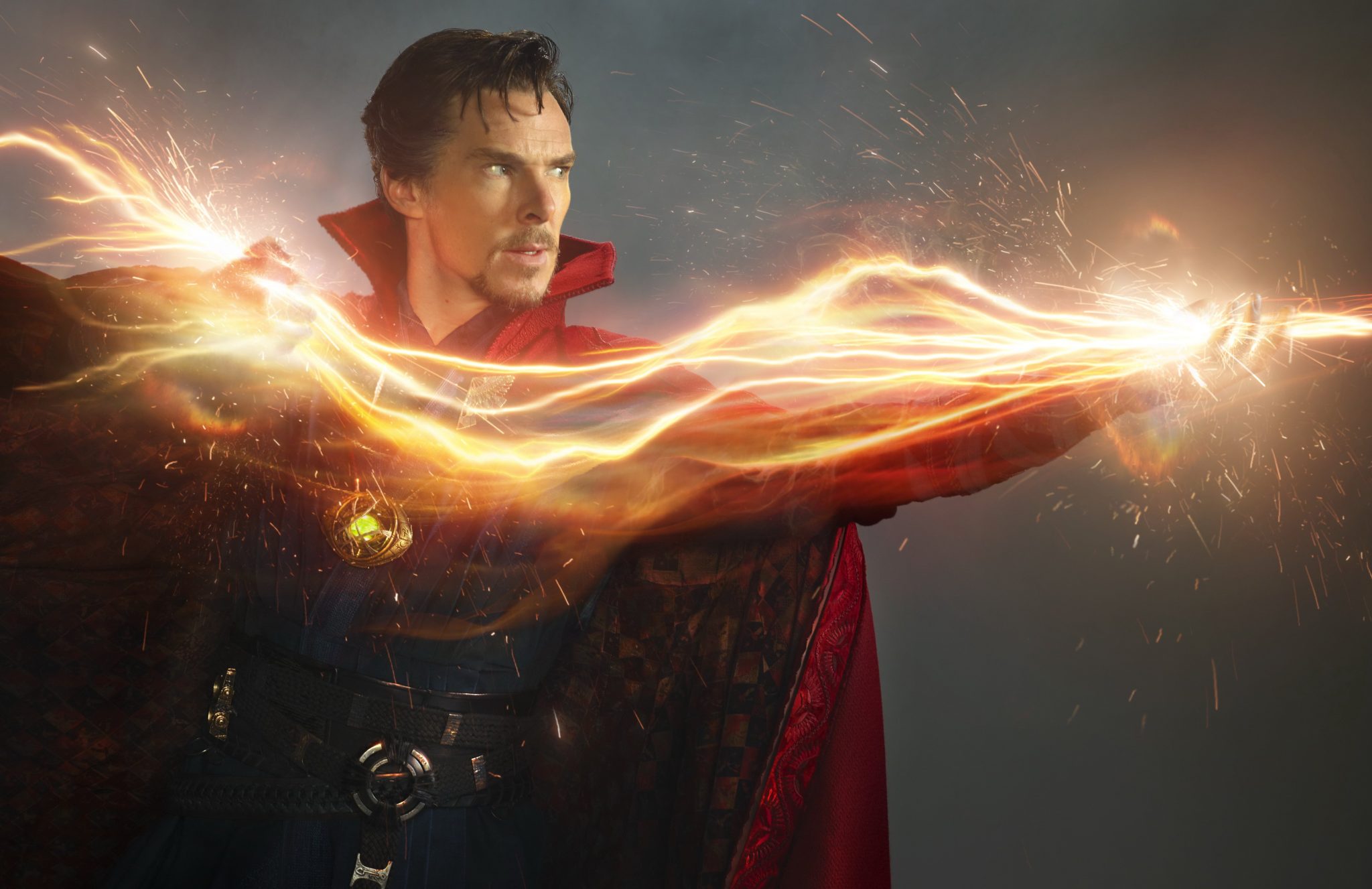
Familiarity breeds contempt, and so it goes for some who view Doctor Strange as more of the same from Marvel. And they’re not entirely wrong. This is the origin formula Marvel has been polishing since 2008, complete with a flawed protagonist who has to humble himself after gaining extraordinary powers.

And mileage varies for anyone who appreciates some stunning visual effects that go with the whole package, as you might be one of those viewers who can’t get past folding cities reminding them of Inception, or just someone looking for a breezy, colorful Marvel movie with some clever spins on what’s already worked before.

#2 Deadpool

superhero movies 2016

This was the movie that arguably had the bigger impact on comic book fans this year, even ones who never liked the character much before seeing this movie. And that’s because it’s less a superhero or anti-hero movie and more a self-reflection of the genre itself.

That lended for some great movie moments and humor, but at its core, Deadpool is just barely shy of real greatness, as it only manages to tackle a small handful of neat ideas over and over again, using a formula that’s not far removed from much of what we’ve seen before. It won’t be long before the movie will be remembered as a lightning in the bottle experiment that aged a bit quicker than we expected.

#1 Captain America: Civil War

superhero movies 2016

If you had to criticize Civil War for one thing, it might be that it almost has too much going on in its long running time. But if what you’re looking for is a dense spectacle that reshapes a cinematic universe with recognizable characters, then Civil War absolutely had you in mind.

There were so many ways for this movie to completely fail: the villain could have been atrocious, new arrivals Black Panther and Spider-Man could have been mishandled, we could’ve gotten more Iron Man than Captain America, the emotional stakes by the very end could have come off as meaningless, and so on. But while it stumbles at times, Civil War pulls all of this off in an entertaining, often thrilling way.

And close to everything we love most in the Marvel Cinematic Universe had a time to shine, paid off after years of buildup and patience. Similar to how a comic book event can impact longtime readers, this was worthy of its title and then some.


Thanks for reading this. Seriously. You can subscribe to my posts by clicking “Follow” in the right sidebar. 

Or just say hello on Twitter: @JonNegroni


Review: ‘Moana’ Is Disney’s Best Movie In Decades

Moana is a triumphant return to form for Disney that improves upon just about everything the studio has set up through both its recent surge of Pixar-esque entertainment, as well as the musical favorites of recent years. It’s a highlight that owes much of its existence to the success of TangledWreck-It Ralph, and Frozen, though perhaps even more directly to the 90s classics younger critics like myself grew up with. Make no mistake, though, Moana is its own quirky, beautiful masterwork.

You can watch the full review above or read a transcription published here.

Grade: A+

Extra Credits:

  • The movie stars Auli’i Cravalho as Moana and Dwayne Johnson as Maui. It was directed and co-written by Ron Clements, co-directed by Don Hall, John Musker, and Chris Williams, and the screenplay is by Jared Bush.
  • Ron Clements and John Musker sound familiar? They made The Little Mermaid, Aladdin, and Hercules, among some other hand-drawn Disney films. This is their first feature-length computer-animated movie.
  • Original songs by Lin-Manuel Miranda, Opetaia Foa’i, and Mark Mancina.
  • If Moana wins an Oscar for its music, then Miranda will be the third person ever to achieve a PEGOT (Pulitzer, Emmy, Grammy, Oscar, Tony).
  •  Moana is the first Disney princess not based on an existing fairy tale or legend, unless you count Merida from Brave as a Disney princess.
  • I didn’t cover this in the review, but Cravalho (who voices Moana) is an incredible talent for such a young age. At 14, she’s the youngest Disney Princess voice ever.
  • “Moana” means “ocean or sea” in Polynesian culture, and it’s a common word for “blue.”
  • Alan Tudyk voices the animal sidekick in this film, which is notable because this is the fifth consecutive animated Disney movie he’s worked in, starting with Wreck-It Ralph.
  • Easter eggs: The only one I managed to catch is Maui transforming into Sven, from Frozen. Also, Moana is referenced in Zootopia as a DVD called “Meona.”

    Thanks for reading this. Seriously. You can subscribe to my posts by clicking “Follow” in the right sidebar. 

    Or just say hello on Twitter: @JonNegroni


‘Arrival’ Is Something Special, But It’s Not For Everyone

arrival

I’ve yet to be as wowed by French-Canadian director Denis Villenueve as many other film lovers, but there is one thing this filmmaker deserves real credit for: adaptation. His mastery of other people’s ideas is an art unto itself, as he’s able to take what doesn’t work in, say, a Nolan film like Interstellar, and hit the landing on a science fiction emotion-core that makes Matthew McConaughey look like Peter Griffin in comparison.

Prisoners was his David Fincher archetype, then Sicario was his love letter to the Coen Brothers, but Arrival is even more different than these moody eye-candy pieces. It’s everything you liked about Interstellar and Contact without a lot of the bad. It’s the sentiment of The Martian without the hard science, and it’s the vision of Close Encounters without the wonder.

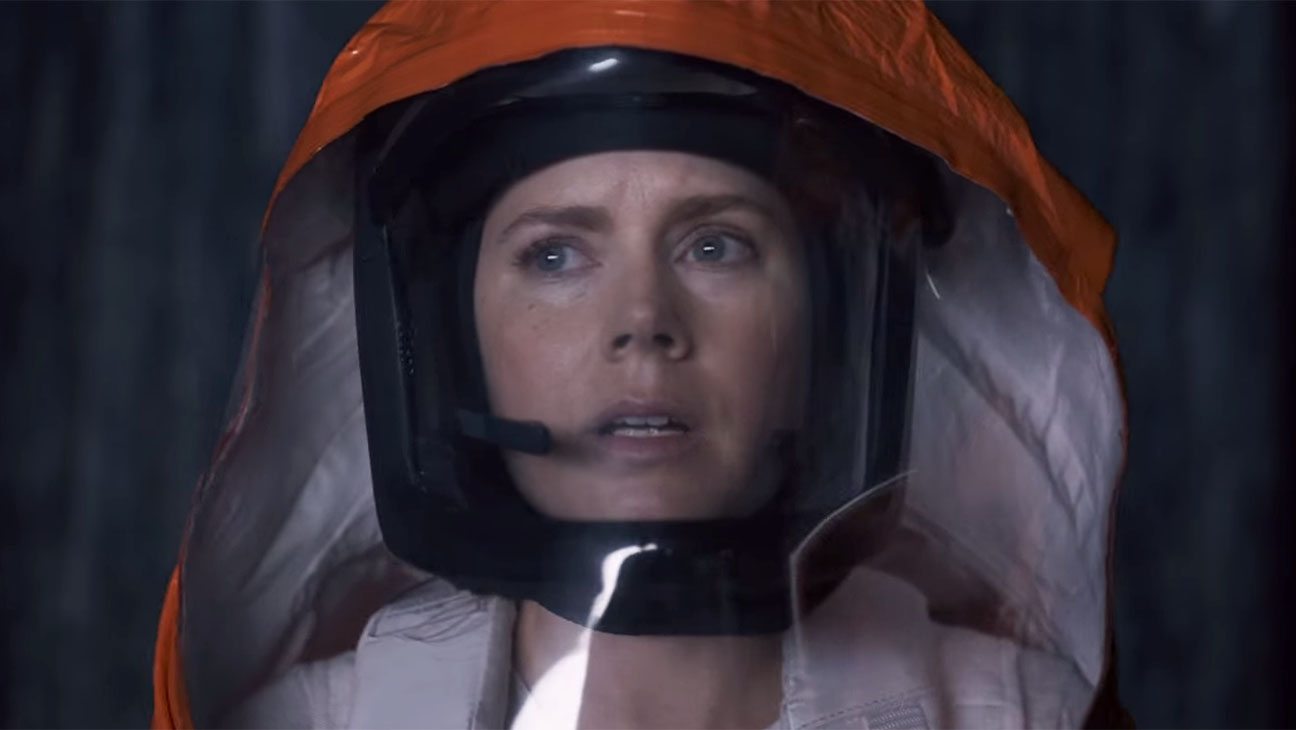
Set in our very near future and based on a short story by Ted Chiang, Arrival is about a linguistics expert, Dr. Louise Banks (Amy Adams) who is drafted to translate the language of unidentified aliens on large, unassuming ships. They show up on Earth unannounced and without much of an impact, except the one made by humanity’s reaction, and Louise has to work with the stalwart military and mathematician Ian Donnelly (Jeremy Renner) in order to understand the aliens’ language and ultimately, their purpose for coming to Earth.

arrival

Much of the movie focuses on this delicate process, forcing us to sit through methodical precautions the scientists have to take before they can step foot on the gravity-defying ship. It’s here that the movie has its best moments, allowing cinematographer Bradford Young (Selma) to establish the wide open spaces and thick fog of Montana that set up how massive this arrival is, and Adams is a consistently believable surrogate for our ongoing observations of these mysteries.

Watching these mysteries unfold, however, is where I suspect some viewers will be turned off, because I certainly was. There’s a grand twist involved that I saw coming far too early to appreciate, disrupting my overall experience because every step after this realization was predictable. It’s here that the puzzle became shown for how drawn out much of Arrival is, and though it’s not unbearable, I couldn’t help but wonder if there was a subgenre the film was presenting that I couldn’t grasp onto.

Arrival is real sci-fi, and its other genres include esoteric themes like discovery, cooperation, and smart people being smart (which I generally love). What usually improves a film like this is something strong like thriller or horror, but Arrival manages to glide by on pure drama (or the illusion of it, at least). Many viewers will be moved by the film, perhaps even to tears and especially if they’re parents, but there’s also a lot of cerebral content here as well, including an existential question that is sure to divide couples who see this film together (and for the right reasons).

arrival

Despite its inherent beauty and the usual trappings that make Villenueve’s work stand out amidst many other fall releases, I walked away from Arrival feeling more uncurious than I was before, and almost a bit slighted by how unfascinating its resolution turned out, even as I allowed myself to get swept up in the score and Adams’ effortless visage of hope and satisfaction. This is the kind of movie just begging to be rewatched, so you can uncover even more details the twist illuminates, but by the end of it, I felt quite done with the story, which felt less inviting for interpretation, and more like a complete thought you may or may not be interested in.

Grade: B+


Thanks for reading this. Seriously. You can subscribe to my posts by clicking “Follow” in the right sidebar. 

Or just say hello on Twitter: @JonNegroni