Snarcasm: YouTube Is Killing Film Criticism

film critics

Snark + Sarcasm = what’s you’re about to read. This week: It turns out no one should be a film critic unless they’re like every other critic. 

This is a tough Snarcasm to write because I agree with a lot of what Will Mann has to say about how film criticism has changed over the last decade. We just arrive at completely different conclusions because…well, you’ll see.

Writing for Medium, which was made to be longform Twitter, Will Mann writes:

Why I Miss Roger Ebert

Yeah, I miss him, too. He was a legendary—

-OR-

Uh oh.

(Youtube) Video Killed the (Film Criticism) Star

But the song is “Video Killed the Radio Star.” So shouldn’t “Film Criticism” at least be outside its parentheses? I don’t understand this reference, but that’s OK.

Will Mann begins his piece with a loving look back at Roger Ebert, one of the greatest film critics of all time, who sadly passed away in 2013.

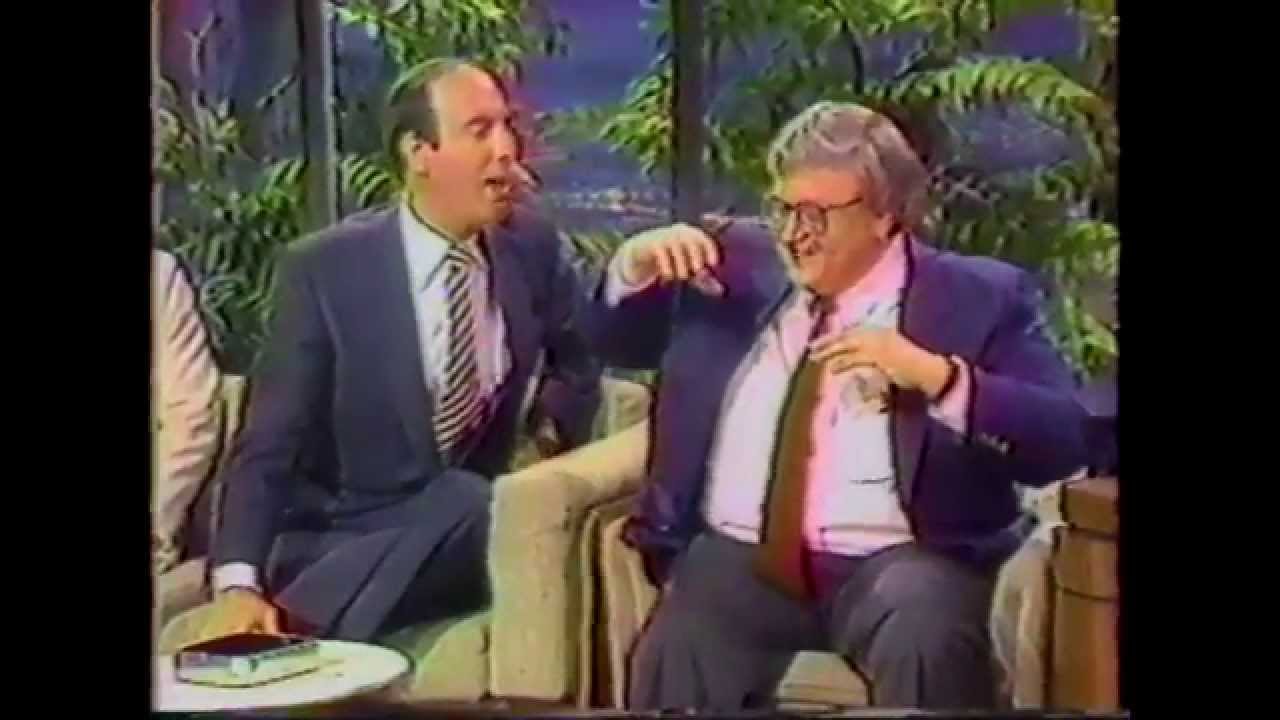
Ebert was the gatekeeper when it came to my interest in cinema. His reviews were easily accessible on the Internet, and I had done my fair share of both Google searches to find out exactly what he said about all of my favorite movies and late-night Youtube binging of old episodes of Siskel and Ebert.
siskel and ebert
Gene Siskel (left); Roger Ebert (right)

Keep in mind that Mann discovered Roger Ebert’s film criticism via YouTube. That might become irony, soon.

I think if I could explain why I felt such grief at Ebert’s death, it would be because I felt like there was an emptiness, a hole that didn’t used to be there before.

…Go on.

Who would, or even could, replace Ebert?

No one, probably .One of the great things about Ebert was how personal his critiques were. You can’t replicate that experience. This isn’t The Daily Show, after all.

Was film criticism destined to decline in the absence of such an influential figure?

Uh, no

Roger Ebert was influential, but there are many other still-living critics who are just as good. Some could be better, depending on who you ask. And as long as films are still being made, good film critics will be around to talk about them.

Now, some two and a half years after his death, it looks increasingly like film criticism as we know it, and as Ebert knew it, will change forever.

Well, yeah. Film criticism changes all the time. You know why? Because films change. And the people who watch them change. This shouldn’t be surprising.

Suddenly, with the rise of social media, the old expression “everyone’s a critic” is more truth than fiction at this point.

Everyone has always been a critic. Because everyone who watches a movie is a critic. They may not be a professional film critic or even a particularly influential one, but everyone does, in fact, have an opinion.

Youtube critics, or non-professional film reviewers, have risen to prominence, and with that comes some problems that are worth discussing.

So I’m probably lumped into this category since film criticism isn’t my main profession. I do get paid for it, and I see enough movies a year to be taken seriously, but my medium (get it?) is solely online.

Hyperbole and a certain ineloquence that would make Ebert himself cringe define these online critics.

“A certain ineloquence” should be a safe word. Also, Ebert cringed at many critics, all the time. Including his longtime frenemy, Gene Siskel.

While there are online critics doing some great things in terms of film criticism (there’s even an Online Film Critics Society which hold awards every year), most of the critics I’ll be referring to are not members of the OFCS, nor are their reviews tallied on either Rotten Tomatoes or MetaCritic.

This makes sense because applying to be a part of OFCS, Rotten Tomatoes, and Metacritic is a very difficult process. Even great critics get rejected for the sake of keeping numbers down, and Rotten Tomatoes in particular requires a high average of users visiting your site to justify your inclusion. As they should.

In fact, you can’t even apply for OFCS whenever you want (they only accept applications five months out of the year). So many online film critics don’t bother because they don’t need to, anyway.

They mostly exclusively review genre movies, and turn a blind eye to independent or other smaller, non-genre fare. 

I agree with Mann, here. But at the same time, I’d prefer an online critic be honest about the movies they’re knowledgeable about. There’s room in the world for “genre critics” who only focus on movies they have a passion for.

In this era of “clickbait” and easiness of accessibility, there is a feeling like we’re losing something when these online personalities talk about film.

Working for websites who deal with entertainment news, I’ve noticed time and again that reviews almost never bring about “clickbait.” In that the headline promoting the article is misleading or written in a way to create shock value. Because reviews don’t bring about clicks quite as much as celebrity gossip, so they’re typically left to the machinations of SEO.

Once in a while, a movie like Fantastic Four will bring about some clickbait headlines catering to the “fanboys” who obsess over studio rights like it’s celebrity gossip. But most of the time, reviews survive because the critic slowly builds a dedicated following.

Critics used to be gatekeepers, an indicator, a gauge as to whether or not a movie was worth investing time and money into.

Good thing they still are.

Now, with fervent fanbases that resemble cults and a relative inexperience in the field of film criticism, these online critics are changing the way movies are reviewed, and not in a way that’s positive, nor in a way Ebert would’ve wanted.

The premise is the problem, here. Mann is arguing that because some bad film critics give bad reviews, it’s negating any of the good reviews that come out all the time. He even manages to lump “fanboys” into a cult to get his emotional point across, then pretends to know what Ebert would have wanted.

This is a weak argument. Relative inexperience is natural, as everyone has to start somewhere. Snarcasm has certainly taught me that, as I mainly read through scores of reviews that are painful to read. But I don’t call them out just because a review is bad. I only review a review if they truly deserve it (i.e. when they attack other critics for having a different opinion).

Also, it’s important to mention that yes, online critics are changing the way movies are reviewed for some. But to say that’s it not positive because it’s different is certainly troubling. Critics before Ebert lambasted him for having a TV show and hated his review style. I’m sure someone back then said he was changing the way movies were reviewed, and not in a positive way.

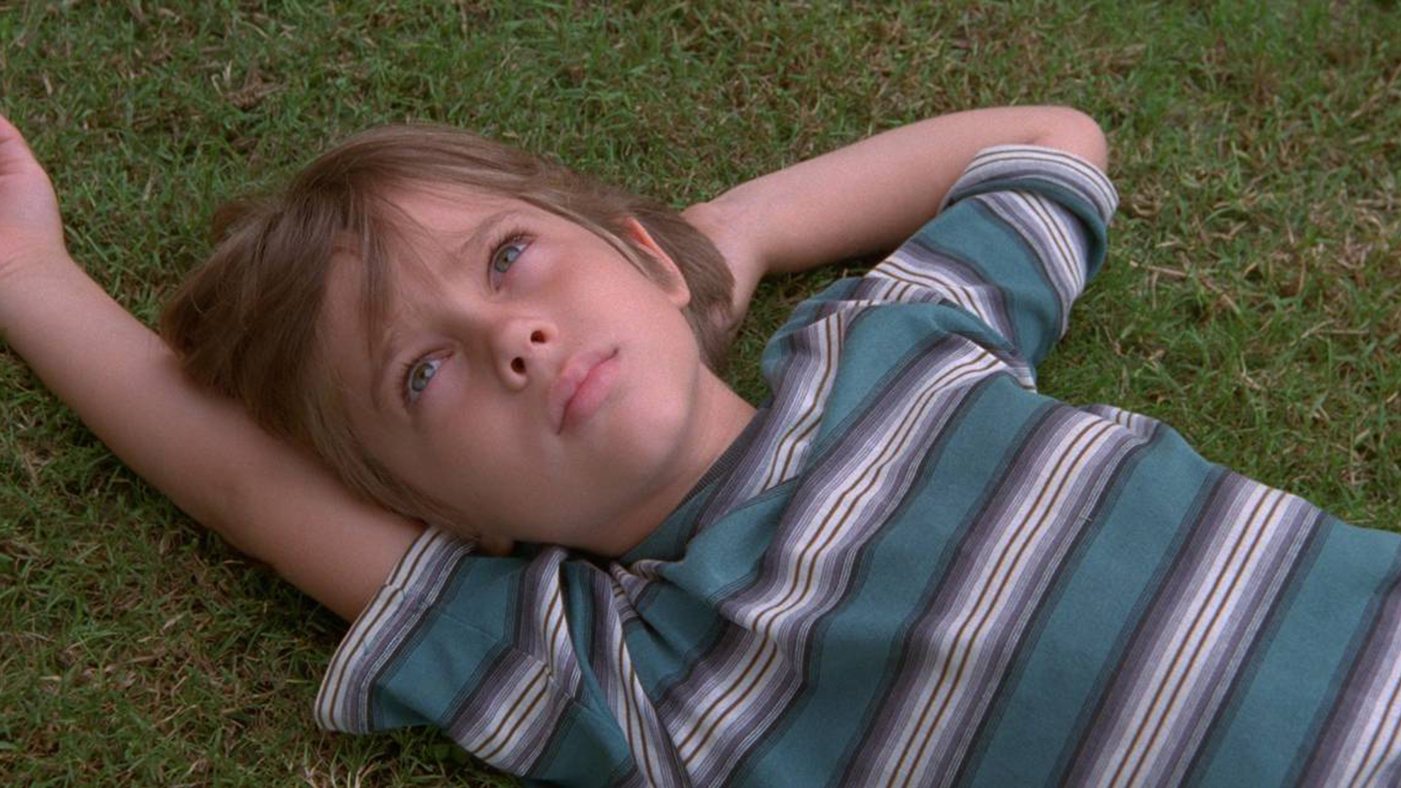
Take, for example the case of Boyhood. In summer of 2014, Richard Linklater Boyhood came out, earning a 98% Rotten Tomatoes score and many critics from all across the country proclaiming it to be a landmark, groundbreaking film.

A lot of online critics loved it, too. Myself included. I even included it in my Top 10 of 2014 list.

But as you no doubt guessed, Mann cherry picked one of the few “online personalities” who didn’t like it to prove his point.

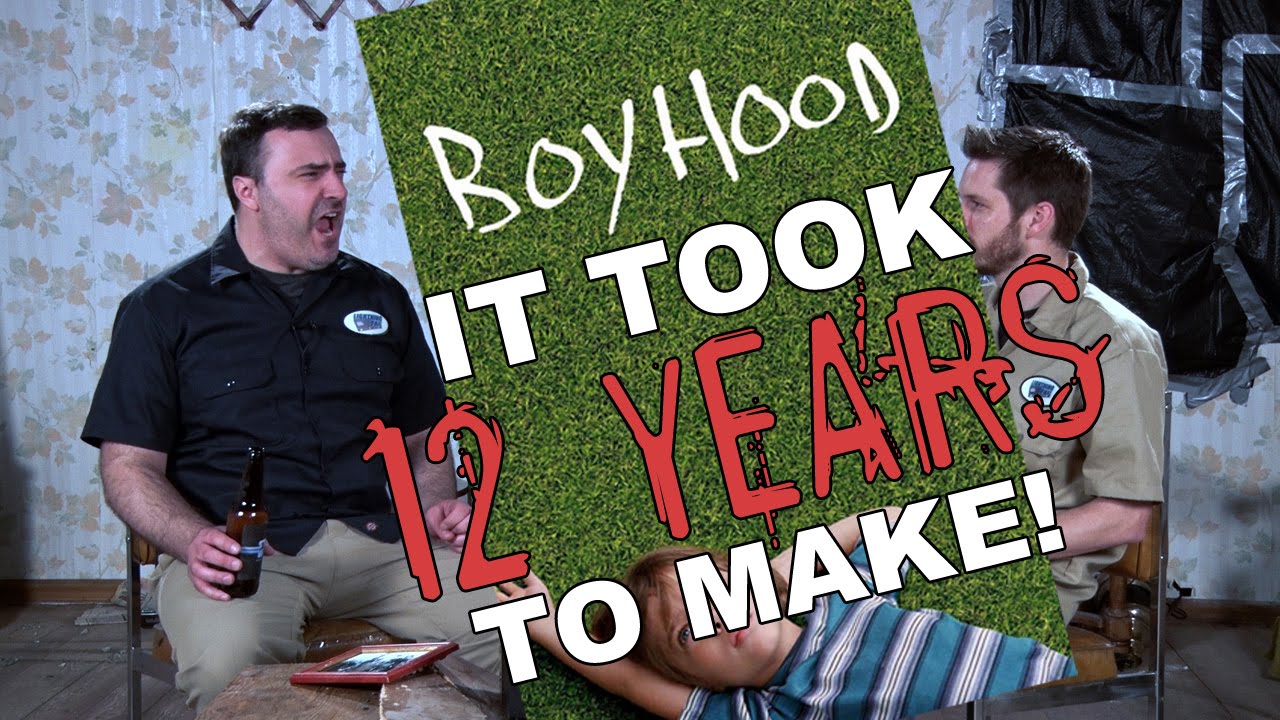
Shortly after the film debuted, Half in the Bag, an online movie-review-show from RedLetterMedia, reviewed Boyhood, with both hosts, Jay Bauman and Mike Stoklasa coming out overwhelming against the film. They said things like, and I am quoting directly from their review, that Boyhood “sucked,” “sucked so bad,”
film critics

What’s interesting is that Mann is citing a comedy website as a representation for all online critics, here. If you’ve watched any of the RedLetterMedia videos, you know that most of what they do is satire laced with their true opinions. Yeah, they didn’t like it. But their show isn’t about artful critiques.

In fact, they’re famous for reviews of older movies that provide new insight into why we liked or disliked them, including Plinkett’s legendary takedown of Star Wars: The Phantom Menace.

Still, if you really want a more nuanced opinion about Boyhood that isn’t positive, you can certainly find it. 

Rather than admitting they might have gone overboard in their dislike, they followed up with a video where they made fun of what they viewed as the overwhelmingly positive reception of the film

Because they’re a comedy…ah, never mind.

It used to be that the purpose of having two critics discuss movies is that they could disagree with one another,

I’ve seen my fair share of Half in the Bag, and I can assure you that they don’t always agree (Jurassic World, for example). But since you’re treating this one review like their gospel…

Debate between two movie critics can be informative, for them and for us, the viewer. In contrast, Stoklasa and Bauman only reinforce each other’s worldview.

Yes, for this one movie you picked. Why are we still talking about this?

Moreover, all the attention they gave towards what I’m calling a “hate campaign” against a film that is so well respected by industry insiders, critics, and seemingly the general public (with the exception of RedLetterMedia’s fans, apparently) over actually-bad films that deserve scrutiny is truly baffling.

That’s the point. They don’t think the movie deserves the praise it’s getting because it doesn’t stand on its own (in their opinion) when the gimmick is removed.

Mann goes on to compare this Half in the Bag review with a review by Ebert, who also hated a film once. The point is that Ebert is a better critic…and?

Again, we’re still fixating on this one review. Proving that one critic is better than another doesn’t shed light on anything besides itself.

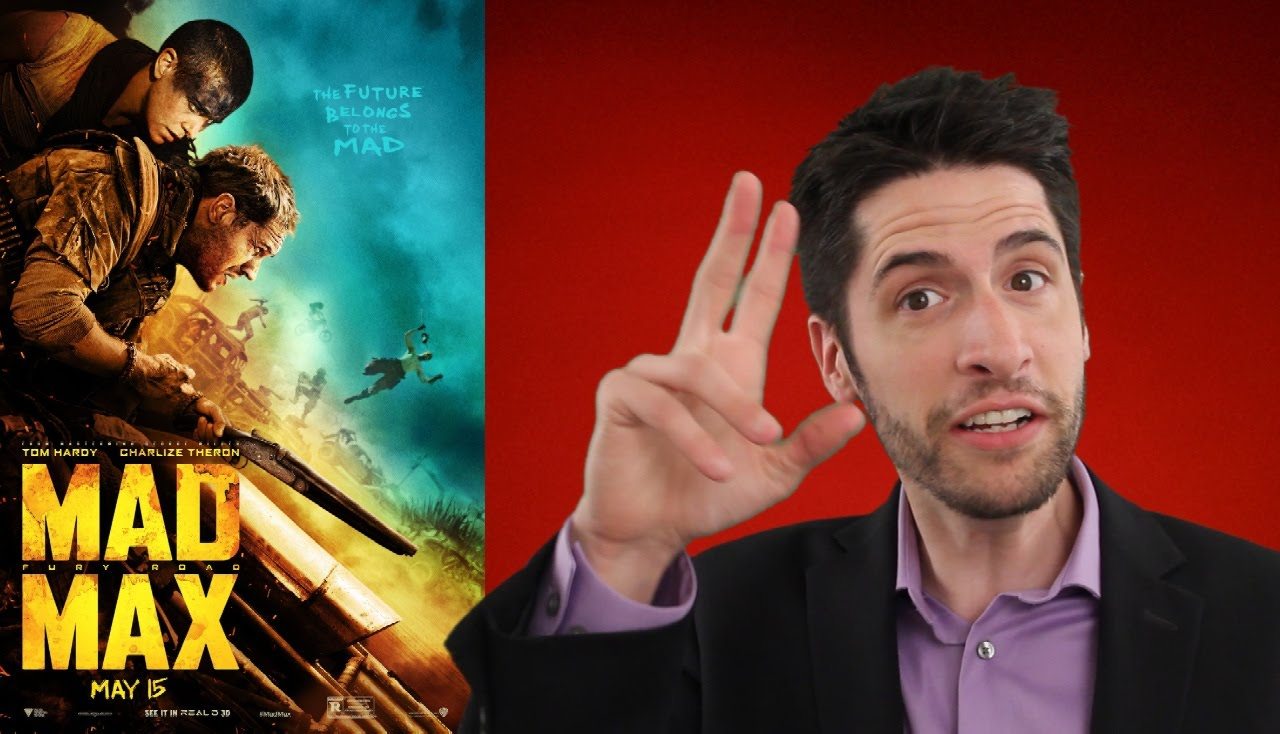
Compare Ebert’s exquisite insight on Contact to popular Youtube film-reviewer Jeremy Jahn’s perspective on a film he was very fond of, 2015’s Mad Max: Fury Road:
film critics

Seriously? You’re going to compare a 1997 review about a science fiction drama with a George Miller action movie from this year? This doesn’t prove anything except that Mann is impatient when it comes to Google results.

I’ll admit that I’m not a fan of Jeremy Jahns, probably for the same reasons as Mann. The difference is that I don’t blame him for the decline of an entire industry. Or even the medium he’s delivering on.

Jahns, on top of other prominent critics like RedLetterMedia, YourMovieSucks, Chris Stuckman, etc. utilize simplistic language and quick edits to get their point across.

First of all, no

Chris Stuckmann in particular is a fantastic film critic, certainly more credible than anyone else on that list. And the guy is only in his mid-20s. Lumping him in with YourMovieSucks is almost criminal in my opinion.

Second of all, what?

Since when was simplistic language a bad thing? Or quick edits? Would you rather bore people and make your reviews less accessible? Why is it wrong to add entertainment value to a video review? It’s essentially the same as Siskel and Ebert using their friction to drum up some dramatic passion that kept people returning.

Most of the time, the reviews of these Youtube critics boil down to the most basic levels of “this was good, this was bad, this could’ve been better” rather than tackling the film as a whole the way Ebert used to.

So because they don’t review like Ebert, they’re…basic? I find this weird because a good review should essentially boil down to talking about what you like. There are other ways to do it, but many professional critics do the same thing you’re criticizing online film critics of doing.

Youtube critics almost always use a mix of hyperbole and language intentionally dumbed down for your everyday layman in order to get their points across.

In a way, Mann is correct. I would add that professional critics are also guilty of doing this in order to draw in readers.

But he doesn’t seem to understand that this isn’t inherently bad. He seems to think that everyone is looking for the same type of film review backed up by the same type of people who run organizations that promote a certain type of review.
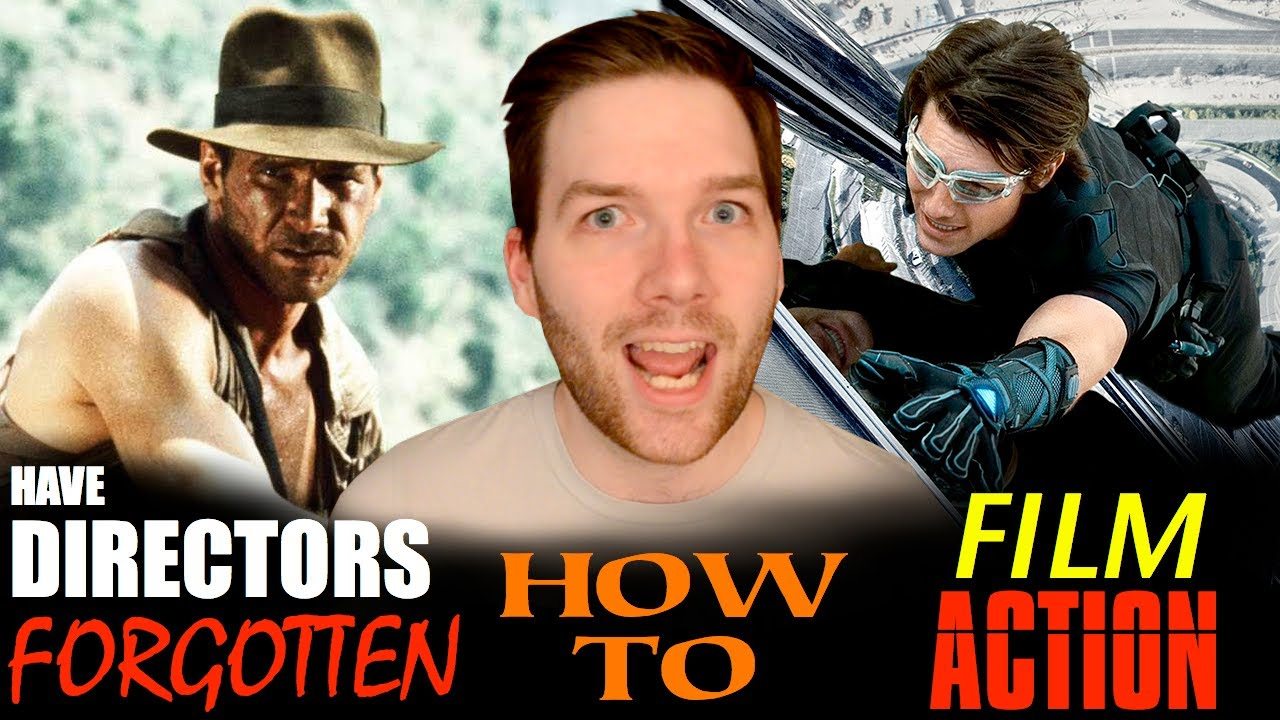
film critics

He, and other critics, understand that many people simply want to view an emotional response to a movie. They don’t want to know all of the nuts and bolts in the same way other critics like Ebert liked to talk about. They just want to know if these critics  liked the movie.

YouTube reviews have skyrocketed in popularity for the same reason we loved Siskel and Ebert. Because we were able to visibly see the emotional reactions displayed by these film critics. Their emotional responses were much more memorable than some of the smaller details these guys would talk about, not that one thing is better than the other.

The beauty is that you can watch these reviews and go deeper if you choose to. You can hear some of Stuckmann’s rants about how excellent Deakins’ cinematography is, realize you love learning about that aspect of filmmaking, and then seek out other critics who note these nuances.

And I haven’t even mentioned Nostalgia Critic, arguably the best online video critic, who received praise from Roger Ebert himself for his show.

film critics

So, no, YouTube isn’t killing film criticism. It’s enabling more people to dive deeper into the medium. You’ll come across inexperienced film critics all the time, but your reaction shouldn’t be to silence them because they aren’t as good as the legends. Someday, they might be ready to take on that level of influence.

But, with Ebert gone, who would the young me choose to listen to if he was coming of age today?

The first step is accepting that Ebert can’t be replicated, much like I’ll never get to watch Movie Mob again. You can only connect with something new. It doesn’t have to be a YouTube film critic you can’t relate to. But it can certainly be someone more aligned with your tastes.

I, for example, get my fix from a recent show called “Film Club” on AV Club. In this video series, A.A. Dowd and Ignatity Vishnevetsky critique films in a format similar to Siskel and Ebert, and their condensed half-hour conversations can be just as insightful. I won’t try to convince anyone it’s better, but it’s certainly worthwhile.

 Remember, all these Youtube film critics are just as, if not more, accessible to young viewers as those Ebert reviews were to me. Young viewers, who are just coming into their own cinematic tastes. They, like I was towards Ebert, might be susceptible to older, more experiences voices, and align their tastes with these tastemakers. Does that mean that there are young film fans out there today who will never see a Richard Linklater film because RedLetterMedia told them to? Or that there is a young fan who will avoid anything out of the hyper-masculine genres of superhero films, action films, and horror films simply because Jeremy Jahns doesn’t look as excited when he reviews a drama than when he reviews the latest Marvel movie?

These are questions we need to ask ourselves.

And here’s the answer. The person who won’t watch Boyhood because one comedy website told him not to probably isn’t the type of person who’d find value from an Ebert review. The person who watches Jeremy Jahns to enjoy someone else’s opinion on a genre he loves isn’t there for an insightful critique. He just wants to find out what his friend thinks about the latest Marvel movie.

But the people who love all types of film have little to worry about. Because we have more choices than ever, and a lot of them are worth our time.

I’m Jon and thanks for reading this. You can subscribe to my posts by clicking “Follow” in the right sidebar. Or just say hey on Twitter! @JonNegroni


Review: ‘Goosebumps’ Is a Harmless Homage to Lovable Source Material

goosebumps review

Goosebumps was directed by Rob Letterman and written by Darren Lemke, Scott Alexander, and Larry Karaszewski. It stars Jack Black, Dylan Minnette, and Odeya Rush. And it’s also based on the bestselling book series written by R.L. Stine.

The film fittingly begins exactly like a Goosebumps story with an unassuming protagonist in a small town who stumbles upon a creepy mystery when he moves to Madison, Delaware with his mother, played by Amy Ryan.

He later finds a bookshelf of Goosebumps manuscripts written by the actual R.L. Stine, who is played by Jack Black. We learn that when a book is opened, the monsters inside instantly turn to life, and the movie becomes a who’s who of Goosebumps favorites rampaging a cardboard cutout setting. Stine himself actually has a cameo toward the end of the film that’s mildly amusing, though pretty overt.

That’s definitely the best way to put Goosebumps, as it has less subtlety than even longtime fans would expect. It has plenty of clever moments sprinkled throughout a gracious script, but it executes all of them in predictable fashion. You can see the end of almost every scene coming, and the film certainly tries to make you laugh more often than it succeeds.

goosebumps review

As a children’s film, this isn’t a death sentence. Goosebumps is enough fun to keep kids of most ages entertained, and it’s even a good time for adults (more so if they’re already fans of the books). Nothing in the movie is truly terrible, though you may cringe once or twice as each character vies for your attention, with the slight (and I mean slight) exception of the film’s main villain, of whom I won’t spoil.

Grade: C+

It’s definitely a movie I wouldn’t mind seeing again on the small screen a few years down the road. And if I ever have kids who grow up with the books, this is a movie I’ll probably introduce to them, as well. By then, I suspect the CGI will be dated enough to warrant some unintentional laughs in hindsight.

If you’ve seen Goosebumps, let me know your thoughts in the comments. And be sure to check out our podcast review coming this Sunday, where we’ll talk about the film in more detail.

I’m Jon and thanks for reading this. You can subscribe to my posts by clicking “Follow” in the right sidebar. Or just say hey on Twitter! @JonNegroni
Review: ‘Bridge of Spies’

bridge of spies review

Bridge of Spies is a biographical Cold War drama directed by Steven Spielberg and written by Matt Charman, Ethan Coen, and Joel Coen. It stars Tom Hanks, Mark Rylance, Amy Ryan, and Alan Alda.

Based on true events, Tom Hanks is James B. Donovan, an insurance lawyer who is recruited by the CIA to represent and then help negotiate the terms of a Soviet spy (a surprisingly sharp performance from Rylance) who is in captivity. Meanwhile, a U.S. pilot has been captured by the Soviets after getting caught with spy equipment. It’s up to Donovan to make sure a peaceful resolution is reached, despite the overwhelming odds against his favor, especially when he’s forced to go on the other side of the Berlin Wall.

Though this is a beautifully shot film, you’ll notice that a bluish gray tone persists throughout every period setting you’re taken to. It’s unique at times, but it doesn’t quite measure up to the excellent performances and high quality writing (in no small thanks to the pen of the Coen brothers) that ultimately overshadows the decent visuals. Still, there’s much to be said about how well the environments are considered from Donovan’s home in America to the aforementioned scenes in Germany that provide some stunning commentary (mostly by train) about how the Cold War shaped prejudiced and fear mongering attitudes of that time period.

The movie is mostly theater that will set up Tom Hanks for a possible Oscar nomination. But apart from a few good speeches and another Oscar-Worthy performance by Rylance as a supporting actor, it’s not one of Spielberg’s best films. But for Spielberg, that’s still high praise, and Bridge of Spies is easily one of the most entertaining, and important, movies you’ll see this year.

bridge of spies review

Grade: A-

This film has its flaws, but it’s still excellence in genre filmmaking and a film I’d certainly watch again. If you love well-written and masterfully-directed movies, you shouldn’t miss it. But if it takes a lot to hold your attention for two hours, then you may want to wait and rent this one.

If you’ve seen Bridge of Spies, let me know your thoughts in the comments. And be sure to check out our podcast review coming this Sunday, where we’ll talk about the film in more detail.

I’m Jon and thanks for reading this. You can subscribe to my posts by clicking “Follow” in the right sidebar. Or just say hey on Twitter! @JonNegroni

Snarcasm: ‘Pan’ Was Good, No Matter How Much You Hated It

pan review

Snark + Sarcasm = what’s you’re about to read. This week: Why doesn’t anyone think of the children…when reviewing Pan so harshly? 

If you’ve been following the reviews coming out of Pan, the latest Peter Pan adaptation that focuses on the famous character’s origins, then you know that it’s been widely dismissed (no, I’m not using that pun. Or pan?)

I saw the film and reviewed it on the Now Conspiring podcast. In my opinion, it’s the worst adaptation of Peter Pan I’ve ever seen, including the plays. I love the story, especially the 2003 live-action take on it. Like most millennials, I love Hook. Heck, I even like the version we got with Once Upon a Time. 

So I hate to say that for me, Pan is a D minus.

And I’m not alone. The reviews at large have been downright scathing. They’re a fun read for anyone who gets their kicks from sassy critics. Even the positive reviews have been mostly unkind, giving the film only a little credit in spite of itself.

Then there’s Eddie from Nerd Reactor. Let’s talk about his Pan review, starting with the headline:

The only review of ‘Pan’ you’ll ever need to read!

That’s a pretty misleading headline, even by clickbait standards.

But like a good clickbait headline, bad information is there. The promise is that Eddie’s opinion of Pan is the most accurate out of countless critics. And anyone who reads this review, no matter their taste or background, will get the perfect insight into whether or not they should see Pan.

I’m going to guess that this review doesn’t accomplish any of that.

When you’re a child, you see the whole world around you in a new light.

New light? Or just new? You’re a kid, not a disenfranchised restaurant manager with an art degree who sees the Sistine Chapel for the first time.

From sights and sounds to tastes and smells, everything is brand new for you, and you can’t get enough of these new experiences. As you get older, those experiences lose their luster, and you tend to…well, grow up.

If only Pan had focused on even an inkling of this theme. But nope, it’s about a messiah who fulfills a prophecy because his mother’s name is Mary (subtle!)

But then something happens,

…Go on.

and you experience a movie that not only ignites the spark of imagination in your heart and in your spirit but also carries a great story that captivates the young at heart. 

Please be talking about Paddington. Please be talking about Paddington.

That’s what you get with the fantastical journey of pirates, Indians and flying in the movie called Pan.

You can’t tell, but I’m making a really grumpy face right now.

Also, they’re natives in this movie, not Indians. Get your lazy attempts to avoid racism by inexplicably whitewashing the characters straight .

Let’s get something straight,

Yes. This is a good idea…

this is a children’s film

Oh no, not this argument. Look, calling something a children’s film doesn’t excuse everything negative about it. We live in a post-Toy Story world, Eddie. Well, sort of (Toy Story 4 better be good).

And I wouldn’t argue with studio executives about who this movie is intended for. They want Pan to make as much money as possible, and parents don’t want to pay money to sit through a film with their kid that is widely panned (NO, I SAID IT).

This is a film that caters to the moviegoers who tentatively need a booster seat to see over the person in front of them.

Well, that’s just not true. The movie was certainly shooting for a preteen/young adult demographic, what with its special snowflake themes, bland protagonist, and mindless violence. Otherwise, it’s casually ripping off Harry Potter and other YA films by accident, and that’s certainly not the case.

Comparing these films to that of something like say X-Men: Days of Future Past, Hunger Games, or Scorch Trials is just ridiculous and naïve.

Was anyone expecting Pan to be like an X-Men movie? I mean, maybe X-Men Origins: Wolverine, but only in quality and due to the strange coincidence of Hugh Jackman being in another origin movie that probably shouldn’t exist.

How is it naïve to compare movies to other movies? Naiveté comes from a lack of experience, but if you’re comparing movies, then you’re showing that you understand the standard set by the genre. What’s actually naïve is claiming that Pan shouldn’t have to answer for its problems because it’s made for kids.

Sadly, many reviewers of the film are out there stating how it is “slapdash” and “ill-explained” and are forgetting that films like this aren’t made for everyone.

But your review is? That’s what the headline told me.

Look, I know what it’s like to enjoy a movie that other people hate. It happens. But assuming they’re the ones who are naïve is a bit…well, naïve

The target demographic is intended for children, which means that if you’re expecting something more mature, you’re not the target demographic.

No one was expecting a “mature” Peter Pan movie. That’s just silly. Plenty of people weren’t even expecting this movie to exist, and that’s certainly valid.

Personally, I was expecting a few things: good special effects (considering the talent involved), a decent story that set up Peter Pan as the character we know him (considering it’s an origin story for a well-known character), and music that matched the tone of the film.

We didn’t get any of those things. We got Nirvana and the Ramones. We also got some of the worst special effects and CGI of 2015 (especially for a blockbuster), and a movie that completely ignores what makes Peter Pan who he is as a character while playfully exploiting our nostalgia to artificially generate interest for its uninteresting characters.

to bash a film simply because you are not the targeted audience only shows how much of yourself you invested into the film. 

Nope! It just shows that the movie did a bad job at entertaining all audiences. That’s about it. And I don’t think it’s strange to be invested in a classic mythology that we all grew up with.

Ok. I’m done.

Yes. Finally.

Let’s get  to the review.

Grumpy face

Pan is a film that recounts the origin tale of J.M. Barrie’s classic storybook character, Peter Pan, and how he surpasses all obstacles including being an orphan, self-doubt, and the jaws of a massive crocodile, to finally realizing that it isn’t what other people say that makes you special, but what you believe about yourself.

Hmmm, I don’t recall that EVER being a theme in a Peter Pan story. In fact, he’s typically a villain. Wendy is the true protagonist in these stories, and she is typically the moral center who convinces the amoral Peter Pan to commit acts of heroism.

And sorry, but this “you’re special because you believe in yourself” drivel is way too played out to take seriously. It’s not compelling, it’s overdone. It’s not a good message because it reinforces the idea that what you decide to do is good because you decide it is, which is typically the precursor to a terrible decision you’re about to make.

You know what’s a good message for kids? It’s OK to be sad (Inside Out). Your family is what you make of it (Paddington). Don’t get eaten by dinosaurs (Jurassic World).

Pan chronicles the journey of Peter (Levi Miller) as an orphan, being left on the doorstep by a mysterious blonde who leaves a note,

Wait, so it’s worth noting that Peter is played by Levi Miller, a newcomer, but you won’t mention that his mother is played by Amanda Seyfried?

In the midst of war,

No need to be exact. It’s just the most significant war in recent memory, perhaps of all time.

Peter must realize his destiny and find that the true power of who he is.

…is? Does this sentence just end? Who is his power???

The film carries many great attributes

How do you carry an attribute?

starting with its ability to create a cast

How do you create a cast? Or read this? OK, I’m done with petty grammar stuff.

that builds a great story with their dialogue.

….alright, now I’m done.

Actor Levi Miller did an outstanding performance as Peter,

Really? Outstanding? You’re going to burst a vein, then, when you see Jacob Tremblay in The Room, or Abraham Attah in Beasts of No Nation.

His portrayal of a 12-13 year old boy is spot on, as most boys at this age aren’t sure of what they want, or which direction they’re going to go.

OK, I have to give Eddie credit for finding a way to explain why Levi Miller’s character is so bland in a way that sounds like a compliment. You’ll go far.

His acting ability surpasses many of other actors much older than him,

How? As in, “how did you arrive at this opinion?” Also, “how are we supposed to take this entire review seriously?”

as he is able to show the full spectrum of emotions while still being in control of the scene.

Anyone can show a full spectrum of emotions thanks to Sesame Street and puberty. What makes an actor great is when he can make those emotions come across as believable, like it’s really happening and you don’t have to think about it. Controlling a scene is a different job altogether because it’s about presence and timing.

Eddie goes on to compliment Hugh Jackman as Blackbeard, and I’ll give him a pass on all that. Jackman certainly isn’t the worst thing about this movie, and I can understand a fan being charmed by his character.

Rooney Mara and Garrett Hedlund both are a great support for the main character for this film

Yeah, since Mara doesn’t show up until the second act and Hedlund spends most of his time acting like Han Solo, looking like Indiana Jones, and talking like Nicholas Cage on an “All That” sketch — while sort of following Peter around. The support is real.

There was much debate as to the casting of Mara in the role as Tiger Lily.

Please…let’s not go there. Eddie, I’m begging you.

The one thing that many people overlooked was what type of tribe was Tiger Lily from?

Uh. I mean, uh?

what if the tribe wasn’t a specific type of ethnicity, but a tribe of many ethnicities? The tribe that Tiger Lily belonged to in the film was filled with individuals from China, India, Europe, Africa, and etc!

Right! With a European-looking woman as their leader! Surely that won’t offend anyone.

To be honest, I don’t think this is a big deal. I went into Pan knowing that this would be odd, and it didn’t bother me as much as I thought I would. But that’s probably because everything about this movie is so bad, whitewashing ends up being one of the least of its problems.

The visuals in the film were very captivating.

Yeah, in a way. In the, “how does Scooby Doo: Monsters Unleashed look better than this?” way.

The visual effects team spared no expense

That’s part of the whole “flop” problem.

and took the time to creating breathtaking mermaids who assist in getting Peter and his team to the other side of the river.

Took their time? Cara Delevingne plays all four mermaids. And they’re only onscreen for about two minutes. And they don’t say anything. And they look fake. And they only help Peter while Hook and Tiger Lily watch…

Overall, the film was exactly what it set out to be: a great children’s film, retelling the courageous tale of the boy who never grew up.

…in a version of Neverland where everyone grows up (the main plot is that Blackbeard is aging and wants to keep himself young, which shouldn’t even be a problem in a place like Neverland).

And understand one thing: I’m not saying that other websites and reviewers are wrong,

But you are.

I’m only saying that some are forgetting the one key thing about this film: it was made for children.

So it’s telling that they don’t even want to subject their kids to this.

I’ll just say this one more time for emphasis: a movie made for children doesn’t have to be bad. Even if kids like it, that doesn’t make it good. It just makes Pan an expensive babysitter.

going in to see the film, I recognized right away where all the children were sitting, so that I could get a chance to see their faces when they saw incredible things in the theater.

I don’t think I’m qualified to comment on this.

I spent about as much time watching the film as I did seeing the reactions, and it was not without reward.

So you admit you only saw half of the movie?

The look of sheer excitement as the ships were fighting in mid-air, the shining ear-to-ear smiles from seeing fairies,

They were impressed by those floating CGI lens flares without any sort of physical form? I mean, I was sort of impressed when Peter used them as a Kamehameha, but only because it’s incredible how much source material they managed to rip off in under two hours.

I sat next to a small girl named Layla, and she was so excited after the film, that she got up, turned to her mom after the movie, and with a big smile on her face, asked, “Was this a story, mom? Can we go find it?” Many kids arose from their seats, jittering with elation, unaware of the world outside the theater, and the homes they will be going back to. This film gave them a piece of hope, even if it was just for about two hours. That’s why Pan was made. Giving bravery and courage back to our children, and seeing that even though the world is big and sometimes scary, we each hold the power to be greater than it, and in the end, overcome it.

Seriously, guy, this isn’t Shawshank Redemption. Are we really supposed to take this anecdote about how strangely attentive Eddie is to other people’s children as verification that a bad movie can be good because Layla wants to know if it’s a story?

Pan is a terrible movie. It just is. But like most terrible movies, it will find its audience, no matter how small. So if you love Pan, that’s totally fine and I’m glad that you left the theater feeling like you got your money’s worth.

But don’t try to tell everyone else in the most condescending way possible that they did get their money’s worth because it lightly entertained a bunch of kids that you were paying (probably) too much attention. Our standard for all films, no matter the genre, needs to be much higher than that.

I’m Jon and thanks for reading this. You can subscribe to my posts by clicking “Follow” in the right sidebar. Or just say hey on Twitter! @JonNegroni

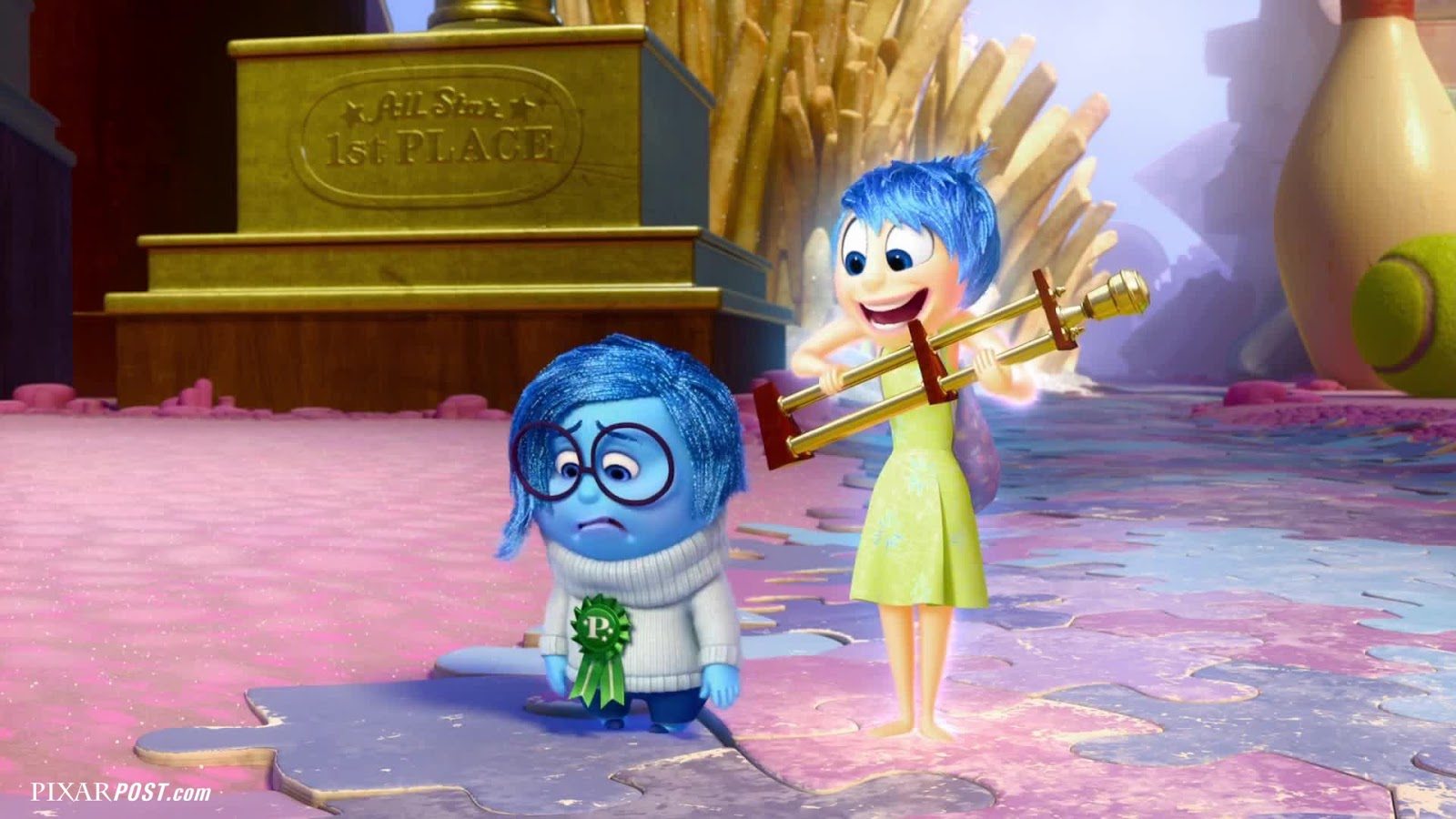
Snarcasm: ‘Inside Out’ Was Just So Disappointing

inside out disappointing

“Snarcasm” is a new editorial series about a mild-mannered film blogger who goes head-to-head with other silly bloggers. Snark + Sarcasm = what you’re about to read. 

This week, we’re examining Chris Sawin’s Examiner review of Pixar’s latest film, Inside Out.

Spoiler alert: he gave the film a 5/10. I’m guessing he can’t even.

Sawin kicks off his review with the headline, “‘Inside Out’ is an underwhelming yet clever effort from Pixar.” I guess you could say it’s…cleverly underwhelming? Probably not.

But as Riley’s parents decide to move from Minnesota to San Francisco, Riley is taken from everything she once knew and thrown into a strange place with no friends.

So, Examiner.com?

Sawin gives a pretty exhaustive synopsis of the film at this point, then mentions “Lava” as the short that precedes the movie.

The short is a decent representation of what you should prepare yourself for when it comes to the appreciation and enjoyment factors of “Inside Out;”

Oh, so t’s beautifully animated and filled with rich characters you find easy to love thanks to a well-written script?

inside out disappointing

it’s mildly amusing and cute but nothing great.

Oh.

The theme of Sawin’s review, by the way, is that no matter how good you are at something, it’s not “great” because Sawin says so. Let’s continue.

What the film fails to do is capitalize on the Pixar reputation of affecting a wide range of your emotions throughout its duration.

So, five emotions aren’t enough? I have a feeling that Sawin would have otherwise complained that there were too many emotions and not enough focus.

Also, since when do Pixar movies have to affect a lot of different emotions? They usually go for humor and drama. Am I supposed to be more angry and disgusted while watching Pixar movies?

but the bottom line is “Inside Out” is often lethargic to a frustrating extent.

I’m pretty sure calling Inside Out sluggish is akin to calling There Will Be Blood a romantic comedy. The film immediately cuts to the chase, with the main problem of the movie (Riley’s move) occurring as the title screen pops up. And this is in the first five minutes.

Honestly, I have no idea what Sawin is getting at when he calls the film lethargic. From my perspective, every scene moves at a brisk pace, especially the action, without forgetting it has a new world to build that won’t go over your head. There were very few moments of downtime.

Each Pixar film is usually distinctly different than the last.

I’m guessing that “usually” applies to sequels.

“Inside Out” is the first film where the character designs of the humans in the film remind you of “Toy Story” or certain elements of the story or visuals are reminiscent of “Up.”

Well, yeah. How is that a bad thing? In order to easily distinguish between the human world and the mind world, the visual artists had to conceive of humans who felt familiar. What better way than to use techniques learned from the successful Toy Story franchise?

And to be fair, Monsters Inc., and its prequel also share human characters with similar visual styles. Same with Finding Nemo. I’d even argue that the humans of WALL-E look a lot like humans you’d see in Ratatouille or The Incredibles. There’s even an old lady in Ratatouille who looks just like Geri from Toy Story, but with a shotgun.

inside out disappointing

Maybe it has something to do with how these characters show up in different movies all the time? Nope! Sawin calls it lethargic.

Imagination Land, which is a personal favorite segment from “Inside Out,” has you remembering your favorite moments from “Wreck-It Ralph,” even though it wasn’t a Pixar film.

Right, with all of the video games and the…uh…oh, well I suppose it almost looks like “Sugar Rush Speedway” sometimes…barely…not at all, really.

But unlike Sawin, I’ll actually support my argument. Here’s an image of Sugar Rush Speedway:

sugar rush speedway

Alright, now here’s an image of Imagination Land from Inside Out.

inside out imagination land

Oh, wait. That doesn’t work. OK, try this one:

inside out imagination land

Hm, that doesn’t work either. There’s just a bunch of relevant objects related to things Riley imagines. Well, let’s try this one!

inside out imagination land

Ha! See, there’s a castle just like…oh, that doesn’t look like the Sugar Rush castle. Wait, wait, I’ve found it. Here it is!

inside out imagination land

See! In this image, there are flowers. And in the Wreck-It Ralph image, there’s a lollipop with a flower pattern on it! Case closed!

“Inside Out” is innovative, but it’s not idiosyncratic enough to fully develop its own personality.

So it’s both innovative and more of the same. I’m pretty sure that’s a paradox.

Also, how idiosyncratic does it have to be in order to have its own personality that is fully developed? I’m guessing that by your standards, it has to be completely, 100% original. But how many other movies actually achieve this? Why is Inside Out being held to this impossible standard?

Sawin is clearly ignoring the scope of Inside Out, of course. This film covers a wide range of different sets, characters styles, and unique settings. Finding Nemo is the only other Pixar movie I can think of with this much diversity in its settings. So of course you can cherry pick a couple of locations that remind you of other Pixar films.

The animation seems to shine the brightest during the abstract stages sequence. It’s so much more quirky and eccentric than the rest of the film.

How is one sequence being “good” mean that the others are “bad?” Shouldn’t you be praising Inside Out for how good this scene is?

While the animation is as excellent as ever the character designs seem a step or two below what Pixar is known for.

Examples? Or are you going to support yet another assertion with yet another assertion?

All of the emotions appear to be designed for a film that was forced to go directly to DVD, which then made a B-line for the clearance rack.

Wow. How so?

Most characters in the film appear to be apathetic

In other words, “lethargic.”

OK, so Sawin doesn’t like the appearance of the emotions. He’s not “wrong” since this is an opinion based on his personal tastes. The problem, obviously, is that he has nothing objective to compare them to.

inside out disappointing

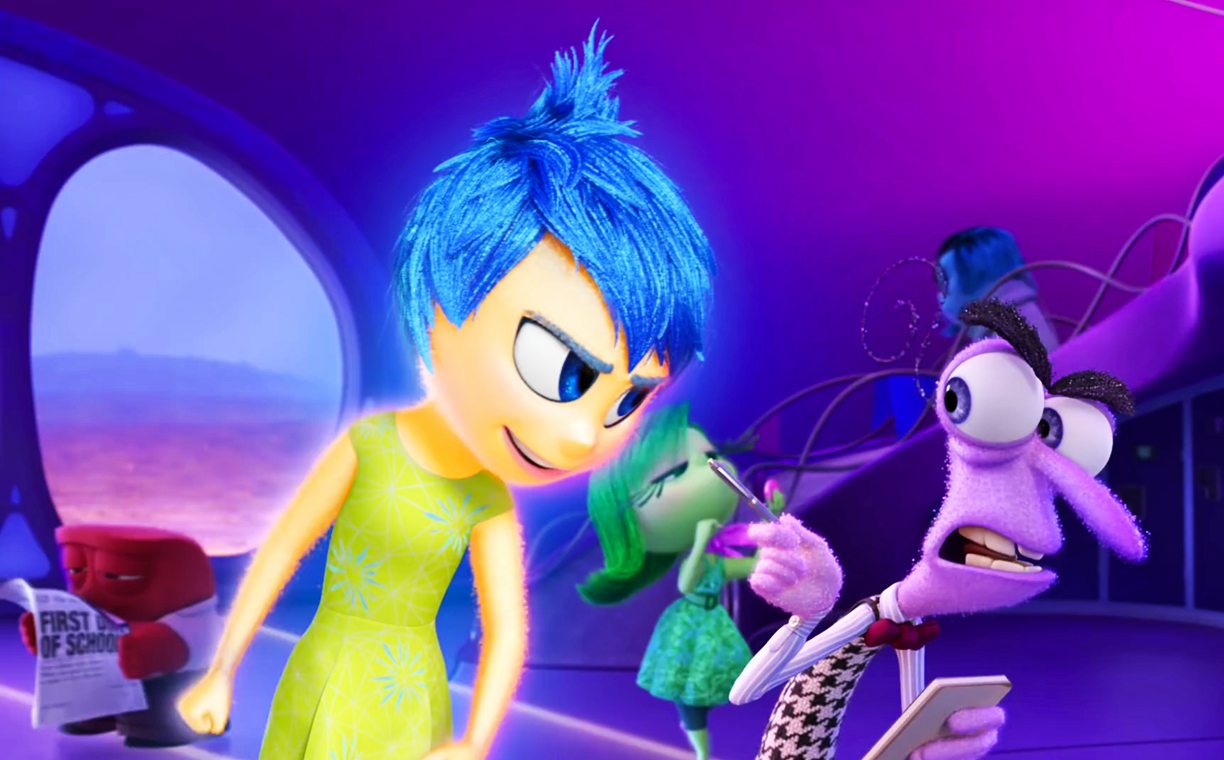
Personally, I find their designs genius. Like Up, they have their own shape language (Joy represents a star, Sadness is a teardrop, etc.) Additionally, they used color language to drive home the impact of the emotions with their prescribed color palette. And they’re designs were deliberately given an abstract shape so that they could move within their world by a set of different rules and physics because they’re inside of the mind. It’s subtle, but effective.

Even if you don’t find their designs very pleasing to the eye, it’s unfair to ignore how aggressively original they are. But in the same review where Sawin complains about the characters not being unique enough, they’re too unique.

and are therefore already not interesting before they even open their mouths.

You heard it here first. A character who embodies anger and is voiced by Lewis Black is “uninteresting.”

Dull character designs aren’t usually something you throw into the same sentence as “Pixar.”

That’s probably because no one else is.

The humor is also below any sort of standard comedies in general should have.

Standard comedies? Can you at least give an example of what you consider to be a—

Most of it will barely force a chuckle out of you

Sigh.

Most gags like the Tripledent Gum jingle are humorous at first, but are run into the ground early on.

OK, so the joke about an annoying, recurring jingle eventually gets annoying because it’s recurring. Got it.

Correct me if I’m wrong, but I’m pretty sure that joke is only referenced two or three times.

Other times it feels like the film is simply trying too hard to cater to the humor of an eight year old or the kid in all of us that it completely overlooks aiming for adult humor.

Can I say that bad word, now?

One might make the argument that Anger’s constant jabs at possibly using curse words is rather adult, but it seems too easy and too juvenile for Pixar.

Right, because we celebrate the humor of Toy Story and Finding Nemo because they had so many adult jokes. Just keep swimming, Sawin.

inside out disappointing

Of course, Inside Out has a good amount of jokes that go over the heads of an eight-year-old. A standout is Bing Bong nonchalantly mixing a box of “facts” with a box of “opinions.” And Riley’s mom fantasizing about an affair…ah, never mind.

While none of us enjoy being sad, “Inside Out” utilizes how important sadness is to our daily lives. You need a steady emotional balance to take on growing up and the rest of your life and “Inside Out” approaches handles those elements extremely well.

Keep in mind that this is one of the many instances throughout the review where Sawin gives the film high praise. Yet it’s still a 5/10.

The animated comedy is imaginative, but it lacks laugh out loud humor and its lazy animation is disheartening.

Lazy animation? Earlier, you wrote that it was excellent.

Pixar films are known to pack an emotional punch and “Inside Out” doesn’t have any of that.

I’m starting to think Sawin didn’t watch this movie.

All it has to offer is a misguided beating heart that is visually displeasing.

But…earlier you said that it was imaginative. And you said the animation was excellent. And you said the film utilizes important themes. And that it handles its story extremely well. But now it’s misguided?

Look, Inside Out isn’t a perfect movie. And plenty of Sawin’s complaints are valid because they’re subjective. If you don’t like it, you don’t like it.

The problem with this review, however, is that he offers no basis or reasoning for his critique. It’s just one opinionated assertion after another, and he doesn’t offer the film any credit for the very things he praises (then eventually derides).

In other words, the only lazy thing about Inside Out that I’ve come across is this review.

I’m Jon and thanks for reading this. You can subscribe to my posts by clicking “Follow” in the right sidebar. Or just say hey on Twitter! @JonNegroni

Review: ‘The Martian’ Makes Science Look Cool Again

the martian review

The Martian was directed by Ridley Scott and written by Drew Goddard. It’s based on the initially self-published sci-fi novel of the same name by Andy Weir. The movie has a massive cast that I won’t be able to list off here, but the main players are Matt Damon, Jessica Chastain, Jeff Daniels, and Chiwetel Ejiofor.

Several decades in the future, NASA has expanded enough to send manned ships to Mars. During one of these routine missions, Mark Watney (played by Damon) is left behind and presumed dead when a massive storm threatens to kill his crew. He awakens to find himself alone on Mars with nearly zero supplies and the harsh reality that it will be years before anyone can rescue him.

What plays out is a struggle for Watney to use his wits and ingenuity to survive on this harsh planet while everyone on Earth uses their own wits to get to him before time runs out. There’s also his crew, led by Commander Lewis (Chastain), headed to Earth having to deal with the fact that they left their crewman and friend behind.

the martian review

Going in, it’s easy to see a lot of similarities between The Martian and Apollo 13. The author, Weir, was certainly inspired by this and other space films. This isn’t a bad thing because The Martian has its own voice and style thanks to Ridley Scott’s signature knack for making futuristic sci-fi feel accessible. And Weir, of course, brought his own background as an engineer to the original source material, making The Martian feel very authentic.

I haven’t read the book, and I’m probably the opposite of a scientist, but the film managed to keep me engaged with the more complicated details surrounding Damon’s problems and solutions that could have easily gone over my head. There were still some moments where I felt a little lost, but it never took me out of the movie.

While the scenes outside of Mars are great, the movie really excels whenever Damon is onscreen. Mark Watney is a refreshing optimist who is nearly impossible to dislike. He’s funny and cracks jokes throughout his dilemma, but Damon also delivers some heavy, desolate scenes that are some of his best to date.

the martian review

In fact, Damon’s performance ultimately saves the entire movie. If you don’t like his character and want to root for him, then you’ll have a hard time believing that everyone on Earth is willing to spend billions of dollars and months out of their lives to save him, even though the odds of success are perpetually low.

It helps that everyone who’s seen Saving Private Ryan has gotten used to Matt Damon being someone worth rescuing, even if that means putting your entire life on hold. Because Mark Watney is such a fun character, I was able to ignore how strange this entire setup was and just enjoy the ride.

My only real issues with the film have to do with how some of the characters on Earth have limited roles despite being played by such big-name actors. Most of them are only in the movie to share exposition or explain something for a few sentences. Sure, we get to see Donald Glover play a mean Abed, and there’s one scene involving Sean Bean that had me in tears (the good kind).

But aside from Jeff Daniels, Chiwetel Ejiofor, and Benedict Wong, I didn’t find myself loving any of these side characters that much. Though it’s a small complaint considering how incredible Ejiofor’s performance was, even if the minor roles felt a little underdeveloped.

the martian review

That said, The Martian is a witty, funny, and sometimes nerve-wracking movie that goes back and forth between charming lines of dialogue and believable peril. For my money, it’s one of the best films of the year and one of the best space movies of the decade.

Grade: A

Please do yourself a favor and see this one on the big screen. It’s not every year that we get a Ridley Scott film that feels like a new classic.

If you’ve seen The Martian, let me know your thoughts in the comments. And be sure to check out our podcast review coming this Sunday, where we’ll talk about the film in more detail.

I’m Jon and thanks for reading this. You can subscribe to my posts by clicking “Follow” in the right sidebar. Or just say hey on Twitter! @JonNegroni
Review: ‘Sicario’ Proves that Even Bleak Movies Should Look Amazing

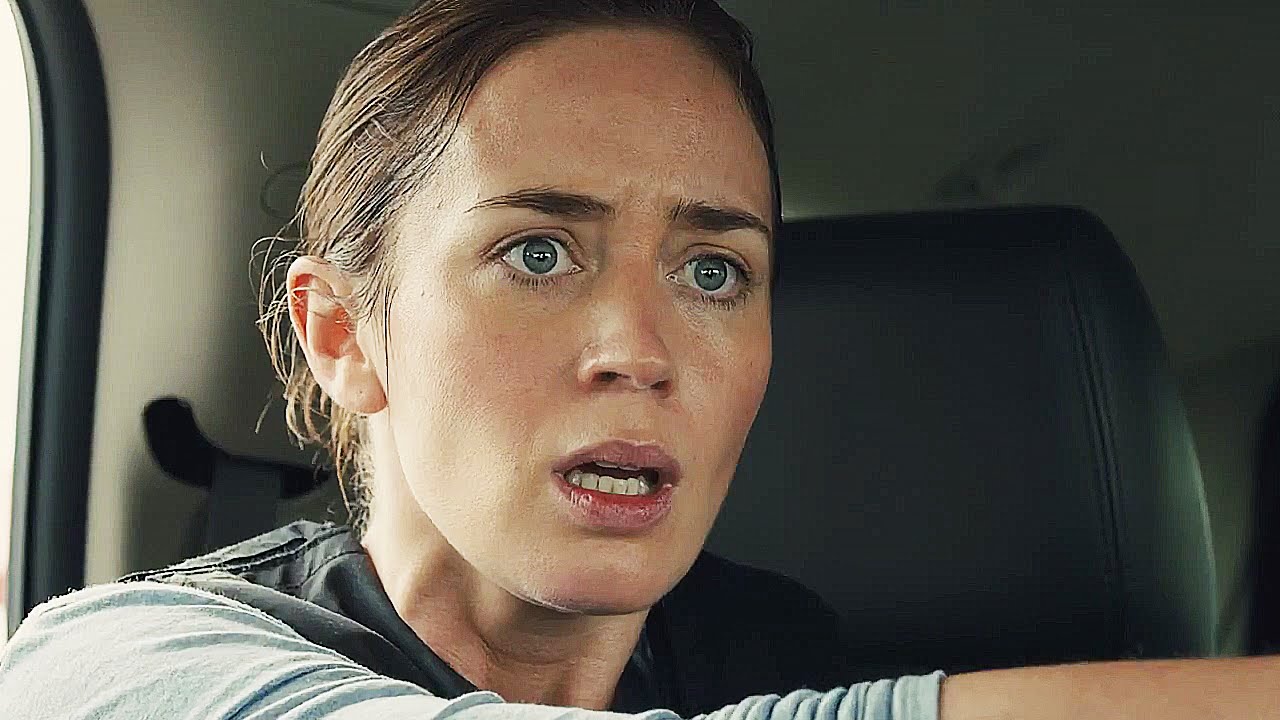
sicario review

Sicario was directed by Denis Villeneuve and written by Taylor Sheridan. It stars Emily Blunt, Benicio Del Toro, Josh Brolin, and Daniel Kaluuya.

The movie centers around a government task force that attempts to take down the head of a Mexican drug cartel with an unorthodox strategy. Emily Blunt plays Kate, a seasoned FBI agent with a strict code of morality. She has to team up with other agents who are a bit more loose with the rules.

One of these agents is Alejandro, played by Del Toro, whose mysterious and apparently violent past puts him at odds with Kate throughout the film. Matt, played by Brolin, is their sarcastic, always-a-step-ahead leader who persists on keeping Kate in the dark about what’s really going on. 

This movie has a very simple premise paired with a high level of intensity. Your mind won’t be blown by anything that happens, but you’ll still enjoy the ride. This is because Villeneuve teamed up with cinematographer Roger Deakins (who is also working on the Blade Runner sequel) to make this otherwise straightforward thriller into a beautiful work of film.

sicario review

The attention to detail is certainly the best aspect of Sicario, followed closely by Del Toro’s incredible performance. Every set piece is brilliantly shot with an authentic sense of lighting and sound effects. When a silenced weapon is shot in a hallway, you see and hear the shells scatter on the floor. Scenes taking place at night actually have shadows and lighting that isn’t glossed to spoon-feed you the reactions of the actors. You have to guess at times what’s going on behind the dark.

All of this sets Sicario up to be a memorable action thriller that keeps you on the edge of your seat, and it delivers that promise well. Unfortunately, a few hefty flaws hold this movie back from being a true masterpiece. The main one is that the story itself is incredibly one-note.

The movie begins with high stakes. And every big set piece that follows somewhat fails to elevate the intensity. Sicario essentially builds up to a bombastic third act that never happens. Though the third act is still great, it’s only about as interesting as the first two. I found myself caring less and less about the fate of certain characters because I’d grown used to seeing them in these perilous situations, and the writing wasn’t strong enough to keep me invested in anyone but Del Toro.

sicario review

While Blunt’s performance is impressive, her character slowly becomes difficult to understand or connect with. This isn’t a problem early in the film when we’re experiencing the confusion of the situation through her eyes. Her naiveté is excusable, then.

But once the third act comes along, Kate’s increasingly bizarre decisions and lack of tact for an FBI agent make it hard for you to care about her arc, mostly because it doesn’t grow her. She actually becomes less dynamic.

Several other characters in the film do little to propel the plot forward, and I believe this movie could have done a better job at cutting the fat and focusing on characters who seemed more interesting, including a group of “cowboy” agents who didn’t get enough screen time.

That said, and I can’t say this enough, Del Toro alone is worth the price of admission for this film, as his lines are easily the most memorable in the entire movie. Everything he says and does steals the show from everyone else onscreen, and I’ll be watching the movie again just to relive one of his final scenes in the movie.

sicario review

Grade: A-

I recommend this movie to anyone who loves superb cinematography and interesting action thrillers. But if you’re expecting something as subversive as Prisoners or Enemy (Villeneuve’s last two films), you may not get exactly what you want out of Sicario. At the very least, however, you’ll get to see Benicio Del Toro make his case for a “Best Supporting Actor” nomination.

If you’ve seen Sicario, let me know what you think in the comments, and be sure to check out this week’s podcast, where we discuss the film in more detail.

I’m Jon and thanks for reading this. You can subscribe to my posts by clicking “Follow” in the right sidebar. Or just say hey on Twitter! @JonNegroni