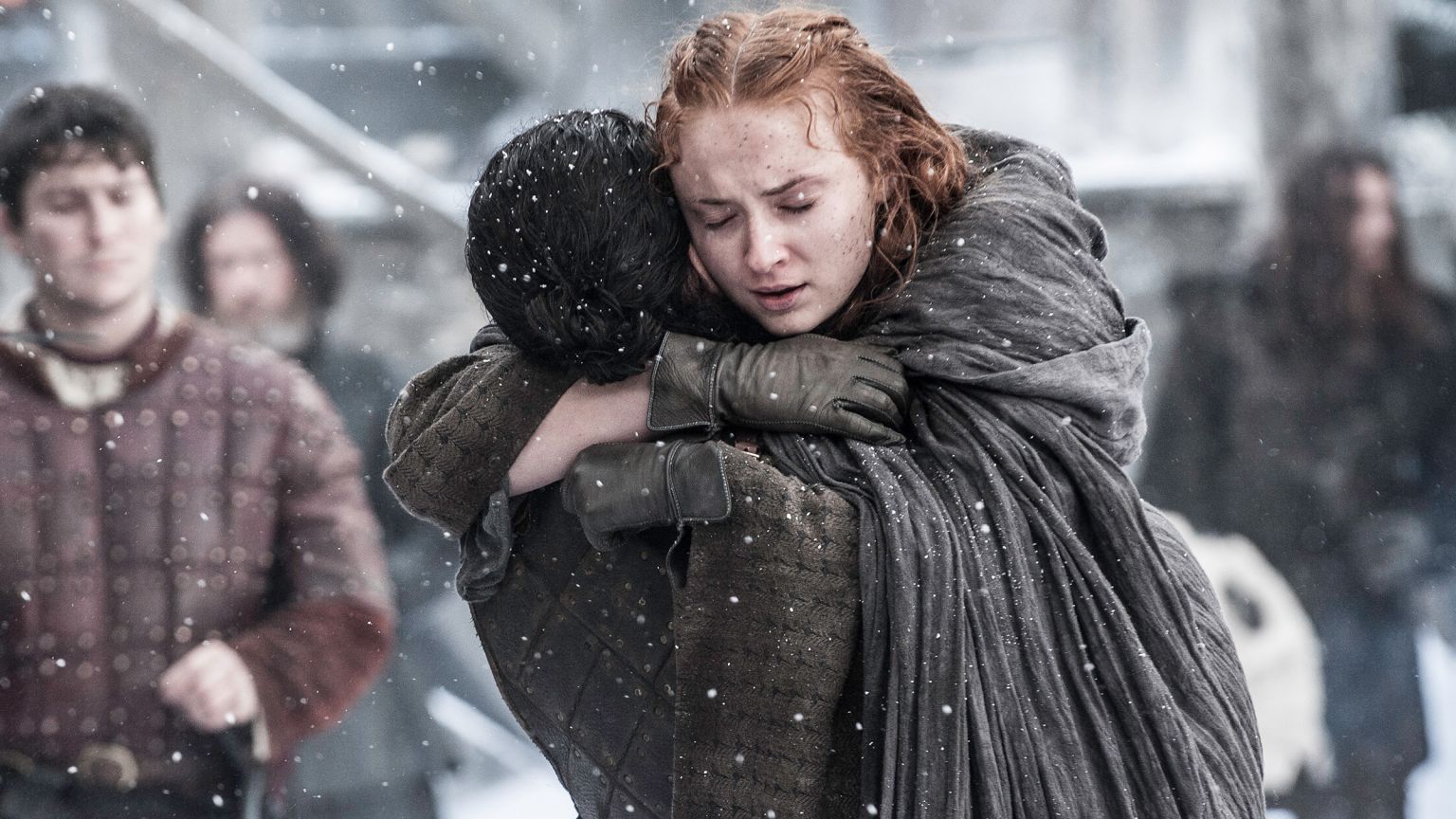
Game of Thrones: Top 10 Moments of ‘Book of the Stranger’

game of thrones book stranger

Our watch of this week’s episode of Game of Thrones has ended, and we have a lot to talk about when it comes to Season 6, Episode 4: “Book of the Stranger.”

The Now Conspiring podcast team covers the top moments of the episode, touring the planetos and getting into the typical dragon-sized spoilers you’ve grown accustomed to. Enjoy!

DARK QUESTIONS, DARK ANSWERS: Who was your MVP of the episode, as well as your death prediction for next week? Also, do you ship Tormund and Brienne?

Let us know your genius answers in the comments, in case you happen to be correct so we can congratulate you with a sip of wine at our next nameday. And be sure to subscribe to the show on iTunes and/or Stitcher, and rate us if you like us!

Mo’ Money Monster, Mo’ Problems

money monster

This week on the podcast, the Now Conspiring team runs through the big entertainment news of the week, reviews Money Monster, as well as Uncharted 4 and Overwatch.

QUESTION OF THE WEEK: Which recently canceled show do you wish could be un-canceled? Also, don’t forget to pick an impression for Sam to stick with! There’s a special segment of the podcast to help you decide…

Go on…Mo’ Money Monster, Mo’ Problems

Review: ‘Money Monster’ Is Almost, But Not Quite, a Buy

money monster review

Films about Wall Street, greed, and the likely combination of the two have always been reserved for a certain type of moviegoer. Mostly the ones who care enough to understand the differences between the DOW and the NASDAQ, for example.

Last year’s The Big Short might have started a new trend, though, when it comes to films about how “big money” affects everyone, not just rich stockbrokers. And if that film was a prototype for how a complicated financial crisis could be better explained to outsiders or newcomers, then Money Monster feels like its made-for-TV spinoff.

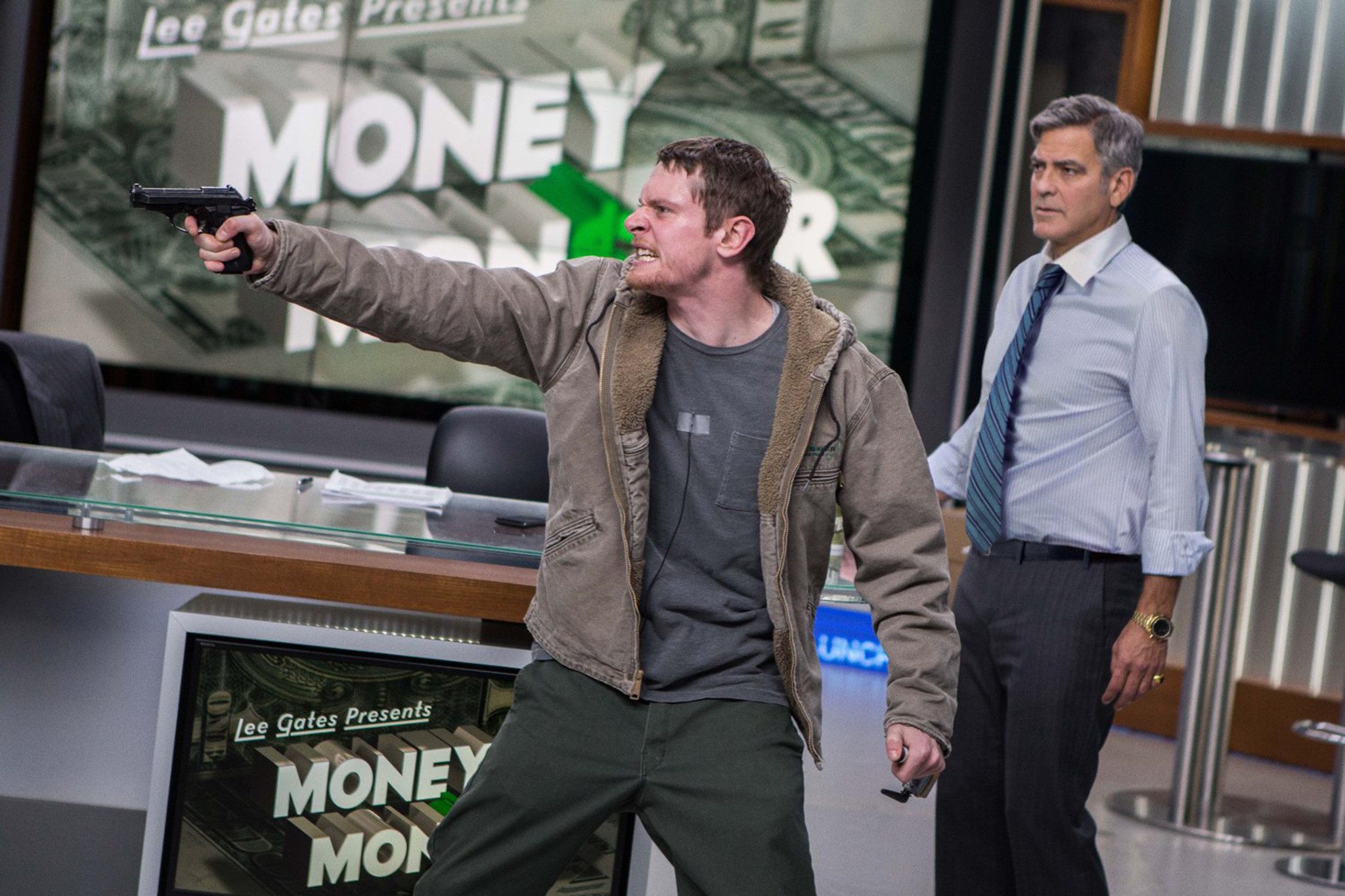
That’s not to disparage the movie, outright, but simply illustrate the downsizing in scale and entertainment value. To hook viewers, Money Monster begins as a hostage thriller, when a disgruntled victim of a bad call (played by Unbroken star, Jack O’Connell) hijacks a live Mad Money TV show clone hosted by George Clooney playing George Clooney if he had Jim Cramer’s job.

But as a whole, Money Monster wants to be about more than a singular man in search of answers while his finger is on a trigger, ready to set the studio to explode on live TV. It tries hard to place universal attention on the millions of people we didn’t really see on The Big Short. The ones who lost big when they bet big.

money monster review

The movie even transitions its multi-camera editing to ample shots of normal people reacting normally and nonchalant to what is frankly a terrifying situation occurring down the street. The intention is to drive home the point that people care little about the details of where their digitized money goes, but it falls flat about the seventh time the viewer (who has so far been hooked into a competent psychological showdown) is shown seemingly random scenes of hackers across the world playing video games while all of this goes down.

It’s these dramatic and abundant tonal shifts that weaken what could have otherwise been an effective, even moving film carried well by Julia Roberts, who plays the director in charge of keeping the cameras running per the gunman’s demands. The three-way-tug between her, O’Connell, and Clooney is easily Money Monster at its most interesting and somewhat unique. It’s just a shame that director Jodie Foster felt the need to cram quasi-relevant pop culture and news junkie references all over this film to drive home a point that could have been made with much less.

Grade: C+

Extra Credits:

  • Despite the low grade, I still think this movie is worth seeing for a lot of people. They just have to put up with a lot of eye-rolling fake news clips and Vine references while waiting for the good stuff the movie does provide (eventually).
  • I have a soft spot for Jack O’Connell, mostly due to his lightning-in-a-bottle performance as Cook in Skins. It’s almost a problem for me because I can’t unhear his British accent.
  • I didn’t say much about George Clooney for the same reason I didn’t in Tomorrowland or most of his other movies. The guy knows that at this point, he’s best at his most familiar. Though I’m craving an artistic renaissance from him, because we all know his talent didn’t stop at Up in the Air.
  • The above goes double for Giancarlo Esposito, who plays the one-note police captain.
  • I forgot to mention that this movie’s attempts at humor land about half the time. And when it doesn’t work, it really doesn’t work.
  • I’m going to rate Money Monster a SELL. Or however a C+ translates.

I’m Jon and thanks for reading this. You can subscribe to my posts by clicking “Follow” in the right sidebar. Or just say hey on Twitter! @JonNegroni

Snarcasm: I Review Movies Because I Hate Them

review movies hate

Snark + Sarcasm = what you’re about to read. 

Being a film critic is a tough job, mostly because you have to watch an endless amount of mediocre movies on top of all the ones you actually want to see. But we keep doing it for our own reasons; some critics enjoy the pure art of filmmaking and find greatness in even terrible stories.

Other critics, like me, care mostly about narrative, characterization, and cohesion. So you can read my reviews and get a sense for how I’m critiquing a film, and I even like bad movies from time to time when the story grabs me.

But then some critics seem to find zero value in anything that doesn’t align perfectly with a standard that’s alien to almost everyone reading the review. Hence, they write terrible reviews that leave us scratching our heads and missing the musings of Roger Ebert.

review movies hate

One such review is a write-up about Captain America: Civil War by Matthew Lickona on San Diego Reader. In it, he proves that less is not always more, like an entree salad without dressing or a review on Entertainment Weekly.

Lickona starts with a dependent clause (obviously):

A comic-book movie in the pejorative sense of the term

So right off the bat, he’s criticizing the genre itself. If he’s not a fan of comic-book movies, why be paid to review them, or want to be paid to review them? So people who were already uninterested have something to thumb through while NPR is reporting something interesting?

starting with the bizarre moral acrobatics required to set up the internal strife mentioned in the title.

Except the strife between Captain America and Iron Man has been building since they first met, and even before they met. It’s not “bizarre” or out of place because we’ve watched each of these character form the worldviews they espouse in this film in their previous movies.
review movies hate

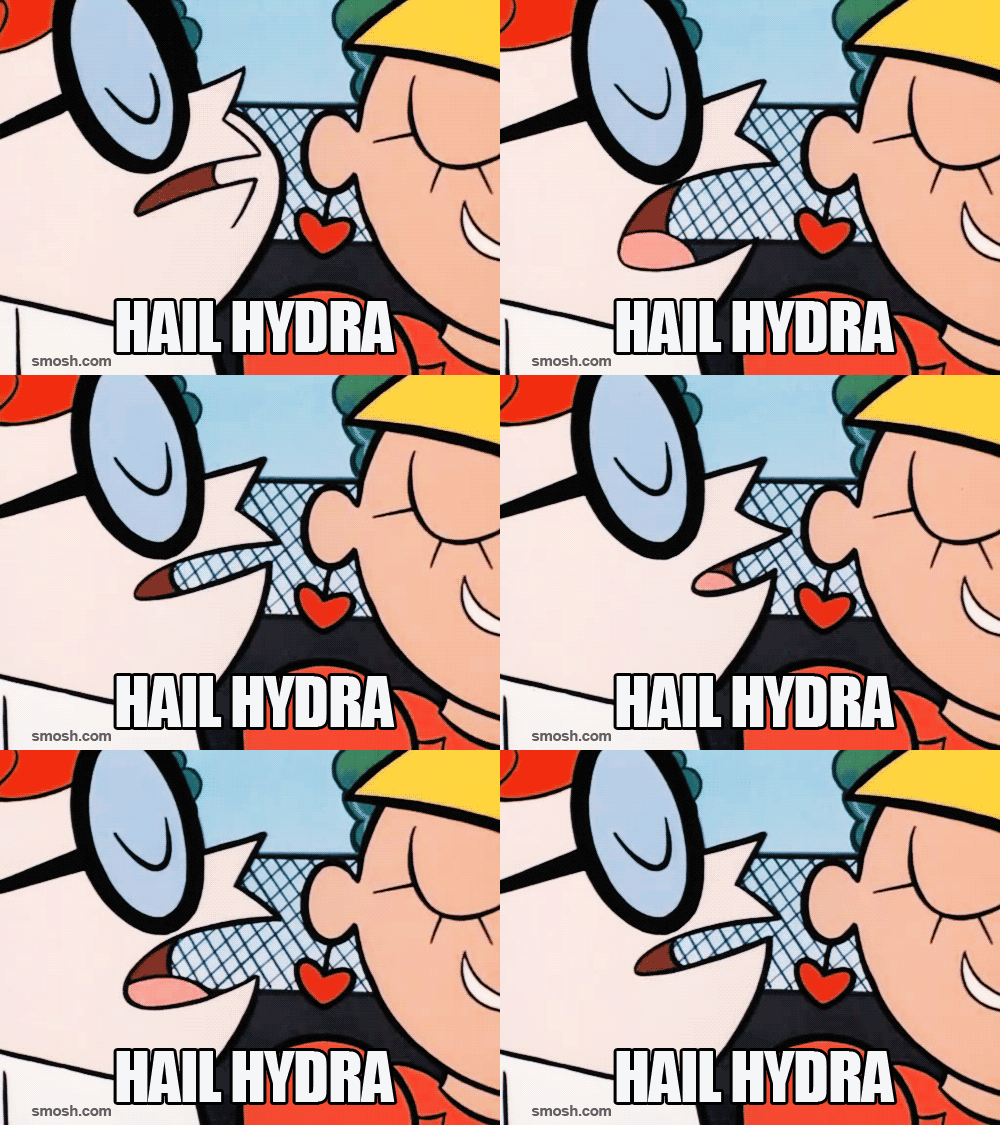
Captain America is a skeptic of government intervention because of what happened with Hydra in Winter Soldier. Tony Stark is feeling guilty for causing the catastrophe that was Ultron in Age of You Know What. The only acrobatics that went on here were in the fight scenes, so can we talk about those?

Sure, members of the Avengers saved the world a few times over, but innocents died in the process, and so someone’s got to take the blame. Or at least accept a government collar.

Indeed.

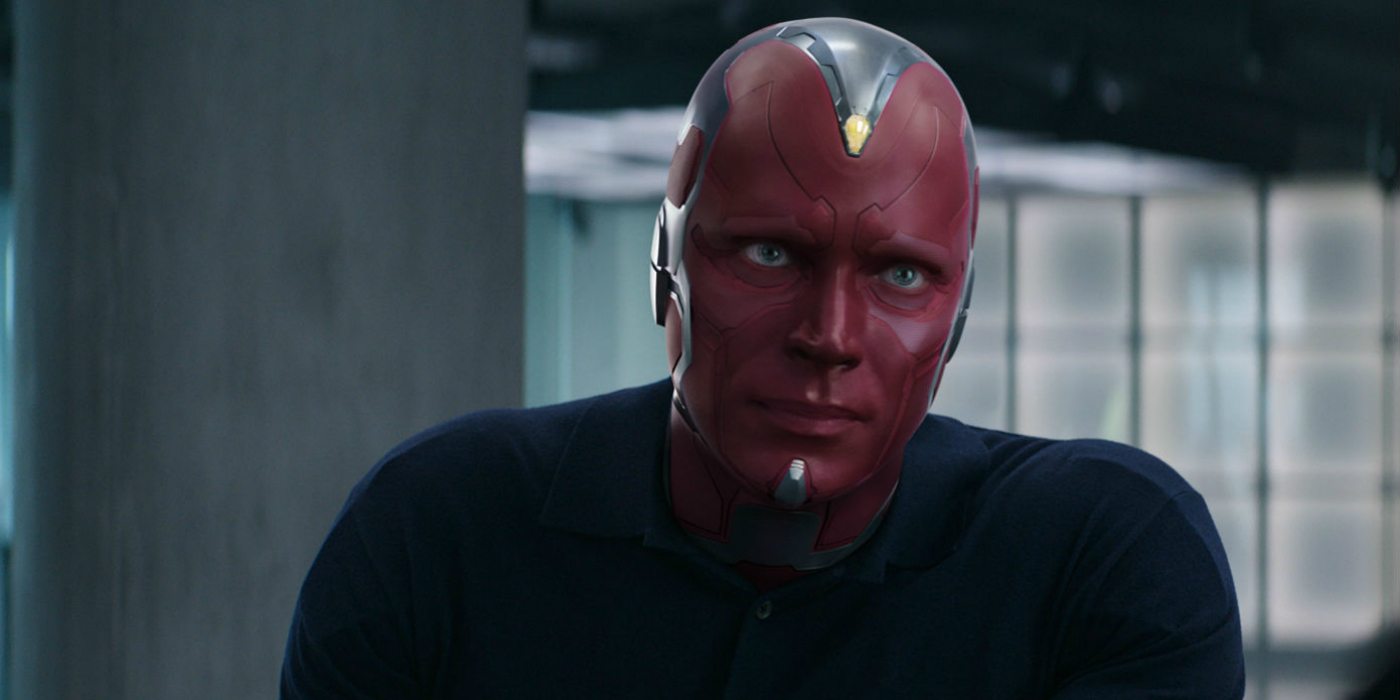
Human computer The Vision must have fried a circuit explaining it thus: “strength invites challenge; challenge creates conflict; conflict breeds catastrophe.”

The Vision is neither a human or a computer. And he seemed pretty calm while explaining this, “circuits” and all.

Never mind that the Avengers were gathered in response to a threat, not vise versa.

In almost every cases, these threats were direct results of the Avengers’ actions, hence the whole point of this conversation in Civil War. Tony Stark becoming Iron Man kicked it all off, inviting the strength of Loki and his alien overlords who invaded New York. Then the creation of Ultron brought on another crisis, proving Vision’s point that catastrophic events have exploded (no pun intended) since the Avengers first assembled.

Oh sorry, was I supposed to never mind?

review movies hate

The red-blooded patriot Captain America holds to principle, but former arms dealer Iron Man’s bad conscience gets the better of him, and the conflict is, as they say, created.

So the plot being artificial is his point (I guess, because lord knows he won’t be going into depth about this). Except, like I said, this conflict was born out of previous threads in other movies, making it feel like an expected debate after the tension that began between Rogers and Stark back in Ultron.

(Just try not to giggle at the notion of the US Government gravely fretting over collateral damage.)

Whoa there, Huffington Post, no need to get political on us.

First of all, no. You don’t think that the death of innocent people at the hands of reckless metahumans in our own country (and New York City no less) wouldn’t sound the alarm for the government, let alone the UN? They wouldn’t “fret” as you say? That’s too much of a suspension of disbelief for you, what with their dropping a city from the sky a few years later?

review movies hate

If anything, it’s harder to believe that the world governments didn’t do anything sooner.

Anyway, let’s get back to this sunburn-inducing hot take.

Moving on to the tension-free spectacle of heroes punching heroes — lots of flying bodies, minimal damage done

It’s legitimate to point out that the hero vs. hero scenes have less tension early on because you can even tell that they don’t really want to hurt each other, which makes sense within the context of the story. But that’s discounting a wide swath of action in this movie that isn’t hero vs. hero or done with lighthearted intention.

(Spoilers for Civil War from here on out)

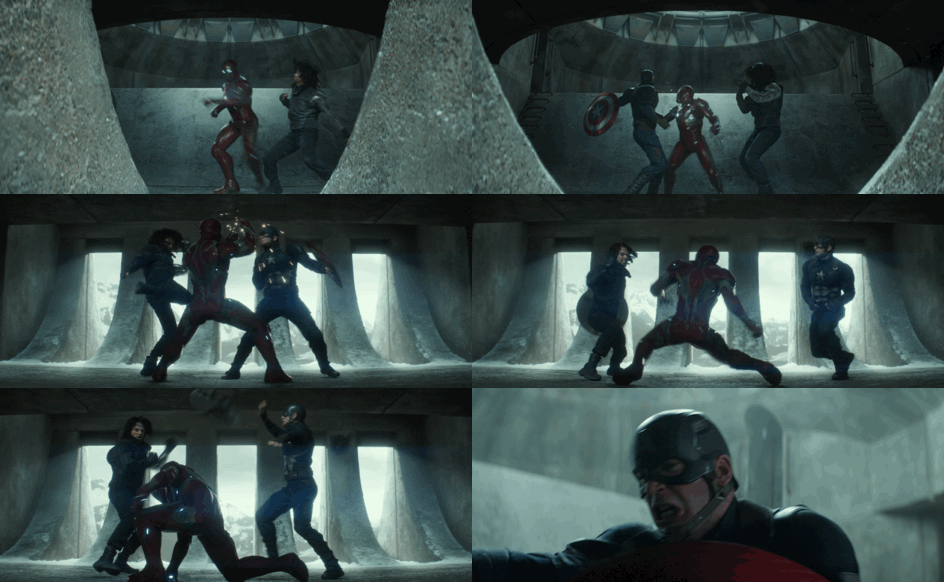
Black Panther really wants to kill Bucky. Those FBI agents really want to kill Bucky, and Cap has to work harder to make sure Bucky doesn’t hurt them too much. And at one point late in the movie, even Tony Stark and Steve Rogers look ready to kill each other. You really think there was no tension when Cap was about to bash the shield into Tony’s face after disabling his arc reactor? You got nothing from that?

And finishing with the final reveal of the evil mastermind’s absurdly convoluted plot.

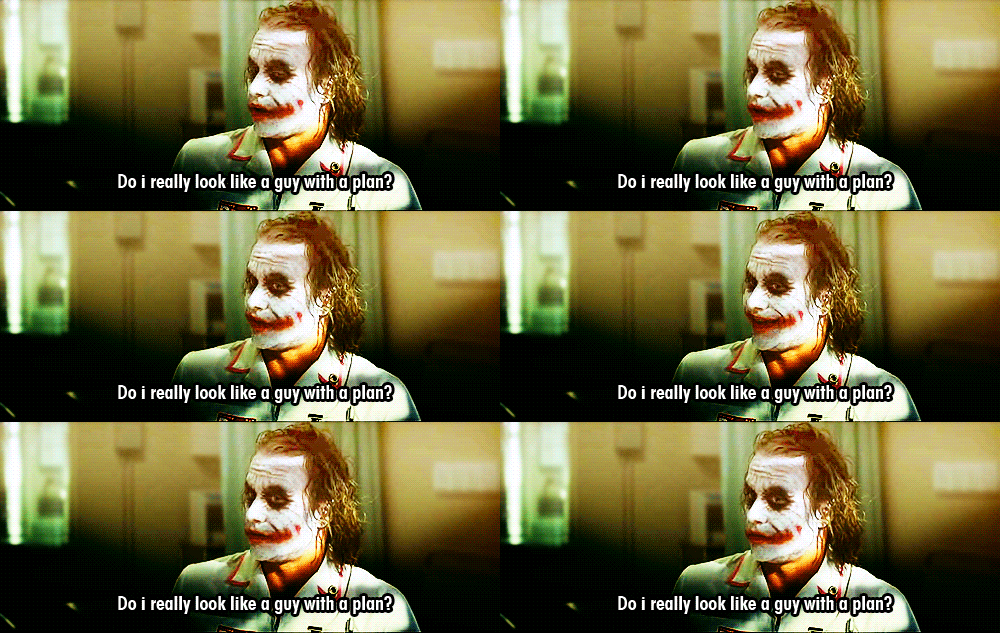
We can definitely complain about how strangely detailed it is, but it’s still on par with other convoluted master plans like the Joker’s in The Dark Knight. Though Lickona probably hated that too.
review movies hate

While it’s a peculiar plan to wrap your head around, it’s at least worth mentioning that the ending subverts your expectations of the villain, his motivations, and how the movie plays out. You think it’s going to end with the heroes uniting to stop a bigger threat, but instead, the villain wins and divides them.

But no, the plot is somewhat convoluted, so the whole thing is worthless.

The jokey super-banter remains to provide comic relief, and there are one or two moments that really stick (Cap vs. a helicopter, Iron Man vs. his own rage, and hey look, Spider-Man!).

“I like some stuff in this movie. 1/5 stars.”

No seriously, that’s his rating.

But mostly, this one registers as sound and fury, signifying sequels.

Just like Empire Strikes Back, which ended on a cliffhanger. Obviously, a movie that spends too much time setting up for future installments, rather than providing a great story, deserves the criticism. But Civil War was far more payoff than buildup to something else, and the fact that it does at times lay seeds for future films doesn’t suddenly poison the entire picture, unless you let it.

review movies hate

Look, I get that Civil War is a flawed movie and it certainly isn’t for everyone. And I totally buy that Lickona thought it was a bore of a movie, and that’s fine. My issue is that his review completely ignores his readership, or an understanding of why people love movies. He’s actively misleading people by dishing out crude marks based on glorified nitpicks.

By all means, break the movie down and explain what the instruments are that delude you. Don’t just slap a 1/5 stars on your paragraph of copy and then make sarcastic comments on repeat.

So I’m left wondering why Lickona even reviews movies at all, based on the clear evidence that he seems to hate the vast majority of them.

What, don’t believe me? Here are some other films Matthew Lickona has rated 2/5 stars or lower:


  • Zootopia
  • Inside Out
  • Star Wars: The Force Awakens
  • Dead pool
  • Whiplash
  • Birdman
  • Skyfall
  • The Martian
  • Sicario
  • Big Hero 6
  • The Good Dinosaur
  • Gone Girl
  • Guardians of the Galaxy
  • How to Train Your Dragon 2
  • X-Men: Days of Future Past
  • Captain America: The First Avenger
  • Bridge of Spies
  • The Fault in Our Stars
  • The Imitation Game 
  • Wild 
  • Avengers: Age of Ultron
  • Edge of Tomorrow
  • Neighbors
  • Kingsman: The Secret Service
  • The Dark Knight Rises

And many, many more.

Guess how many movies he’s rated 5/5.

Right! The answer is 0. And this guy expects you to believe him when he says that Captain America: Civil War is a bad movie because something something pejorative.


Hey! If you’ve come across a silly article that deserves the Snarcasm treatment, send it my way via Twitter or the comments below!

I’m Jon and thanks for reading this. You can subscribe to my posts by clicking “Follow” in the right sidebar. Or just say hey on Twitter! @JonNegroni


Game of Thrones: Top 10 Moments of ‘Oathbreaker’

game of thrones top 10

Our watch of this week’s latest Game of Thrones has ended, and we have a lot to unpack with Season 6, Episode 3: Oathbreaker.

We’ve consolidated our usual recap into a Top 10 of the episode, highlighting our favorite revelations and theories coming out of this week’s episode.

As always, this episode is filled to the brim with mutton-sized spoilers for the show and even some mild book spoilers, so listen no further if you want to remain unsullied.

DARK QUESTIONS, DARK ANSWERS: Who was your MVP of the episode, as well as your death prediction for next week? Also, what do you think of the R + L = J & M theory?

Go on…Game of Thrones: Top 10 Moments of ‘Oathbreaker’

On Second Thought, Zemo Was One of the Best Things About ‘Civil War’

civil war zemo

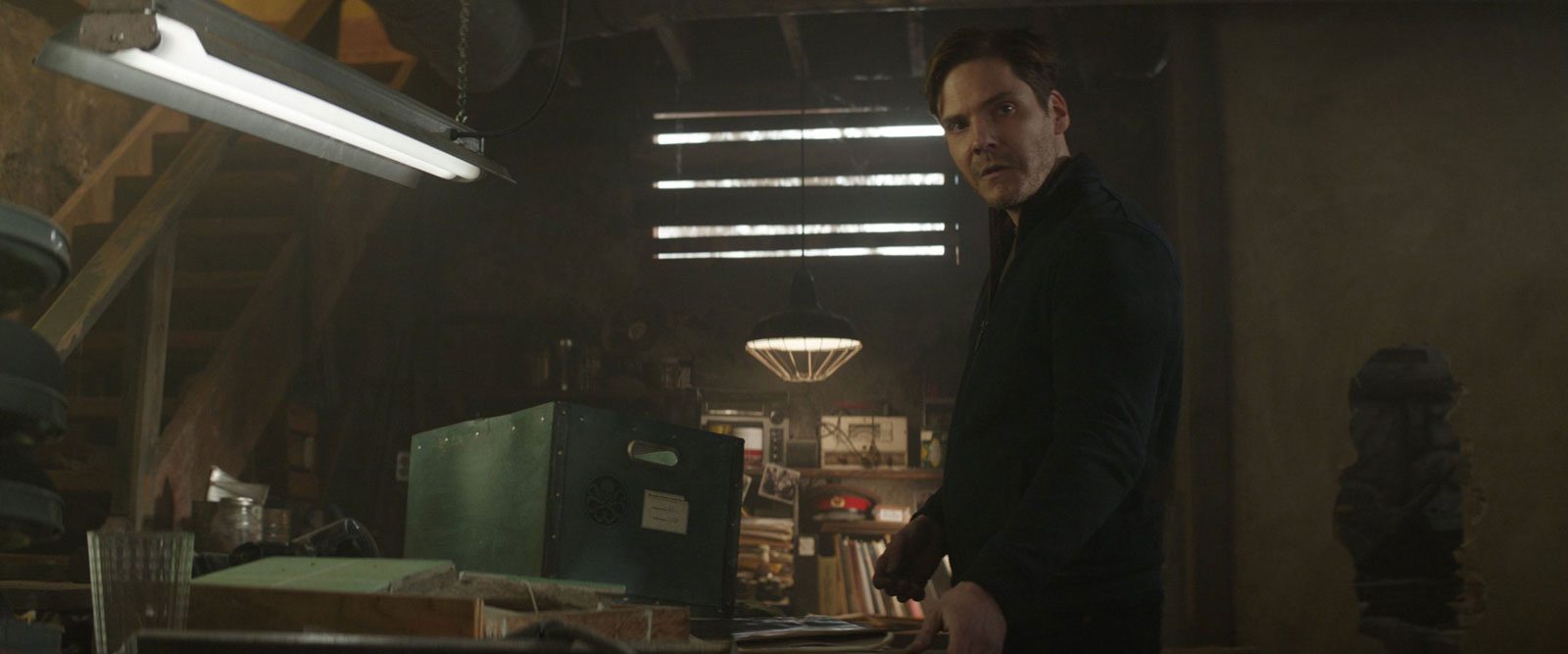
My initial reaction to Helmut Zemo in Captain America: Civil War was quite similar to the reactions fans and critics have had with most Marvel cinematic villains.

“Is that it?” we all tend to wonder.

The important thing to remember is that most Baron Zemo fans enjoy the more recent incarnations of the character. In his early run, Zemo was a fairly generic “bad guy” seeking revenge against the Avengers because his father died while fighting Captain America.

It wasn’t until the 80s that the character was involved in some more intriguing story arcs, including his formation of the Thunderbolts, which was a team of villains pretending to be heroes who ultimately become heroes for real because they like it so much.

In Civil War, I didn’t see much of this Zemo being played out by the talented Daniel Brühl. True, they both have a thirst for vengeance, and both have a genius-level intellect akin to D.C.’s Lex Luthor. But the characterization was a far cry from the more enigmatic villain we know and hate to love. In Civil War, he’s muted and seemingly interchangeable.

civil war zemo

(Plot spoilers from here on out, so if you haven’t seen Captain America: Civil War, read no further unless you don’t mind getting spoiled.)

You have to admit, though, that the villain in Civil War is also very different from most of the antagonists we’ve seen play out in the Marvel Cinematic Universe. For one thing, the film doesn’t kill him off, which is a typical death wish for villains unless your name is Loki. Also, the film seems very interested in developing Zemo further, likely offering this version of Zemo as more of an origin, foregoing the rest of his arc for future films.

Take a look at some of the other heavy-hitter villains in the MCU. We see the origin of Obadiah Stain in Iron Man as he betrays Tony and dons a bigger, badder suit, only to get killed in the end. Blonsky in The Incredible Hulk also goes through the same process when he becomes the Abomination, only to get killed in the end.

Red Skull? Becomes Red Skull before the movie even starts, and then he gets killed in the end. Ronan? Uses the infinity stone to gain power and gets killed (presumably) in the end. Ultron? He’s literally born and killed in the same running time. Yellowjacket? A copy and paste of Obadiah Stain.

Don’t even get me started on the Mandarin.

civil war zemo

But Zemo’s arc in Civil War isn’t quite as familiar. His evil turn happens entirely off-screen, and months before the movie begins. He doesn’t die by the time the credits roll. In fact, he actually wins in the end, accomplishing exactly what he set out to do. The “super soldiers” are dead. The Avengers have been split up. Their “empire,” as he calls it, has fallen.

The only thing he didn’t account for was Black Panther tagging along and preventing his suicide. The one thing he couldn’t predict was a person actually overcoming their thirst for vengeance.

For once, I’m actually intrigued by what happens next for this villain, even more so than Loki. I think my initial and frankly negative reaction was painted by a decade of getting used to Marvel’s rule book of three-act villains. Now it seems that Marvel (with some help from the Russo brothers and their dream team of screenwriters) is trying something new with its bad guys. They’re treating them like they would their protagonists.

The heroes of the MCU are arguably why we love these movies so much, faults and all. We love, know, and understand these characters. And I’m all for Marvel slowing down with stories for their villains, who should be just as important. Why does Zemo need to have a beginning, middle, and deadly end within the course of a movie that is already stuffed to the brim with major plot points? Why should he be any of the characters we already know doing battle in the scene depicted below?

ciivl war zemo

That means, of course, that we can’t get the full picture of Zemo until we see how the events of Civil War change him. Will he become what he hates the most (someone with a suit) in order to stop the Avengers once and for all? Or will he move on and become something more of an anti-anti-hero, possibly leading the Thunderbolts in his own movie?

I’d be fine with either or even both, and seeing these movies from the big picture one day, it could certainly be one of the best things we got out of Civil War, beyond a few stellar action scenes and a spot-on Peter Parker.


Did you like Zemo in Captain America: Civil War? Let me know in the comments below. 

I’m Jon and thanks for reading this. You can subscribe to my posts by clicking “Follow” in the right sidebar. Or just say hey on Twitter! @JonNegroni

The ‘Captain America: Civil War’ Civil War

captain america civil war review

Hey all, things get heated on this week’s episode of Now Conspiring, where we review Captain America: Civil War. In short, things get…heated. We do a spoiler-free review followed by a discussion where we spoil the movie aplenty (with warning).

Jon, Kayla, and Adonis loved the movie, but Maria was pretty mixed. Oh, and Sam is there even though he didn’t see the movie. Let the conspiring begin!

QUESTION OF THE WEEK: Are you Team Cap or Team Iron Man? On that note, are you Team Jon & Adonis, or Team Maria & Kayla? Also, please let us know which impression you want Sam to do from now on!

Go on…The ‘Captain America: Civil War’ Civil War