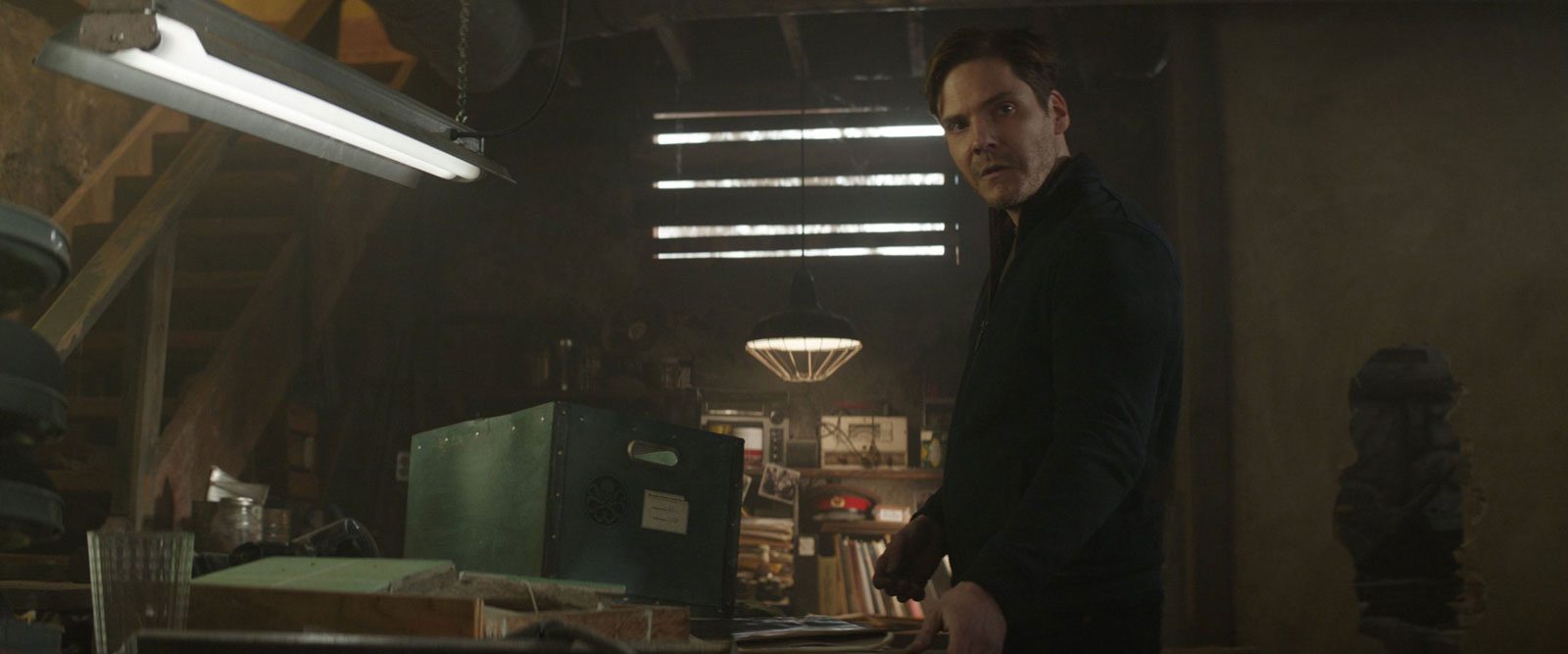
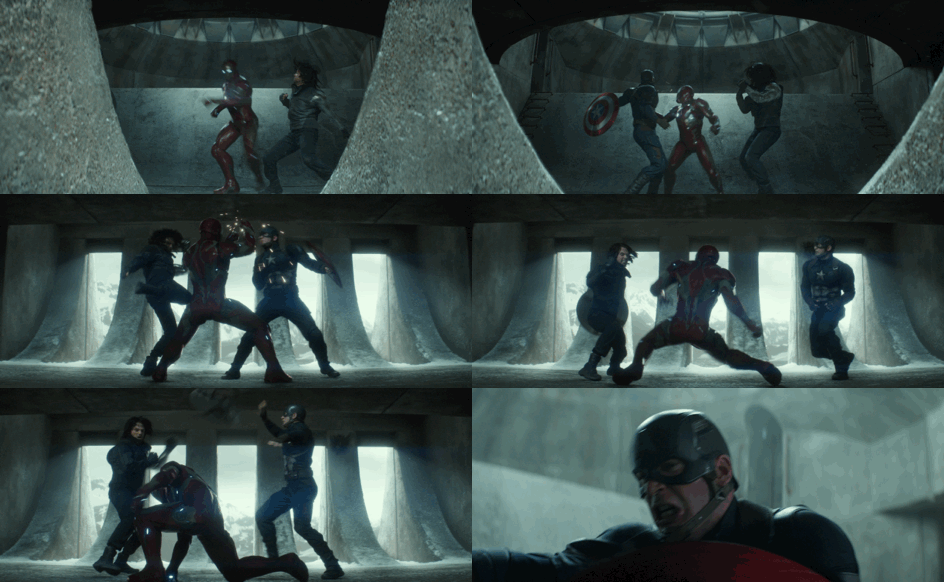
Ranking The Best Superhero Movies Of 2016

From Deadpool to Doctor Strange, here’s how I rank the top superhero movies of the year. The post below is a transcription of the video above, minus some extra commentary at the very end.

It’s pretty obvious at this point in 2016 that the “superhero genre” is here to stay. These movies seize a huge share of box office profits every year, and their mainstream takeover isn’t slowing down in the slightest. Going back a decade, we’ve gotten at least four or five “big” superhero movies a year, sometimes six, and this year saw eight alone, with all but two of them being huge moneymakers and making the top 10 grossers of the year.

I say “superhero” movie, by the way, because things get messy when you try to categorize these films by “comic book.” For the same reason it would get a little hairy if you tried to lump all book adaptation movies together, because they stretch across so many genres and sub genres. With a superhero movie, you’re at least addressing a few basic similarities between movies that are derived from DC, Marvel, and other studios. You have a hero (or heroes) with strange abilities who goes on some type of emotional, action-packed journey.

superhero movies 2016

So this year, I want to point out which superhero movies in 2016 were “better” than others, not just from a film critic standpoint, but also from how they contribute or don’t contribute to the ever-expanding superhero movie genre. I have to leave out two movies in particular because I haven’t seen them: Teenage Mutant Ninja Turtles: Out of the Shadows and Max Steel. Because I don’t review absolutely everything that comes out, these ended up being on my cutting board of films to review over the summer, and I have no desire to check them out anytime soon.

But the rest of the entries on this list are certainly ones you’ve heard of if you’re a big fan of superhero movies, but in case you haven’t watched them all, I’ll be avoiding any and all spoilers within reason. So let’s begin with the worst of the bunch:

#6 Batman v Superman: Dawn of Justice

superhero movies 2016

The film critic in me can’t stand this movie. It’s an abomination of narrative, pacing, and character development to the point of almost being a parody. But the DC fan in me has plenty of nice things to say in spite of all that, notably from a visual standpoint. The costumes are incredible, the subject matter is at least interesting in theory, and most of the characters are well-cast with the exception of Jesse Eisenberg as Lex Luthor.

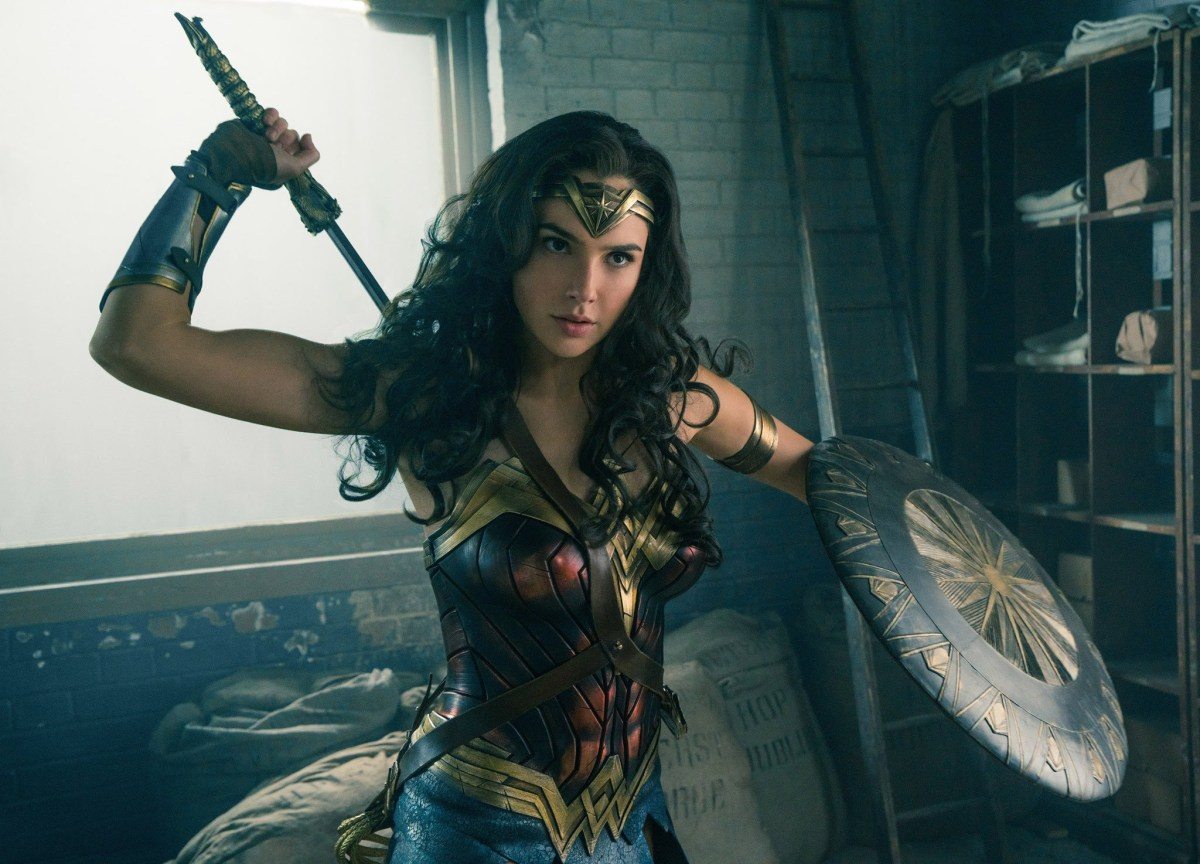
The strange thing, though, is that despite being such a weak movie overall, it contains some of my favorite superhero moments of 2016, including Batman’s warehouse fight, the Trinity’s stand against Doomsday, and Wonder Woman’s theme music. Unfortunately, these bright spots just don’t overshadow enough of the problems to redeem the rest of this frustrating embarrassment of a superhero movie.

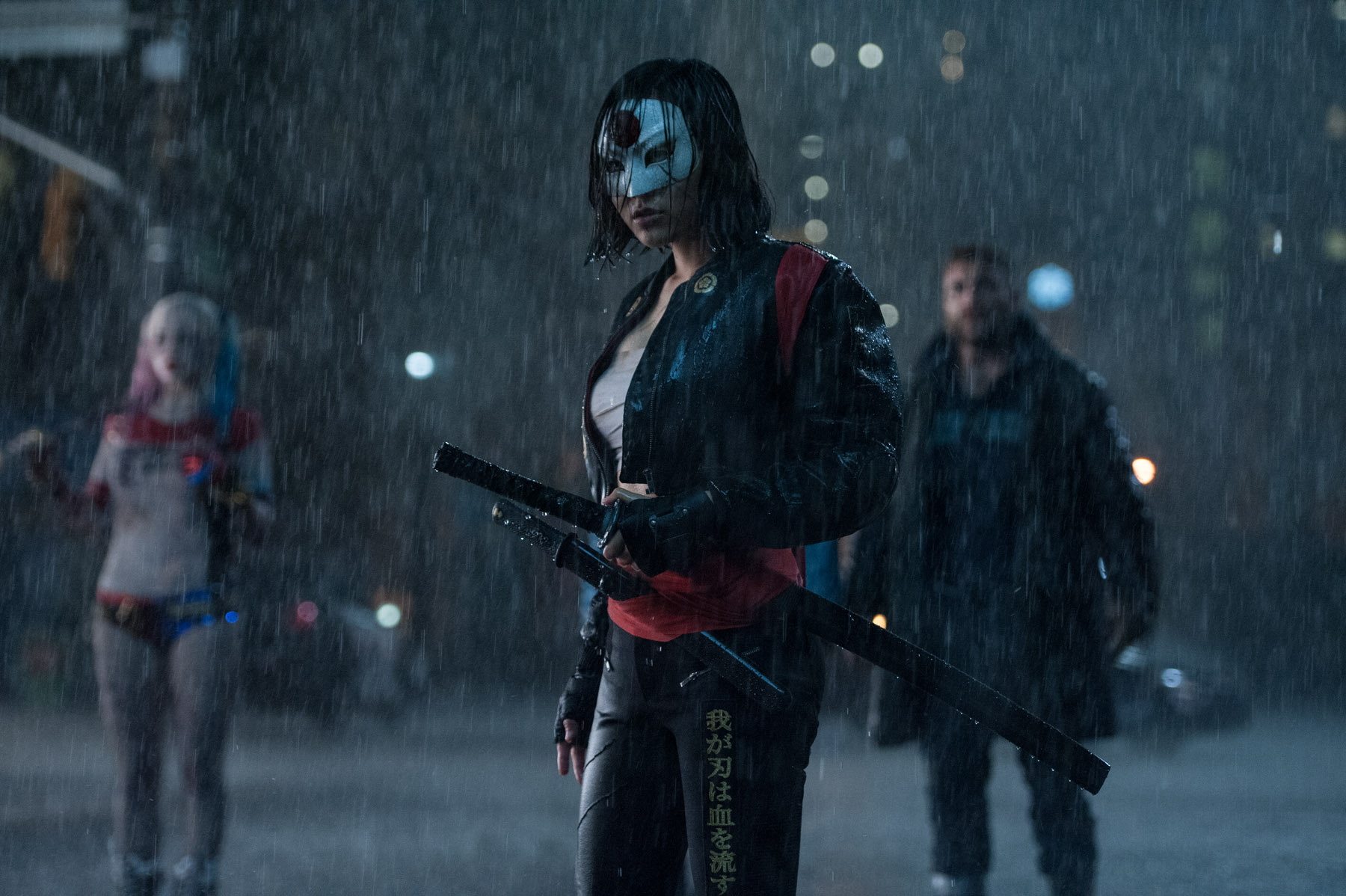
#5 Suicide Squad

superhero movies 2016

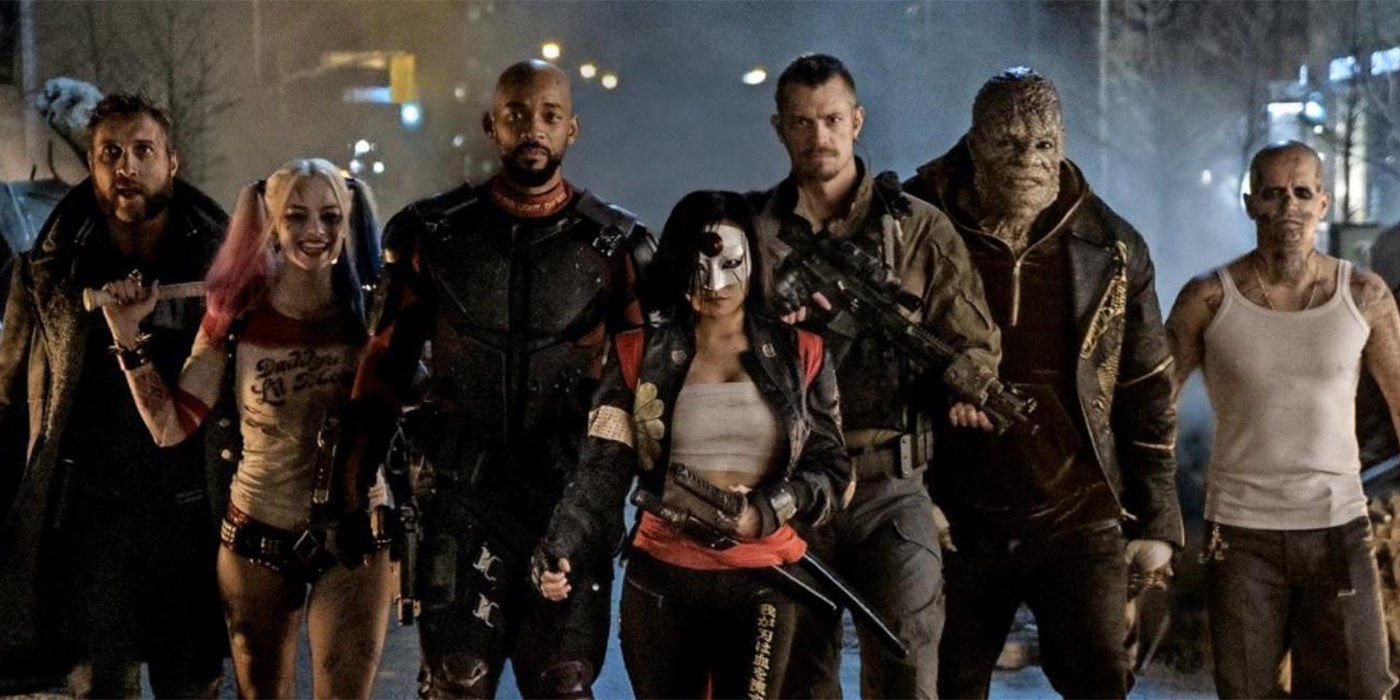
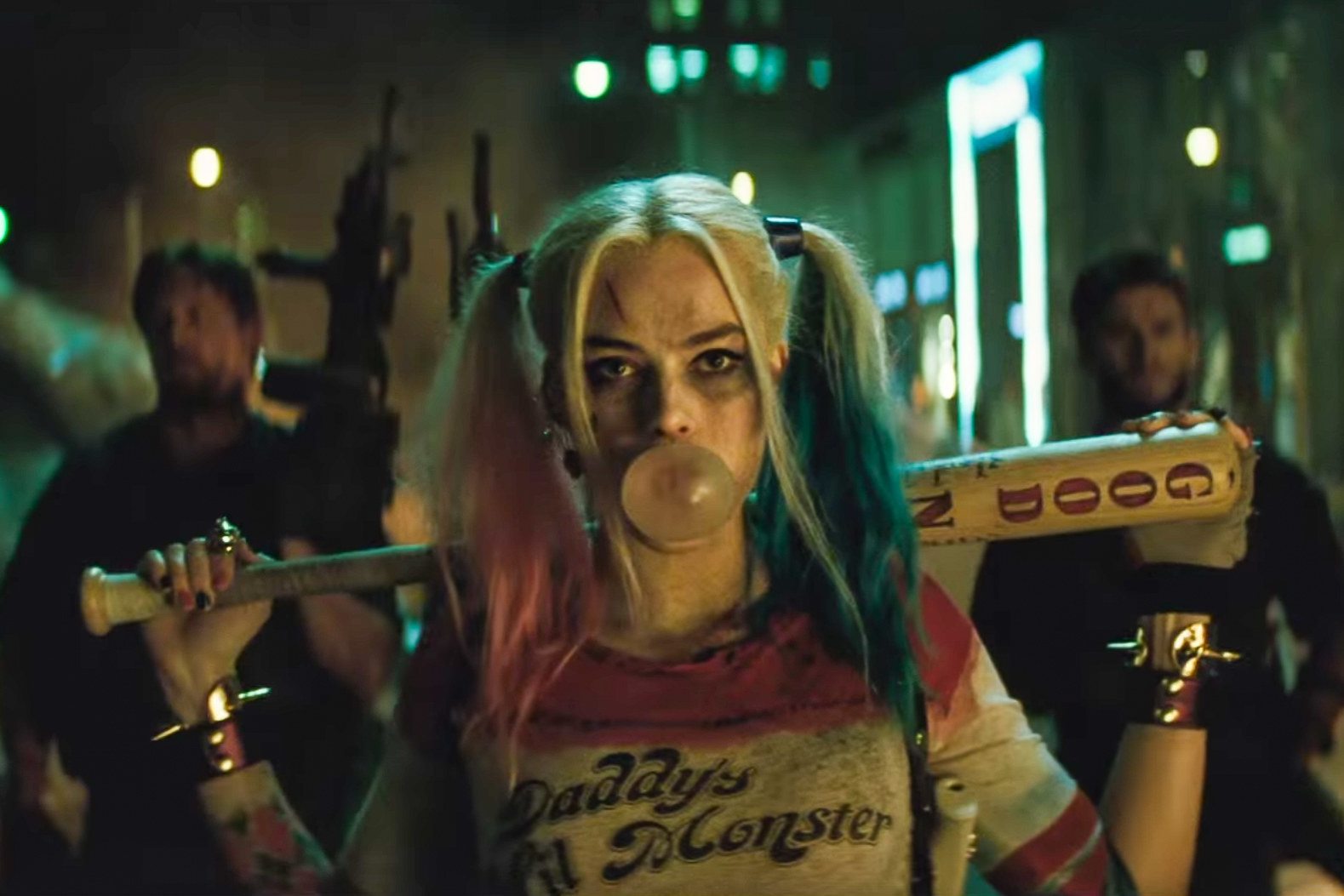
For me, Suicide Squad was just a slim margin better than Dawn of Justice, mostly because the standards were set just a little lower thanks to this being a movie about lesser-known characters I’ve always wanted to see on the big screen.

It does have some of the same issues as Dawn of Justice, though, particularly when it comes to style over substance with its visuals and plot. But the characters are mostly fun to watch and suggestive of a bigger, better DCEU we haven’t gotten to see enough of yet.

#4 X-Men: Apocalypse

superhero movies 2016

I actually liked this one quite a bit more than most, mainly because I’ve been hoping for a better realization of these characters since the third X-Men movie, and for the most part, Apocalypse is immensely entertaining lore for longtime fans.

It’s nowhere near perfect, of course, but there are enough great moments here to overlook some of the bland story structure and checklist of characters for Fox to cross off their list. This is one of those superhero movies I walked away from wanting more, which is both a criticism and a complement in this case.

#3 Doctor Strange
superhero movies 2016

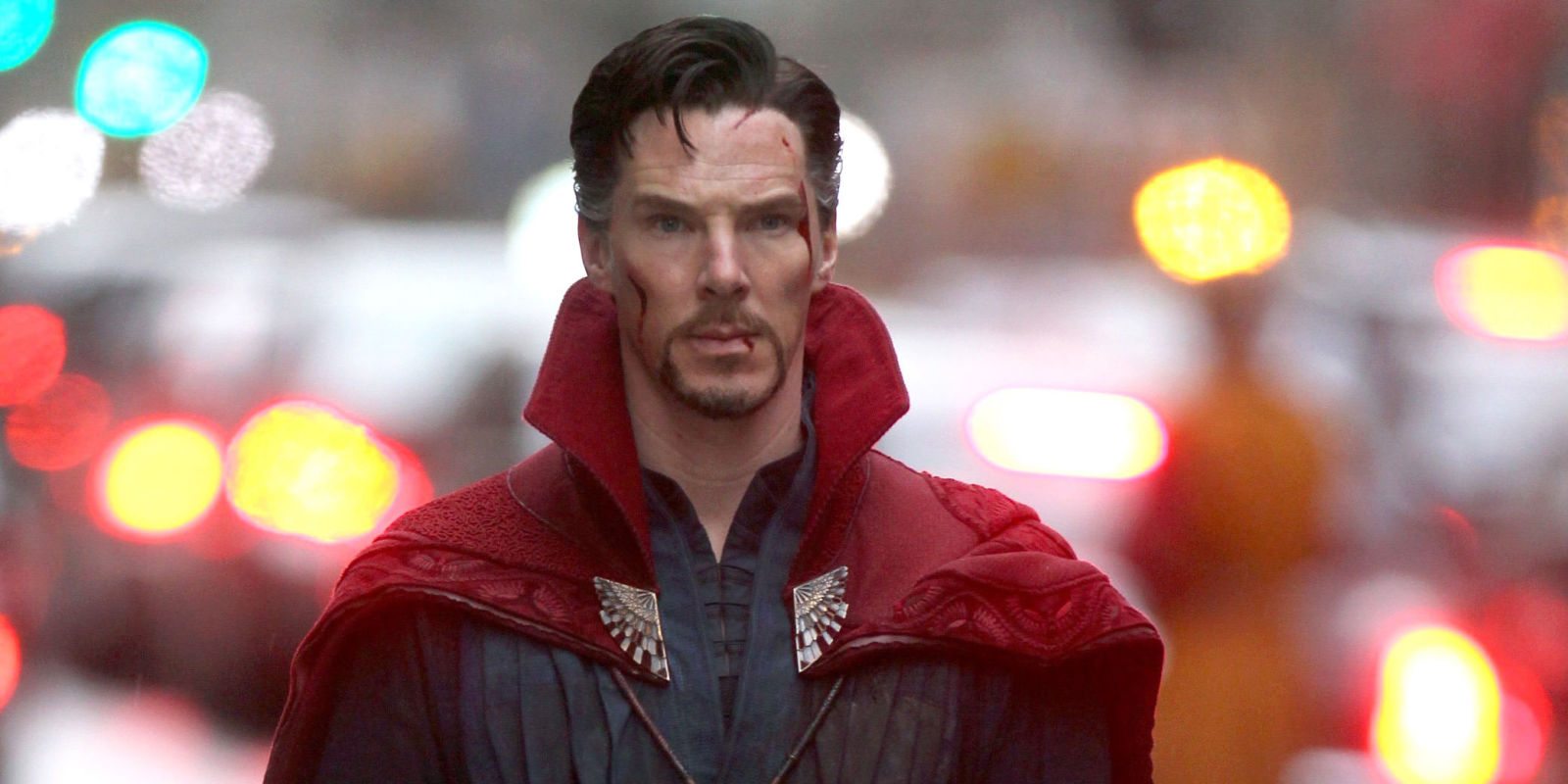
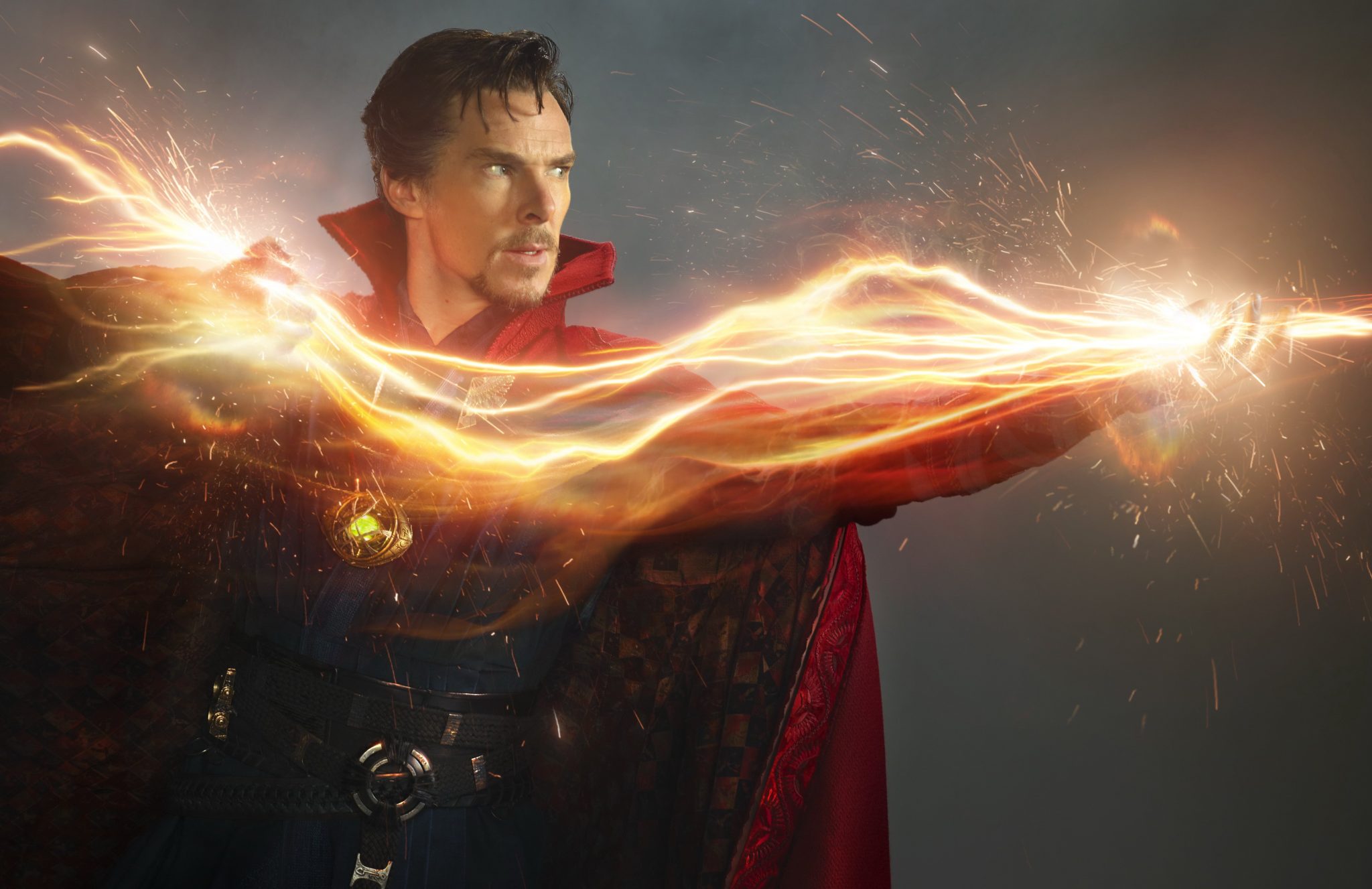
Familiarity breeds contempt, and so it goes for some who view Doctor Strange as more of the same from Marvel. And they’re not entirely wrong. This is the origin formula Marvel has been polishing since 2008, complete with a flawed protagonist who has to humble himself after gaining extraordinary powers.

And mileage varies for anyone who appreciates some stunning visual effects that go with the whole package, as you might be one of those viewers who can’t get past folding cities reminding them of Inception, or just someone looking for a breezy, colorful Marvel movie with some clever spins on what’s already worked before.

#2 Deadpool

superhero movies 2016

This was the movie that arguably had the bigger impact on comic book fans this year, even ones who never liked the character much before seeing this movie. And that’s because it’s less a superhero or anti-hero movie and more a self-reflection of the genre itself.

That lended for some great movie moments and humor, but at its core, Deadpool is just barely shy of real greatness, as it only manages to tackle a small handful of neat ideas over and over again, using a formula that’s not far removed from much of what we’ve seen before. It won’t be long before the movie will be remembered as a lightning in the bottle experiment that aged a bit quicker than we expected.

#1 Captain America: Civil War

superhero movies 2016

If you had to criticize Civil War for one thing, it might be that it almost has too much going on in its long running time. But if what you’re looking for is a dense spectacle that reshapes a cinematic universe with recognizable characters, then Civil War absolutely had you in mind.

There were so many ways for this movie to completely fail: the villain could have been atrocious, new arrivals Black Panther and Spider-Man could have been mishandled, we could’ve gotten more Iron Man than Captain America, the emotional stakes by the very end could have come off as meaningless, and so on. But while it stumbles at times, Civil War pulls all of this off in an entertaining, often thrilling way.

And close to everything we love most in the Marvel Cinematic Universe had a time to shine, paid off after years of buildup and patience. Similar to how a comic book event can impact longtime readers, this was worthy of its title and then some.

Thanks for reading this. Seriously. You can subscribe to my posts by clicking “Follow” in the right sidebar. 

Or just say hello on Twitter: @JonNegroni


How ‘Big Hero 6: The Series’ Could Bring Back Tadashi

Big Hero 6 is being made into an animated series on Disney XD, set for sometime in 2017. For those of us still hoping for a Tadashi comeback, this is a good thing.

You can read a full transcription of the video above here

Hey friends, hope you enjoy the video this week. My new channel, Jon in Theory, is growing pretty well so far, and the feedback has been awesome since last week’s Doctor Strange video.

Be sure to send me your content suggestions, even if it involves topics I’ve already covered on this site. I’m even planning an updated Pixar Theory episode, which would be quite the undertaking. Again, send me any ideas you think are worth exploring.

One last thing: I want to plug my weekly live show yet again, The Pixar Detectives, which you can check out on Super News. Every Wednesday at 7pm (Pacific), Kayla Savage and I nerd out about Pixar and Disney movies, and we’ve been doing weekly giveaways, like Pixar T-Shirts, paperback copies of The Pixar Theory, and plenty more.

The audience on that show has become huge in recent weeks, and while that’s great, I’m definitely hoping more of you lovely readers check in as well to see what all the noise is about. Last week, for example, we did a live tutorial on how you can draw Doctor Strange as a Pixar character. Next week, we’ll be exploring Moana during an on-location pre-screening, so be sure to check that out, too.

Alright, that’s all from me. Let me know your Big Hero 6 theories in the comments below!


Thanks for reading this. Seriously. You can subscribe to my posts by clicking “Follow” in the right sidebar. 

Or just say hello on Twitter: @JonNegroni


How ‘Doctor Strange’ Compares To The Rest Of The MCU

Doctor Strange arrives in theaters this week, but how does it measure up to the rest of the Marvel Cinematic Universe?

You can also read a transcription of this video here.

Hope you guys enjoyed my first video for Jon In Theory, a new channel I’ve been working on (hence my radio silence these past two weeks) in order to give you a wider depth of content (and because many of you have been clamoring for me to do videos since 2012). If you still prefer to read on this site, I’ll be providing transcriptions along with each video, as well.

Jon In Theory is a weekly video blog dedicated to thinking deeply when it comes to entertainment culture. I plan on addressing a lot of topics that range from fan theories to persuasive arguments about film and television. These include ideas I’ve written about in the past, like the Pixar Theory and Inception theories. But I also want to try new things as well, like video essays.

doctor strange

So let me know your thoughts on this first episode, which is a quick quasi-review of Doctor Strange as it relates to the larger MCU. And I’m still doing my live Pixar show on Wednesdays (why am I so busy?), which you can check out on Super News.

Enjoy!


Thanks for reading this. Seriously. You can subscribe to my posts by clicking “Follow” in the right sidebar. 

Or just say hello on Twitter: @JonNegroni


Review: ‘Suicide Squad’ is a Guilty Pleasure Worth Admiring

suicide squad review

Note: This review is spoiler-free, but it does contain a major spoiler from the ending of Batman v Superman: Dawn of Justice. You have been warned.

When it comes to comics that center around bad guys defeating even worse guys (and gals), Suicide Squad is one of the most lasting and recognizable of the lot.

It wasn’t the first book to be about villains, of course (though this movie is the first comic book film to have a main cast of villains as characters). But it was one of the first that was actually successful. And that’s probably because Suicide Squad essentially defined the idea of reluctant heroism found in the vilest of our society.

That’s tricky territory, because it presents a philosophical debate that modern society is mostly split on: Are people inherently bad, or are they tainted by an inherently bad world? 

suicide squad review

Fortunately, Suicide Squad doesn’t dwell on these questions for easy dramatic fodder (at least, not as much as it could have). Instead, it takes a note from some of Marvel’s recent films by emphasizing character over spectacle, at least with some of its titular bad guys.

In case you’re unfamiliar with the set up of Suicide Squad from the comics — of which the 80s run is still the best — the idea is simple. A shady black ops leader named Amanda Waller (played by Viola Davis) wants to assemble her own team of metahumans, like Superman, and unhinged specialists, like Batman, in the wake of Superman’s death from the end of Batman V Superman: Dawn of Justice.

The team is codenamed “Task Force X,” but as one of their recruits points out early on in the film, they’re really a “suicide squad” in the sense that they’re not expected to live through the mission that takes up the majority of the film. And that’s because most members of Task Force X are dangerous villains, accompanied by a Colonel and “good” metahuman to reign them in.

As noted earlier, the structure of Suicide Squad is brazenly different from typical superhero and comic book films. It’s focused and constrained to one major location, a familiar technique if you’re caught up with director David Ayer’s other work.

suicide squad review

And the decision to limit Suicide Squad to one mission ends up being one of the film’s greatest strengths, because by the end credits, the viewer is left feeling as if they’ve gone through a significant ordeal with these characters, even if the movie doesn’t always stick the landing with some of its big moments.

There’s as much good as there is bad with Suicide Squad, in the sense that Ayer and his team succeeded at getting this movie right where it really counts — notably with  standout characters like Deadshot (played by Will Smith). The problem is that like previous entries in the DC comics cinematic universe, Suicide Squad just doesn’t sweat the details enough.

These details include basic plot mapping (the opening scenes, for example, are a glaring mess), action set pieces (especially toward the end), and the film’s worst offense: its script. Though Suicide Squad has its moments of surprising and smile-inducing dialogue, a great deal of it comes off as hastily tacked on in order to elicit a reaction, usually humor.

For that reason, Suicide Squad practically forces the viewer to accept it in a very specific way. That is, it’s painted and executed as a guilty pleasure movie, and you get the sense that the movie has no aspirations for self-importance or melodrama. Which makes it an easy film to get lost in and just enjoy, without having to “turn your brain off,” for the most part.

suicide squad review

One of the reasons the movie swings more toward guilty pleasure has a lot to do with the care Warner Bros. has put into better fleshing out its world of DC characters, and a good number of them are paraded beautifully. As revealed in the early trailers, Batman (reprised by Ben Affleck) has a small presence in this film, and it plays out about as well as his best moments from Batman v Superman, without any of the confusing quirks added to the character.

And it goes without saying that Suicide Squad is brimming with loving references to other DC stories, reminiscent of how shows like Arrow and The Flash insert subtle asides for eagle-eyed viewers. Put simply, this is the first DC comics movie that does a good job of establishing a coherent personality for this world of heroes and villains, while also integrating it in a more graceful way than we’ve seen in the past.

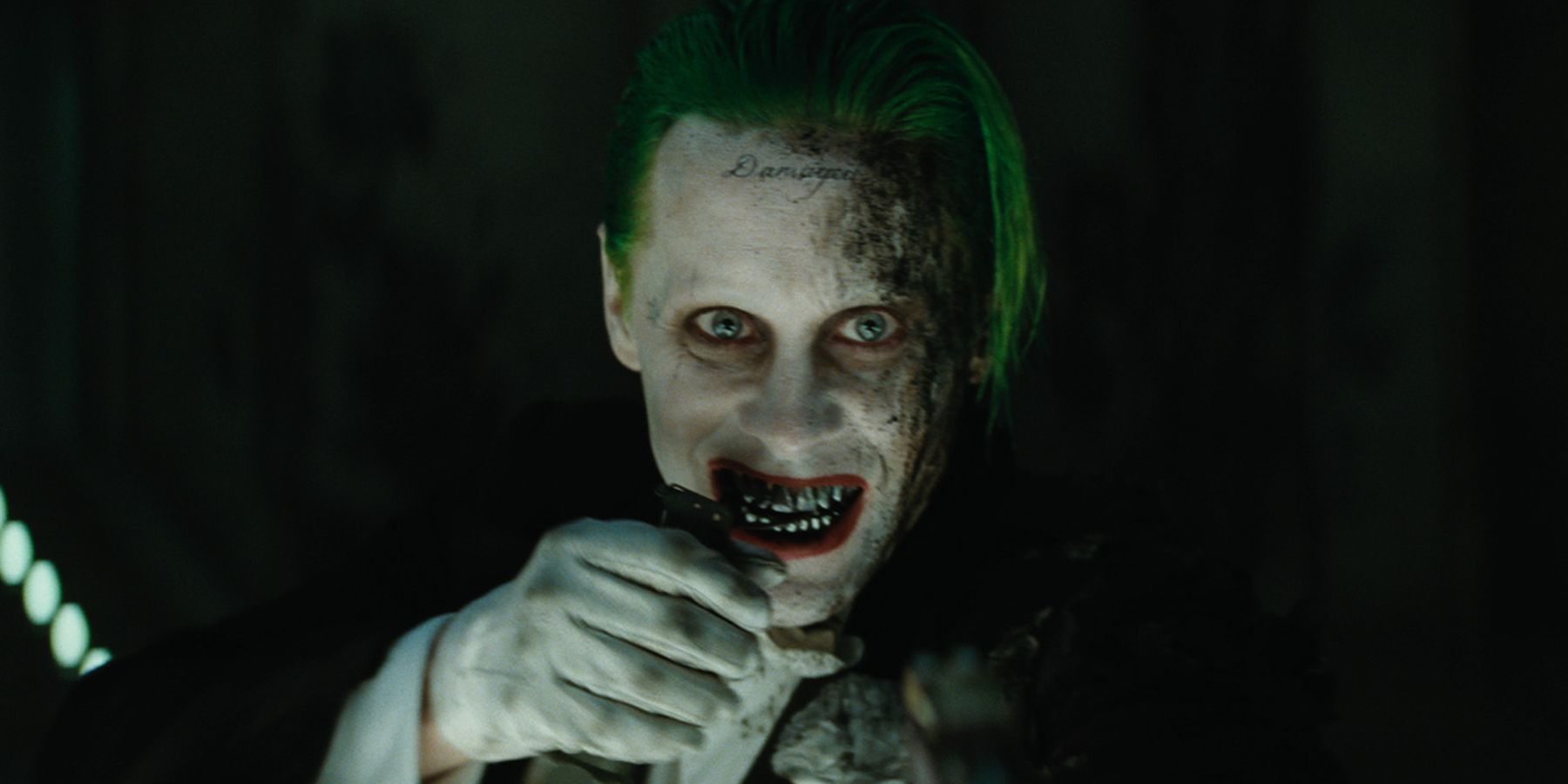
The only weak link worth mentioning is certainly the Joker (played by Jared Leto), who is balanced with the other characters in this film in a gratifying way so as not to steal the spotlight. This ends up being for the best, though, because this is easily one of the most uninteresting depictions of the Joker of all time, not just in the movies.

Granted, the movie works hard to dress Leto up as the Joker, and sparse dialogue certainly sounds like something Joker might say. But upon close inspection, this version of the Joker does virtually nothing reminiscent of what’s fundamental to the character. There’s nothing he truly does that sets him apart from a flamboyant crime boss/pimp who wants to find his girlfriend.

suicide squad review

Yes, he wears funny costumes. Yes, he looks weird and kills people. But there is far more to the Joker than “oh by the way” scenes of him laying on a floor surrounded by knives. And that’s because his only true motivation in this film is to get Harley Quinn back. There’s no chaos, comedic insanity, or diabolical planning to anything he does or wants to do in the film. He simply acts like he is crazy, rather than truly showing it, and it’s one of the film’s biggest disappointments.

Thankfully, Joker is not the crux of Suicide Squad. Far from it. So it’s easy to overlook the shortcomings of his character in lieu of this film as its own standalone story. It’s not easy, though, to overlook the fact that too many characters in Suicide Squad have poorly fleshed out character ideologies that make sense of their own payoffs toward the end. They do it in spades for Deadshot and Diablo, but that’s about it.

Lastly, the soundtrack does little to enhance or even complement the story, instead only reminding viewers that Guardians of the Galaxy did a much better job integrating a playlist with the rhythm of its plot (as proven by the film sharing one of the same songs from Guardians). In Suicide Squad, it really just feels like the music was added out of obligation, not because it was essential to the scene it was put in.

suicide squad review

And better thought (and edits) put into the scenes is all it would have really taken to make Suicide Squad a better movie than what we’ve gotten, which is a guilty pleasure that only looks good by comparison to the in-universe movies its attached to.

Grade: C+

Extra Credits:

  • There’s a mid-credits stinger and…well, it’s not that relevant or surprising, honestly.
  • I’m not a fan of most David Ayer movies, so Suicide Squad sort of defied the odds in my case. According to all the evidence, I should have hated this movie.
  • The chemistry of the cast is one of the film’s biggest strengths, as emblemed by the fact that a lot of them got “SKWAD” tattoos for the movie.
  • It’s not saying much, but this is my favorite live-action depiction of the Suicide Squad. That’s what full Will Smith can do for a film.
  • A standalone Harley Quinn movie featuring other DC femme fatales has been announced by Warner Bros., but it’s likely that the success of Suicide Squad will still determine whether or not that actually happens.
  • For once, Cara Delevingne wasn’t one of the worst characters in a movie.

    I’m Jon and thanks for reading this. You can subscribe to my posts by clicking “Follow” in the right sidebar. Or just say hey on Twitter! @JonNegroni

Marvel Has Been Successful Because It’s Better at Being Different

marvel better different

Until the end of the “superhero golden era” finally comes, we won’t be able to analyze the full impact that Marvel Studios has had with its cinematic universe of movies. But even though we don’t have the full picture at our disposal, everyone has their own reasonable guess for how and why Marvel been the dominant superhero movie franchise for nearly a decade, in terms of both critical and fan reception.

Some of the effects of the Marvel Cinematic Universe (MCU) are quite obvious, and I think that’s why vague observations about Marvel Studios are tossed around by its naysayers. When you think of shared universe movies — that is, movies that share the same characters and other sandbox elements without being direct sequels — you might feel the urge to groan a bit, especially if you watch and keep up with a lot of different movie franchises that all strive to replicate what Marvel did so well with Iron Man in 2008.

Sony tried to kickstart a Spider-Man shared universe of villains and ultimately failed. Universal has long been planning a shared universe of monster movies, citing they could have the “Avengers” of Dracula, the Frankenstein monster, the Wolfman, and more. Even a Hanna-Barbera cinematic universe is reportedly in the works, planned to kick off with a new Scooby Doo movie. And this year’s Ghostbusters ends with a universe-setting teaser straight out of the ambiguously defined Marvel formula.

Marvel’s most direct rival, and for several obvious, yet key reasons, is DC Comics, which Warner Bros. owns the exclusive rights to. After a hugely successful trilogy of Batman movies, all helmed by Christopher Nolan and universally praised by fans and critics, Warner Bros. took the next logical step toward establishing a shared universe of their own that could do for Wonder Woman and the Flash what Marvel managed for Iron Man and Captain America, just to name a few.

marvel better different

Remember, just one year after Nolan’s Batman trilogy ended with The Dark Knight Rises, Warner Bros. released Man of Steel, the perfunctory beginning of what was meant to be something completely different compared to anything put out by Marvel Studios.

Except, well, Marvel has already  been “different” by its own standards for years, and it’s found great success doing so, while DC Comics hasn’t. At least not on the same scale.

To be fair, Man of Steel and Batman v Superman: Dawn of Justice were not financial failures, but they did fail to live up to their profitable potential, making less money domestically than Deadpool, which is based on a character far less popular and recognizable than Batman, Superman, and Wonder Woman. And even more recently, Suicide Squad has been panned by critics for sharing a lot of the same flaws of these movies, though it will still open to huge box office numbers, regardless.

What’s odd, then, is that the films have been criticized by many for being too different, using phrases like joyless and dark to color a picture of a movie that doesn’t deliver the same experience viewers got with most of the Marvel movies.

marvel better different

Supporters of these DC Comics movies have a right to call out this opinion for being intellectually dishonest. Of course a movie like Batman v Superman: Dawn of Justice is different, they say. If it were the same formula as a movie like The Avengers, then critics would complain just as feverishly.

Both sides of this argument have it wrong, then. Because what they both forget is that while there is a bare-bones formula to the Marvel movies that makes them feel cohesive — that is, it’s easy to believe the movies exist in the same universe at all — none of them are all that similar to any of the others in just about every other way, unless the movie is a sequel, and even then, Marvel movies have a habit of changing entire subgenres in between their sequels.

One of the best and most famous examples of Marvel being “different” involves the entirety of what sets up the first Avengers movie, which serendipitously released the same year as The Dark Knight Rises. The very concept of setting up an ensemble superhero film after several standalone pictures that establish the characters was brand new at the time and, more importantly, untested.

Yet The Avengers is the highest-grossing superhero film of all time and was universally acclaimed by moviegoers, which holds up even today.

marvel better different

It’s fair to judge Marvel for being good at being different based on the fact that people loved The Avengers, despite how risky the structure of it was, and because it provided a sizable return on investment both financially and even culturally, hence we’re even having this debate about superhero movies being different.

What’s even more interesting, though, is the fact that Marvel movies have continued to be different and surprising, even though they have a proven formula they could repeat on end to minimize the risk of failure.

For example, the Marvel films that have truly defied expectations include Guardians of the Galaxy and Ant-Man, arnhich were both proven hits for the studio, despite being completely different from any other Marvel film in tone, structure, and many other crucial elements.

Guardians of the Galaxy is an action comedy set in space, and most of its characters aren’t even human. That’s a far cry from any other comic book film, period, let alone Marvel movies like Iron Man and even Thor. The premise of Ant-Man is absurd enough, despite the movie actually taking place on Earth. Yet it feels so different as a superhero movie because first and foremost, it’s really a heist film with bits of Edgar Wright’s unique editing style thrown in.

marvel better different

The upcoming Doctor Strange, set to release this November, is also a movie that — judging by the marketing and previous knowledge of the character — looks and feels different from previous Marvel offerings, because it seems to be tackling unchartered territory in terms of fantasy elements and dimensional science for the hero of that movie to experience.

These movies, excluding the as of yet unseen Doctor Strange, have been hits with both critics and casual audiences because yes, they’re different. So it’s strange, then, when both critics and naysayers of Marvel movies speak as if this cinematic universe has a firm license on vague storytelling elements, like humor and quipping. There’s a desire for DC to be the other side of the coin, different and more progressive than what might be called a mainstream superhero franchise with Marvel.

The problem with that desire, though, is that Marvel has already been the other side of that coin, and the other side of many coins that they, themselves, have inserted into the zeitgeist of superhero films. They don’t always get it right, of course, and some of their risks have been paid off better than others, but if DC should take notes on being “different” for the sake of surprising and delighting its fans, it should really be paying more attention to Marvel. Not less.

Because being different, while a good start, is not a merit on its own. Fantastic Four was different, which we can all agree on. But that definitely didn’t improve what was inherently flawed with that film. A non-Marvel movie that’s great at being different is Deadpool, made by Fox, proving that a superhero film doesn’t have to be made by Disney in order for it to be beloved by just about everyone old enough to see it.

marvel better different

I still have high hopes for DC Comics moving forward, though not nearly as high as I used to three years ago. But if you’re reading this and feeling a bit alienated because you want DC Comics and Warner Bros. to keep taking risks and producing films with these iconic characters that demand to be different from what we’ve seen before, then you can definitely take solace in one, major thing: The DC Comics movie universe under Geoff Johns — their new Chief Creative Officer and co-developer of The Flash on CW — kicks off next year with Wonder Woman.

And from what we’ve seen so far of that movie, the future could still be quite bright (not dark) for DC Comics.


I’m Jon and thanks for reading this. You can subscribe to my posts by clicking “Follow” in the right sidebar. Or just say hey on Twitter! @JonNegroni

X-Men Through the Looking Glass

x-men through the looking glass

This week on the Now Conspiring, we review X-Men: Apocalypse and Alice Through the Looking Glass. We also cover some pressing entertainment news and debate whether or not Fox should give the X-Men rights back to Marvel Studios.

QUESTION OF THE WEEK: Do you think X-Men movies should be made by Marvel now?

Go on…X-Men Through the Looking Glass

On Second Thought, Zemo Was One of the Best Things About ‘Civil War’

civil war zemo

My initial reaction to Helmut Zemo in Captain America: Civil War was quite similar to the reactions fans and critics have had with most Marvel cinematic villains.

“Is that it?” we all tend to wonder.

The important thing to remember is that most Baron Zemo fans enjoy the more recent incarnations of the character. In his early run, Zemo was a fairly generic “bad guy” seeking revenge against the Avengers because his father died while fighting Captain America.

It wasn’t until the 80s that the character was involved in some more intriguing story arcs, including his formation of the Thunderbolts, which was a team of villains pretending to be heroes who ultimately become heroes for real because they like it so much.

In Civil War, I didn’t see much of this Zemo being played out by the talented Daniel Brühl. True, they both have a thirst for vengeance, and both have a genius-level intellect akin to D.C.’s Lex Luthor. But the characterization was a far cry from the more enigmatic villain we know and hate to love. In Civil War, he’s muted and seemingly interchangeable.

civil war zemo

(Plot spoilers from here on out, so if you haven’t seen Captain America: Civil War, read no further unless you don’t mind getting spoiled.)

You have to admit, though, that the villain in Civil War is also very different from most of the antagonists we’ve seen play out in the Marvel Cinematic Universe. For one thing, the film doesn’t kill him off, which is a typical death wish for villains unless your name is Loki. Also, the film seems very interested in developing Zemo further, likely offering this version of Zemo as more of an origin, foregoing the rest of his arc for future films.

Take a look at some of the other heavy-hitter villains in the MCU. We see the origin of Obadiah Stain in Iron Man as he betrays Tony and dons a bigger, badder suit, only to get killed in the end. Blonsky in The Incredible Hulk also goes through the same process when he becomes the Abomination, only to get killed in the end.

Red Skull? Becomes Red Skull before the movie even starts, and then he gets killed in the end. Ronan? Uses the infinity stone to gain power and gets killed (presumably) in the end. Ultron? He’s literally born and killed in the same running time. Yellowjacket? A copy and paste of Obadiah Stain.

Don’t even get me started on the Mandarin.

civil war zemo

But Zemo’s arc in Civil War isn’t quite as familiar. His evil turn happens entirely off-screen, and months before the movie begins. He doesn’t die by the time the credits roll. In fact, he actually wins in the end, accomplishing exactly what he set out to do. The “super soldiers” are dead. The Avengers have been split up. Their “empire,” as he calls it, has fallen.

The only thing he didn’t account for was Black Panther tagging along and preventing his suicide. The one thing he couldn’t predict was a person actually overcoming their thirst for vengeance.

For once, I’m actually intrigued by what happens next for this villain, even more so than Loki. I think my initial and frankly negative reaction was painted by a decade of getting used to Marvel’s rule book of three-act villains. Now it seems that Marvel (with some help from the Russo brothers and their dream team of screenwriters) is trying something new with its bad guys. They’re treating them like they would their protagonists.

The heroes of the MCU are arguably why we love these movies so much, faults and all. We love, know, and understand these characters. And I’m all for Marvel slowing down with stories for their villains, who should be just as important. Why does Zemo need to have a beginning, middle, and deadly end within the course of a movie that is already stuffed to the brim with major plot points? Why should he be any of the characters we already know doing battle in the scene depicted below?

ciivl war zemo

That means, of course, that we can’t get the full picture of Zemo until we see how the events of Civil War change him. Will he become what he hates the most (someone with a suit) in order to stop the Avengers once and for all? Or will he move on and become something more of an anti-anti-hero, possibly leading the Thunderbolts in his own movie?

I’d be fine with either or even both, and seeing these movies from the big picture one day, it could certainly be one of the best things we got out of Civil War, beyond a few stellar action scenes and a spot-on Peter Parker.


Did you like Zemo in Captain America: Civil War? Let me know in the comments below. 

I’m Jon and thanks for reading this. You can subscribe to my posts by clicking “Follow” in the right sidebar. Or just say hey on Twitter! @JonNegroni