Everything You Missed When You Watched ‘Inception’

inception

Inception is rapidly becoming my favorite movie of all time. I first saw it during the midnight premiere back in 2010, and I enjoyed the heck out of it. I remember being mesmerized by its originality and unrelenting assault on my mind’s stamina.

It took another dozen viewings of the film, however, to persuade me that this is one of the best films of my lifetime, and the first truly great film of the 21st Century.

Let me explain.

For me, a truly great film isn’t really like a masterpiece. A masterpiece, after all, is more about critical praise and the apex of one’s career. Inception is great in a different way. It’s just smart. It didn’t receive universal, critical praise (though it got some) because it completely went over the heads of almost everyone.

inception

For all of you who think you “get” the movie, I sincerely doubt that more than a handful actually caught everything that was going on in the story.

Here’s a test to see if you did: do you think the ending was a cliffhanger? Because if you did, you are dead wrong.

Let me be clear about something. I’ve seen this movie backward and forward, so what I’m about to get into is just a summary of what I’ve personally discovered, combined with some great insights provided by the research of others.

Spoilers ahead, so if you haven’t seen the movie, stop reading this and get that taken care of.
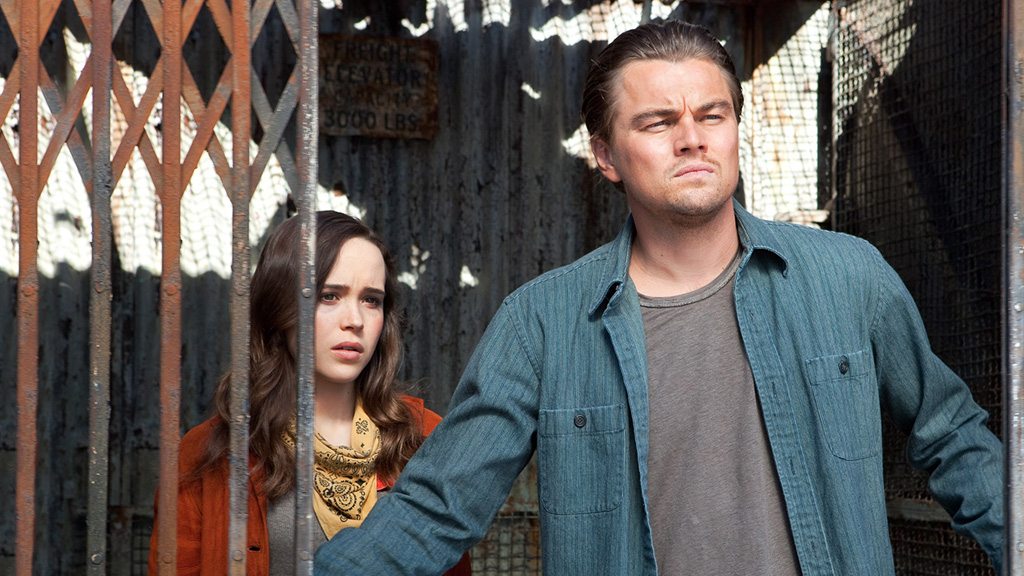
inception

I believe the entire movie was a dream, and we are supposed to arrive at that conclusion. Nolan implants countless clues that point to this, but he works to make sure that even the clues themselves are ambiguous.

The first clue? To catch it, you have to watch the movie at least twice. There is a line in the movie when Cobb points out that our dreams always start in the middle of something, but not really the beginning. We never think about “how we got there” as he puts it.

Inception begins in the middle of Cobb’s story, as well as the middle of a dream heist. We aren’t introduced to Cobb, Arthur, or Saito. We are given a brief look at the end of the story, and then the movie just shifts seamlessly into the dream heist.

What does that remind you of? When we recall a dream, we typically start at the end (Cobb and “old” Saito) and try to remember how it actually started, but we can’t remember how it really started and just start somewhere in the middle.
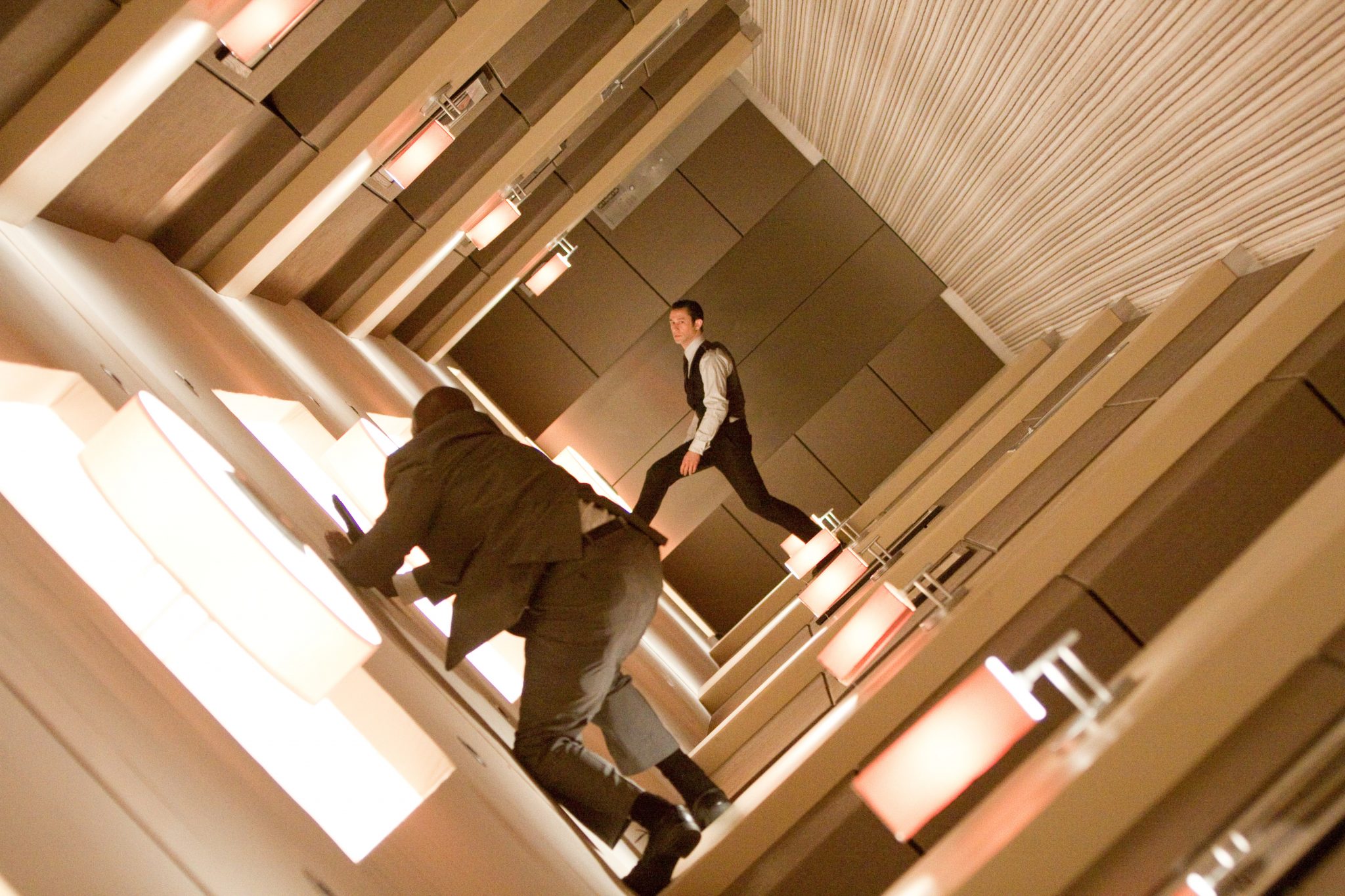
inception

So, let’s say you buy that. The whole movie was a dream. Doesn’t that make you mad? Well here’s Nolan’s genius: that shouldn’t matter. We get mad that the movie was just a dream and say, “Why bother watching a movie that didn’t really happen–” and then you realize that the movie is fiction anyway.

That is just one example of why this movie is so amazing. It has scores of themes you didn’t even think were possible to associate with the film. And it takes work to sort this all out.

Back to the first statement that everything was a dream. Maybe you’re not convinced? I’ll give you more clues. The basis for the “It’s a dream” theory is based on how limbo works. When the “kick” happens, namely suicide here, you go one level up in the multi-level dreams.
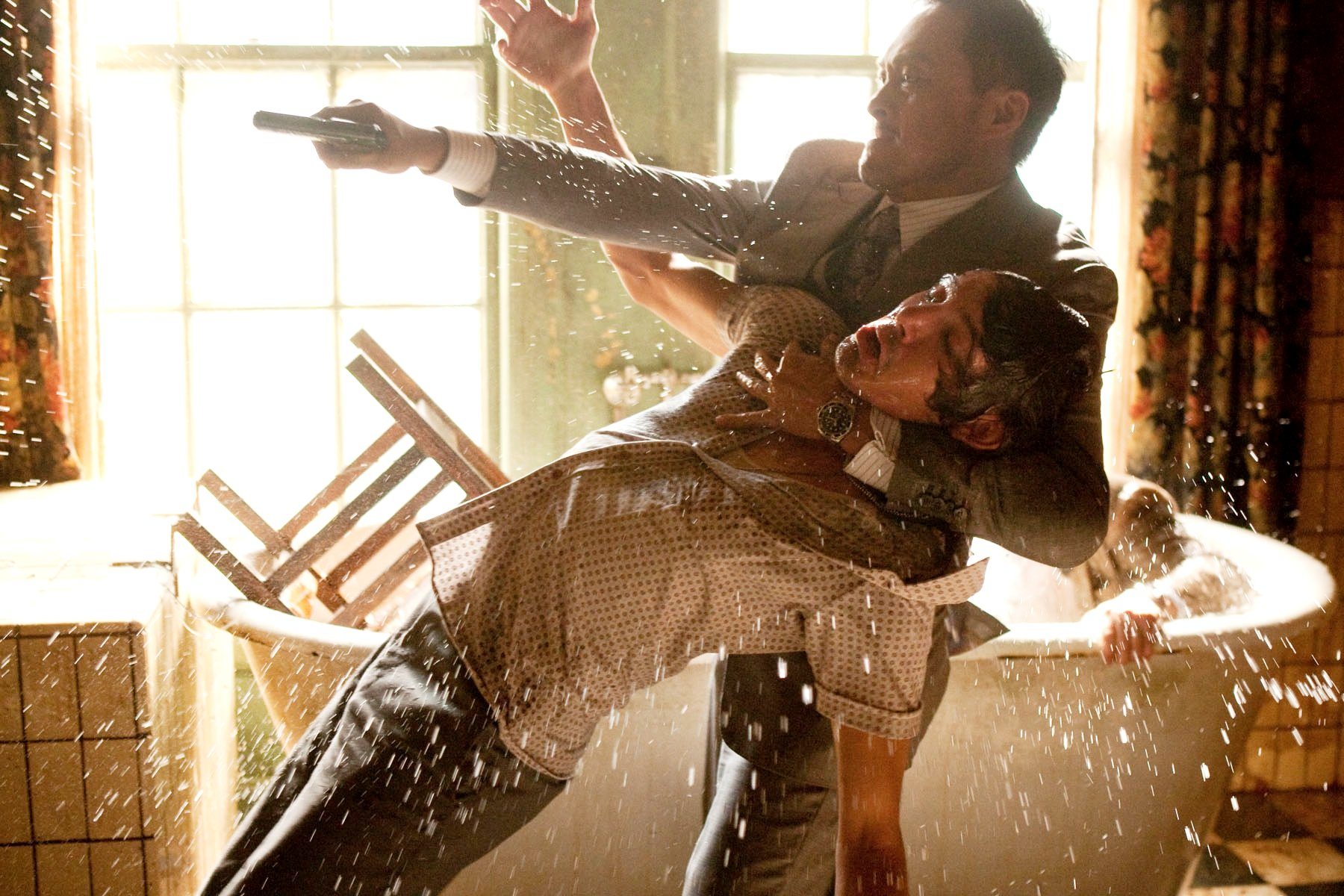
inception

Cobb explains to Ariadne that he and Mal, his wife, ended up in their world-building limbo because they were experimenting with multi-dreams and Cobb pushed them too deep. He says they grew “old” together and eventually committed suicide on the train tracks to go back to reality. But here’s the thing…that would have sent them only one level up.

Cobb believes inception is the reason Mal went insane and killed herself, but it was actually true. If they died in limbo, it would be impossible for them to return to reality again unless they died again and again. Totems mean nothing here because the totem Cobb used was Mal’s, and he even broke the rules and explained how it works to Ariadne, compromising its purpose. (Talking about the totems alone would take up this entire article by the way)

Another clue that they were in a dream when Mal killed herself: She trashes the hotel room to make it look like Cobb killed her so that he will eventually join her, but when he approaches the window, she’s across the road in another hotel room. If you look closely, it’s the same hotel room, plus it would make no sense for her to go to the other side. Cobb even proves that he doesn’t catch how that’s odd when he tells her to come inside and motions for her to come into the window he’s currently at, even though she’s across the street.

inception

One of the characteristics of a dream is that weird things happen that we don’t catch. When the dream was happening, strange things happened that we didn’t realize were major “plot holes” or illogical until we woke up and actually thought about it.

The entire movie is like this. The fast (and sloppy) editing, the one-dimensional characters all revolving around Cobb, the walls closing in on Cobb for no reason during the chase scene in Mombasa, bodyguards coming out of nowhere to attack him, Saito showing up just in time to save Cobb, and so many more examples all lead the diligent audience to believe that this is really just a dream.

After all, do we really believe that an energy tycoon that is smart about money would actually buy an entire airline just for the heck of it? And then said tycoon would risk his life in order to take part in the mission? It doesn’t really make sense the more you think about it.
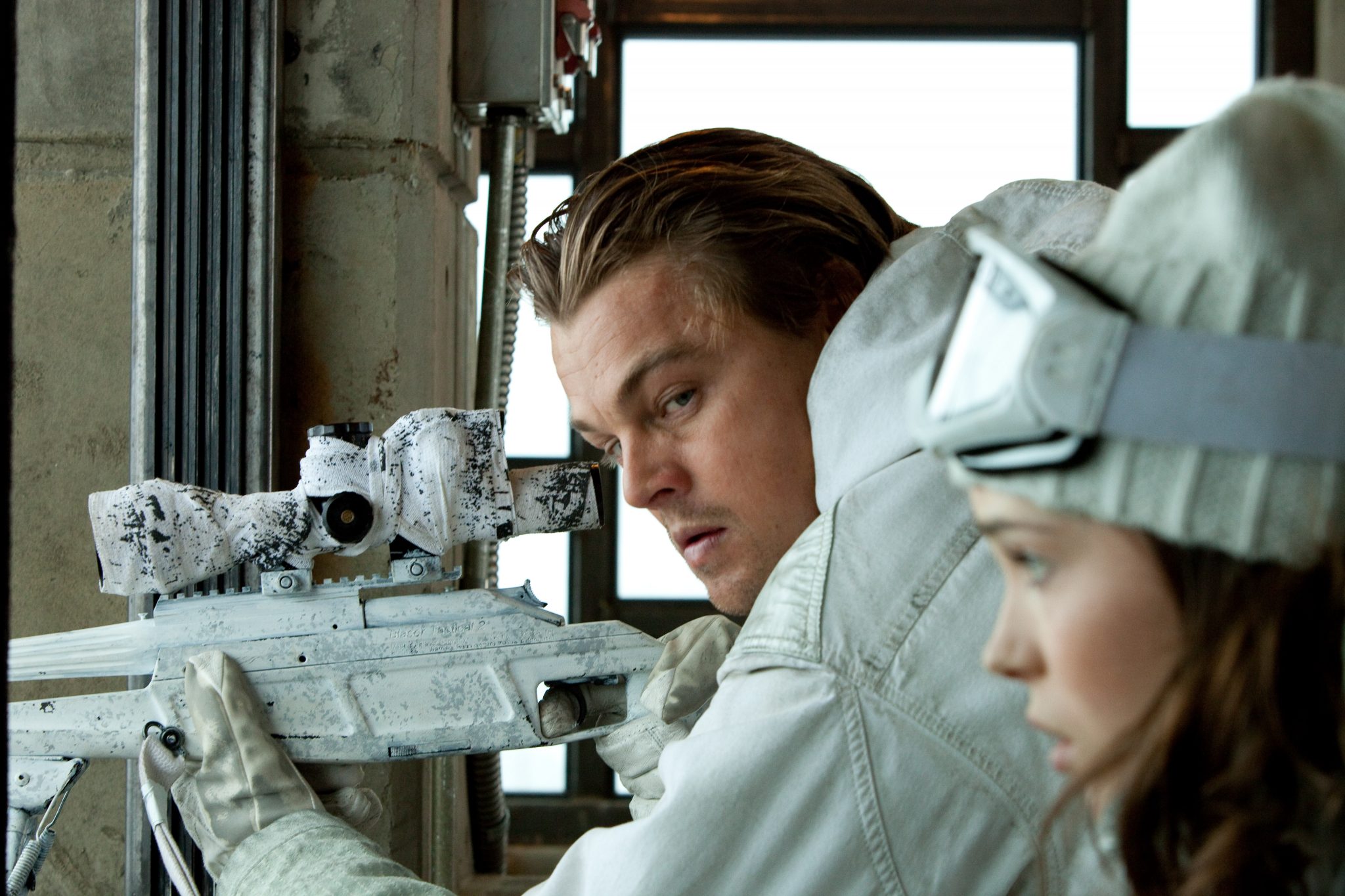
inception

Watching the movie play out, it’s hard not to catch that it is clearly an allegory to filmmaking. When watch a movie, we are watching what is essentially a dream. Plot holes and the like exist because the director is trying to explain his “dream.”

Nolan himself has even admitted that he framed the characters around certain roles in filmmaking.

Cobb is the director: he leads the whole thing.

Arthur is the producer: he organizes everything.

Eames is the actor: he changes his appearance.

Ariadne is the screenwriter: she designs everything.

Yusuf is the special effects studio: he’s behind the technology to make everything work.

Saito is the bank-roller: he funds the project.

Robert is the audience: he’s the person they’re trying to plant an idea into.

inception

Need more clues? We’re told during the movie that elements of a person’s subconscious creep up during the dreams. That’s why Robert’s number, 528491, appears so often in the movie. He initially guesses the number is a combination to his father’s safe. Later, the number shows up on a napkin, a hotel room, and eventually his father’s safe at the snow fortress.

This carries on throughout the whole movie. The number of the train that kills Cobb and Mal, when they are in limbo is 3502. The taxi number later on is 2305, and the hotel Mal trashes is in room 5302. This implies that Mal’s death happened during a dream. And in the image above, you can see 3502 on the train that appeared during Robert’s dream.

Here is the most important subconscious clue, since it has to do with the ending that ticked everyone off for being a supposed cliffhanger. The end scene when we watch to see if the totem will fall (and prove Cobb is in reality) is a red herring. A massive misdirection that serves to make us miss what’s going on in the background.
inception

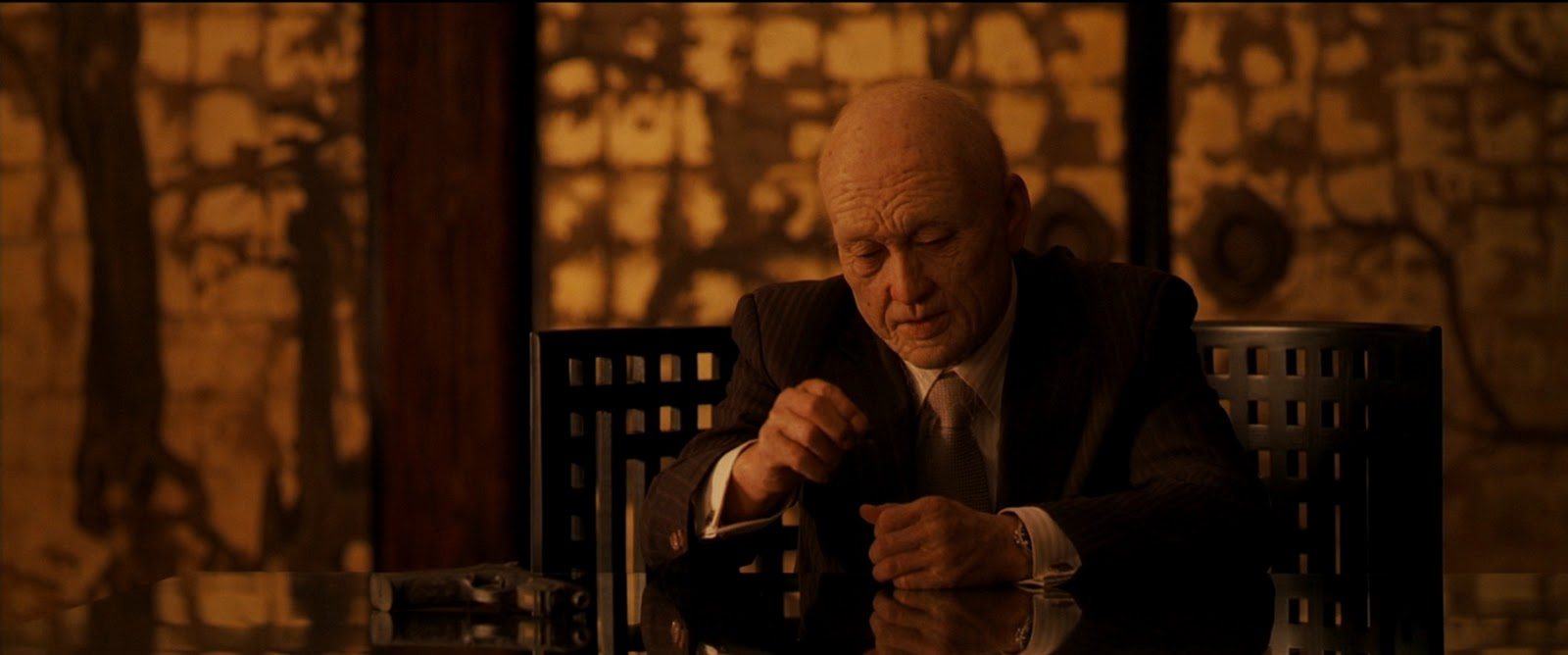
Remember, killing yourself only sends you one level up. We find “old” Saito and Cobb about to shoot themselves to escape limbo. If they did, then that means they would go back to the snow fortress. But wait, that was Fisher’s dream and Fischer received the “kick” already. If they went back a level up, that means there is nothing there. That means that the first person to die, Saito, would fill that dream with his subconscious, leading to the ending scene where Cobb supposedly reunites with his children.

How am I sure? Saito says that he always wanted a “house on a cliff.” In limbo, he is an old man living in a house on a cliff. At the very end when Cobb spins the totem and greets his kids, they say that they have just built a “house on a cliff.” This points to the whole thing taking place within Saito’s subconscious.

The beauty is how that can be a number of things. What if “house on a cliff” referred to Cobb’s subconscious being projected through Saito? That would mean Saito never existed. Honestly, there are countless ways to interpret this, but that’s not the point. The point is that this movie was designed in a way to make us understand that movies themselves are, well, inception.

inception

I could go on and on about this movie, honestly. There are just so many ways to interpret and find new revelations within the narrative. That is why it is a truly great movie, and it pains me to see that so many people dismissed it because it went over their heads and a movie like this lost “Best Picture” to The King’s Speech.

I’ll leave you with some more crazy facts in case you’re interested:

DREAMS: Dom, Robert, Eames, Ariadne , Mal, Saito.

If you add Peter, Arthur, and Yusuf, it spells DREAMS PAY (their profession is to make money by stealing from others’ dreams).

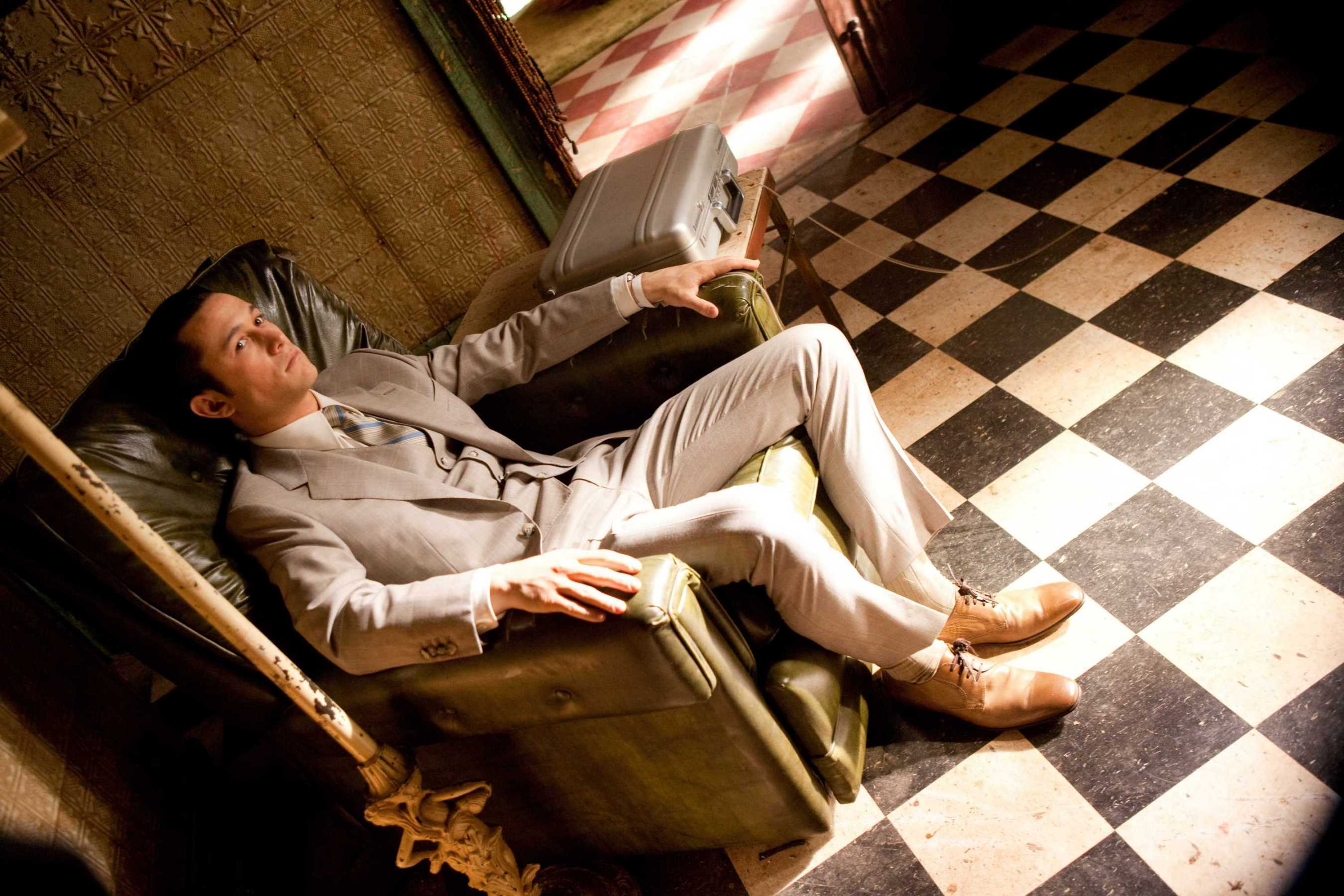
Hanz Zimmer created the entire soundtrack for this movie using only one song that is slowed down and sped up: the song used to initiate a dream is over, which is “No Regrets (translated)” by Edith Piaf. Seriously, even the blaring trombone composition is taken from that song. Also, the very last word in the song is “mal” which coincidently refers to the character Mal.
inception

The running time of the movie is exactly 2 hours and 28 minutes long, which is how long the song “No Regrets” is when translated to minutes and seconds.

Ariadne is a mythological princess who aids Theseus in escaping the Minotaur’s labyrinth. The name is also associated with Ariadne auf Naxos which is an opera that is essentially a “play within a play.”

The movie is based on Cobb’s mission to get home. His first name, Dom, literally means “home” in Latin (think domestic).

One last thought, a lot more about this subject can be found in this book, Inception and Philosophy, by Kyle Johnson. I haven’t read it myself, but I’ve been told it goes even deeper into the movie and what it all meant. Click here to check it out. 


Thanks for reading this. To get updates on my theories, books, and giveaways, join my mailing list.

Or just say hey on Twitter: @JonNegroni

What Will We Love About the 2000’s?

What Will We Think of the 2000's?

I’ve been thinking a lot about the 90’s lately. I’ve been watching Boy Meets World and Dawson’s Creek daily (don’t judge me), and my current music obsessions revolve around a 90’s playlist I made on Spotify. Shamelessly.

This sudden nostalgia isn’t all that mysterious. Everyone from sociology experts to Buzzfeed saw this retro revival coming. Put the incessant Pokemon and James Van Der Memes aside and you’ve got a pretty textbook phase going on now.

So, what will people think of the 2000’s? For me, revisiting this decade in possibly 10 years will be a thrill since I spent my teenage years during this time. Sure, the 90’s were when I first discovered Playstation, but the 2000’s are when I first discovered girls and Blink 182.

It’s easy to classify the 90’s if you really think about it. It was a decade of reflection on the previous decades (think Forrest Gump) as well as a hard look at the future (the Y2K fiasco). What will we say about the 2000’s? Hopefully we’ll have more to go off of on than American Idol and  the rise of club music.

For me, the millennium was a time when everything that was great in the 90’s seemed to decline. Two wars, intense political divide, and Fallout Boy ensured that we had plenty to worry about, but at the same time we had some of the best escapism out there.

After all, special effects really came into their own during this time. My favorite superhero of all time, Spider-Man, finally got his own movie in 2002 and kicked off a decade of mostly stellar comic-book movies, culminating with The Dark Knight, and more generally, Avatar in 2009.

Pixar came out with most of its best movies that decade from Toy Story 2 (okay it came out in November of 1999 but close enough) to Finding Nemo, Wall-E, and Up just to name a few.

Oh and let’s not forget Harry Potter.

I guess it’s settled. I’ll forever remember the 2000’s for how easy and fun it was to escape into a good movie. Heck, things have gotten even worse since the 2000’s ended when you think about. Pixar isn’t coming out with a non-sequel until 2014…

Like what you read? Connect with me further via twitter @JonNegroni. I’ll follow back if you seem like a real person. You can also subscribe to this blog by clicking the “follow” button in the top-left corner.

Don’t forget to check out THE JON REPORT every day, updated at 8am for a list of today’s main headlines as selected by my editorial team (me) 

Why Hollywood Needs to Stop Making These Movies

Image Courtesy of wptz.com

You’ve probably noticed a recent trend in recent years when it comes to Hollywood’s big “gambles.” It’s hard to pinpoint the originator of the films I’m getting at, so let’s start somewhere meager: Alice in Wonderland (2010).

This movie cost $200 million to make and grossed over $330 million, which is definitely not bad for a Disney movie. Sure, the movie had a lot going for it like Johnny Depp and Tim Burton driving the marketing, but I can get behind the producers who have since looked at this model for reigniting old franchises and mythology to new audiences.

Two Snow White movies, a revival of John Carter, and Hansel and Gretel’s latest witch hunting later, we have Jack the Giant Slayer, debuting at an abysmal $28 million this past weekend. That may not sound bad to some, but if you follow what these “kids” movies are expected to gross to meet production budget, then you’ll see that this is a huge misstep for New Line and Warner Bros, who made the film.

Image Courtesy of hollywoodreporter.com

At a budget of $300 million, Jack the Giant Slayer needed to debut at much higher numbers. Why? Well, for one thing, the opening weekend is almost always the biggest. Most people are only willing to shell out money for movie tickets when a movie first arrives, so profits dwindle as weeks go by (there are very few exceptions to this). This is a disaster, especially when you consider how the movie boasted both Nicholas Hoult (Warm Bodies) and Ewan McGregor (Moulin Rouge).

Just to compare, John Carter, a Disney movie you might not have even heard of came out last year making $30 million its first weekend, and the budget for that movie was only $200 million. So in comparison, a franchise featuring a story barely anyone actually knows about beat out a movie about Jack and the Beanstalk, a timeless classic. There is no doubt that Hollywood is missing something here

The first question we can ask ourselves is, “Why are they making these movies if they flop?”

I personally think that Hollywood should be catching on by now, but these movies are years in the making. By the time Alice in Wonderland was sweeping the box office back in 2010, film executives were no doubt getting into preproduction mode for the inevitable failures coming out now.

Look at Battleship for example. It was in the works because Transformers managed to make a ton of money with a solid trilogy. Unfortunately, Battleship didn’t fix anything that was wrong with Transformers, which was like everything, so the movie bombed. In the potential audience’s mind, Battleship was just another CGI fest being used to cash in a Hasbro brand that really had nothing to do with original board game.

Image Courtesy of sheknows.com
and I mean nothing.

The same is happening with these schlock movies that keep coming out in March or April, which is terrible timing to open a movie with a huge budget by the way, that are based on fairy tales and classic franchises.

It wouldn’t be that big of a deal if these movies were any good right?

Image Courtesy of filmofilia.comWell, I personally disliked all of the movies mentioned here, including the new Alice in Wonderland. But that really has nothing to do with why they flopped. They flopped because these studios are making huge gambles on the basis of “Well that movie worked when they revived this,” when instead they should be spending no more than $100 million on these movies and focus more on crafting a critic-friendly production.

Don’t tell me that the Jack and the Beanstalk story can’t be told onscreen with that kind of budget, especially with the talented Nicholas Hoult at the helm. Yes, marketing takes a huge chunk out of the equation, but Hollywood frankly needs to adapt to the new media. Has anyone else noticed that films are some of the biggest under-users of social media and online guerrilla marketing? Aside from obtrusive video ads, they aren’t really doing much, and it shows.

All that aside, these movies don’t work because they don’t resonate with audiences. Creatives and writers are producing a movie that has no focus on who its targeting. Jack the Giant Slayer wants to please everyone. It wants to look like Lord of the Rings,  have a complicated narrative for the adults, and then still  fulfill the nostalgia factor.

It does nothing to be good in its own right, which it could learn from Lord of the Rings. The same can be said of many of these CGI retellings that depend solely on their name to drive tickets. Well, that doesn’t really cut it anymore, not when television has managed to dominate the entertainment sphere this past decade, making the movie theater less and less appealing. I can do an entire article on how that’s the case.

The secret good news is that the major studios have probably gotten the hint by now. Disney sure has. Look at what’s coming out next weekend.

Image Courtesy of screenrant.com

Like what you read? Connect with me further via twitter @JonNegroni. I’ll follow back if you seem like a real person. You can also subscribe to this blog by clicking the “follow” button in the top-left corner.

Don’t forget to check out THE JON REPORT every day, updated at 8am for a list of today’s main headlines as selected by my editorial team (me) 


Review: ‘Warm Bodies’

Image Courtesy of collider.com

Zombies meet Twilight? Here’s my review for one of the most original zombie stories of our time and whether or not it’s actually worth watching.

Go on…Review: ‘Warm Bodies’

Top 12 Mat Kearney Songs

Image Courtesy of citypages.com

Even if you’ve never heard of Mat Kearney, this is a great list to get you started. Kearney has been my favorite singer/songwriter since 2005, so making this list was absolutely painful.

I’ve been following his music religiously since his first album, Bullet, and  I currently own every song he’s written (with the exception of some EP songs he wrote that aren’t available online plus some variants of songs such as live versions and iTunes sessions.)

That said, I’ve put together a comprehensive list that looks back to the beginning of his work in an effort to show you which tracks best represent my favorite solo artist. Enjoy!

12. Lifeline- City of Black and White

City of Black and White

One of Kearney’s biggest strengths is his lyrics, and the words he sings for “Lifeline,” definitely set it apart in an album full of melodic pieces. City of Black and White was Kearney’s first album to use no rap or spoken word (a style he used with acoustic that made him famous), so the pressure was on here. “Lifeline” is a great example of his ability to craft beautiful songs and evolve past what first made him great.

The world is too big to never ask why. The answers don’t fall straight out of the sky.


11. Never Be Ready- City of Black and White

City of Black and WhiteKearney is brilliant at writing about relationships. With “Never Be Ready,” he writes about his real experiences with his wife Annie (who has her own song named for her in the album) and the raw emotion of the lyrics matches the song’s melody perfectly.

Love isn’t borrowed, we aren’t promised tomorrow. We’ll never be ready if we keep waiting.


10. Ships in the Night- Young Love

Young LoveCurrently one of Kearney’s big hits, “Ships in the Night” is impressing everyone with its eclectic style of hip hop and acoustic. Kearney’s acoustic/spoken word has really evolved since he left it behind back in 2007, and Ships really delivers just by its message alone. The song addresses the challenges couples face late in their relationships as the initial spark of love fades. It’s a hopeful, yet somber song about a subject not many other artists bother to explore.

Feels like we’re learning this out on our own. Trying to find a way down the road we don’t know.


9. Closer to Love- City of Black and White

City of Black and WhiteThis is a beautiful song that is widely misunderstood. On the surface, it seems like a love story between two people, but if you actually listen to the song, it is more of a reflection of Kearney’s relationship with God. The song is about people turning to God only when they need help, as Kearney recounts a tragedy that apparently shook him. The hopeful message is that even though bad things happen, Kearney feels that God is using it make him closer and more dependent on the love of God.

I guess we’re all one phone call from our knees. We’re gonna get there soon.


8. Renaissance- Bullet 

BulletThis is from Kearney’s first album, though it was repackaged in Nothing Left to Lose. The song features two ballads about two different people who hit rock bottom. The first is in a car accident that takes his family away from him. The second person gets dumped by his girlfriend and slips into depression. In-between verses, Kearney stresses how God offers something “real” to people who experience tragic situations. This is one of Kearney’s most layered songs and features one of his more powerful and uplifting choruses.

I can be the wall when you fall down. Find me on the rocks when you break down.


7. Fire and Rain- City of Black and White

City of Black and White“Fire and Rain” channels a very unique message: the distance between friends over time. Throughout the song, Kearney talks about a sort of prodigal friend (or love) that he often wonders about. The themes of friendship and how people move on are beautifully portrayed here, and the lyrics really tug at something I’m sure most of us have been through.

Do you ever think about me? Do you ever call my name? Ask me now. I’ll give you the reasons.


6. Everyone I Know- City of Black and White 

City of Black and WhiteThis is actually a bonus track that isn’t as well-known, unfortunately. Kearney gets a little more philosophical in this song, talking about how his experiences have shaped his view in the world. Specifically, he talks about how love is something we’re all looking for, and this is something that everyone shares. I mainly love this song for its acoustic, which is probably the best melody in the album.

Because everyone that I know, every place that I go, every story that I’m told, it’s love that we’re looking for. 


5. Nothing Left to Lose- Nothing Left to Lose

Nothing Left to LoseThis is the song that propelled Kearney to mainstream music. It is a song that, in its core, appeals to a wide audience with its coming of age feel. Like most of his songs, Kearney sings about his own experience of moving from Oregon to California and how liberated he felt. Nothing Left to Lose (the album) is actually a compilation of the first songs he ever wrote, making them some of his more emotional and heartfelt songs.

Come on, and we’ll sing, like we were free. Push the pedal down, watch the world around fly by us.


4.  Lifetime- West in November EP

West in November EPKearney did two EP’s before releasing his first album, Bullet, in 2004. The first was Revive Us EP (2002) and then West in November EP (2003). The tracks here are extremely difficult to find and can’t even be purchased on Amazon or iTunes, which is a testament to how early these came out. Thankfully, YouTube exists and I happen to have a copy of “Lifetime” in my library. This song is about finding purpose in life and making the most out of it. Tough questions about whether or not Kearney’s music will really help anyone in the long run are addressed, and you can tell that this is one of Kearney’s more introspective songs. Click here to hear the song on YouTube.

Well here’s another stone in the walls of this lifetime, of this lifetime. I built them tall but they gonna fall when the day’s gone by, when my children cry.


3. Count on Me- Young Love

Young LoveThis is actually my most-played song on iTunes…though I am objective enough to only put it at number 3. Yes, this is my favorite track from his most recent album, Young Love, and for good reason. The song is unlike anything you’ve probably ever heard and presents a message so upbeat, positive and entertaining, it will surely make you smile.

Emails and coffee in the evening. Effort ya brother you’ll believe it. Gee, I don’t know your secret! Each “I love you” singing:


2. Undeniable- Bullet

BulletThough it’s more famous for being on the Nothing Left to Lose album, the song first debuted on Bullet as one of its surprise hits. The song basically sums up everything there is to love about Mat Kearney. It has the story-telling lyrics, the spiritual redemption, and the eclectic style of spoken word and unrestrained acoustic that has impacted so many people. This is the song that really started it all.

It’s undeniable how brilliant you are. In an unreliable world, you shine like a star. It’s unforgettable now that we’ve come this far. It’s unmistakable that you’re undeniable.


1. All I Need- Nothing Left to Lose

Nothing Left to LoseIf only you could have seen my face after the first time I heard this song. It’s in a league on its own. Kearney has not yet written a song that comes as close to being as powerful as “All I Need,” a ballad about two of his friends who suffered from Hurricane Katrina in 2006. The song boasts a set of lyrics and piano that rival that of “Fix You” by Coldplay. If this song doesn’t make you tear up, then you are rock solid.

We’re grabbing at the fray for something that won’t drown. 


Of course, there are a TON of other fantastic Mat Kearney songs, making this list feel criminal, even to me. So, I guess I have to include some honorable mentions:

  • In the Middle- Bullet
  • Bullet- Bullet
  • Girl America- Bullet
  • Breathe in Breathe Out- Nothing Left to Lose
  • Can’t Break Her Fall- Nothing Left to Lose
  • Where We Gonna Go From Here- Nothing Left to Lose
  • Crashing Down- Nothing Left to Lose
  • All I Have- City of Black and White
  • Rochester- Young Love
  • She Got the Honey- Young Love
  • Hey Mama- Young Love
  • Runaway- Young Love

Disagree on anything? Be sure to let me know in the comments!

Like what you read? Connect with me further via twitter @JonNegroni. I’ll follow back if you seem like a real person. You can also subscribe to this blog by clicking the “follow” button in the top-left corner.

Don’t forget to check out THE JON REPORT every day, updated at 8am for a list of today’s main headlines as selected by my editorial team (me) 

Review: ‘Catfish: The TV Show’

Image courtesy of sidereel.com

A few years ago, I saw the trailer for Catfish (the movie) and was always amused by the concept, though I never did get around to seeing the actual film. Lucky for me, the makers of the documentary developed Catfish: The TV Show on MTV, and I want to let you know if it’s worth looking into.

For starters, this review is based on the first three episodes of the series, which you can watch on Hulu Plus if you have it.

The premise is pretty basic. In the movie, Nev fell for a girl he met online, but when he met her, he had been “catfished.”

Catfishing is when you make a fake persona online and forge a relationship with someone under these false pretenses. The girl Nev fell for wasn’t the young, beautiful girl she claimed to be. Instead she was an older mother with kids.

Remarkably, Nev and this girl, Angela, actually became friends. It’s this positive unveiling of reality that prompted Nev and filmmaker Max Joseph to create Catfish: The TV Show, which focuses on the online relationship stories of other people who went through what Nev experienced.

Image courtesy of slate.com

So, for each episode, Nev responds to a request from someone who went through what he did. In every scenario thus far, the person has been in an online relationship with someone they haven’t met for a prolonged amount of time (one scenario is a 10 year relationship). They want Nev to help them meet the person they’ve been talking to online in order to see if they are who they say they are.

The runtime for each episode is about 45 minutes, which probably sounds like a lot of time for such little content. Well, the show manages to stay entertaining, despite each episode only focusing on one couple, thanks to the natural chemistry Nev has with Max and the other people in the show.

Image courtesy of turner.com

The formula is pretty much the same for each episode. Nev meets the person who requested their help, he does some quick research into who the person is, points out holes or issues with what he finds, brings the couple together, helps each person deal with the backlash (there’s always a big reason why they haven’t met of course), and sees where the two are at some time later.

My favorite part of the show is how they research the elusive person. Because of Skype and Facetime, it’s basically inexcusable (at least to the audience) that these couples haven’t used webcams to meet. That means the other person is always hiding something.

The fun of the show is discovering what that something is and seeing how it plays out for the couple. Sometimes the “secret” is outrageous and totally takes you by surprise. Other times it is more somber and based in more subtle examples of human nature. The variation in each situation is definitely entertaining.

Image Courtesy of crushable.com

Let’s get one thing straight: I am not a fan of reality TV aside from anything with Gordon Ramsey in it, so take my stamp of approval for what it is. One of the reasons it sets itself apart is because the main premise is creating reality for people who have been hiding behind their phones and Facebook.

The show isn’t looking to break any new ground, but it is instead highlighting the peculiarities and craziness that online relationships bring out in everyday people. You’ll most likely find a lot of these characters extremely gullible, but you’ll actually feel for them.

I do like this show and think it’s worth watching, especially if you’re into reality programming and great characters. Nev is the real standout, proving to be one of the most genuine, interesting guys you’ll find on TV, especially MTV.

Image courtesy of mtv.com

You believe that he is sincerely trying to help these people find happiness, and though he claims the show is about the stories of other people, you learn more about him in each episode. Give this show a shot.


Are Hulu and Netflix the New ABC and NBC?


Image Courtesy of digitaltrends.com

Or Fox and CBS? Or CW and AMC? Okay, I’m going too far obviously, but my point is that the two streaming giants are making noticeable strides in becoming “real” networks, whatever that means.

Like pretty much every other millennial, I prefer Hulu to broadcast television and Netflix to renting movies. As a result, I’ve noticed Hulu and Netflix have been pushing original series that can only be seen on their platform (in the states at least).

When I first noticed this a couple of years ago, I presumed that they would only be able to afford miniseries with forgettable actors and web series, but they are proving me wrong with the release of these new shows that actually have a lot of recognizable talent.

Hulu, for example, is releasing three big shows this year. The first is an animated comedy series about superheroes who quit their jobs called The Awesomes. If the show has one thing going for it, it’s that Seth Meyers of SNL is the head writer and the teaser is pretty funny.

The next is a show Hulu is doing in partnership with BBC called The Wrong Mans. Family and friends of mine know that I am a huge fan of British television (if you haven’t watched Skins or Misfits, you are missing out), so this one is at the top of my to-do list. This is a dark comedy, of course, about friends who stumble upon a criminal conspiracy. The best part? It has James Corden. Check out the trailer.

They’re also coming out with a documentary about sports mascots. Read that sentence again.

Netflix is being even more ambitious with the release of Season 4 of Arrested Development this spring, which is really catering to their fan base (the connection being that Netflix users watch Arrested Development ALOT, myself included). They are also coming out with 5 other shows to debut this spring, such as Lilyhammers, House of Cards, Hemlock Grove, and Orange is the New Black.

Like I said, Hulu and Netflix are serious about original programming, hence they are pouring huge sums of money into this investment. Even Amazon Instant is joining in on the action with their own programming.

So, what does this mean? Will Hulu, Netflix, and Amazon eclipse the traditional format of broadcast television?

I say follow the money. Right now, the money is behind CBS, Fox, ABC, NBC, etc. Unless streaming platforms gain the lobbying support of investors, major networks won’t go away, and streaming will be the next cable. It’s like how FX, TBS, AMC, and Comedy Central will never actually kill CBS. They’ll just be better.

Keep in mind, however, that the majority of shows being consumed on streaming platforms is produced by cable, with Hulu being the exception, just barely. Though the major networks have American Idol and The Big Bang Theory, streaming and cable have Breaking Bad.

So the future ultimately rests on the tastes of the masses. God help us.

Like what you read? Connect with me further via twitter @JonNegroni. I’ll follow back if you seem like a real person. You can also subscribe to this blog by clicking the “follow” button in the top-left corner.

Don’t forget to check out THE JON REPORT every day, updated at 8am for a list of today’s main headlines as selected by my editorial team (me)