5 Steps to Branding Yourself Online

Brand Yourself

If you have profiles on various social networks, then you have a personal brand. The problem is that you may not be keeping good track of this brand and how you’re perceived online.

Luckily, there are simple ways for you to start creating a more consistent presence online, rewarding you with a tighter, more influential network.

1. Craft your ideal brand. 

Before anything else, you absolutely need to have a clear idea of how you want to brand yourself (this can be broad, so don’t panic.) Simply put yourself in the shoes of someone who just stumbled upon your LinkedIn, Twitter, or whatever else.

What do you want them to see? Do you want them to find you fun, energetic and engaging? Do you want people to like your writing and creativity? Do you want to come off as professional and business-oriented?

In my case, I want my identity to feature what I can do as a writer and how well I get along with others online. I go for the creative youth identity that I know I excel at.

As long as you’re realistic and honest about what you really represent, coming up with an identity game-plan can be an extremely fun exercise.

2. Update/Create all of your profiles at the same time.

Time to get started. Once you know exactly what you want your personal brand to be, it’s time to implement it across all of your channels.

If you want an online identity that sticks, you need to have a cohesive theme between your major networks. The best way to accomplish this level of consistency is to edit them all at the same time.

They don’t have to be identical (and definitely shouldn’t), but they should at least match each other in terms of language and presentation. Your “About Me” on Facebook should make sense alongside your Twitter bio, even though they will no doubt say different things.

For example, your  Facebook may say that you are a lawyer at Earth, Wind, and Fire Legal (Fresh Prince of Bel-air joke), but you LinkedIn, in contrast, says you are a legal consultant for the parent of the firm. Even worse, your Twitter could say you’re a paralegal because you haven’t updated it in a year.

Use the same language and verify that your online brand is as up-to-date as possible.

3. Leave some information out. 

This may seem counterintuitive, but a big mistake some people make with their online identity is that they talk about themselves too much. Yes, you want to inform people and make your bragging rights known, but being an open book can have negative consequences.

You don’t want people to feel like there’s nothing else they can learn about you, so try to keep an air of mystery that will open the door to future conversations.

4. Change your profile picture.

I’m a firm believer that you should have a different profile picture for the social networks you use the most. This is because each network is different, and you want to communicate separate (but equal) things about yourself across your profiles.

My goal with Facebook, for example, is to feature pictures of my family and what I like to do for fun. So, my profile picture reflects the lighthearted, family side of me. My Twitter is more of an outlet for the creative professional in me, so I usually go with minimalist pictures. LinkedIn is obviously a place for being professional, so you’ll find the suit and tie version of me on there.

See, it’s not that I’m a different person in each of these cases. If you read about me, you’ll find the same person, just a different shade. And it all ties back to one theme, my brand.

5. Create as much content as possible.

Sharing is great. I do it a lot, and I love telling others about what I find interesting. That said, creating your own content is very important as well.

I create my own graphics for this blog and I write everything you see. That’s because when I broadcast something I’ve published, I want my identity stamped on it.

Attaching yourself to your works is one of the easiest ways to communicate your identity to your network, and it leaves a lasting impression if you’re content is good enough.

And you don’t have to just blog. Take photos. Make videos. Write poetry. Do what you like to do and put it on your fridge (new social media idea, don’t steal it).

Like what you read? Connect with me further via twitter @JonNegroni. I’ll follow back if you seem like a real person. You can also subscribe to this blog by clicking the “follow” button in the top-left corner.

Don’t forget to check out New Professional News, a list of headlines essential for any new professional, updated daily at 8am.

Leaving “Stuff” Behind

Screen shot 2013-05-07 at 5.46.40 PM

“Those who save their life will lose it. Those who give up their life will save it.” This is a famous passage from Luke 9:24 that I believe almost anyone can grab value from.

Why?

I’m rapidly learning how to give up the things I have clung to in order to gain something far more valuable. I don’t want to generalize, but it has to be said that a common attitude among new professionals like me is that we need to conserve everything we have and avoid any and all risks that threaten our current status.

Example: I left the town I graduated college from and worked for about 5 months. It was a great experience, but I eventually needed to make the next step in my career. I made what I still believe was the right choice and took a job in the same town I went to school in.

It hasn’t been easy, only humbling. Still, time has passed and eventually I’ll have to leave again for whatever is next. And this definitely won’t be easy.

Life here is comfortable. I have everything I need, and yet I am certain that my ambitions don’t lie here. Rather than cling to the life I know and love, I have to give them up for something that will eventually be better. Something that will be fulfilling.

The hard part is leaving “stuff” behind. I’ve built a life here. I have so many things I’ve invested in here, so the idea of leaving them behind is daunting. But it’s necessary.

Some of you have taken risks in the past. You’ve moved on from them and may find yourself clinging to what you put aside before.

I never realized how easy it is to fall into this trap, so I encourage you to let it go, as I need to.

Claim that confirmation you have. Make the sacrifices you need to make so that you can finally settle on what you want in your life once and for all.

If this seems impossible to you, but you still have that desire, surround yourself with those who challenge you. Talk to someone older about what they’ve learned and accomplished. Find ways to encourage yourself and build a clearer vision.

In short, stuff is stuff. We can gain it. We can lose it. What we won’t always have access to is opportunity. Know the right opportunities from the flimsy ones. Seize the opportunities that are worth sacrificing your “stuff” for.

Like what you read? Connect with me further via twitter @JonNegroni. I’ll follow back if you seem like a real person. You can also subscribe to this blog by clicking the “follow” button in the top-left corner.

Don’t forget to check out New Professional News every day, updated at 8am for a list of today’s main headlines as selected by my editorial team (me) 

Don’t Be Impressed With Yourself

Screen shot 2013-04-29 at 4.17.53 PM

Will you? Yes. Should you? Depends. Would it be better if you weren’t? Absolutely.

Let’s be clear: self-esteem isn’t being brought into question. Having a high self-esteem is crucial in preventing depression and anxiety, so please don’t get the two confused.

The difference between self-esteem and being impressed with yourself is within the very nature of the words. Self-esteem has everything to do with being content with yourself. It’s a word that relates to satisfaction and confidence.

By contrast, being impressed literally means to “affect forcibly or deeply” in relation to admiration. Why do you think the word is synonymous with “imprint?”

Most of us can agree that self-esteem is a positive force in our lives, but I’m not so sure about the idea of always being impressed with yourself.

Having such a high admiration of yourself leads to nothing but conceit and complacency. After all, our ambitions are stifled when we think we’ve achieved everything we can. This intense focus on ourselves prevents us from being objective and, more importantly, creative.

The essence of what I’m trying to say is this: don’t be satisfied with where you are at and what you are doing. Don’t be “impressed” with yourself. Instead, be confident in what you’ve managed to achieve and then move forward.

Like what you read? Connect with me further via twitter @JonNegroni. I’ll follow back if you seem like a real person. You can also subscribe to this blog by clicking the “follow” button in the top-left corner.

Don’t forget to check out THE JON REPORT every day, updated at 8am for a list of today’s main headlines as selected by my editorial team (me) 

Everything You Missed When You Watched ‘Inception’

inception

Inception is rapidly becoming my favorite movie of all time. I first saw it during the midnight premiere back in 2010, and I enjoyed the heck out of it. I remember being mesmerized by its originality and unrelenting assault on my mind’s stamina.

It took another dozen viewings of the film, however, to persuade me that this is one of the best films of my lifetime, and the first truly great film of the 21st Century.

Let me explain.

For me, a truly great film isn’t really like a masterpiece. A masterpiece, after all, is more about critical praise and the apex of one’s career. Inception is great in a different way. It’s just smart. It didn’t receive universal, critical praise (though it got some) because it completely went over the heads of almost everyone.

inception

For all of you who think you “get” the movie, I sincerely doubt that more than a handful actually caught everything that was going on in the story.

Here’s a test to see if you did: do you think the ending was a cliffhanger? Because if you did, you are dead wrong.

Let me be clear about something. I’ve seen this movie backward and forward, so what I’m about to get into is just a summary of what I’ve personally discovered, combined with some great insights provided by the research of others.

Spoilers ahead, so if you haven’t seen the movie, stop reading this and get that taken care of.
inception

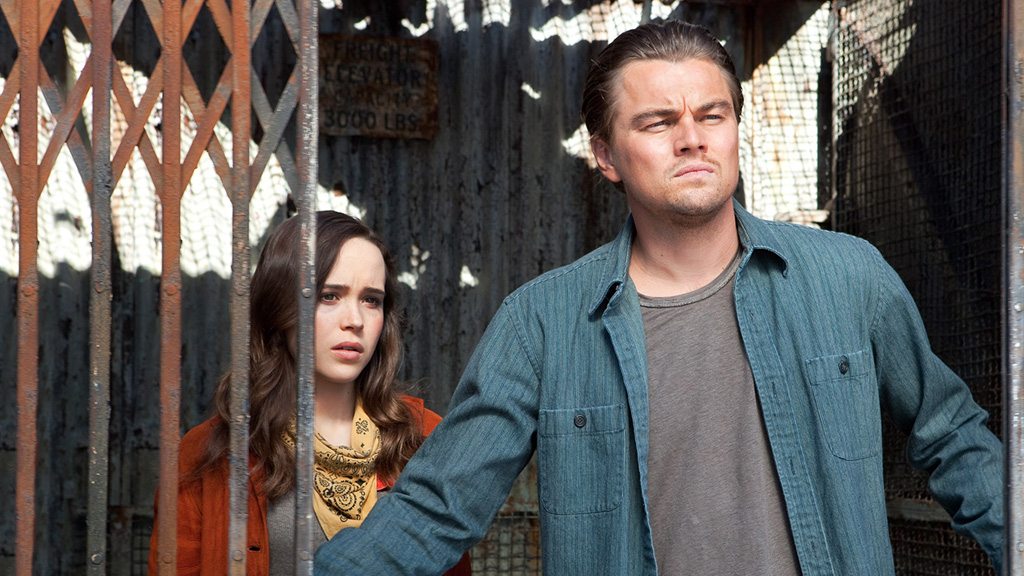
I believe the entire movie was a dream, and we are supposed to arrive at that conclusion. Nolan implants countless clues that point to this, but he works to make sure that even the clues themselves are ambiguous.

The first clue? To catch it, you have to watch the movie at least twice. There is a line in the movie when Cobb points out that our dreams always start in the middle of something, but not really the beginning. We never think about “how we got there” as he puts it.

Inception begins in the middle of Cobb’s story, as well as the middle of a dream heist. We aren’t introduced to Cobb, Arthur, or Saito. We are given a brief look at the end of the story, and then the movie just shifts seamlessly into the dream heist.

What does that remind you of? When we recall a dream, we typically start at the end (Cobb and “old” Saito) and try to remember how it actually started, but we can’t remember how it really started and just start somewhere in the middle.
inception

So, let’s say you buy that. The whole movie was a dream. Doesn’t that make you mad? Well here’s Nolan’s genius: that shouldn’t matter. We get mad that the movie was just a dream and say, “Why bother watching a movie that didn’t really happen–” and then you realize that the movie is fiction anyway.

That is just one example of why this movie is so amazing. It has scores of themes you didn’t even think were possible to associate with the film. And it takes work to sort this all out.

Back to the first statement that everything was a dream. Maybe you’re not convinced? I’ll give you more clues. The basis for the “It’s a dream” theory is based on how limbo works. When the “kick” happens, namely suicide here, you go one level up in the multi-level dreams.
inception

Cobb explains to Ariadne that he and Mal, his wife, ended up in their world-building limbo because they were experimenting with multi-dreams and Cobb pushed them too deep. He says they grew “old” together and eventually committed suicide on the train tracks to go back to reality. But here’s the thing…that would have sent them only one level up.

Cobb believes inception is the reason Mal went insane and killed herself, but it was actually true. If they died in limbo, it would be impossible for them to return to reality again unless they died again and again. Totems mean nothing here because the totem Cobb used was Mal’s, and he even broke the rules and explained how it works to Ariadne, compromising its purpose. (Talking about the totems alone would take up this entire article by the way)

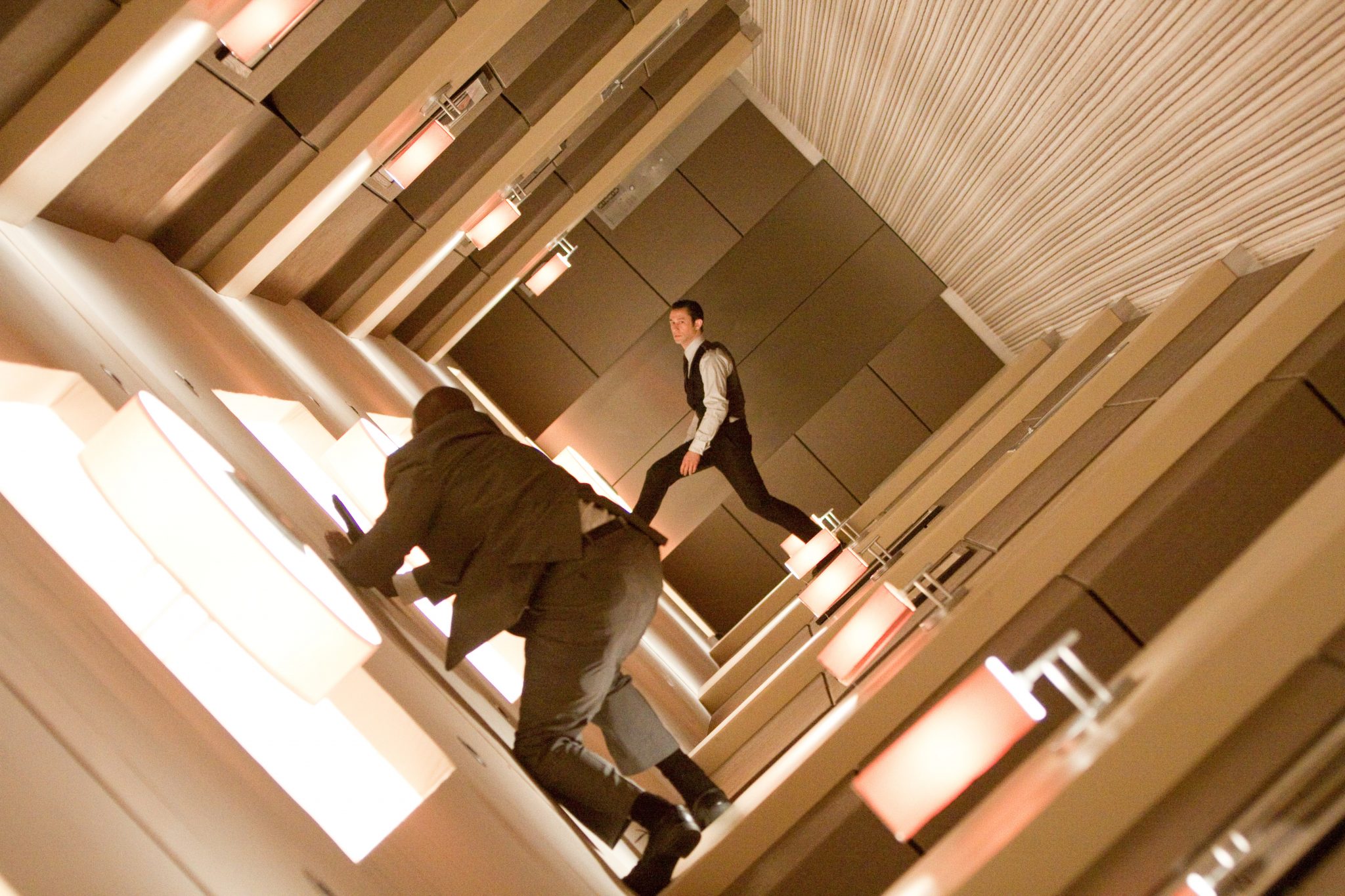
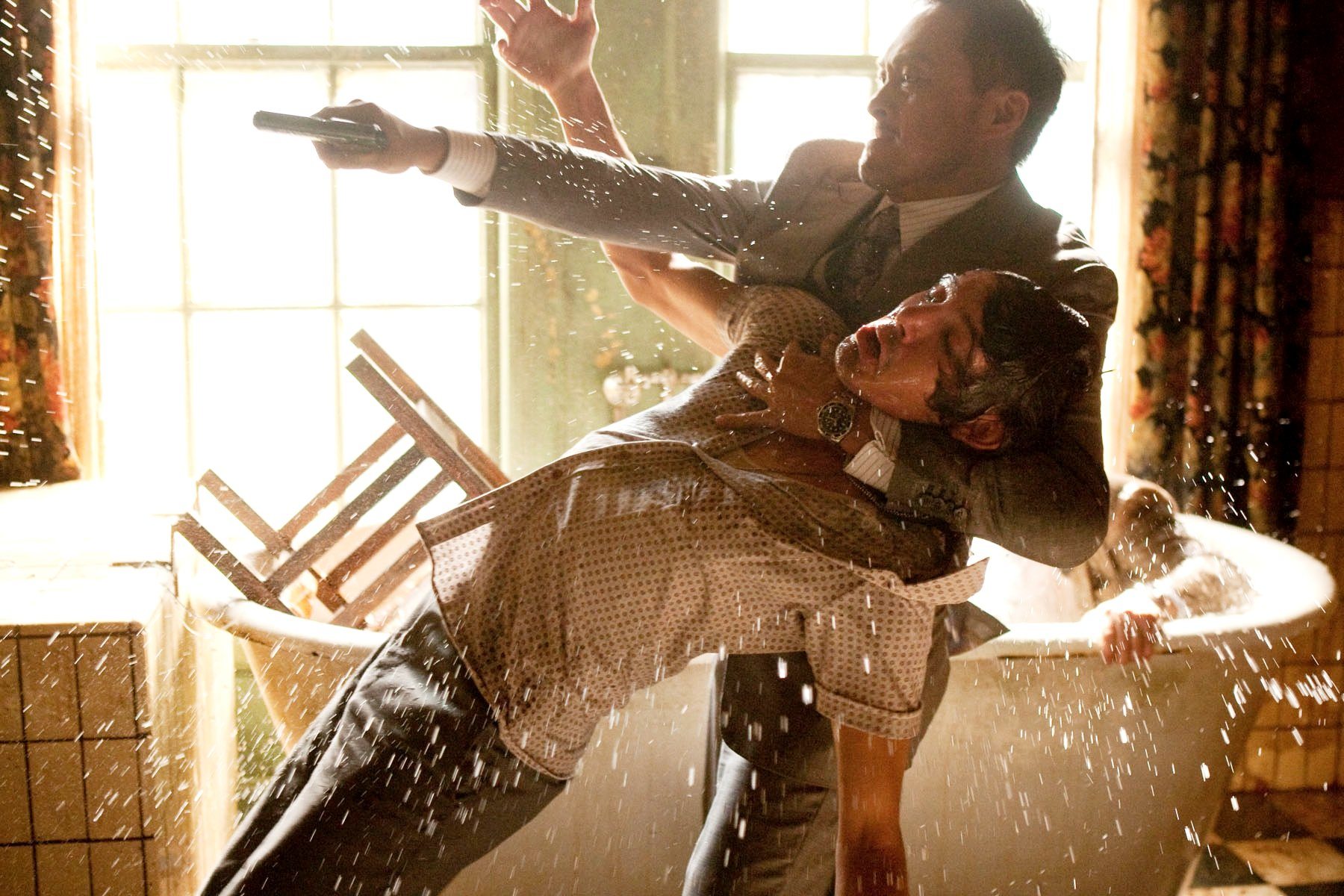
Another clue that they were in a dream when Mal killed herself: She trashes the hotel room to make it look like Cobb killed her so that he will eventually join her, but when he approaches the window, she’s across the road in another hotel room. If you look closely, it’s the same hotel room, plus it would make no sense for her to go to the other side. Cobb even proves that he doesn’t catch how that’s odd when he tells her to come inside and motions for her to come into the window he’s currently at, even though she’s across the street.

inception

One of the characteristics of a dream is that weird things happen that we don’t catch. When the dream was happening, strange things happened that we didn’t realize were major “plot holes” or illogical until we woke up and actually thought about it.

The entire movie is like this. The fast (and sloppy) editing, the one-dimensional characters all revolving around Cobb, the walls closing in on Cobb for no reason during the chase scene in Mombasa, bodyguards coming out of nowhere to attack him, Saito showing up just in time to save Cobb, and so many more examples all lead the diligent audience to believe that this is really just a dream.

After all, do we really believe that an energy tycoon that is smart about money would actually buy an entire airline just for the heck of it? And then said tycoon would risk his life in order to take part in the mission? It doesn’t really make sense the more you think about it.
inception

Watching the movie play out, it’s hard not to catch that it is clearly an allegory to filmmaking. When watch a movie, we are watching what is essentially a dream. Plot holes and the like exist because the director is trying to explain his “dream.”

Nolan himself has even admitted that he framed the characters around certain roles in filmmaking.

Cobb is the director: he leads the whole thing.

Arthur is the producer: he organizes everything.

Eames is the actor: he changes his appearance.

Ariadne is the screenwriter: she designs everything.

Yusuf is the special effects studio: he’s behind the technology to make everything work.

Saito is the bank-roller: he funds the project.

Robert is the audience: he’s the person they’re trying to plant an idea into.

inception

Need more clues? We’re told during the movie that elements of a person’s subconscious creep up during the dreams. That’s why Robert’s number, 528491, appears so often in the movie. He initially guesses the number is a combination to his father’s safe. Later, the number shows up on a napkin, a hotel room, and eventually his father’s safe at the snow fortress.

This carries on throughout the whole movie. The number of the train that kills Cobb and Mal, when they are in limbo is 3502. The taxi number later on is 2305, and the hotel Mal trashes is in room 5302. This implies that Mal’s death happened during a dream. And in the image above, you can see 3502 on the train that appeared during Robert’s dream.

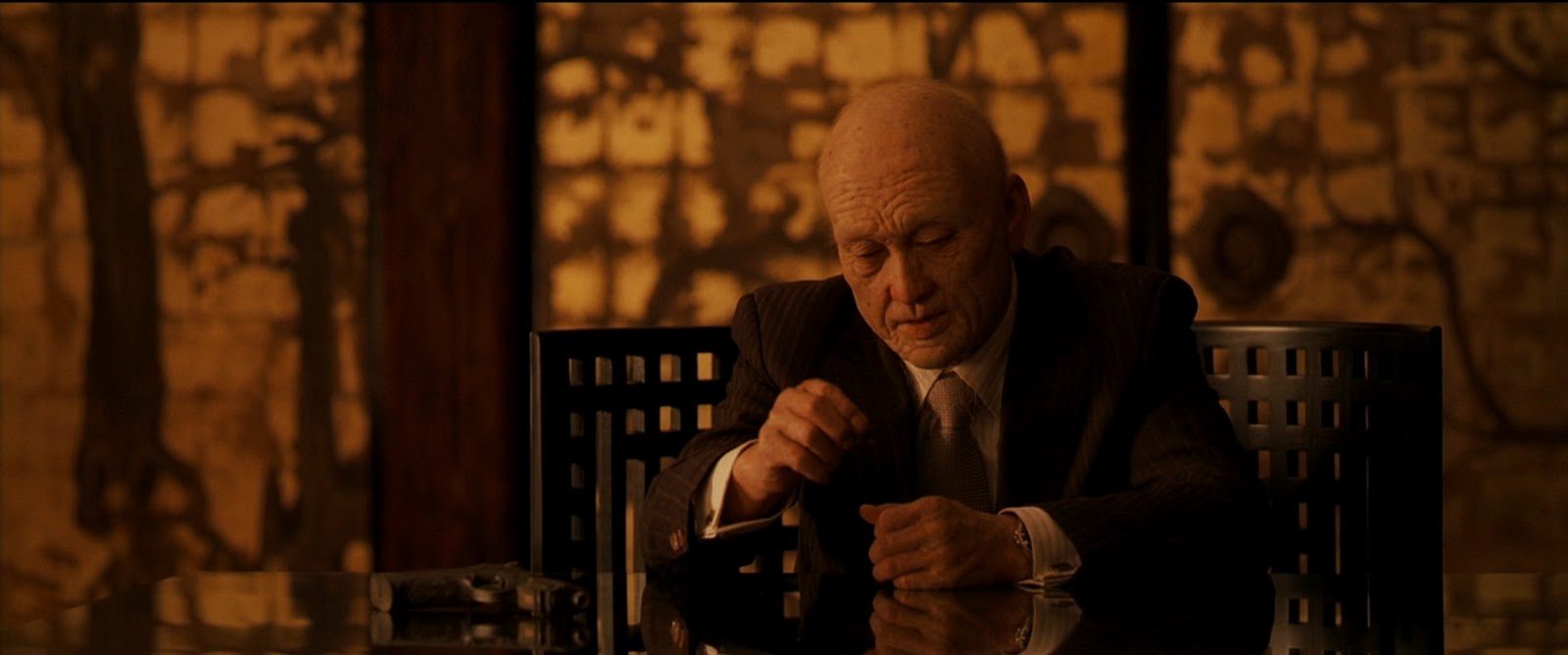
Here is the most important subconscious clue, since it has to do with the ending that ticked everyone off for being a supposed cliffhanger. The end scene when we watch to see if the totem will fall (and prove Cobb is in reality) is a red herring. A massive misdirection that serves to make us miss what’s going on in the background.
inception

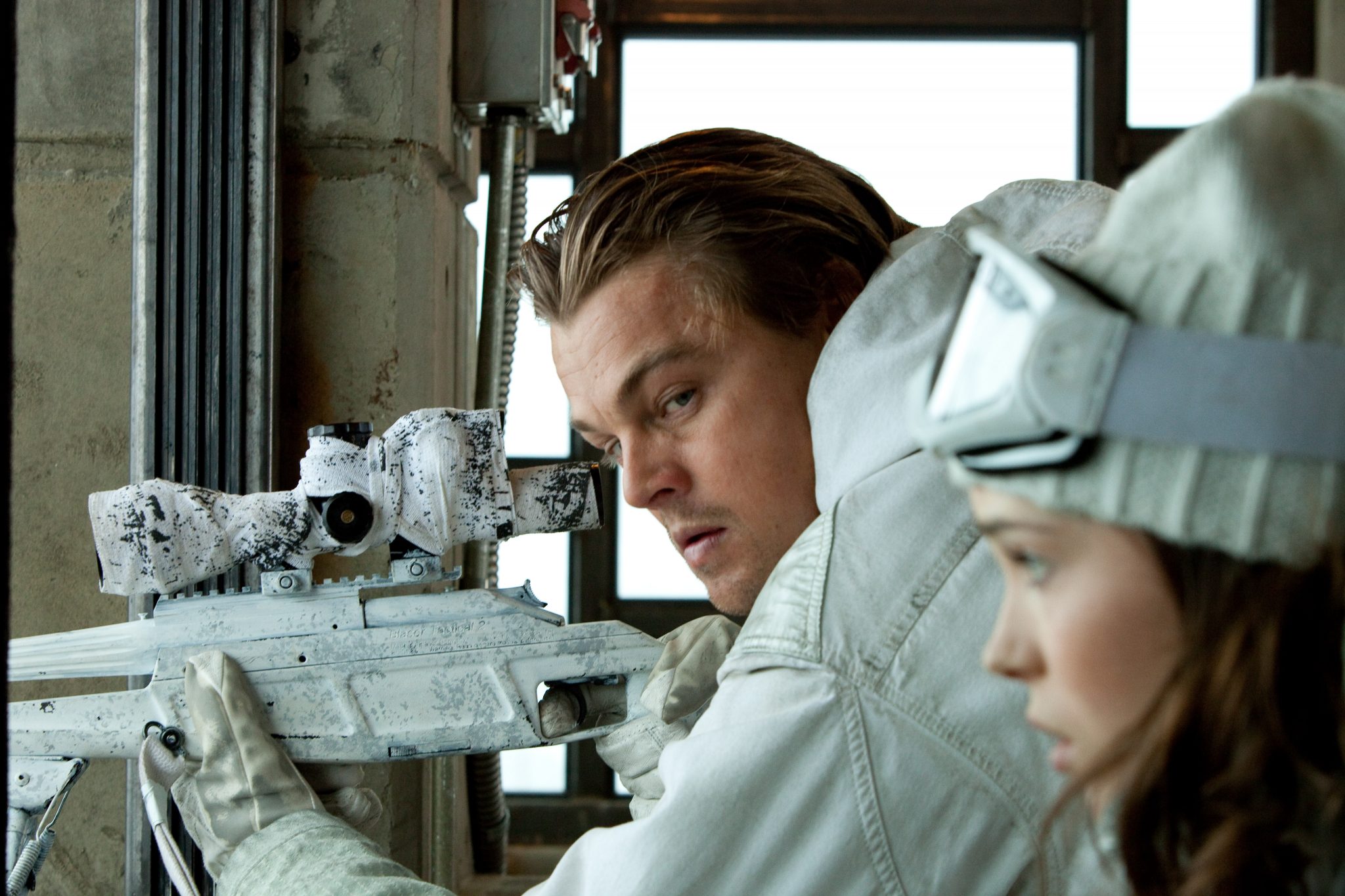
Remember, killing yourself only sends you one level up. We find “old” Saito and Cobb about to shoot themselves to escape limbo. If they did, then that means they would go back to the snow fortress. But wait, that was Fisher’s dream and Fischer received the “kick” already. If they went back a level up, that means there is nothing there. That means that the first person to die, Saito, would fill that dream with his subconscious, leading to the ending scene where Cobb supposedly reunites with his children.

How am I sure? Saito says that he always wanted a “house on a cliff.” In limbo, he is an old man living in a house on a cliff. At the very end when Cobb spins the totem and greets his kids, they say that they have just built a “house on a cliff.” This points to the whole thing taking place within Saito’s subconscious.

The beauty is how that can be a number of things. What if “house on a cliff” referred to Cobb’s subconscious being projected through Saito? That would mean Saito never existed. Honestly, there are countless ways to interpret this, but that’s not the point. The point is that this movie was designed in a way to make us understand that movies themselves are, well, inception.

inception

I could go on and on about this movie, honestly. There are just so many ways to interpret and find new revelations within the narrative. That is why it is a truly great movie, and it pains me to see that so many people dismissed it because it went over their heads and a movie like this lost “Best Picture” to The King’s Speech.

I’ll leave you with some more crazy facts in case you’re interested:

DREAMS: Dom, Robert, Eames, Ariadne , Mal, Saito.

If you add Peter, Arthur, and Yusuf, it spells DREAMS PAY (their profession is to make money by stealing from others’ dreams).

Hanz Zimmer created the entire soundtrack for this movie using only one song that is slowed down and sped up: the song used to initiate a dream is over, which is “No Regrets (translated)” by Edith Piaf. Seriously, even the blaring trombone composition is taken from that song. Also, the very last word in the song is “mal” which coincidently refers to the character Mal.

inception

The running time of the movie is exactly 2 hours and 28 minutes long, which is how long the song “No Regrets” is when translated to minutes and seconds.

Ariadne is a mythological princess who aids Theseus in escaping the Minotaur’s labyrinth. The name is also associated with Ariadne auf Naxos which is an opera that is essentially a “play within a play.”

The movie is based on Cobb’s mission to get home. His first name, Dom, literally means “home” in Latin (think domestic).

One last thought, a lot more about this subject can be found in this book, Inception and Philosophy, by Kyle Johnson. I haven’t read it myself, but I’ve been told it goes even deeper into the movie and what it all meant. Click here to check it out. 


Thanks for reading this. To get updates on my theories, books, and giveaways, join my mailing list.

Or just say hey on Twitter: @JonNegroni

A Day In The Life of a New Professional

Screen shot 2013-04-23 at 12.14.14 AM

What can you expect from post-grad life? A friend of mine asked me this just a few days ago. He’ll be graduating in just a few weeks, and I can’t blame him for being curious.

I asked myself this question one year ago, right before I completed my own undergrad. Since then, my life has changed dramatically, and I am anxious to give some words of encouragement to anyone who is about to embark on the post-grad adventure.

That said, I had a hard time answering my friend’s question, so I decided to use my favorite writing tool of all time: storytelling.

This article is a chronicle of a typical day for me, Jon Negroni, and hopefully it will shed some light on the type of lifestyle you can expect from career life. There is a lot in the post about work, of course, but I also shared some of the more personal, albeit trivial, details of what exactly a day looks like for me.

[I wrote this last night] Today was Monday. The 22nd of April in 2013.

I woke up at 7am, completely cold thanks to this year’s oddly frigid April. Like any other day, I immediately went to my desk and made my daily to-do list and prayed to God that I would complete everything I had to do.

Because I don’t have to go to work until 10am, I had three hours to prepare for the day, so I read two chapters of The Girl Who Kicked the Hornet’s Nest and went on my morning run. As always, I opted to do my morning run in silence in order to gather my thoughts for the day and get my mind going.

I walked my dog and grabbed The Wall Street Journal from my doorstep. I then made my breakfast and morning coffee while reading the paper. This part of the day is essential so that I can grasp the current events I can use and share later in the day.

Once I skimmed through the news, I checked my Facebook, Twitter, and some stats for jonnegroni.com

This is easily my favorite part of the day, as it usually consists of me browsing my social media channels stretched out on the couch with my dog comfortably beside me.

While getting ready for work, I turned the radio to NPR and caught some news on the Boston Bomber story. It got pretty depressing, so I eventually turned on Spotify and listened to folk music for the rest of the morning.

Though I don’t have to come in until 10am, I mostly aim to arrive  about a half an hour early so that I can start the morning at a steady pace. The drive to work is only a few minutes, so I listened to “Time With You” by Marc Robillard, which is what I listen to on my way to work every single day. I like routines as you’ve probably gathered by now.

I am the social media and Google AdWords manager for a faith-based nonprofit, so I divide my day into two major sections of work. I give my mornings and early afternoon to social media and the rest to AdWords.

I began the day by writing all of our new stats on my dry erase board, which shows off our likes, reach, and followers for each of our social media channels, which includes two Facebook pages and two Twitter feeds.

After I checked over all of our notifications, mentions, retweets and favorites, I began posting our first round of stories.

The first few posts were based on content delivered to me at 8am, so it didn’t take long for me to get to the next stage of my typical day: gluttony. I scoured the internet for content to share and publish for our brand, using Google Alerts and Talkwalker. At any given time I’ll have up to about 1,000 articles and news stories to read through and disseminate.

I also sifted through my email while doing this. I went the whole weekend without marking my emails, so I ended up having 181 unread emails to deal with. I didn’t find anything particularly important except for a few articles I read  and shared online.

By 11am, I had almost all of the day’s posts for Facebook and Twitter completed and scheduled, so I moved on to social media engagement.

Our website prompts you to create a profile, so I greet our new members every day and invite them to connect with us on social media. Since we had a weekend full of new members, it took me longer than normal to get through the list.

Next, I went over our notifications again and measured impressions for all of our posts over the weekend. I’ve been experimenting a lot with new types of stories we share, so I’ve been spending plenty of time watching our posts closely to see what works and what doesn’t.

Before I went to lunch at 12:30, I brought up the blog post I wrote Sunday night and did one last proofread. Once it was published and shared, I finally went home for lunch, though I checked my WordPress app for likes and shares almost the entire time.

Before I ate lunch, I went on another run, but this time using a Sony Walkman I received for free as a Klout.com perk. The music player is ideal for running since there are no wires, and they’re great for doing a run when I’m in a hurry. I ran for 10 minutes (so I wouldn’t sweat) and then came back inside to eat leftovers from the night before.

I headed back to work to finish the social media half of my day. Using Talkwalker again, I scoured the internet for keywords based on our brand to see who was talking about us and why. I found some articles people shared via Twitter and then made a startling discovery:  Some of our content had been plagiarized.

You see, we write landing pages that are designed to help people with various problems such as suicide, depression, and mental health (that’s where my Google AdWords work comes in). One of our most popular pages is a large list full of simple tips on improving mental health.

Thanks to Talkwalker (which I’m doing a review on later this week), I discovered that the content of this page had been copied and posted on another brand’s Facebook page (I won’t divulge their name) without attributing our organization to the author.

I let my boss know about this and then communicated with the admin of the page in order to get the post properly credited. All in a day’s work for your local social media manager.

By 2:30, I was ready to spend the last four hours of my workday on Google AdWords.

Unlike social media, a lot of this work is a little more tedious and involves numbers and data, although today I wrote copy for ads we are preparing in regards to a child sponsorship project. I  also did keyword research for our search ads.

We use Google AdWords to drive people to our landing pages, which are about tough topics like marital issues, mental illnesses, and more. I create ads for these pages, add tons of keywords, and then measure our clicks, impressions, and conversions  for each of these pages in order to properly allocate our AdWords budget as effectively as possible.

There’s not much more to it than that. I like this part of my day because it allows my mind to sort of empty. I’ll listen to podcasts, classical music, and NPR to keep myself entertained. Today I listened to a few Freakonomics podcasts.

I finished the day’s work about an hour early, so I began to cool down and read blogs and articles that I could use for the next day before I eventually went home.

I changed into casual clothes and went to get groceries for the week. I went home and cooked to 90s music, ignoring my dog’s pleas for attention. Once I finished dinner and cleaned the kitchen, it was already sunset, so I set out to walk to a coffee shop just a few blocks away from where I live.

On my walk, I listened to “Rhapsody in Blue” by Gershwin, which was pretty much the most beautiful part of my day, as I observed the shifting sky to beautiful music.

I ran into a couple of friends at the coffee shop, including an old friend I hadn’t seen in a while and managed to catch up with. I got my beverage and read a few more chapters of The Girl Who Kicked the Hornet’s Nest before walking back home to “Meditation” by Thais, which was fantastic.

As soon as I got home, I changed into workout clothes and went to play tennis with one of my close friends for a couple of hours. Unfortunately, she completely bested me, but I still managed to have a great time.

I went home, cleaned up, and then worked on my book that I plan to have completed sometime this decade (sarcasm).

And then I wrote this article. Once I’ve finished, I plan on reading a few another chapter or two and getting some much-needed rest.

So there you have it. A typical day in the life of a new professional. I like to think that every single person has days exactly like this, but that is unfortunately ridiculous.

Like what you read? Connect with me further via twitter @JonNegroni. I’ll follow back if you seem like a real person. You can also subscribe to this blog by clicking the “follow” button in the top-left corner.

Don’t forget to check out THE JON REPORT every day, updated at 8am for a list of today’s main headlines as selected by my editorial team (me) 

There is Only One Of You

One of You

So, when you are writing, remember that there countless other perspectives than yours. Falling into this trap of believing your words are somehow universal is, to put it simply, immature.

When you are writing, you are giving freedom to your thoughts. Writing for yourself is a fantastic exercise that everyone, no matter how good they are, should do regularly. Keeping track of your experiences and ideas can be a great gift to someone later in life.

That said, writing for others takes a completely different mindset.

The other day, I wrote a poem for the first time in years. I won’t share it here for two reasons:

1. The poem is ridiculously personal and embarrassing.

2. No one would understand it except for me.

(Yes, yes, I understand that there are great works of literature out there that we will never fully understand because the author did not share its true meaning, but that doesn’t mean that I am seeking anything other than catharsis.)

When I write for an audience, however, I have to rely on more than just my own thoughts and values. I have to pull from shared experiences (which I frankly assume) and translate them into words that I believe will resonate with people.

That, I believe, is what makes a good writer. Empathy. The ability to speak to a lot of people in a meaningful or practical way without alienating yourself in the process.

Enjoy the words.

Like what you read? Connect with me further via twitter @JonNegroni. I’ll follow back if you seem like a real person. You can also subscribe to this blog by clicking the “follow” button in the top-left corner.

Don’t forget to check out THE JON REPORT every day, updated at 8am for a list of today’s main headlines as selected by my editorial team (me) 

Choice Vs. Fate

Choice or Fate

Are our lives governed by choice or fate?

It’s hard for me to pick a side, mostly because this is a competition between the vanity of choice and the evidence of fate, but it became easier for me thanks to a strange event that happened to me yesterday.

Yesterday was one of those days where little choices had a huge ripple effect for me.

I’ve been training for a Color Run in a nearby town that is 5k. So, everyday, I have been running in order to build up my endurance so that I can perform very well. Interestingly, I have no real motivations for why I am training so hard.

I am going with friends so there is no pressure to outrun anyone. I can already run the 5k without too much effort, yet oddly, I have made it a personal goal to perform beyond my usual expectations.

Enter the events of yesterday. I was tired, sore, and thinking about anything but running. I had already run the full 5k the day before, and I desired rest. I ran into an old acquaintance, however, who made a biting remark about my weight since I last saw him.

He claimed to be joking, but the remark sunk in all the same. I felt challenged to overcome my tiredness and prove this old friend wrong. I set out to run somewhere I had never run before.

Notice how choice and fate continue to string along here. I didn’t choose to have this friend challenge me. It just happened. Right place, right time. The rest of this story would never have happened had he not said anything.

I went to a nearby high school and used their track, late at night, to run for just half of the 5k. That seemed reasonable in my head, although I had no idea why I was bothering to run in that very place at that very peculiar moment.

I stretched and embarked on my run, constantly being faced with the choice of how long I should push myself. I was even tempted to quit early because someone was eyeing my bag that I left laying by the track field, and I was worried he would give in to temptation. Regardless, I made the uncharacteristic choice of pressing on.

Soon, my side started hurting. It turned out that I really was too sore to carry on, and I was on the brink of calling it a night. But some unexplainable force kept me going. I made a choice to keep going, despite the fact that I had no reason to make that choice.

As I was running, I noticed a group of three students playing tennis in the courts adjacent to the track. As I kept running, I kept diverting my attention to them, even though I wasn’t very curious.

As it turns out, I managed to run the entire 5k and broke my record for average time per mile. I was ecstatic that I had overcome my physical limitations and successfully pushed myself for the first time in a while.

Funny thing. I finished the run just as I was passing by the courts and was compelled to yell out to the group of three, asking if they needed a fourth player. They were inviting and asked me to join them.

It turns out that the tennis racket I’ve been keeping in my car for years (even though I never use it) finally came in handy, despite all the reasons in the world I had for leaving the thing at home.

I joined them on the courts and played for a good two hours. My partner and I even won 6 games to 5.

It was a great experience and I made some great friends, but I can’t shake just how powerless I felt when it came to how this event happened. Despite all of the reasons why I shouldn’t have made any of the choices I made yesterday, I still made them and it led to a fantastic event that I could have never predicted to happen.

I’ve never been one to care too much about free will and predestination. The idea of whether or not we really have control over our lives.

But I have to be honest and say that even though free will is a much more desirable philosophy, I can’t help but recognize the evidence that we are not the supreme arbiters of our own lives, even when we feel like we are.

Like what you read? Connect with me further via twitter @JonNegroni. I’ll follow back if you seem like a real person. You can also subscribe to this blog by clicking the “follow” button in the top-left corner.

Don’t forget to check out THE JON REPORT every day, updated at 8am for a list of today’s main headlines as selected by my editorial team (me)