

Inception is rapidly becoming my favorite movie of all time. I first saw it during the midnight premiere back in 2010, and I enjoyed the heck out of it. I remember being mesmerized by its originality and unrelenting assault on my mind’s stamina.
It took another dozen viewings of the film, however, to persuade me that this is one of the best films of my lifetime, and the first truly great film of the 21st Century.
Let me explain.
For me, a truly great film isn’t really like a masterpiece. A masterpiece, after all, is more about critical praise and the apex of one’s career. Inception is great in a different way. It’s just smart. It didn’t receive universal, critical praise (though it got some) because it completely went over the heads of almost everyone.

For all of you who think you “get” the movie, I sincerely doubt that more than a handful actually caught everything that was going on in the story.
Here’s a test to see if you did: do you think the ending was a cliffhanger? Because if you did, you are dead wrong.
Let me be clear about something. I’ve seen this movie backward and forward, so what I’m about to get into is just a summary of what I’ve personally discovered, combined with some great insights provided by the research of others.
Spoilers ahead, so if you haven’t seen the movie, stop reading this and get that taken care of.
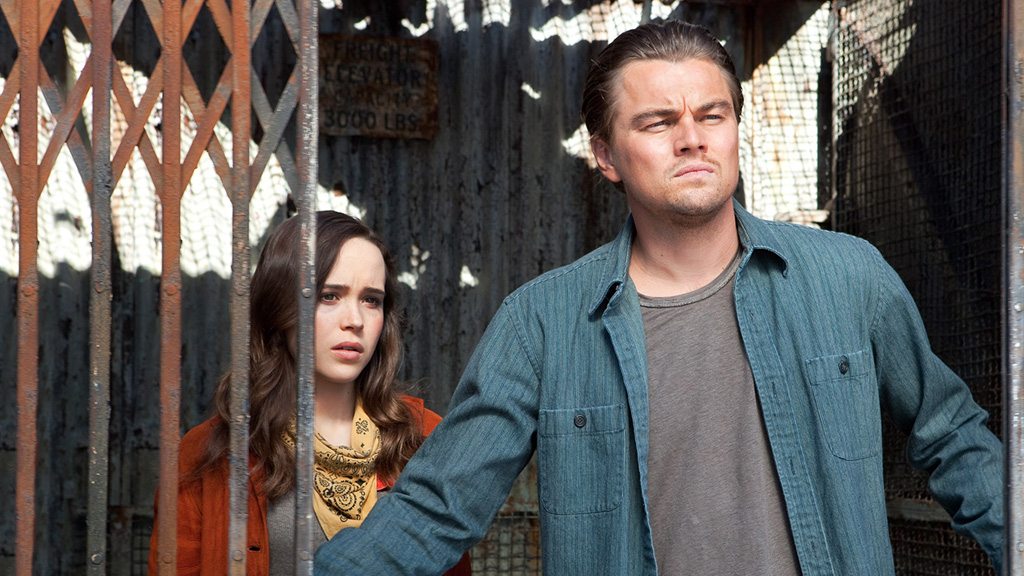
I believe the entire movie was a dream, and we are supposed to arrive at that conclusion. Nolan implants countless clues that point to this, but he works to make sure that even the clues themselves are ambiguous.
The first clue? To catch it, you have to watch the movie at least twice. There is a line in the movie when Cobb points out that our dreams always start in the middle of something, but not really the beginning. We never think about “how we got there” as he puts it.
Inception begins in the middle of Cobb’s story, as well as the middle of a dream heist. We aren’t introduced to Cobb, Arthur, or Saito. We are given a brief look at the end of the story, and then the movie just shifts seamlessly into the dream heist.
What does that remind you of? When we recall a dream, we typically start at the end (Cobb and “old” Saito) and try to remember how it actually started, but we can’t remember how it really started and just start somewhere in the middle.
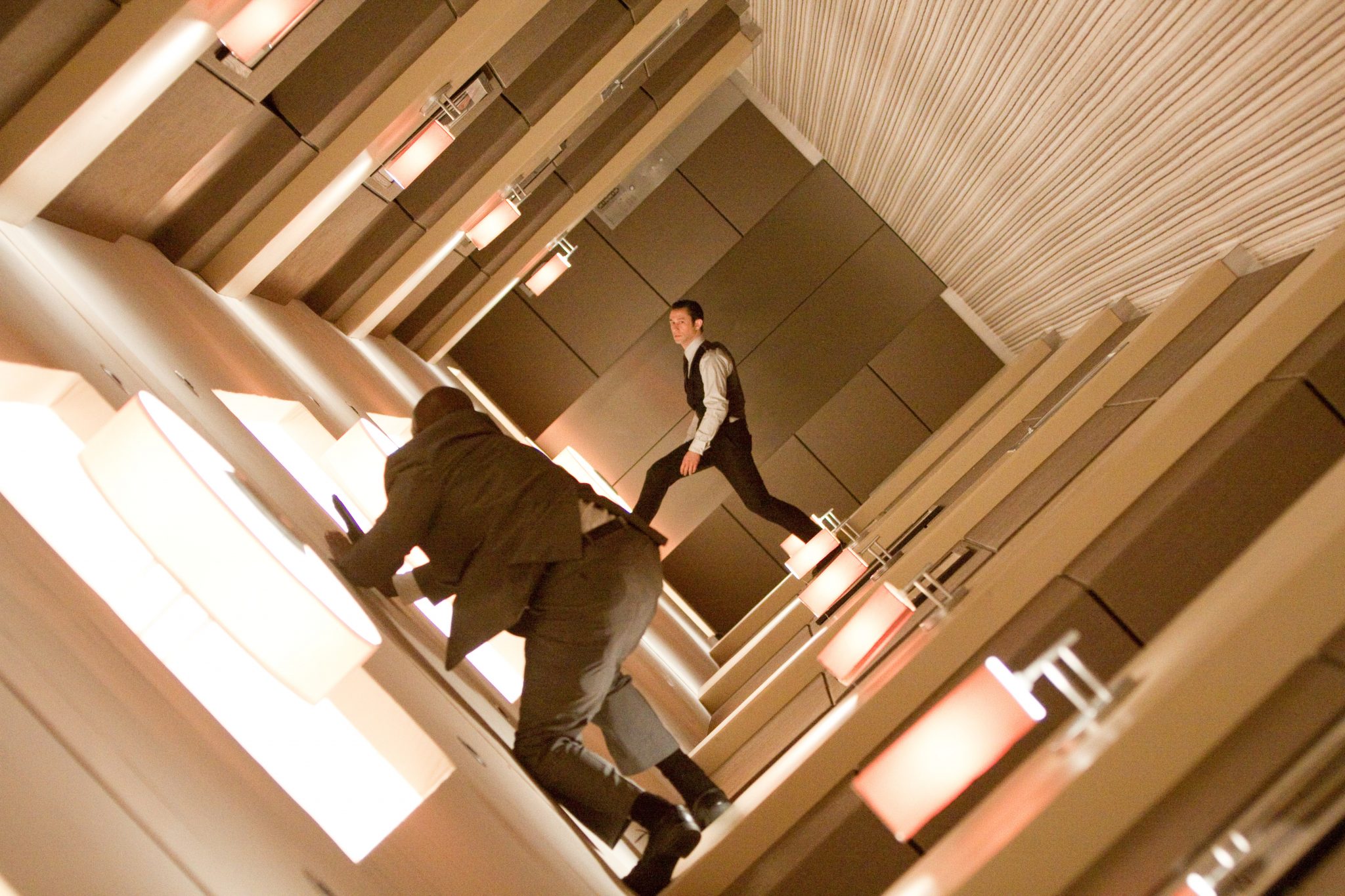
So, let’s say you buy that. The whole movie was a dream. Doesn’t that make you mad? Well here’s Nolan’s genius: that shouldn’t matter. We get mad that the movie was just a dream and say, “Why bother watching a movie that didn’t really happen–” and then you realize that the movie is fiction anyway.
That is just one example of why this movie is so amazing. It has scores of themes you didn’t even think were possible to associate with the film. And it takes work to sort this all out.
Back to the first statement that everything was a dream. Maybe you’re not convinced? I’ll give you more clues. The basis for the “It’s a dream” theory is based on how limbo works. When the “kick” happens, namely suicide here, you go one level up in the multi-level dreams.
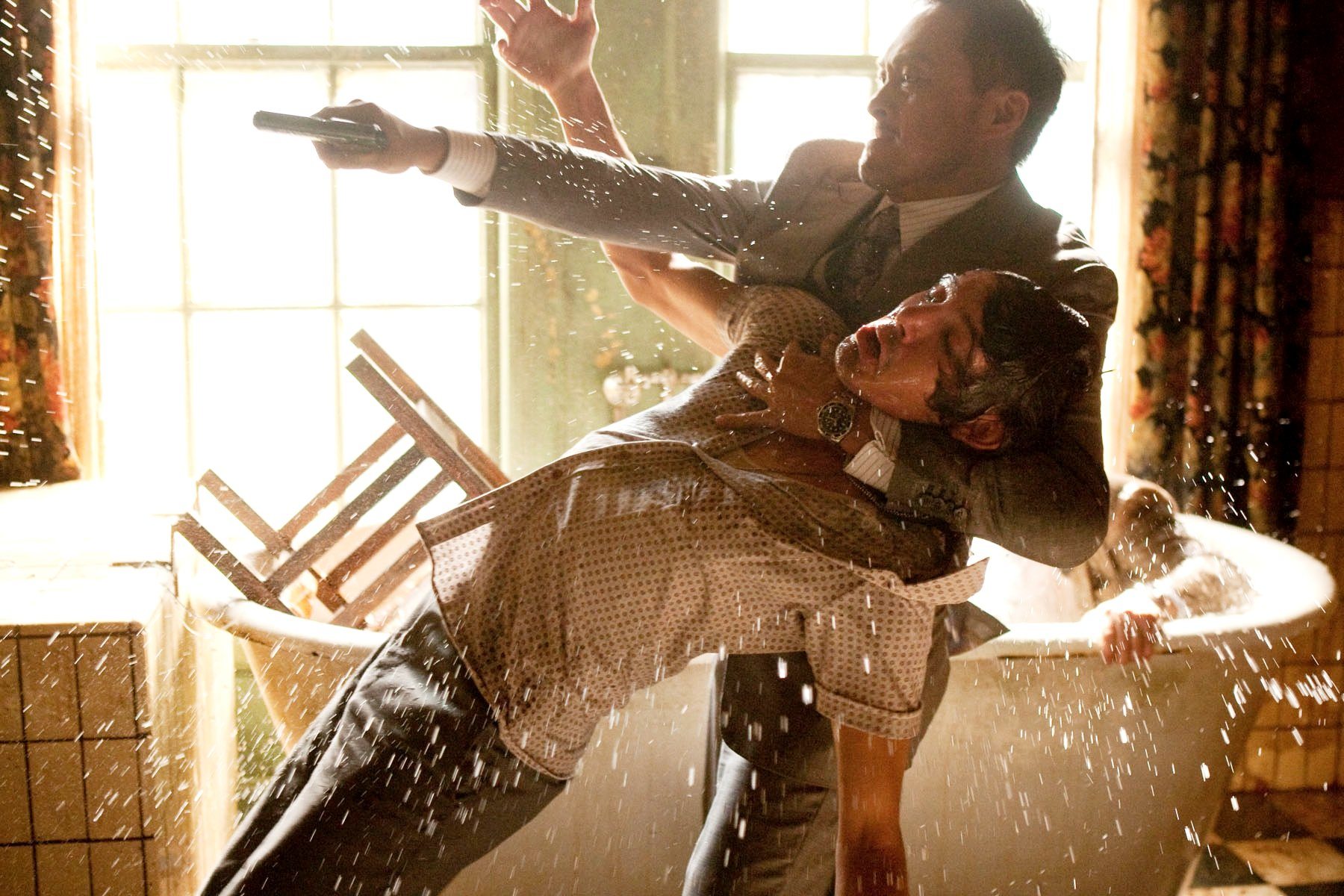
Cobb explains to Ariadne that he and Mal, his wife, ended up in their world-building limbo because they were experimenting with multi-dreams and Cobb pushed them too deep. He says they grew “old” together and eventually committed suicide on the train tracks to go back to reality. But here’s the thing…that would have sent them only one level up.
Cobb believes inception is the reason Mal went insane and killed herself, but it was actually true. If they died in limbo, it would be impossible for them to return to reality again unless they died again and again. Totems mean nothing here because the totem Cobb used was Mal’s, and he even broke the rules and explained how it works to Ariadne, compromising its purpose. (Talking about the totems alone would take up this entire article by the way)
Another clue that they were in a dream when Mal killed herself: She trashes the hotel room to make it look like Cobb killed her so that he will eventually join her, but when he approaches the window, she’s across the road in another hotel room. If you look closely, it’s the same hotel room, plus it would make no sense for her to go to the other side. Cobb even proves that he doesn’t catch how that’s odd when he tells her to come inside and motions for her to come into the window he’s currently at, even though she’s across the street.

One of the characteristics of a dream is that weird things happen that we don’t catch. When the dream was happening, strange things happened that we didn’t realize were major “plot holes” or illogical until we woke up and actually thought about it.
The entire movie is like this. The fast (and sloppy) editing, the one-dimensional characters all revolving around Cobb, the walls closing in on Cobb for no reason during the chase scene in Mombasa, bodyguards coming out of nowhere to attack him, Saito showing up just in time to save Cobb, and so many more examples all lead the diligent audience to believe that this is really just a dream.
After all, do we really believe that an energy tycoon that is smart about money would actually buy an entire airline just for the heck of it? And then said tycoon would risk his life in order to take part in the mission? It doesn’t really make sense the more you think about it.
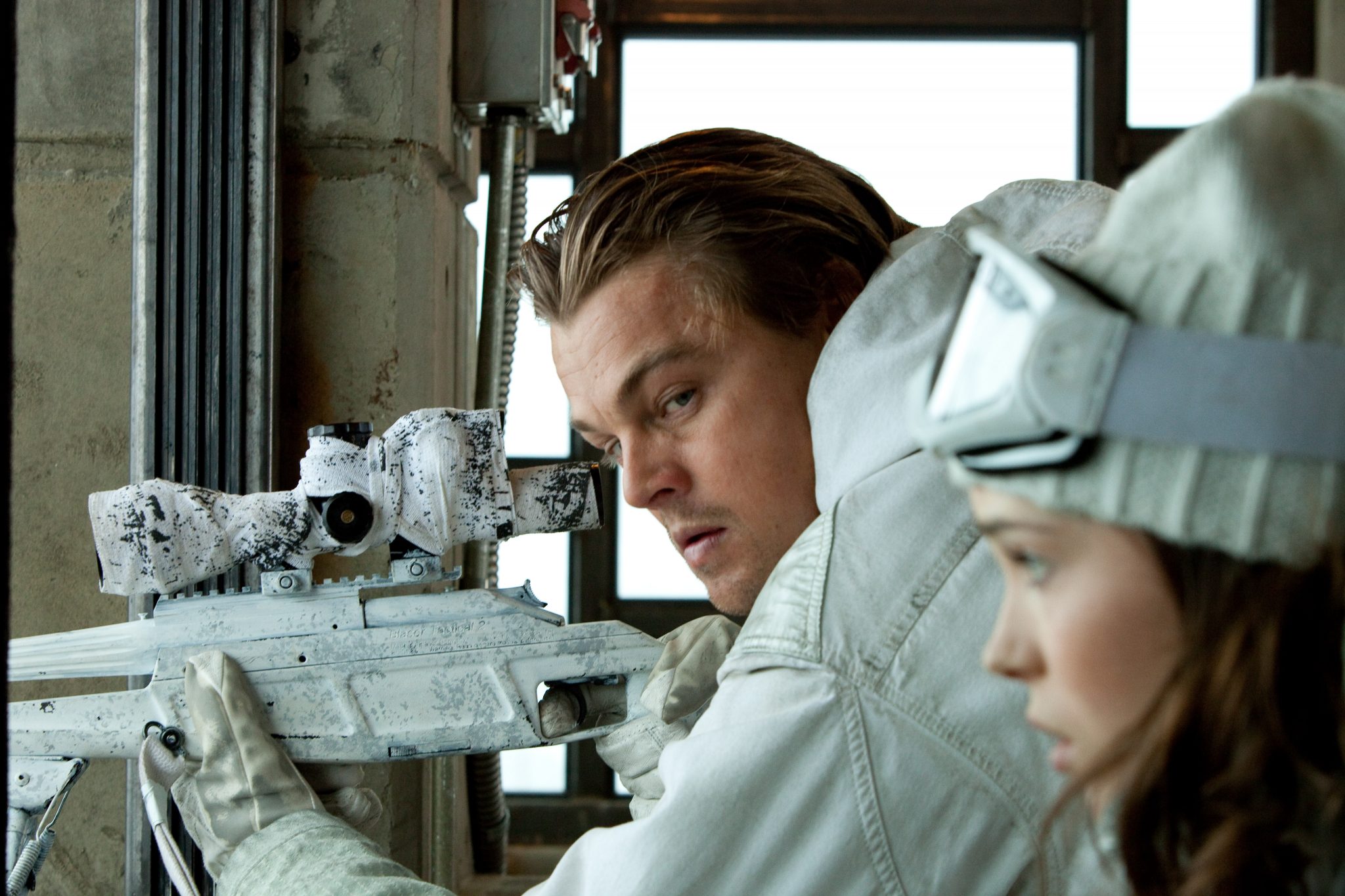
Watching the movie play out, it’s hard not to catch that it is clearly an allegory to filmmaking. When watch a movie, we are watching what is essentially a dream. Plot holes and the like exist because the director is trying to explain his “dream.”
Nolan himself has even admitted that he framed the characters around certain roles in filmmaking.
Cobb is the director: he leads the whole thing.
Arthur is the producer: he organizes everything.
Eames is the actor: he changes his appearance.
Ariadne is the screenwriter: she designs everything.
Yusuf is the special effects studio: he’s behind the technology to make everything work.
Saito is the bank-roller: he funds the project.
Robert is the audience: he’s the person they’re trying to plant an idea into.

Need more clues? We’re told during the movie that elements of a person’s subconscious creep up during the dreams. That’s why Robert’s number, 528491, appears so often in the movie. He initially guesses the number is a combination to his father’s safe. Later, the number shows up on a napkin, a hotel room, and eventually his father’s safe at the snow fortress.
This carries on throughout the whole movie. The number of the train that kills Cobb and Mal, when they are in limbo is 3502. The taxi number later on is 2305, and the hotel Mal trashes is in room 5302. This implies that Mal’s death happened during a dream. And in the image above, you can see 3502 on the train that appeared during Robert’s dream.
Here is the most important subconscious clue, since it has to do with the ending that ticked everyone off for being a supposed cliffhanger. The end scene when we watch to see if the totem will fall (and prove Cobb is in reality) is a red herring. A massive misdirection that serves to make us miss what’s going on in the background.
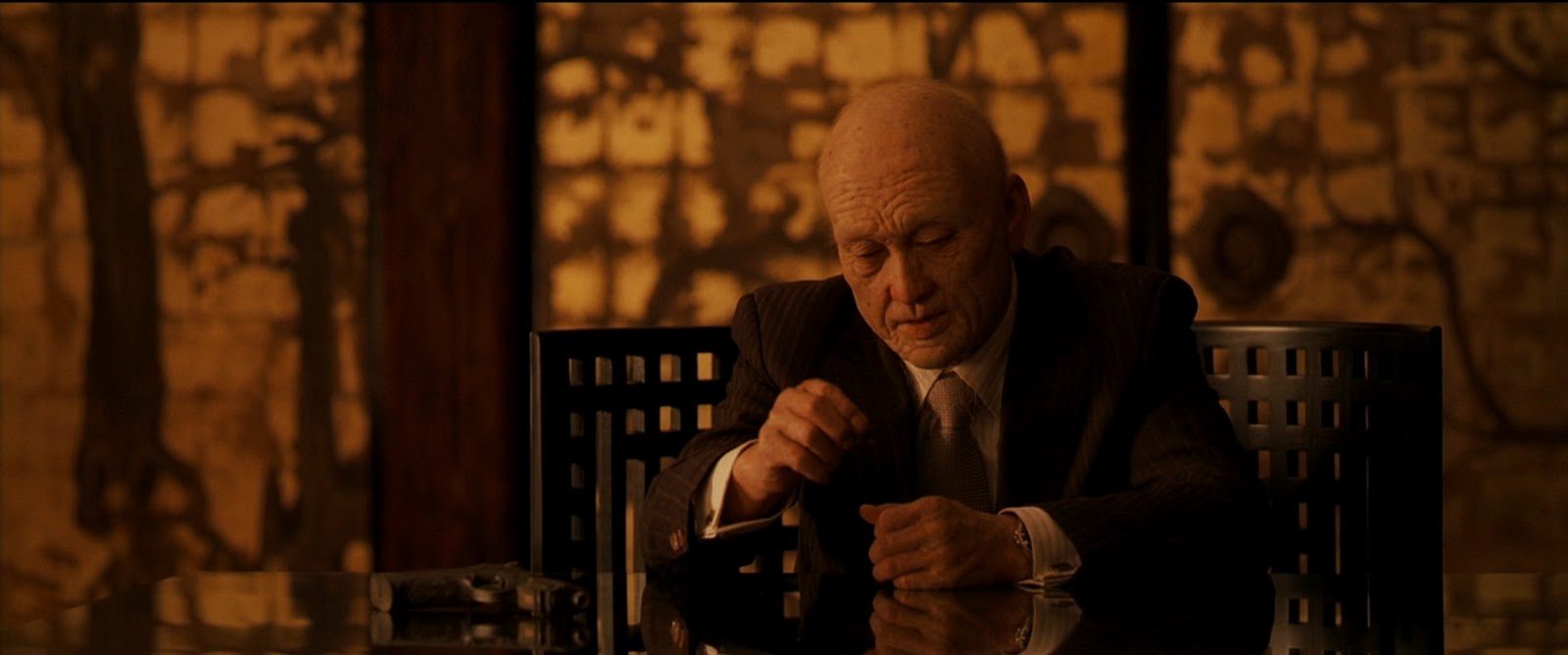
Remember, killing yourself only sends you one level up. We find “old” Saito and Cobb about to shoot themselves to escape limbo. If they did, then that means they would go back to the snow fortress. But wait, that was Fisher’s dream and Fischer received the “kick” already. If they went back a level up, that means there is nothing there. That means that the first person to die, Saito, would fill that dream with his subconscious, leading to the ending scene where Cobb supposedly reunites with his children.
How am I sure? Saito says that he always wanted a “house on a cliff.” In limbo, he is an old man living in a house on a cliff. At the very end when Cobb spins the totem and greets his kids, they say that they have just built a “house on a cliff.” This points to the whole thing taking place within Saito’s subconscious.
The beauty is how that can be a number of things. What if “house on a cliff” referred to Cobb’s subconscious being projected through Saito? That would mean Saito never existed. Honestly, there are countless ways to interpret this, but that’s not the point. The point is that this movie was designed in a way to make us understand that movies themselves are, well, inception.

I could go on and on about this movie, honestly. There are just so many ways to interpret and find new revelations within the narrative. That is why it is a truly great movie, and it pains me to see that so many people dismissed it because it went over their heads and a movie like this lost “Best Picture” to The King’s Speech.
I’ll leave you with some more crazy facts in case you’re interested:
DREAMS: Dom, Robert, Eames, Ariadne , Mal, Saito.
If you add Peter, Arthur, and Yusuf, it spells DREAMS PAY (their profession is to make money by stealing from others’ dreams).
Hanz Zimmer created the entire soundtrack for this movie using only one song that is slowed down and sped up: the song used to initiate a dream is over, which is “No Regrets (translated)” by Edith Piaf. Seriously, even the blaring trombone composition is taken from that song. Also, the very last word in the song is “mal” which coincidently refers to the character Mal.

The running time of the movie is exactly 2 hours and 28 minutes long, which is how long the song “No Regrets” is when translated to minutes and seconds.
Ariadne is a mythological princess who aids Theseus in escaping the Minotaur’s labyrinth. The name is also associated with Ariadne auf Naxos which is an opera that is essentially a “play within a play.”
The movie is based on Cobb’s mission to get home. His first name, Dom, literally means “home” in Latin (think domestic).
One last thought, a lot more about this subject can be found in this book, Inception and Philosophy, by Kyle Johnson. I haven’t read it myself, but I’ve been told it goes even deeper into the movie and what it all meant. Click here to check it out.
Do you have any proof that this is real, because I believe that when I dream ends, anyone in limbo is automatically pulled out, time is just much longer down there.
Plus, inception does not mean a dream within a dream, but the imputing of information into a person without the person realizing it
Your second point about dying in limbo doesn’t work though since Cobb thoroughly explains that when you die in limbo you wake up.
What if Inception is all a dream from the beginning of the film until Cobb wakes up on the plane at the end. If you just watch the end of the movie without any preconceived notions about what is going on then all it looks like is that a group of people (presumably business people) are waiting to land in LA. There is not a single bit of spoken dialogue except between Cobb and the Customs official, and there is only some vague smiles from “Arthur” and Ariadne” to Cobb and a slight passing nod (if even that) from Yasuf or Robert to Cobb. Saito is not even seen after landing (I don’t think). Maybe the knowing smiles from “Arthur” and “Ariadne” after Cobb wakes up on the plane and when seeing him in baggage claim is simply due to him talking in his sleep on the plane or whatever. Cobb may not even know anyone in the first class cabin in reality or at the very least maybe “Arthur” and “Ariadne” are coworkers and they are all architects or something. I’m of the mind that Cobb knows none of them in reality as the movie doesn’t show him saying a single word to any of them. Maybe all his strange looks directed to them are simply him still waking up from his long 10 hour dream…
So maybe literally everything in the movie is a dream up until Cobb wakes up on the plane, and what we see of other actors after that is “reality” but we don’t even know what the true relationships of those people are. Maybe Eames, Arthur, Ariadne, and the rest are just fellow passengers that Cobb simply added to his dreams. He may not even know them. And the stuff he dreamed about? Maybe his wife had recently died and he hadn’t come to grips with her death yet and he had simply been out of the country away from his children for a while and really wanted to get back to them.
My alternate theory is that when Mal and Cobb were hit by the freight train they woke up to Cobb’s dream that Cobb himself believed was reality. But Mal figured out that Cobb’s “reality” was really his dream but maybe she was never able to get him to see that his “reality” was really just another dreamworld and they never had children in the true real world (they had their children in his dreamworld level). So when Mal fell off the building and “died” in Cobb’s world, he thought she had died but she had really just truly woken up and Cobb is still asleep in his own dream world where every last bit of the movie takes place in. Perhaps he has gone into a coma and Mal and her father (who apparently pioneered all of this) have since tried to “dive” into Cobb’s eternal dreamworld to wake him up. But in the end, perhaps Mal decided that Cobb was too far gone – too in love with his “reality” and since she didn’t want him to suffer any longer perhaps she and her father were the ones actually behind getting Cobb to finally let his memory of Mal go. After all, among other characters, Mal and Mal’s father both tell him to wake up and return to reality but he doesn’t listen…
Here are some additional notes to my main theory (about the whole movie being Cobb’s dream up until he wakes up on the plane):
-The top is simply a toy he picked up while in Paris as a toy for his children.
-The song “No Regrets” must have been a tune stuck in his head that he heard while in Paris (it is a French song after all).
-Maybe he is a set designer for action movies. He did have some detailed schematics in his dream during the planning stages that “Ariadne” designed. Perhaps he was in Paris doing architectural and design work for one or more movies and he dreamed about the action sequences that would take place in those set pieces.
Reading this at work is a bad idea, I laughed all the way….
Can’t wait to see the movie!
Oops, the previous comment was actually meant for the Hunger Games – Trailer Breakdown, why did it appear here….
Although I enjoyed this article and agree with many ideas, I believe that despite your number of points arguing that it ends as a dream, there would be an equal amount when arguing that Cobb returns to reality – I also believe that Christopher Nolan said in an article in “Wired” magazine that he left the ending ambiguous for the audience to decide whether he has returned to reality or not (sorry if I misquoted).
9999 The little specifics, these types of as fabric bows or embroidery allow them to offer a specific evaluate of panache on the most regular almost every outfit. We were like “ok, you will marry Harry!” Would she in the future be Prince Harry’sthen? “Nah! No!”.
uggs outlet http://www.hartmanmiddle.org/uggs-outlet-c-5.html
9999 The succeed you’ve finished has gotten you this far. These station replica handbags are sometimes the clone to the reliable breathtaking channel totes.
kids kensington ugg boots uk http://www.celticsoul.co.uk/kensington-ugg-boots-uk-c-8.html
Asking questions are in fact pleasant thing if you are not understanding anything
fully, but this paragraph presents pleasant understanding yet.
We stumbled over here different page and thought I should check things out.
I like what I see so now i am following you.
Look forward to looking over your web page for a second time.
“For all of you who think you ““get”” the movie, I sincerely doubt that more than a handful actually caught everything that was going on in the story.” That seems awfully pretentious doesn’t it? Let me explain, I read the synopsis on Wikipedia before I watched the movie, and understood every bit of both. Saying “Oh only a handful of blah blah blah.” only further embellishes your self made omnipotence. Screw off you fetcher. You aren’t any smarter than anyone else that watched the movie, and certainly not smarter than just a “handful” of people. Your article makes that quite clear.
Dispute me, I dare you milk-drinker.
Bogging.
Down.
Your.
Article.
While.
Drunk.
In.
Missouri.
You.
Inbred worthless nothing. You’re a nothing. You have a blog someone reads once every blue moon, you are not shit, and you’ll never be shit. Good day. Sincerely yours, Nicholas Trollenski.
At this point I’ll just type things to simply type them, lock your comments dude…. Oh wait, you’re to inane to even do that. Who would have guessed?
This is great! The first article I’ve read on Inception that isn’t filled with massive misconceptions. I actually learned something new from you too even after having seen it around 10 times. I don’t agree with you fully, but to explain my point of view would require way too much time.
The question I can’t find the answer to is this… How did they wake up from dream level one? They had a week there and Fischer’s subconscious should have continued trying to kill them. There’s no kick in the plane to wake them up. So how did they all survive there for a week? …I know, you think the whole scenario of waking up in the plane is Saito’s new dream. But let’s pretend you’re wrong. How do they wake up?
The plane is descending.