

Inception is rapidly becoming my favorite movie of all time. I first saw it during the midnight premiere back in 2010, and I enjoyed the heck out of it. I remember being mesmerized by its originality and unrelenting assault on my mind’s stamina.
It took another dozen viewings of the film, however, to persuade me that this is one of the best films of my lifetime, and the first truly great film of the 21st Century.
Let me explain.
For me, a truly great film isn’t really like a masterpiece. A masterpiece, after all, is more about critical praise and the apex of one’s career. Inception is great in a different way. It’s just smart. It didn’t receive universal, critical praise (though it got some) because it completely went over the heads of almost everyone.

For all of you who think you “get” the movie, I sincerely doubt that more than a handful actually caught everything that was going on in the story.
Here’s a test to see if you did: do you think the ending was a cliffhanger? Because if you did, you are dead wrong.
Let me be clear about something. I’ve seen this movie backward and forward, so what I’m about to get into is just a summary of what I’ve personally discovered, combined with some great insights provided by the research of others.
Spoilers ahead, so if you haven’t seen the movie, stop reading this and get that taken care of.
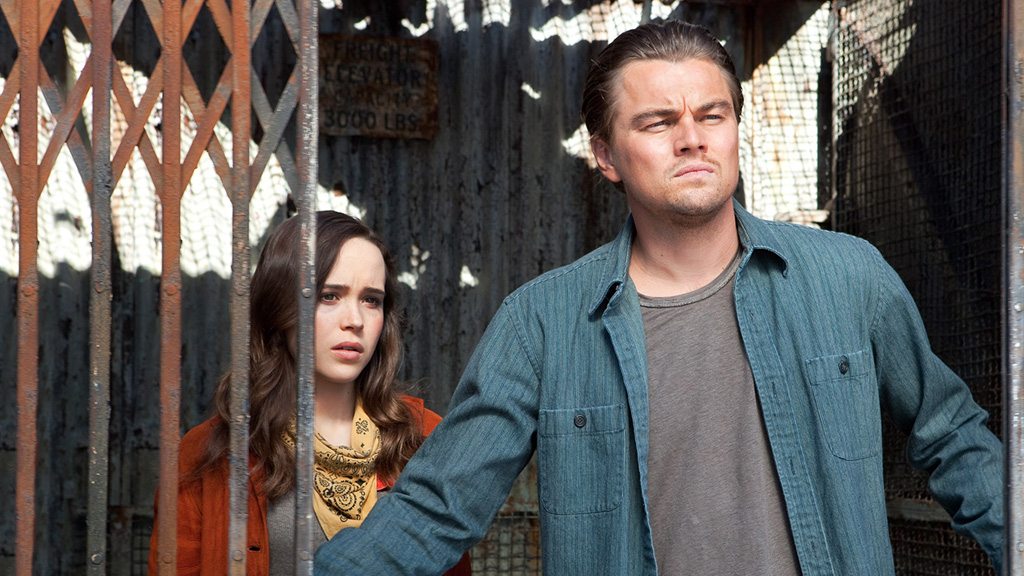
I believe the entire movie was a dream, and we are supposed to arrive at that conclusion. Nolan implants countless clues that point to this, but he works to make sure that even the clues themselves are ambiguous.
The first clue? To catch it, you have to watch the movie at least twice. There is a line in the movie when Cobb points out that our dreams always start in the middle of something, but not really the beginning. We never think about “how we got there” as he puts it.
Inception begins in the middle of Cobb’s story, as well as the middle of a dream heist. We aren’t introduced to Cobb, Arthur, or Saito. We are given a brief look at the end of the story, and then the movie just shifts seamlessly into the dream heist.
What does that remind you of? When we recall a dream, we typically start at the end (Cobb and “old” Saito) and try to remember how it actually started, but we can’t remember how it really started and just start somewhere in the middle.
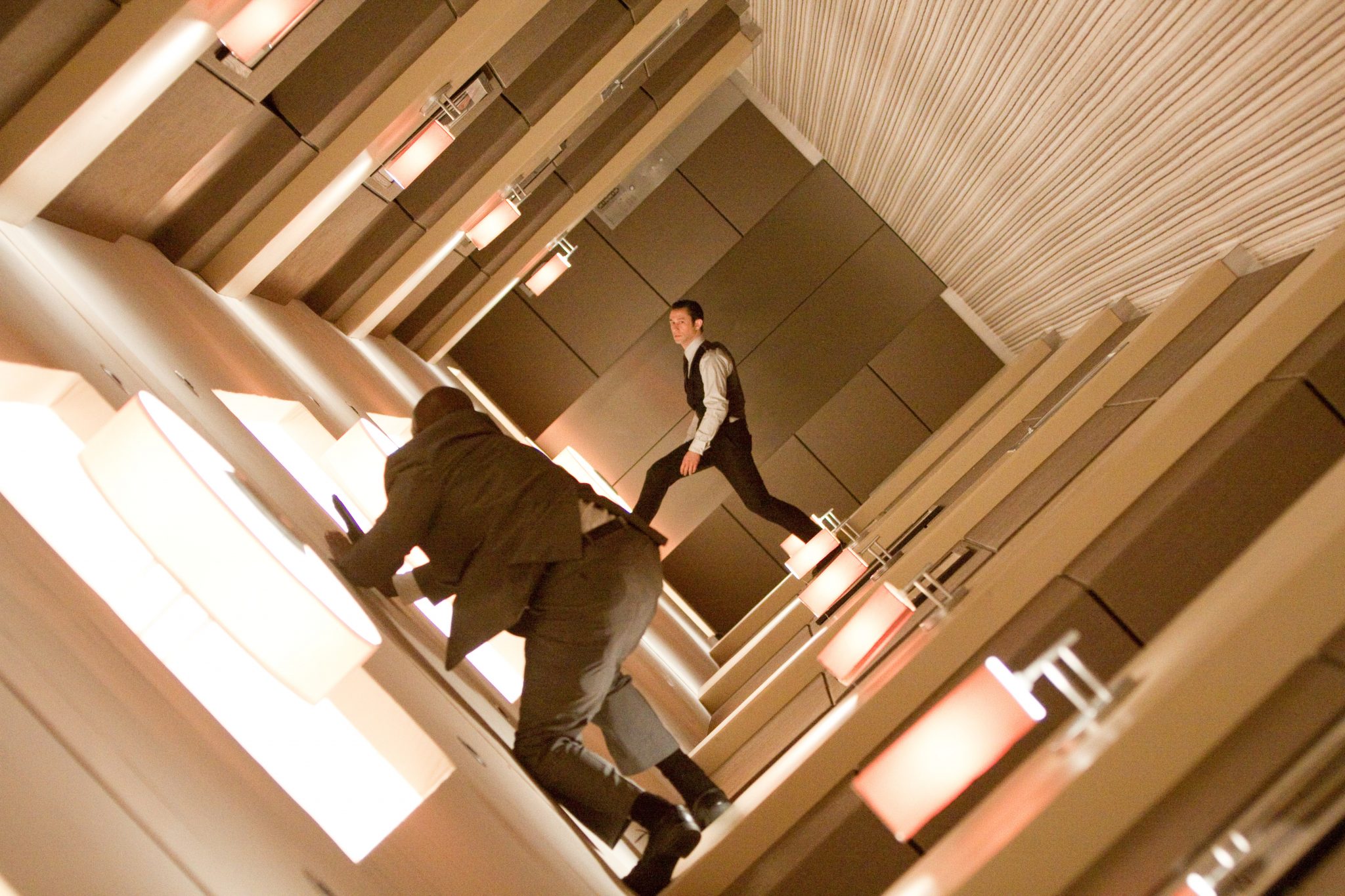
So, let’s say you buy that. The whole movie was a dream. Doesn’t that make you mad? Well here’s Nolan’s genius: that shouldn’t matter. We get mad that the movie was just a dream and say, “Why bother watching a movie that didn’t really happen–” and then you realize that the movie is fiction anyway.
That is just one example of why this movie is so amazing. It has scores of themes you didn’t even think were possible to associate with the film. And it takes work to sort this all out.
Back to the first statement that everything was a dream. Maybe you’re not convinced? I’ll give you more clues. The basis for the “It’s a dream” theory is based on how limbo works. When the “kick” happens, namely suicide here, you go one level up in the multi-level dreams.
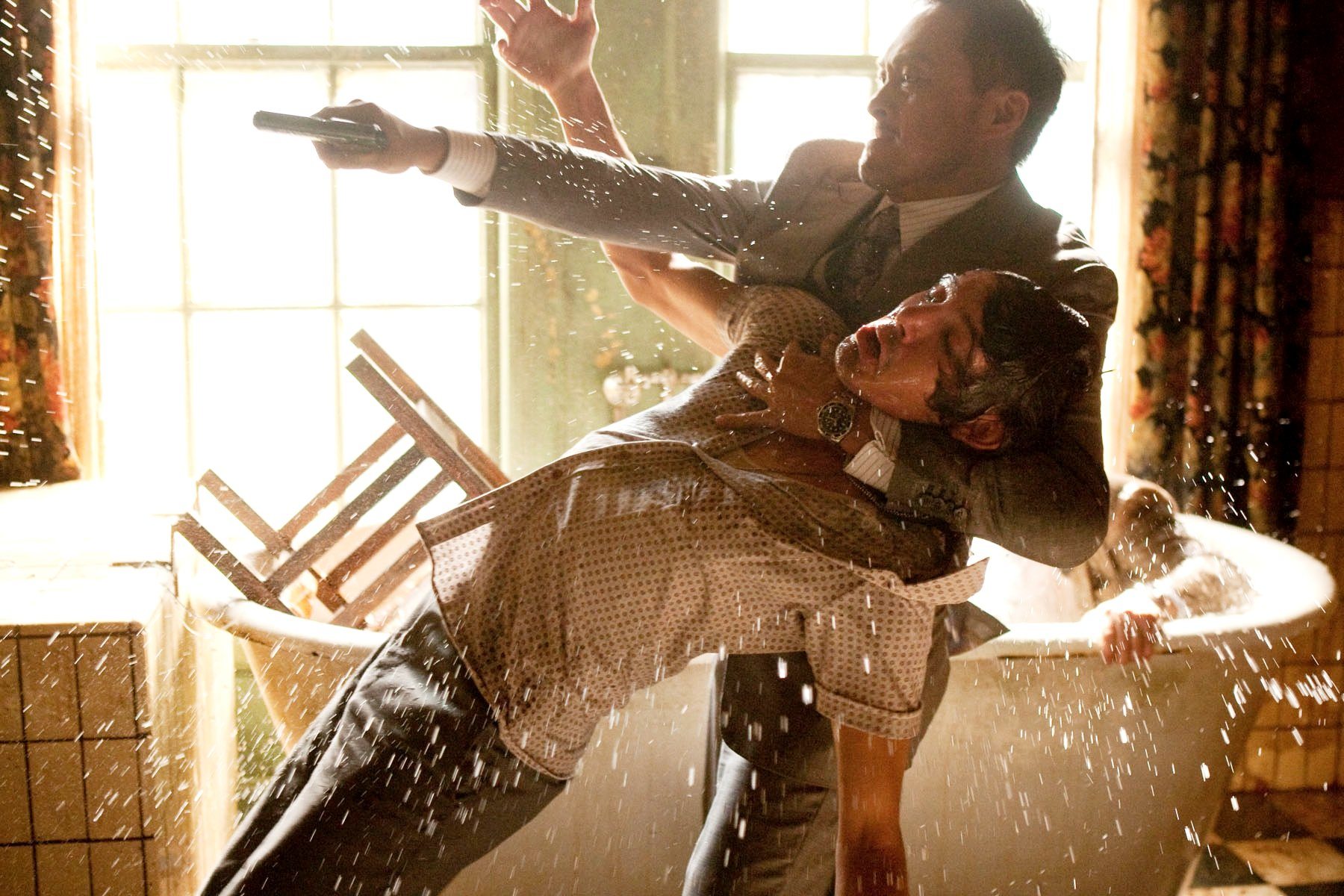
Cobb explains to Ariadne that he and Mal, his wife, ended up in their world-building limbo because they were experimenting with multi-dreams and Cobb pushed them too deep. He says they grew “old” together and eventually committed suicide on the train tracks to go back to reality. But here’s the thing…that would have sent them only one level up.
Cobb believes inception is the reason Mal went insane and killed herself, but it was actually true. If they died in limbo, it would be impossible for them to return to reality again unless they died again and again. Totems mean nothing here because the totem Cobb used was Mal’s, and he even broke the rules and explained how it works to Ariadne, compromising its purpose. (Talking about the totems alone would take up this entire article by the way)
Another clue that they were in a dream when Mal killed herself: She trashes the hotel room to make it look like Cobb killed her so that he will eventually join her, but when he approaches the window, she’s across the road in another hotel room. If you look closely, it’s the same hotel room, plus it would make no sense for her to go to the other side. Cobb even proves that he doesn’t catch how that’s odd when he tells her to come inside and motions for her to come into the window he’s currently at, even though she’s across the street.

One of the characteristics of a dream is that weird things happen that we don’t catch. When the dream was happening, strange things happened that we didn’t realize were major “plot holes” or illogical until we woke up and actually thought about it.
The entire movie is like this. The fast (and sloppy) editing, the one-dimensional characters all revolving around Cobb, the walls closing in on Cobb for no reason during the chase scene in Mombasa, bodyguards coming out of nowhere to attack him, Saito showing up just in time to save Cobb, and so many more examples all lead the diligent audience to believe that this is really just a dream.
After all, do we really believe that an energy tycoon that is smart about money would actually buy an entire airline just for the heck of it? And then said tycoon would risk his life in order to take part in the mission? It doesn’t really make sense the more you think about it.
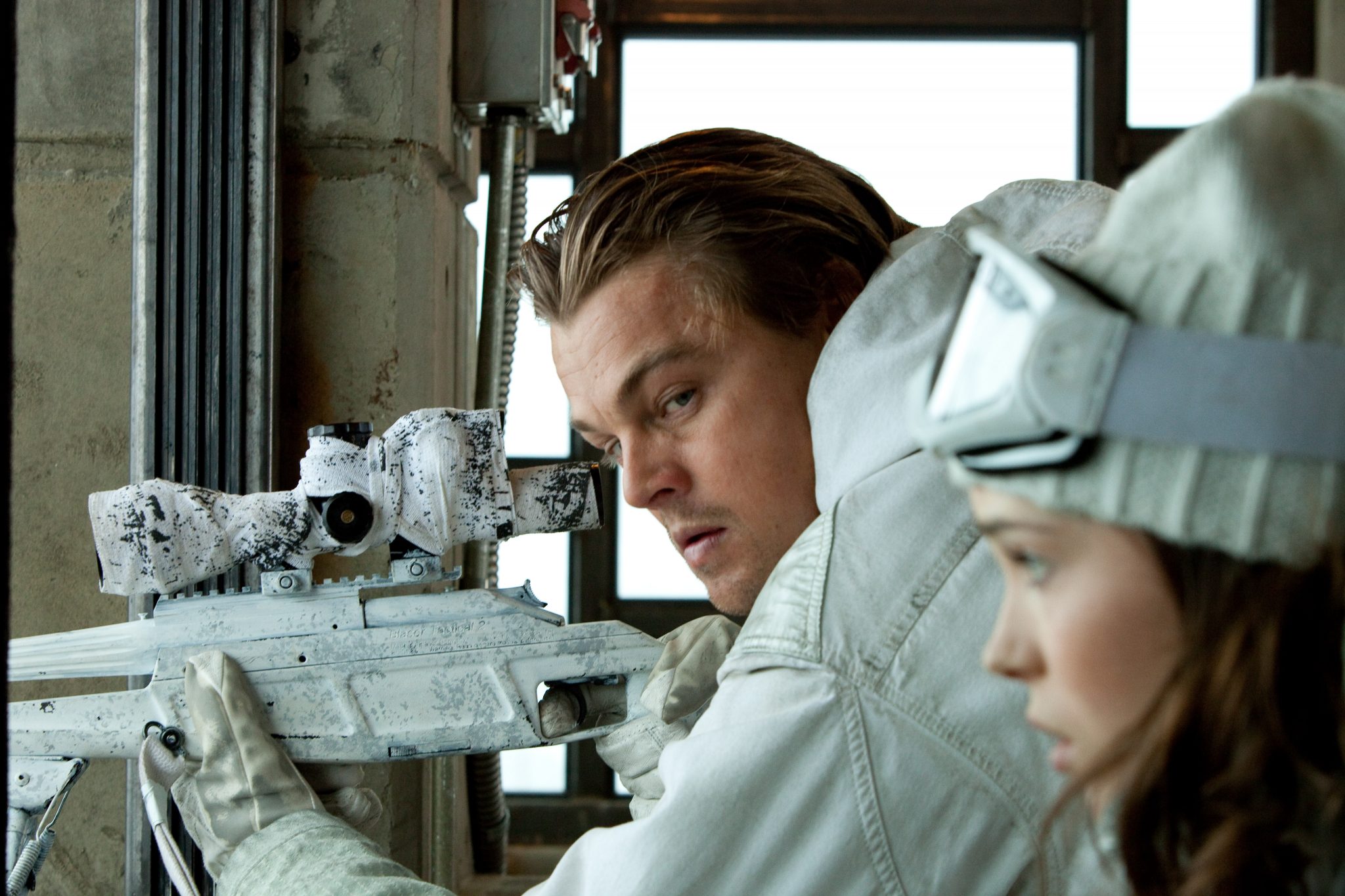
Watching the movie play out, it’s hard not to catch that it is clearly an allegory to filmmaking. When watch a movie, we are watching what is essentially a dream. Plot holes and the like exist because the director is trying to explain his “dream.”
Nolan himself has even admitted that he framed the characters around certain roles in filmmaking.
Cobb is the director: he leads the whole thing.
Arthur is the producer: he organizes everything.
Eames is the actor: he changes his appearance.
Ariadne is the screenwriter: she designs everything.
Yusuf is the special effects studio: he’s behind the technology to make everything work.
Saito is the bank-roller: he funds the project.
Robert is the audience: he’s the person they’re trying to plant an idea into.

Need more clues? We’re told during the movie that elements of a person’s subconscious creep up during the dreams. That’s why Robert’s number, 528491, appears so often in the movie. He initially guesses the number is a combination to his father’s safe. Later, the number shows up on a napkin, a hotel room, and eventually his father’s safe at the snow fortress.
This carries on throughout the whole movie. The number of the train that kills Cobb and Mal, when they are in limbo is 3502. The taxi number later on is 2305, and the hotel Mal trashes is in room 5302. This implies that Mal’s death happened during a dream. And in the image above, you can see 3502 on the train that appeared during Robert’s dream.
Here is the most important subconscious clue, since it has to do with the ending that ticked everyone off for being a supposed cliffhanger. The end scene when we watch to see if the totem will fall (and prove Cobb is in reality) is a red herring. A massive misdirection that serves to make us miss what’s going on in the background.
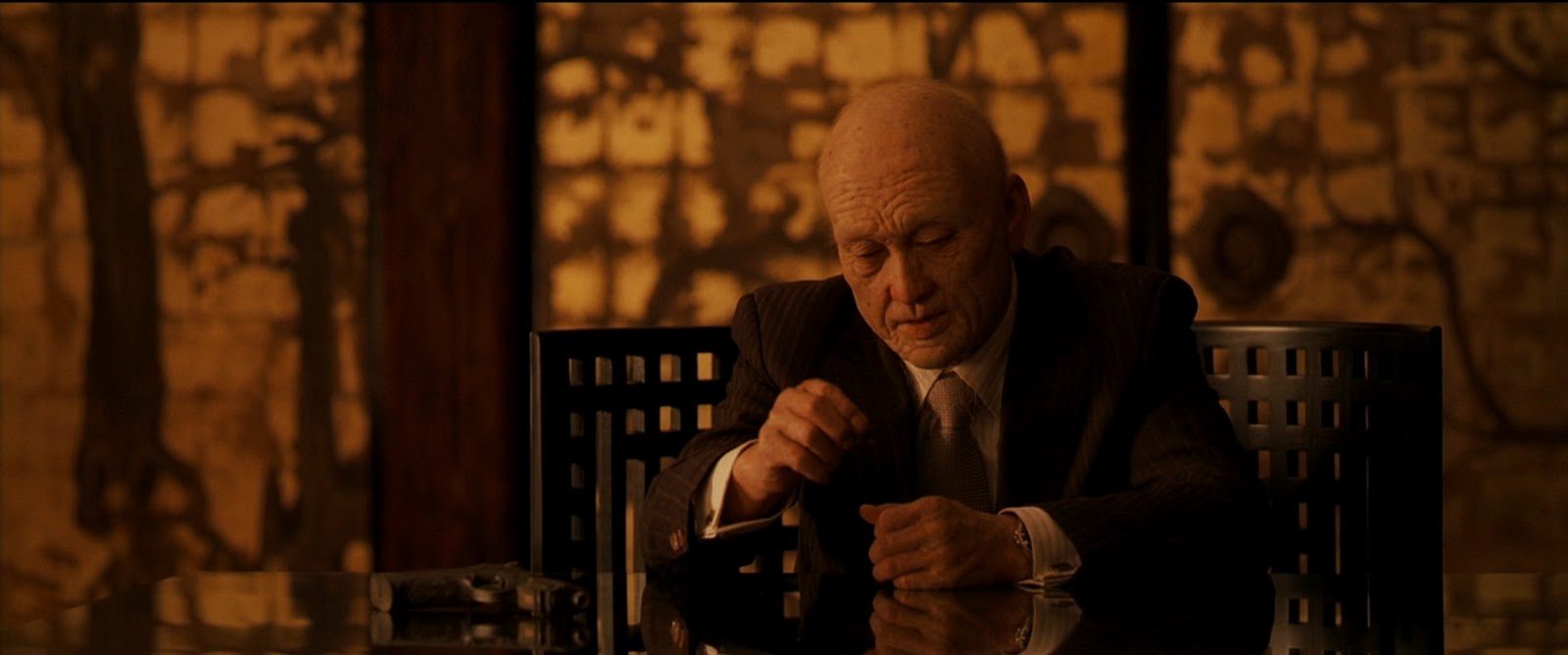
Remember, killing yourself only sends you one level up. We find “old” Saito and Cobb about to shoot themselves to escape limbo. If they did, then that means they would go back to the snow fortress. But wait, that was Fisher’s dream and Fischer received the “kick” already. If they went back a level up, that means there is nothing there. That means that the first person to die, Saito, would fill that dream with his subconscious, leading to the ending scene where Cobb supposedly reunites with his children.
How am I sure? Saito says that he always wanted a “house on a cliff.” In limbo, he is an old man living in a house on a cliff. At the very end when Cobb spins the totem and greets his kids, they say that they have just built a “house on a cliff.” This points to the whole thing taking place within Saito’s subconscious.
The beauty is how that can be a number of things. What if “house on a cliff” referred to Cobb’s subconscious being projected through Saito? That would mean Saito never existed. Honestly, there are countless ways to interpret this, but that’s not the point. The point is that this movie was designed in a way to make us understand that movies themselves are, well, inception.

I could go on and on about this movie, honestly. There are just so many ways to interpret and find new revelations within the narrative. That is why it is a truly great movie, and it pains me to see that so many people dismissed it because it went over their heads and a movie like this lost “Best Picture” to The King’s Speech.
I’ll leave you with some more crazy facts in case you’re interested:
DREAMS: Dom, Robert, Eames, Ariadne , Mal, Saito.
If you add Peter, Arthur, and Yusuf, it spells DREAMS PAY (their profession is to make money by stealing from others’ dreams).
Hanz Zimmer created the entire soundtrack for this movie using only one song that is slowed down and sped up: the song used to initiate a dream is over, which is “No Regrets (translated)” by Edith Piaf. Seriously, even the blaring trombone composition is taken from that song. Also, the very last word in the song is “mal” which coincidently refers to the character Mal.
The running time of the movie is exactly 2 hours and 28 minutes long, which is how long the song “No Regrets” is when translated to minutes and seconds.
Ariadne is a mythological princess who aids Theseus in escaping the Minotaur’s labyrinth. The name is also associated with Ariadne auf Naxos which is an opera that is essentially a “play within a play.”
The movie is based on Cobb’s mission to get home. His first name, Dom, literally means “home” in Latin (think domestic).
One last thought, a lot more about this subject can be found in this book, Inception and Philosophy, by Kyle Johnson. I haven’t read it myself, but I’ve been told it goes even deeper into the movie and what it all meant. Click here to check it out.
Wow. I totally read this article even if it’s too lengthy and I wanted to find out more! Great job on the analysis! *clap clap* Inception is one of my favorite movies indeed.
I LOVED Inception the first time I saw it – it totally blew my mind. While I wanted to believe that Cobb went back to the real world at the end, this explanation actually makes so much more sense. His children are wearing the same outfits all throughout the movie (even though there are years between), which would tie into that as well.
It really does make sense though, that odd, unexplainable stuff happens because it’s a dream. Huge plot holes that you don’t really notice until later when you’re thinking it over.
I’d like to hear more about your thoughts on the totems, actually. And… now I need to watch this again. 😀
The totems are so confusing. It would take forever for me to explain it!
Aren’t his kids pretty much the same even though there are “years” in between because he spends most of his time under? And since time is “slower” when we’re under, then that must mean he didn’t really spend that much time apart from them. Uhh right? Can someone clarify this?
I believe that is the truth
Reblogged this on The True Sons of Skyrim.
My theory is that Ariadne is actually Cobs Daughter grown up a little, who enters Cob’s dreams to wake him up, as he entered a dream “coma” to escape the reality that he killed his wife (through inception). So the whole movie is still inside a dream, but his daughter having grown up with her father in a “coma” is trying to bring him back to reality.
This explains way she picked up ‘architecting’ so easily, she know all along about the mechanics of the dream state because she studied it while growing up, and was just playing innocent so to not arouse suspicion.
This is just an add on to the article theory.
Or, like, something.
Though that’s a bit of a stretch, that would be a great explanation for why she is the only character on their team that isn’t an archetype. She’s actually interesting and asks questions, rather than blindly follow Cobb.
It also follows the concept of Ariadne as the screenwriter – she’d be the one laying down the basic story, and the one who starts everything. Also, it explains why she’s so concerned for Cobb’s welfare; of course she would be if she was related. (And Ariadne looks just enough like Cobb – short, brunette, round face – to make it plausible too.)
But near the end, when Ariadne “kills” Mal … a little Electra complex there?
You used Ariadne’s name twice in your DREAMS PAY theory.
Great catch. I meant to say Arthur. Thanks!
Haven’t read the whole thing yet, but your analysis of Mal and Cobb’s suicide from limbo is wrong. Once you’re in limbo the “higher level” dream states will disappear overtime. You use the kick to time the rising from one level to the next so you wake up in a synchronized, “climbing out the dream one floor at a time” kind of way. But limbo clearly works differently. Since the assumption is that Cobb is dreaming, and therefore his belief about limbo may be wrong, I’ll use a different character to prove this. Saito. He’s trapped in limbo after progressing down the through the other levels of the dream. By your theory when he and Cobb kill one another to awaken from limbo he should be in his body one dream level higher- the winter fortress where the inception (“incepting”?) actually occurred. But he immediately awoke on the plane, leap frogging all the other dream levels because he was waking up from a limbo state.
What you have wrong is that the dream states don’t disappear completely. He wouldn’t wake up in the dream fortress because it was Fisher’s dream, and Fisher woke up. That means the level would be empty, allowing Saito to fill it with his own subconscious and he’d still be levels down. Same applies with Mal and Cobb.
But there is just nothing to support the conclusion that CONSTRUCTED dream levels will remain even after every constructed portion of the level disappears- it would be like saying that the 10th floor of a building exists even after the demolition crew destroys the building, so that someone unknowingly sleeping on the 12th floor would have to enter the 10th floor even though the stairs, walls, ceiling, furniture, etc., are all gone, and would have to climb back down through that floor to get out the building. The other levels in inception don’t exist until they are constructed, when they are de-constructed those levels cease to exist in their entirety, and there isn’t a blank canvas anymore. Limbo is that blank canvas, and exists only because all the other levels are gone and you are as deep as possible. To illustrate, remember Saito right after being shot. Tom Hardy’s character goes to shoot him, but Cobb stops him because doing so will put him in limbo, not one level down as if the dream levels are connected the same way stairs in a building connect the floors. He’d jump right past the other two, deeper levels to get to limbo. Every reference to limbo throughout the movie is premised on this identical notion that it exists separate from the constructed dreams, and is not based on the same rules for entry/exit: it is a “natural” dreamscape that is connected to the conscious mind at all times because it has always existed, and does not rely on constructed dreamspace to enter, nor does it rely on travelling through the constructed dreamspace to exit.
got to the end, so I’ll address that. The limbo state is filled with your subconscious because it is “unconstructed” dreamscape. If it were previously constructed then it would either a) disappear after a set time, or b) remain constructed until everyone attached to it had awoken. So Saito would either wake up in the winter fortress if it still existed, or he would wake up in reality if that dream level no longer existed on any level. I don’t see how anything in the movie to hint that a dream level, once created, exists for all time, even after the constructed portions of the dream disappear, thereby requiring the level to be filled by the subconscious of anyone inadvertently entering it. The one fatal flaw to this all being a dream that Cobb is trapped in after believing he woke from the limbo with Mal is the scenes where Ariadne witnesses him dreaming alone; first with Yusuf, and then later when she joins him in the dream. In a movie that exists within one character’s head the other character’s, by definition, don’t really exist. So Ariadne only exists as she is perceived by Cobb. She couldn’t be walking around on her own, observing him in secret, and taking actions that he is not aware of. It all goes back to the classic truism: “I think, therefore I am.” Ariadne thinks, therefore she “is”, and exists independent of Cobb. It may not be “reality” that they’re in, but it can’t just be one person’s dream, and it would mean that they were all unknowingly trapped in a dream level that they all got into in some totally unexplained way: Cobb from the limbo with Mal, and everyone else from God knows where. It just doesn’t seem likely that the whole movie is supposed to be a dream, as opposed to a “reality” that is an allegory of the film making process. The leaps of logic seem like regular, ordinary leaps of faith: Saito bought the airline because it made good business sense AND it helped their cause; Saito is a control freak, so he both buys an airline to control the mission AND goes on the mission to watch over Cobb and ensure the job is done, etc., etc., etc. These are unbelievable, but no more so than Andy Dufresne being able to clean himself up enough from the sewer and rainstorm to be able to convince banks to give him hundreds of thousands of dollars in cash 6 hours later, or Darth Vader spending 2.9 movies trying to kill or convert his son only to change his mind at the last moment and defeat the very Empire he had sacrificed everything else to build, etc. These are movie leaps of logic, not reality, so the plot holes are no larger for Inception than those other movies, and nobody argues that Shawshank or Star Wars are really dreams. Just my thoughts, and wanted to finish by saying that, while I disagree with some of your conclusions, I wholly agree with your opinion of the film as a whole, and thoroughly enjoyed reading your analysis.
Haha well thanks for your great analysis. All I’ll say is that I think Inception is about movies in that it gives us a reason for why plot holes exist in movies. Because they’re dreams 😀
Haha, totally true. Thanks again for getting me thinking about this movie. Haven’t watched it in a while, and haven’t thought about it for a bit either. I think I’m popping it in after work tonight 🙂
The first letters of the main characters’ names in Inception can be arranged to form the word ‘DREAMS.’
Dom, Robert, Eames, Arthur, Mallorie, and Saito. No way that was on purpose…
Christoper Nolan, you brilliant motherfucker
I always thought that the entire thing was Cobb’s dream and none of the characters actually existed. What was assumed to be reality was always a lucid dream.
Towards the end, when Cobb is at the airport, his colleagues barely interact with him, sort of how all the other humans in the background were just projections of the subconscious mind. So maybe all the characters were just projections that evolved based on his own need for interaction. Maybe Mal was a projection of his own insecurities about meddling with dreams and their consequences and in order for him to stay within the dream world, that aspect of his mind/feelings had to die, which is why she killed herself. It is also why the totems are the same.
In the end, the only reason he can see his children’s faces is because reality is a lucid dream and he wills them to turn around.
But that still raises the same questions of why Ariadne can exist and experience things when Cobb is in his own induced dream state. Those scenes where she walks by him dreaming don’t make any sense if she only exists as a creation of his dream. There are also scenes where her and JGL are discussing Cobb’s wife or how to construct a dream that Cobb have nothing to do with. None of those scenes can exist if they don’t actually exist. Again: “I think, therefore I am.”
I would have to disagree with you, in the movie there’s another character who is very independent and doesn’t fit the normal subconscious generated people type, and that’s Mal. There some parts of the movie where she is shown experiencing things when Cobb is not around, like in the beginning of the movie where the dream from Arthur is collapsing and she is alone with Saito checking the envelope while Cobb is fleeing from Saito’s subconscious security. That happened during a dream, Mal is very independent so why can’t Ariadne be too. I really think he was in a dream, and the ending leaves you unsure if what your seeing is reality, Nolan likes to do this kind of stuff, remember Memento.
Also, I know this is not related to Inception but do you thik Eternal Sunshine of the spotless Mind is set in the same universe as inception, just on an earlier timeline? Maybe people began experimenting with the subconscious and ended up with some of their patients stuck in limbo!
Very cool! Just one thing: the length of the movie and the song, I’m assuming the length of the song is actually 2 minutes 28 secs, not 2 hours, right? 🙂
Haha, yes.
Great theory. I also thought Cobb was in a dream the first time i saw the movie. Nolan left little clues during the entire movie suggesting it, just like in Memento. Like when Cobb is talking with Mal’s father and he says “Come back to reality”, for example.
Also , when he at Yusuf’s basement, there’s a very interesting dialog:
Eames: They come here every day to sleep?
Old Man (staring and addressing at Cobb): No. They come to be woken up. The dream has become their reality. Who are you to say otherwise, sir?
This dialog, as well as the dialog between Cobb and Mal’s father, hints at the idea that what Cobb thinks is his reality is actually a dream.
There’s one thing I kinda noticed and then confirmed. Everytime they enter a dream explicitely, Cobb is wearing a ring, supposedly a wedding one. Ang when they’re awake, he’s not wearing it… What do you think this means?
Cobb’s wedding ring is his totem. It can’t be the top because that belonged to mal. Cobb wears the ring in the dreams but not in real life, and he isn’t wearing it in the final scene. So, he actually did wake up from the dream and it doesn’t matter whether or not the top would’ve fallen over (which it would have).
This makes sense to me … Besides Dom’s being across the street from Mal and asking her to come back inside, the other thing that always bothered me was … When Yusuf asks Dom how many “team members” are going into the field, Dom says, “Five,” and then Saito says, “Six.” At that point, they’d only agreed on: Dom, Arthur, and Eames. Dom had promised not to take Ariadne into the dream. Correct? So add Yusuf and he would be the fourth on Dom’s list. Of course, they ended up with a team of six, once Ariadne talked Dom into taking her. So if all *that* was a dream, that allows for the discrepancy.
I’m not really much of a moviegoer, being sixty and preferring “classic” and calmer entertainment. One of my former students told me I “had to” watch Inception. I did. Now … I watch it once a week. Bought the soundtrack–listen to it in my car. : )
Good exercise for the mind.
Next time I watch, I’ll pay more attention to mirrors. Not just the scene with Ariadne, but the mirrors in Yusuf’s shop.
Much thanks, Joe. This is a truly useful blog. Have you seen “The Lost Room”? A sci-fi channel series.
He said members of the team, not necessarily dreamers
^^^ Sorry … “Much thanks, Jon.” : )
Its not a dream, and that’s because the top isn’t Cobb’s totem. It was Mal’s. He even says in the movie that was hers. Cobb’s totem is his wedding ring. Nolan makes a point of showing his hand in almost every scene, and in each dream sequence the wedding ring is on and in the real world he is not wearing it. You will also notice that in the final scene he is not wearing his ring.
Kevin, I think you are spot on. Ivan, Mal’s independent actions are always perceived from Cobb’s point of view. Ariadne’s actions, on the other hand, are not perceived through Cobb’s mind. She acts on her own while Cobb is absent.
Fascinating piece! I just watched, only for the second time – a lot of it confused me a lot, but I didn’t dismiss it just cos it went over my head 😉 Although the first time I watched (at a late-night showing – THAT was a mistake) I did think it might all have been a dream, for precisely two of the reasons you identify – the mysteriously closing walls on Cobb, and Mal being on the opposite ledge. Those are both such dream things, aren’t they? Being oddly incapable of running even though you should be able to, and spaces/dimensions being messed up. So few online commentators seem to mention those, and nobody I went with noticed it, so I’m pleased to see it mentioned here 🙂
Another curious discrepancy, which I’m sure you’ve spotted, is that we see Mal and Cobb old in limbo, but when we see their train track suicide, they aren’t old.
When they show mal and Cobb old, they also show them on the train tracks old, the earlier times in the movie were just so you recognized the characters
hello! i loved reading your article but i just wanted to ask something, he mentions in the begginging of the movie that the spinning top isnt actually his totem, its mals. cobbs totem is his wedding ring because he sayshim and mal are still together in his dreams so when its a dream he wears a ring and when its reality he doesnt have a ring on, in the last sceance when the totem is spinning he isnt wearing a ring so wouldn’t that make it that it ending reality? replys welcome 🙂 x
Exactly
Thank you
There’s also the fact that whenever the kids show up, they’re always wearing the same thing.
the last word of the song ‘no regrets’ is ‘you’. get it right mate
I think Jon meant in the original language because it’s not an English word
There’s something I want to understand. If you watch the first scene you’ll see that’s not exactly like the same one in the end. What does it mean? ;c
i hate to burst this guys bubble but the director literally came out and said it was all real because someone threatened to commit suicide if he didnt’
Even if you meant it to be fake, wouldn’t you do the same thing?
Brilliant 😛